
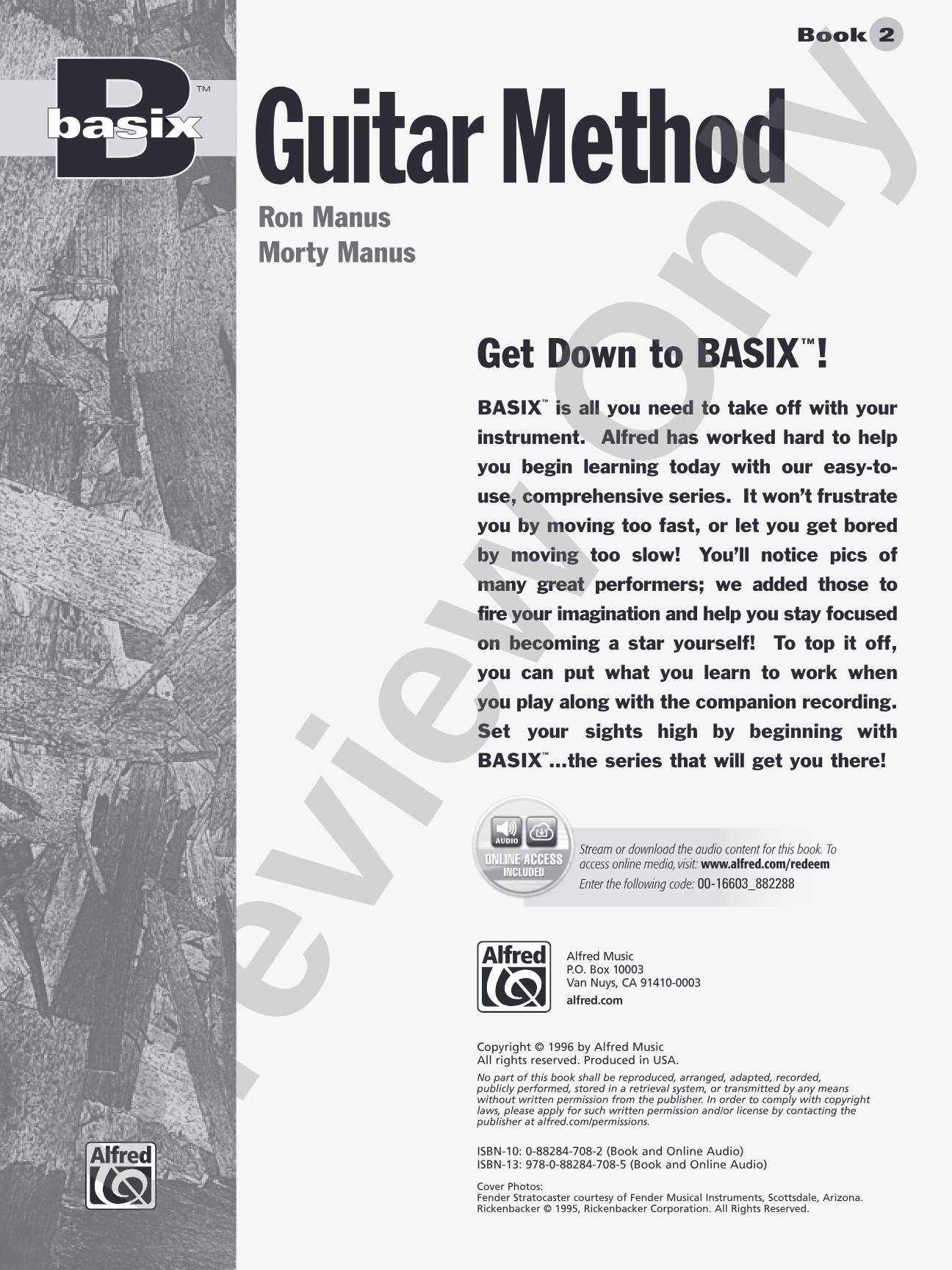

Basix®: Guitar Method 2: Easy Guitar
By Morton Manus and Ron Manus
Item: 00-PB-0002173
$10.99
Pickup currently not available
Related Items
Basix®: Guitar Method 2: Guitar Book & Online Audio |
$10.99
|
View |
Description
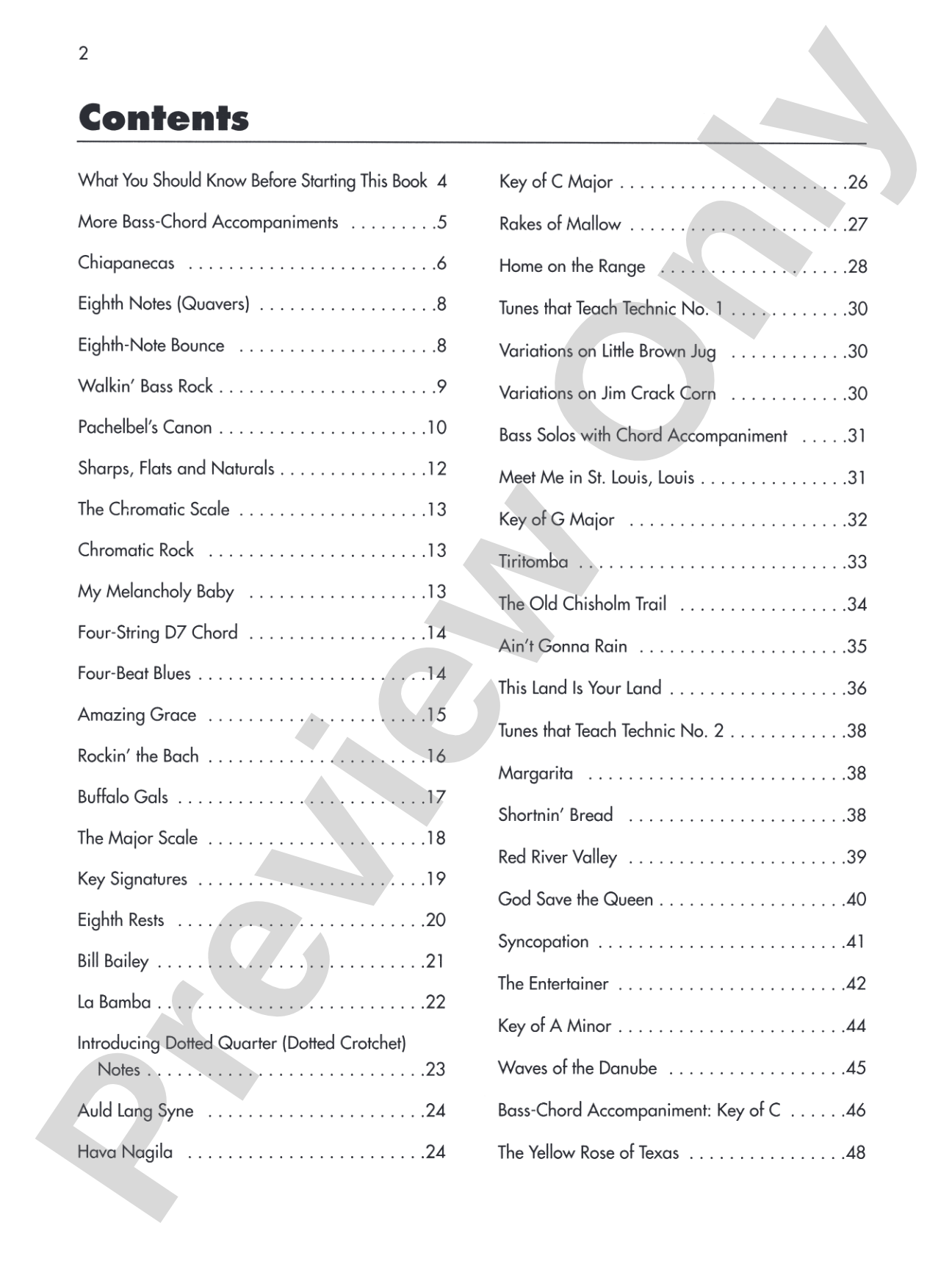
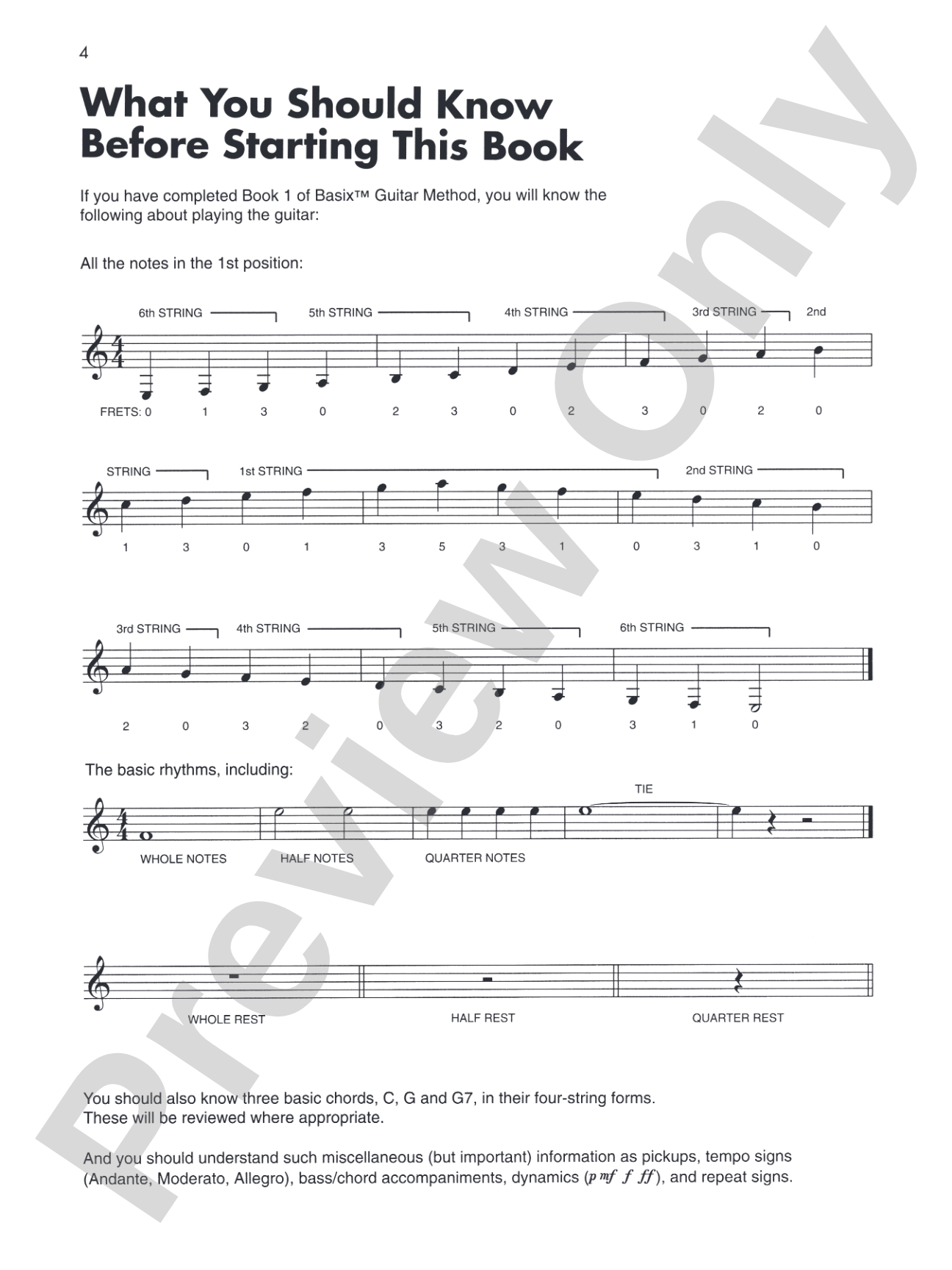
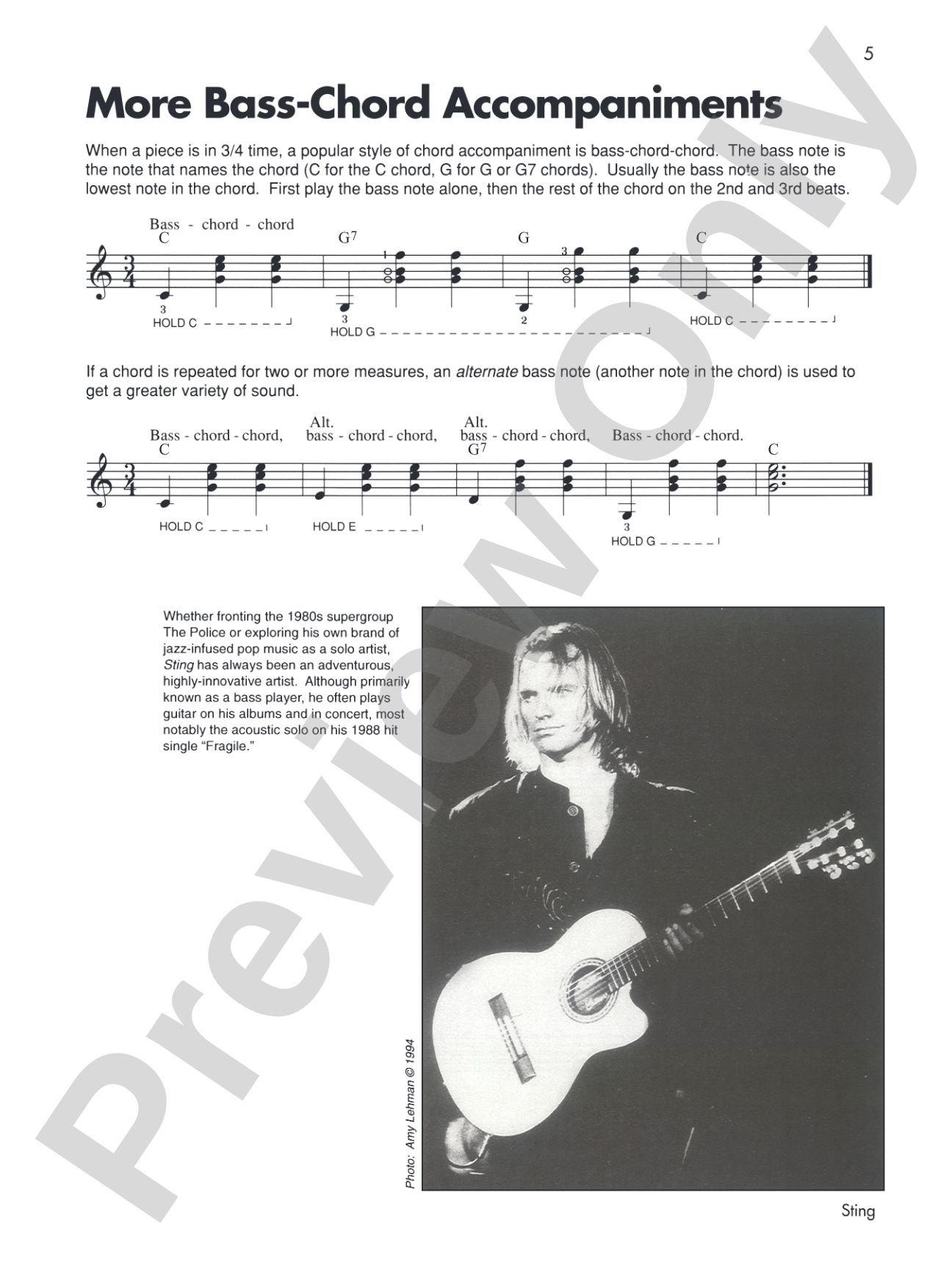
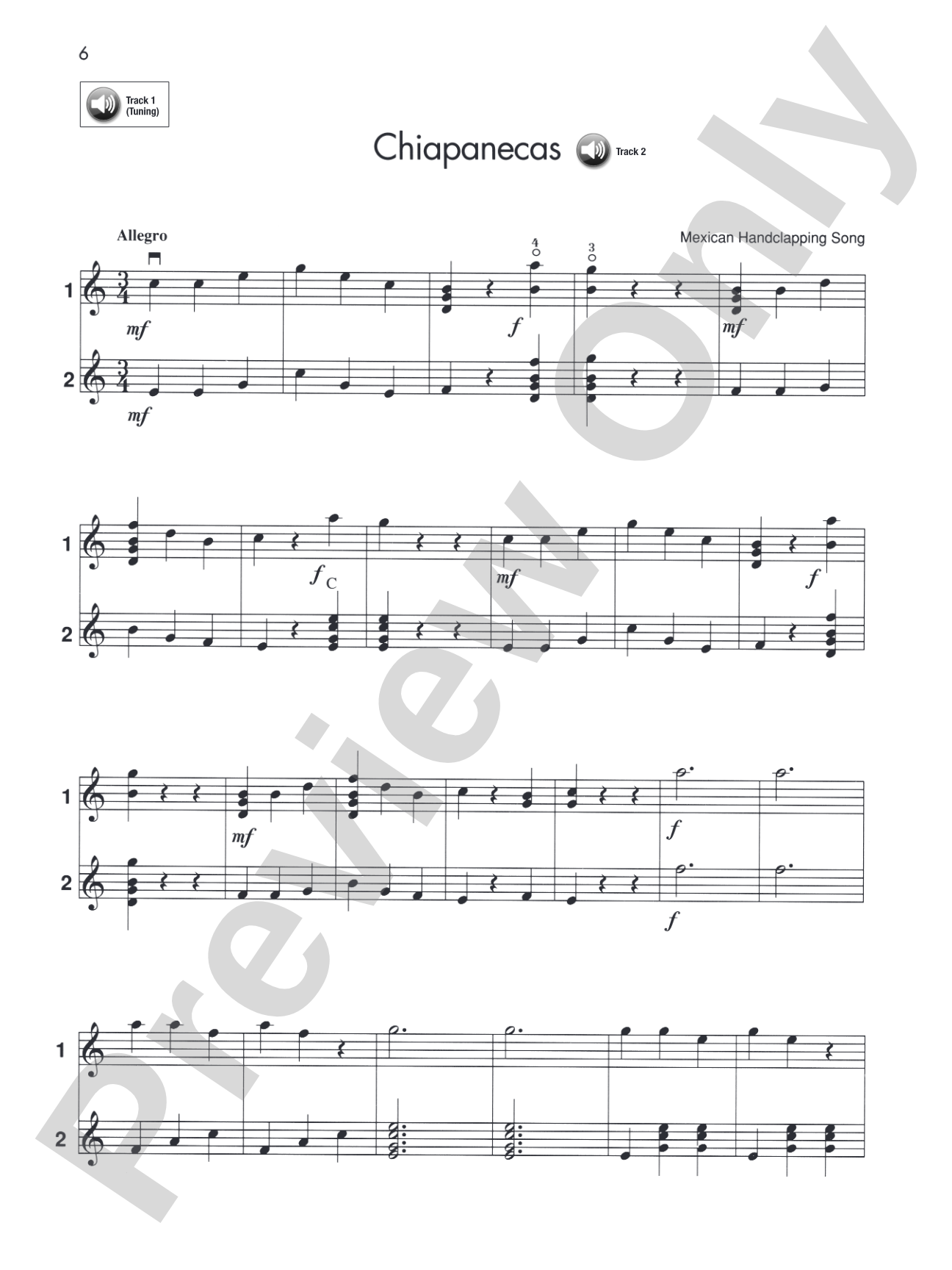
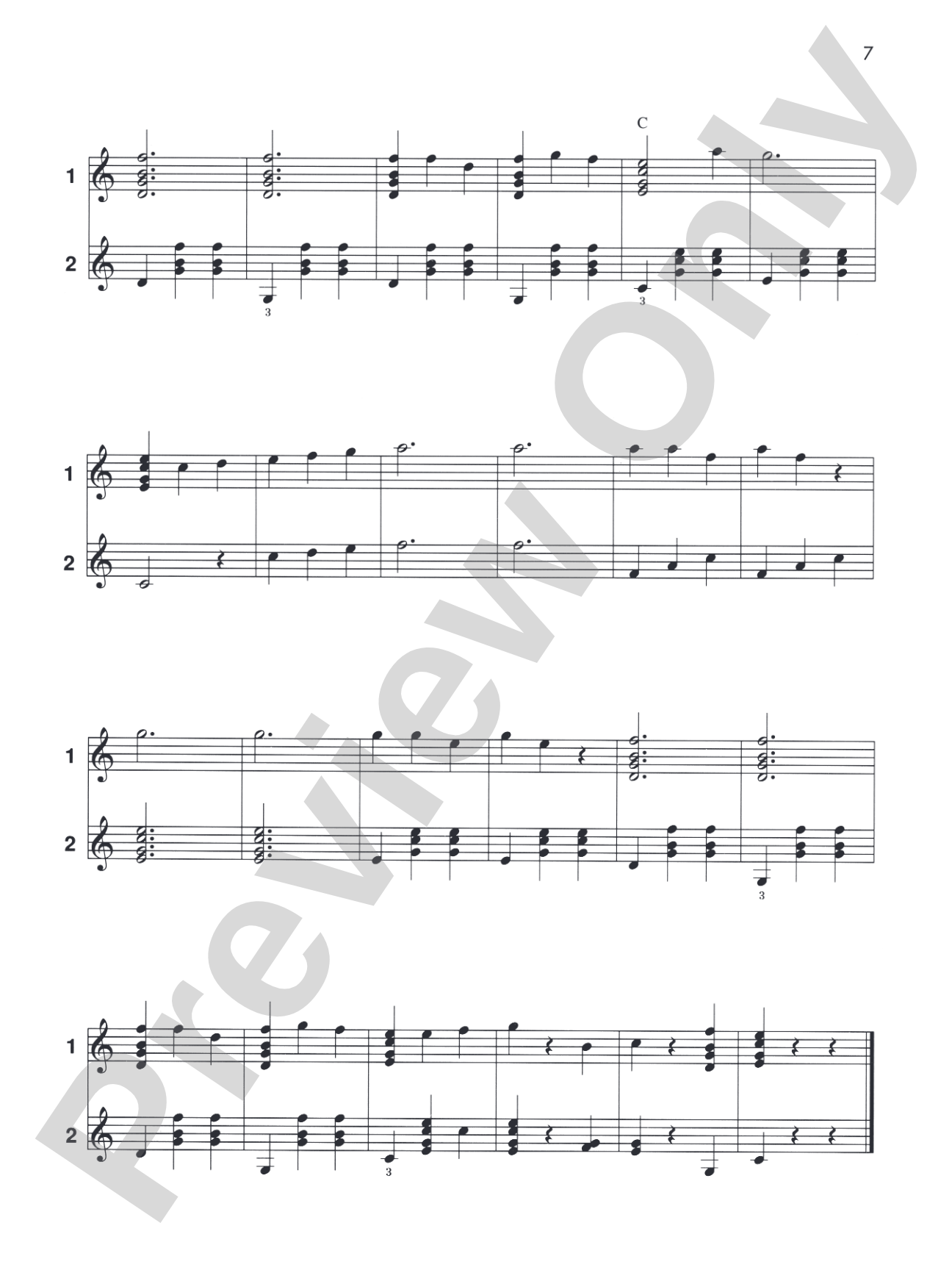
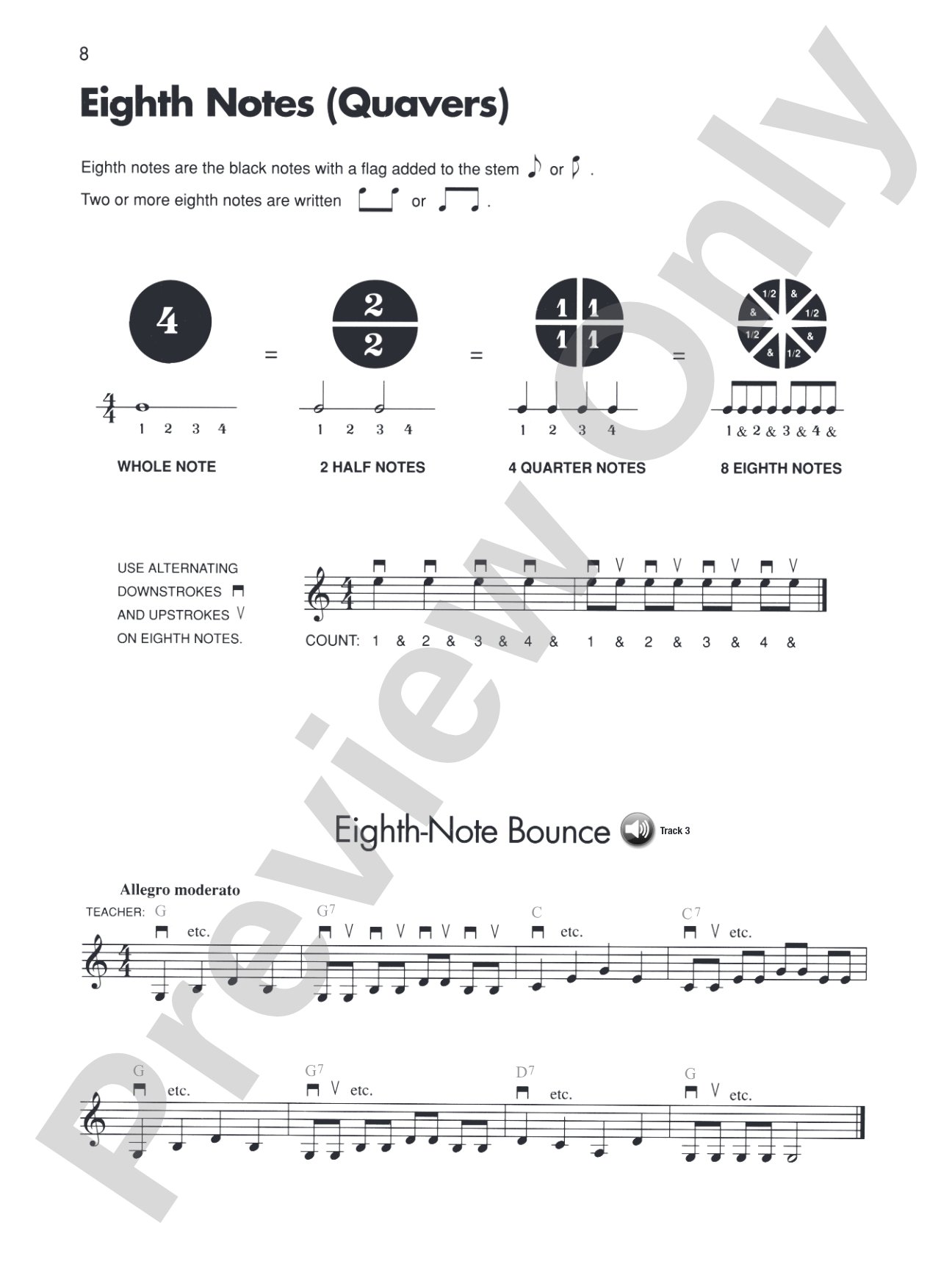
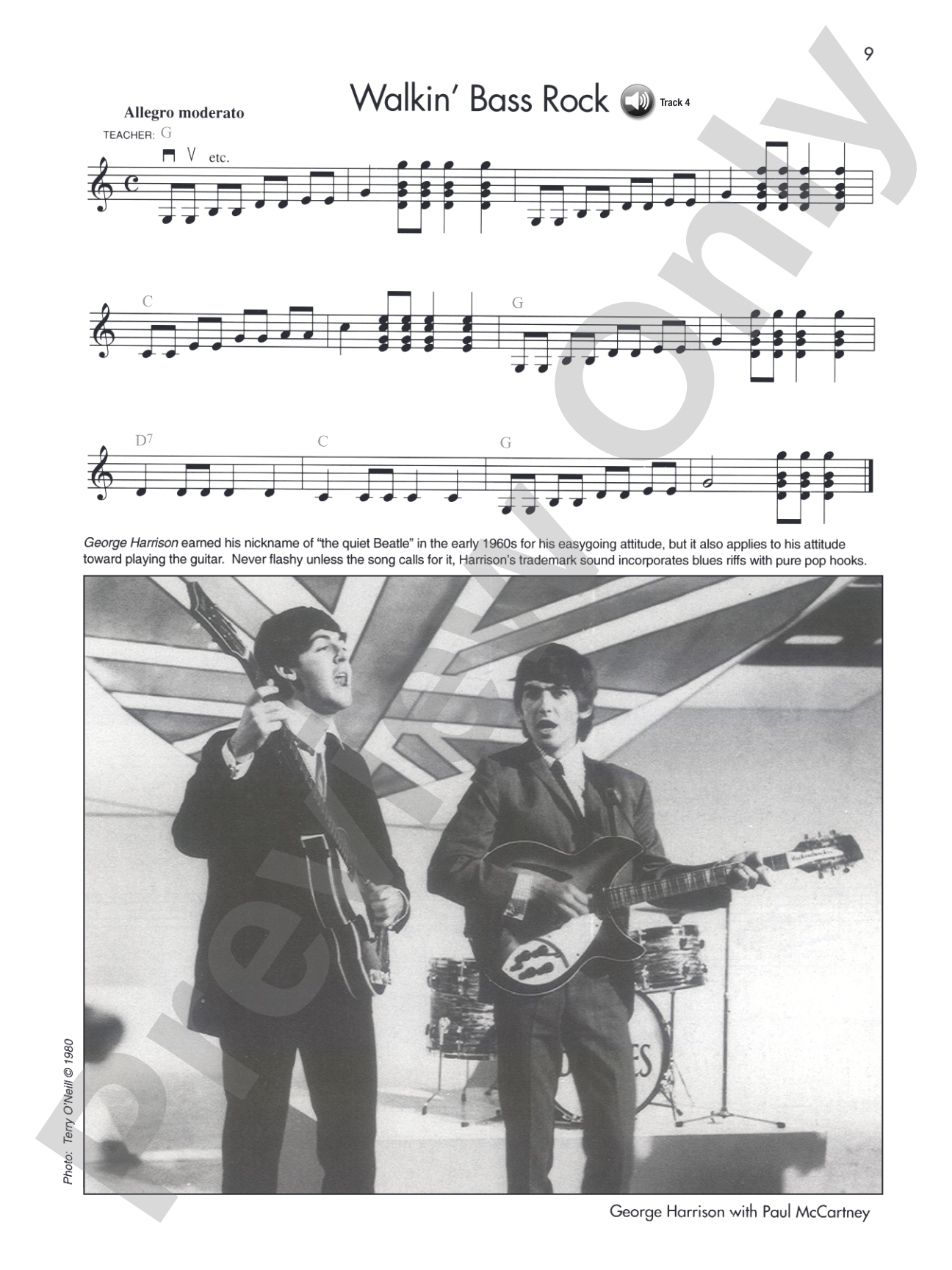
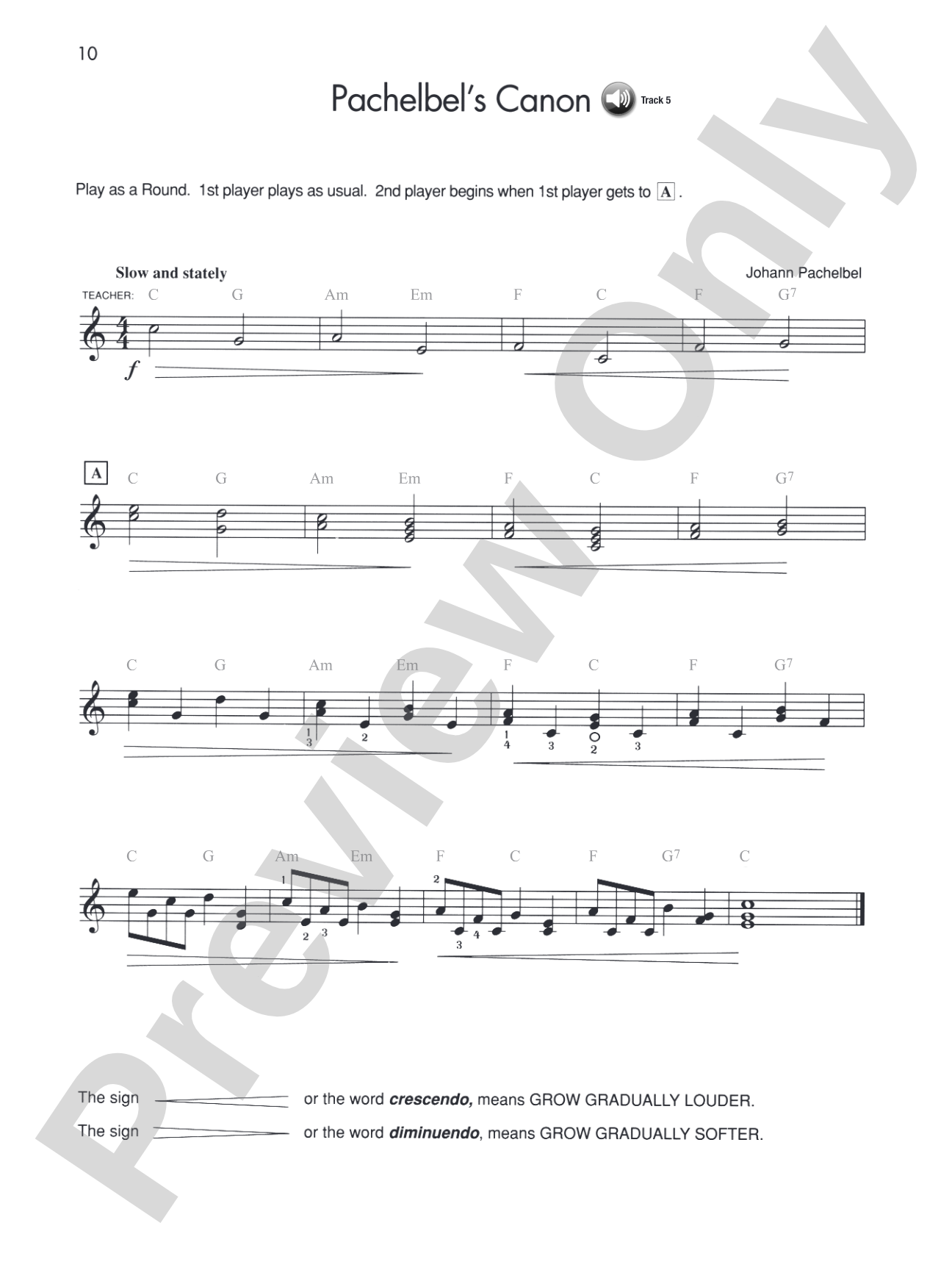
Solid guitar instruction at a great value. Each book in this series comes with a recording so you can listen and play along with every song and example---all for the same price as the book alone! Learn by playing familiar blues, rock, jazz, classical, folk and country songs, from the fundamentals of level 1 to the more advanced techniques of level 4. 48 pages.


Basix®: Guitar Method 2: Easy Guitar isn't in MakeMusic Cloud just yet...but it could be. Let us know you'd like to see it, and you'll help shape what comes next. In the meantime, start a free trial and dive into thousands of interactive titles your students can play along with today.
Request This Title
Tell us you want it.
Start Your Free Trial
Explore everything that's ready to play right now.
Sample Audio
1
La Bamba
--:--
2
Red River Valley
--:--
3
The Yellow Rose Of Texas
--:--
La Bamba
0:00
0:00
Sample Video
No sample videos found.
Additional Details
Series:
Basix® Series
Publisher:
Alfred Music
Page Count:
48
SKU:
00-PB-0002173
More about this title
About the Composer: Morton Manus

Morton Manus joined Alfred Music in the late 1940s after earning a business degree from City College of New York, and he would go on to reshape the company's entire direction. As president from 1952 to 2016, Morty recognized a critical gap in the market for accessible, high-quality instructional materials across multiple instruments. A clarinetist and pianist himself, he championed the development of method books for accordion, guitar, piano, and recorder that would eventually define Alfred Music's reputation as an education leader.
Working alongside his sons Ron and Steve, who joined the company in 1988 and 1992 respectively, Morty expanded Alfred Music from a New York-based sheet music publisher into a global education powerhouse with offices in Australia, Germany, Singapore, and the UK. His vision transformed what had been primarily a popular music publishing house into the standards-setting force in music pedagogy that it remains today.
Why we love this
The recorded accompaniments make this method genuinely useful for independent practice, removing the friction of finding a teacher or accompanist to play along with. Manus built this series on real musical repertoire across blues, rock, jazz, classical, folk, and country rather than sterile exercises, so students stay engaged while absorbing technique naturally.
What to expect
A mix of genuine musical styles that keeps the learner engaged. One moment you're exploring a classic blues progression, the next you're applying your skills to a folk melody or a rock-influenced tune, giving you a real sense of how guitar lives across different musical traditions.
Who it's for
Second-year guitar students ready to move beyond the absolute basics and apply fundamentals to real songs. Teachers and self-taught players alike will find the included recordings invaluable for building consistency and ear training without needing a live accompanist.
How to get the most out of it
- Work through the songs in sequence rather than jumping ahead. Each track builds on the previous one, and skipping around will create gaps in your foundational understanding.
- Use the recording to lock in steady tempo, but also work sections without it to develop internal time before adding the accompaniment back in.
- Pay attention to the style markings for each song. The difference between how you'd approach a folk tune versus a blues number teaches you how technique serves the music itself.
- After you can play a song cleanly with the recording, try it at a slightly slower tempo to improve accuracy and build confidence before moving forward.
How to use it
Assign this as the primary method text for your second-level group classes or private lessons. The recordings allow students to practice meaningfully between lessons, which means they'll arrive better prepared and you'll spend less time on accompaniment and more on technique refinement.
Skills your students will build
- Reading standard notation and tablature
- Chord transitions and changes in multiple song styles
- Rhythm and strumming patterns across blues, rock, and folk idioms
- Finger strength and dexterity beyond first-position work
- Tempo and timing accuracy with recorded accompaniment
- Musical interpretation and stylistic awareness