Basix®: Electronic Keyboard Method Cover Image

Basix®: Electronic Keyboard Method: Electronic Keyboard Book & CD

$11.99 USD
Sale price  $11.99 USD Regular price 
Skip to product information
Basix®: Electronic Keyboard Method Cover Image

Basix®: Electronic Keyboard Method: Electronic Keyboard Book & CD

By Willard A. Palmer, Morton Manus, and Amanda Vick Lethco

Item: 00-17889

$11.99
Shipped

One moment…

Description
Basix is all you need to take off with your instrument. Alfred has worked hard to help you start learning today with this easy-to-use, comprehensive series. You won't get frustrated by moving too fast or bored by moving too slow! Included are photographs of many great performers to fire your imagination and help you stay focused on becoming a star yourself! To top it off, you can put what you learn to work when you play along with the companion CD. Set your sights high by beginning with Basix---the series that will get you there!

Basix®: Electronic Keyboard Method: Electronic Keyboard Book & CD isn't in MakeMusic Cloud just yet...but it could be. Let us know you'd like to see it, and you'll help shape what comes next. In the meantime, start a free trial and dive into thousands of interactive titles your students can play along with today.

Sample Pages

Sample Audio
1 Cafe Vienna --:--
2 Jingle Bells --:--
3 Lone Star Waltz --:--

Cafe Vienna

0:00
0:00
Sample Video
Additional Details
Series: Basix® Series
Publisher: Volonte & Co.
UPC: 038081167244
SKU: 00-17889

More about this title

About the Author: Willard A. Palmer
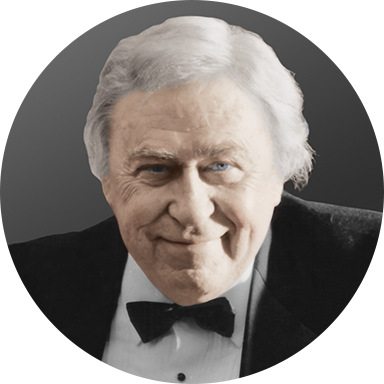
Willard A. Palmer

Willard A. Palmer stands among the most prolific and versatile music educators of the 20th century, with nearly 800 published compositions spanning piano, accordion, guitar, organ, and choral music. His works have been translated into German, Japanese, French, Dutch, and Spanish, reaching students across continents. Palmer's foundation in rigorous keyboard technique came from his early studies with Mae Vardeman, who instilled in him both precision and the creative freedom to improvise. He performed professionally on radio and in ensembles throughout his college years, grounding his later teaching methods in real musical practice.

Palmer's academic career included eighteen years on the faculty at the University of Houston, where he established the first successful college accordion curriculum. His scholarly expertise in Baroque music ornamentation earned him international recognition and led to the creation of the Alfred Masterworks series. As director of the Riemenschneider Bach Institute and recipient of honorary doctorates in both Humanities and Music, Palmer devoted his later years to deep research in historical performance practice. His approach to method writing consistently balanced technical mastery with musicality, ensuring that students learned not just mechanics but genuine musical thinking.

Why we love this

Palmer understood that beginning keyboard students need clarity without condescension. This method moves at a pace that respects the learner's intelligence while building confidence through accessible repertoire and structured exercises. The inclusion of performer photographs and a companion CD keeps students motivated by connecting them to real musicians, transforming isolated practice into an engaging journey toward musical independence.

What to expect

Steady, supportive, and genuinely encouraging. The method has the warmth of a teacher who remembers what it feels like to be a beginner and respects that the journey matters as much as the destination. Each successful passage builds genuine confidence.

Who it's for

Beginning keyboard students of any age seeking a structured, encouraging foundation in electronic keyboard technique. This method works well for students who appreciate clear progression and enjoy playing along with recorded accompaniments as they develop their skills.

How to get the most out of it

  • Use the companion CD as both a learning tool and a musical model. Listen to the recordings before attempting each piece to internalize phrasing and tempo.
  • Practice hands separately before combining them, especially in the early exercises. This builds independence and prevents the frustration of coordinating unfamiliar patterns.
  • Pay attention to the photographs of performers throughout the book. They serve as visual reminders that the techniques you're learning lead to real musical expression.
  • Work through the exercises in order. The method is designed so each new concept builds logically on what came before.

How to use it

Ideal for establishing a keyboard program from the ground up or supplementing ensemble work with structured solo study. The recorded accompaniments make it perfect for independent practice at home while the method's accessibility keeps students progressing steadily alongside other instrumental or vocal studies.

Skills your students will build

  • Reading treble clef notation and keyboard layout recognition
  • Hand position and basic fingering patterns
  • Rhythm reading in simple meters (4/4 and 2/4)
  • Right-hand and left-hand coordination
  • Musical phrasing and tempo awareness through recorded models
  • Technique fundamentals for sustained practice

You May Also Like