

Basic Classical Guitar Method, Book 2: From the Best-Selling Author of Pumping Nylon: Solo Guitar
From the Best-Selling Author of Pumping Nylon
By Scott Tennant
Item: 00-PB-0002134
$18.99
Pickup currently not available
Description
From Scott Tennant---the best-selling author of Pumping Nylon---comes Book 2 of this amazing classical guitar method.
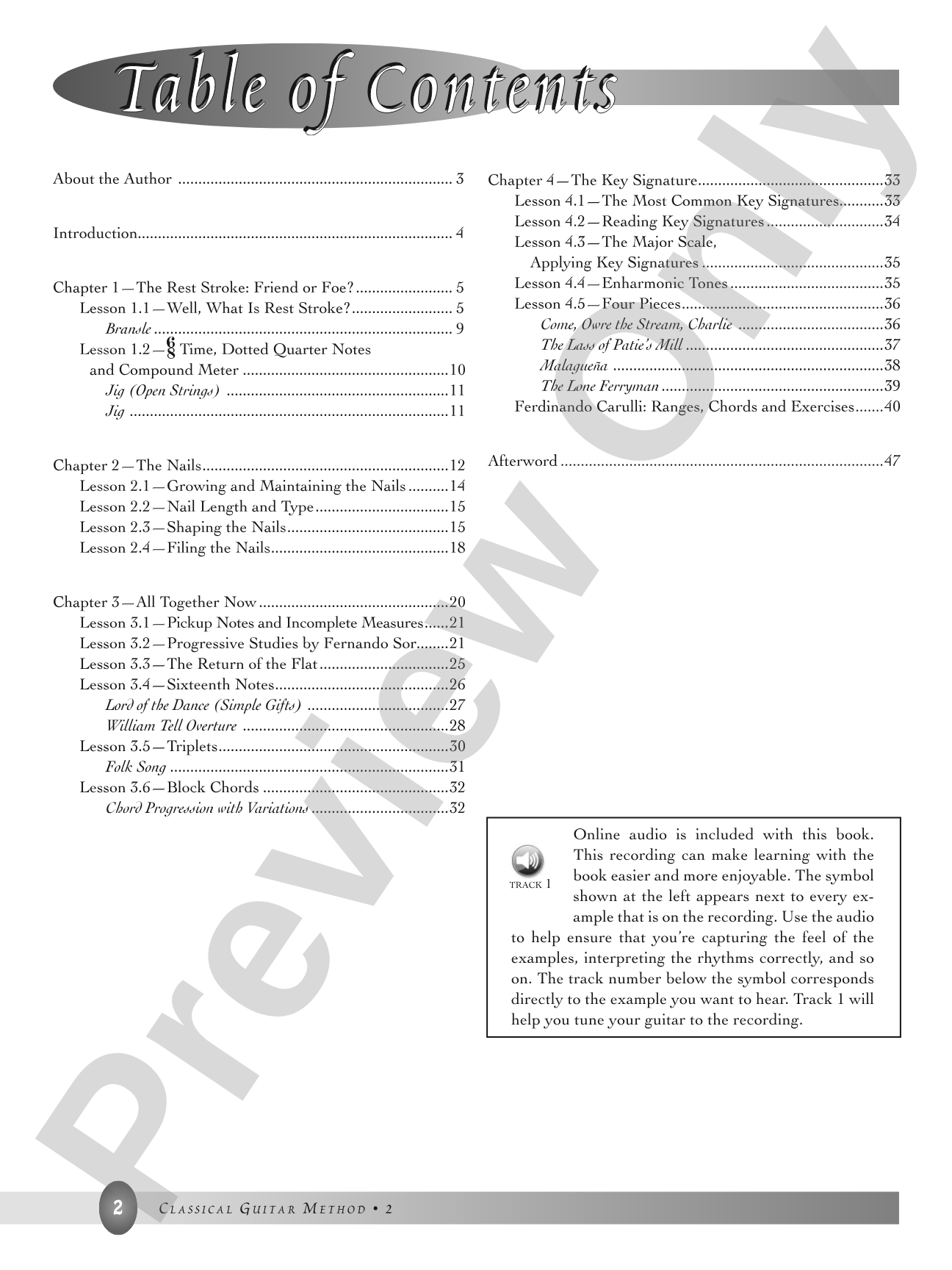
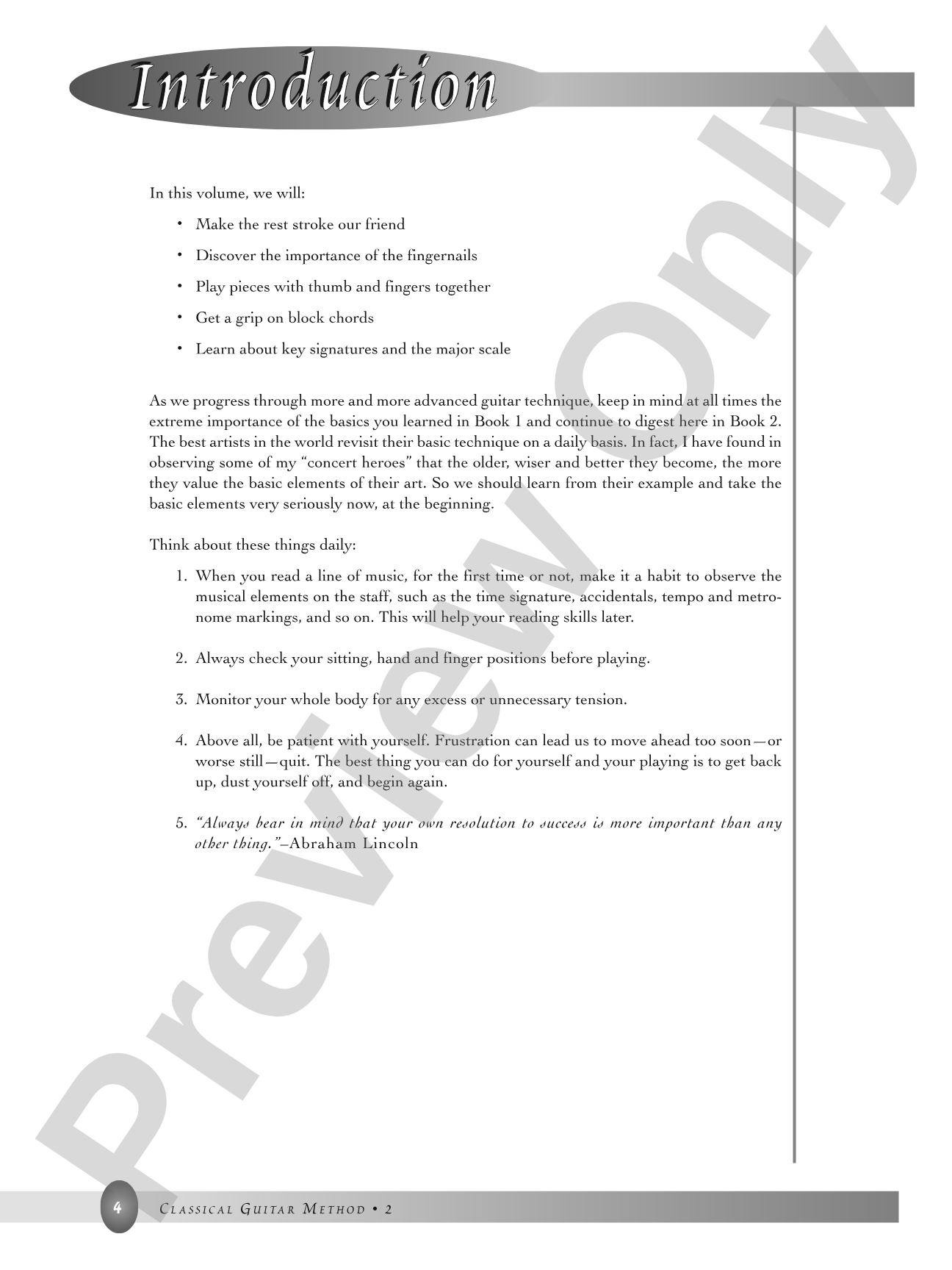
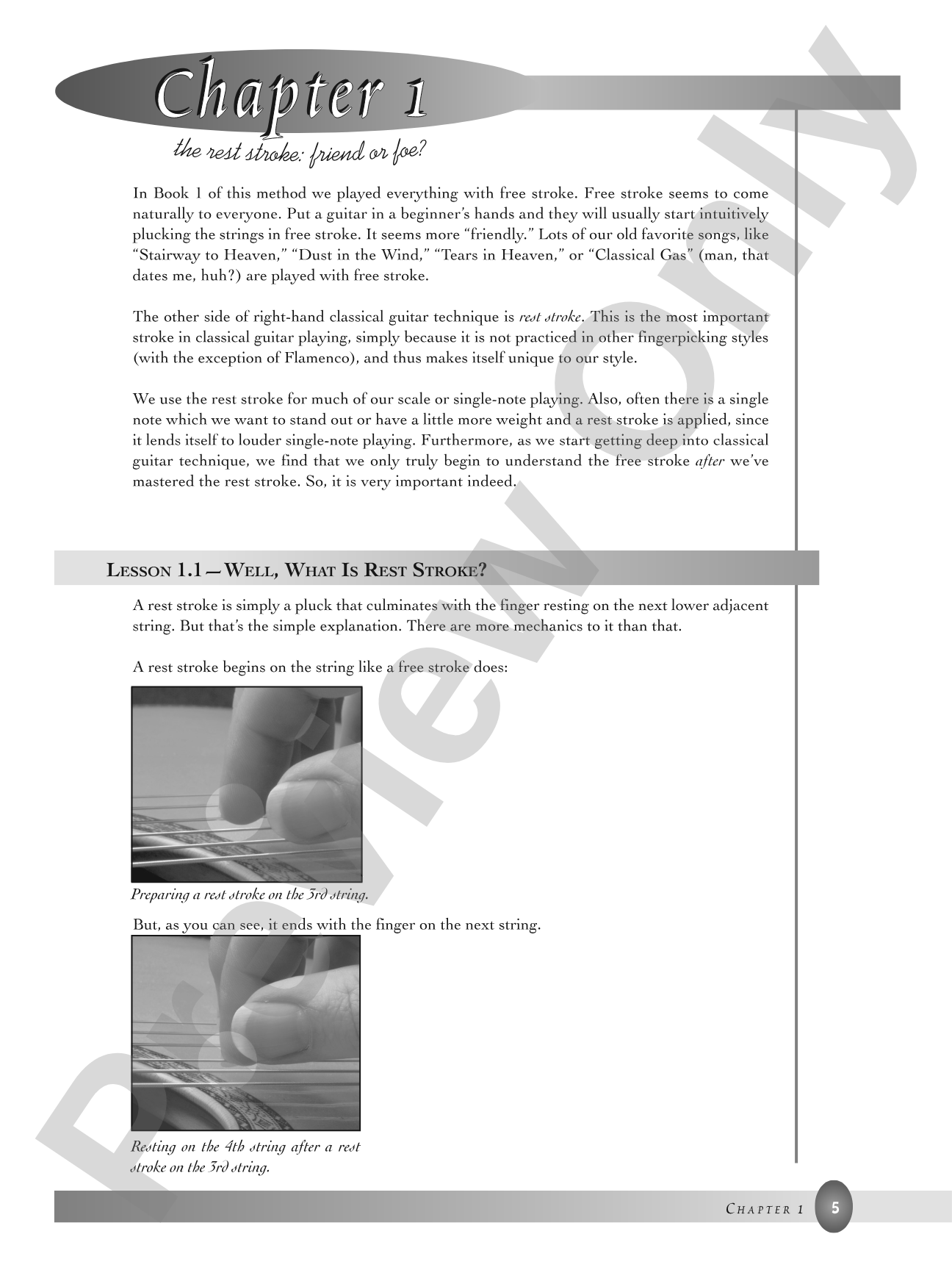
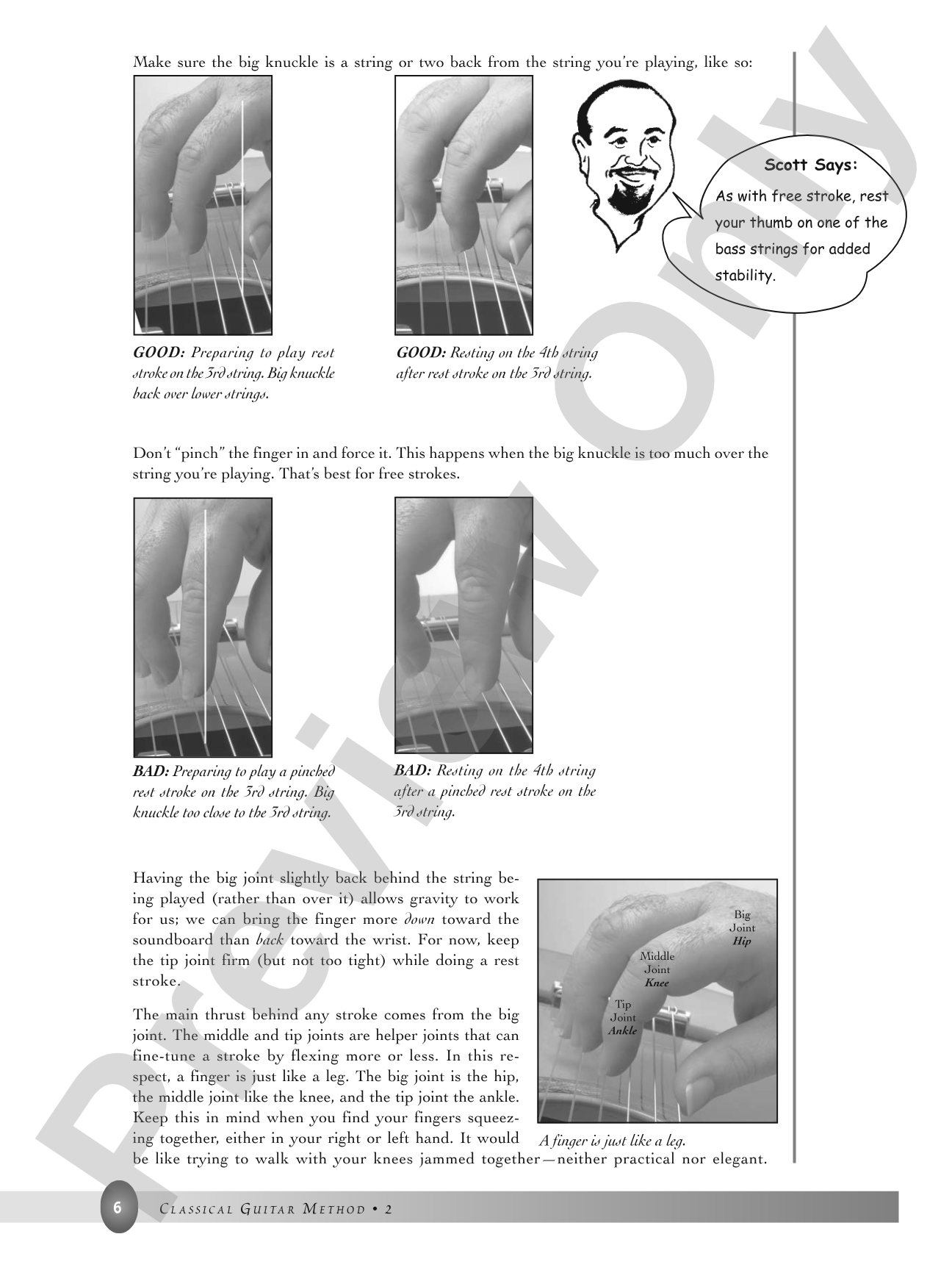
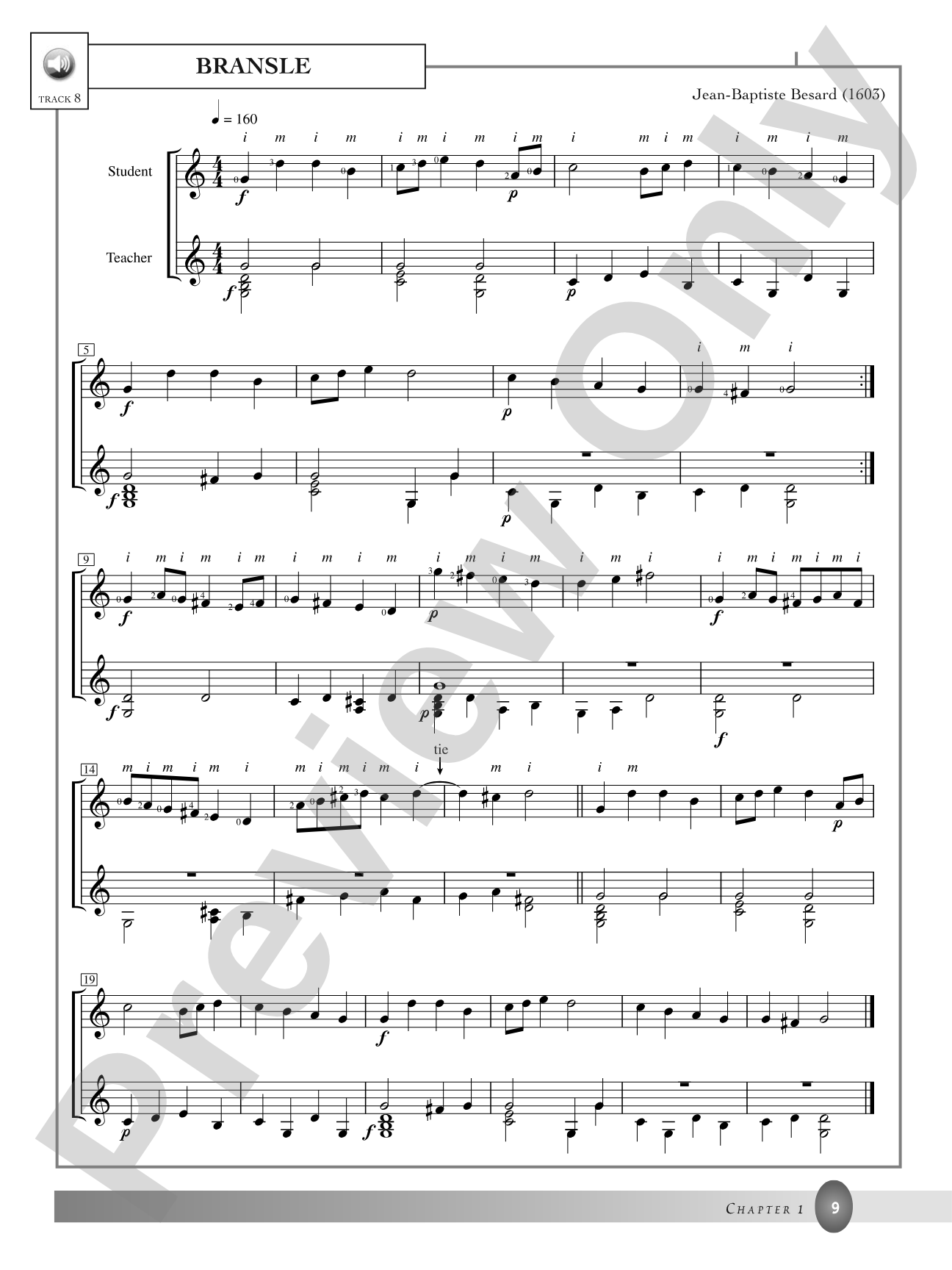
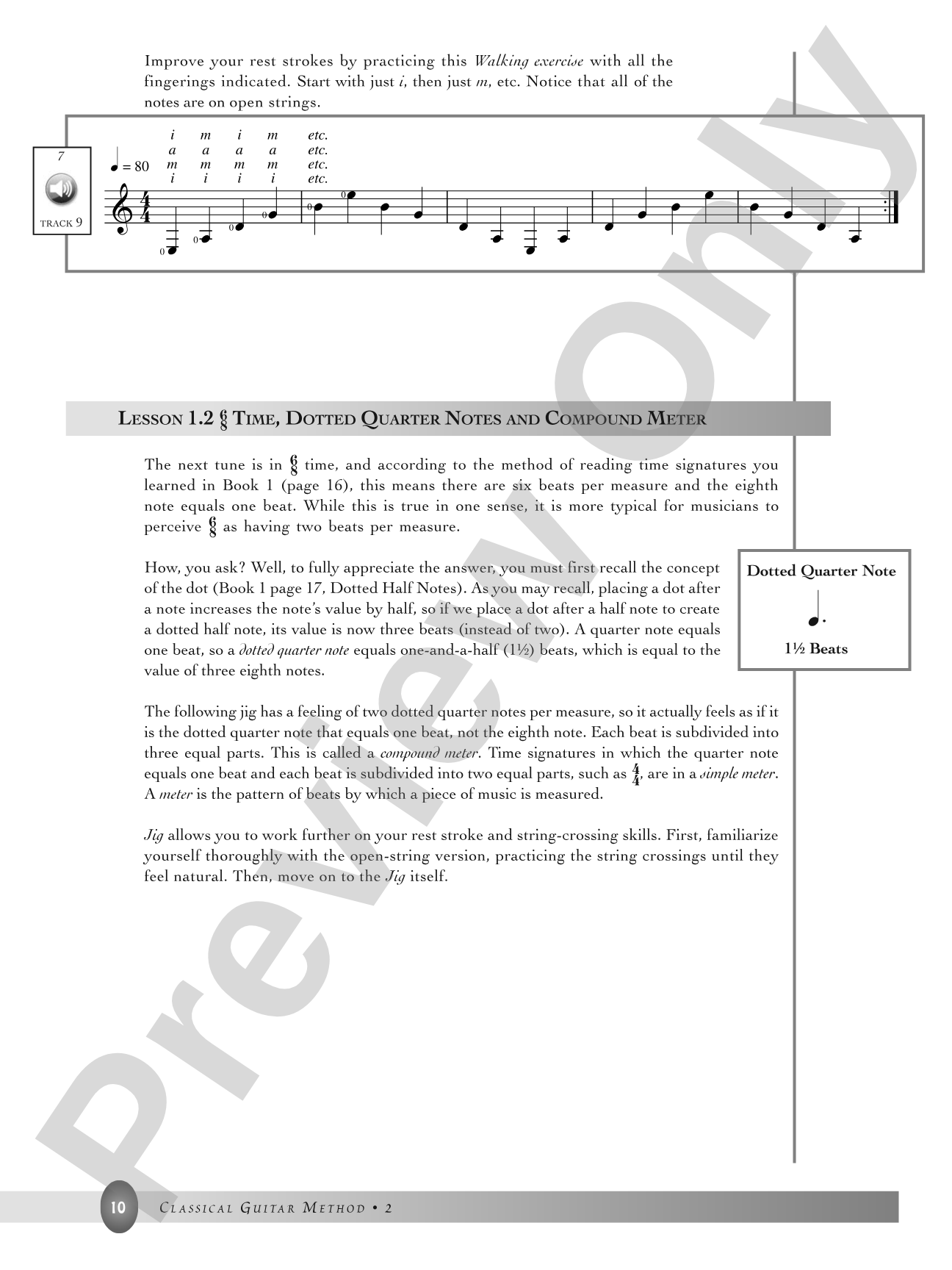
Book 2 continues where Book 1 leaves off by introducing more essential classical guitar techniques such as the rest stroke, block chords, and how to shape and use the right-hand fingernails. Lots of helpful photographs, drawings, and personal tips from this world-renowned performer and educator make learning easy!


Book 2 continues where Book 1 leaves off by introducing more essential classical guitar techniques such as the rest stroke, block chords, and how to shape and use the right-hand fingernails. Lots of helpful photographs, drawings, and personal tips from this world-renowned performer and educator make learning easy!
Discover MakeMusic Cloud: thousands of interactive titles your students can play along with today.
Sample Audio
1
Allegretto
--:--
2
William Tell Overture
--:--
Allegretto
0:00
0:00
Sample Video
No sample videos found.
Additional Details
Publisher:
Alfred Music
Page Count:
48
SKU:
00-PB-0002134
More about this title
About the Composer: Scott Tennant
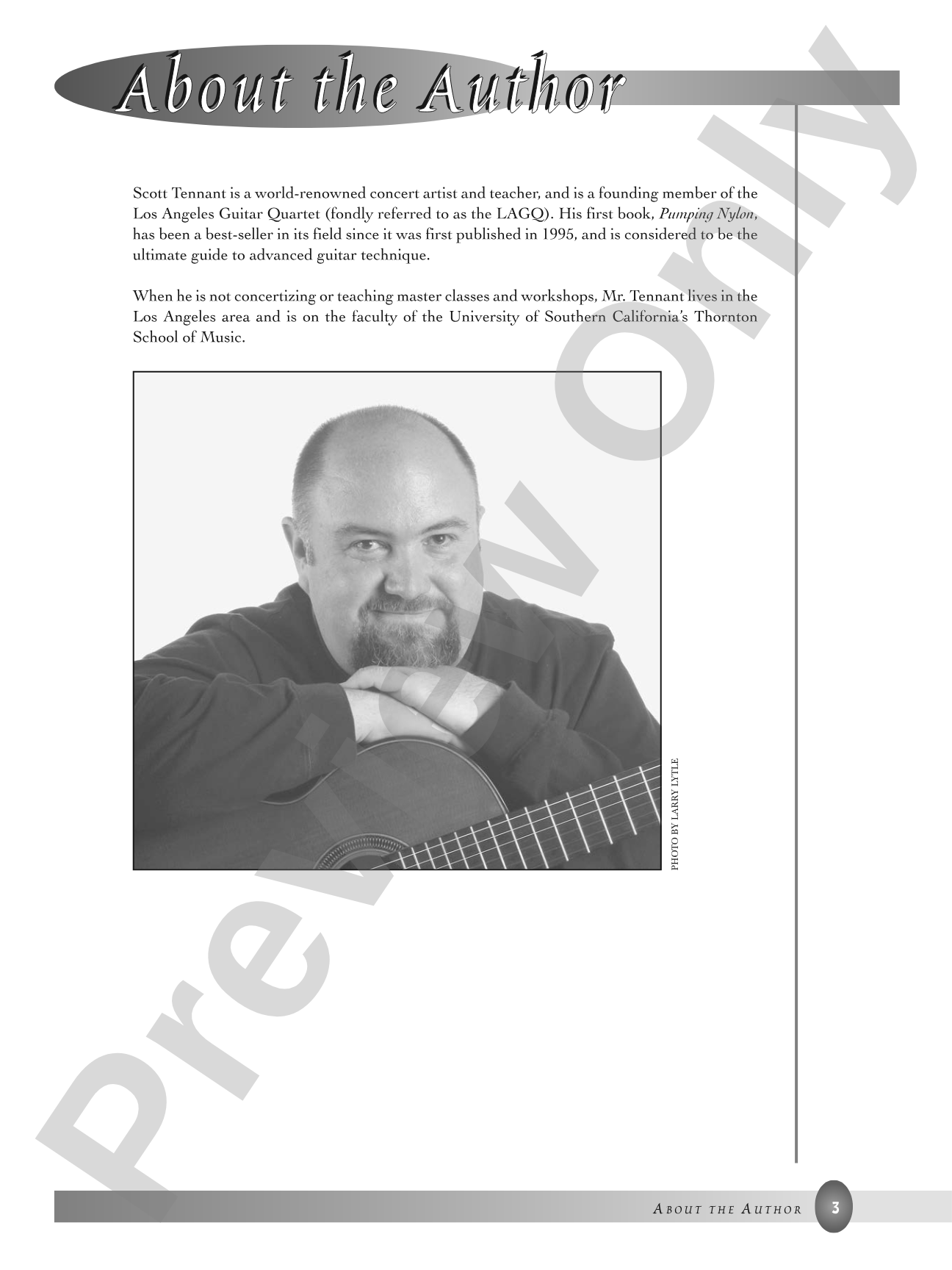
Scott Tennant is a Los Angeles-based classical guitarist whose performance career spans five decades of international concertizing and recording. His pedagogical work, particularly Pumping Nylon, has shaped how generations of guitarists approach technique, making him one of the most influential voices in contemporary classical guitar instruction.
Tennant's methods emerge directly from his experience as both a virtuoso performer and a teacher committed to building solid technical foundations. His writing emphasizes practical problem-solving, visual learning through detailed photography and diagrams, and the kind of insider knowledge that only comes from years spent refining one's own craft.
Why we love this
Tennant understands the exact frustrations students face at this intermediate stage: he doesn't just tell you what rest stroke is, he shows you how to build it into your hands with clarity that feels almost conversational. The progression from Book 1 builds naturally into fingernail technique and chord work without jumping ahead, and his reputation means students take the material seriously.
What to expect
Methodical without being sterile. Tennant's writing carries the calm authority of someone who has solved these problems a thousand times before and genuinely wants to spare you the trial and error. The exercises build stamina and control gradually, each one designed with a specific goal rather than filling pages.
Who it's for
Students who've completed Book 1 and are ready to move beyond open position fundamentals into the technical toolkit that enables serious classical guitar repertoire. Teachers seeking a method that gives students agency through clear visual and written explanations rather than rote memorization.
How to get the most out of it
- Photograph your hand position using Tennant's diagrams as a reference, then compare your actual setup to the images. This removes guesswork from whether you're executing the techniques correctly.
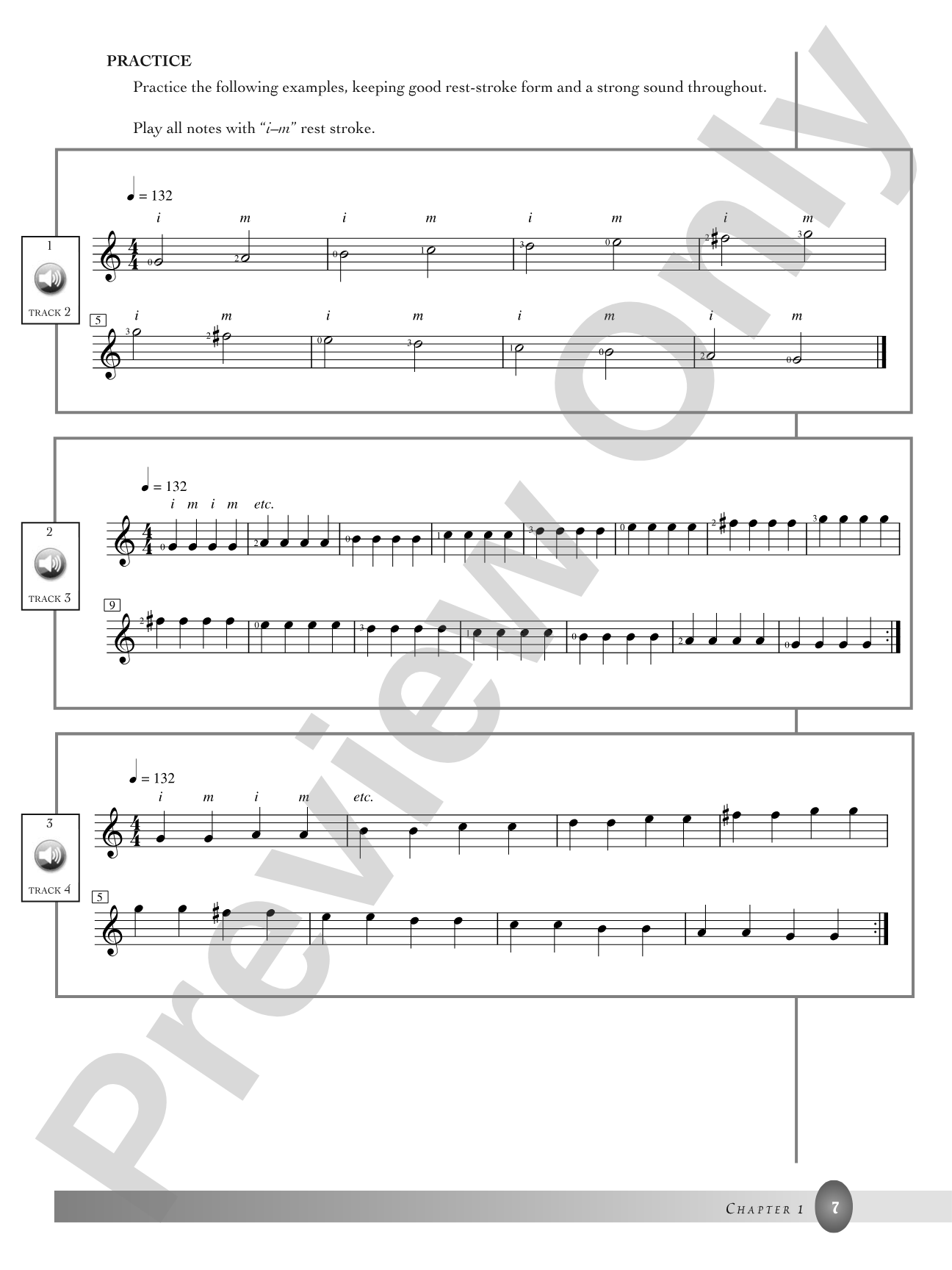
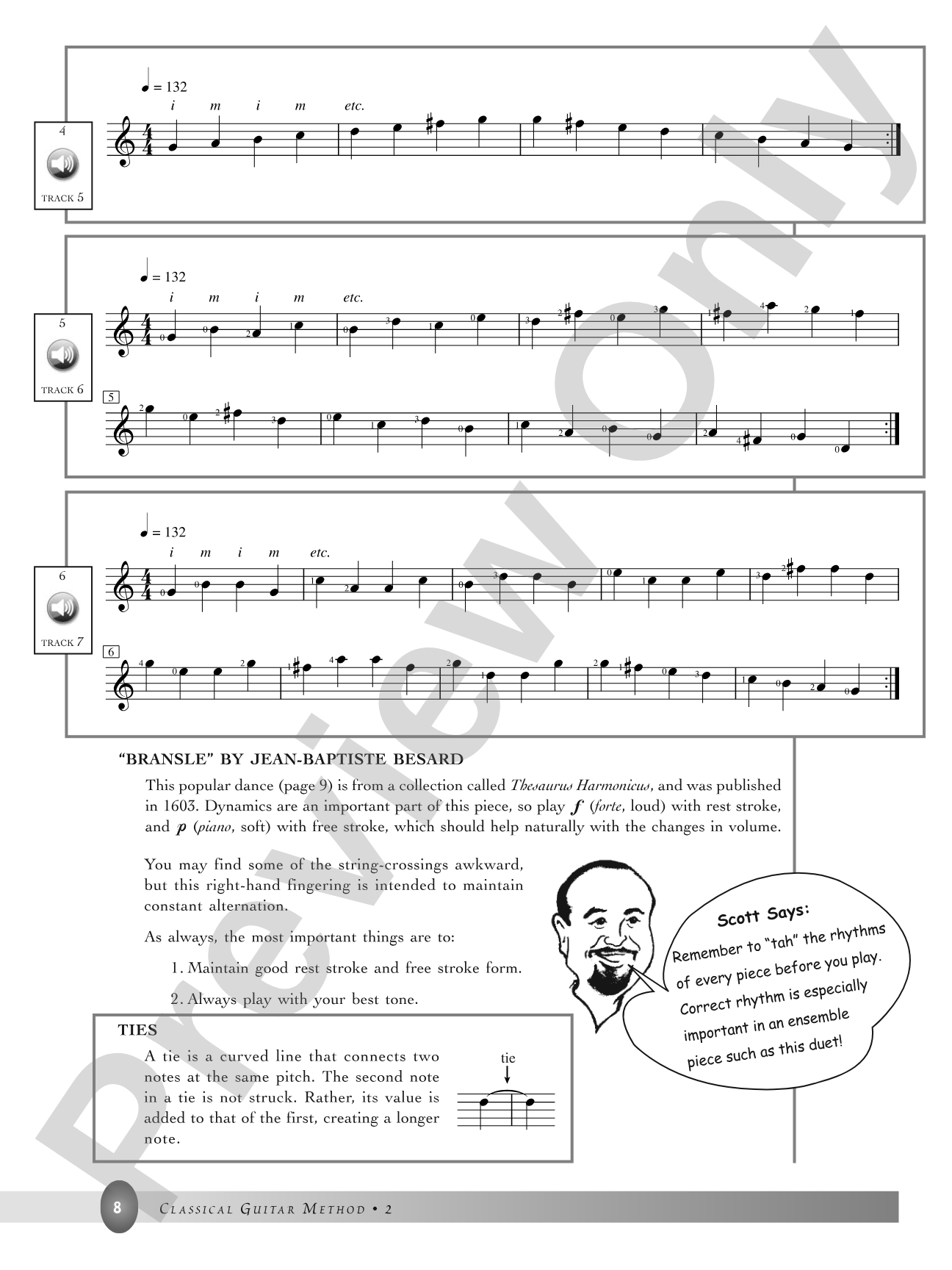
- Work through the rest stroke exercises slowly enough that you can hear the tonal difference between rest stroke and free stroke. Speed comes only after the quality of sound is consistent.
- When approaching the block chord section, isolate single chords for a full week before linking them in sequences. Tennant's progressions are designed to strengthen muscle memory, not to be rushed.
- Return to the fingernail shaping section periodically as you grow. Your nails will change shape naturally over months of playing, and the maintenance strategies Tennant outlines keep your technique from deteriorating.
How to use it
Use this as the core curriculum text for your first and second year classical guitar students, dedicating consistent weekly time to the technique sections while assigning performance pieces from your regular repertoire that reinforce each new skill. The 48-page format fits easily into a semester-long course alongside solo works and ensemble playing.
Skills your students will build
- Rest stroke execution and independence from free stroke
- Block chord formations and voice leading
- Right-hand fingernail maintenance and tonal shaping
- Finger strength and conditioning specific to classical technique
- Sight-reading foundational classical guitar notation
- Understanding proper hand position and ergonomics at intermediate level