
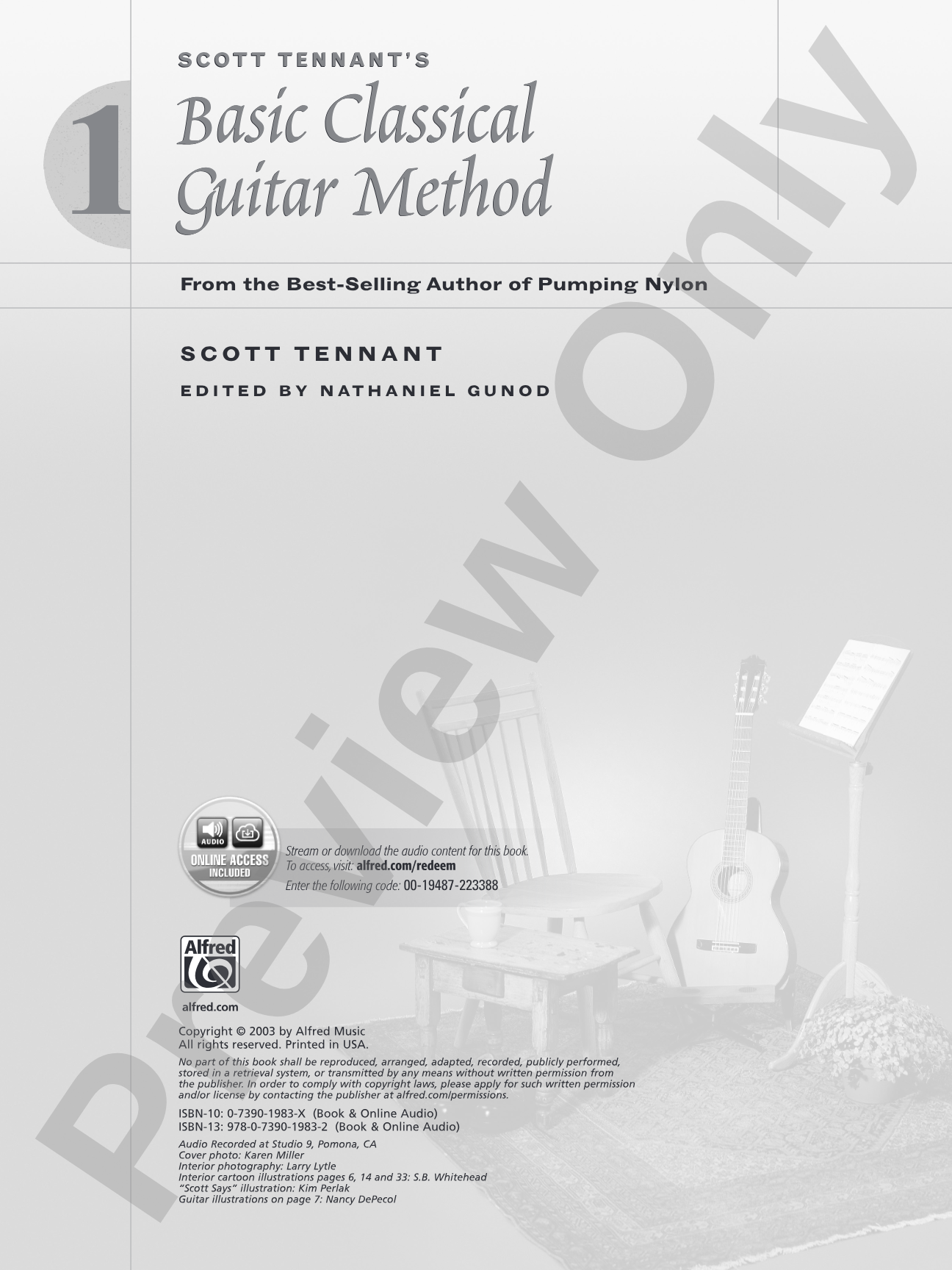


Basic Classical Guitar Method, Book 1: From the Best-Selling Author of Pumping Nylon: Solo Guitar
From the Best-Selling Author of Pumping Nylon
By Scott Tennant
Item: 00-PB-0002196
$16.99
Pickup currently not available
Related Items
Basic Classical Guitar Method, Book 1: From the Best-Selling Author of Pumping Nylon: Solo Guitar |
$16.99
|
View | |
Basic Classical Guitar Method, Book 1: Guitar Book & DVD |
$24.99
|
View | |
Basic Classical Guitar Method, Book 1: Guitar Book & Online Audio |
$16.99
|
View | |
Basic Classical Guitar Method, Book 1: Guitar DVD |
$20.99
|
View |
Description
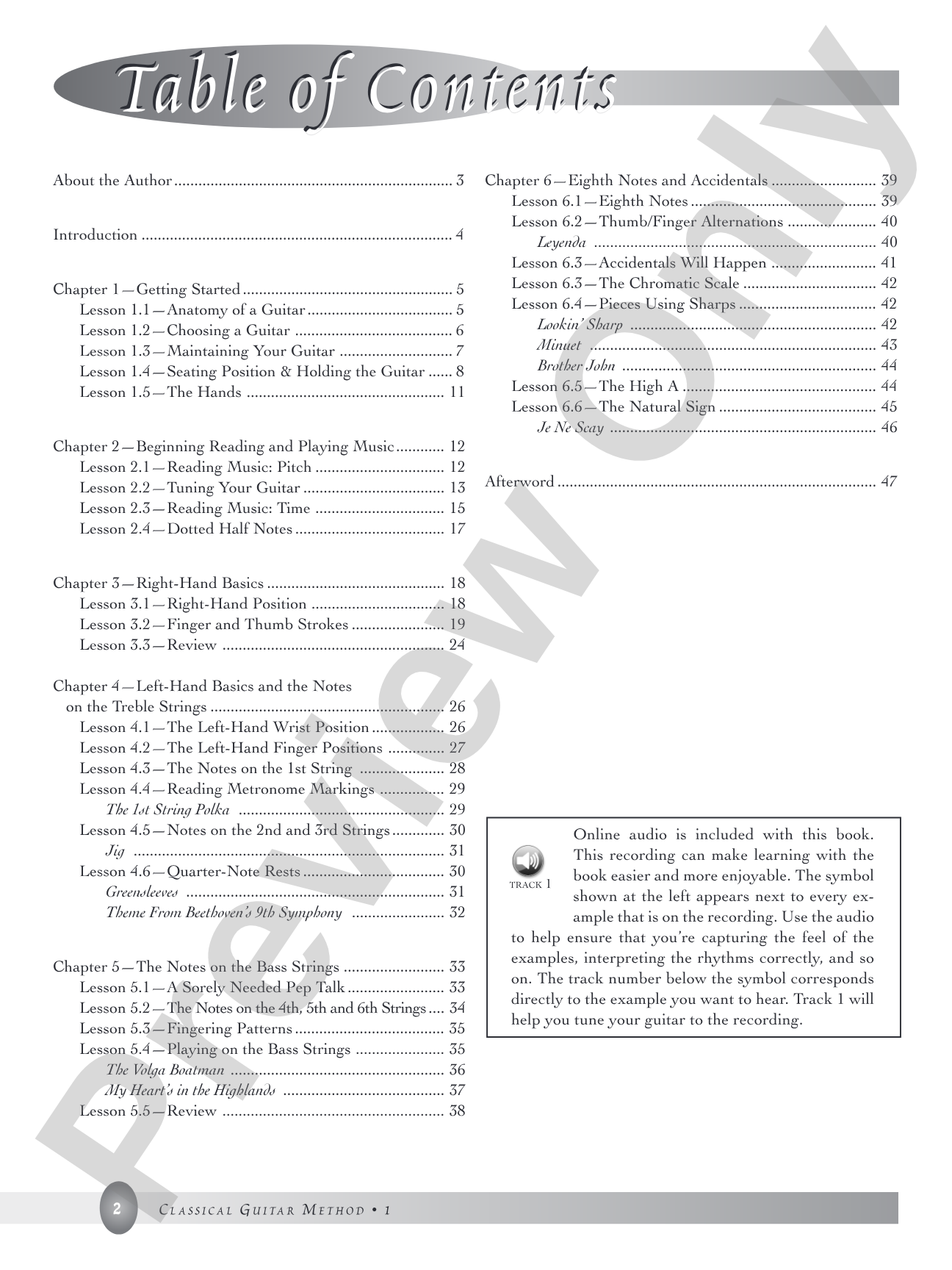
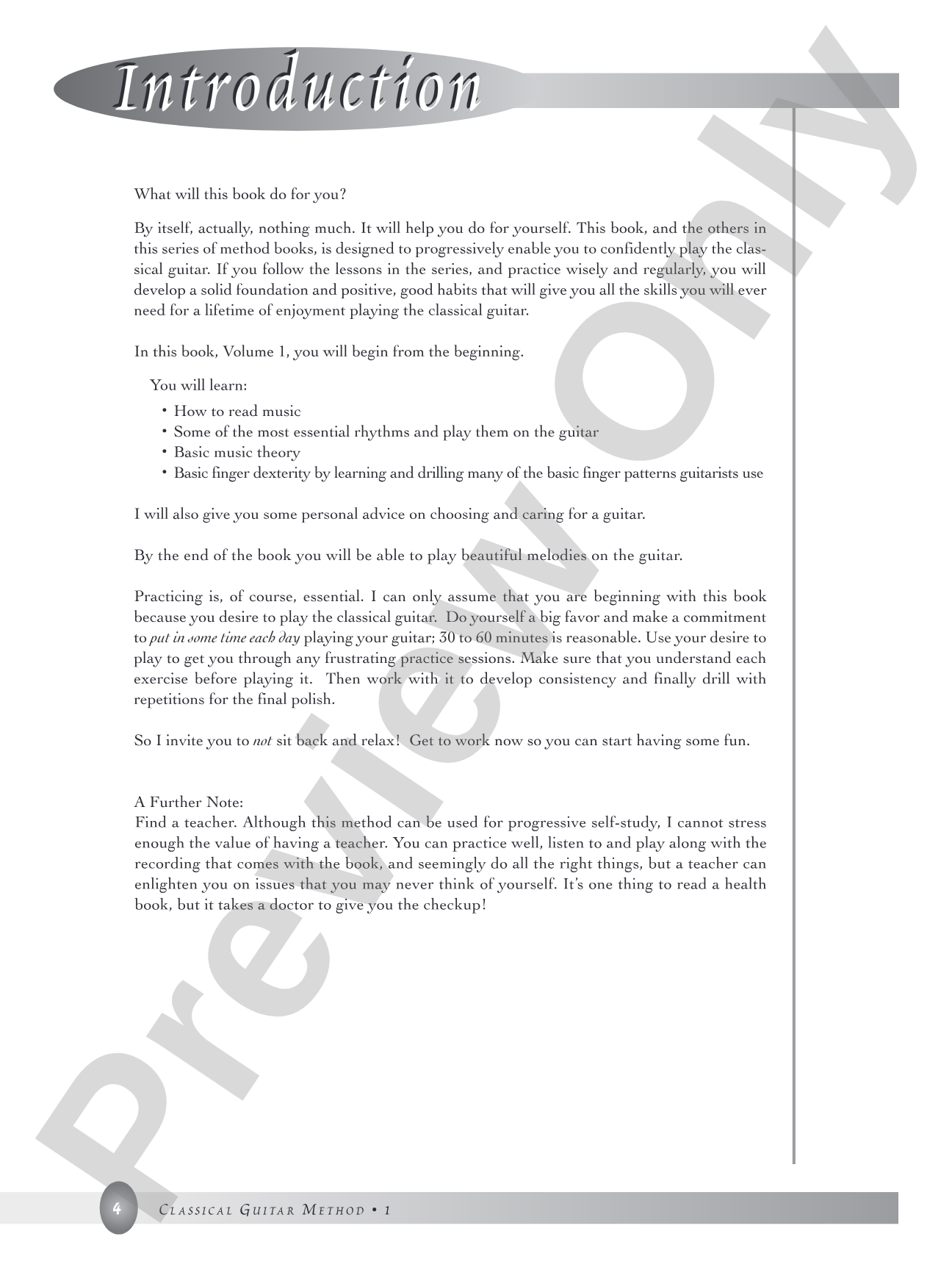
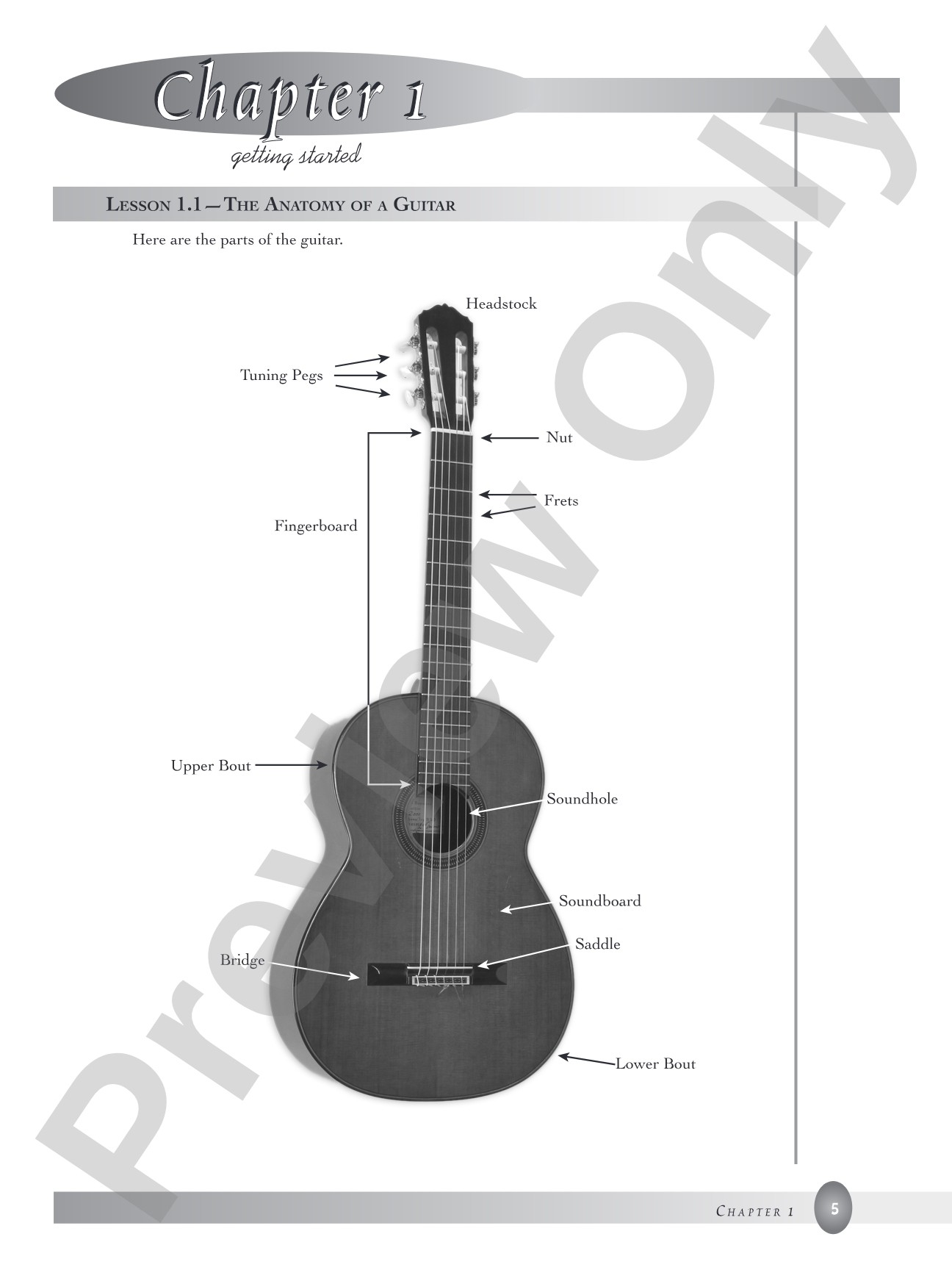
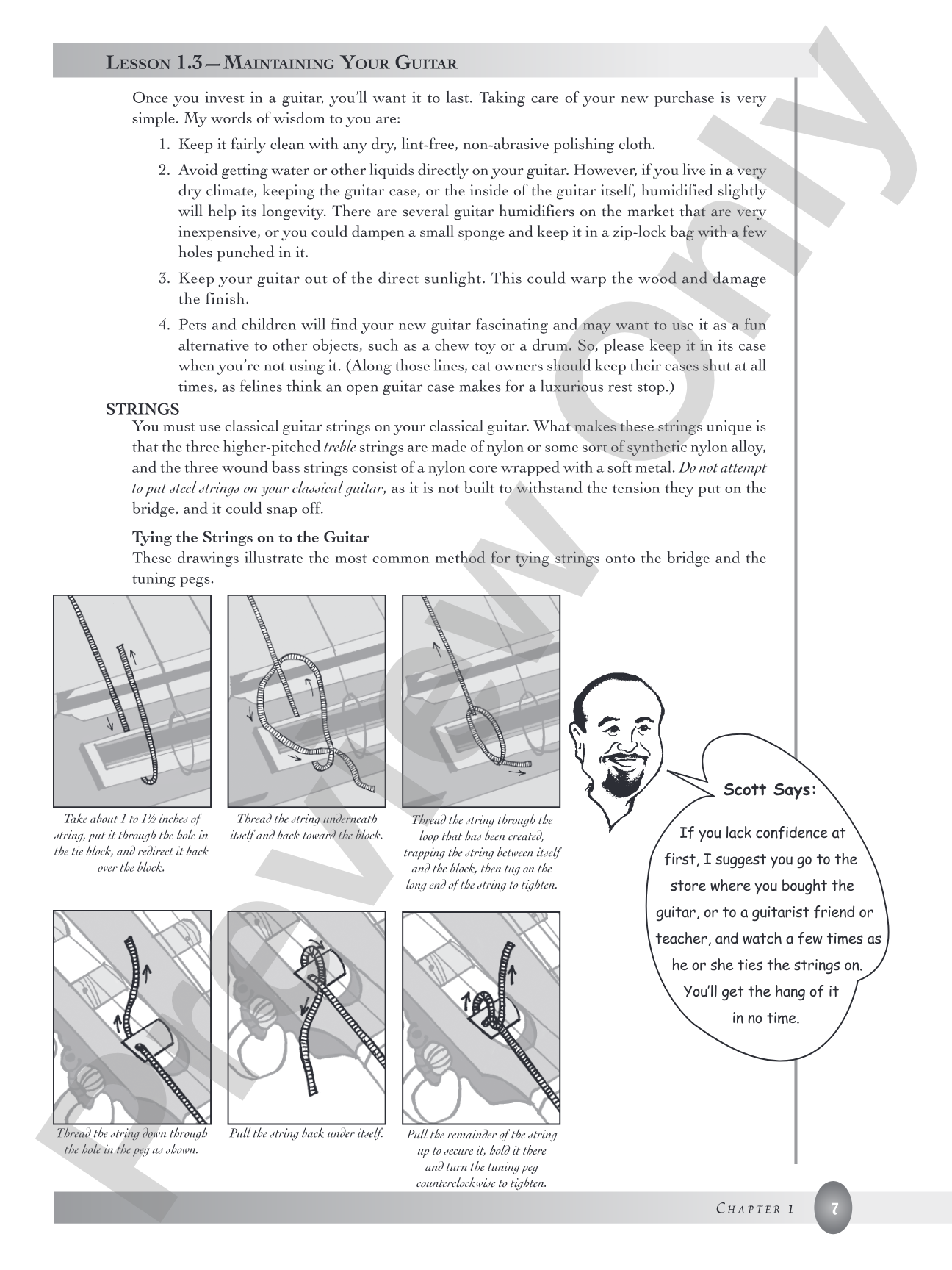
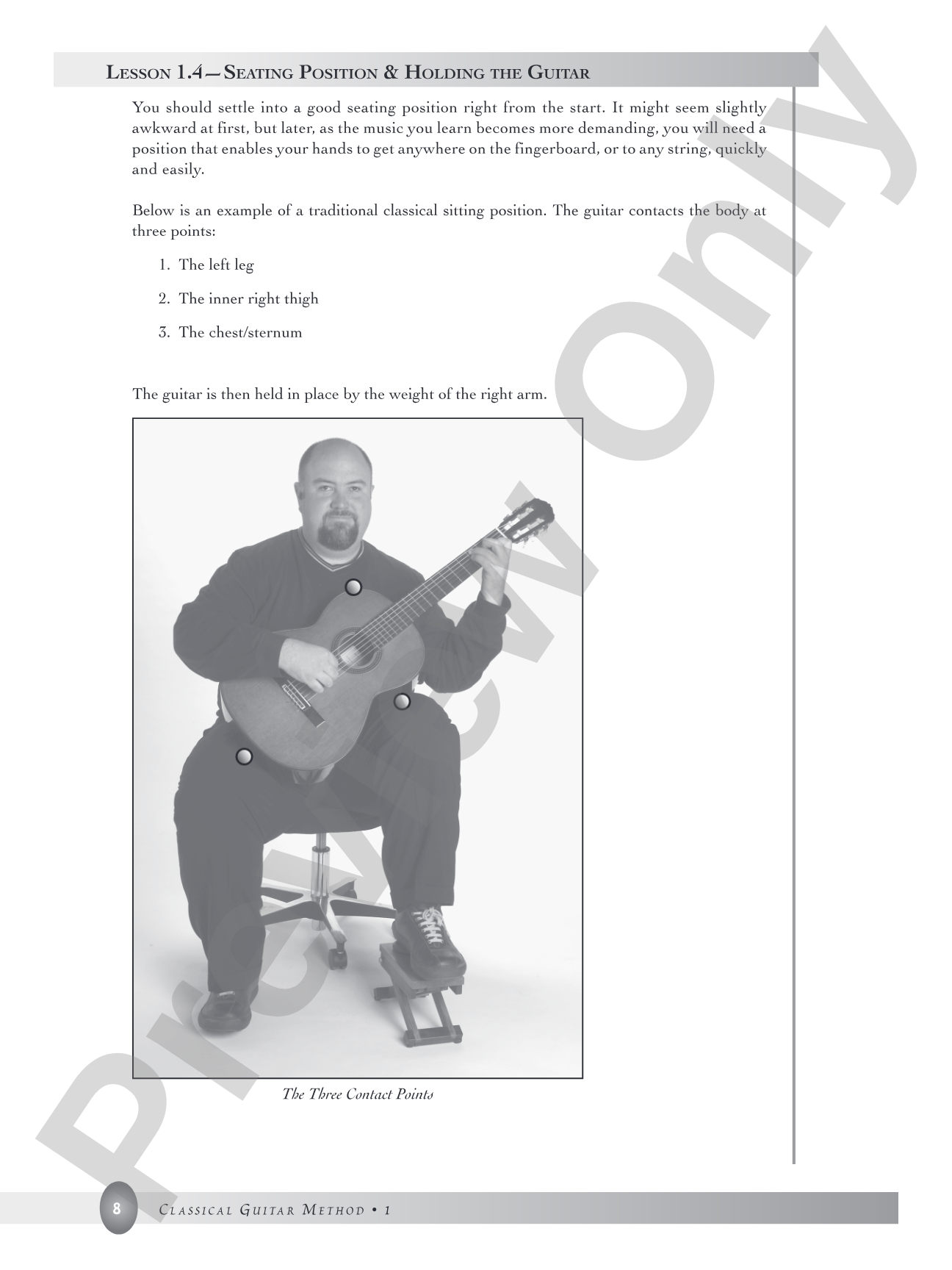
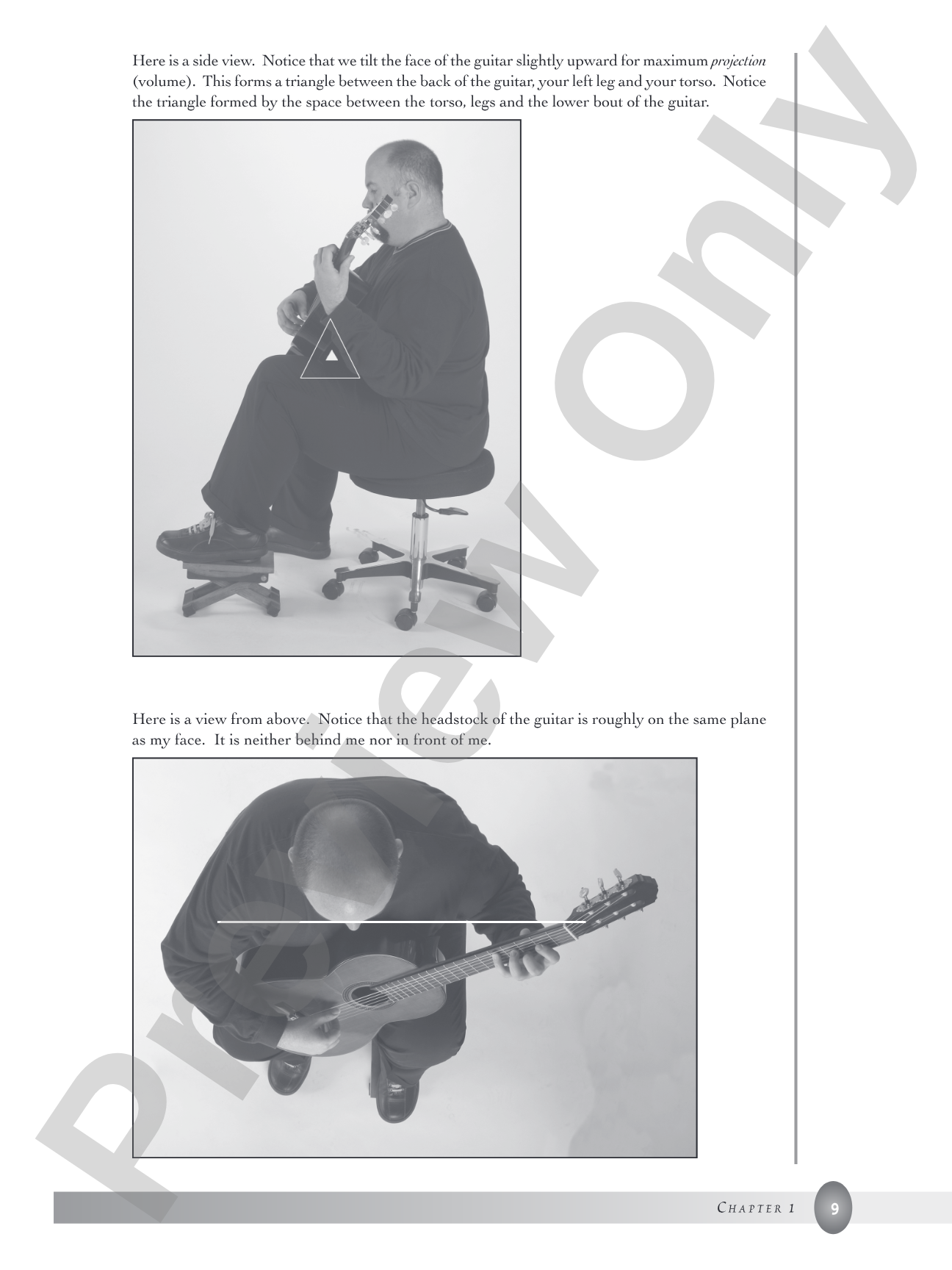
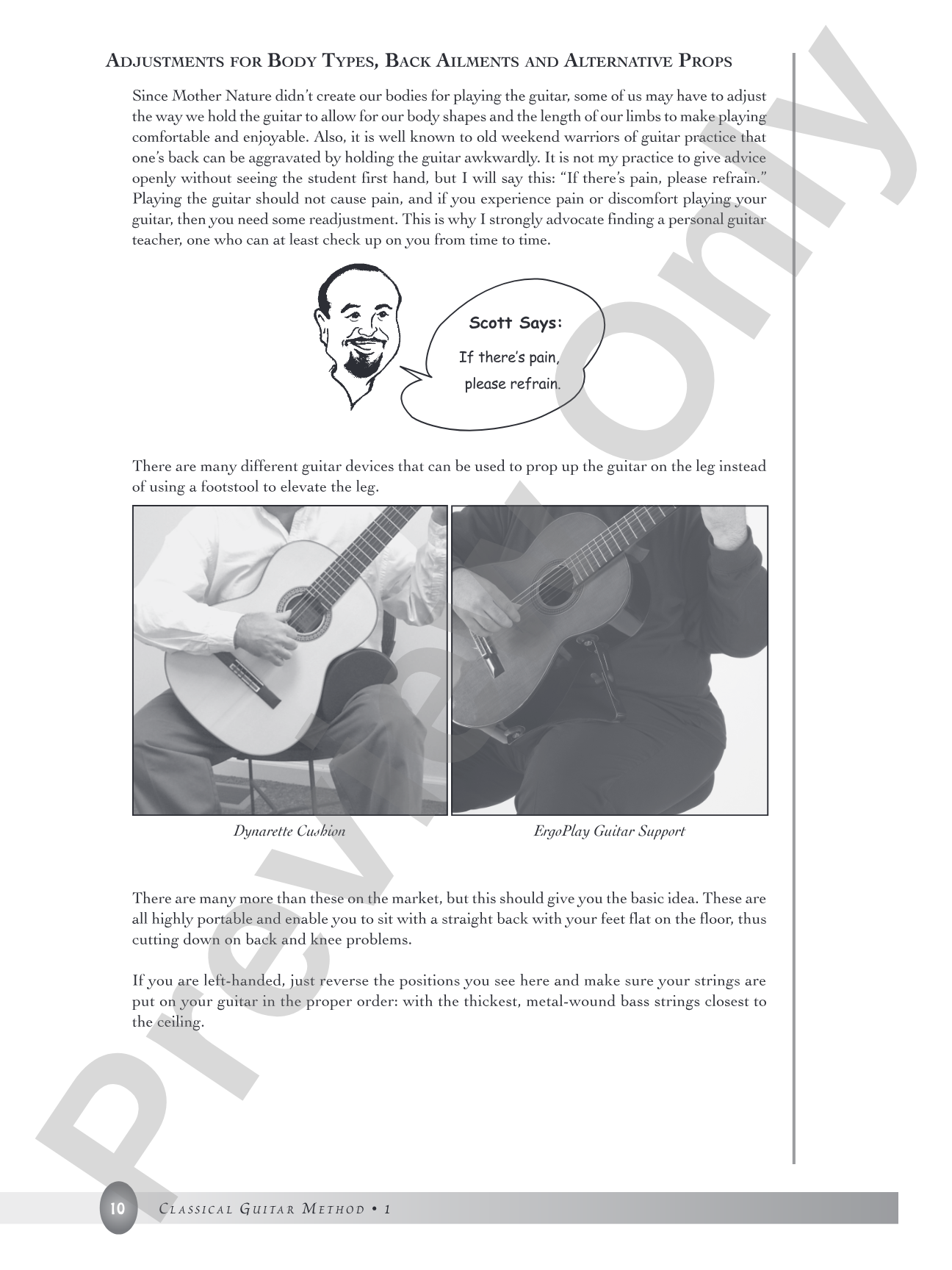
From Scott Tennant---the best-selling author of Pumping Nylon---this fun and friendly method starts at the very beginning, teaching the anatomy of a guitar, how to choose and maintain your instrument, proper seating position, how to hold the guitar, and efficient hand positions and techniques. The step-by-step approach continues with lessons on how to read music, right- and left-hand basics, notes on the fretboard, accidentals and the chromatic scale. Photographs, drawings and personal tips from this world-renowned performer make learning easy!


Basic Classical Guitar Method, Book 1: From the Best-Selling Author of Pumping Nylon: Solo Guitar isn't in MakeMusic Cloud just yet...but it could be. Let us know you'd like to see it, and you'll help shape what comes next. In the meantime, start a free trial and dive into thousands of interactive titles your students can play along with today.
Request This Title
Tell us you want it.
Start Your Free Trial
Explore everything that's ready to play right now.
Sample Audio
1
Greensleeves
--:--
2
Je Ne Scay
--:--
Greensleeves
0:00
0:00
Sample Video
No sample videos found.
Additional Details
Publisher:
Alfred Music
Page Count:
48
SKU:
00-PB-0002196
More about this title
About the Composer: Scott Tennant
Scott Tennant stands among the most respected classical guitarists of his generation, known for both his virtuosic performance career and his gift for clarifying technique on the page. His pedagogical work, particularly Pumping Nylon, has become standard reference material in guitar studios worldwide because it bridges the gap between aspiration and achievable fundamentals.
Tennant's approach to method writing reflects decades of professional performance experience. Rather than rushing through mechanics, he builds understanding by addressing the practical questions students actually encounter: how to choose an instrument, how your body should position itself, why certain hand shapes matter. This grounded perspective makes his teaching accessible without sacrificing accuracy.
Why we love this
Tennant's method respects the intelligence of beginners while never assuming prior knowledge. The sequential logic of the book unfolds naturally, starting with the instrument itself before moving to notation and technique. Teachers appreciate the embedded photographs and practical tips because they answer questions before students have to ask them.
What to expect
Working through this book feels like having an experienced mentor in the room. Tennant's voice is encouraging and clear, never dismissive of fundamental questions. The physical groundwork and early reading exercises build genuine confidence as you handle the instrument with increasing awareness and control.
Who it's for
Beginning classical guitarists of any age benefit from this method's systematic approach. Teachers introducing students to proper technique and music reading will find the step-by-step progression and visual aids essential for establishing good habits from day one.
How to get the most out of it
- Review the hand position photographs multiple times before practicing. Correct positioning at the start prevents tension and inefficiency later.
- Work through the fretboard note identification exercises slowly. Rushing this foundation makes reading music on guitar significantly harder than it needs to be.
- Pay attention to the maintenance and care section. A well-maintained instrument responds better and keeps students motivated.
How to use it
Use this as the core method text for any beginning classical guitar student, whether in private lessons, group classes, or self-directed study. The 48-page format works well as a semester's foundation, allowing time for careful attention to setup and early technique before advancing to more repertoire-focused materials.
Skills your students will build
- Proper left-hand positioning and finger placement on the fretboard
- Right-hand technique and efficient picking mechanics
- Reading standard musical notation in treble clef
- Identifying notes across all six strings
- Understanding accidentals and the chromatic scale
- Guitar maintenance and instrument care