

Basic Bass Clef: A Bass Clef Note Speller and Sight-Reading Book: Piano
A Bass Clef Note Speller and Sight-Reading Book
By Gayle Kowalchyk and E. L. Lancaster
Level: Elementary
Item: 00-PB-0001794
$7.95
Pickup currently not available
Related Items
Basic Bass Clef: Piano Book |
$7.95
|
View |
Description
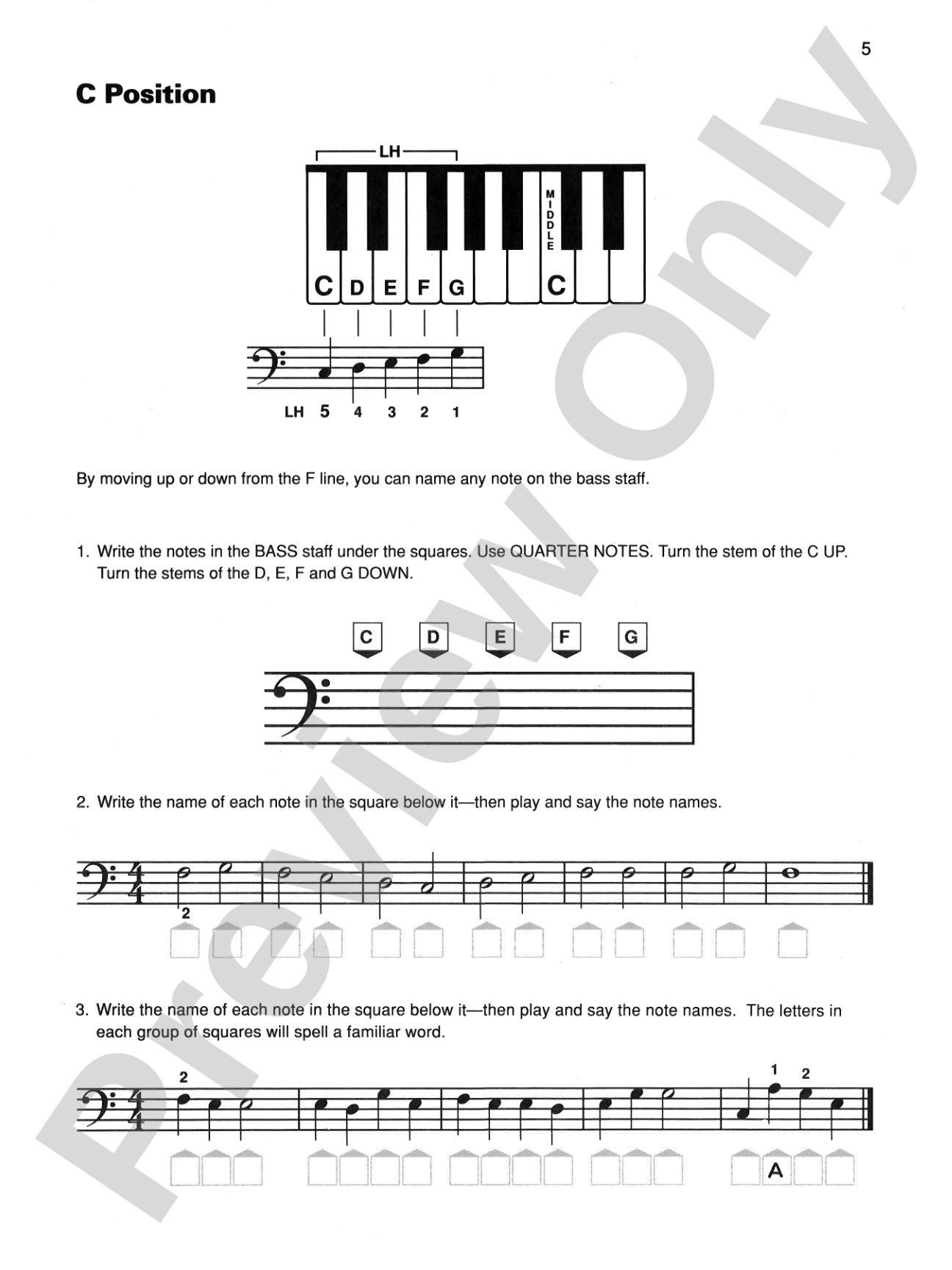
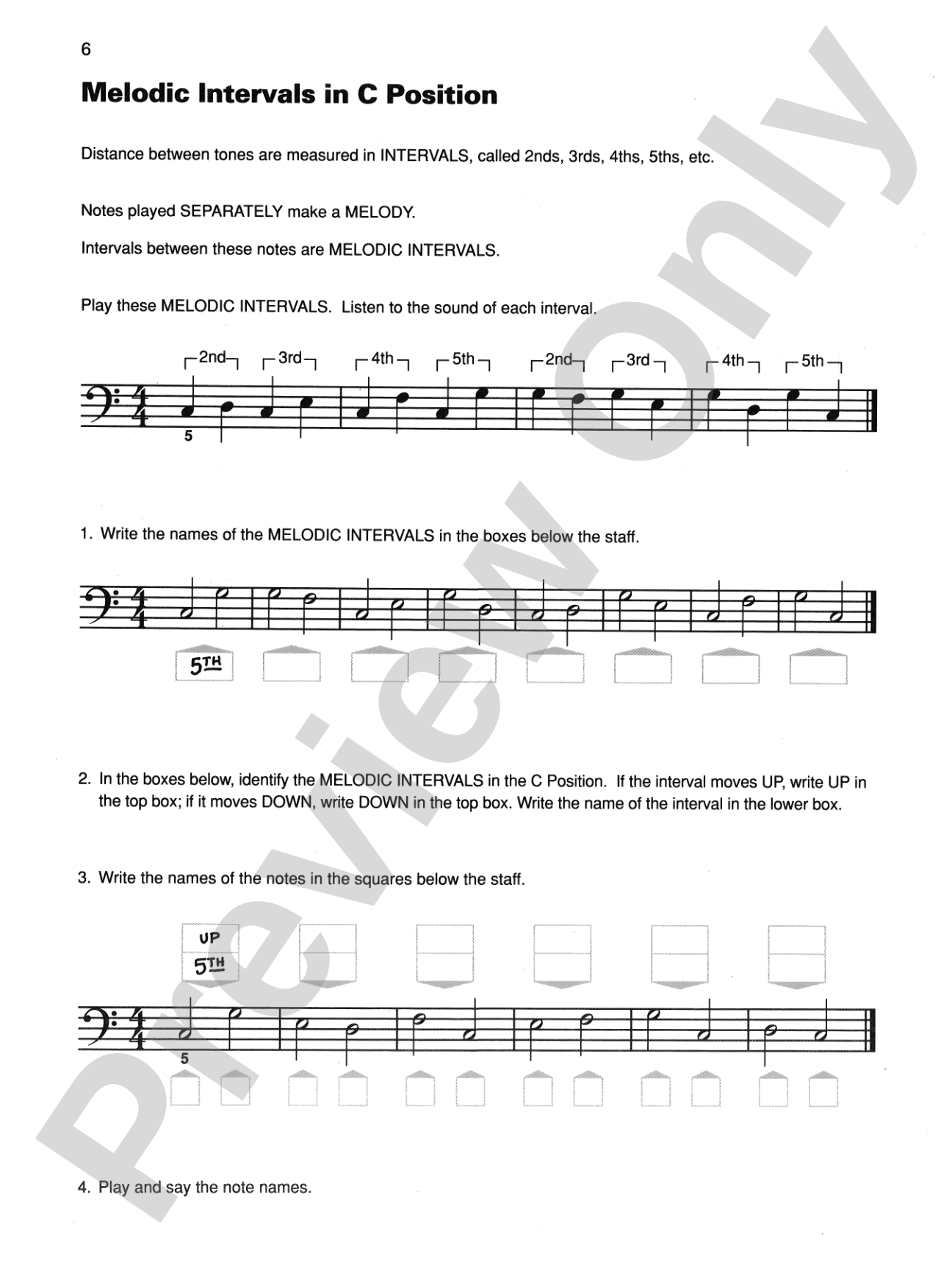
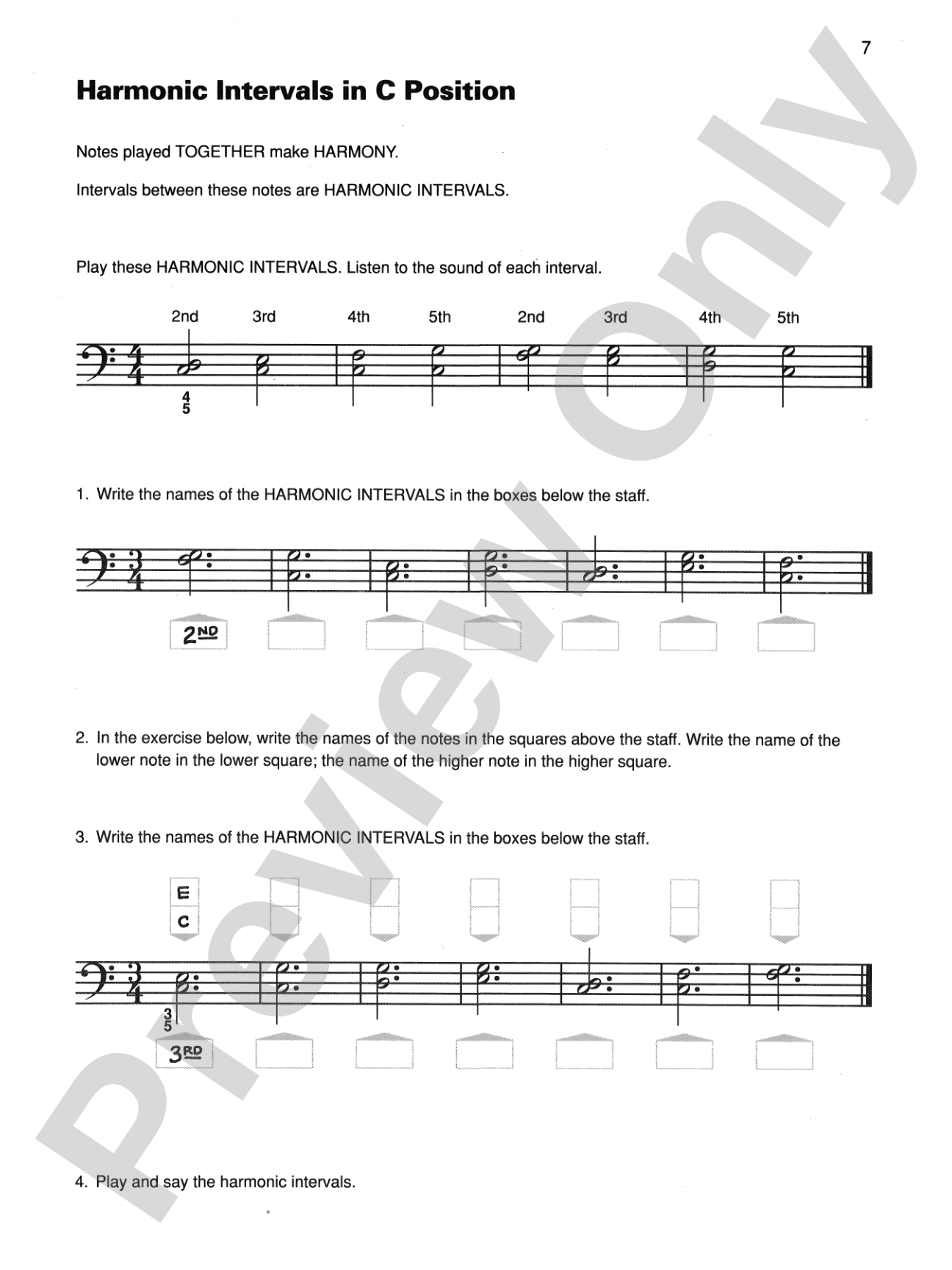
Designed for use by students who need additional reinforcement in reading music in the bass clef. Basic Bass Clef is useful for vocalists and instrumentalists who are beginning piano study and have some knowledge of treble clef and rhythmic notation. Each lesson contains a combination of written and playing exercises.


Basic Bass Clef: A Bass Clef Note Speller and Sight-Reading Book: Piano isn't in MakeMusic Cloud just yet...but it could be. Let us know you'd like to see it, and you'll help shape what comes next. In the meantime, start a free trial and dive into thousands of interactive titles your students can play along with today.
Request This Title
Tell us you want it.
Start Your Free Trial
Explore everything that's ready to play right now.
Sample Audio
No sample audio found.
Sample Video
No sample videos found.
Additional Details
Publisher:
Alfred Music
Page Count:
32
SKU:
00-PB-0001794
More about this title
About the Composer: Gayle Kowalchyk

Dr. Gayle Kowalchyk is a piano pedagogy specialist and faculty member at California State University, Northridge, where she teaches class piano, private piano, and piano pedagogy. Her training spans three prestigious institutions: Ohio University (piano performance, 1977), Northwestern University (piano performance and pedagogy, 1979), and Teachers College, Columbia University (Ed.D. in piano pedagogy, 1989). She has held teaching positions at Eastern Illinois University, Oklahoma Baptist University, and the University of Oklahoma, coordinating class piano programs and directing preparatory programs at each institution.
Throughout her career, Dr. Kowalchyk has established herself as a clinician and adjudicator, presenting regularly at national conferences including MTNA, MENC, and the National Conference on Piano Pedagogy. Working alongside her husband, Dr. E. L. Lancaster, she has authored more than 300 educational piano publications, among them Alfred's Premier Piano Course and Music for Little Mozarts. Her fifteen years of independent studio teaching, combined with her university teaching experience and prolific publishing record, have made her a leading voice in piano pedagogy and music education.
Why we love this
Kowalchyk and Lancaster understand the exact moment when pianists hit a wall with bass clef, and they've designed a workbook that meets students exactly where they stall. The pairing of written exercises with playing activities keeps momentum strong, preventing the common trap of passive note-naming drills that don't translate to real reading at the keyboard.
What to expect
Approachable and systematic, like a patient teacher sitting beside you. The format moves from static note identification into playing contexts, building confidence gradually without overwhelming.
Who it's for
This workbook serves pianists and other instrumentalists beginning piano study who already read treble clef and understand rhythm but find bass clef unfamiliar or intimidating. It also works well for vocalists who need to build practical bass clef literacy. Any student showing inconsistency or hesitation when reading in the lower staff will benefit from the structured, spiral approach here.
How to get the most out of it
- Start each lesson with the written exercises before moving to the keyboard. This reinforces visual recognition without the distraction of hand position and finger movement.
- Have students vocalize note names while playing rather than silently identifying them. Speaking the names aloud strengthens the bass clef-to-sound connection.
- Rotate between individual practice sessions and partner checking. Peer accountability often catches slips that solo work misses.
- Return to earlier lessons frequently, even after moving forward. Interleaving old and new material prevents the forgetting that happens when students plow straight through a book.
How to use it
Assign this as a supplementary resource during the first half of the piano year, when students are still building their bass clef foundation. Use it in group piano classes to provide differentiated practice for students lagging behind, or integrate it into individual lesson plans as homework that reinforces what you're teaching at the bench.
Skills your students will build
- Identifying bass clef note names across the staff and ledger lines
- Translating written bass clef notation to finger placement on the keyboard
- Maintaining reading fluency when moving between treble and bass clefs
- Building automaticity in bass clef recognition so reading becomes less effortful