
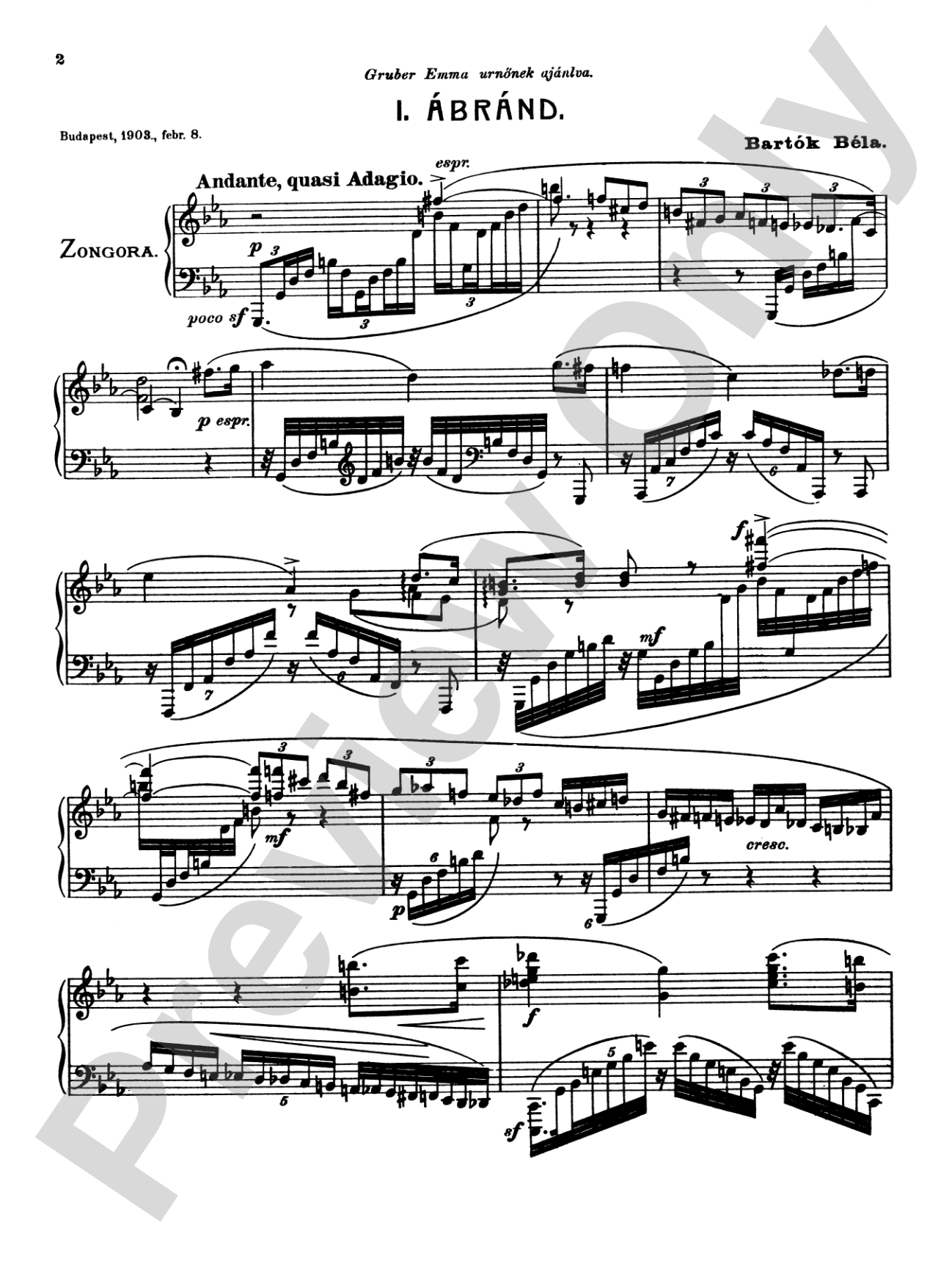
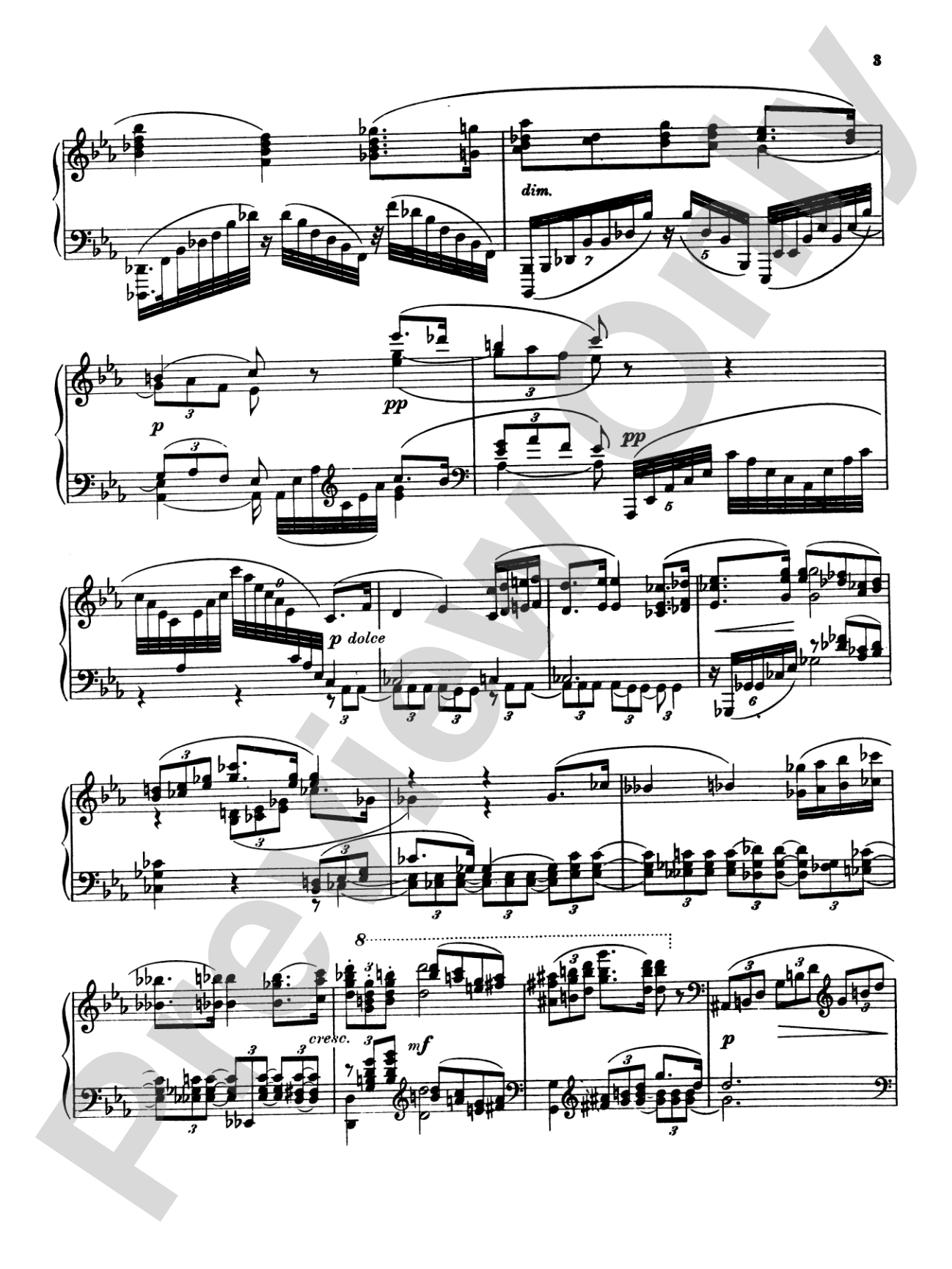
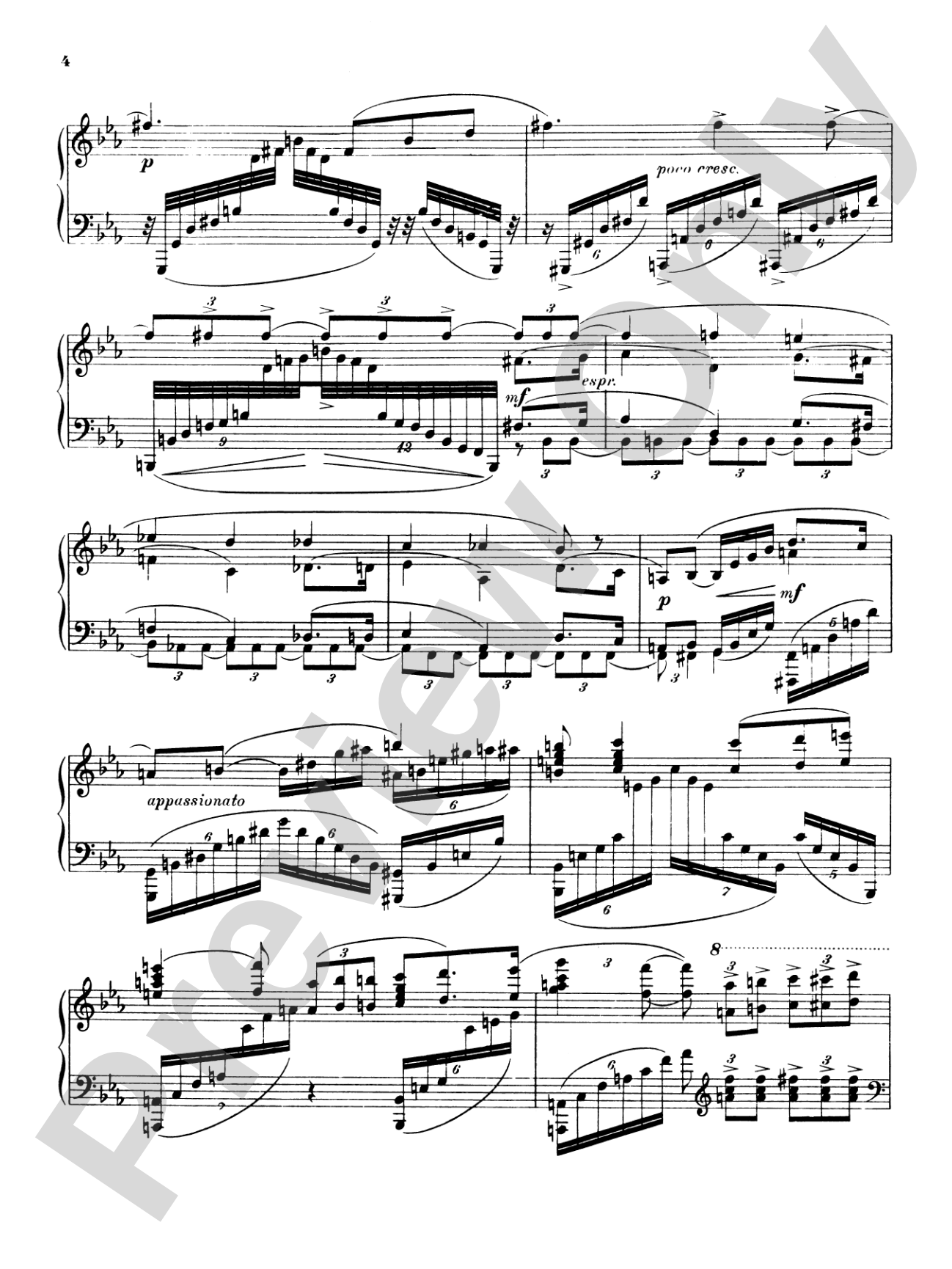
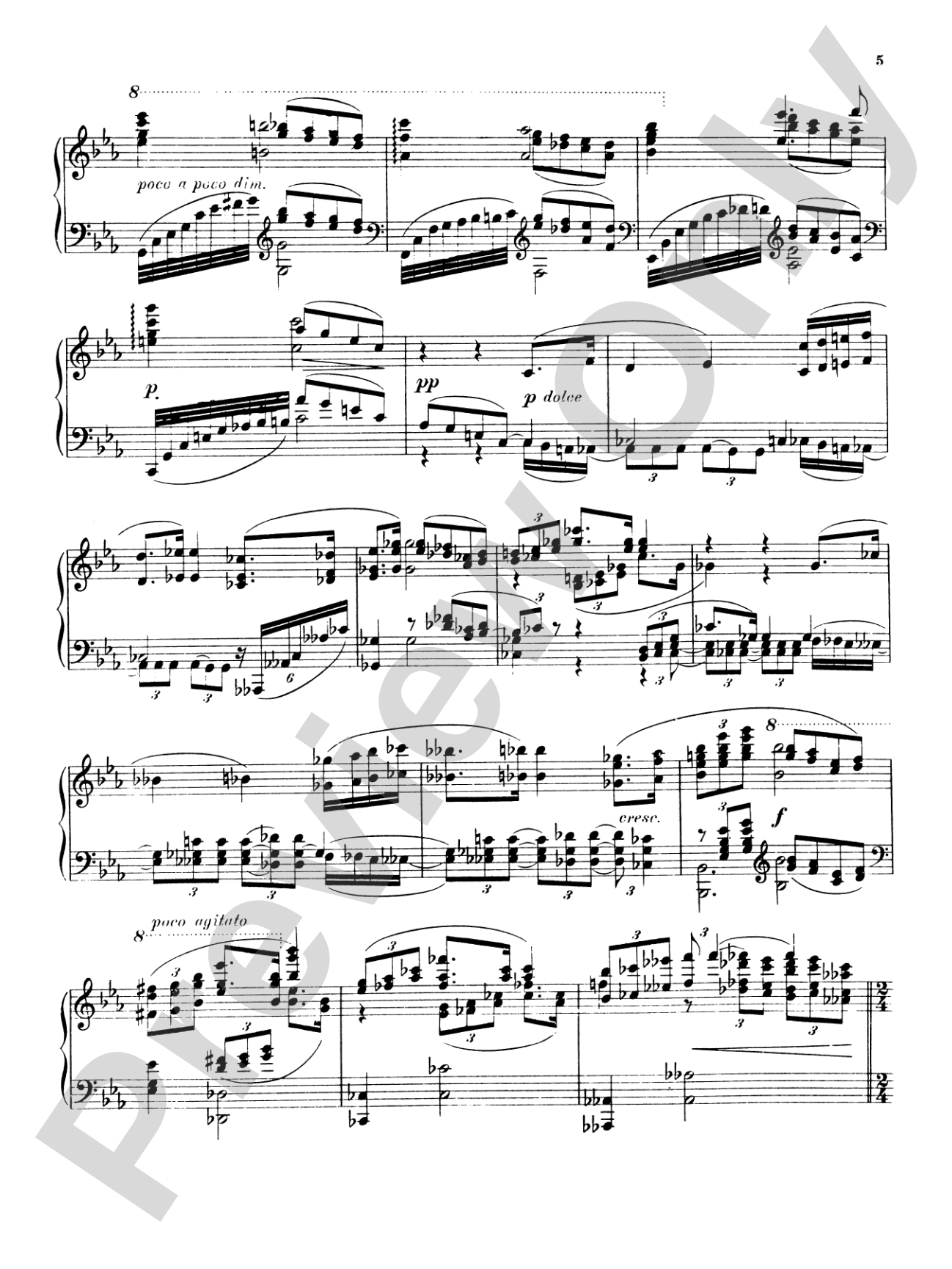

Bartók: Two Fantasies (Gmunden 1903): Piano
By Béla Bartók
Item: 00-PK-0002897

$6.99
Pickup currently not available
Buy Extra Parts (Digital PDF Download)
| Product | Price | Quantity |
|---|---|---|
| Bartók: Two Fantasies (Gmunden 1903) | $2.99 | |
| Bartók: Two Fantasies (Gmunden 1903) | $2.99 |
Parts Added to Cart!
Related Items
Two Fantasies (Gmunden 1903): Piano |
$6.95
|
View |
Description
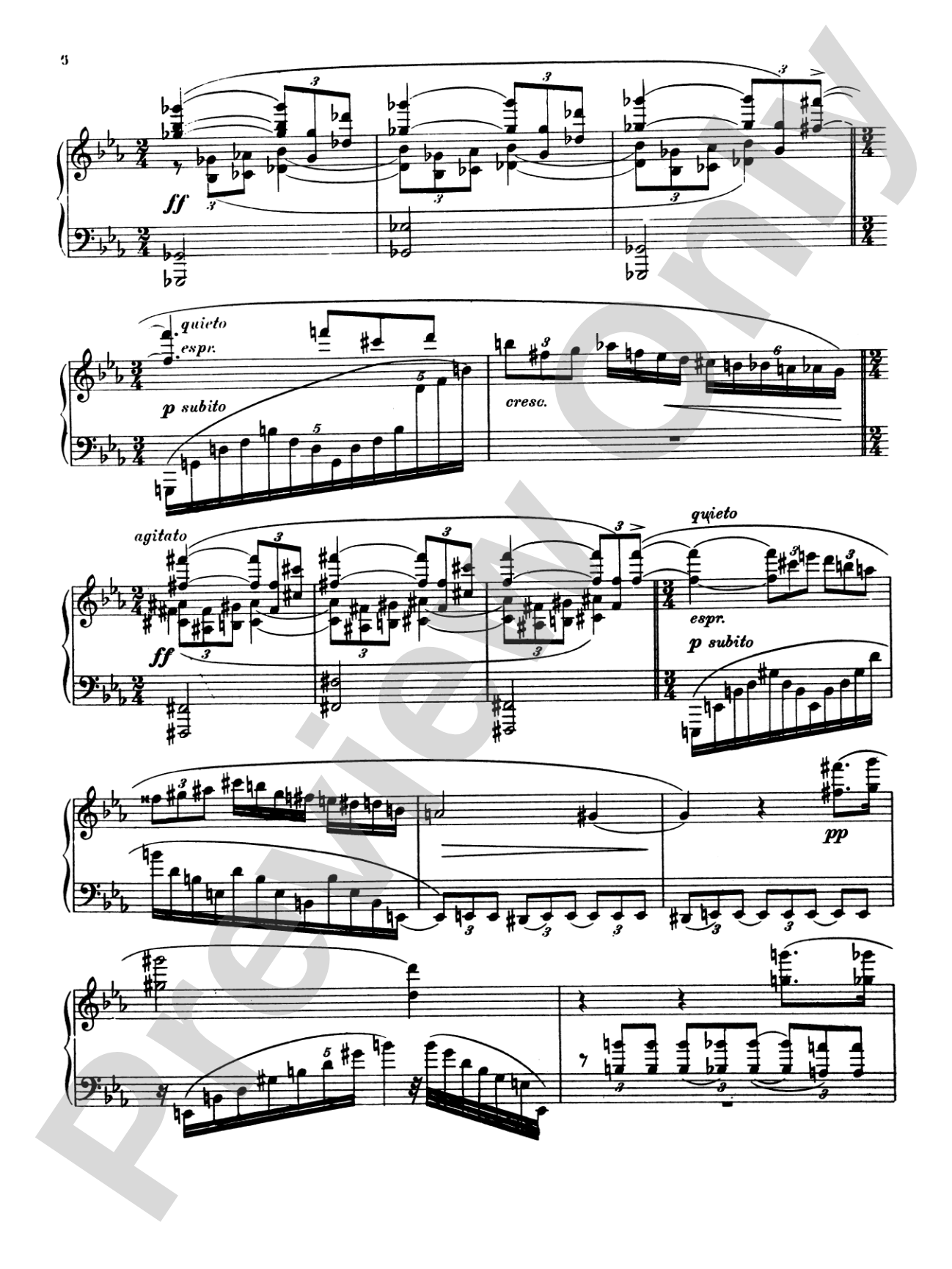
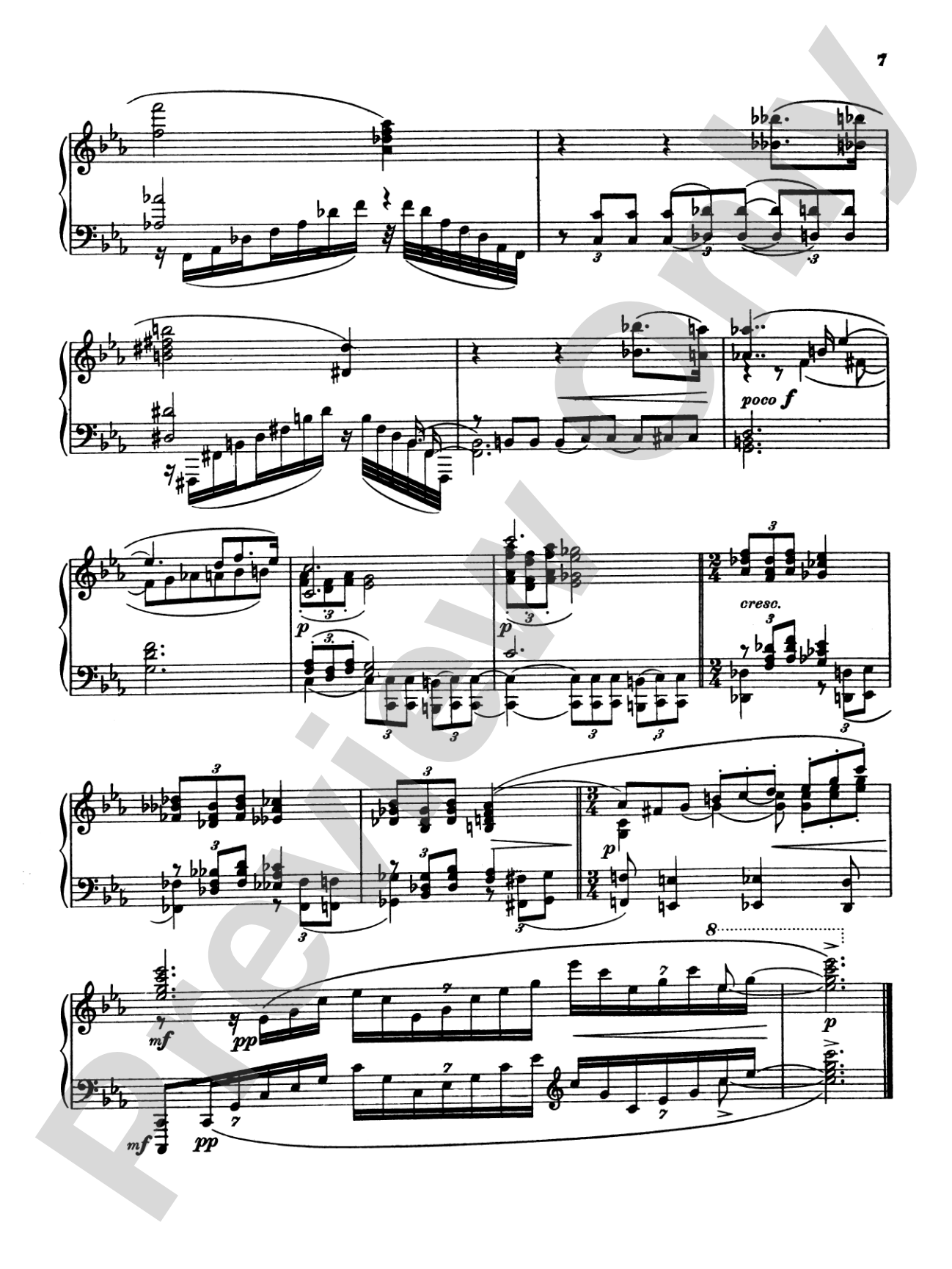
Bela Bartok wrote these two short piano pieces in Budapest in 1903. The first is Andante, quasi Adagio, and the second is Andante.


Don't just read it, hear it, play along with it, and watch your students grow with it. In MakeMusic Cloud, Bartók: Two Fantasies (Gmunden 1903): Piano comes alive with professional accompaniment, adjustable tempo, and built-in practice tools that turn solo practice into real progress.
Open in the Player
Jump straight in and assign it today.
Start Your Free Trial
Open this title and explore the full library in minutes.
Sample Audio
No sample audio found.
Sample Video
No sample videos found.
Additional Details
Series:
Kalmus Edition
Publisher:
Alfred Music
Page Count:
12
SKU:
00-PK-0002897
More about this title
About the Composer: Béla Bartók
Béla Bartók (1881-1945) stands among the 20th century's most influential composers and pianists. A Hungarian nationalist who believed deeply in the educational power of folk music, he spent decades collecting and studying authentic melodies from across Eastern Europe, then synthesized those discoveries into a modernist compositional language that shaped generations of musicians.
Bartók's piano works remain central to the concert repertoire and music study because they balance intellectual rigor with genuine lyricism. His early pieces, including these 1903 Fantasies, reveal a composer working at the threshold of tonality, where romantic gesture meets folk sensibility. As both a composer and pedagogue, he understood how to write for developing musicians without sacrificing artistic substance.
Why we love this
These two short fantasies capture Bartók at a pivotal moment, when he was absorbing folk idioms and beginning to stretch harmonic language beyond the 19th-century tradition. They reward pianists seeking repertoire that sounds authentically modern without the technical extremes of his later works, making them valuable both as concert pieces and as windows into early 20th-century compositional thinking.
What to expect
Both pieces inhabit a slow, introspective world where folk melody meets chromatic harmony in quiet conversation. The writing feels intimate and meditative, with moments of harmonic tension that emerge from within rather than impose themselves from without. These are pieces of genuine lyrical beauty that ask the pianist to listen carefully to every note.
Who it's for
Advanced pianists working with early Bartók will find these fantasies essential for understanding his compositional development. Students preparing recitals benefit from their substantial but manageable length, and teachers can use them to introduce 20th-century modernism through a composer whose work grows directly from folk tradition rather than from pure abstraction.
How to get the most out of it
- Honor the implied Hungarian folk character without exaggeration; let the modal inflections and rhythmic freedom suggest folk origins without affectation.
- Shape the Andante tempos with long sight lines rather than rushing; these pieces breathe slowly and require patience with silence and space.
- Approach harmonic color as carefully as melodic line; Bartók's treatment of sonority in these early works is as intentional as his pitch choices.
- Explore the digital edition's layout to understand voice leading and structural clarity before settling into interpretive choices.
How to use it
Program these fantasies as a bridge between Romantic and modern repertoire, perhaps following a 19th-century piece and preceding later 20th-century work. Their modest technical demands and strong musical substance make them ideal for undergraduate recitals or faculty programs exploring modernism's roots.
Skills your students will build
- Reading early 20th-century harmonic language and modal inflection
- Sustaining slow tempos with structural awareness and long-range shaping
- Balancing romantic gesture with modernist harmony
- Interpreting folk-influenced melodic character in art music context
- Understanding voice leading in chromatic contexts