

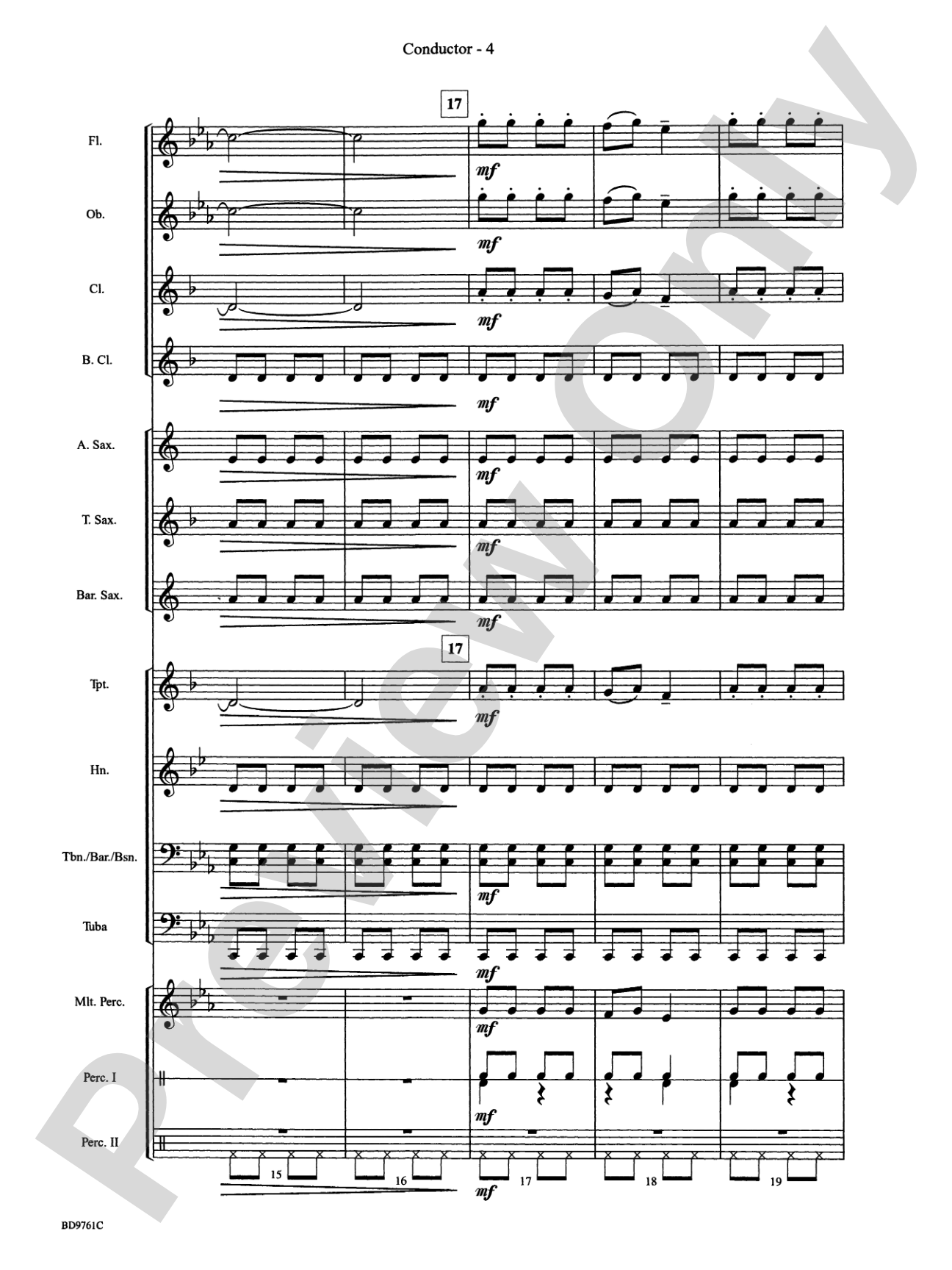
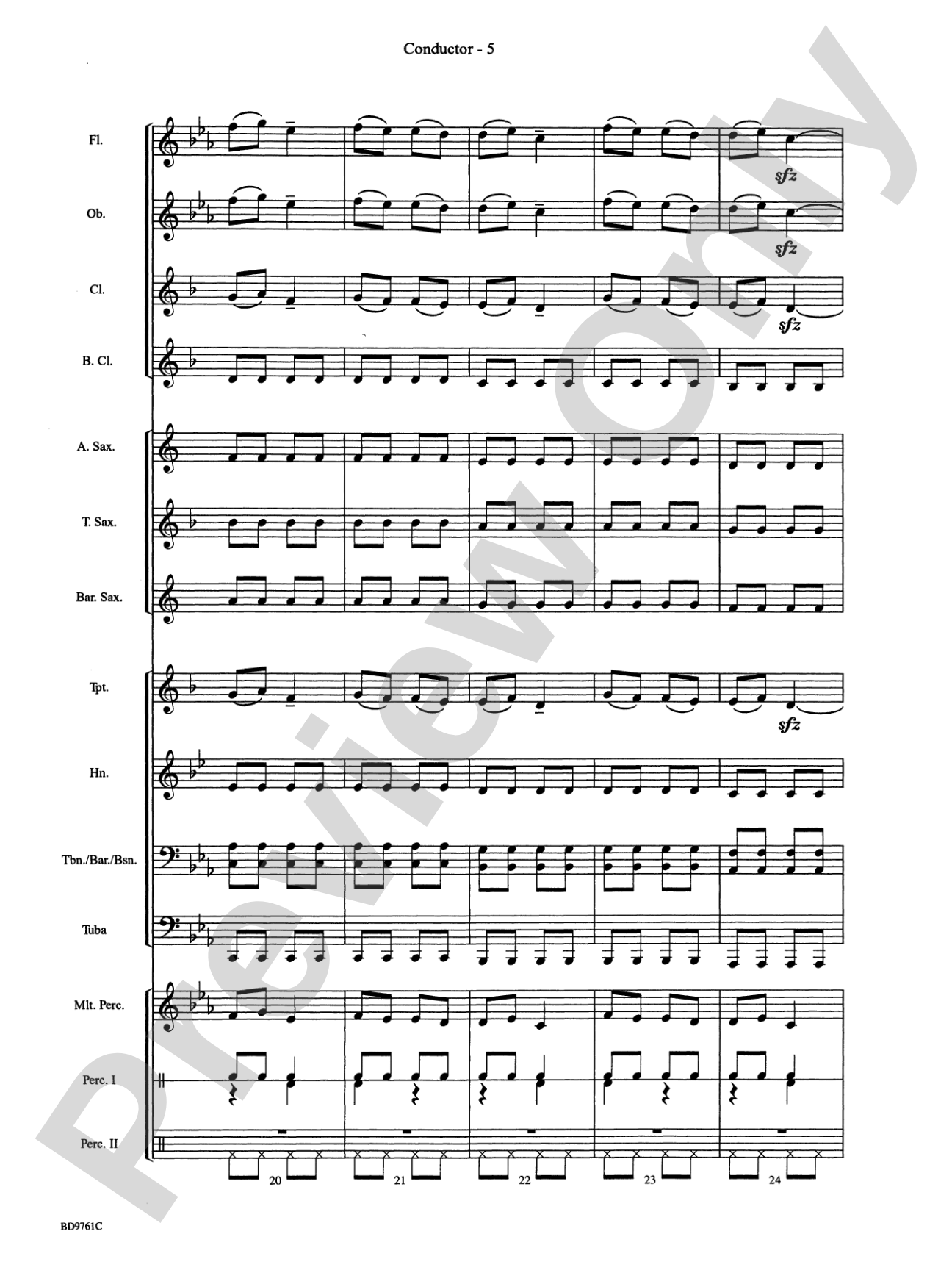
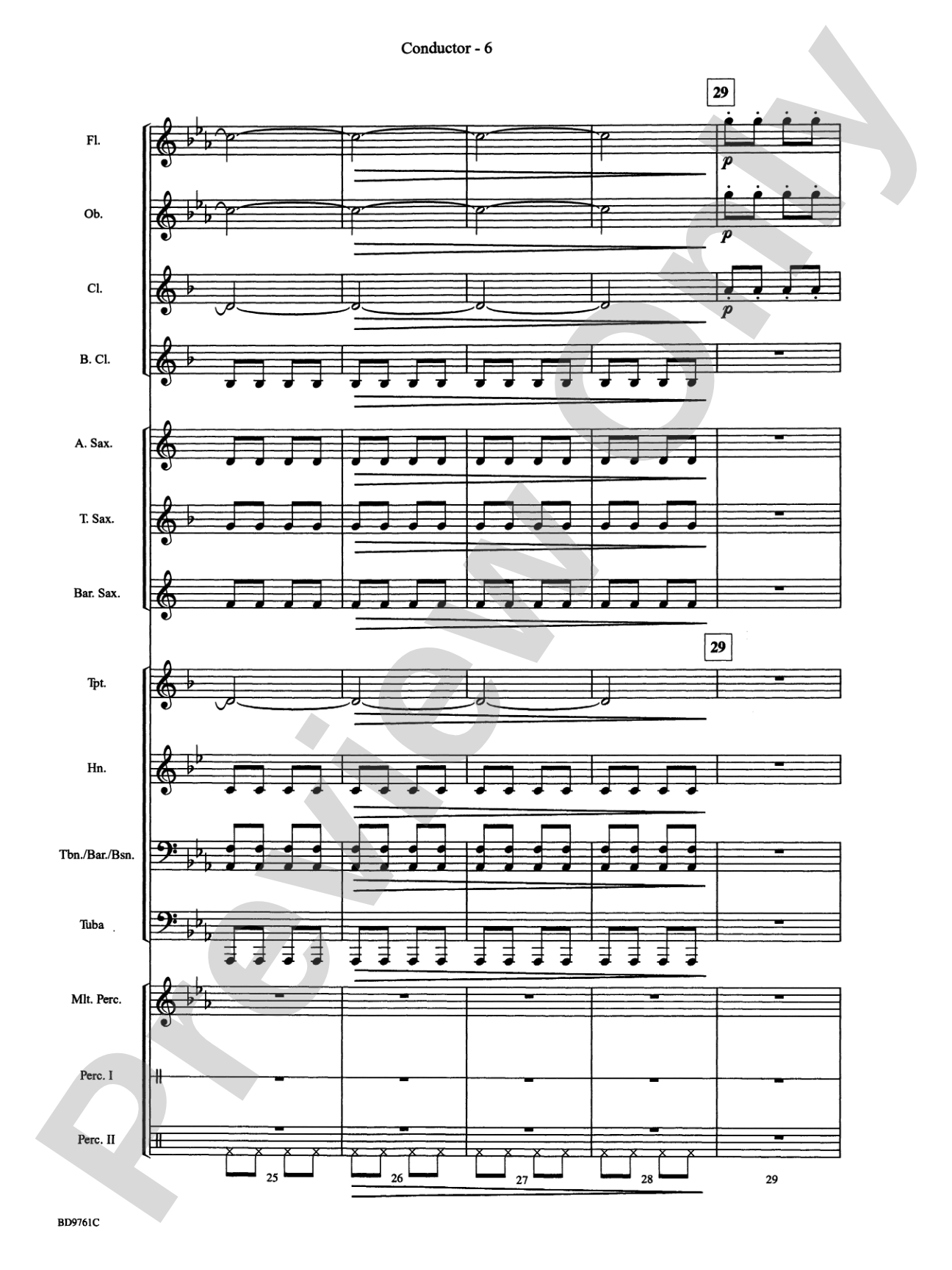
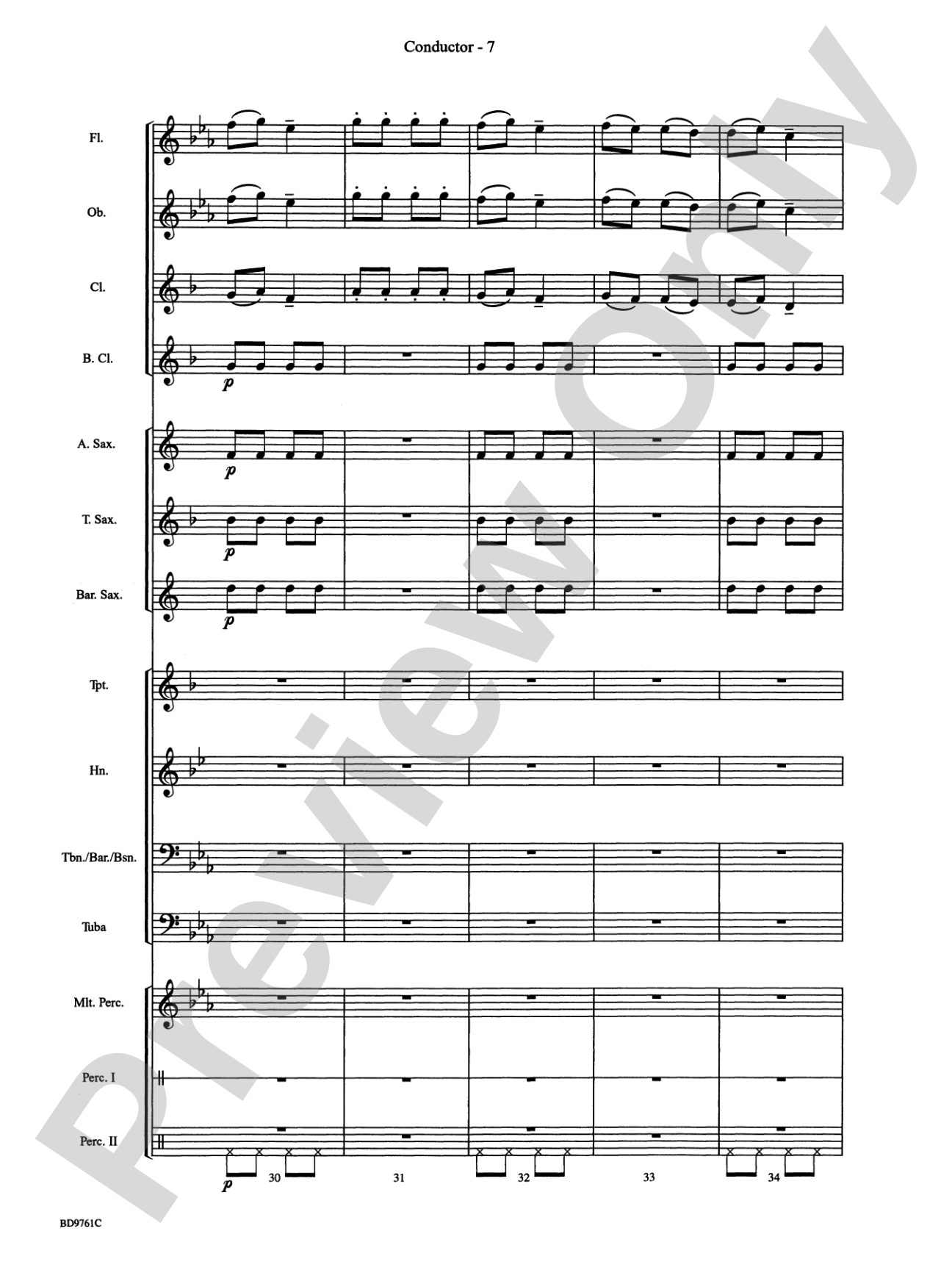
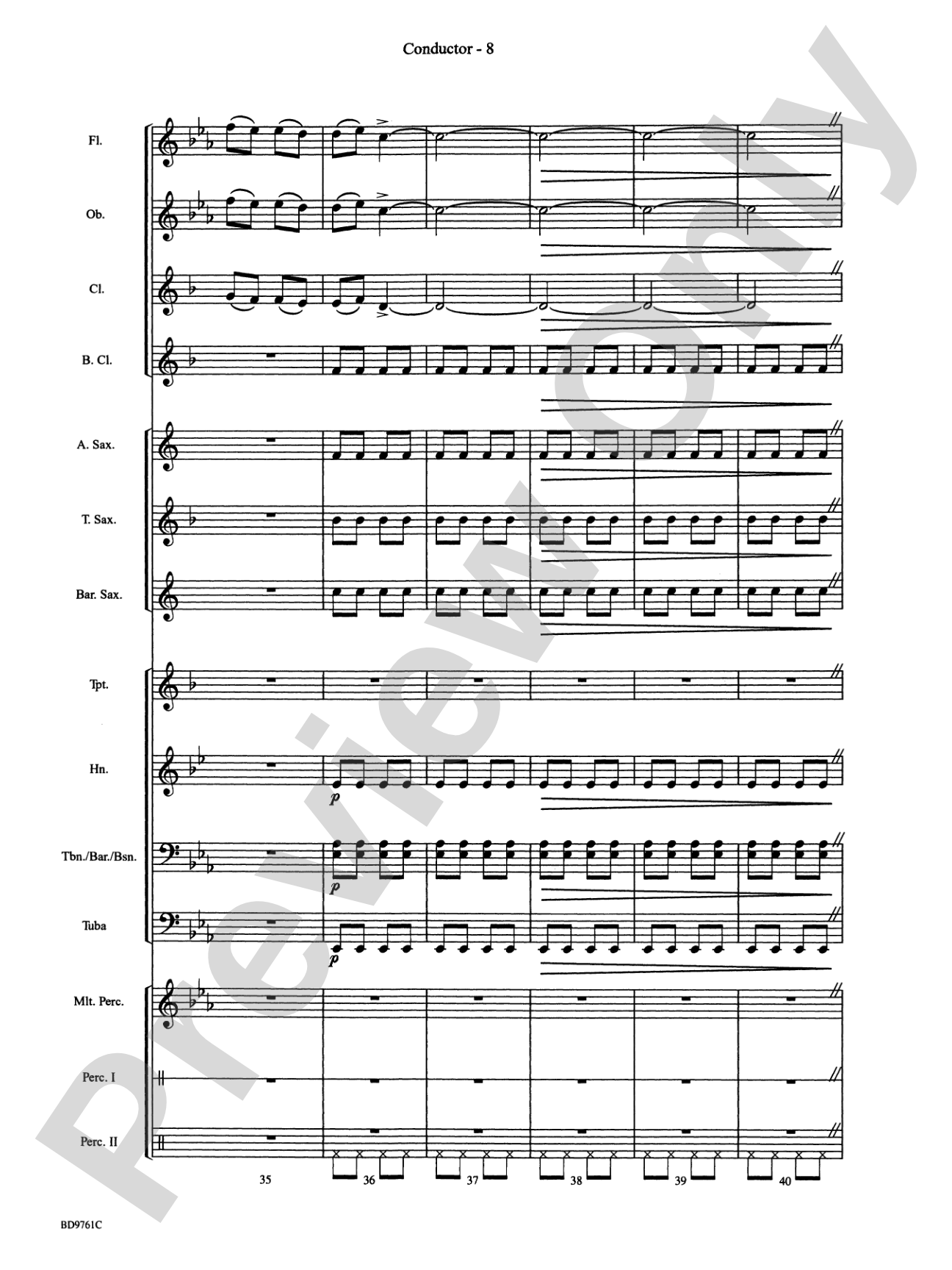
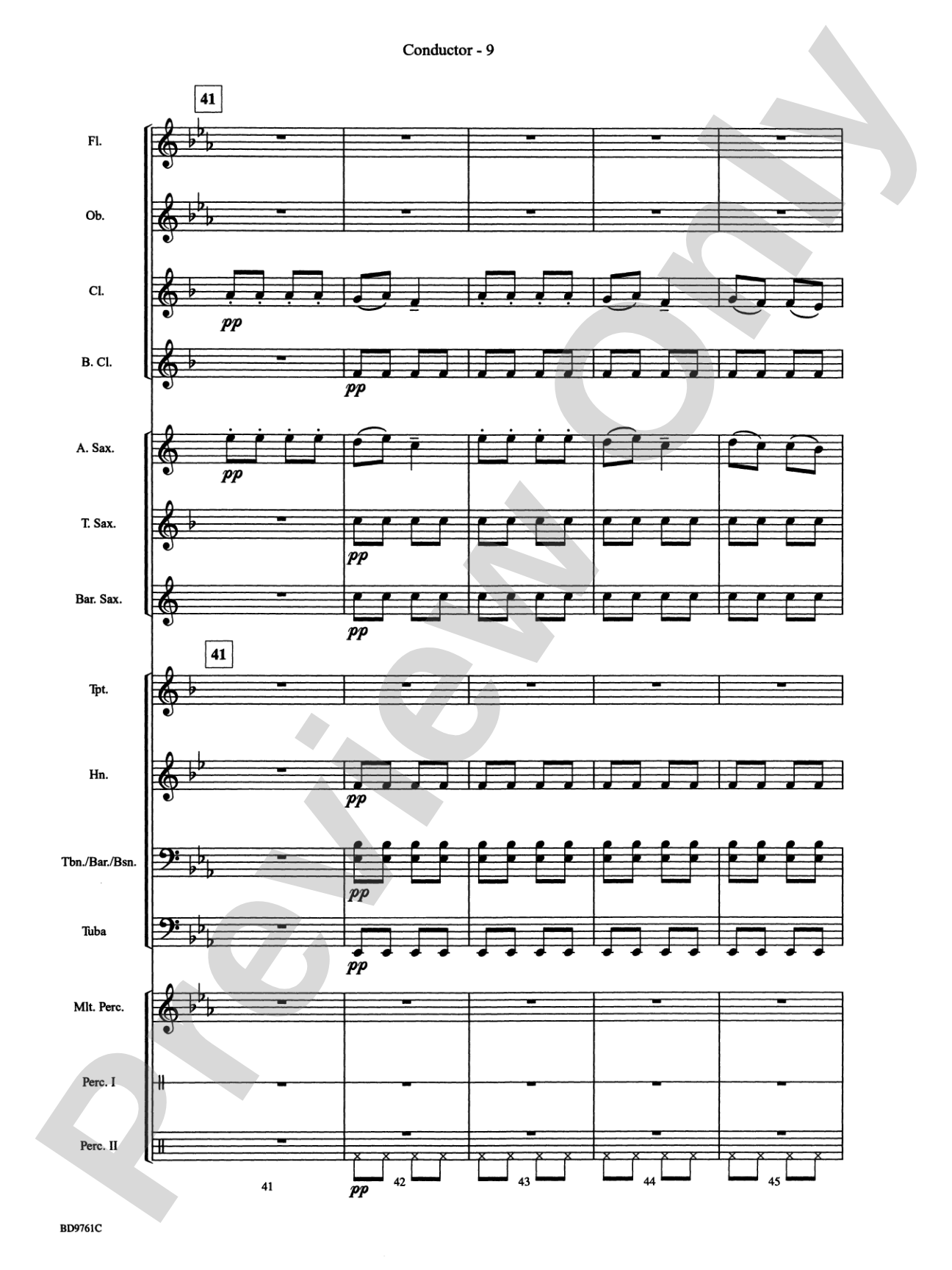
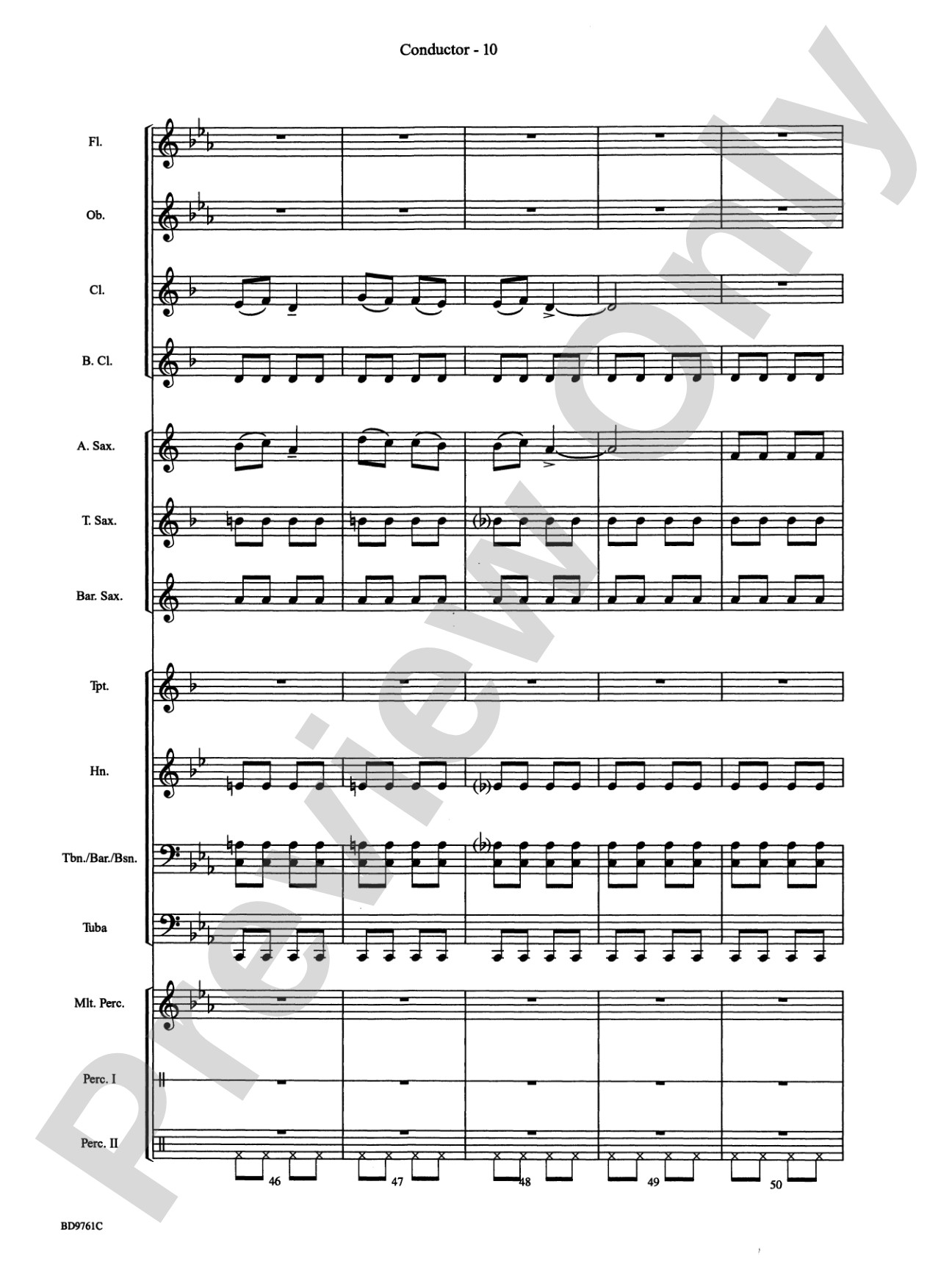
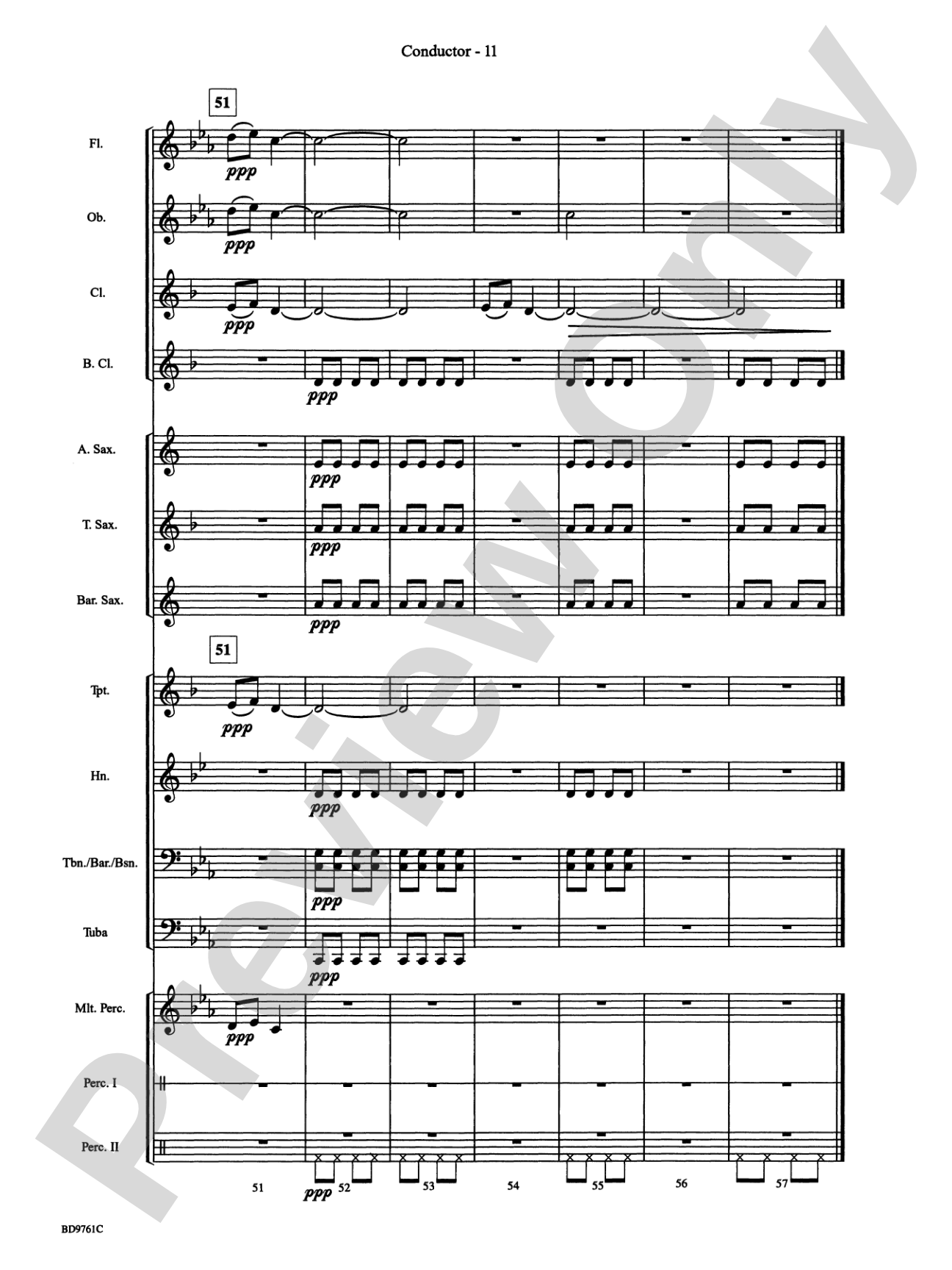
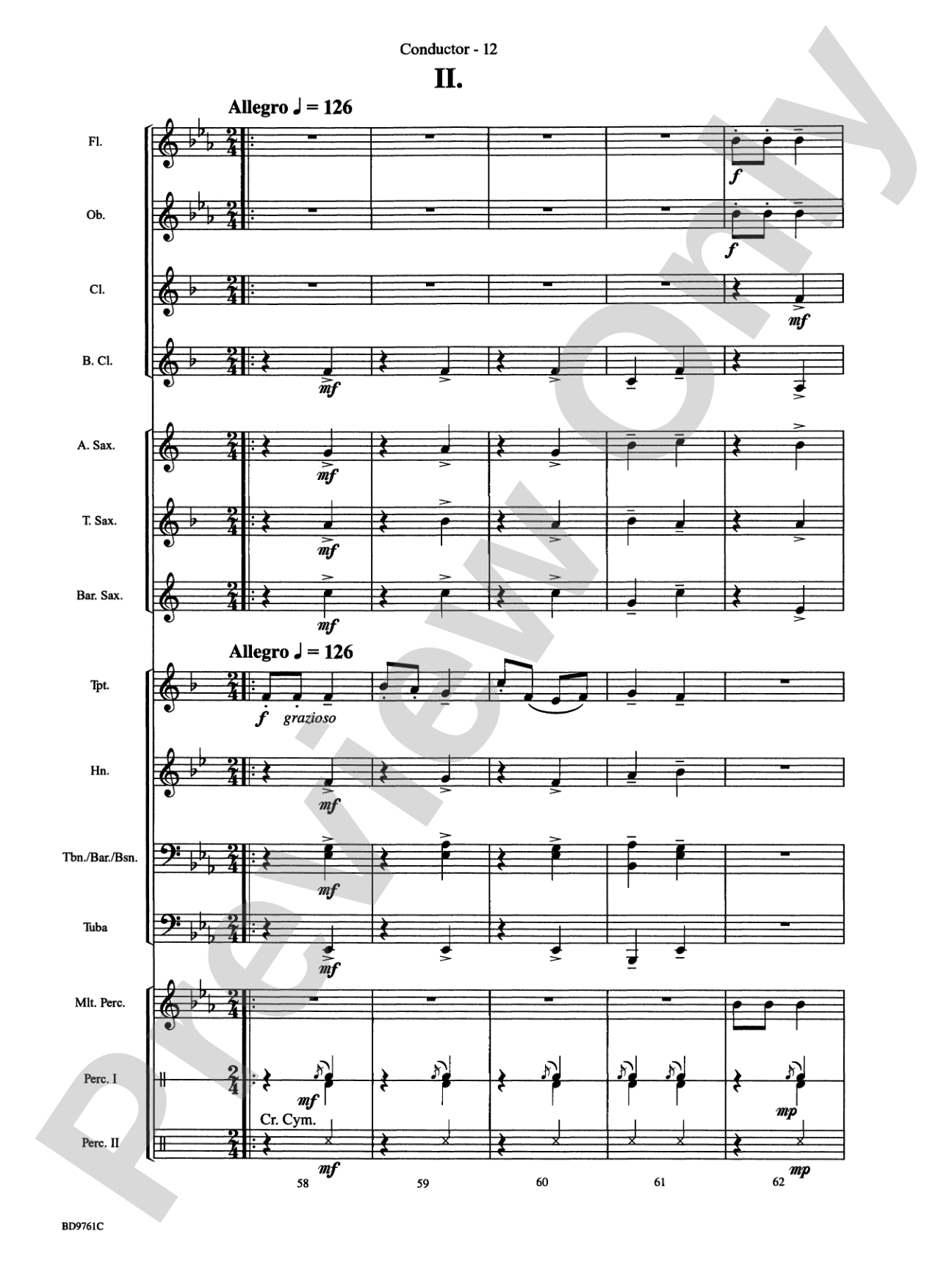
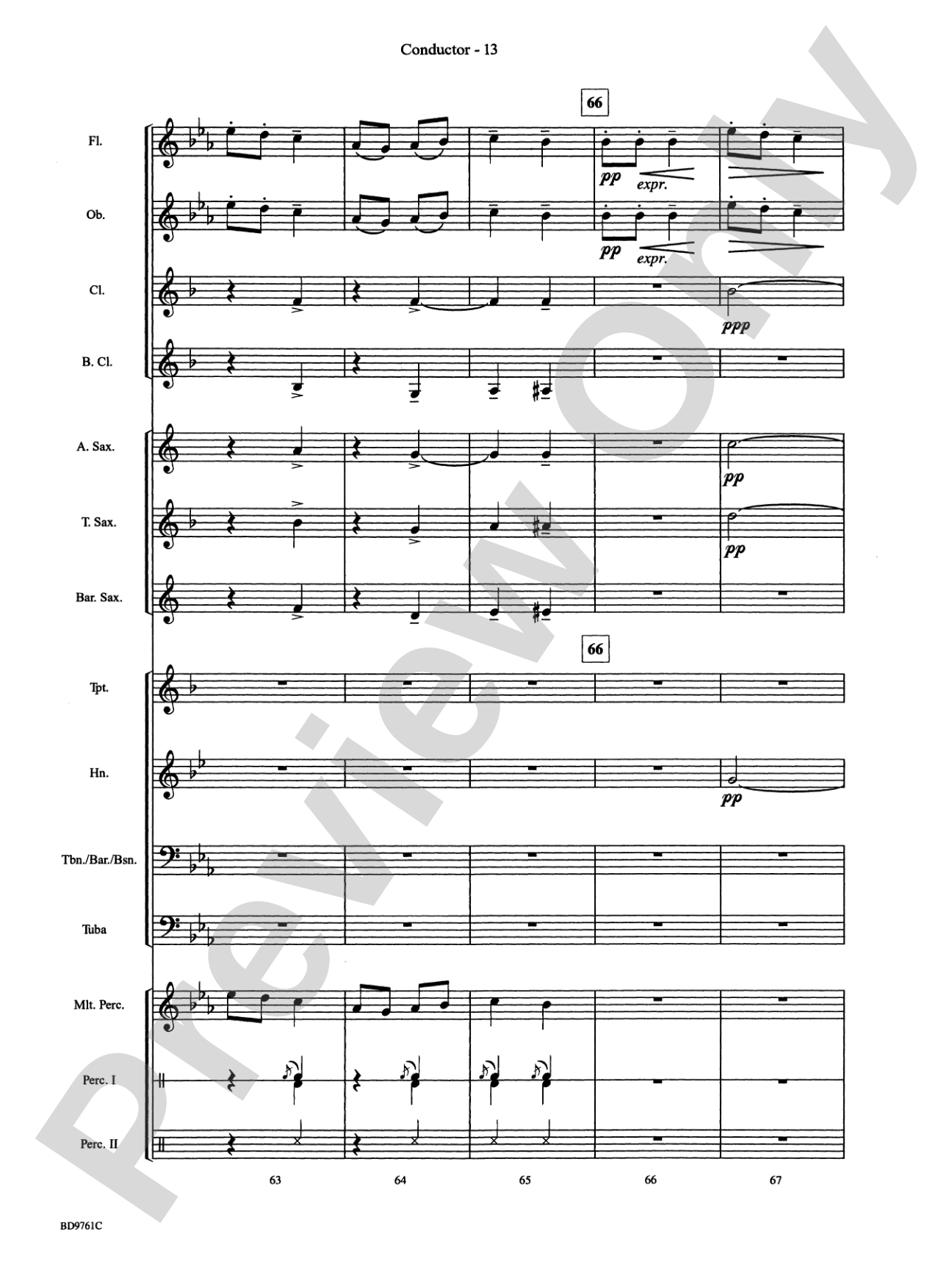
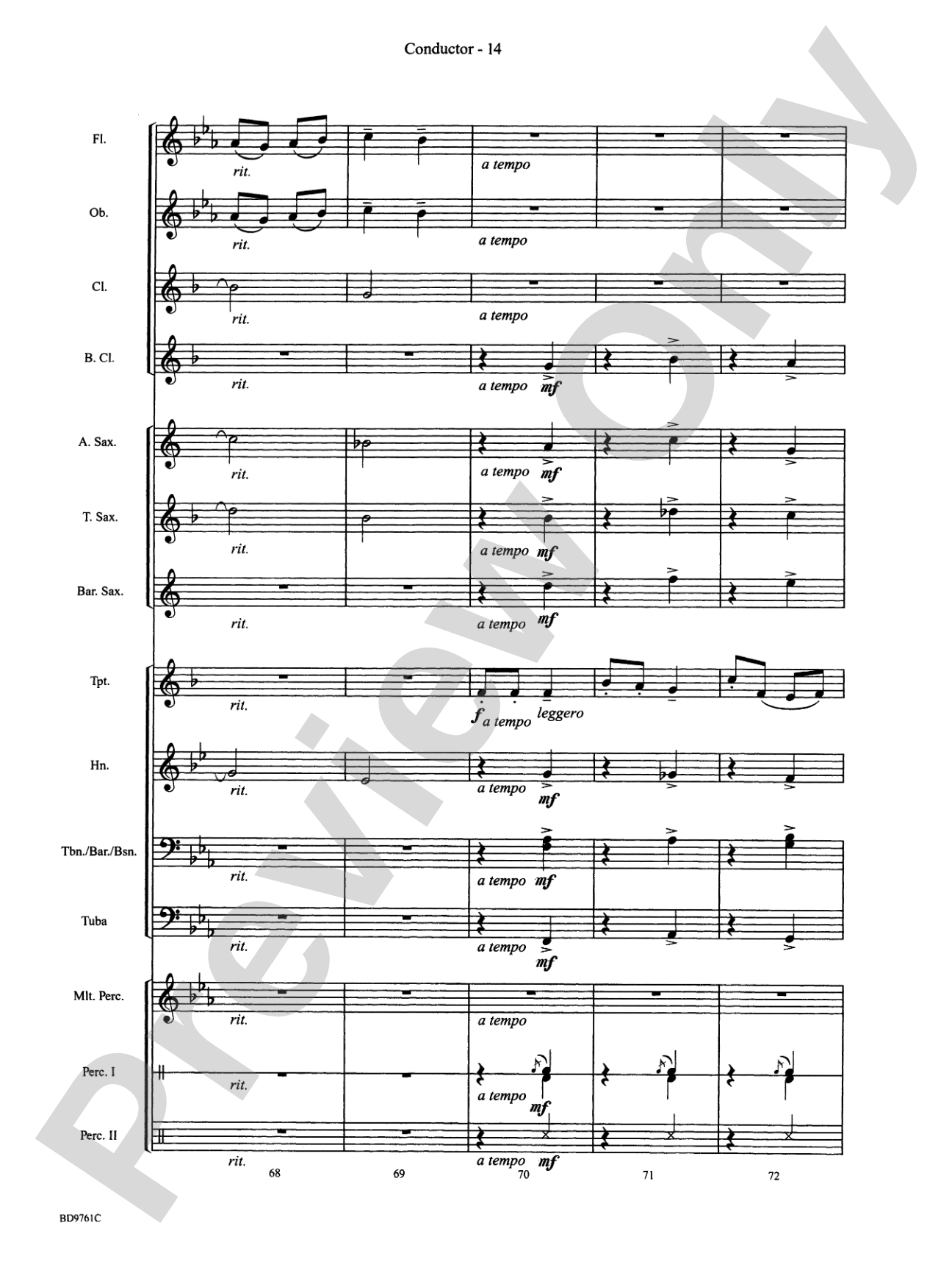
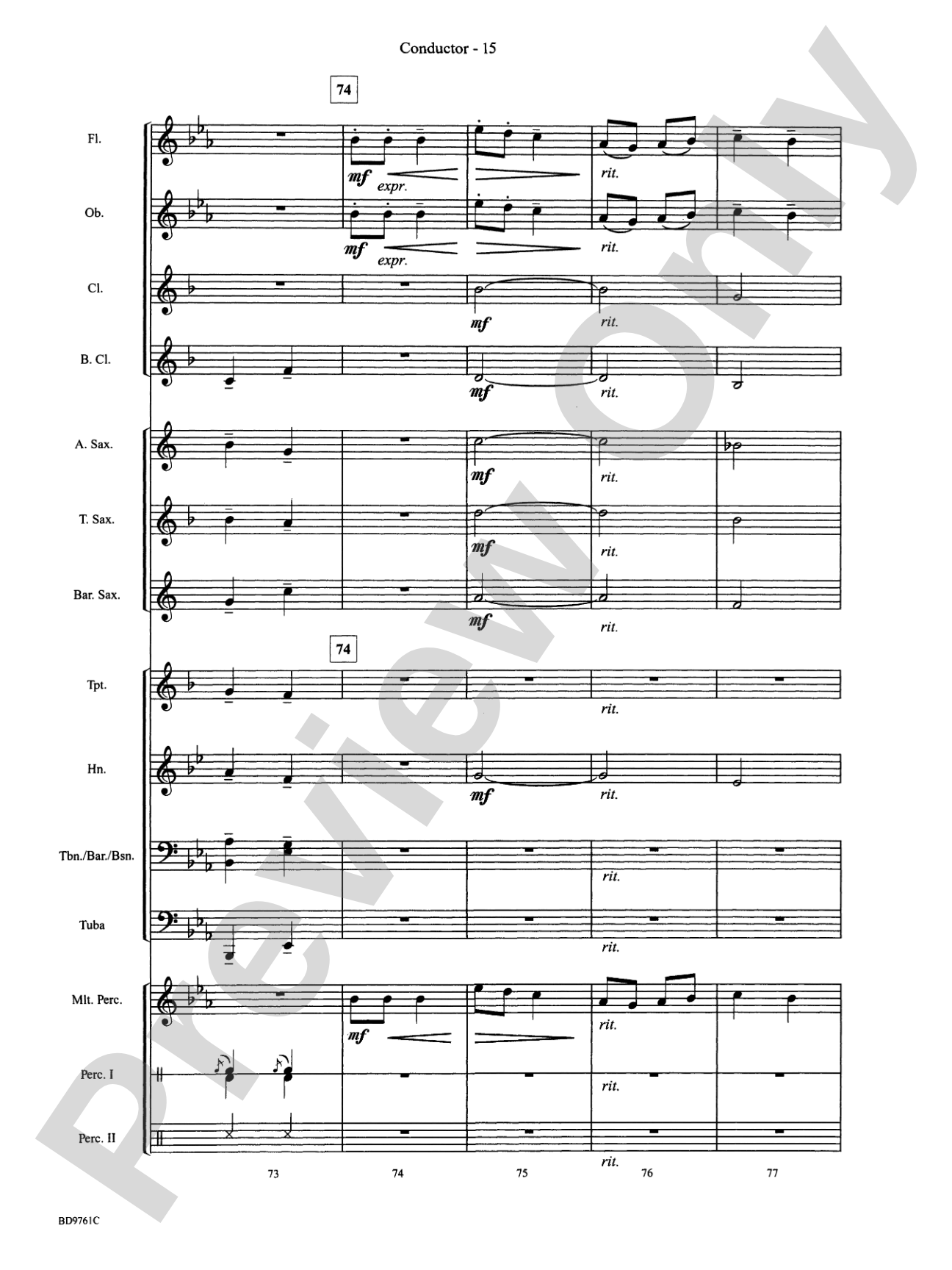
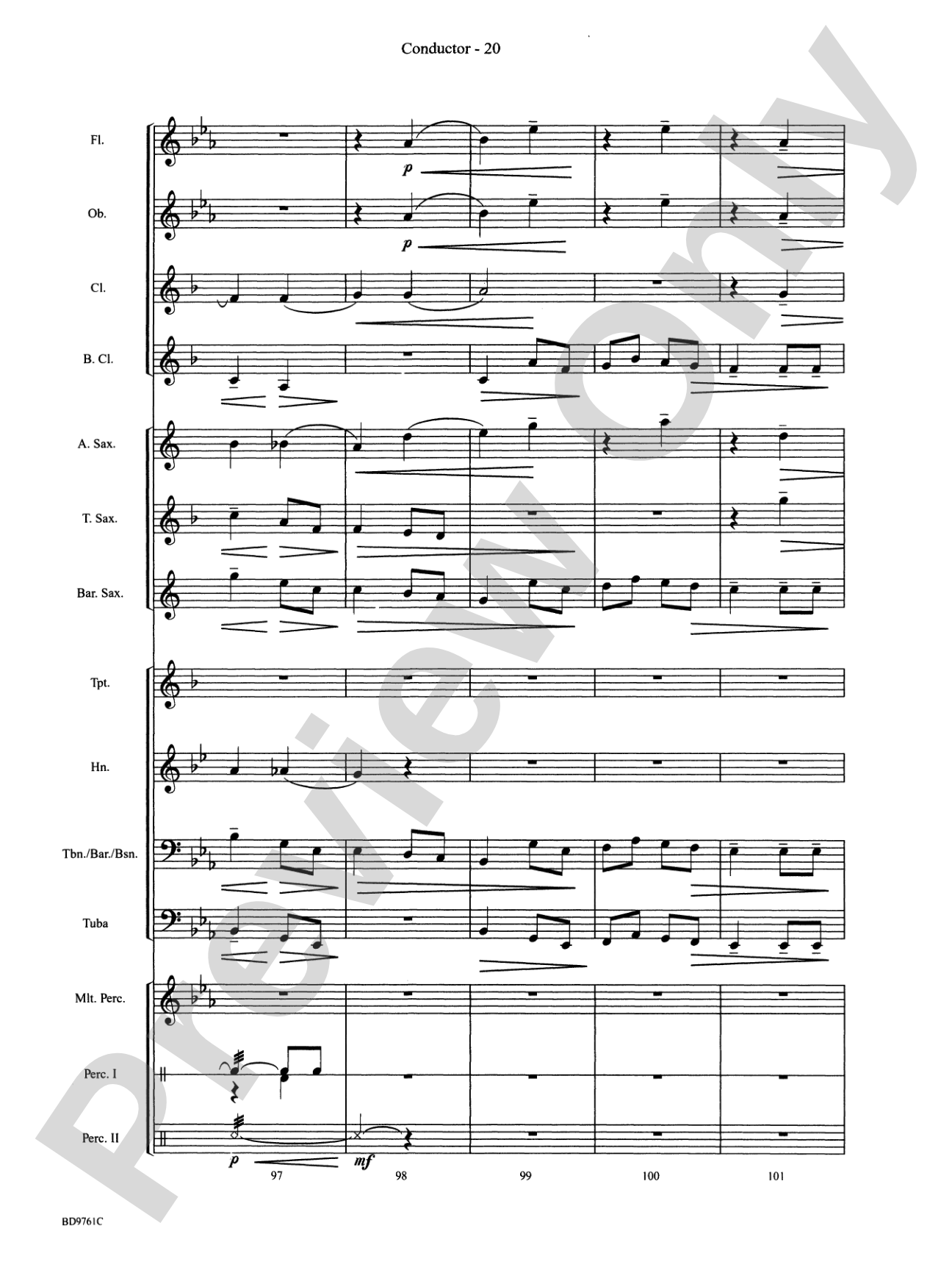
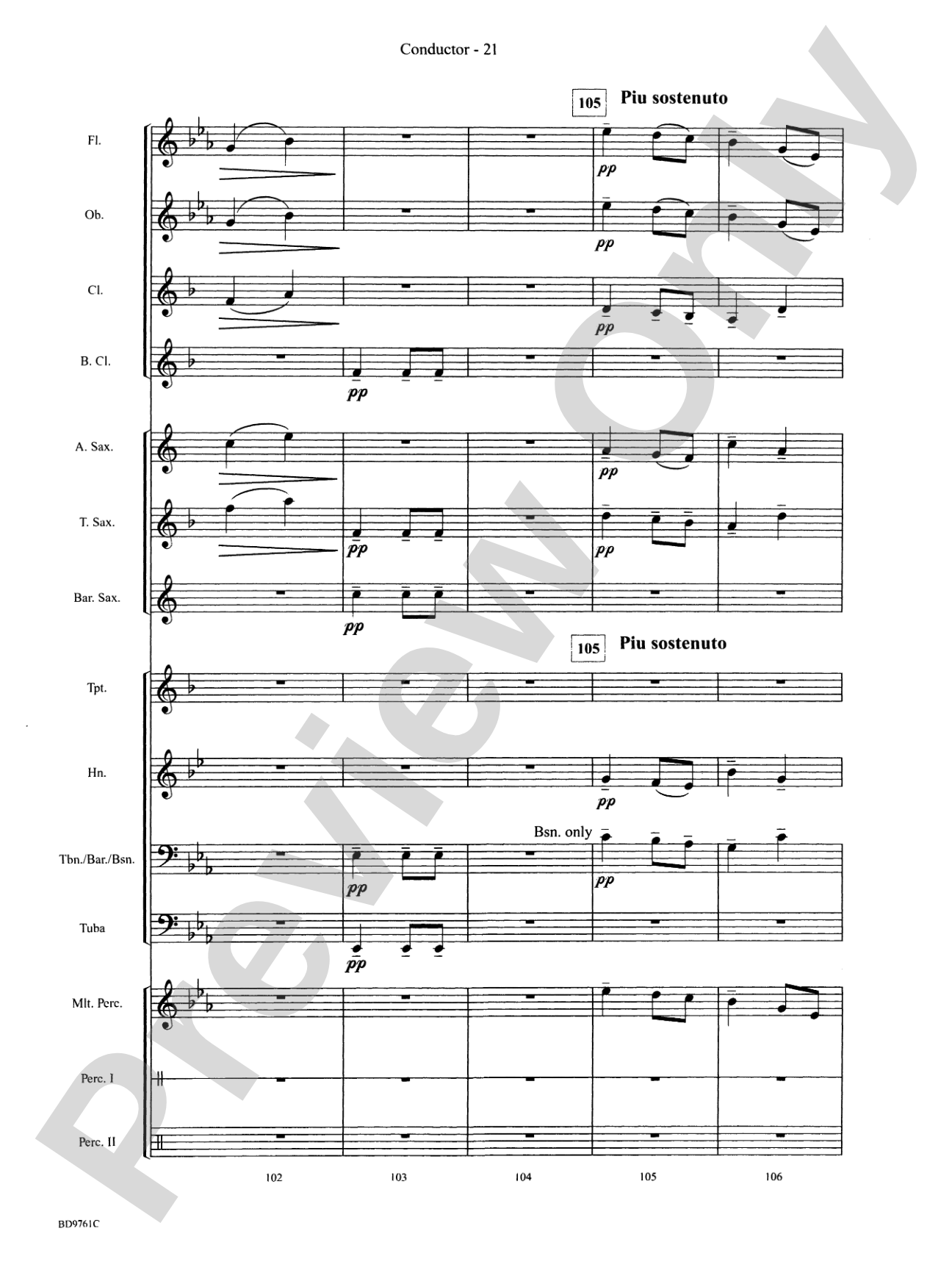
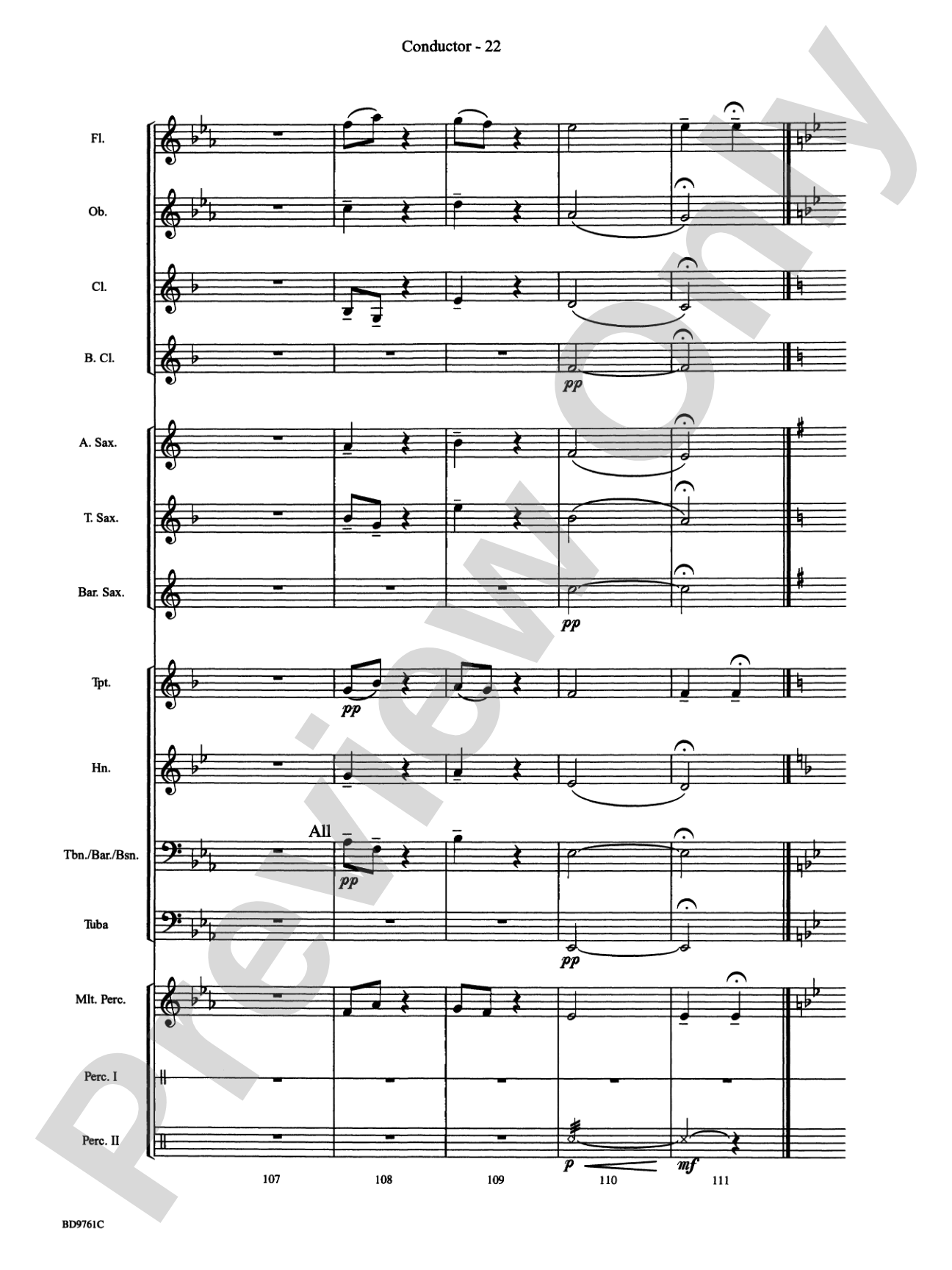
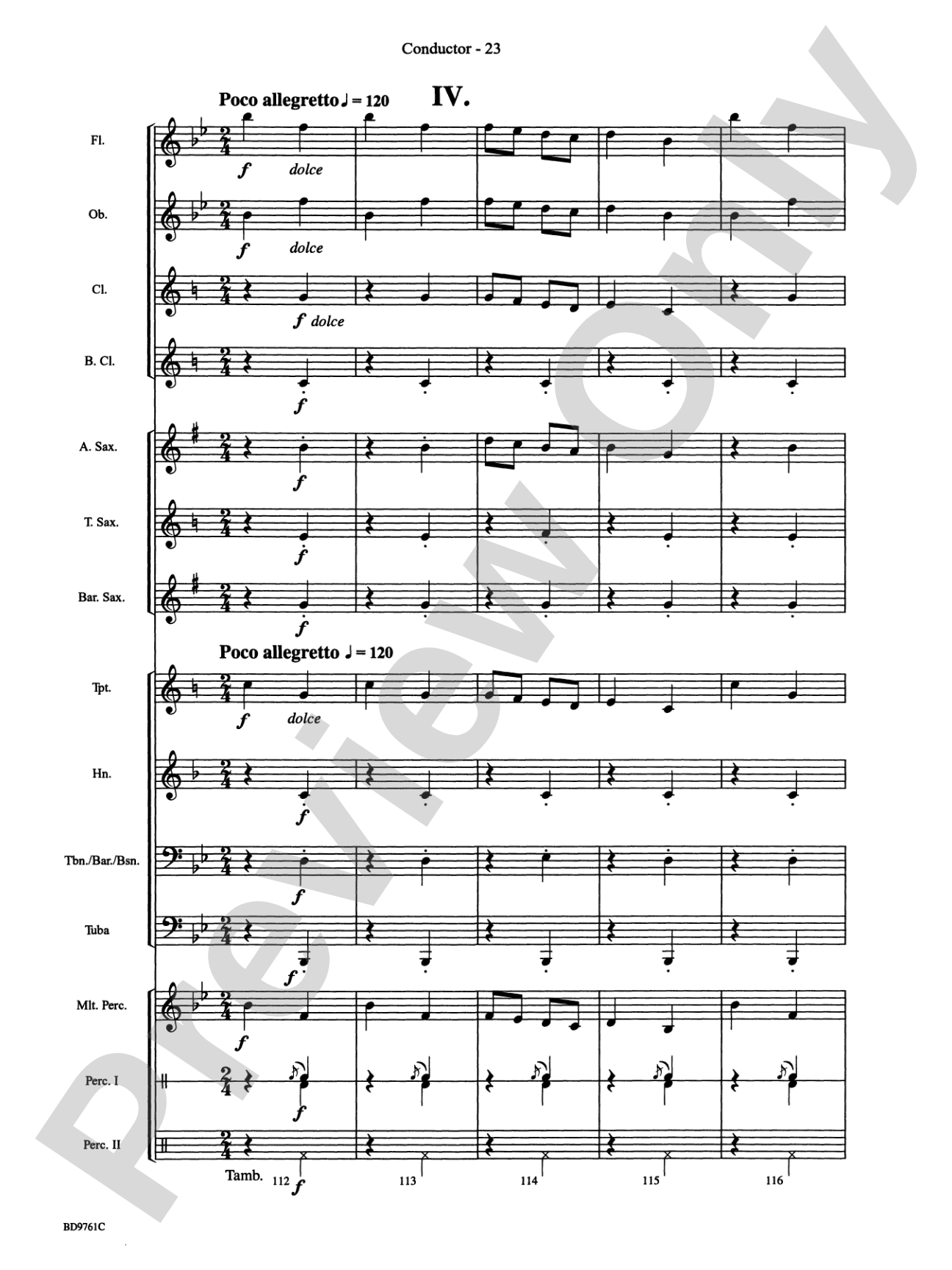
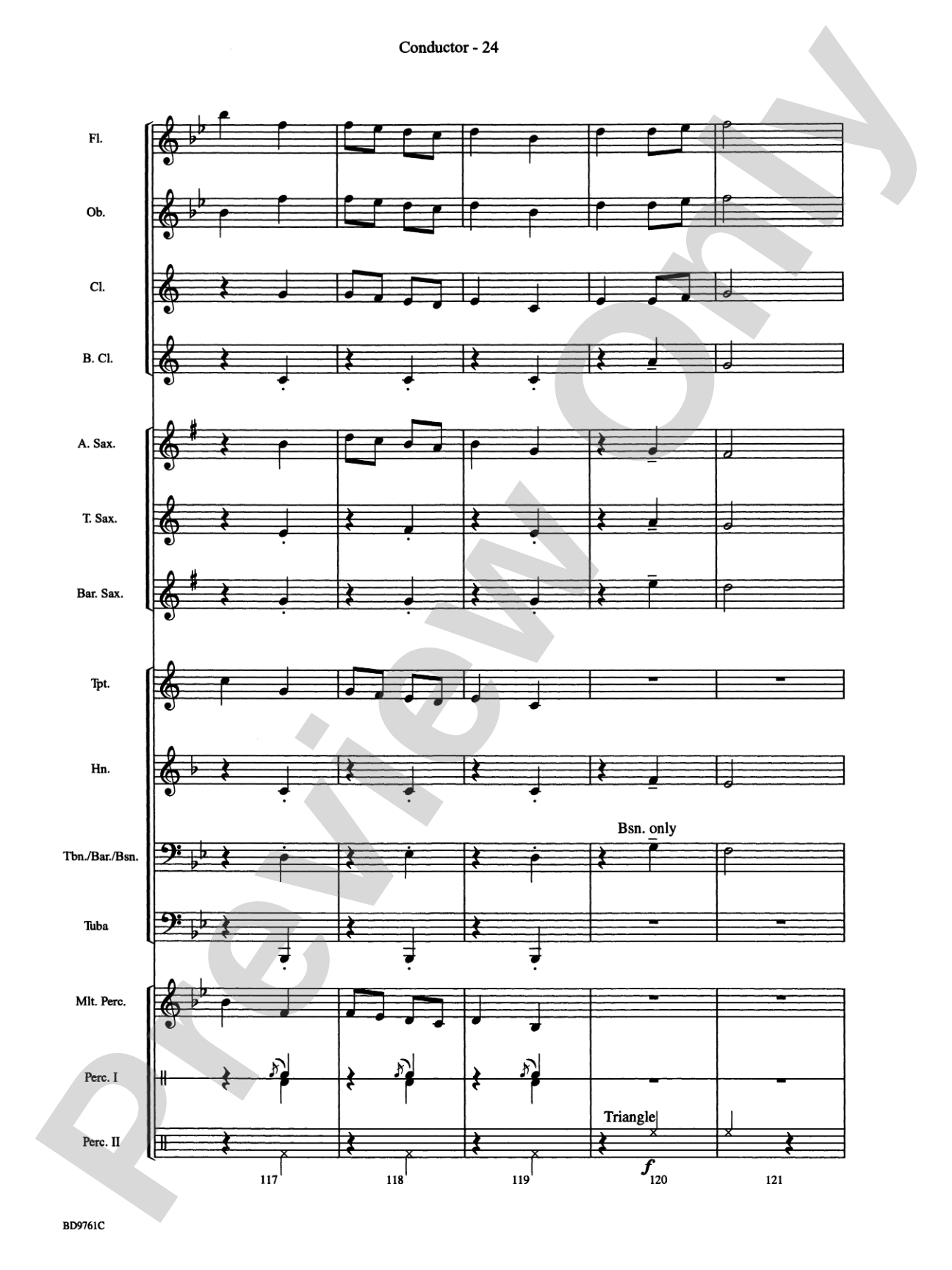
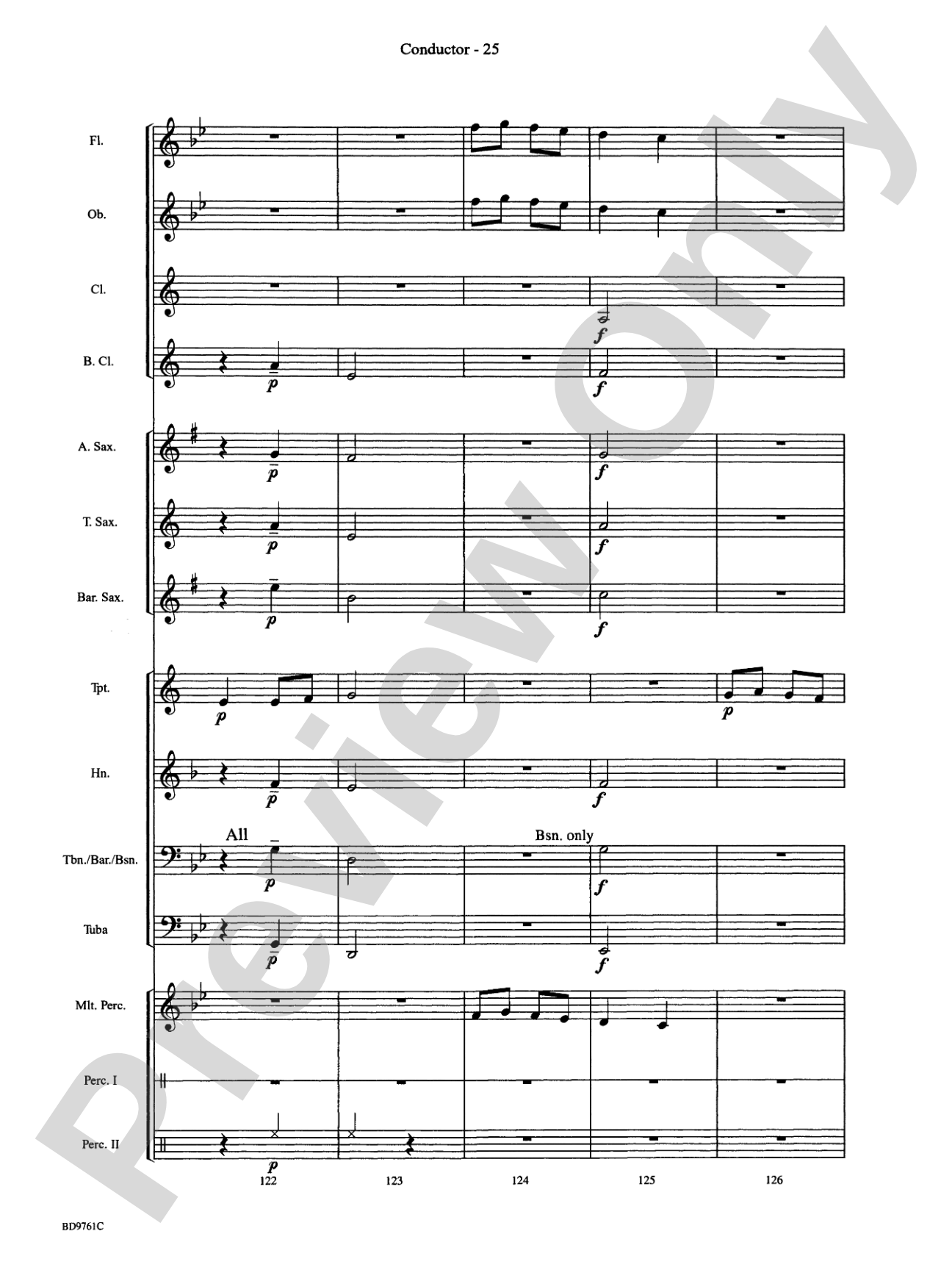
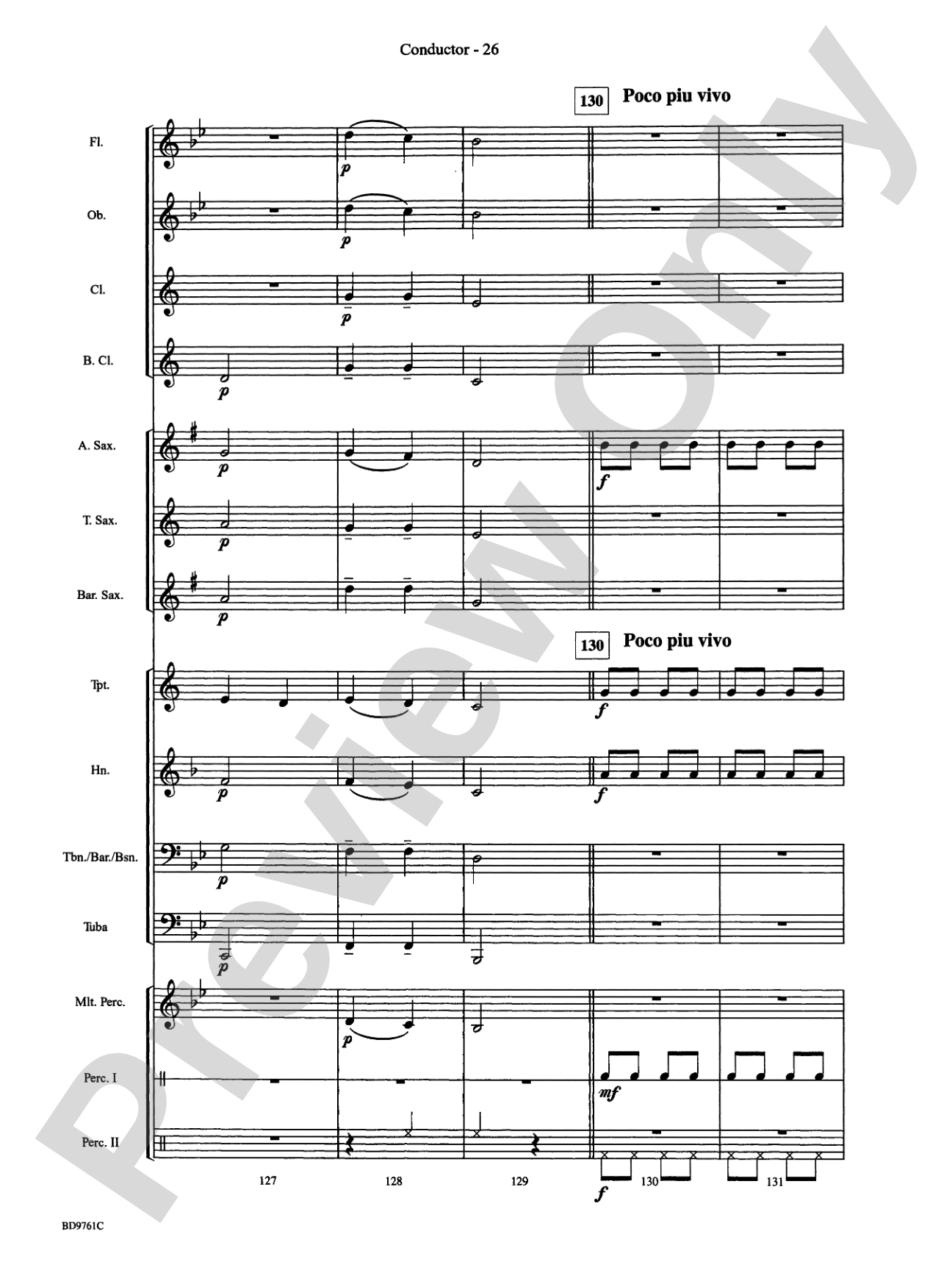
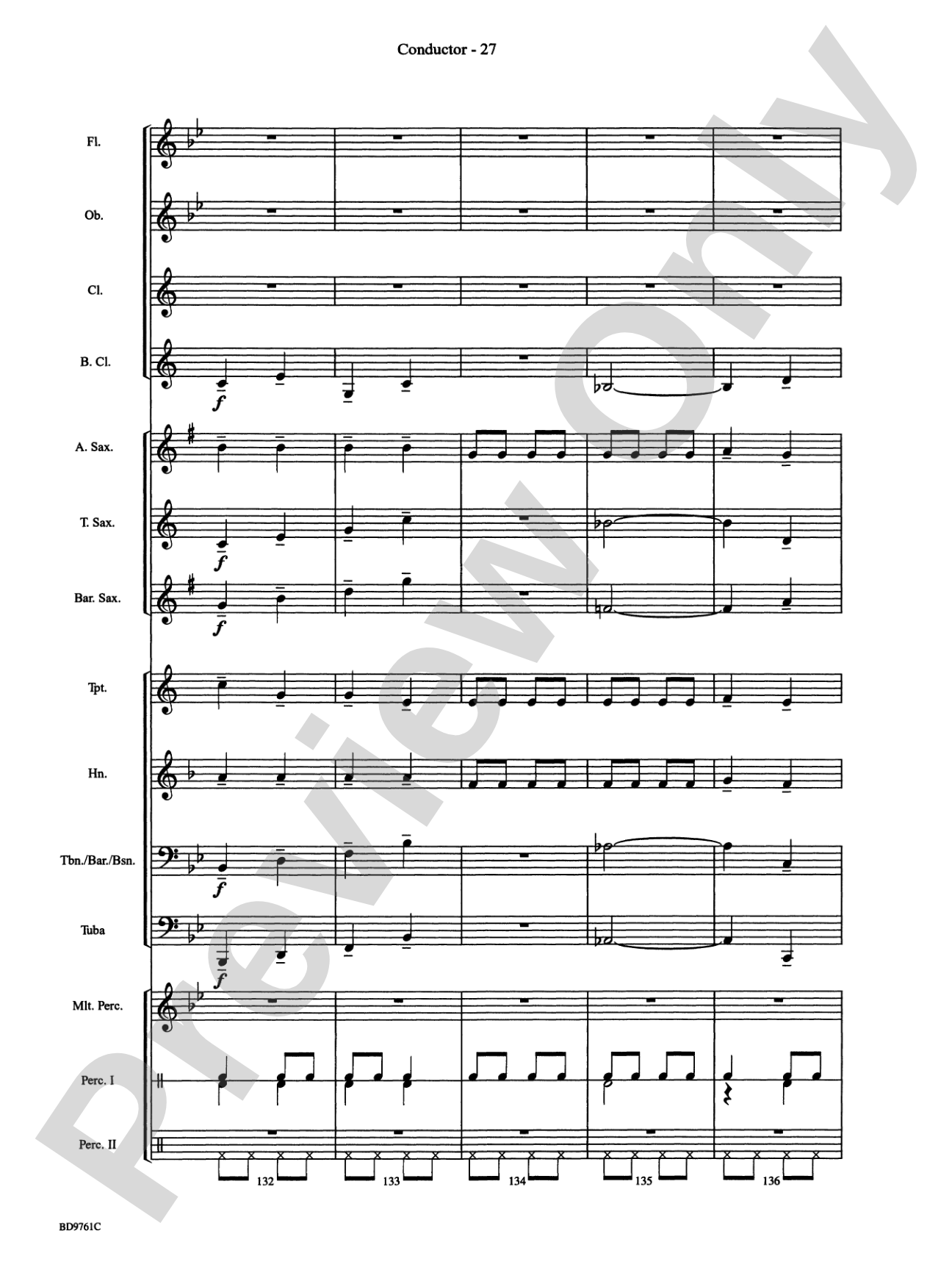
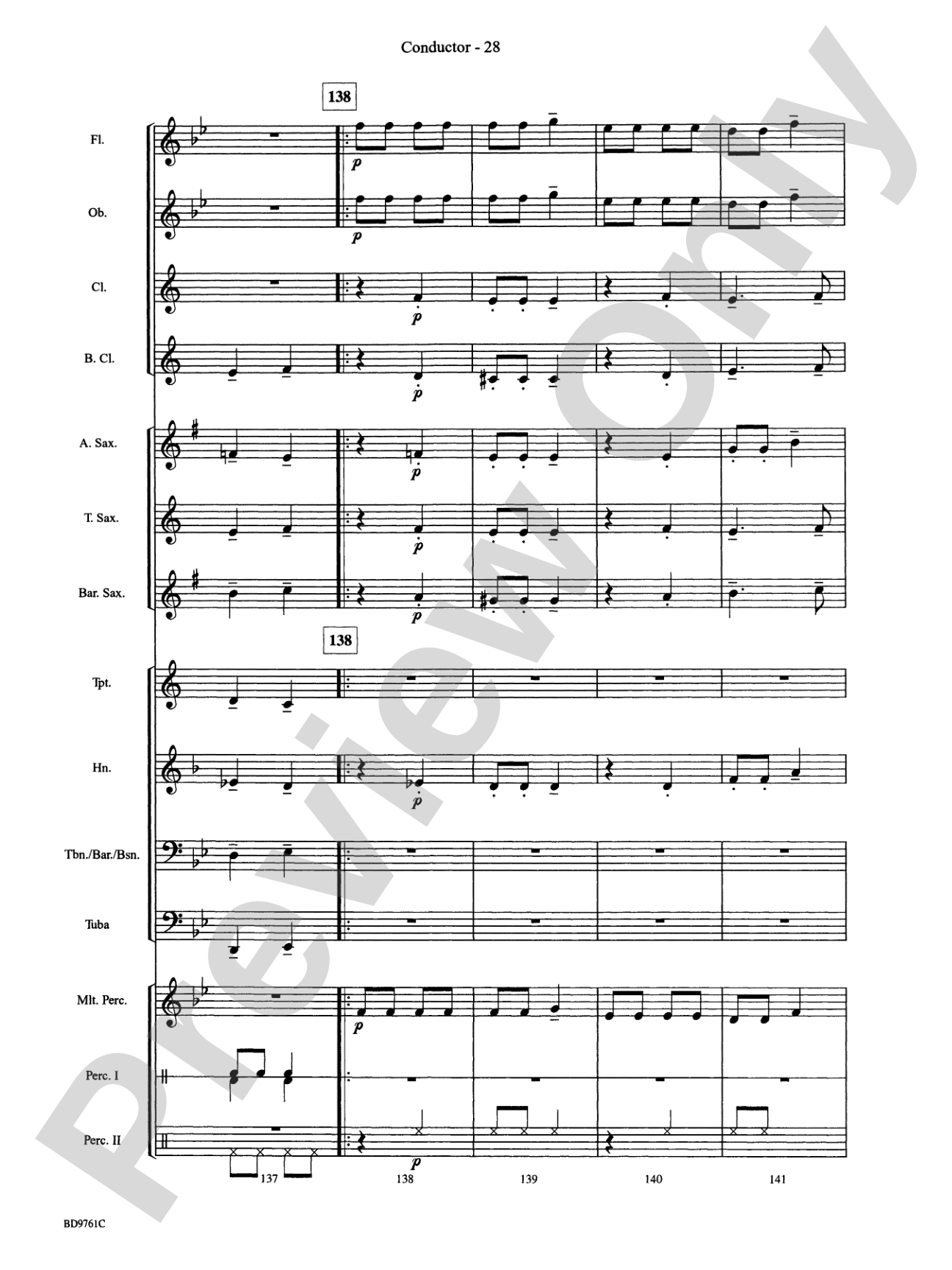
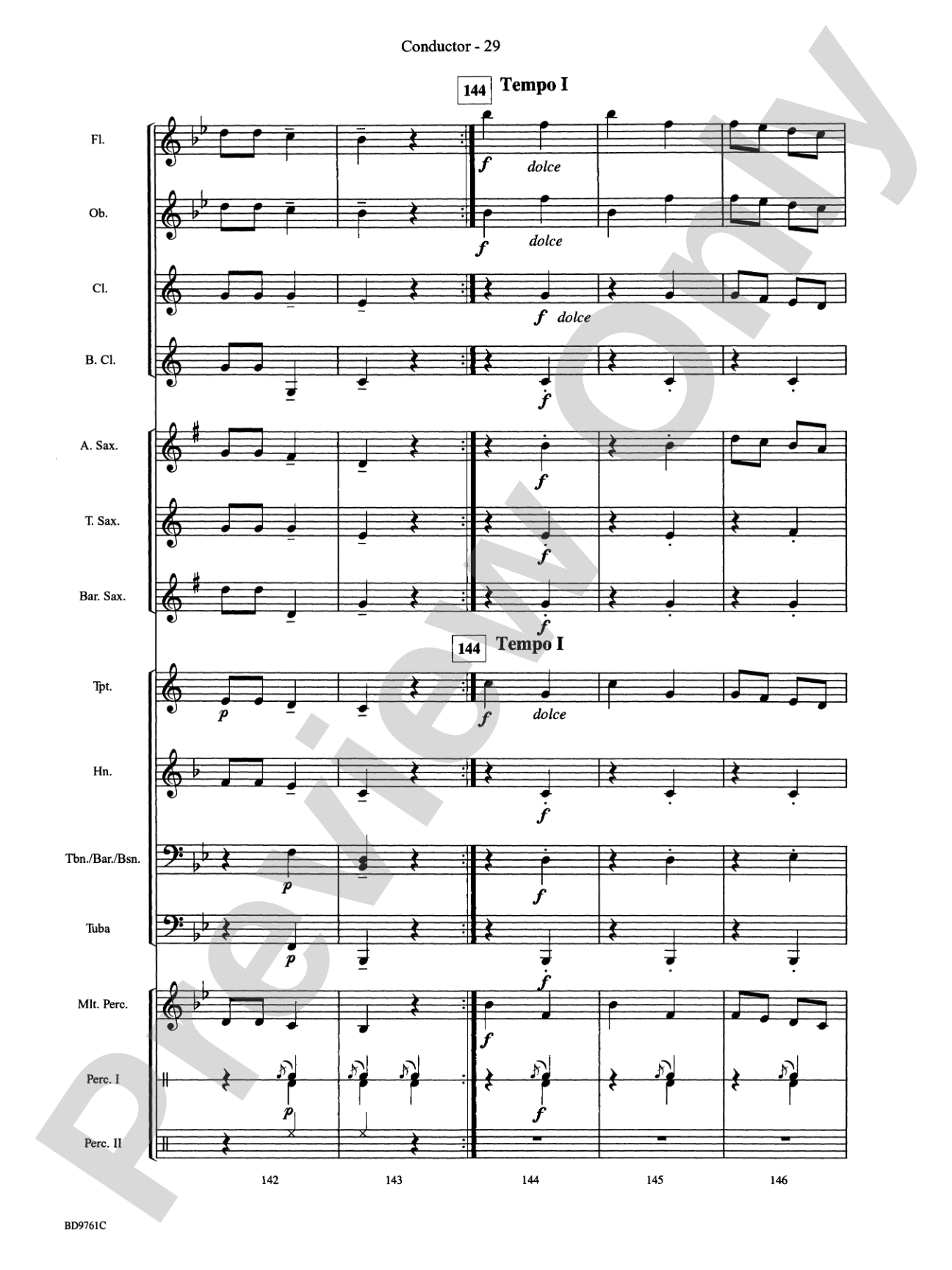
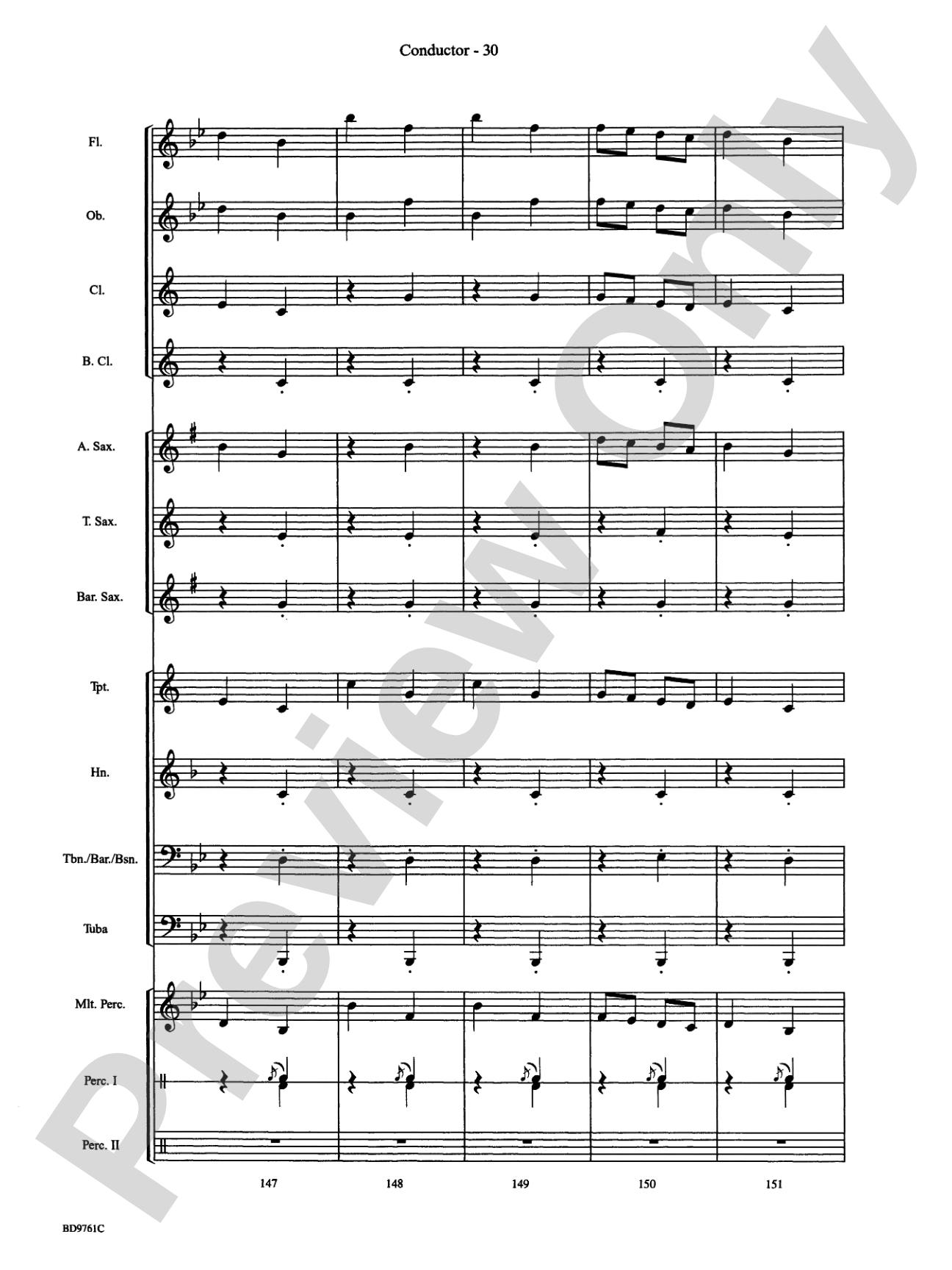
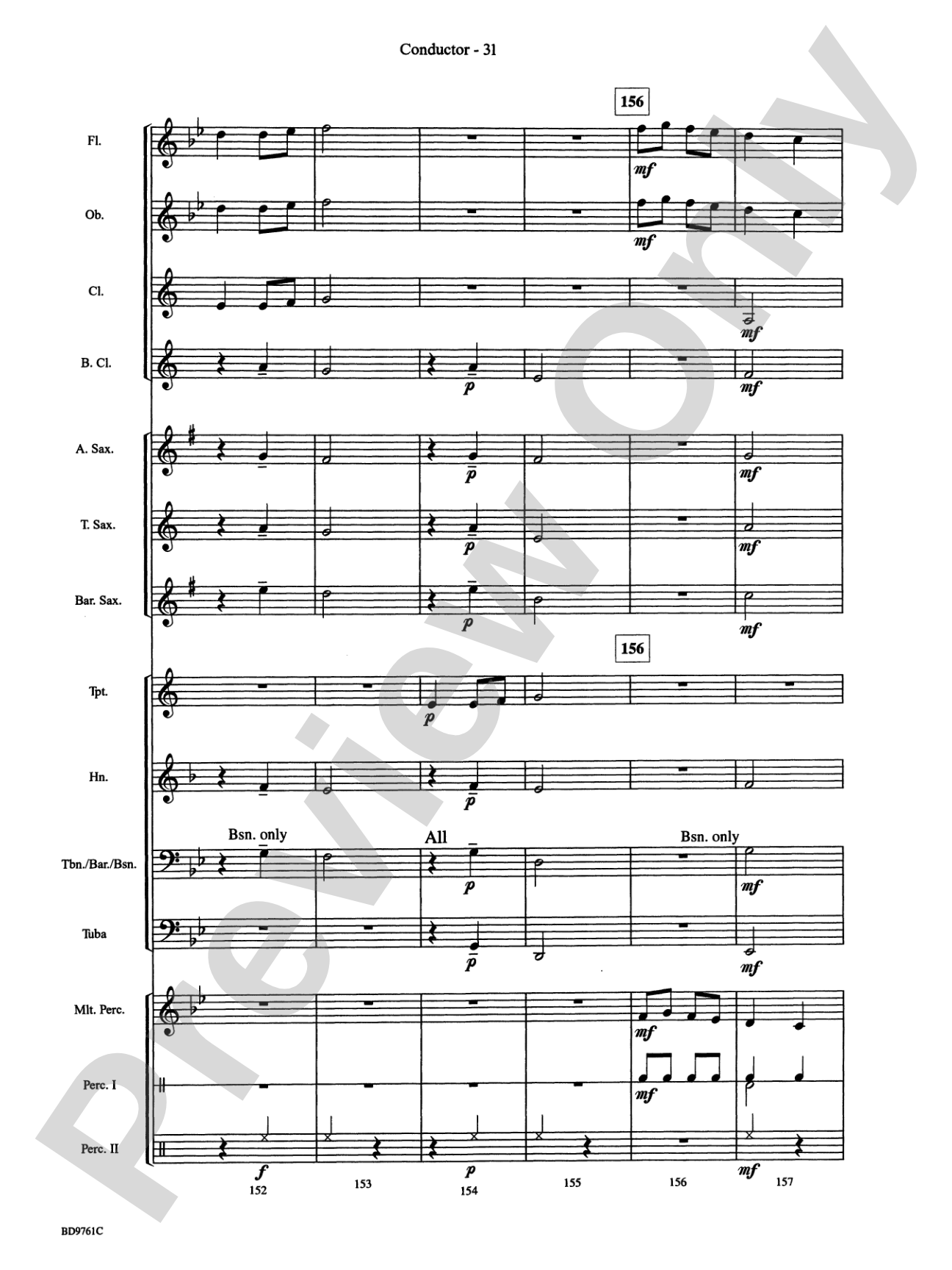
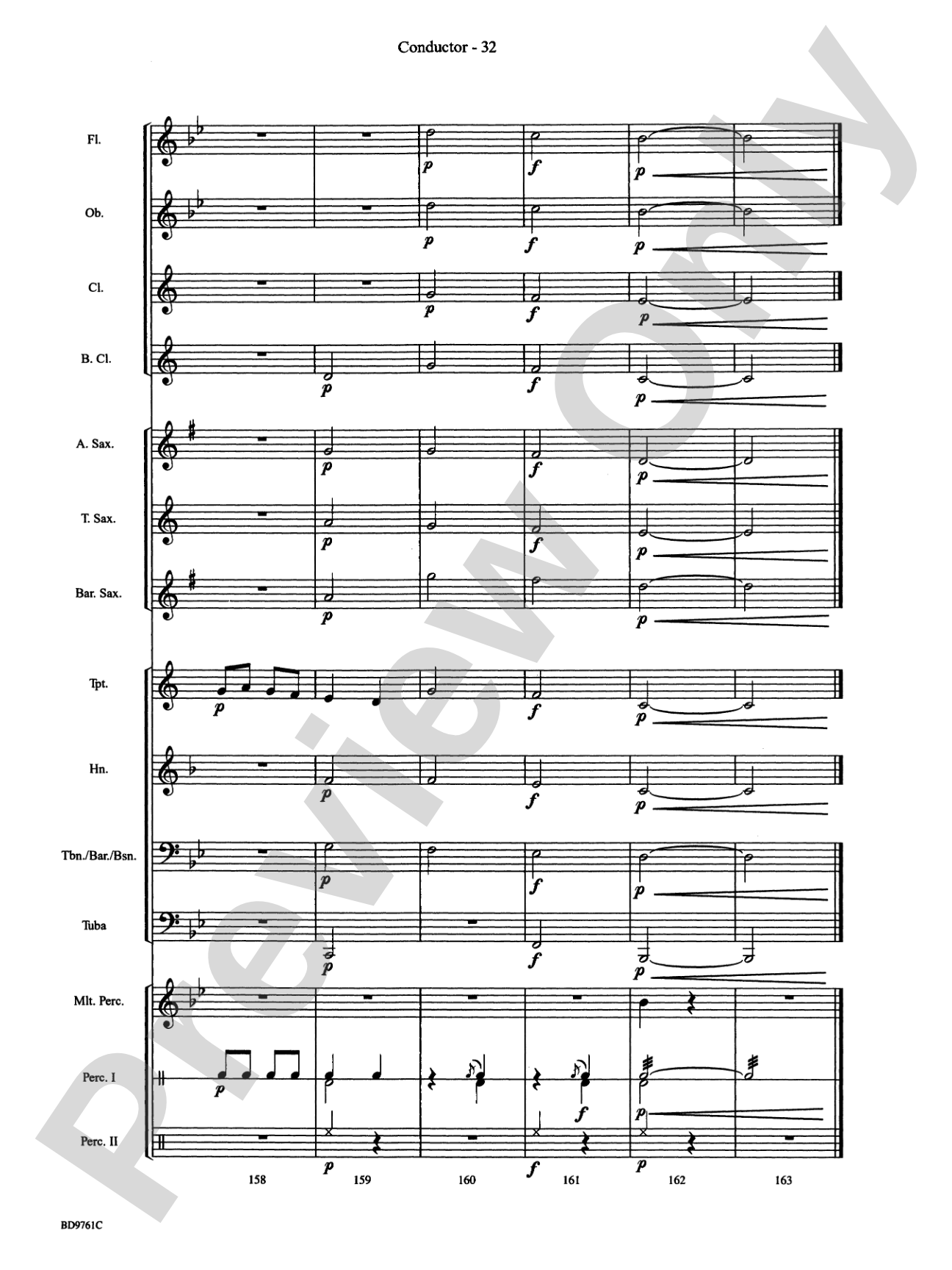



Bartók Suite (from For Children): Concert Band Conductor Score & Parts
By Béla Bartók / arr. Larry Clark
Grade: 1 (Very Easy)
Item: 00-PK-0002080

$56.00
Pickup currently not available
Buy Extra Parts (Digital PDF Download)
Parts Added to Cart!
Related Items
Bartók Suite (from For Children): Concert Band Conductor Score & Parts |
$56.00
|
View |
Description
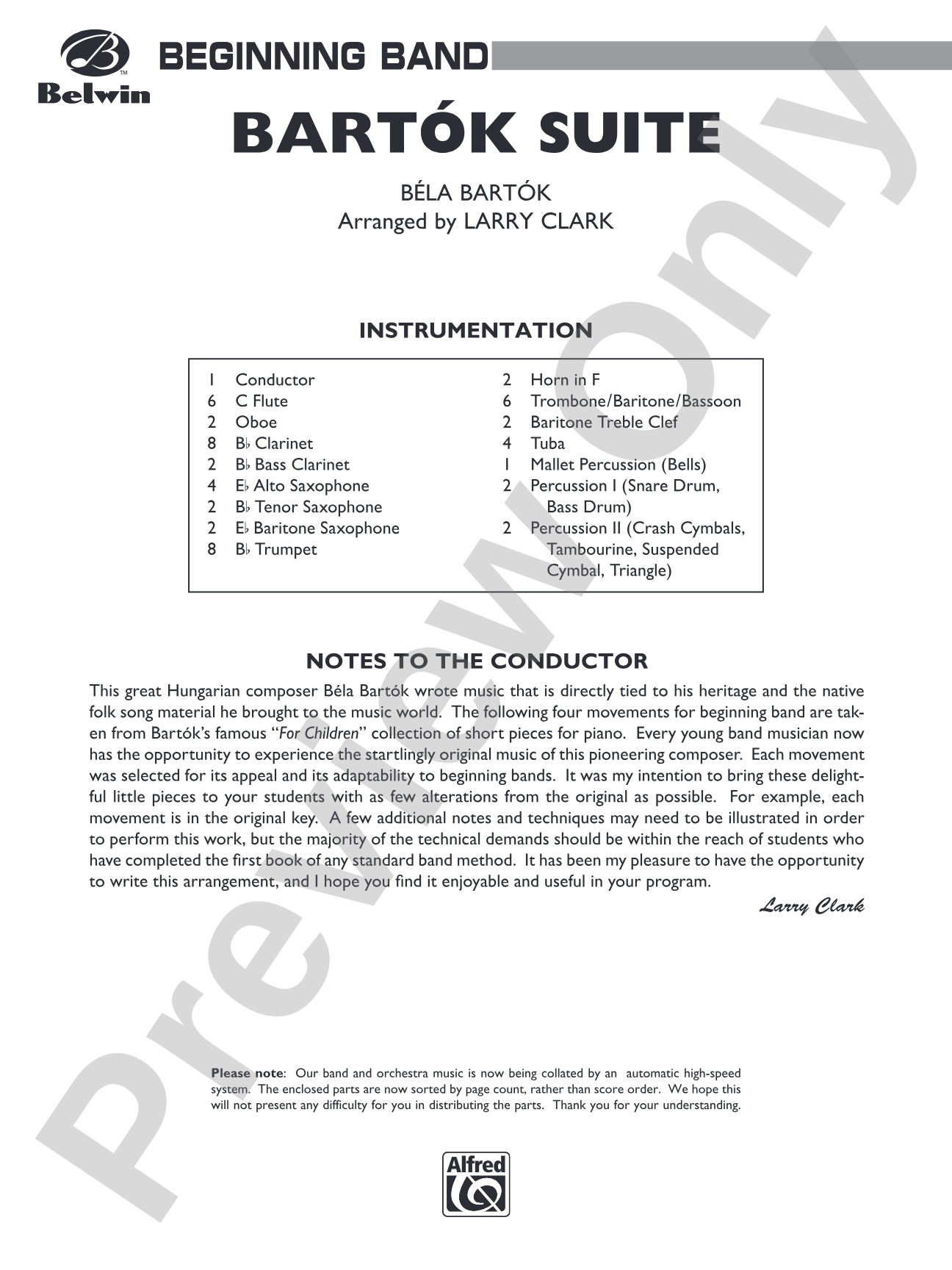
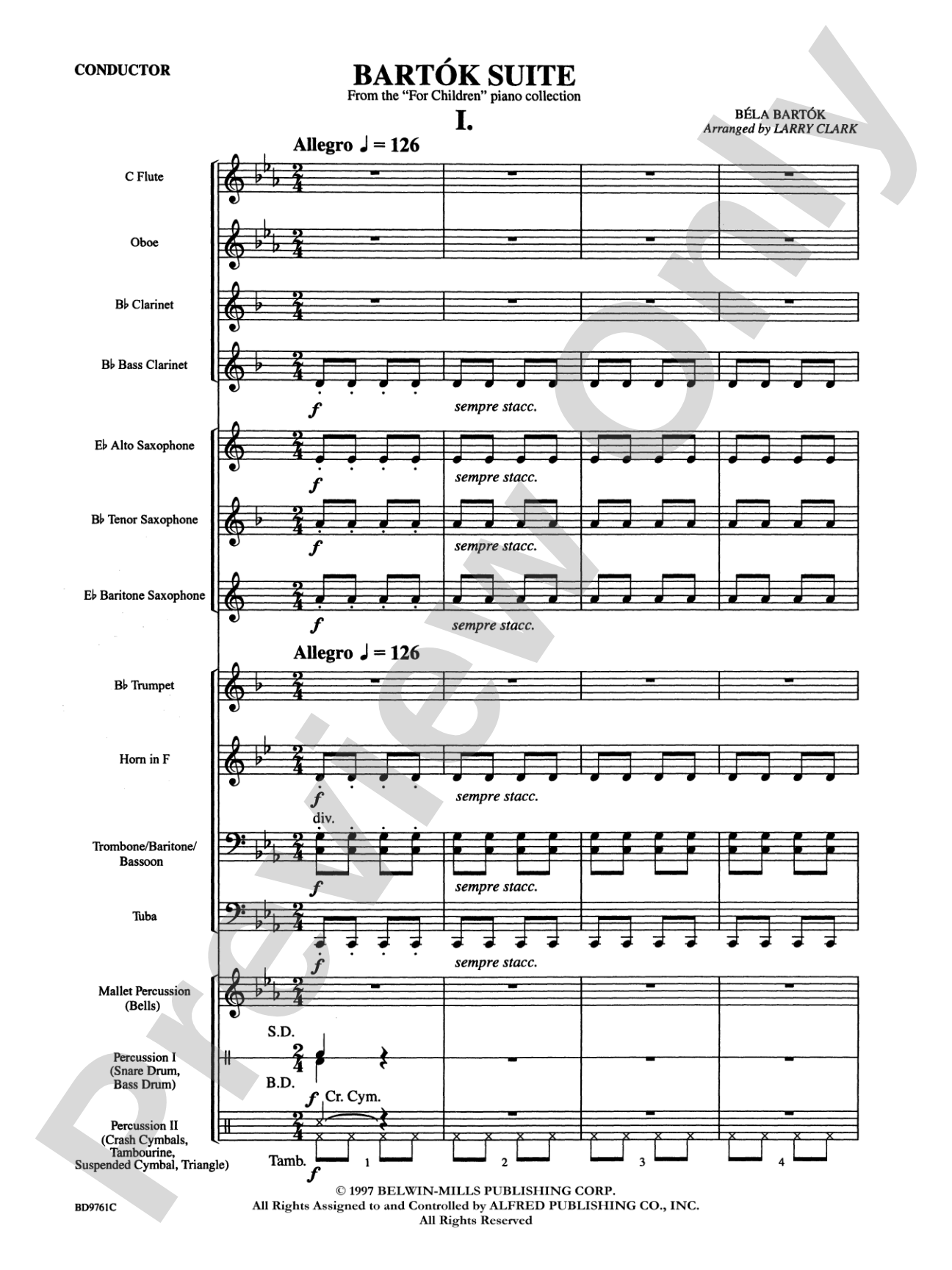
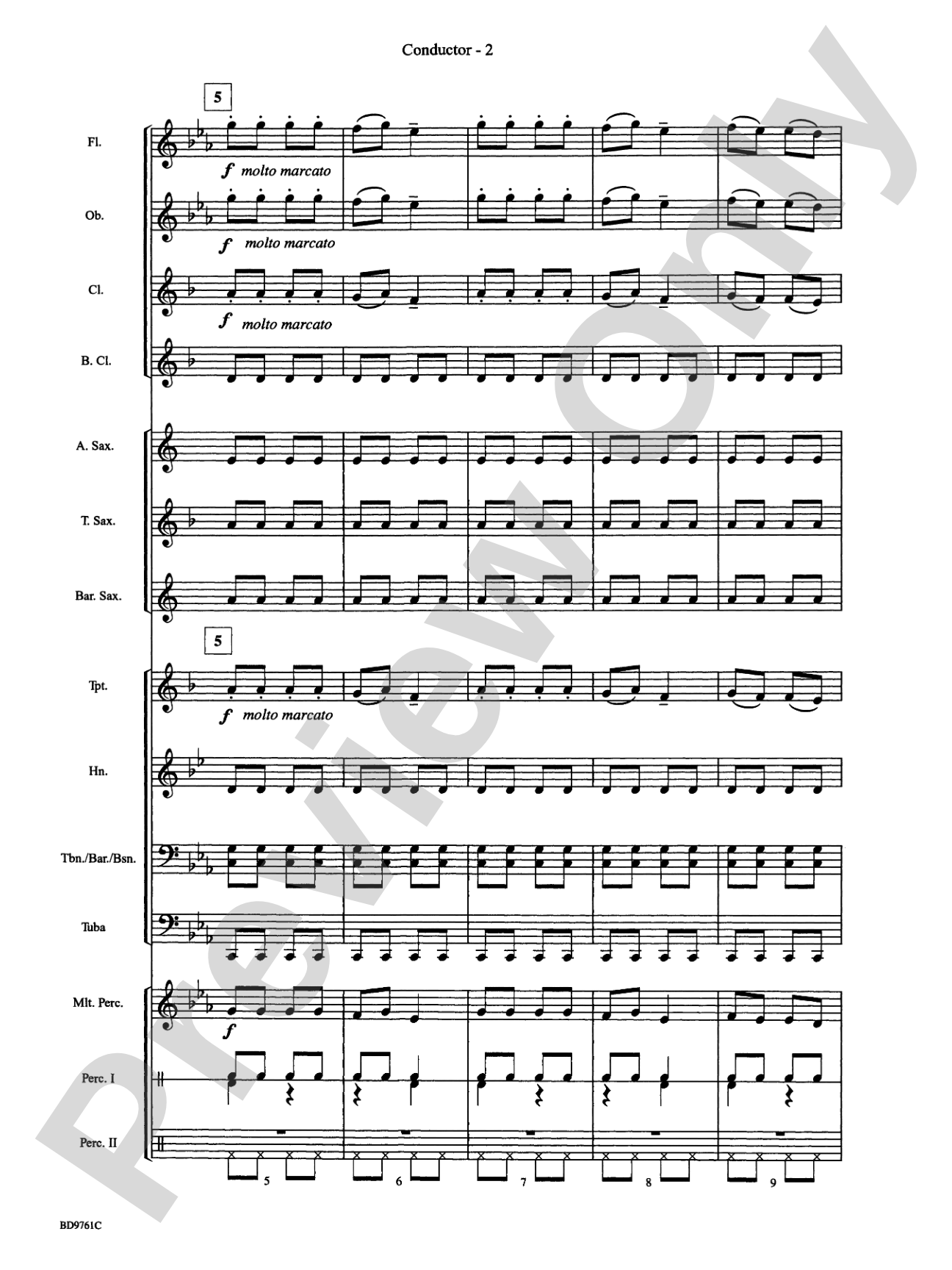
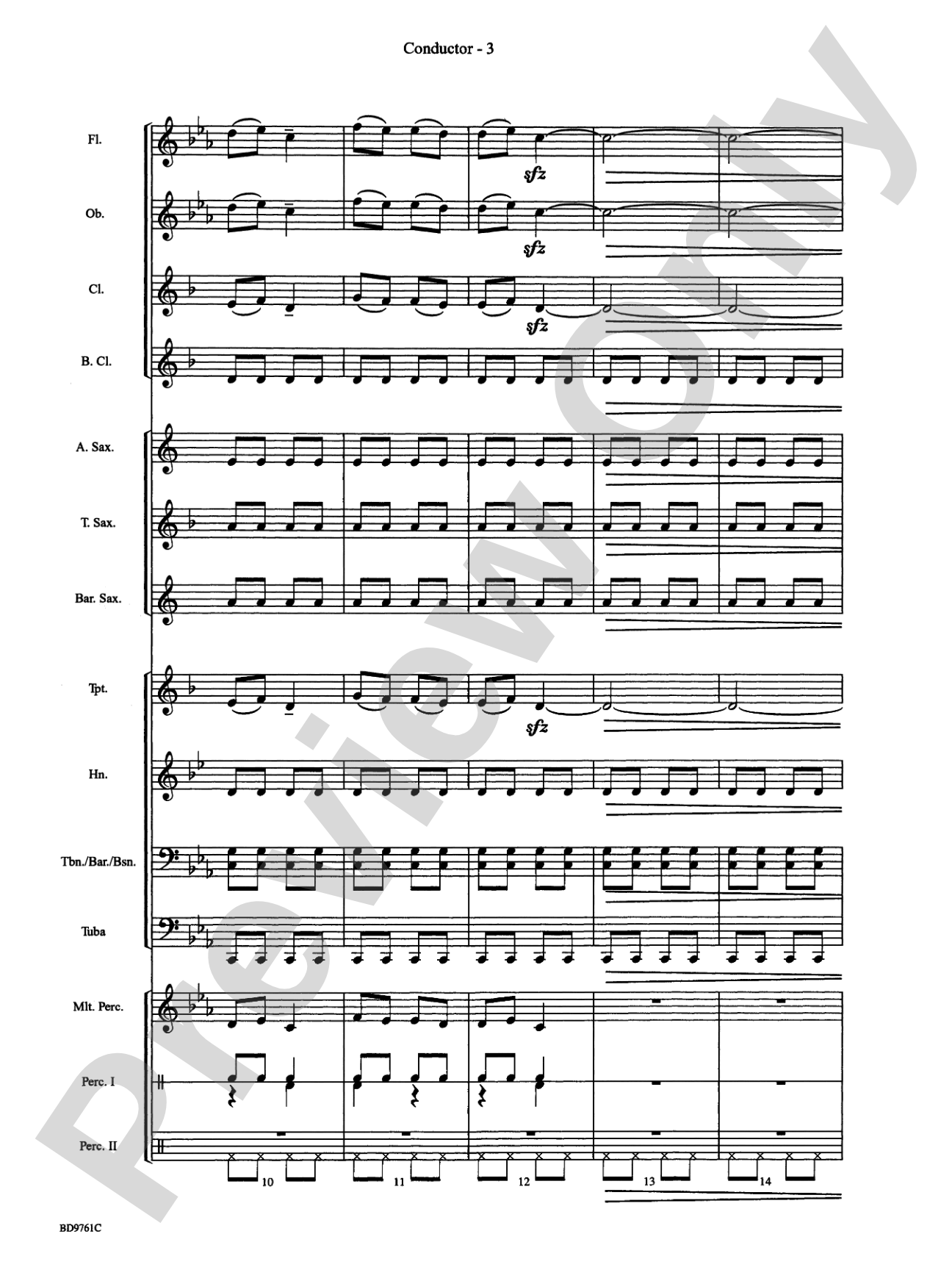
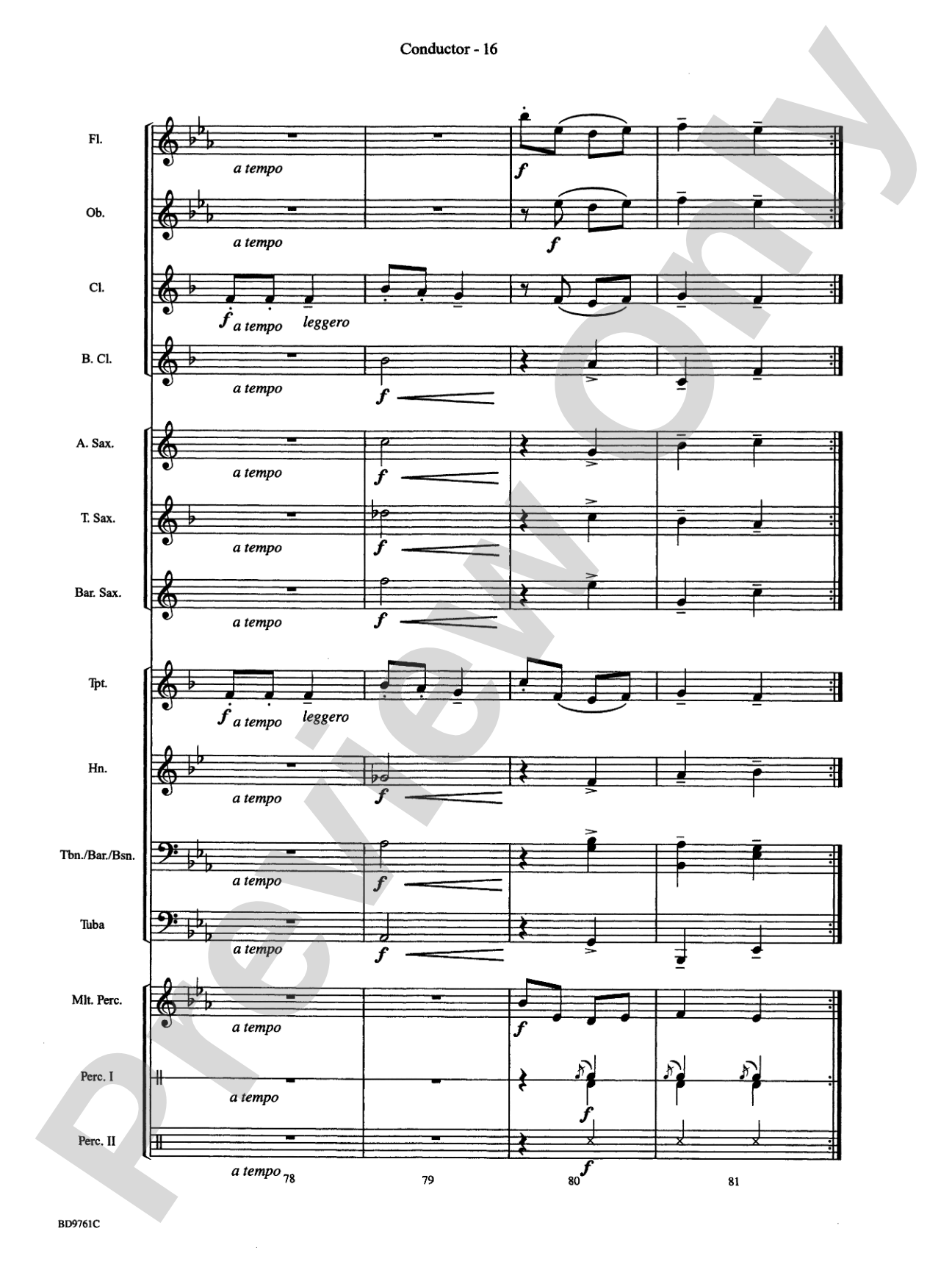
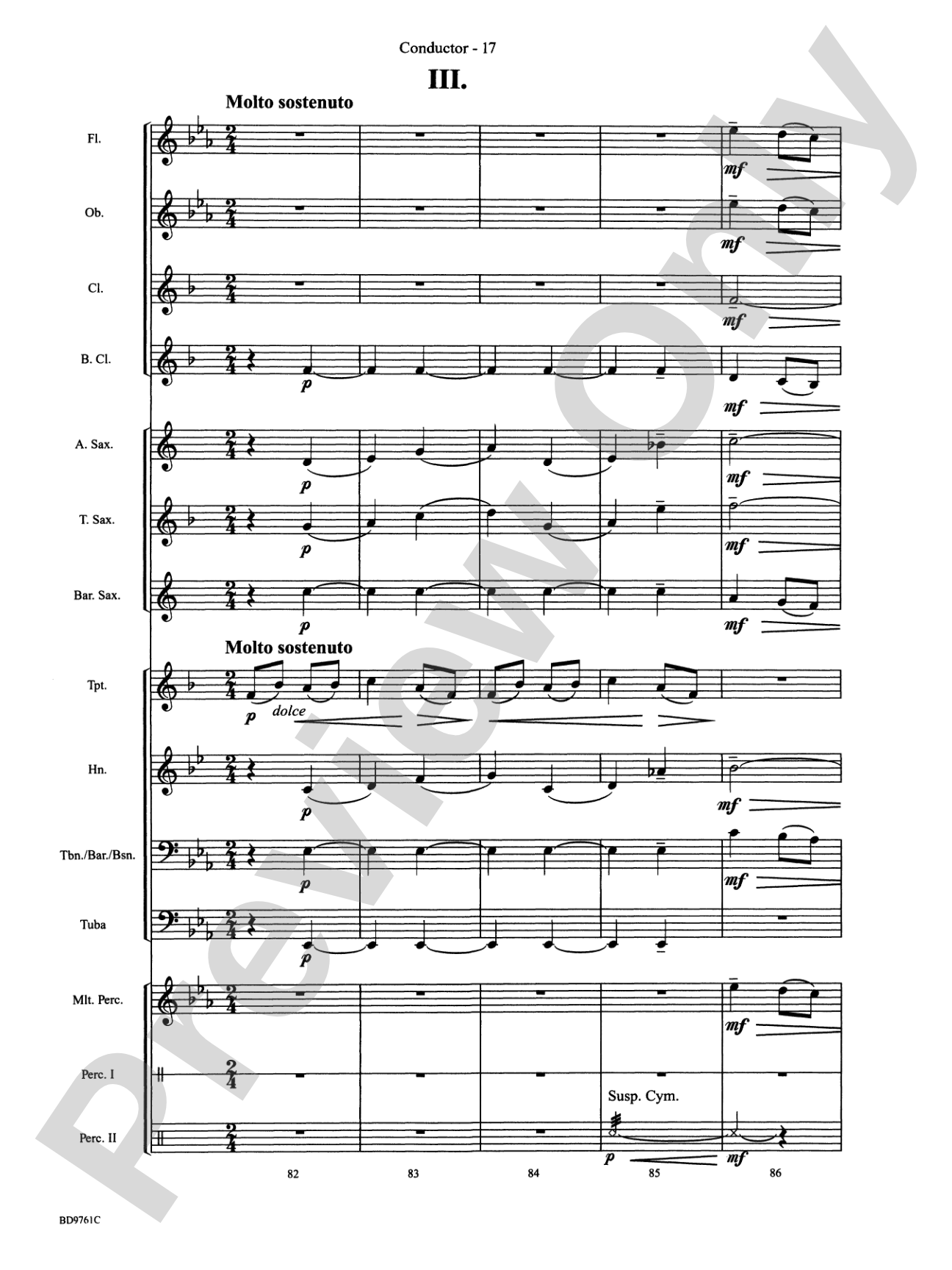
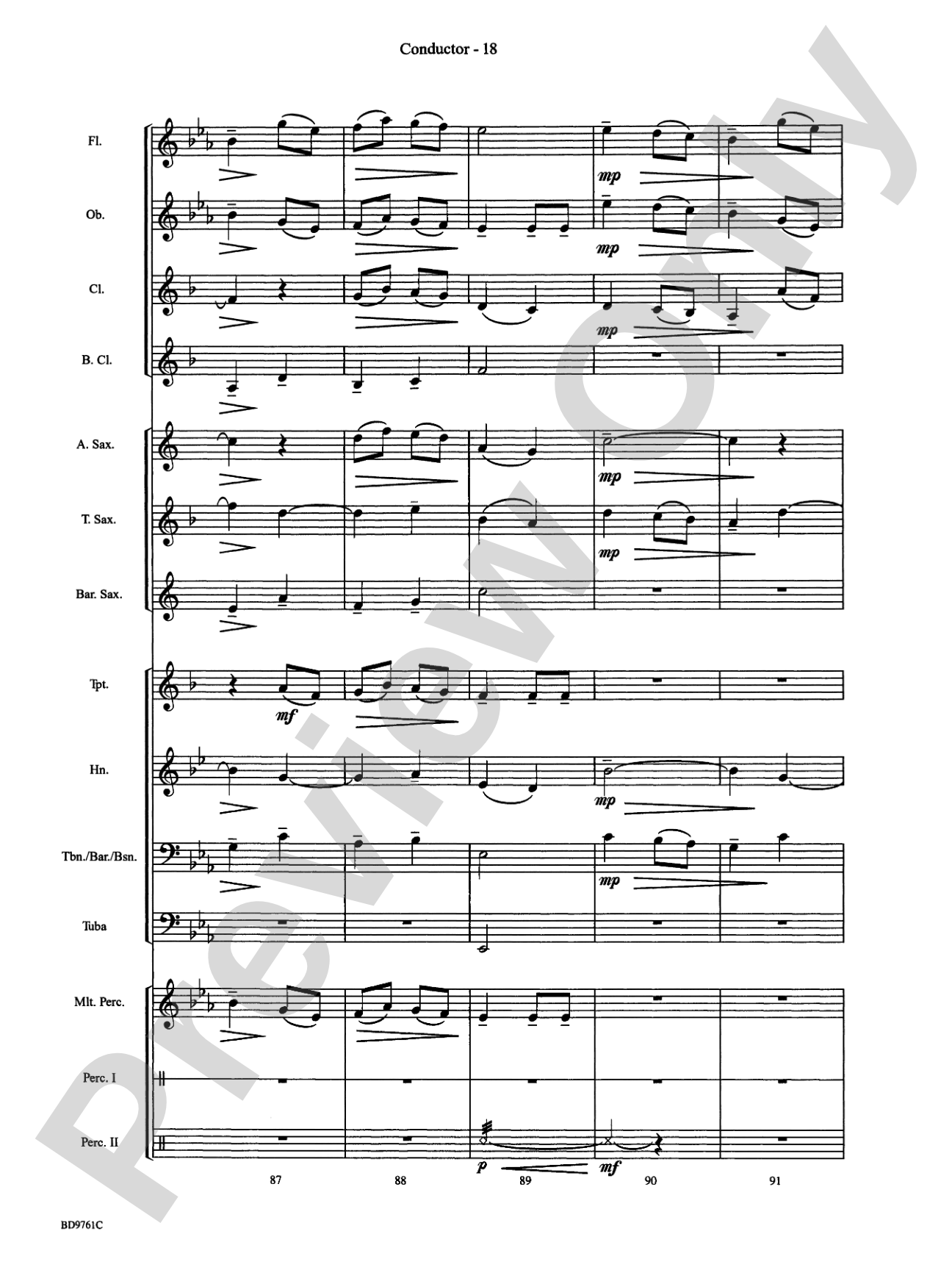
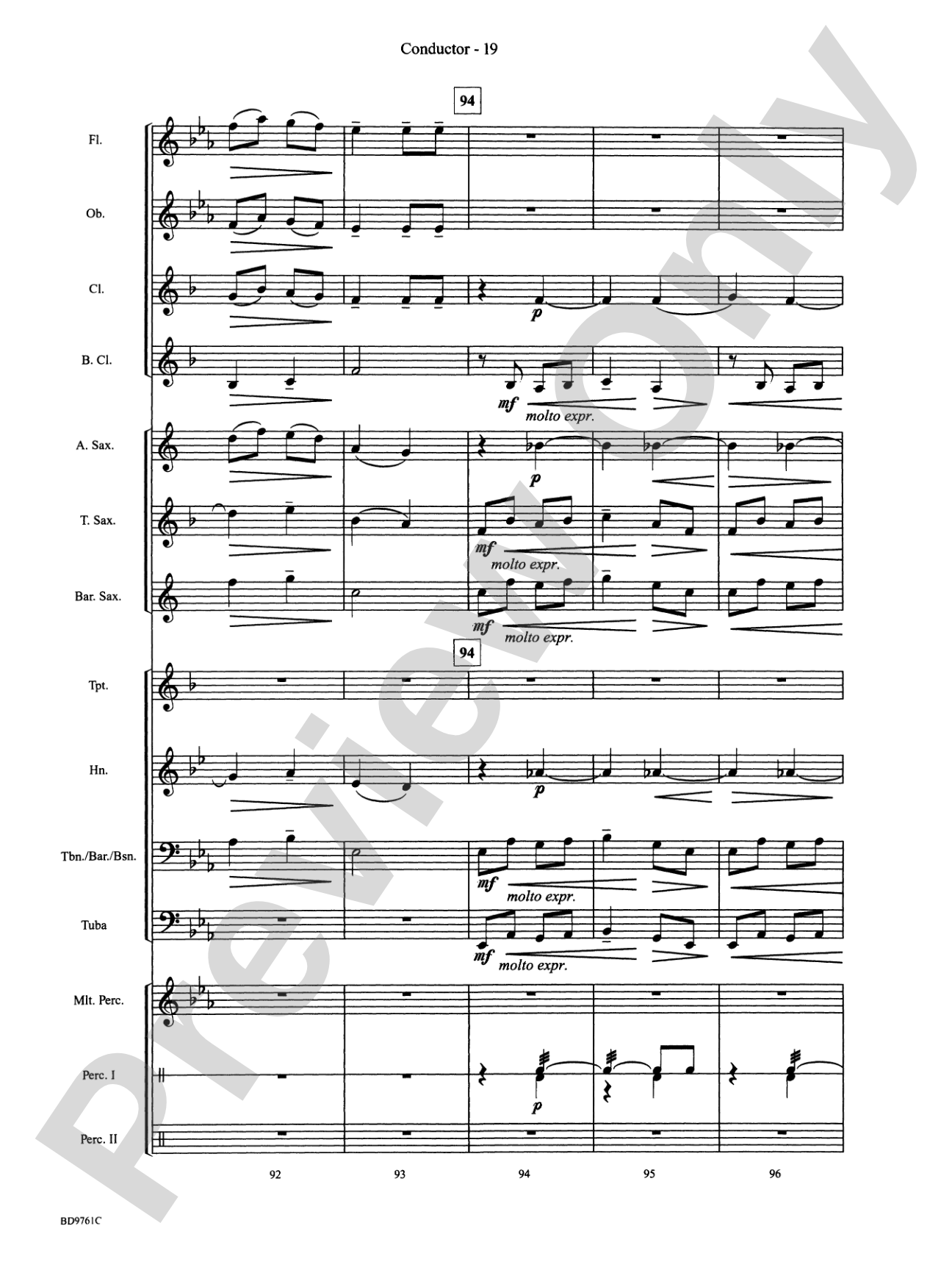
From Bartók's famous For Children collection of short pieces for piano comes this expertly designed and carefully executed suite of four movements. For the youngest ensemble, great care has been taken so that there will be no unexpected technical difficulties. Each movement appears in a comfortable key and uses authentic melodic and harmonic material for a stylistically accurate musical experience. This is thoroughly charming scoring. (duration 4:15)


Don't just read it, hear it, play along with it, and watch your students grow with it. In MakeMusic Cloud, Bartók Suite (from For Children): Concert Band Conductor Score & Parts comes alive with professional accompaniment, adjustable tempo, and built-in practice tools that turn solo practice into real progress.
Open in the Player
Jump straight in and assign it today.
Start Your Free Trial
Open this title and explore the full library in minutes.
Sample Audio
No sample audio found.
Sample Video
No sample videos found.
Additional Details
Series:
Belwin Beginning Band
Publisher:
Alfred Music
Page Count:
260
SKU:
00-PK-0002080
More about this title
About the Composer: Béla Bartók
Béla Bartók (1881–1945) was a Hungarian composer and pianist whose systematic exploration of folk music fundamentally shaped 20th-century classical music. He collected thousands of Hungarian, Romanian, and other Eastern European folk songs, using them as a foundation for original compositions that ranged from avant-garde orchestral works to accessible teaching pieces.
Bartók believed deeply in music education and composed For Children (1908) as a gateway into his compositional language. The collection presents folk melodies in piano arrangements that introduce young musicians to his characteristic harmonies, rhythmic vitality, and modal thinking. These pieces remain pedagogically invaluable because they balance authenticity with accessibility.
Why we love this
Grade 1 repertoire doesn't get more artistically substantial than this. Clark's arrangement preserves the character and harmonic sophistication of Bartók's originals while genuinely respecting the technical limits of beginning players. You're not simplifying Bartók; you're opening a door to real 20th-century compositional thinking.
What to expect
Rural and introspective, with the unhurried clarity of folk music. Bartók's modal harmonies create a slightly exotic harmonic landscape without sounding dissonant or atonal. The four movements flow like a journey through Eastern European villages, each with its own quiet character.
Who it's for
Beginning concert bands and young wind ensembles seeking substantive concert material that doesn't require advanced technique. Directors who want their students to encounter meaningful 20th-century music within their musical reach.
How to get the most out of it
- Attend to Bartók's modal harmonies and allow them to ring. Young players often rush through unfamiliar harmonic territory; taking time to balance the voices exposes the composer's distinctive color palette.
- Bring out the folk melody character in the principal lines. These are arrangements of actual Hungarian and Eastern European tunes, so a singing, unhurried approach to phrasing honors their origins.
- Balance the ensemble carefully during sustained harmonic passages. With Grade 1 instrumentation, one overly loud section can cloud the harmonic movement that defines each movement.
How to use it
This works beautifully as an opening piece on a concert featuring contrasting styles and eras. The 4:15 duration and lyrical quality also make it an effective companion to contemporary or American works, showing students that early 20th-century music need not sound academic or cold.
Skills your students will build
- Reading modal harmonies and non-traditional harmonic progressions
- Sustaining pure tone through longer note values
- Balancing ensemble blend across multiple sustained voices
- Understanding folk music as source material for concert works
- Responding to stylistic cues that differ from Romantic or Classical conventions