

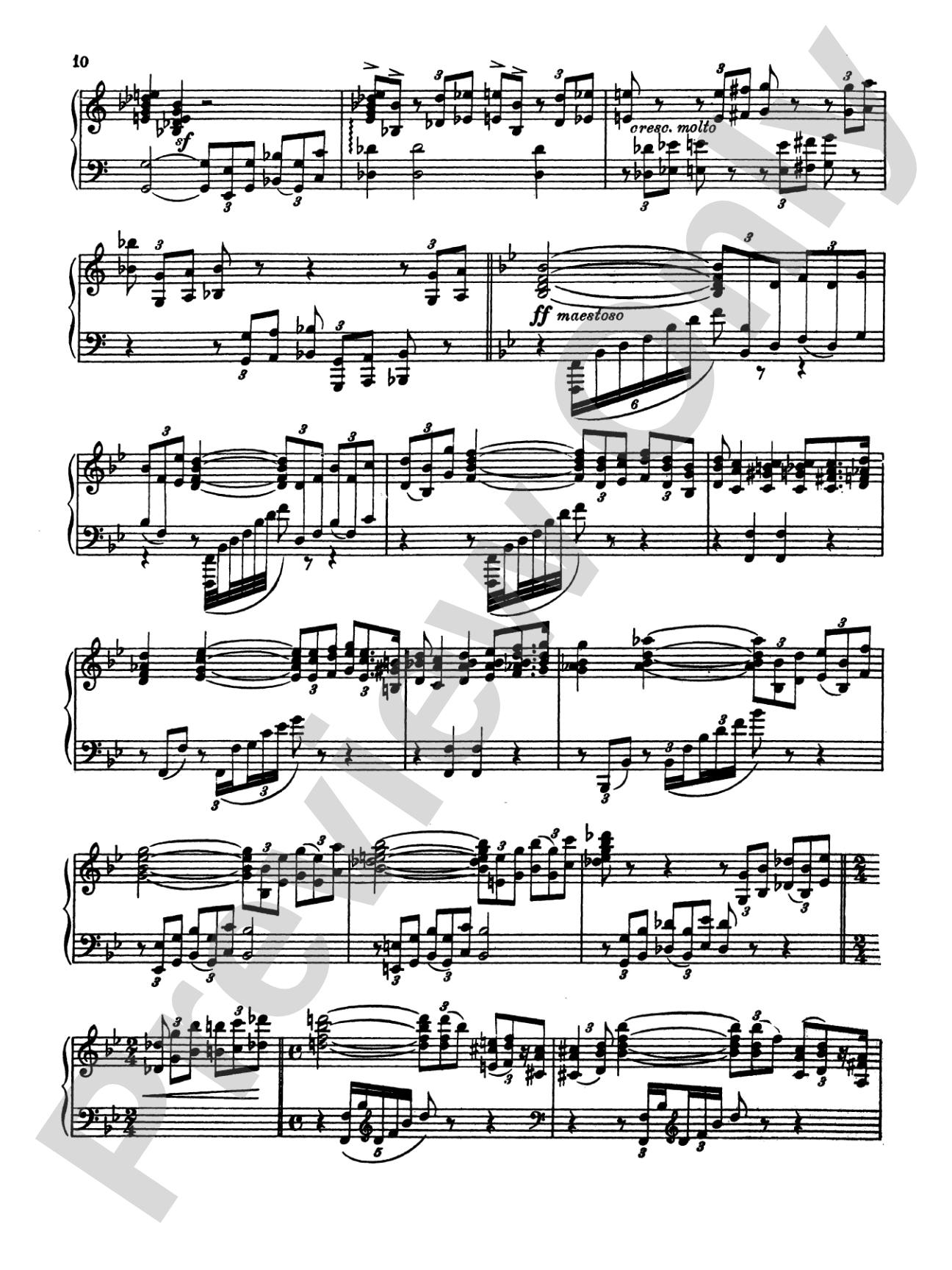
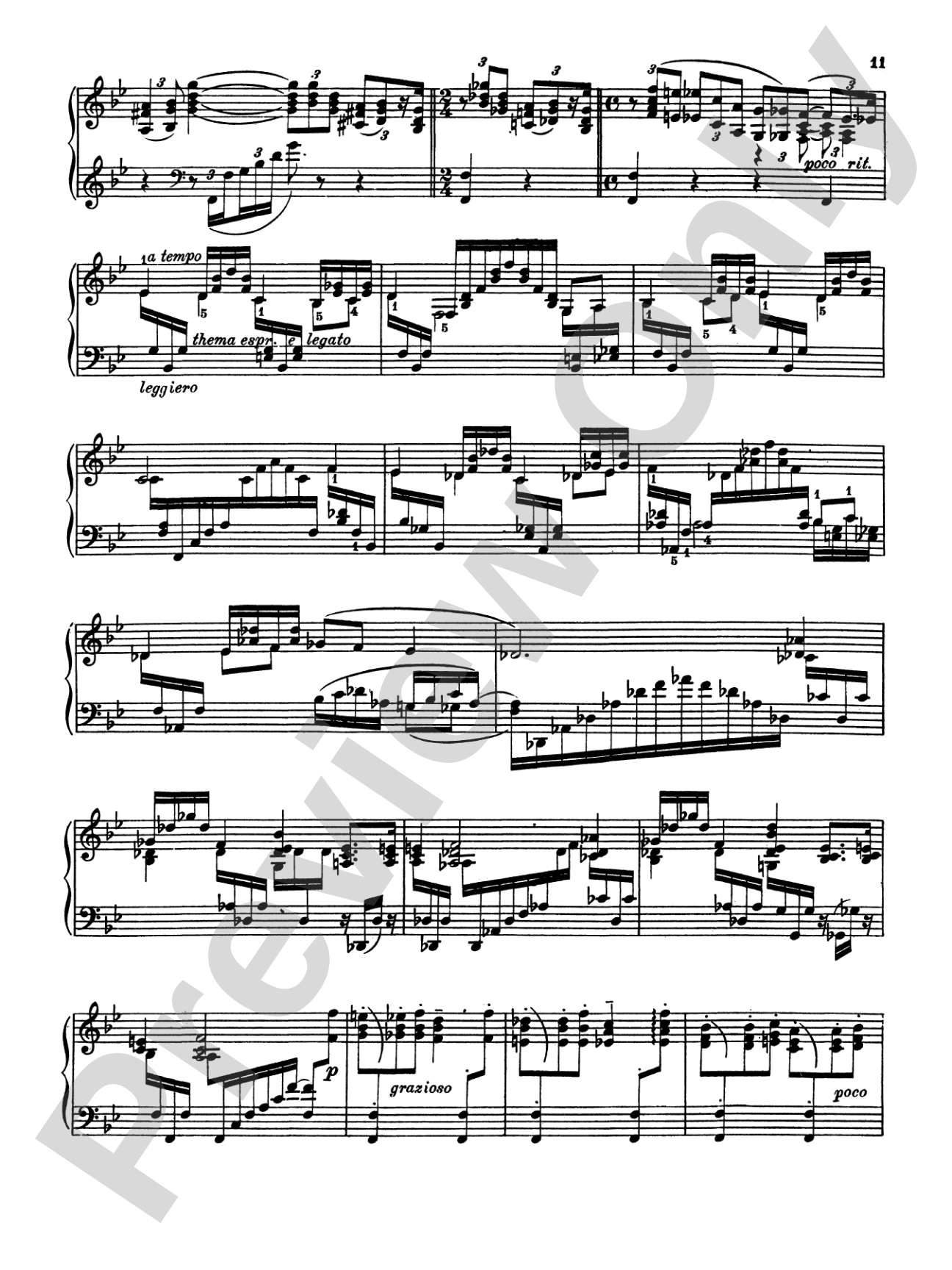
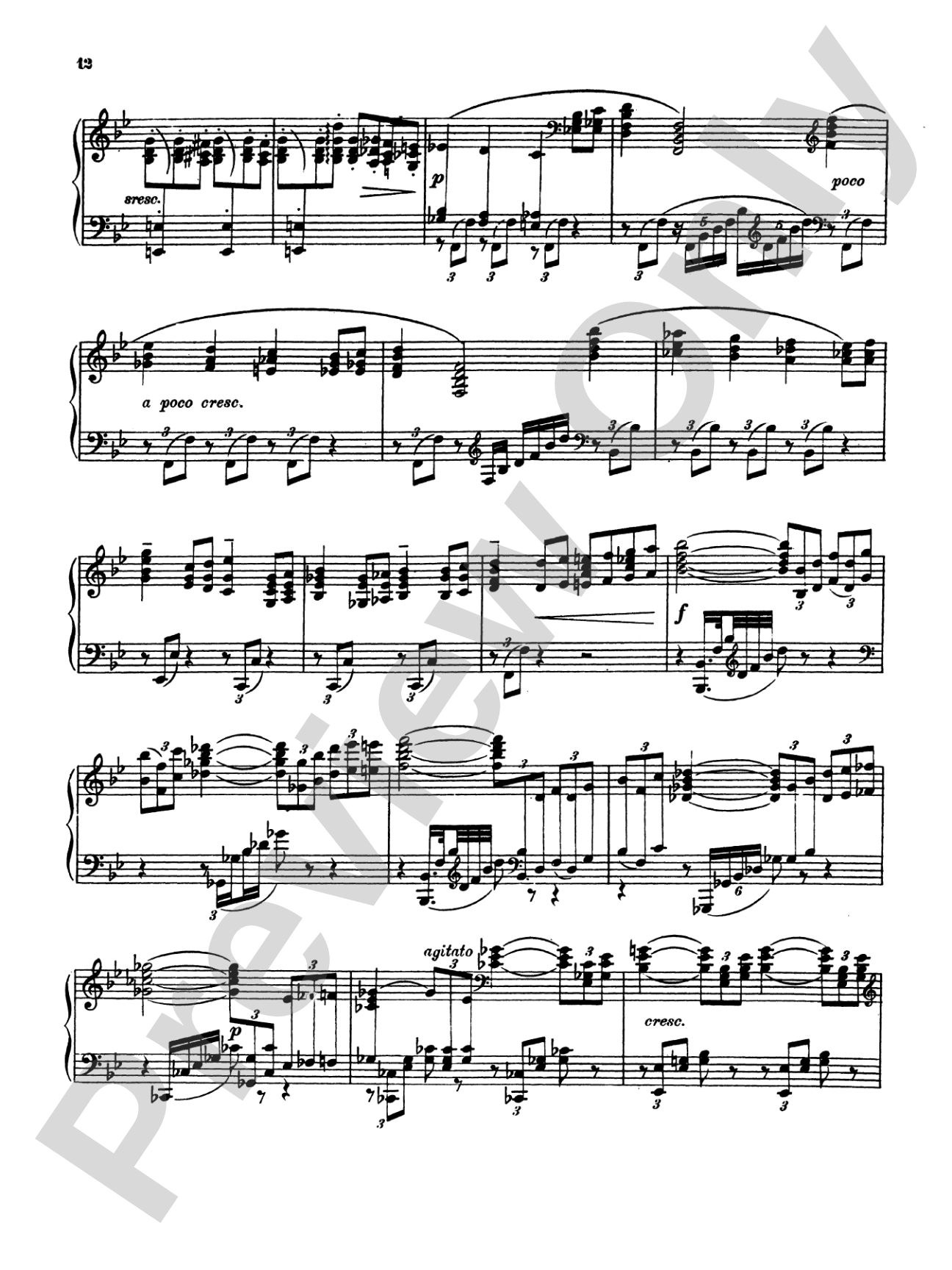
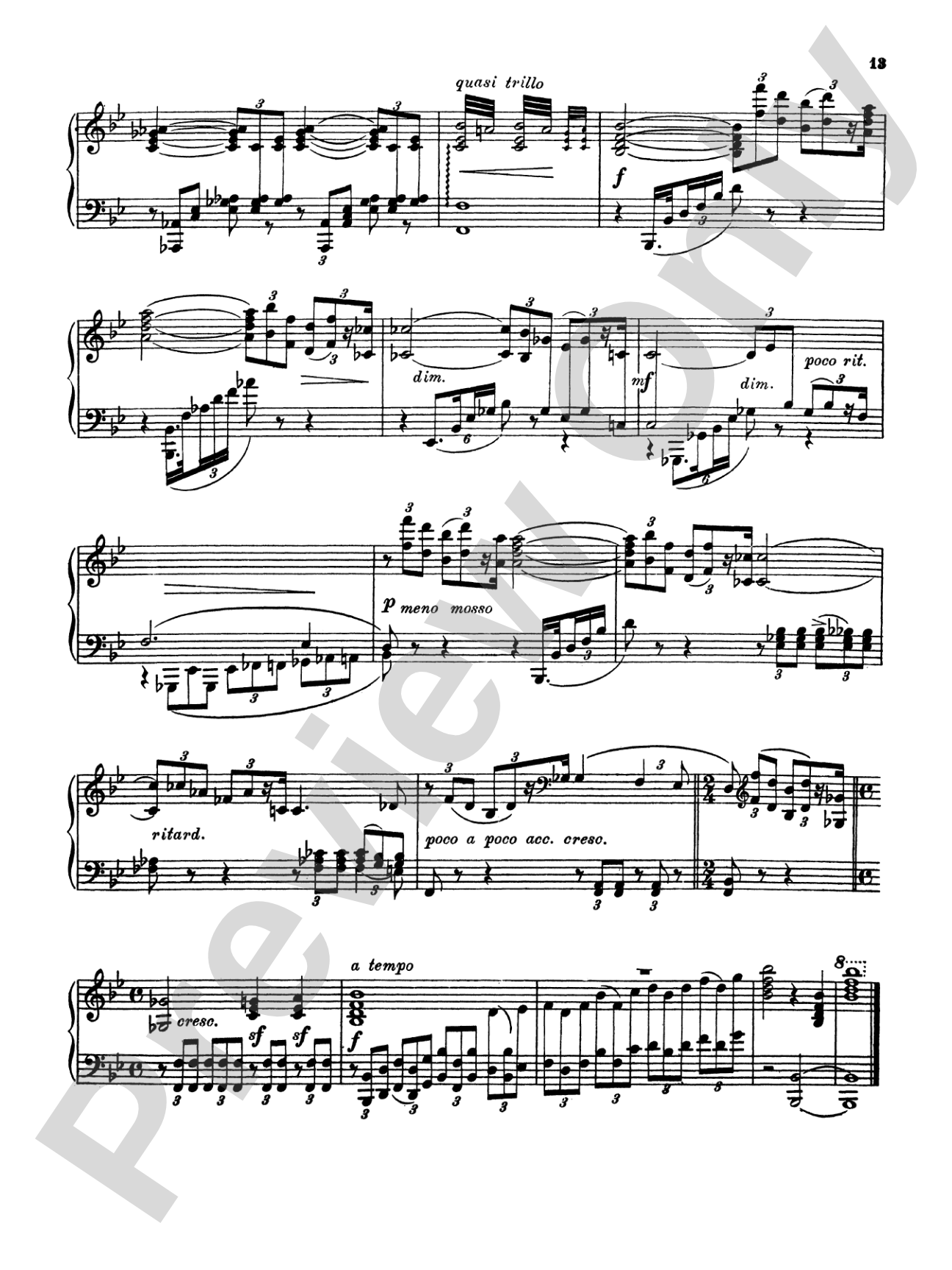




Bartók: Etude for the Left Hand: Piano
By Béla Bartók
Item: 00-PK-0002896

$7.99
Pickup currently not available
Parts Added to Cart!
Related Items
Etude for Left Hand: Piano |
$7.95
|
View |
Description
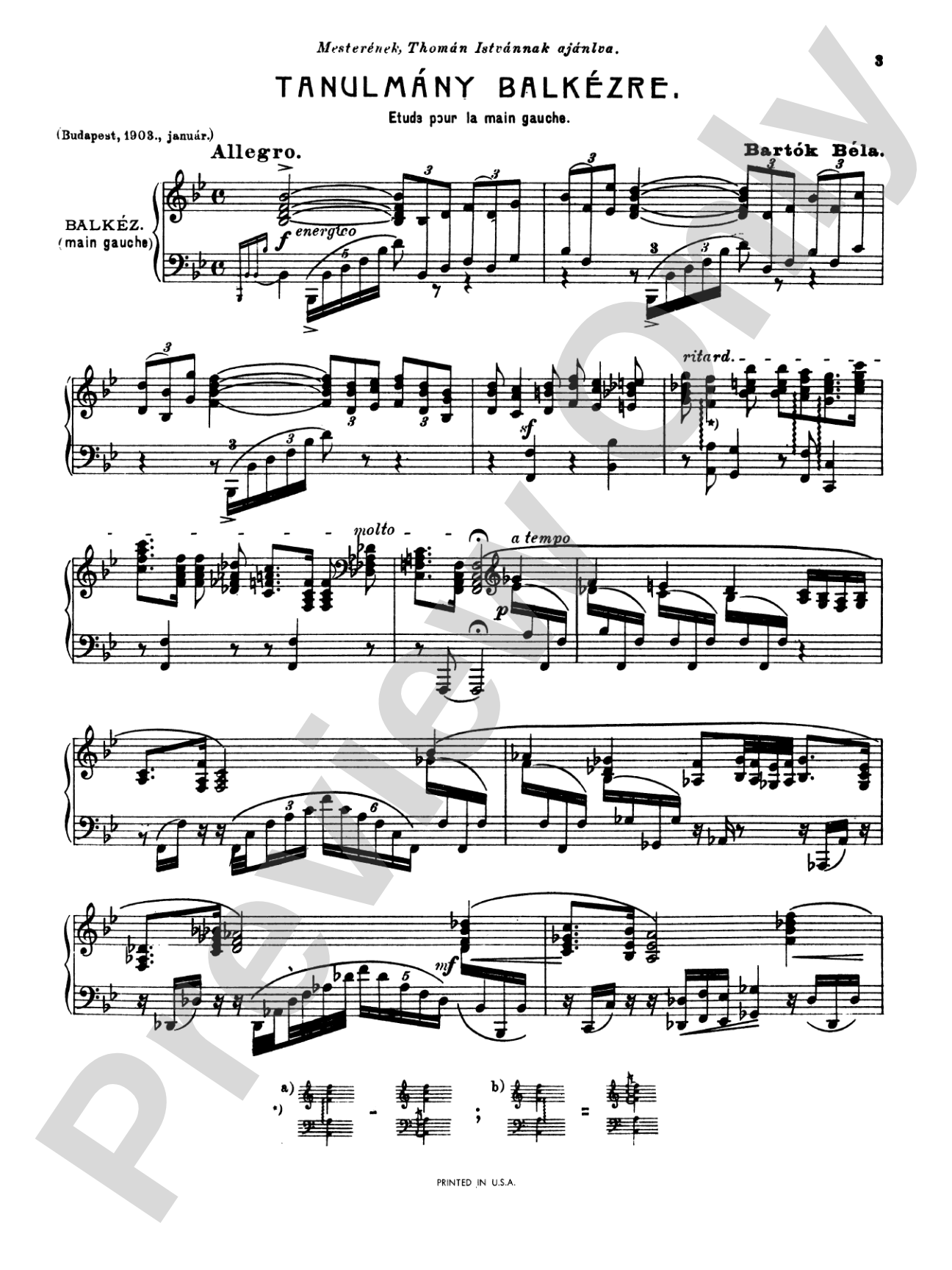
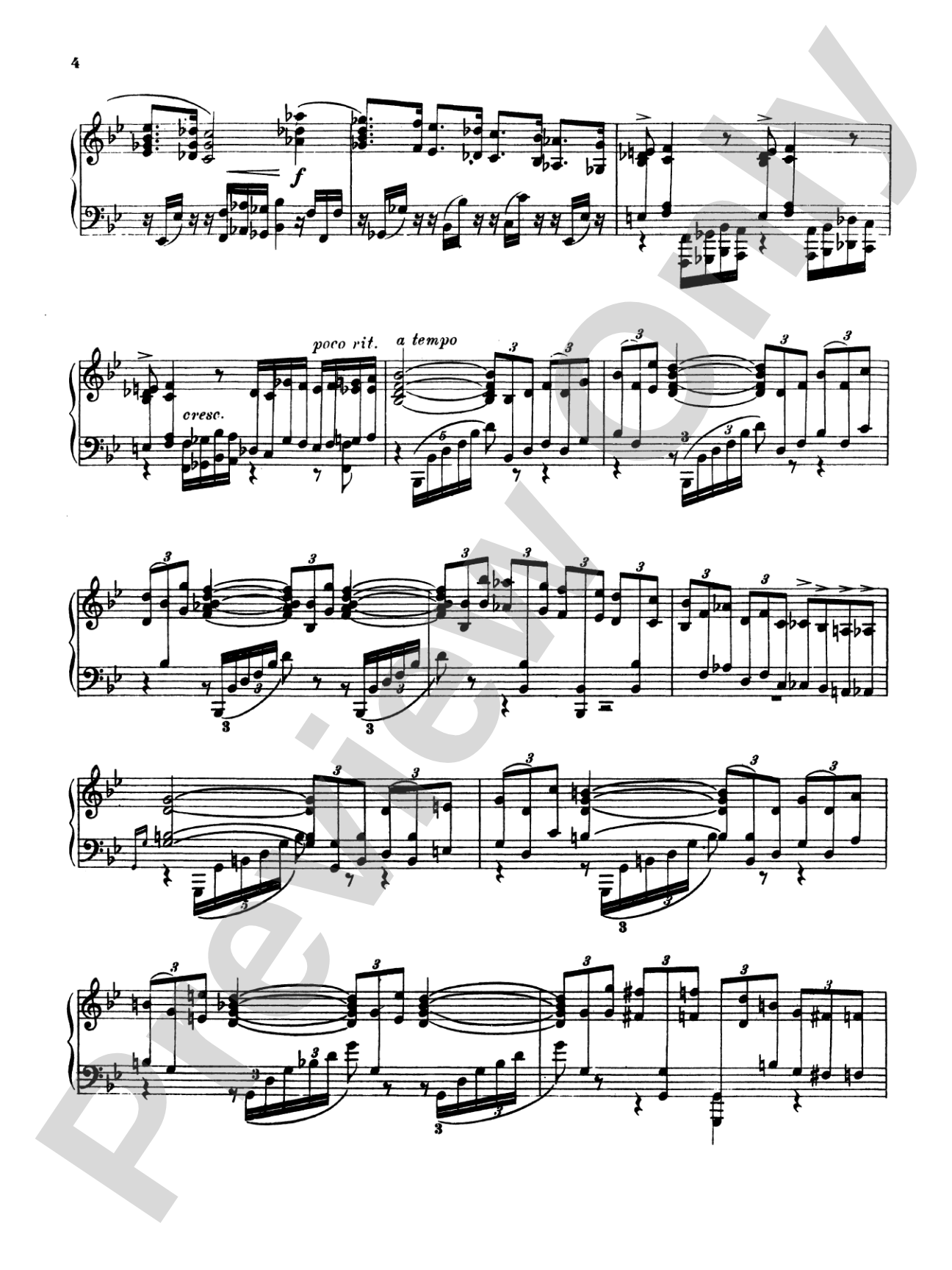
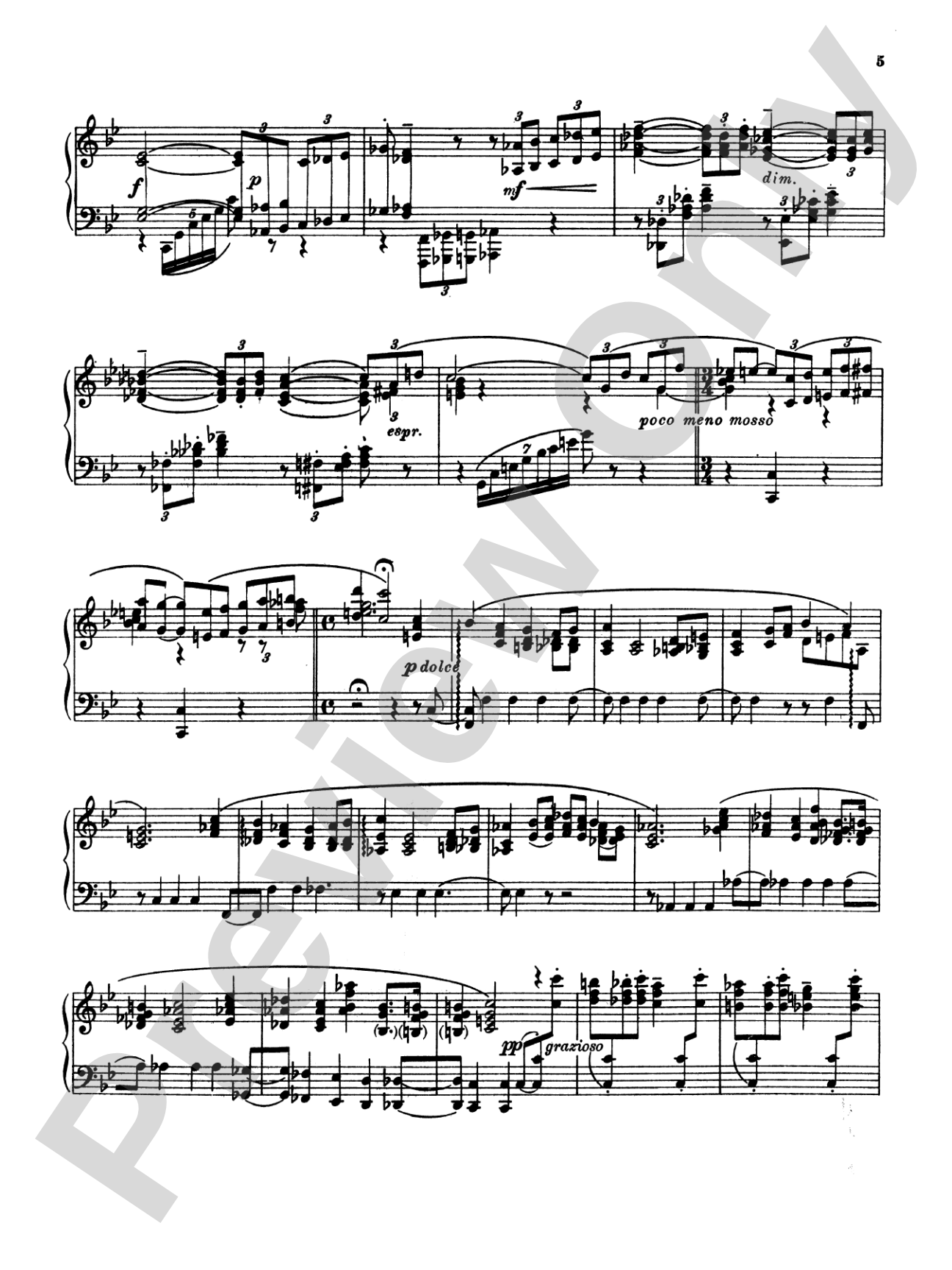
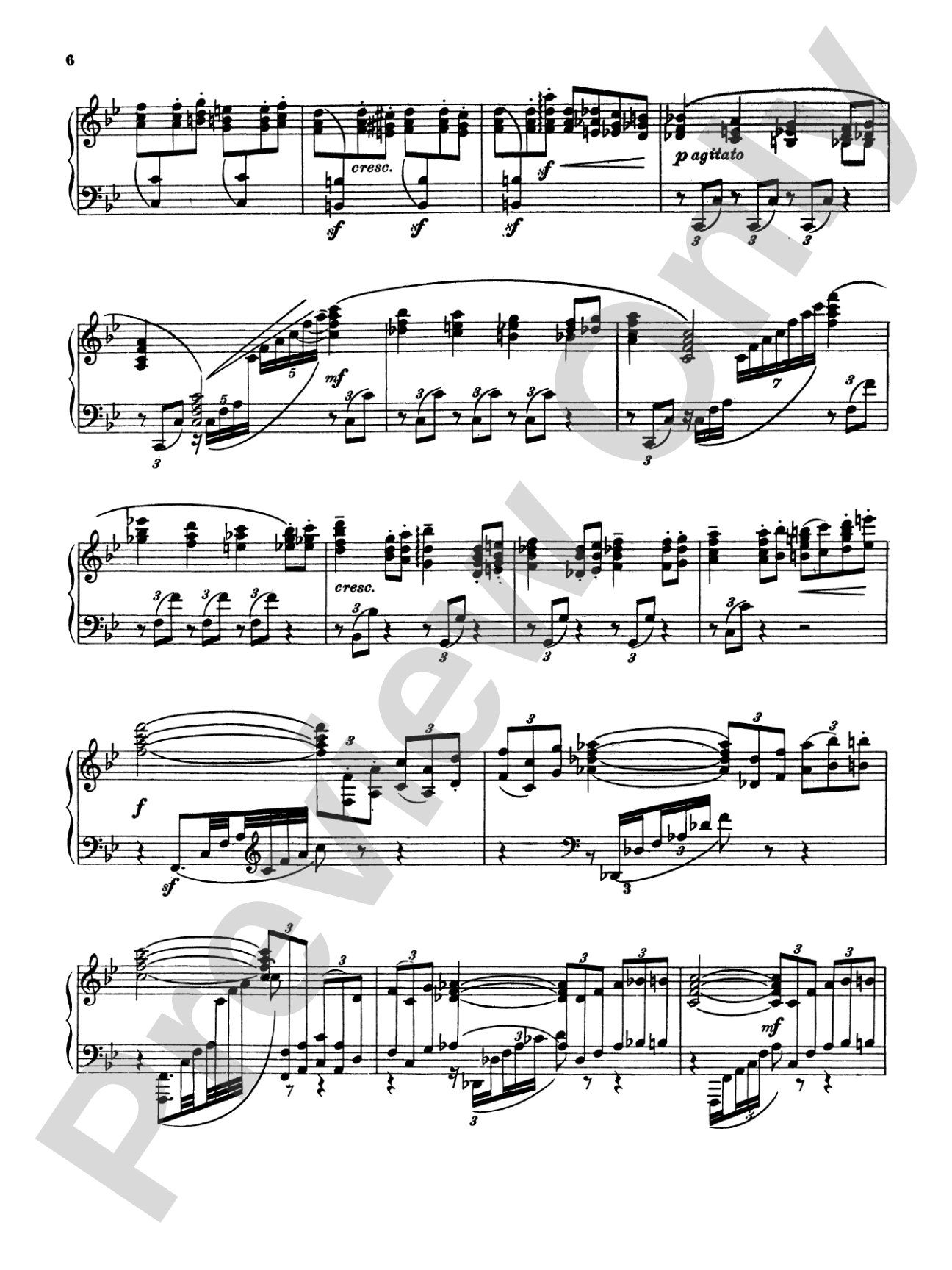
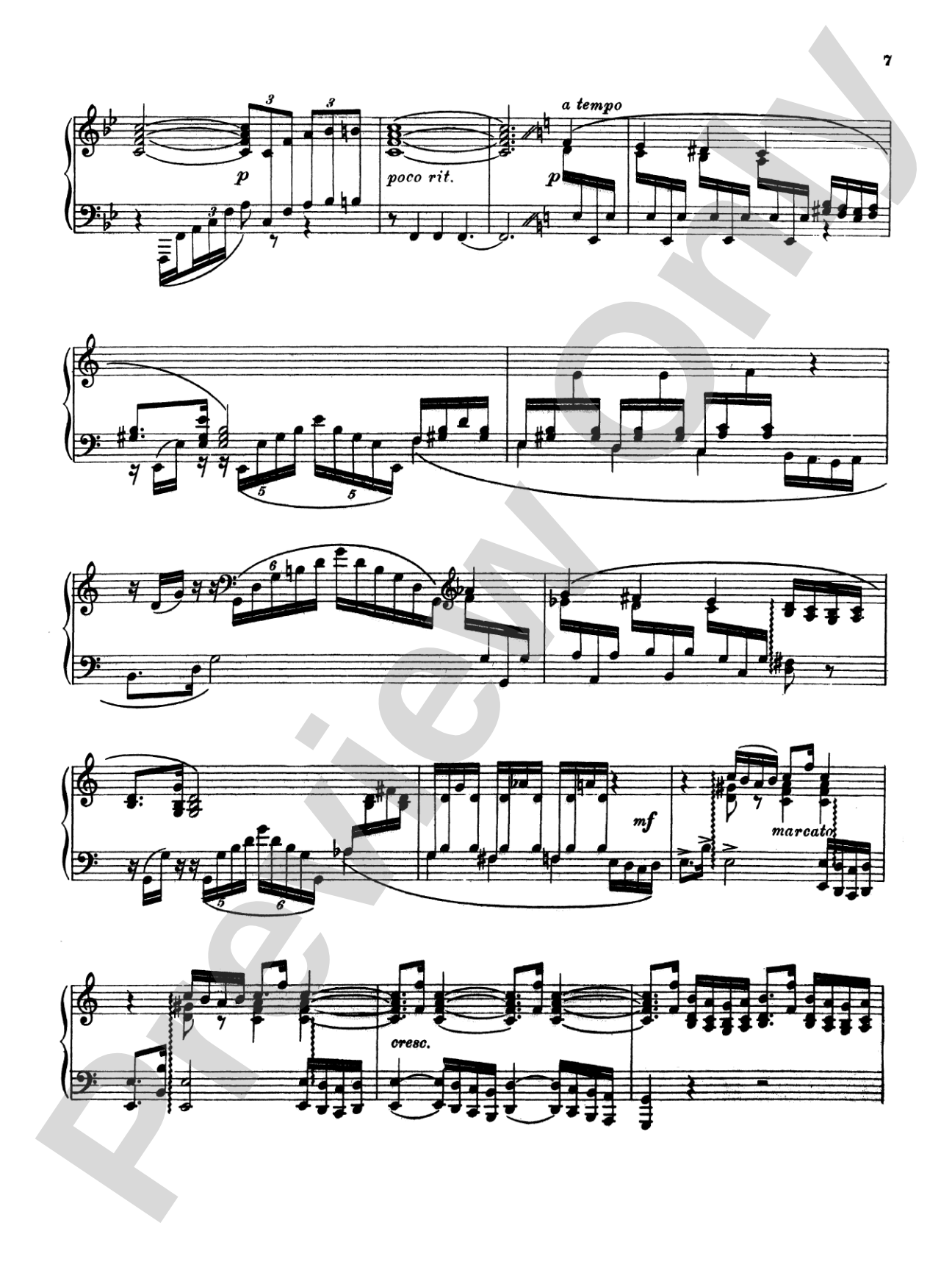
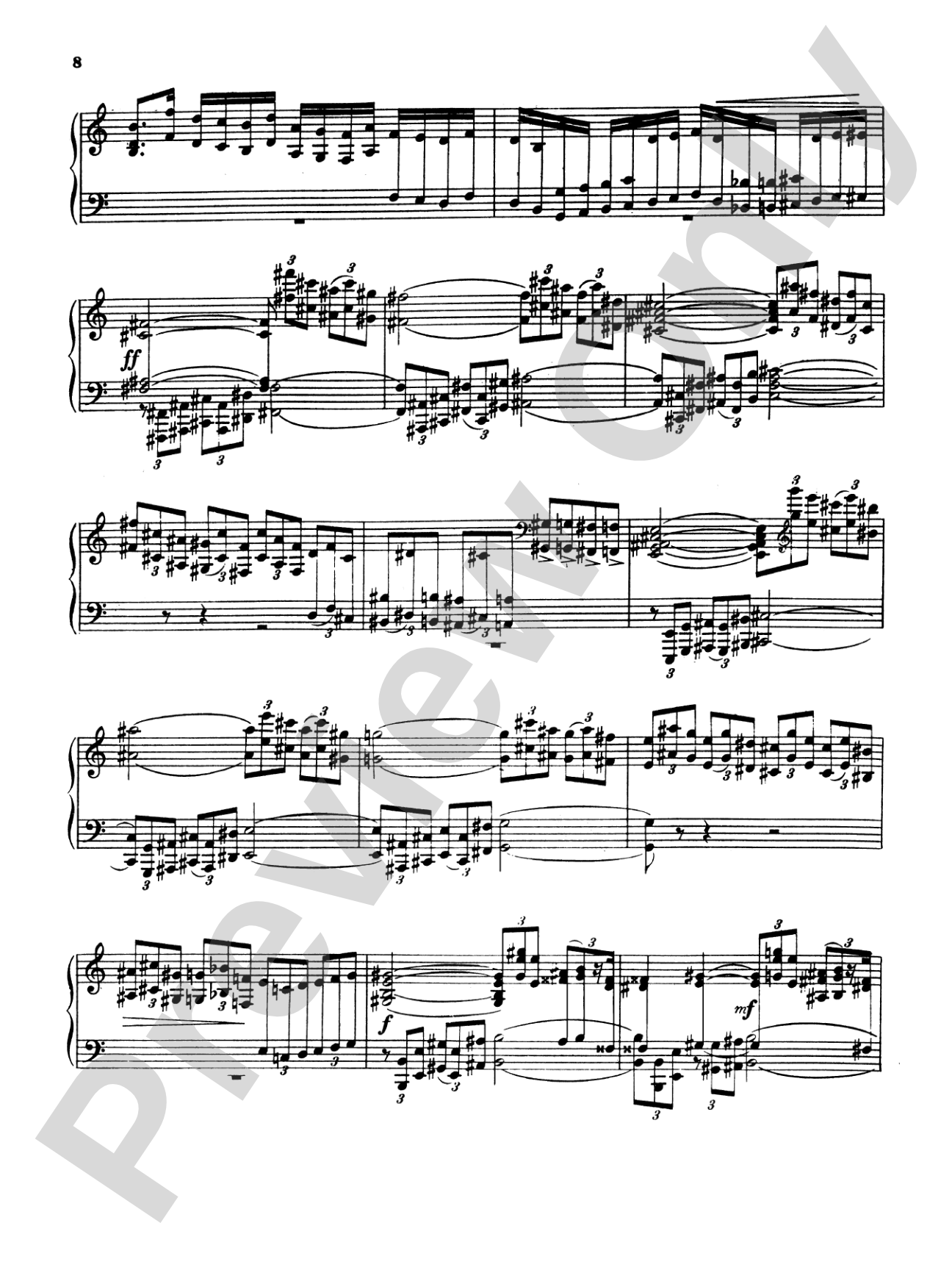
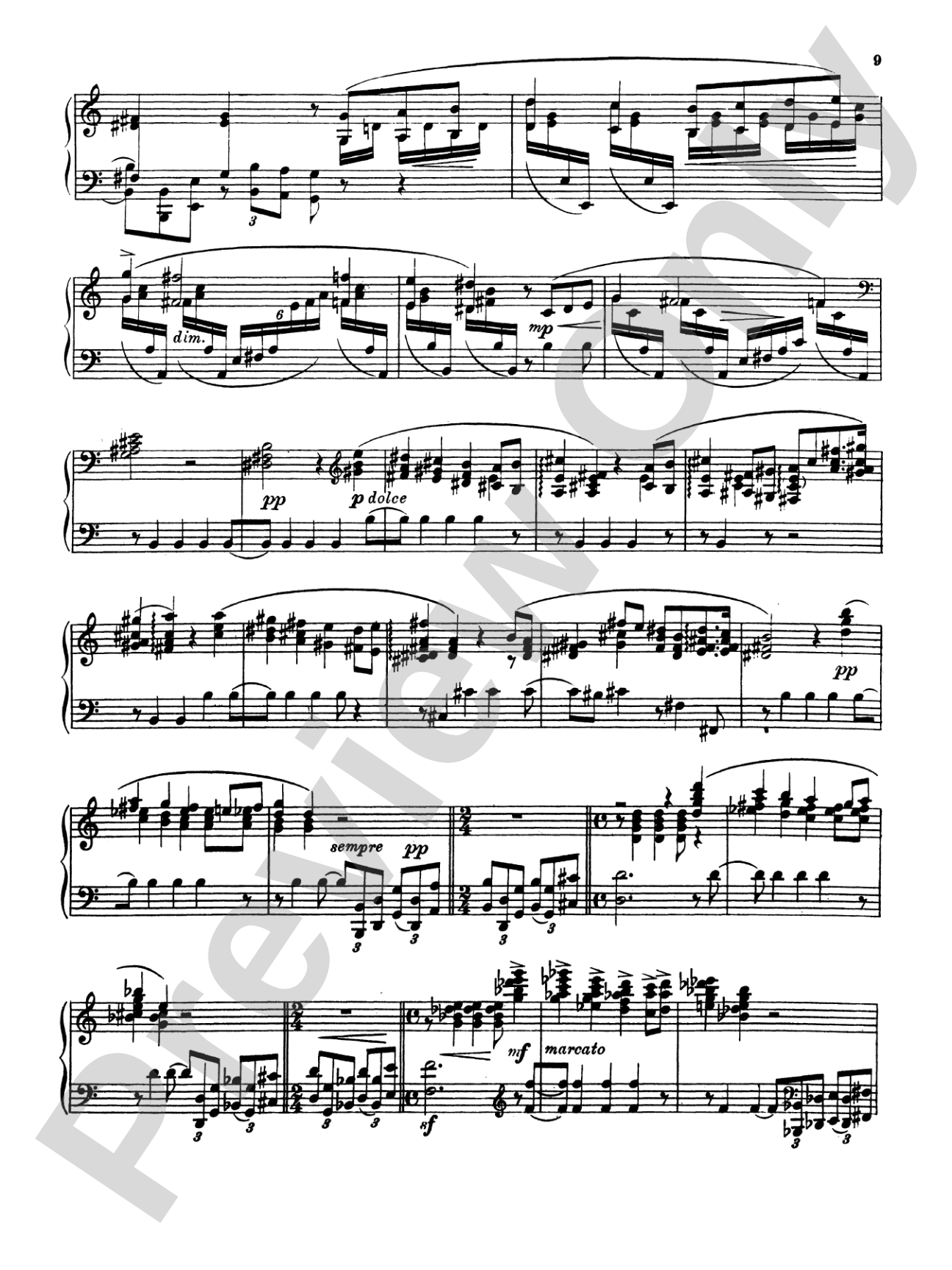
Bela Bartok first performed the Etude for the Left Hand in B-flat Major in Berlin, December 14, l903. It calls for octaves, power, and stamina. There is almost an improvisational feeling to this work.


Don't just read it, hear it, play along with it, and watch your students grow with it. In MakeMusic Cloud, Bartók: Etude for the Left Hand: Piano comes alive with professional accompaniment, adjustable tempo, and built-in practice tools that turn solo practice into real progress.
Open in the Player
Jump straight in and assign it today.
Start Your Free Trial
Open this title and explore the full library in minutes.
Sample Audio
No sample audio found.
Sample Video
No sample videos found.
Additional Details
Series:
Kalmus Edition
Publisher:
Alfred Music
Page Count:
16
SKU:
00-PK-0002896
More about this title
About the Composer: Béla Bartók
Béla Bartók (1881, 1945) stands among the most significant composers of the twentieth century, equally celebrated as a pianist, ethnomusicologist, and innovator. His compositional voice synthesized folk music research with modernist harmonic language, creating works that bridged nationalist expression and universal musical principles. Bartók's keyboard writing, informed by his own virtuosity as a performer, consistently pushed technical and musical boundaries.
Why we love this
This piece occupies a unique place in the solo piano repertoire: it is genuinely challenging, historically significant, and genuinely rewarding to hear performed well. The improvisational character Bartók built into the writing means students can shape phrasing expressively rather than follow a fixed template, which deepens their interpretive instincts. Advanced pianists return to this etude repeatedly because new details reveal themselves with each pass.
What to expect
The piece unfolds with both urgency and introspection, its improvisational quality giving the impression of a pianist thinking aloud rather than performing a predetermined narrative. Left-hand octaves shift between driving intensity and hushed intimacy, creating a sense of internal struggle or dialogue. The writing feels distinctly modern yet carries an almost rhapsodic quality that distinguishes it from pure etude display.
Who it's for
Advanced pianists preparing for competitions, conservatory auditions, or ambitious recitals will find this etude both a technical benchmark and an artistic opportunity. Teachers working with serious students who have secure octave technique and mature interpretive judgment can use this piece to develop stamina, independence, and expressive range. The work suits pianists ready to engage with 20th-century idiom and willing to invest concentrated practice time.
How to get the most out of it
- Map the hand position shifts before drilling the octave passages; Bartók's writing favors economy of movement, so identifying strategic shift points prevents fatigue during performance.
- Experiment with tempo flexibility in the improvisational sections to find the balance between freedom and coherence; the written tempo is a framework, not a metronome.
- Build stamina gradually by practicing the most demanding octave passages in short segments, then extending the phrases as endurance increases rather than attempting full-length run-throughs too soon.
- Listen for harmonic color beneath the technical surface; the left hand carries both rhythmic and sonorous responsibility, so tone control matters as much as clarity.
How to use it
This etude works powerfully as a curtain-raiser for a recital or as a standalone piece on a mixed program devoted to 20th-century piano literature. It pairs effectively with other Bartók works or with contemporary etudes by composers like Ligeti or Prokofiev. Consider programming it where the audience will appreciate the balance of technical virtuosity and compositional substance.
Skills your students will build
- Octave technique in both speed and endurance across multiple registers
- Hand independence and stamina under physical demand
- Reading and executing unconventional harmonic language and accidentals
- Interpretive freedom within a notated score; responding to improvisational character
- Left-hand independence and tonal control separate from right-hand writing