Bartók: 14 Bagatelles, Op. 6 Sheet Music Preview

Bartók: 14 Bagatelles, Op. 6

By Béla Bartók

Level: Intermediate / Advanced

Item: 00-PC-0005072

Digital Download
$0.99
Description
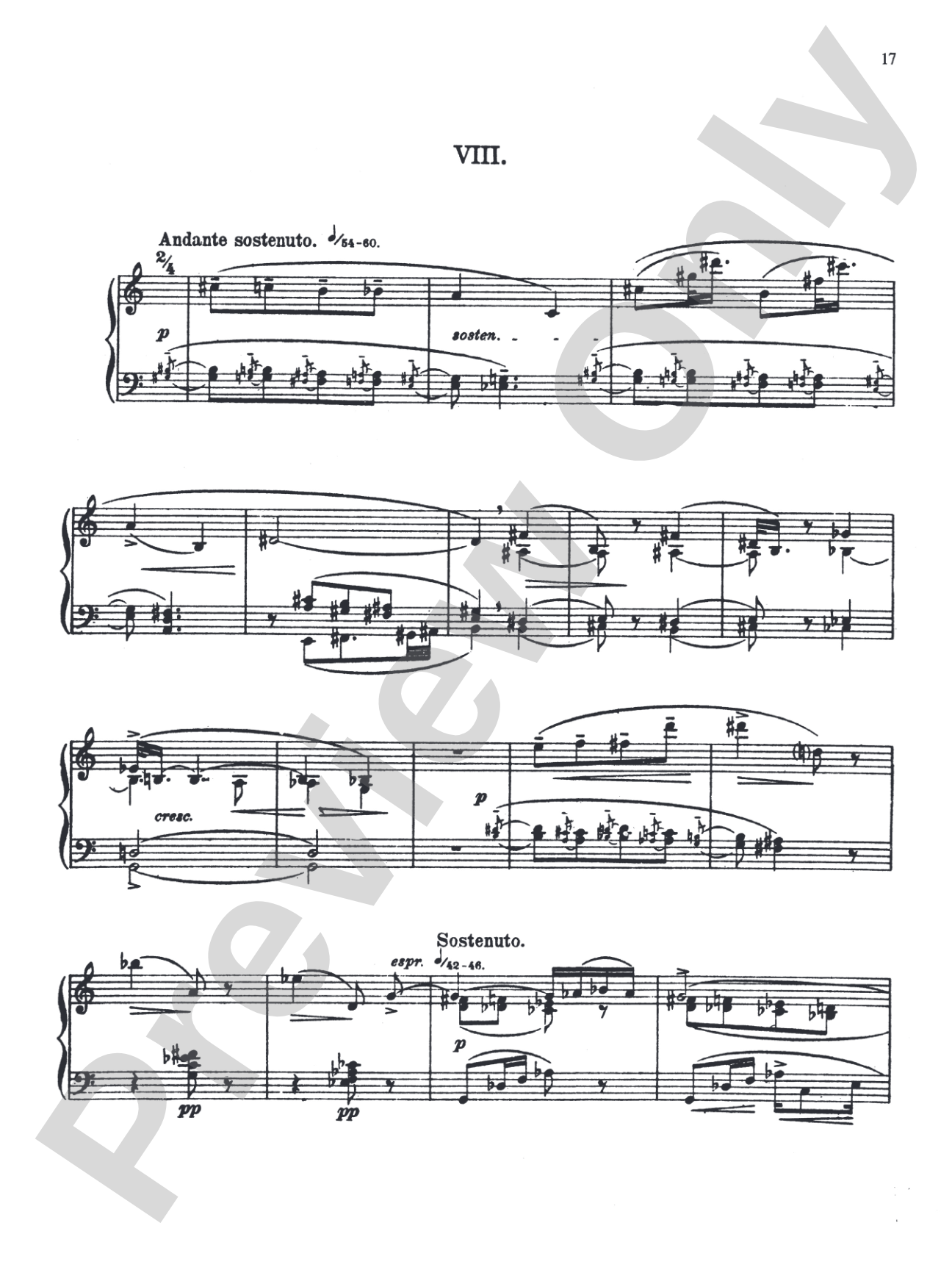
The 14 Bagatelles, Op. 6, by Bela Bartok are significant because they represent the first piano works to be born from a genuine folk idiom and molded into Bartók's new compositional style. Bartok said of these pieces: In these, a new piano style appears as a reaction to the exuberance of the romantic piano music of the nineteenth century, a style stripped of all unessential decorative elements, using only the most restricted technical means.

Don't just read it, hear it, play along with it, and watch your students grow with it. In MakeMusic Cloud, Bartók: 14 Bagatelles, Op. 6 comes alive with professional accompaniment, adjustable tempo, and built-in practice tools that turn solo practice into real progress.

Sample Audio
No sample audio found.
Sample Video
Additional Details
Series: Kalmus Edition
Publisher: Alfred Music
Page Count: 40
SKU: 00-PC-0005072

More about this title

About the Composer: Béla Bartók

Béla Bartók (1881–1945) was a Hungarian composer and pianist who fundamentally reshaped twentieth-century music by integrating authentic folk melodies and rhythms from Eastern Europe into concert works. His research into traditional music was not merely academic; he traveled extensively to collect, transcribe, and study peasant songs, believing that folk idiom offered composers a path away from Romantic excess and toward structural clarity and emotional directness.

Bartók's influence on music education extends far beyond his compositions. His systematic approach to building pianistic and compositional skills through folk-based repertoire shaped pedagogical thinking worldwide. These Bagatelles exemplify his philosophy: they strip away nineteenth-century ornament and demand that performers engage with modernist harmony, rhythm, and texture while rooted in the directness of folk expression.

Why we love this

These pieces occupy a unique pedagogical space. They are sophisticated enough to challenge advanced pianists with genuine twentieth-century language yet accessible enough to feel vital rather than academic. Each bagatelle is compact enough to program individually or to sequence strategically throughout a recital, and they reward students who listen to authentic folk recordings as part of their preparation.

What to expect

Direct, unsentimental, and energetic. These pieces feel like someone has distilled folk traditions down to their essential melodic and rhythmic kernels, then subjected those kernels to rigorous harmonic and structural thinking. There is humor alongside austerity, dance alongside introspection, and always a sense of clear architecture beneath the surface.

Who it's for

Advanced intermediate to advanced pianists ready to engage with twentieth-century modernism through music that feels grounded rather than purely experimental. Students preparing recital programs, competition repertoire, or university entrance auditions will find technically rewarding and musically substantial material here.

How to get the most out of it

  • Investigate the folk sources underlying each piece. Bartók's notation is precise, but understanding the original melodies and rhythmic patterns these bagatelles transform makes the harmonic language click into focus and prevents the music from feeling abstract.
  • Resist the temptation to smooth out rhythmic asymmetries or to pedal through harmonic dissonance. The spare texture is intentional; let the dry, clean sound speak.
  • Study the score for exact dynamic and articulation markings. Bartók's economy of means extends to expressive detail; every marking carries weight and contributes to the overall architecture.

How to use it

Program individual bagatelles as contrasting interludes within a recital built around larger twentieth-century works, or sequence several bagatelles as a standalone group that demonstrates both Bartók's evolving language and the diversity possible within a compact form. They also work effectively as teaching examples when introducing students to folk-based modernism or early twentieth-century piano idiom.

Skills your students will build

  • Reading and performing twentieth-century harmonic language and dissonance
  • Rhythmic precision in asymmetrical and syncopated patterns
  • Touch differentiation and control of timbre in sparse textures
  • Understanding the relationship between folk source material and modernist treatment
  • Sight-reading facility across multiple short works with varied technical demands

You May Also Like