
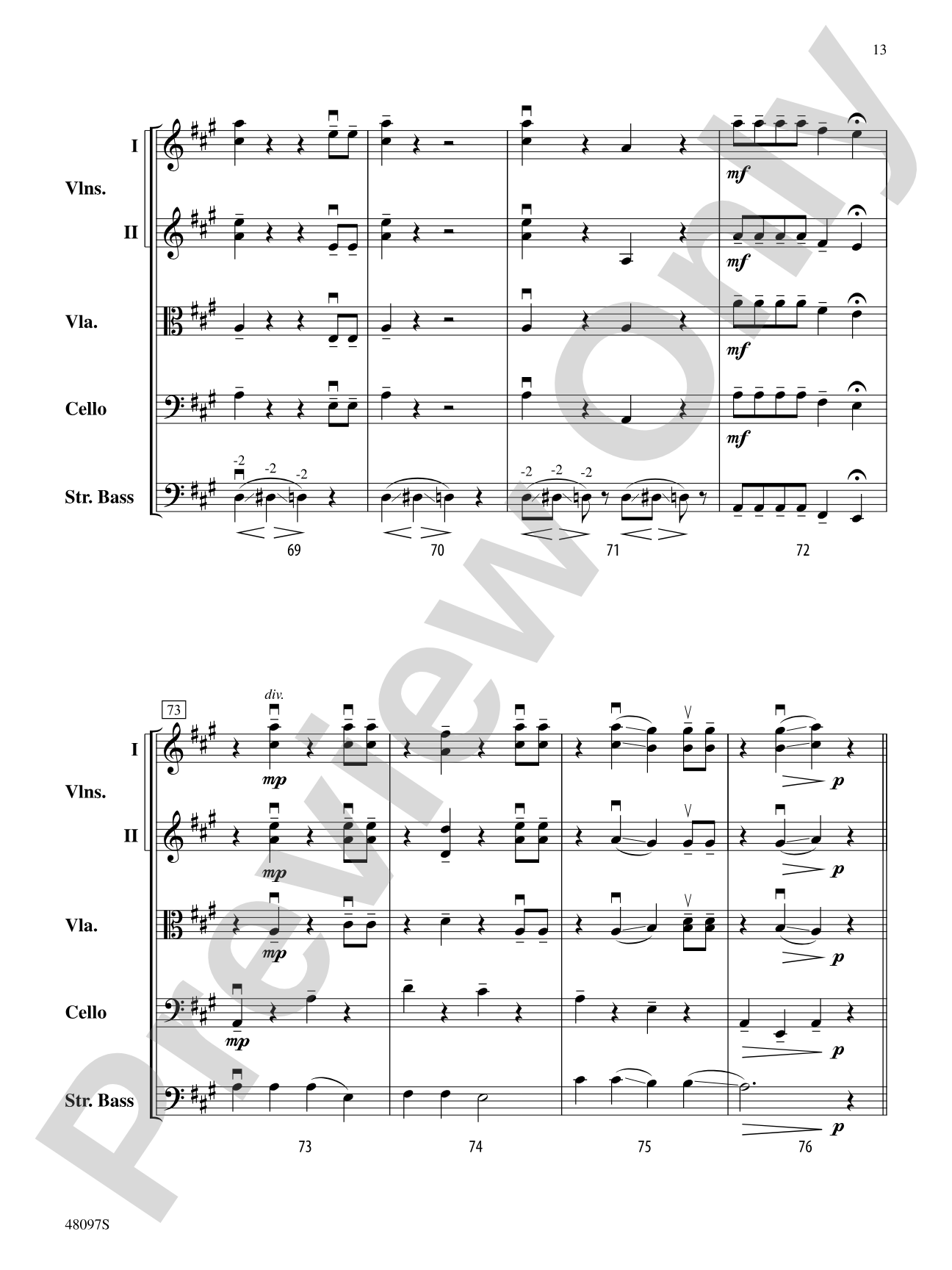
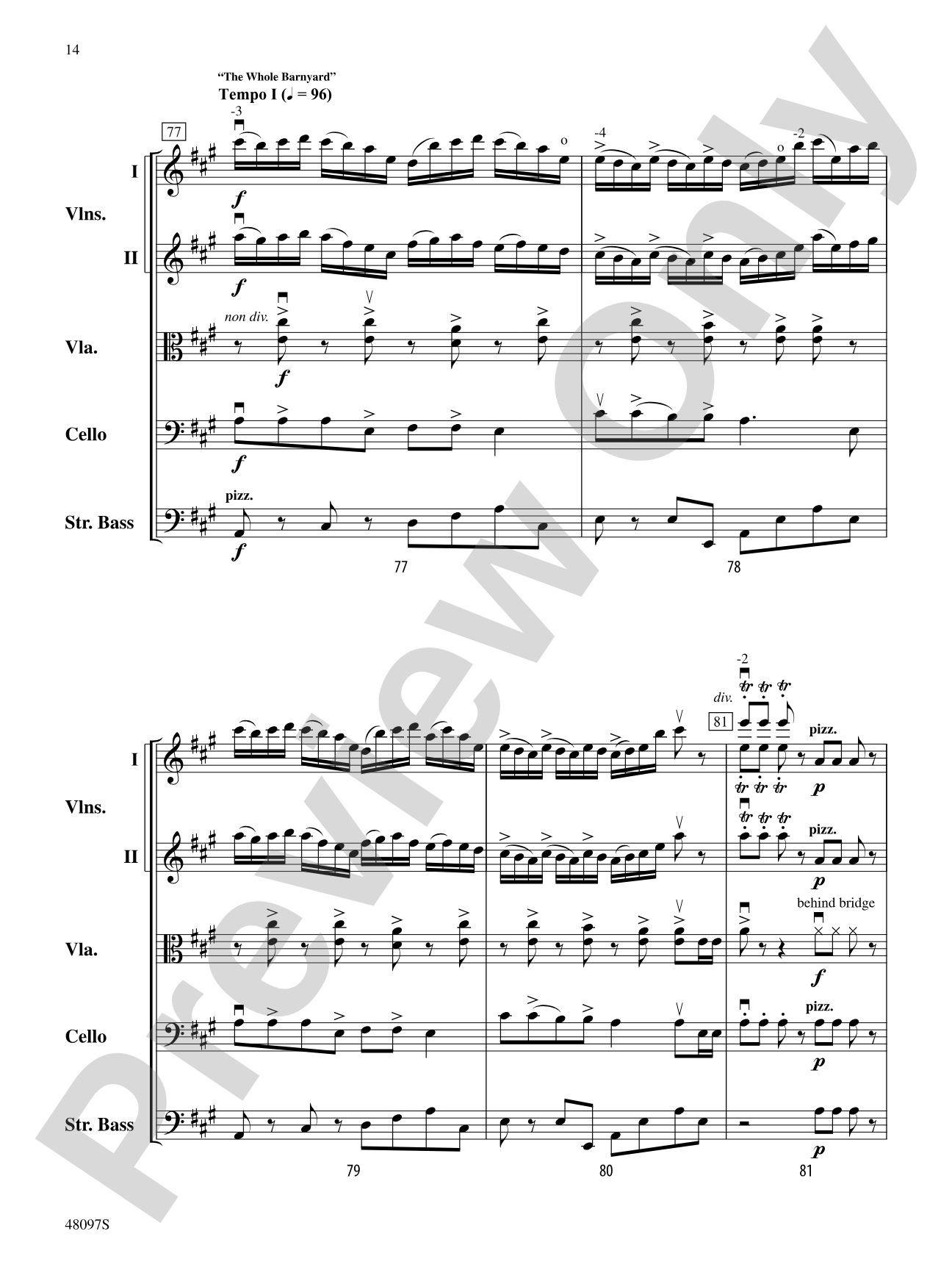
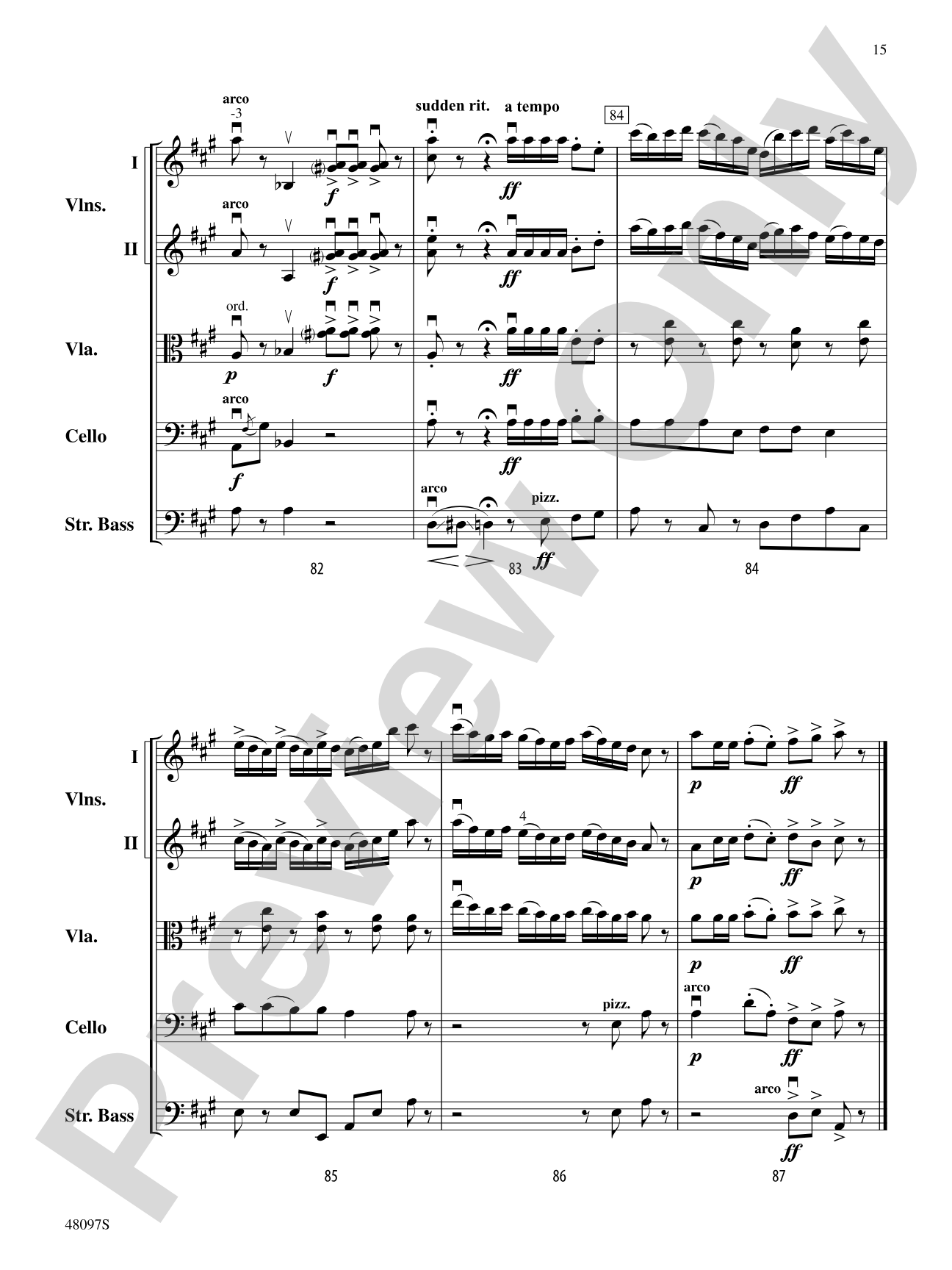

Barnyard Variations: String Orchestra Conductor Score & Parts
On "Old MacDonald Had a Farm"
By Andrew H. Dabczynski
Grade: 3.5
Item: 00-PK-0008239

$60.00
Pickup currently not available
Buy Extra Parts (Digital PDF Download)
| Product | Price | Quantity |
|---|---|---|
| Barnyard Variations: Score | $9.00 | |
| Barnyard Variations: 1st Violin | $3.00 | |
| Barnyard Variations: 2nd Violin | $3.00 | |
| Barnyard Variations: Viola | $3.00 | |
| Barnyard Variations: Cello | $3.00 | |
| Barnyard Variations: String Bass | $3.00 |
Parts Added to Cart!
Description
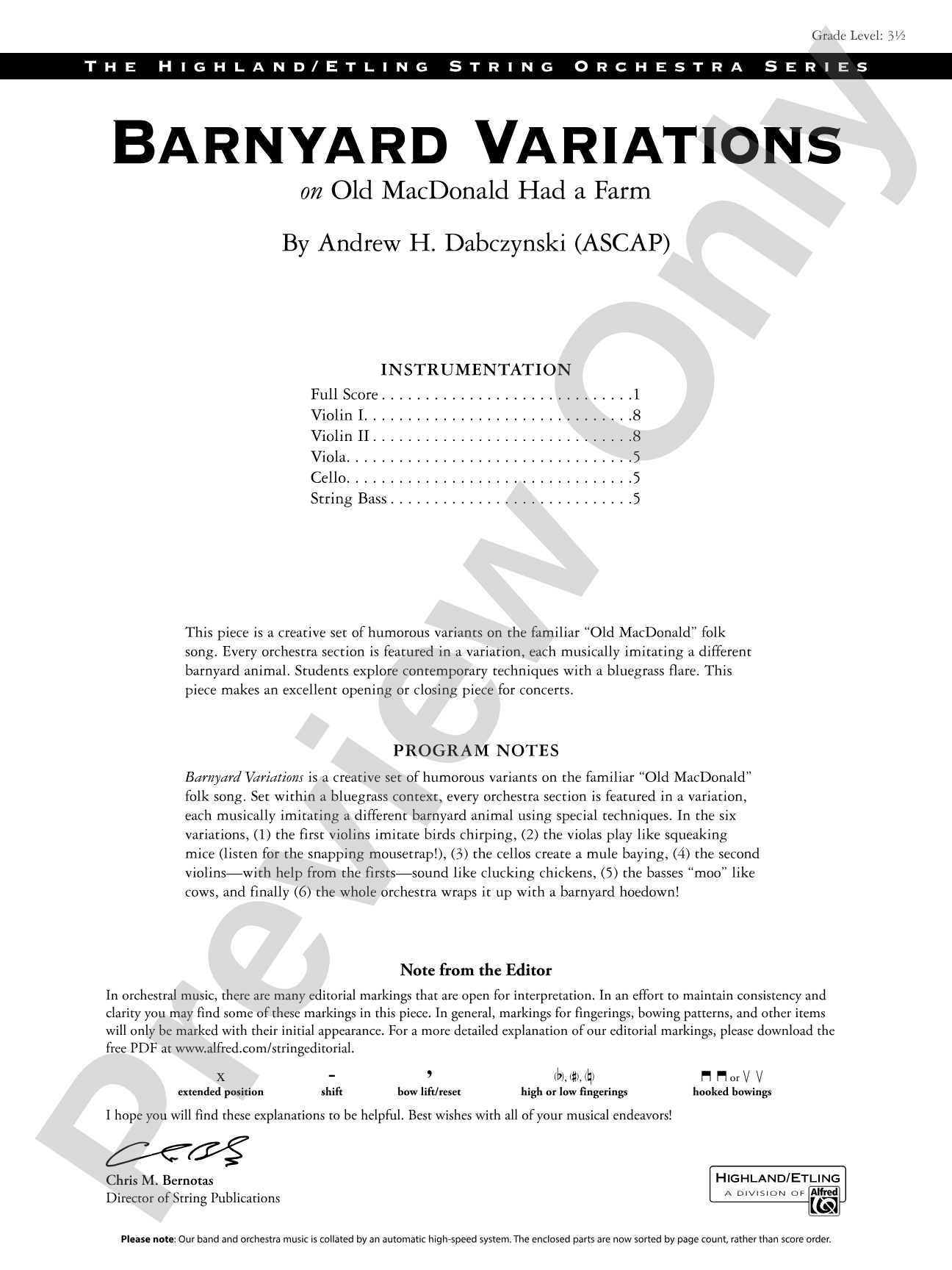
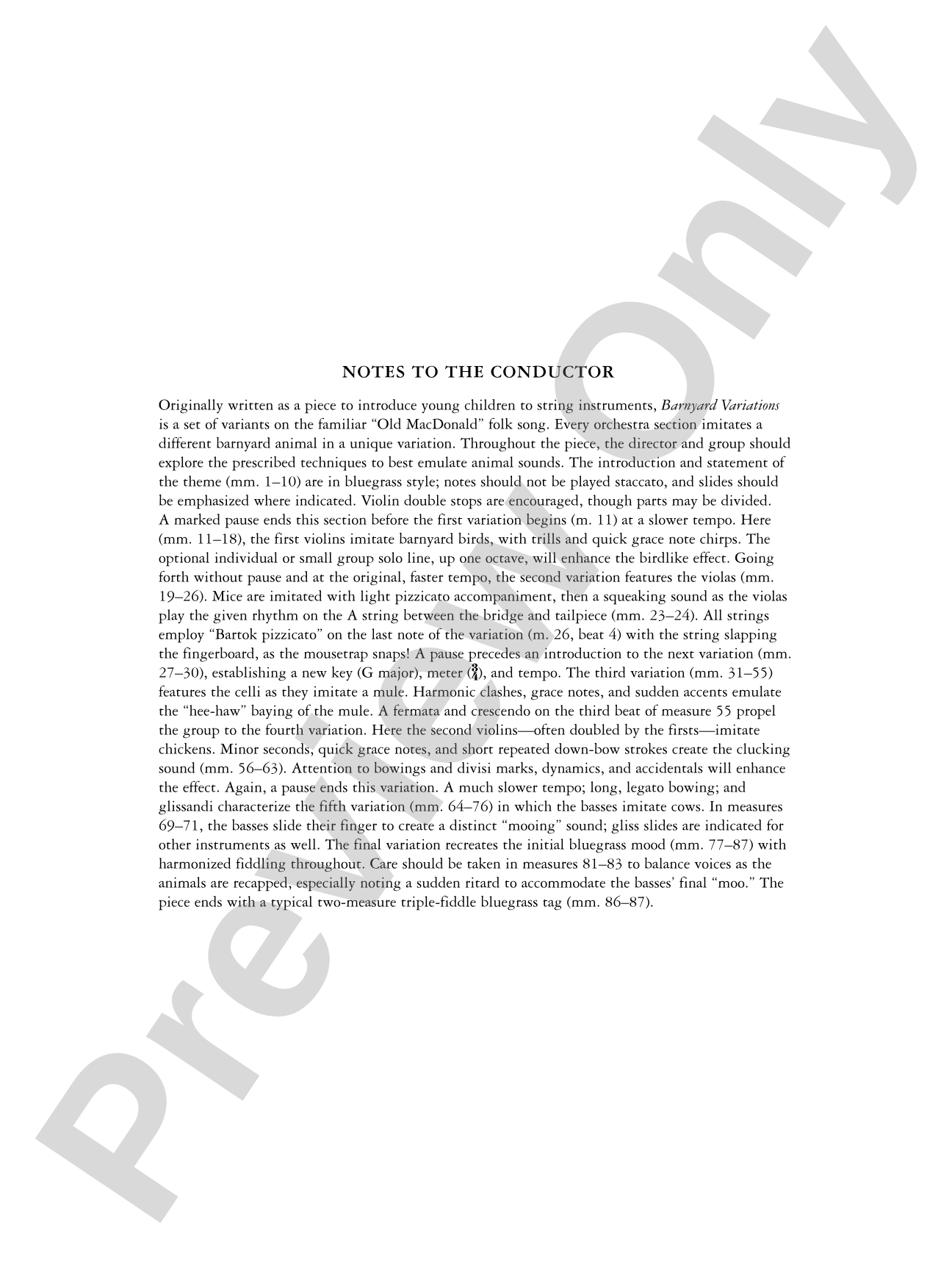
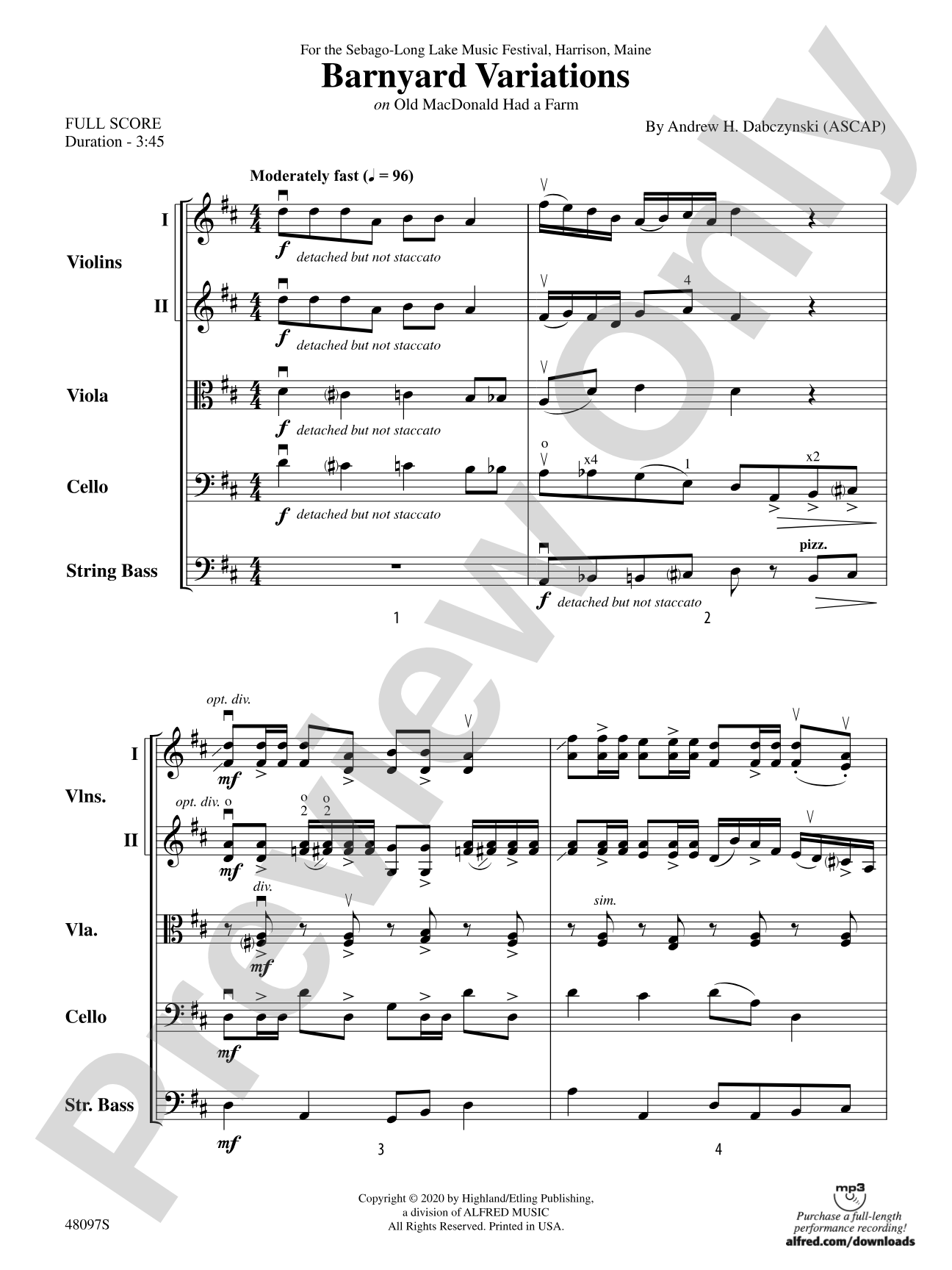
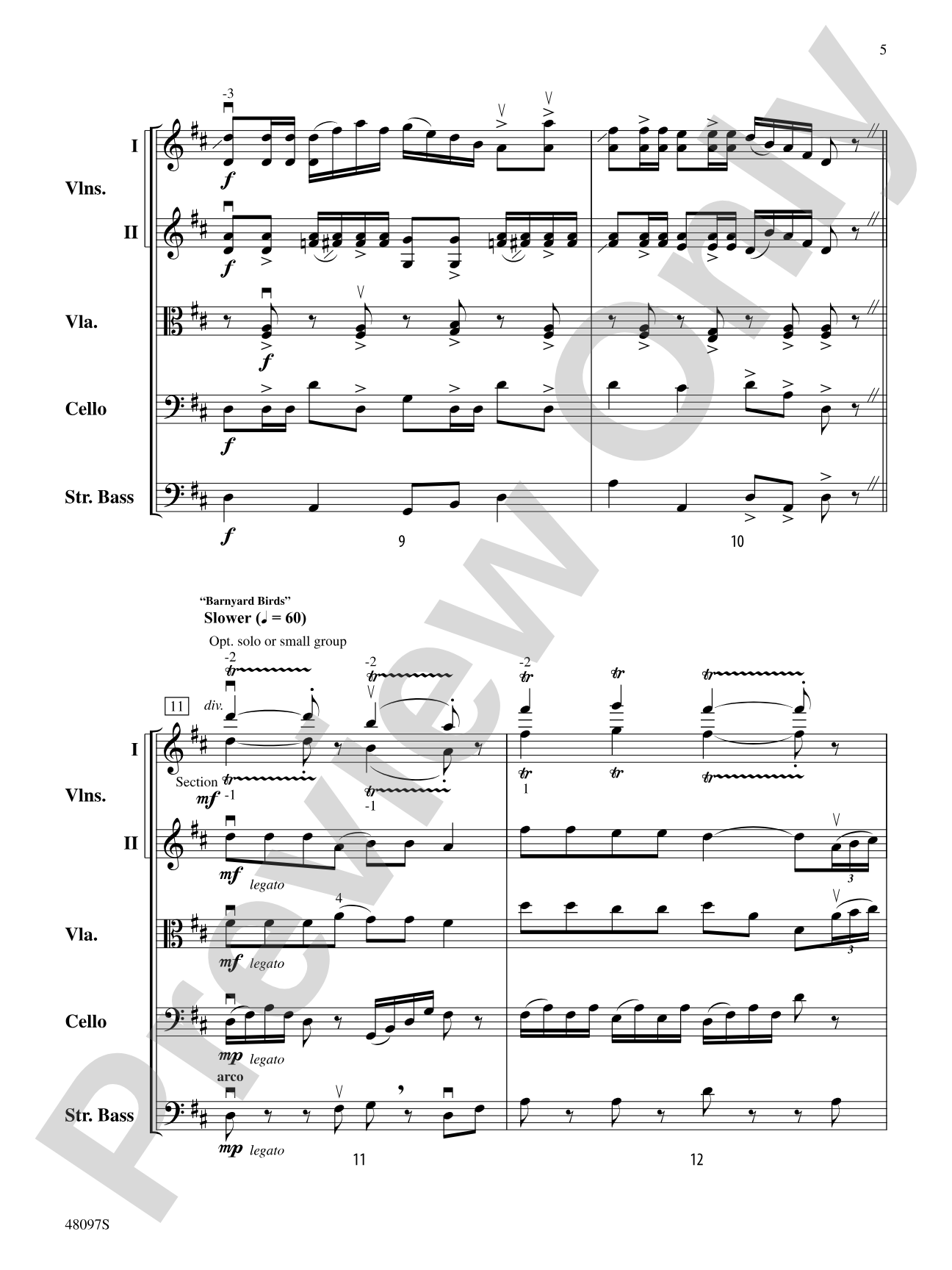
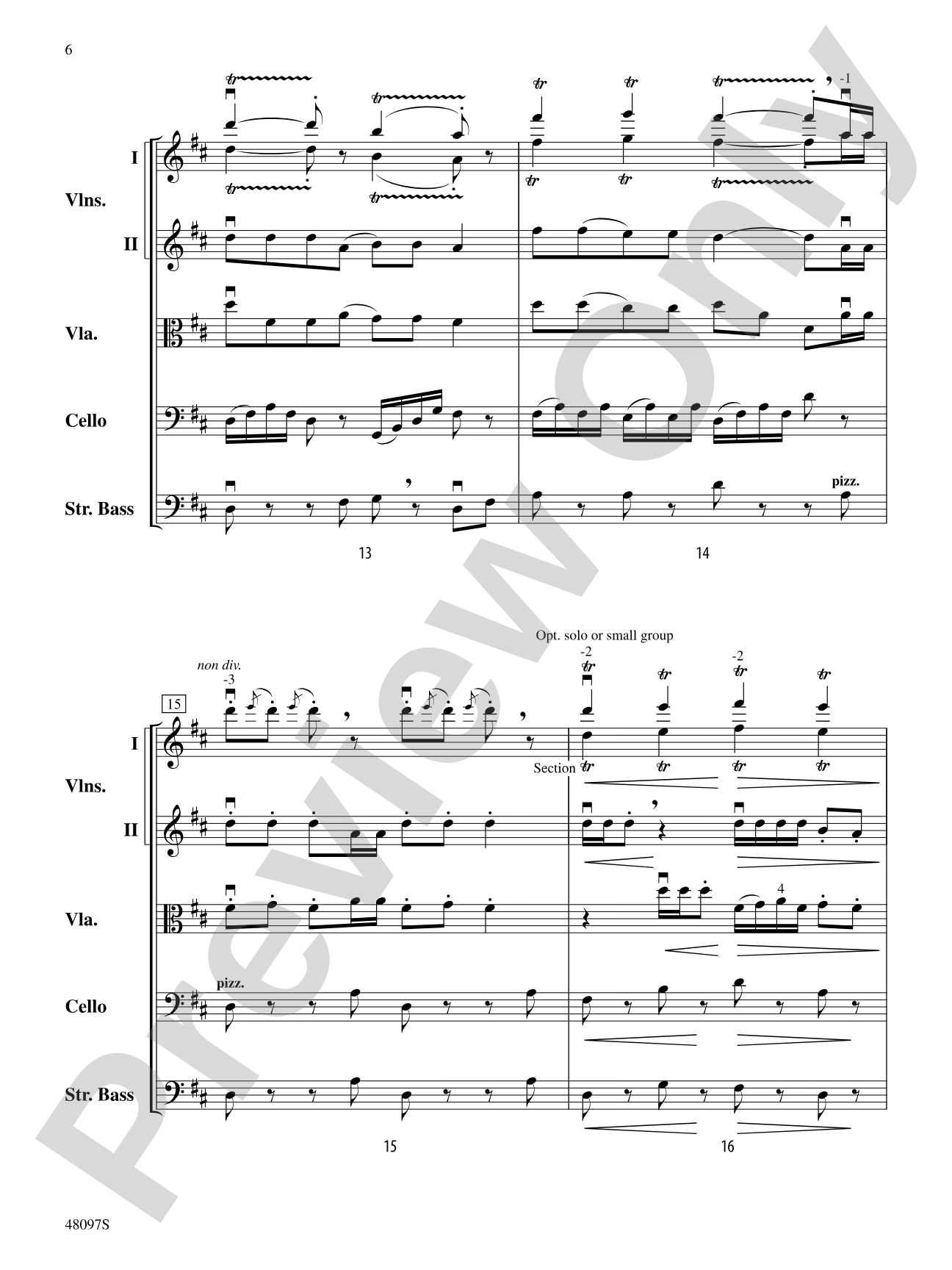
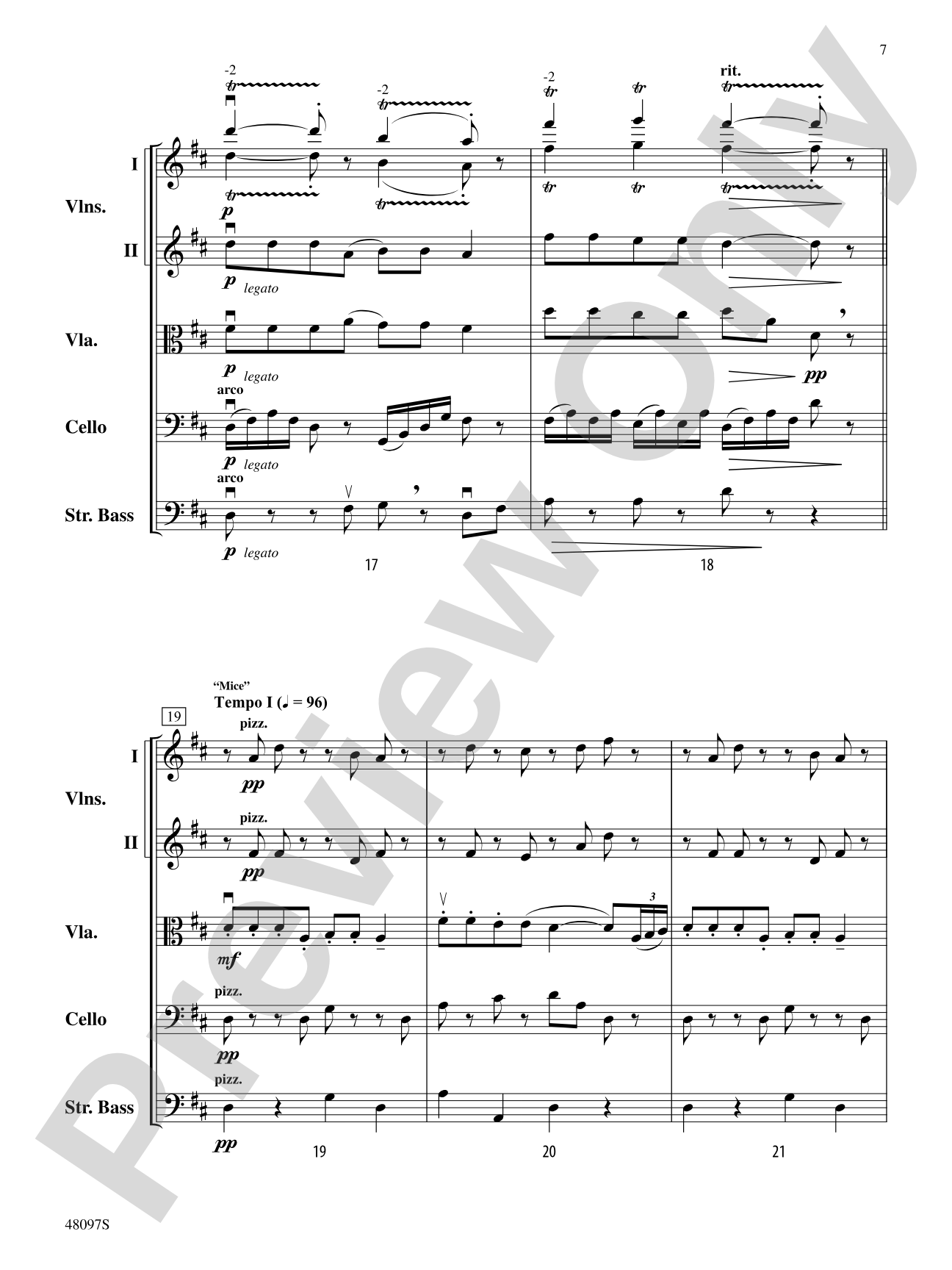
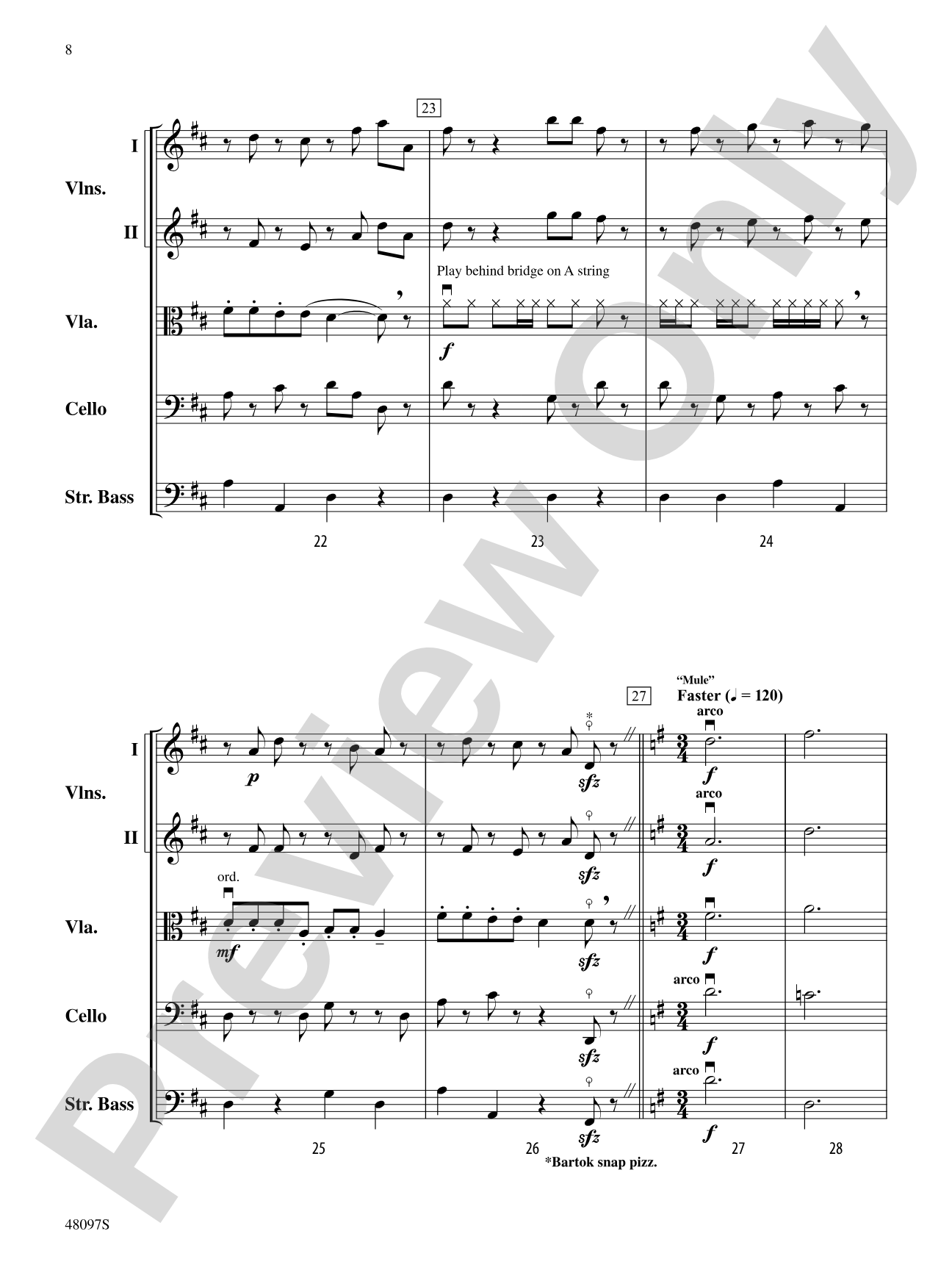
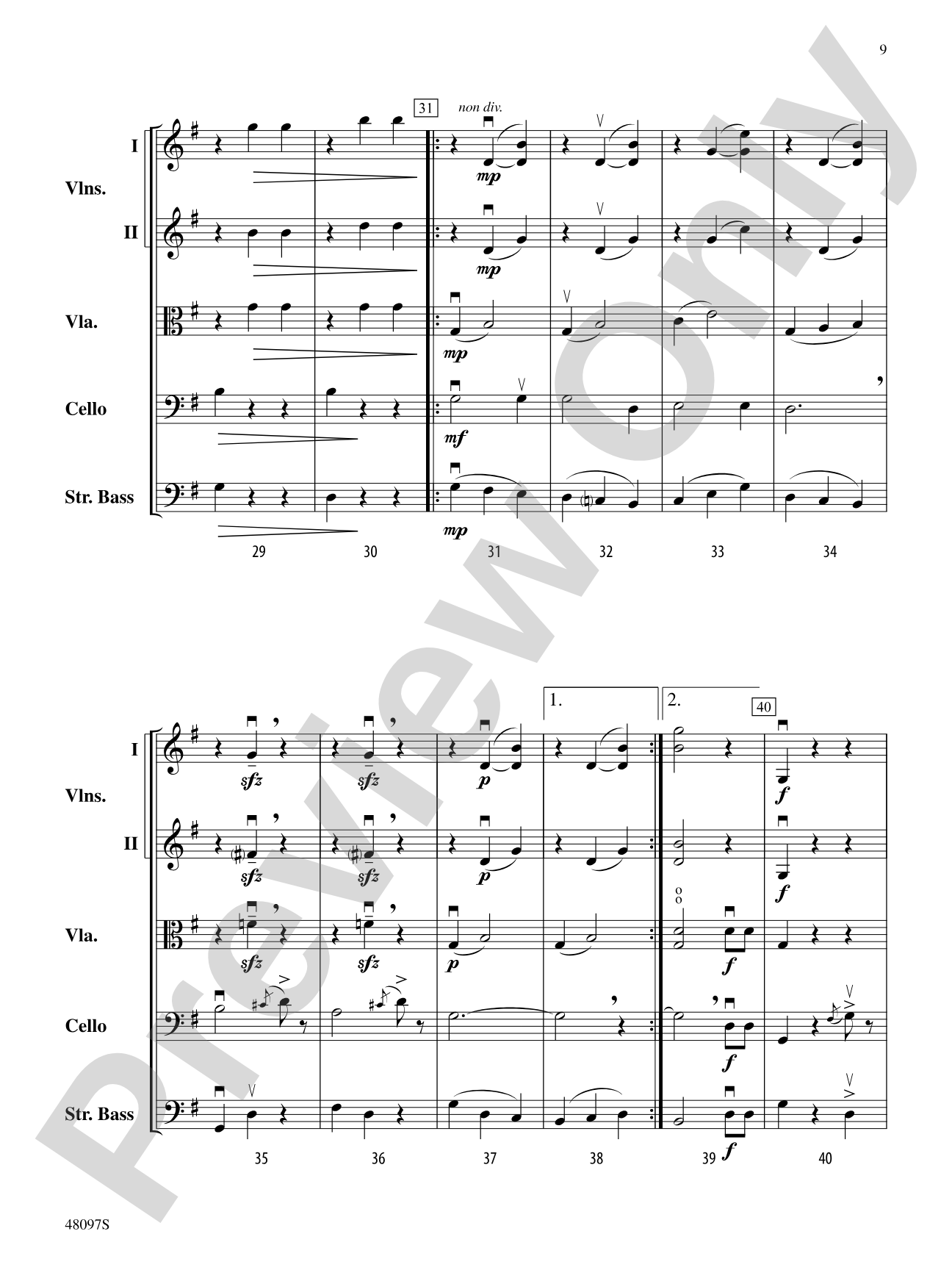
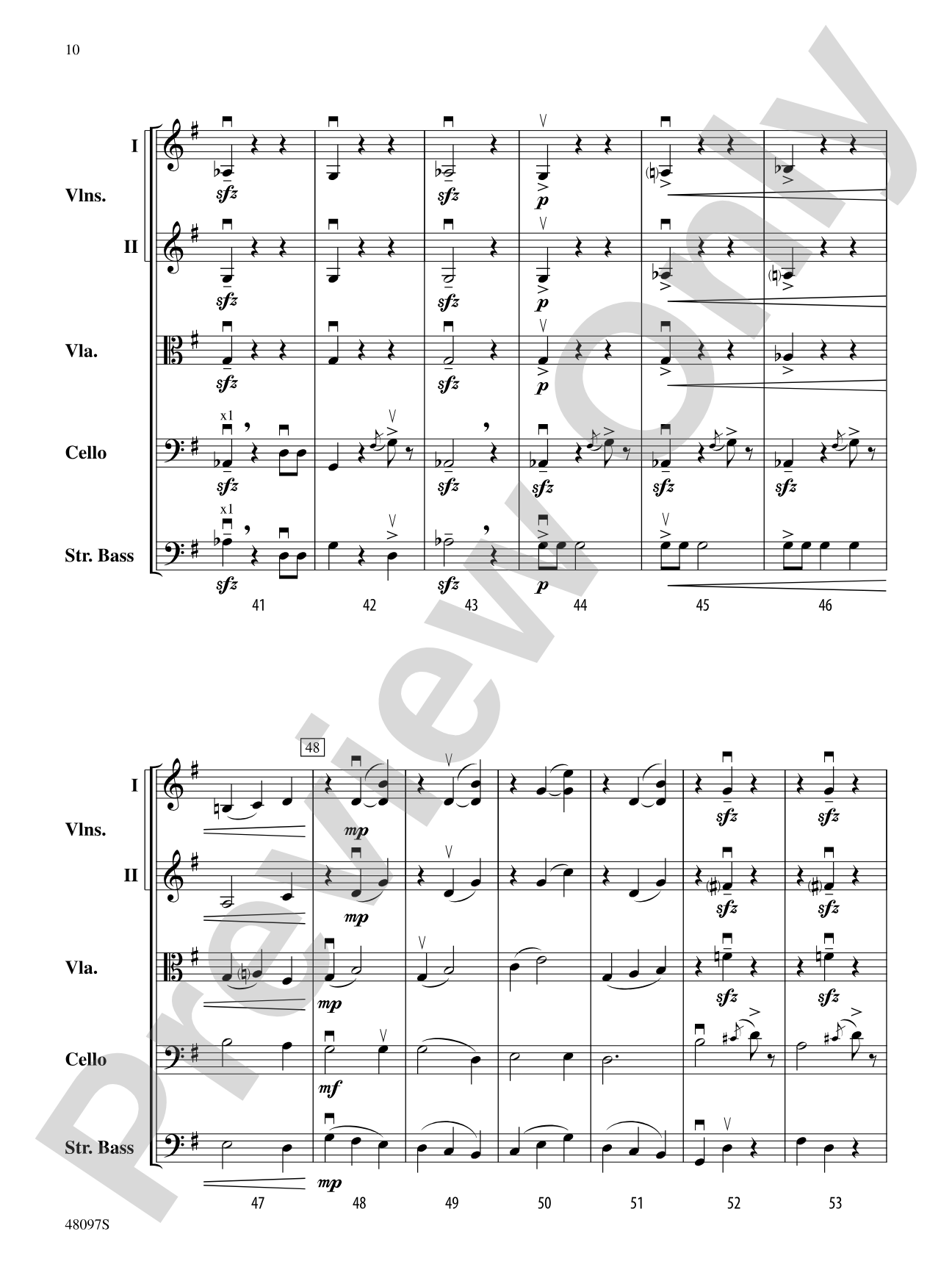
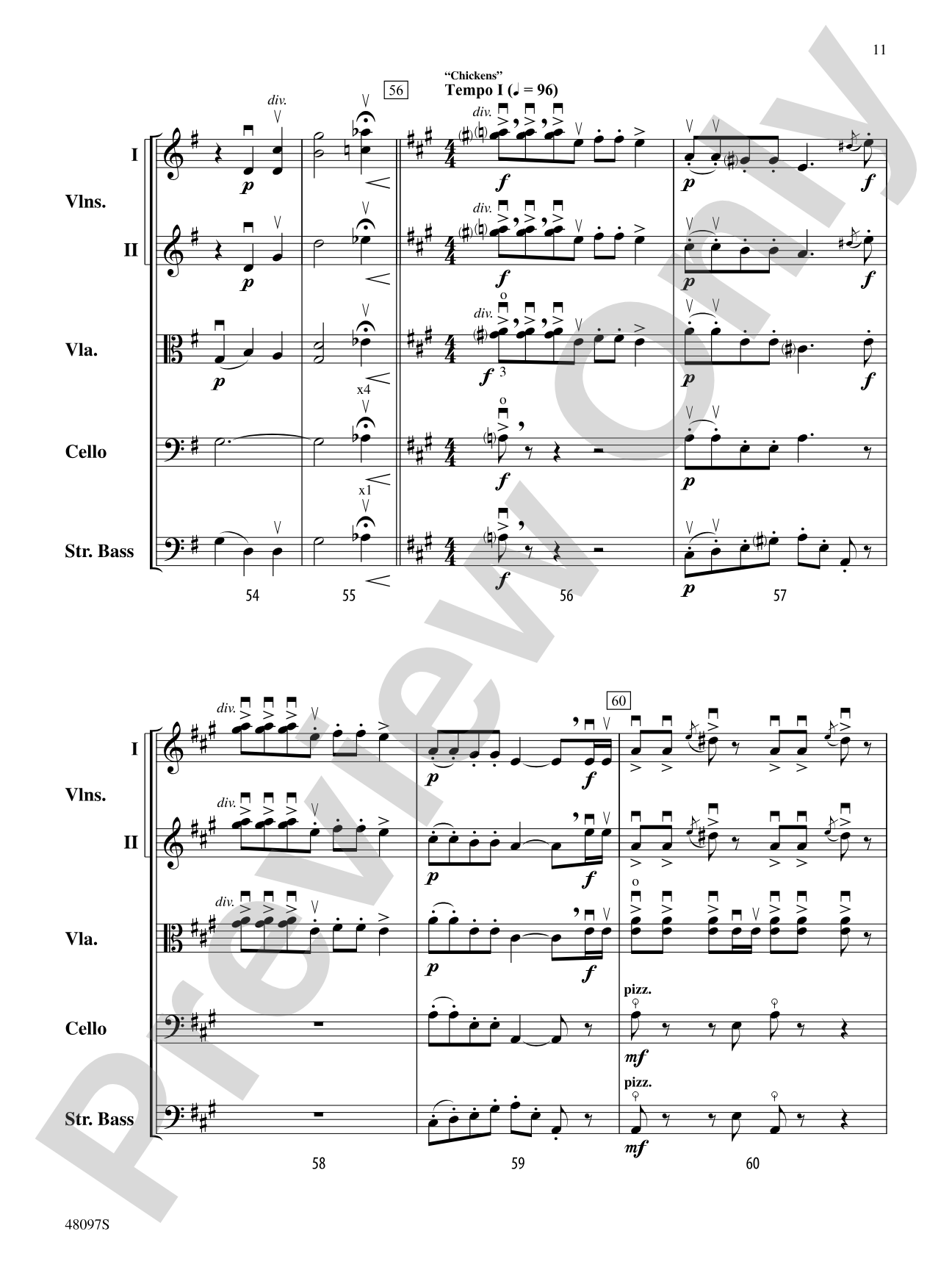
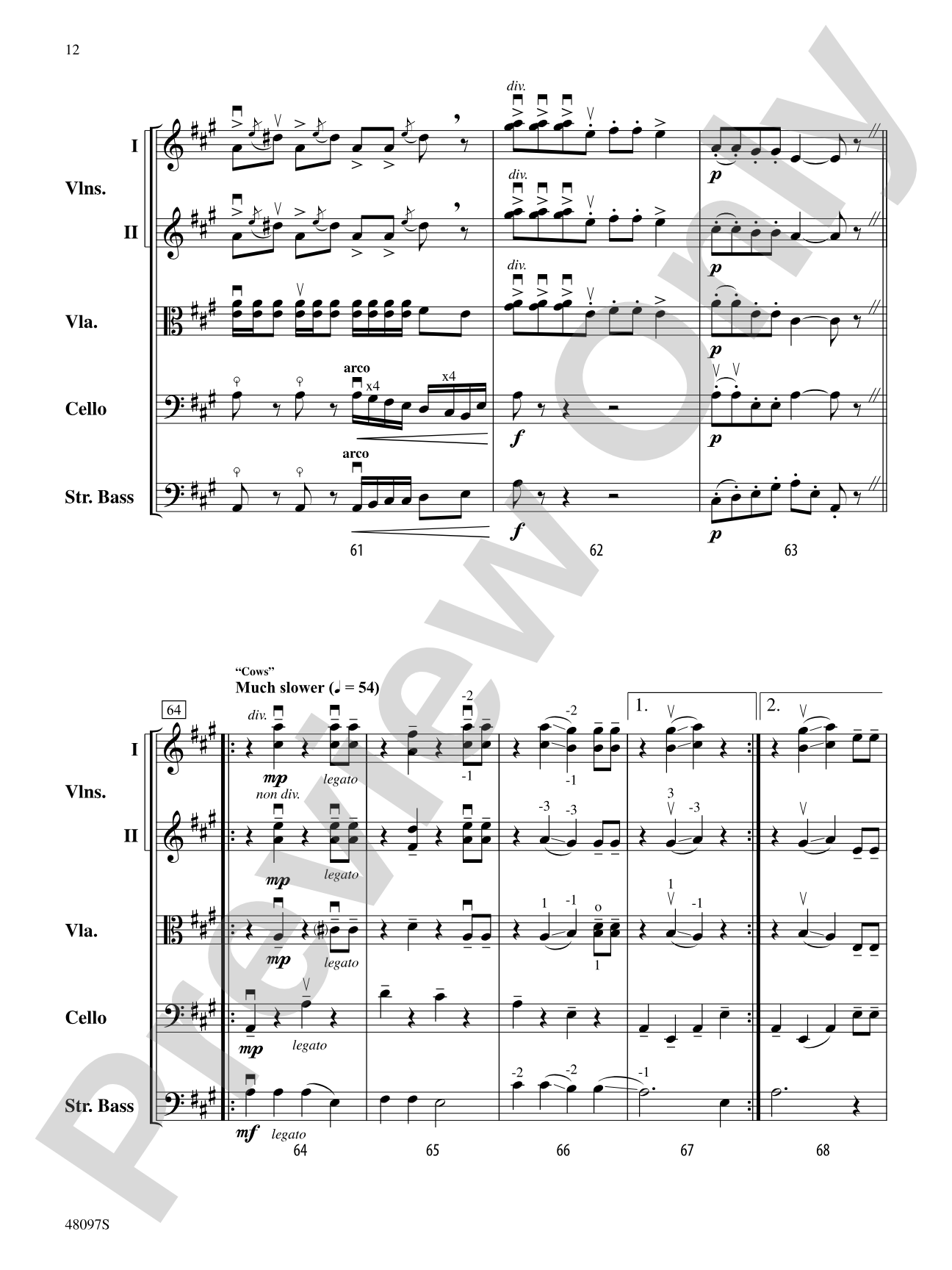
Barnyard Variations by Andrew Dabczynski is a creative set of humorous variants on the familiar "Old MacDonald" folk song. Every orchestra section is featured in a variation, each musically imitating a different barnyard animal. Students explore contemporary techniques with a bluegrass flare. This piece makes an excellent opening or closing piece for concerts, or an introduction to the instruments in recruiting or educational programs. (3:45)


Don't just read it, hear it, play along with it, and watch your students grow with it. In MakeMusic Cloud, Barnyard Variations: String Orchestra Conductor Score & Parts comes alive with professional accompaniment, adjustable tempo, and built-in practice tools that turn solo practice into real progress.
Open in the Player
Jump straight in and assign it today.
Start Your Free Trial
Open this title and explore the full library in minutes.
Sample Audio
1
Audio File
--:--
0:00
0:00
Sample Video
Additional Details
Series:
Highland/Etling String Orchestra
Publisher:
Alfred Music
Page Count:
124
SKU:
00-PK-0008239
More about this title
About the Composer: Andrew H. Dabczynski

Andrew H. Dabczynski has shaped string education through decades of teaching, research, and published materials. A violist who performed with regional orchestras including the Rochester Philharmonic and Hartford Symphony, he served as Emeritus Professor of Music Education at Brigham Young University, where he established the BYU New Horizons Orchestra as both an ensemble for adult beginners and a training laboratory for string teachers. His contributions earned him BYU's Joseph E. White Fellowship for Teaching and Learning, and Utah ASTA recognized him as Higher Education Teacher of the Year in 2005.
Dabczynski's pedagogical influence extends through String Explorer, the comprehensive string method series he co-authored with Alfred, and his leadership roles within the American String Teachers Association. His scholarly interests center on folk music transmission and fiddling traditions, reflecting a career-long commitment to making string music accessible and culturally rooted. He has held faculty positions at the Eastman School of Music and directed fine arts education in Michigan school districts.
Why we love this
Dabczynski captures the joy of orchestral learning through humor and clarity. Each section gets its moment in the spotlight with a distinct animal character, giving every student a reason to listen closely and play with personality; violins don't just accompany while violas have fun—everyone gets a variation that shows off their voice.
What to expect
Playful and musical at once. The folk melody anchors the piece in something familiar, while contemporary techniques and bluegrass rhythms add modern color and variety. Each variation feels like a short vignette rather than a gimmick, and the orchestration ensures that humor emerges from the music itself.
Who it's for
Directors leading Grade 3.5 string orchestras who want repertoire that entertains audiences while demanding genuine musical and technical growth. This works equally well for recruiting concerts where you need to show the fun side of orchestra, or for educational demonstrations where parents and students need to hear every instrument voice clearly.
How to get the most out of it
- Bring out the character of each animal variation distinctly. The bluegrass inflections should feel natural to the section featured, not imposed from outside; let the pizzicato and rhythmic gestures speak for themselves.
- Balance the novelty appeal with musical integrity. Contemporary techniques like col legno or sul ponticello should be executed cleanly rather than exaggerated for laughs.
- Use the piece's 3:45 duration strategically in rehearsal. Break it into sections by animal and variation so students understand the structural logic before running it whole.
- Engage your younger players by asking them to listen for which barnyard sounds their section portrays. This builds active listening and makes the contemporary techniques feel purposeful rather than arbitrary.
How to use it
Program this as a concert opener to set a warm, accessible tone, or as a closing piece that leaves audiences smiling and engaged. It also excels as the centerpiece of a school assembly or educational outreach event where you want to introduce orchestral instruments and contemporary techniques without sacrificing musicality.
Skills your students will build
- Contemporary techniques including col legno, pizzicato variations, and sul ponticello
- Bluegrass rhythmic inflections and articulation styles
- Section independence and featured ensemble playing
- Listening for textural and tonal color changes across the orchestra
- Playing with character and intentional musical expression