

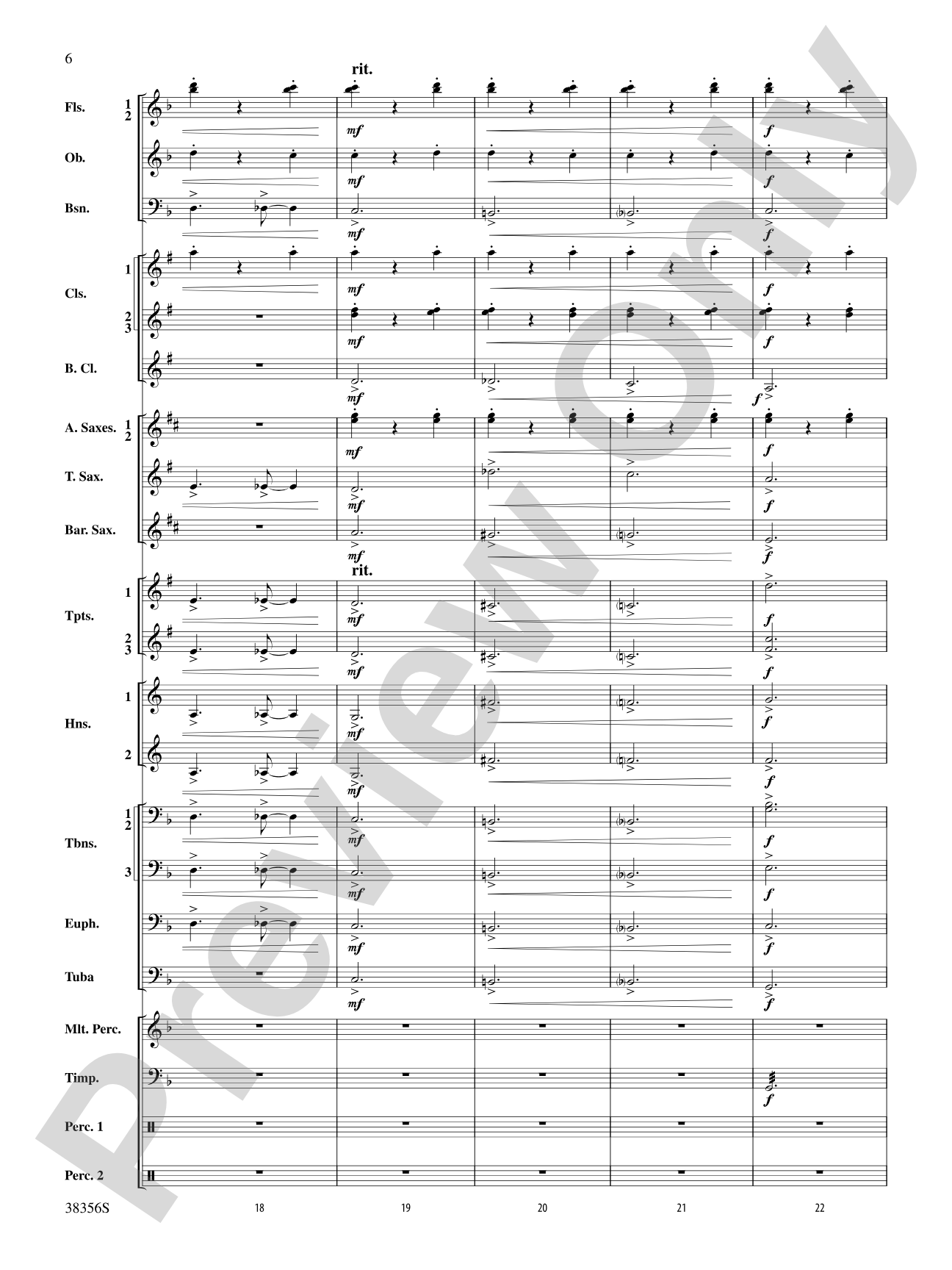
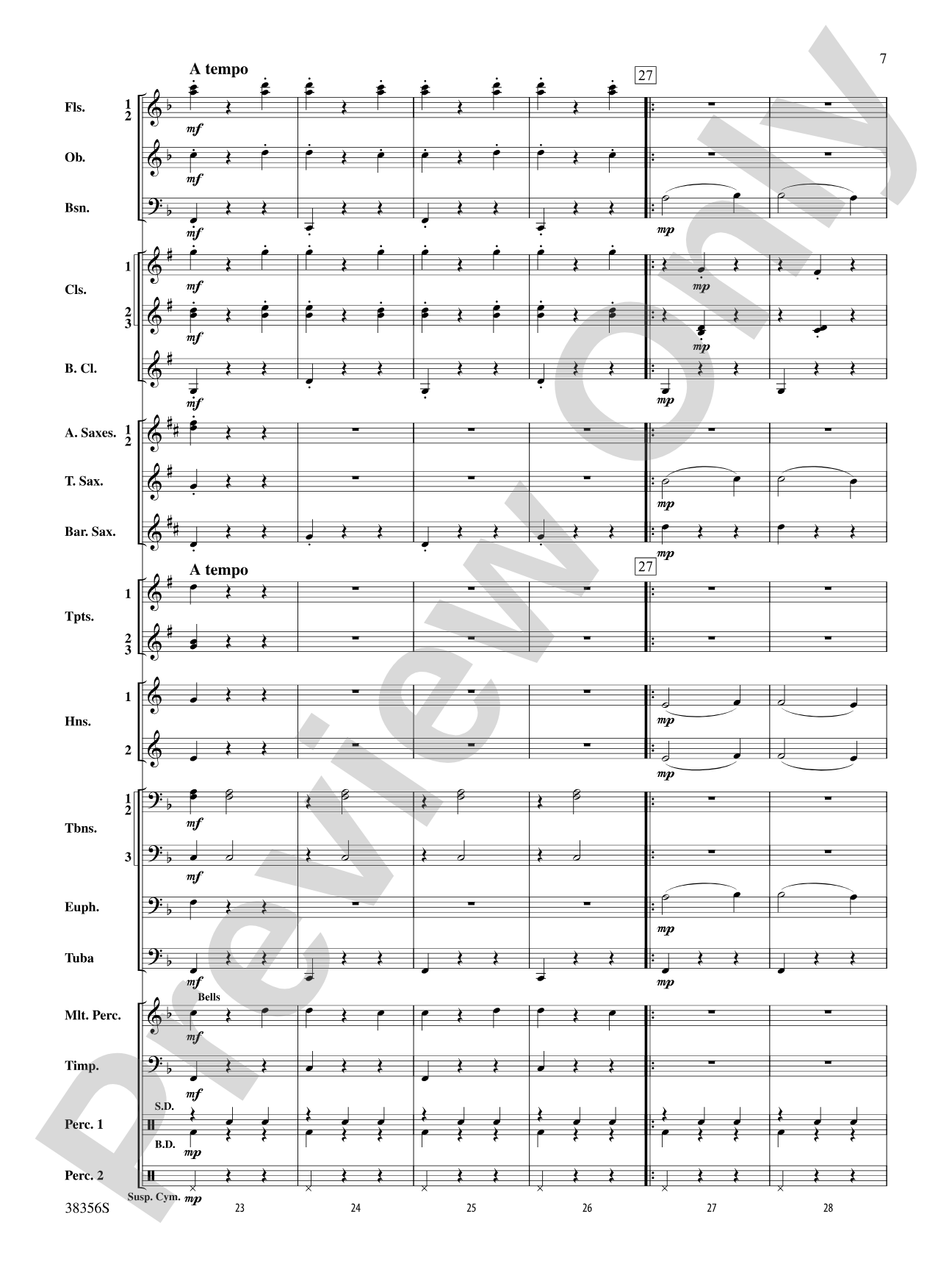
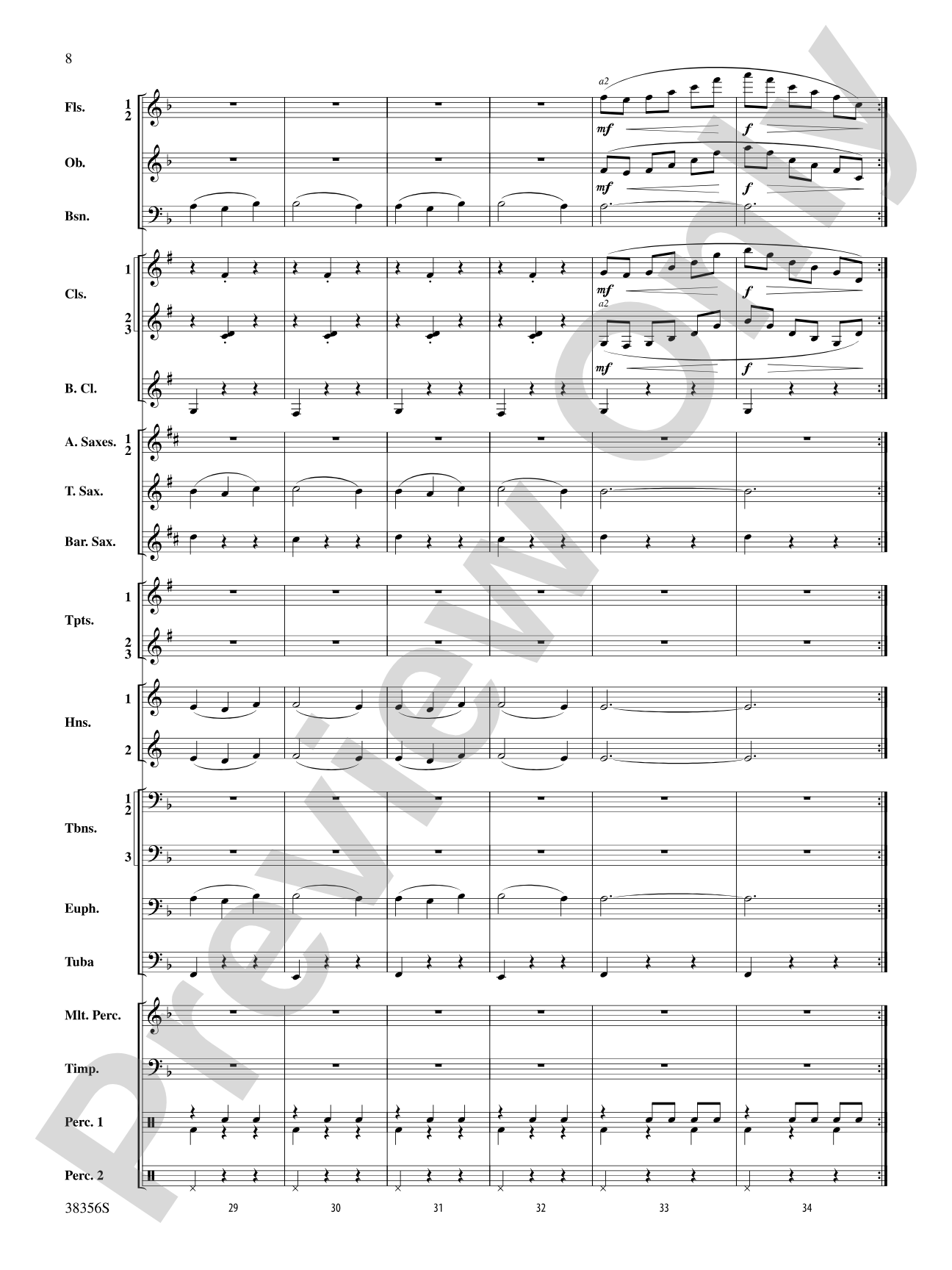
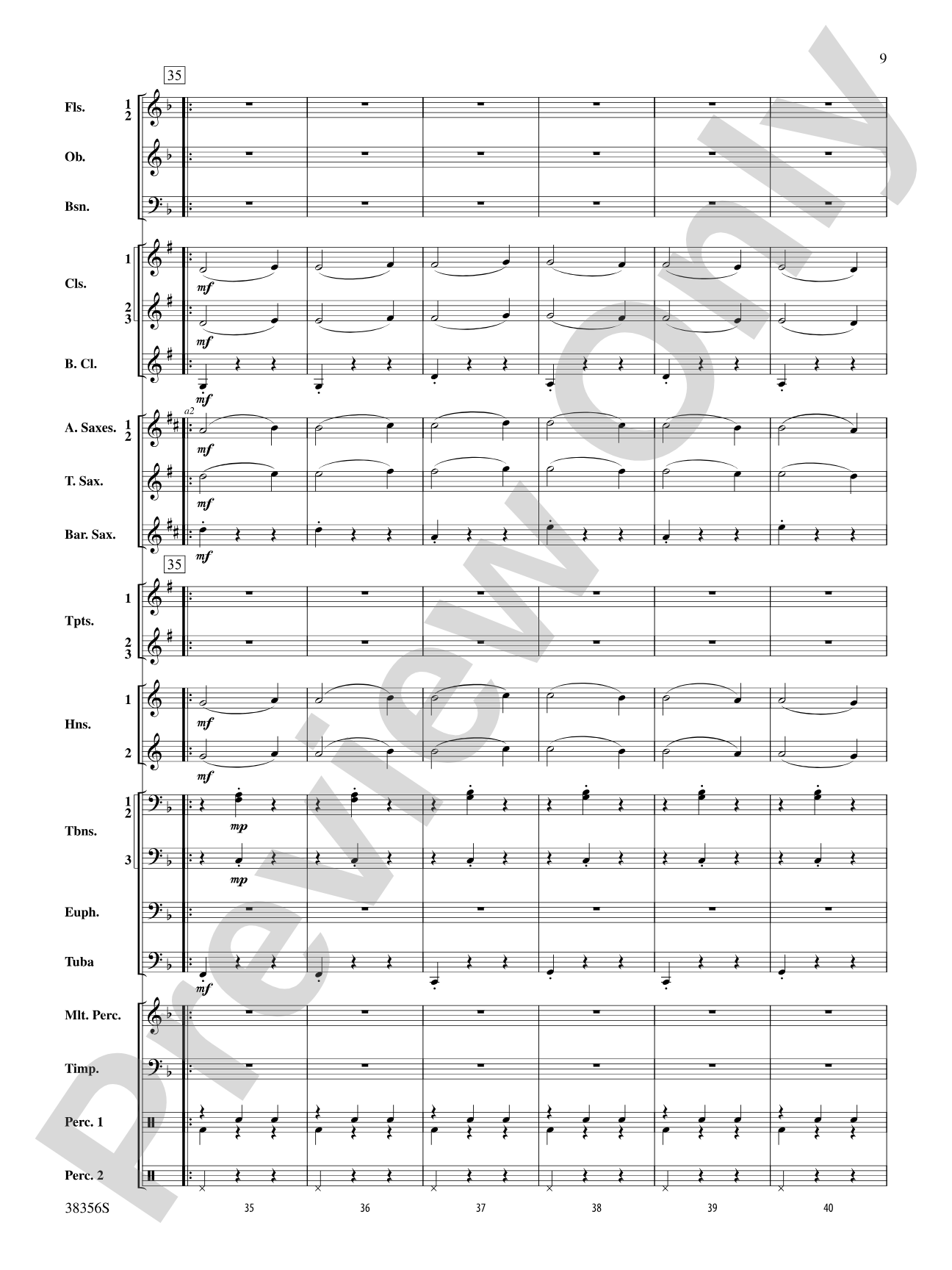
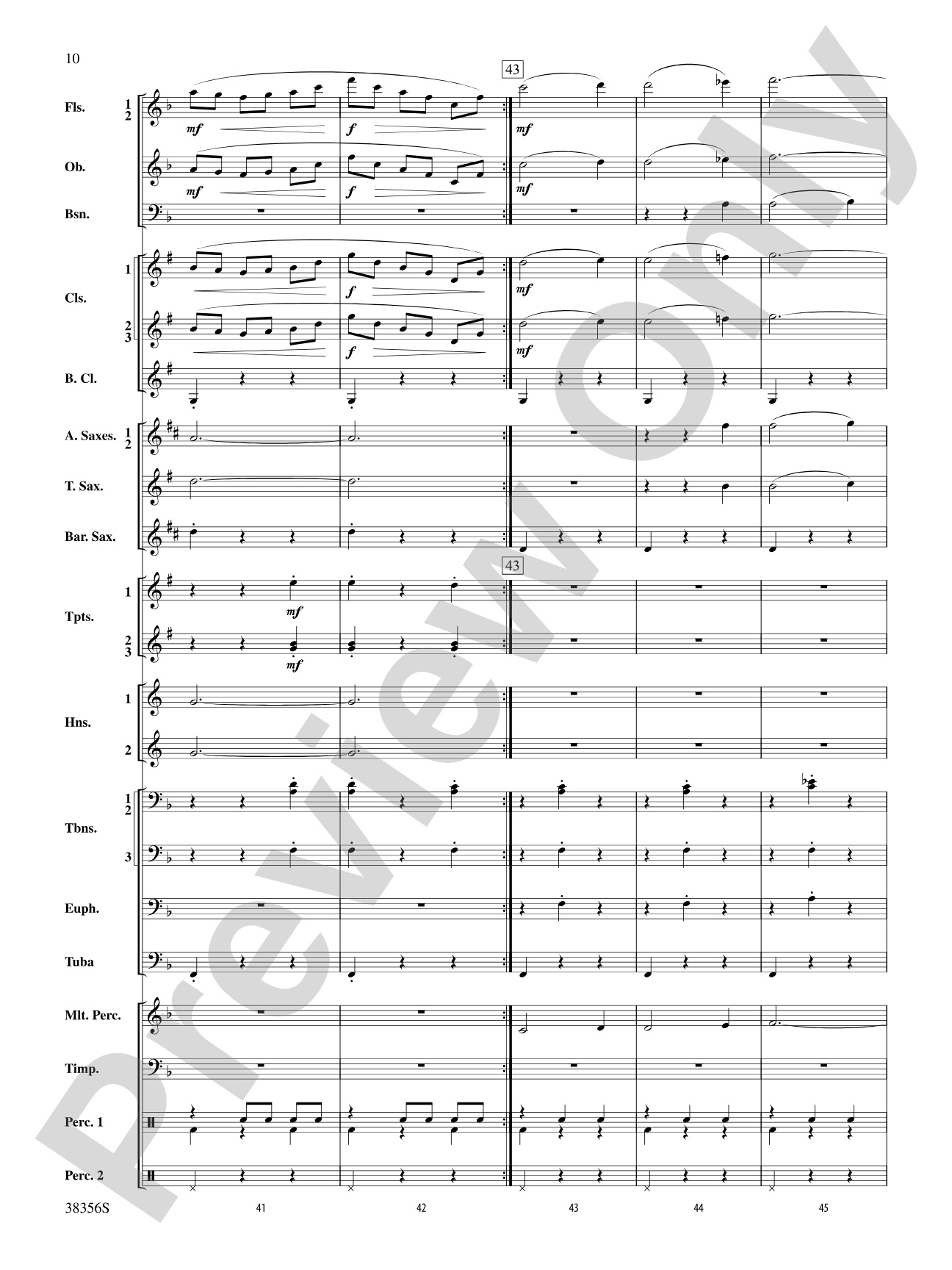
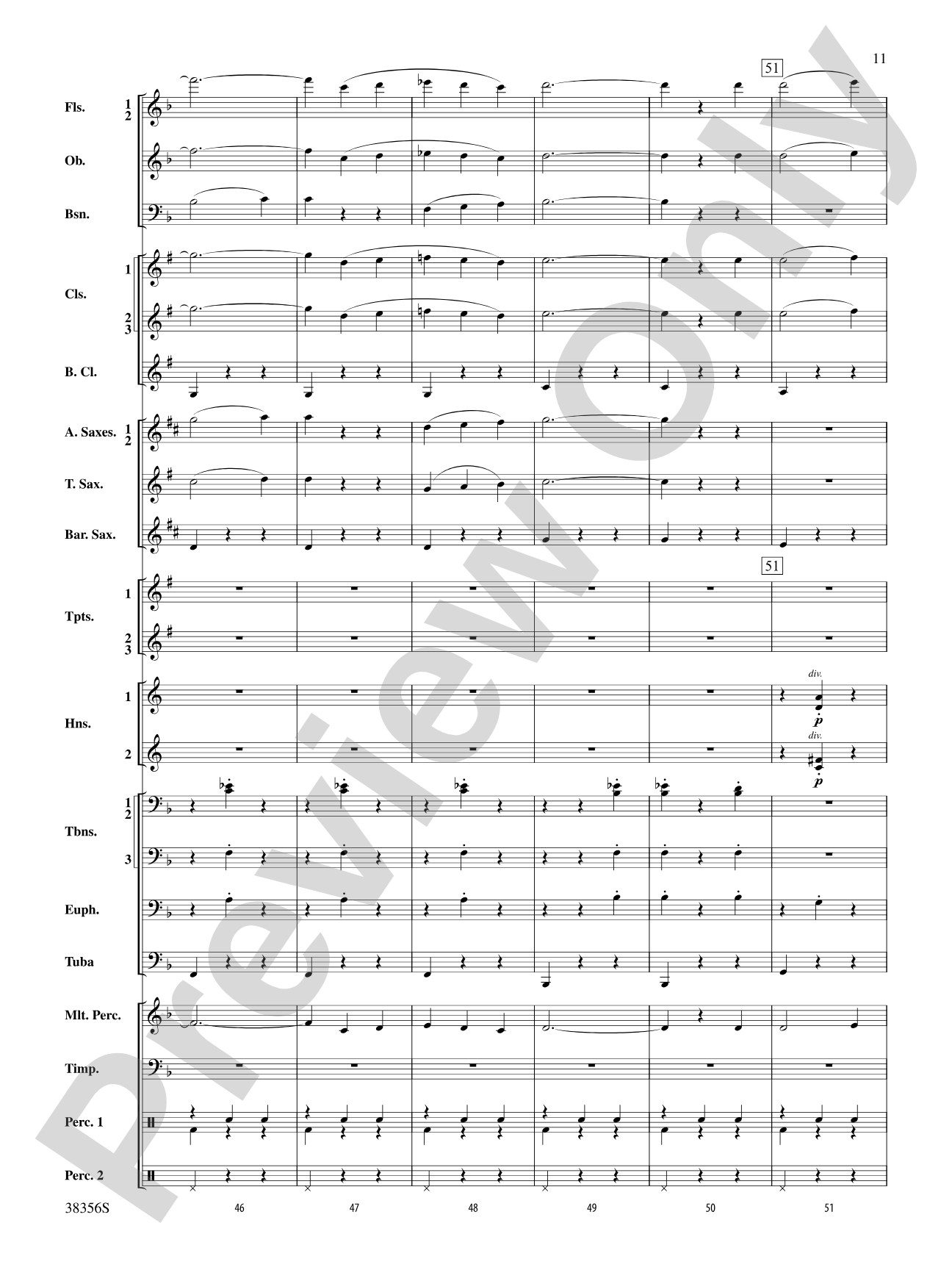
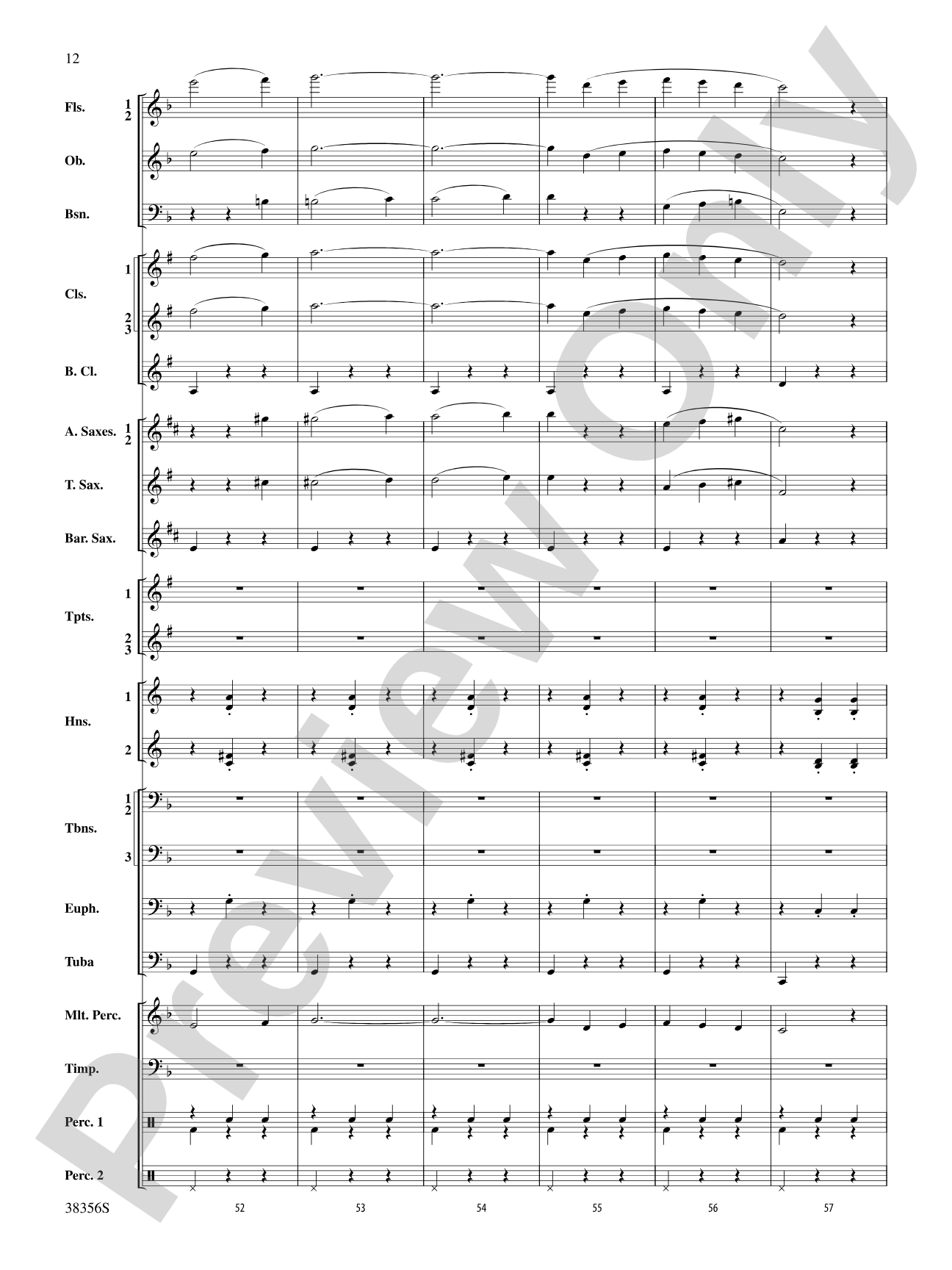
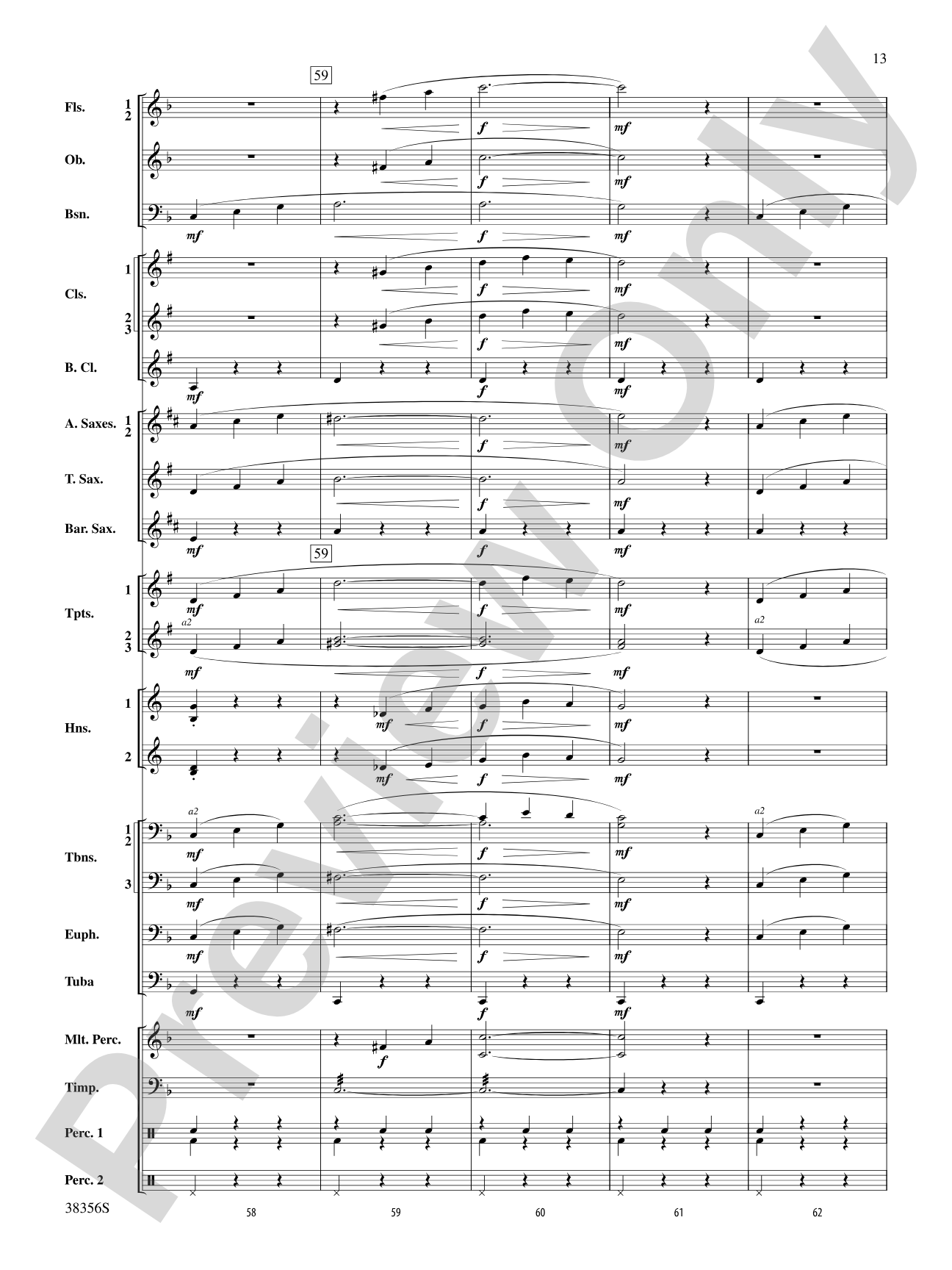
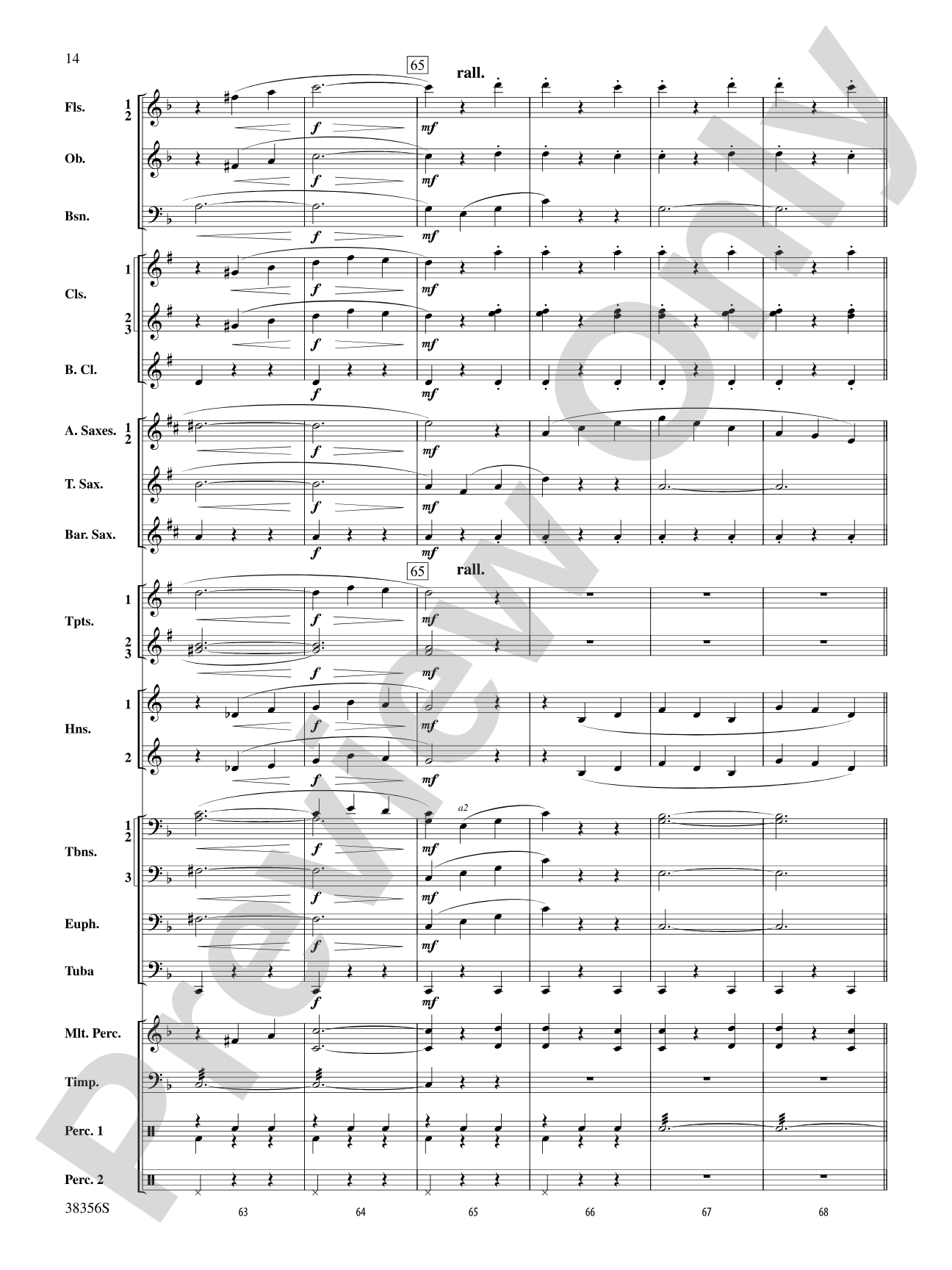
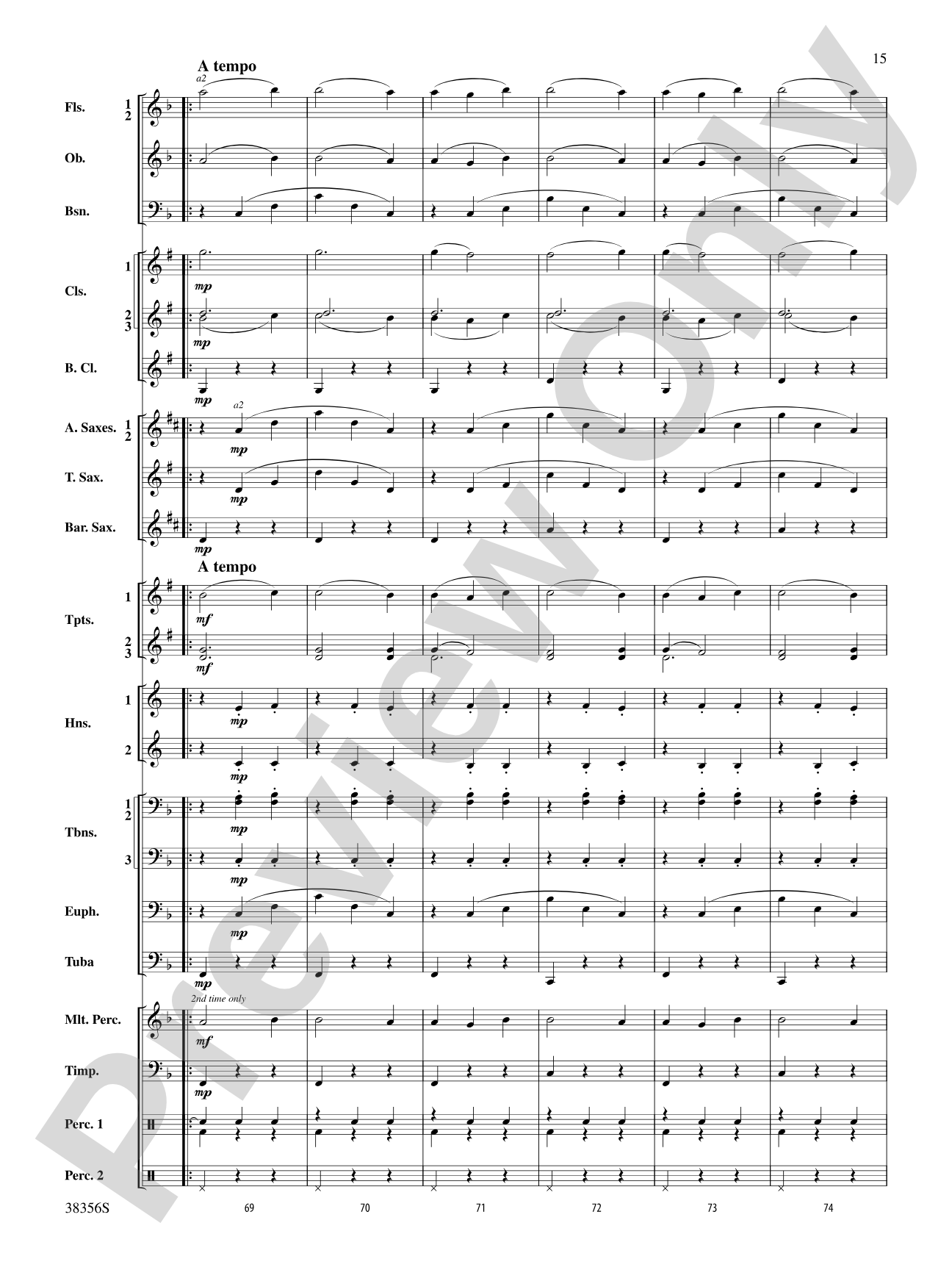
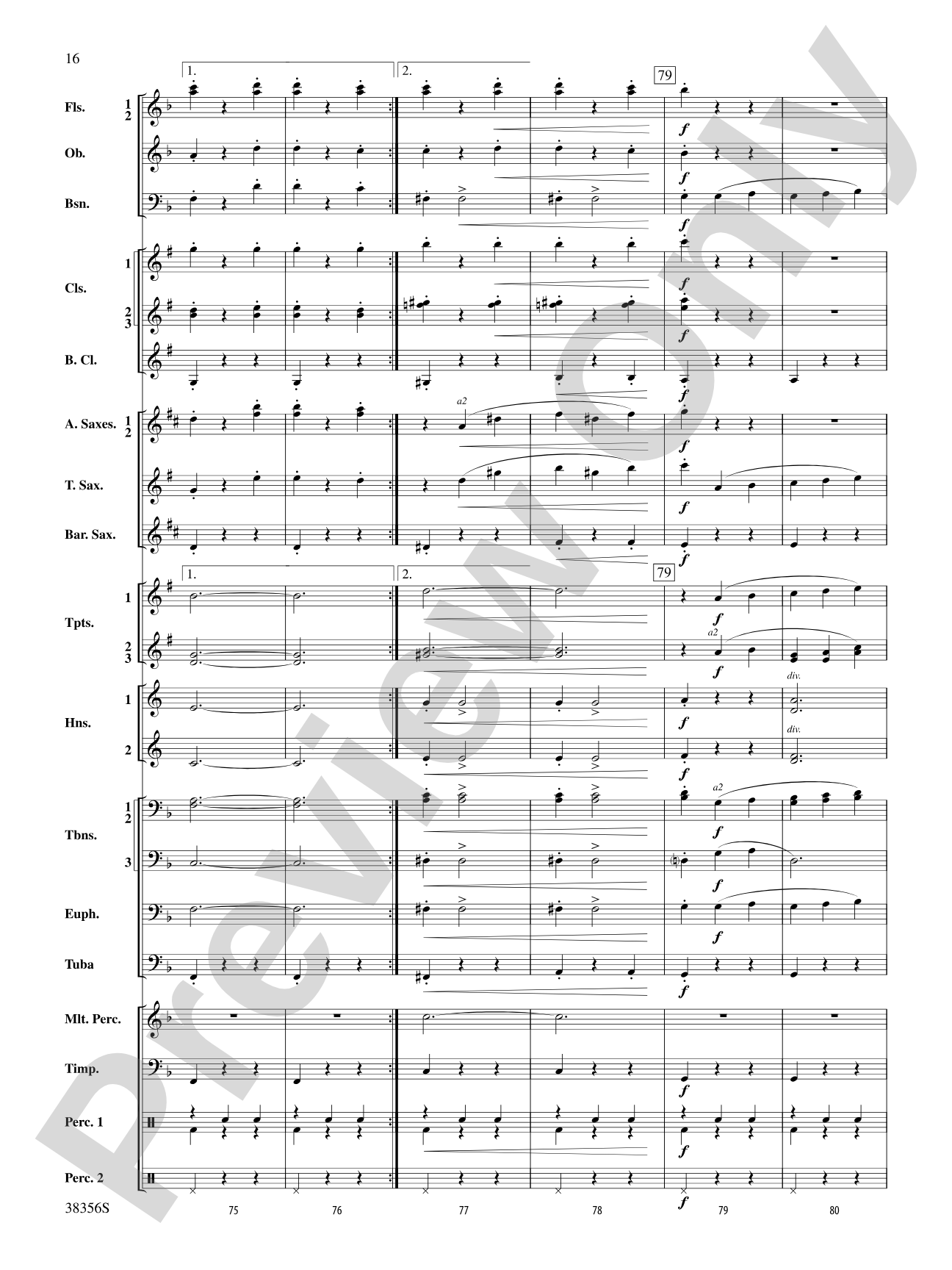
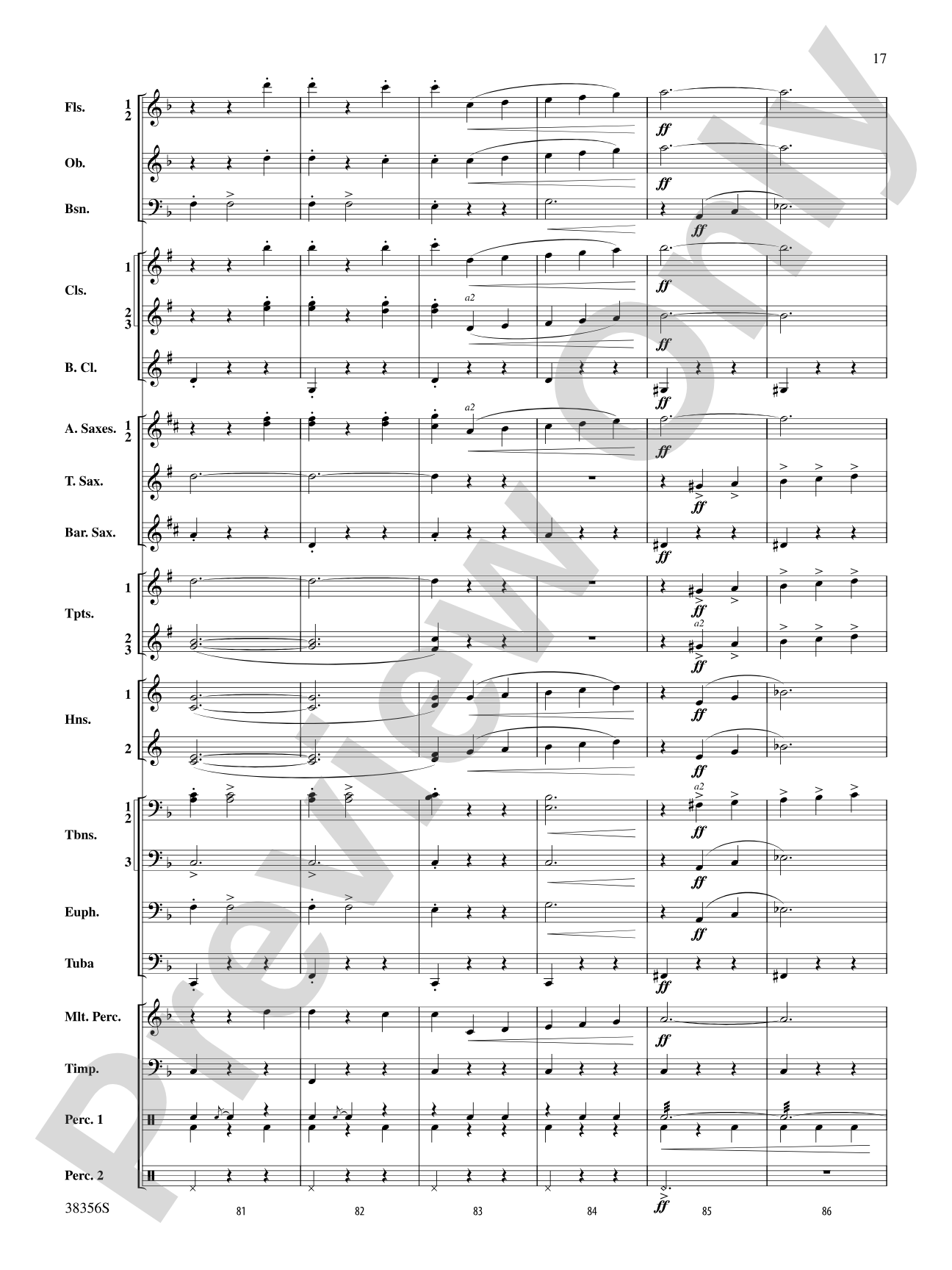
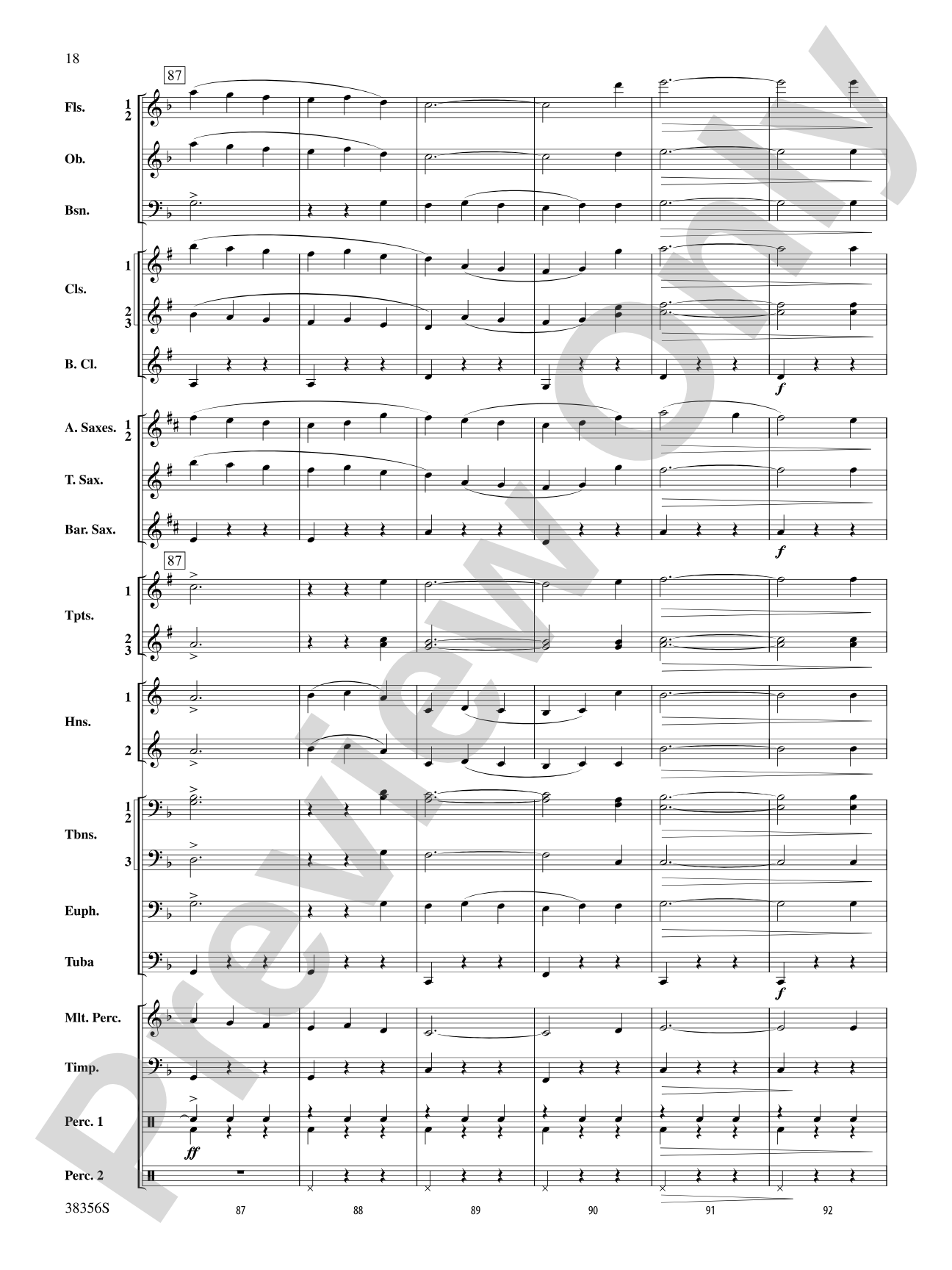
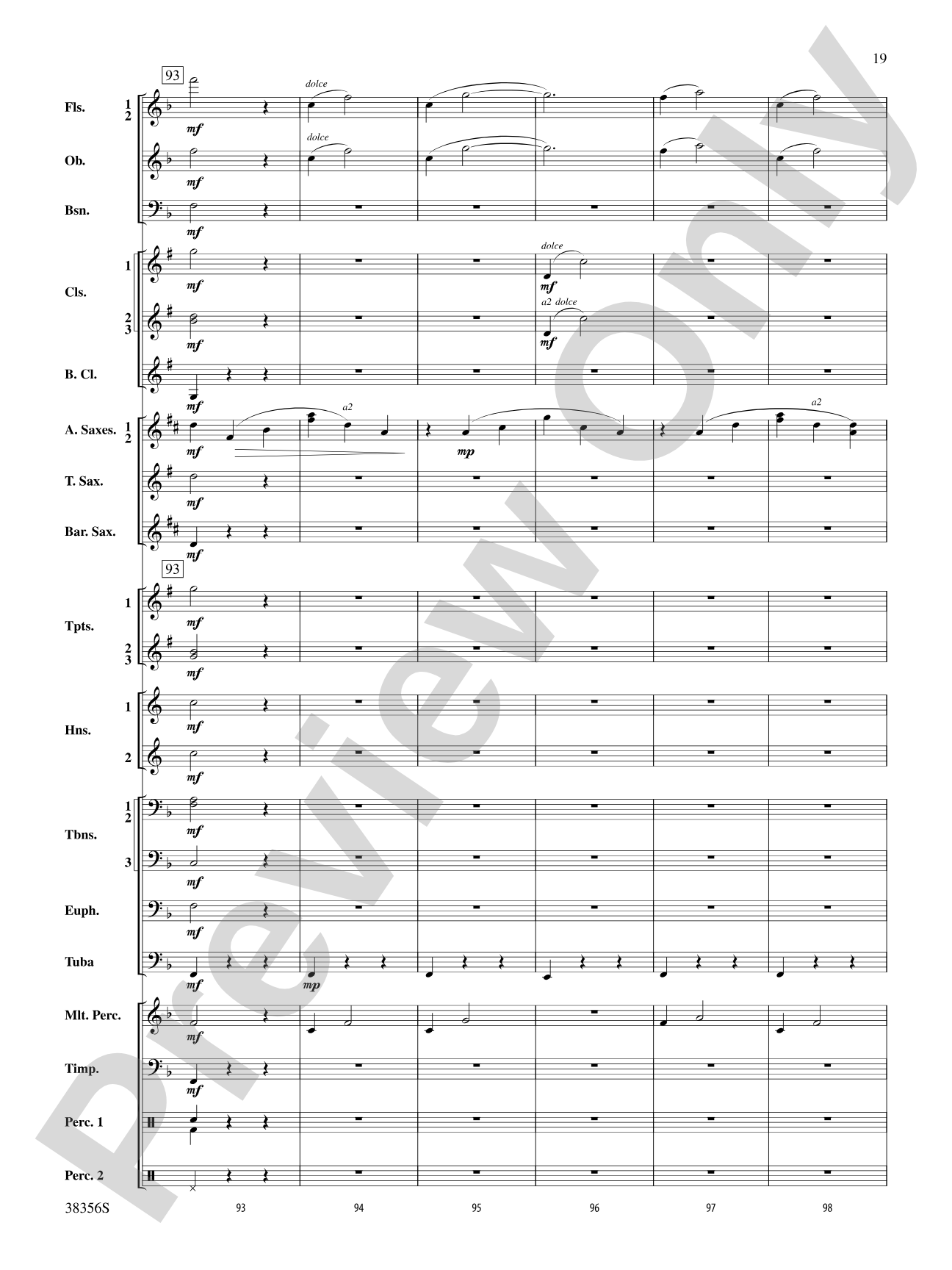
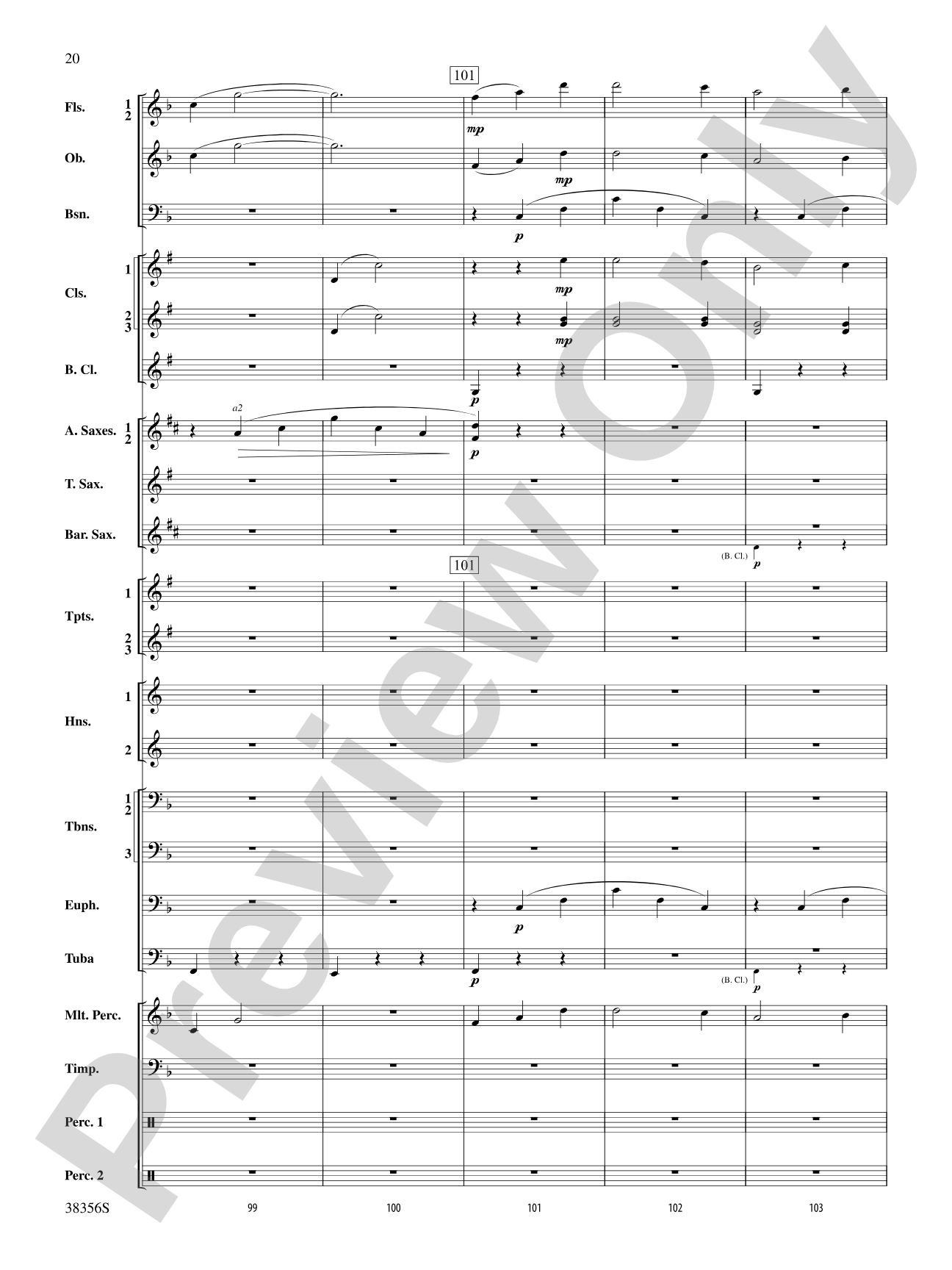
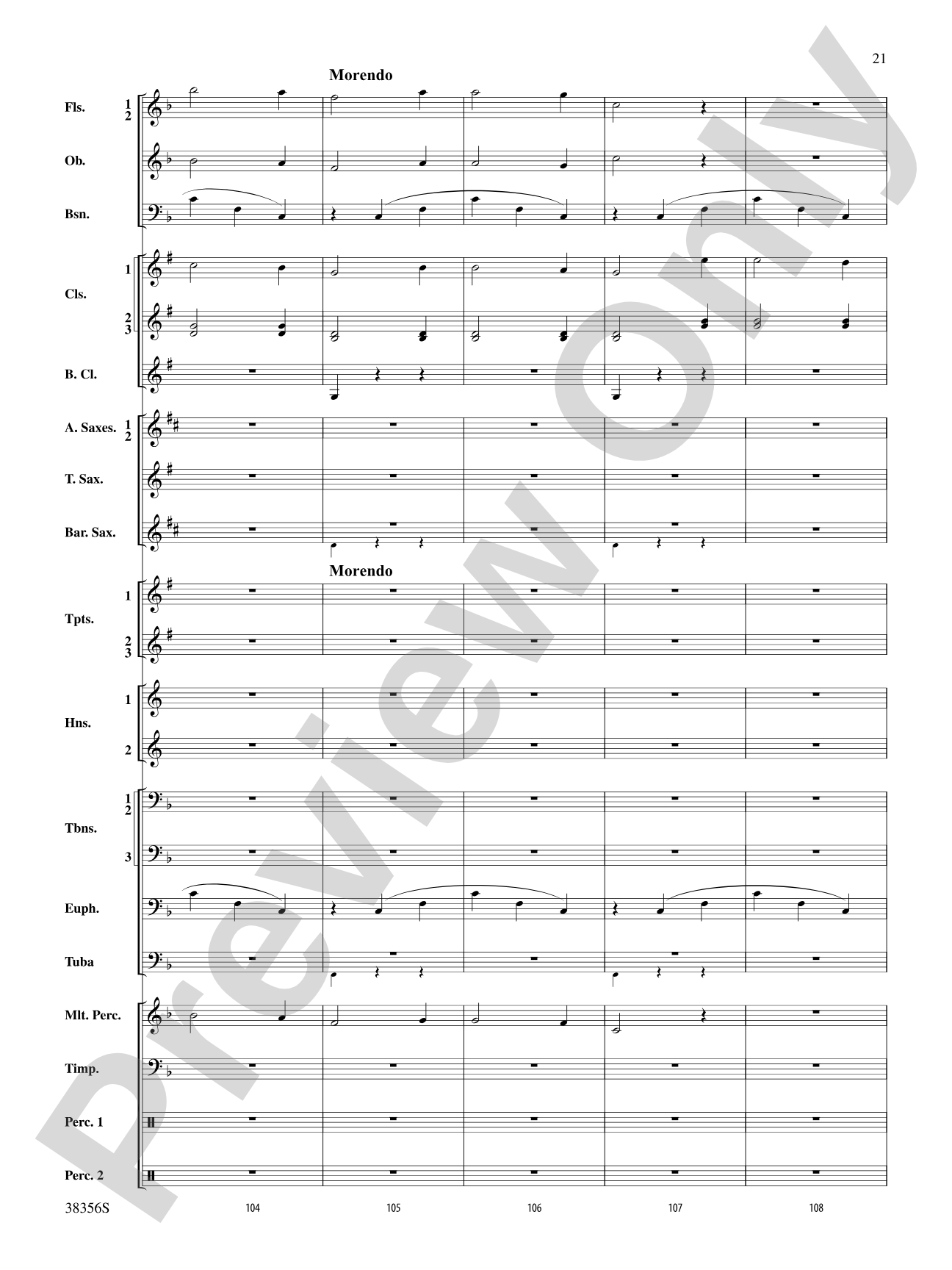
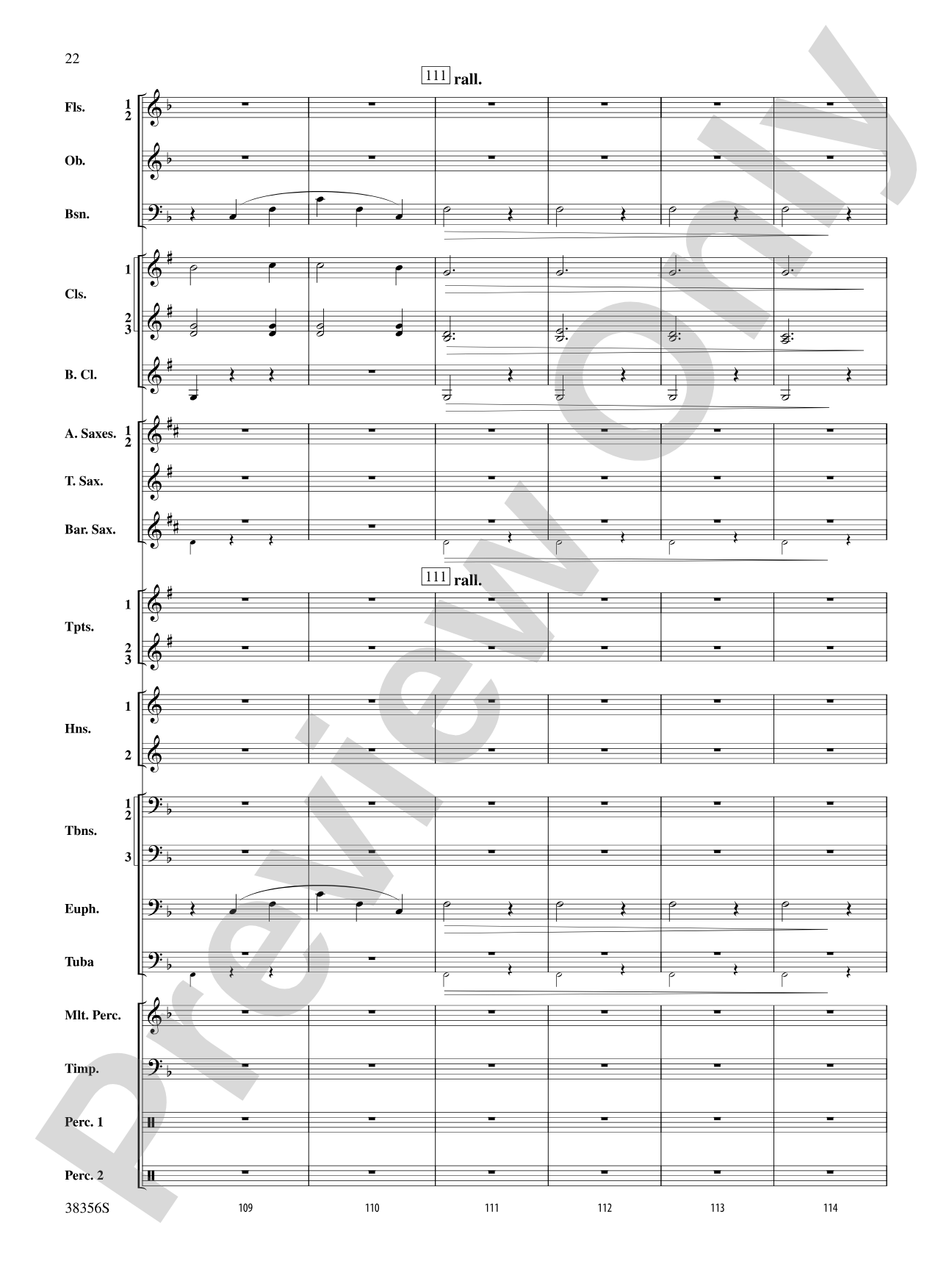
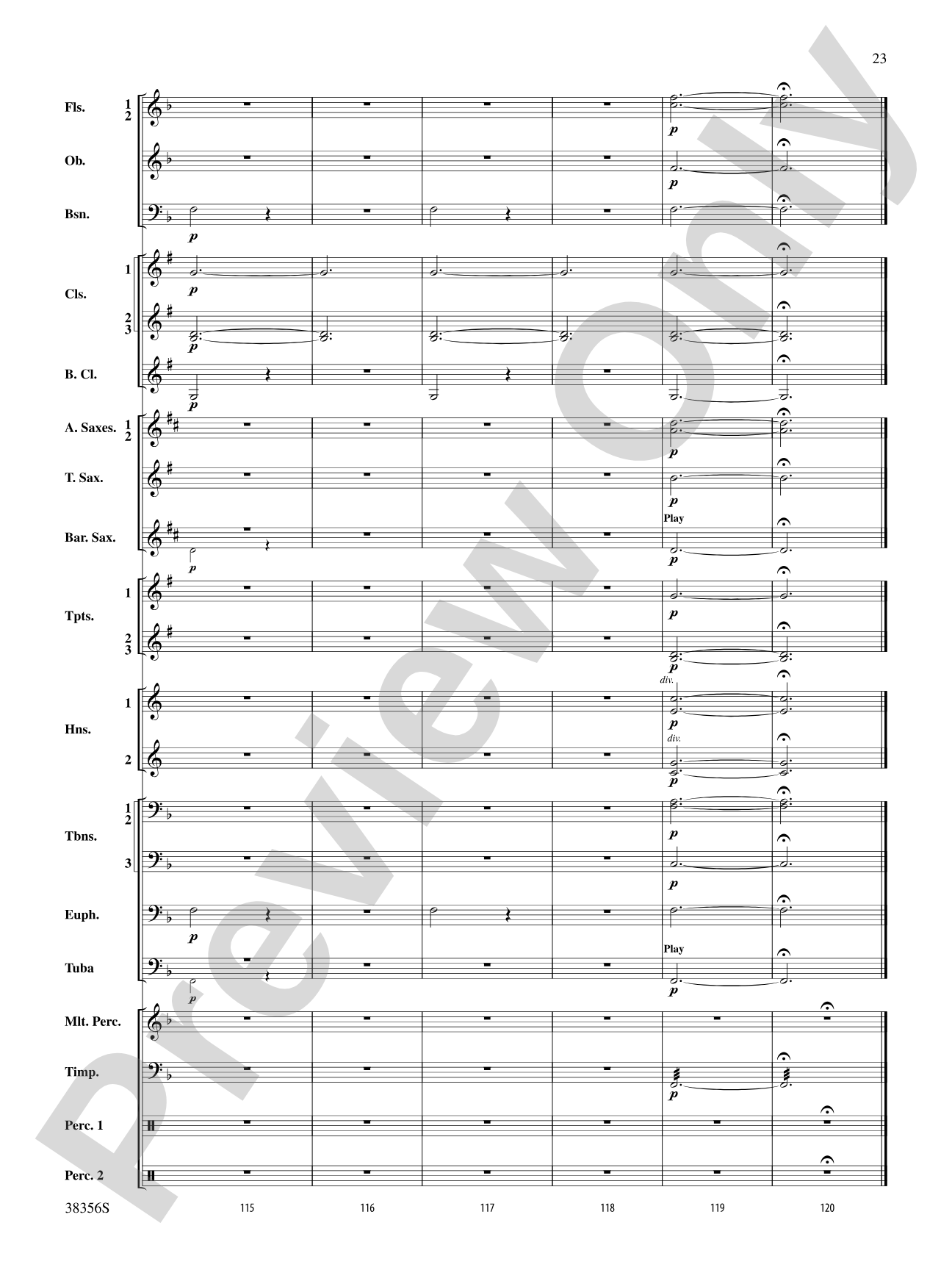


Barcarolle (from The Tales of Hoffman): Concert Band Conductor Score & Parts
By Jacques Offenbach / arr. Jack Bullock
Grade: 3 (Medium Easy)
Item: 00-PK-0005186

$70.00
Pickup currently not available
Buy Extra Parts (Digital PDF Download)
Parts Added to Cart!
Description
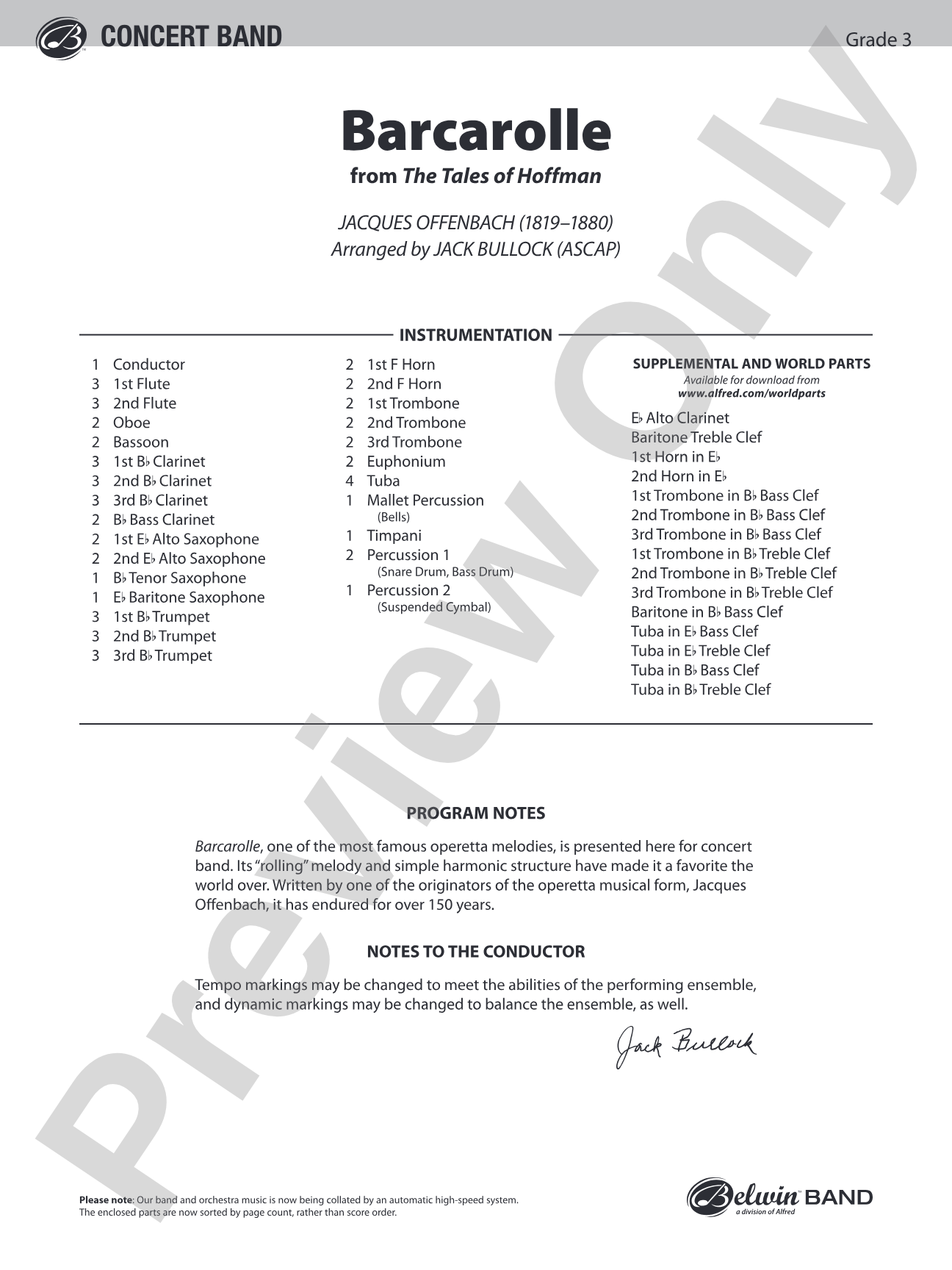
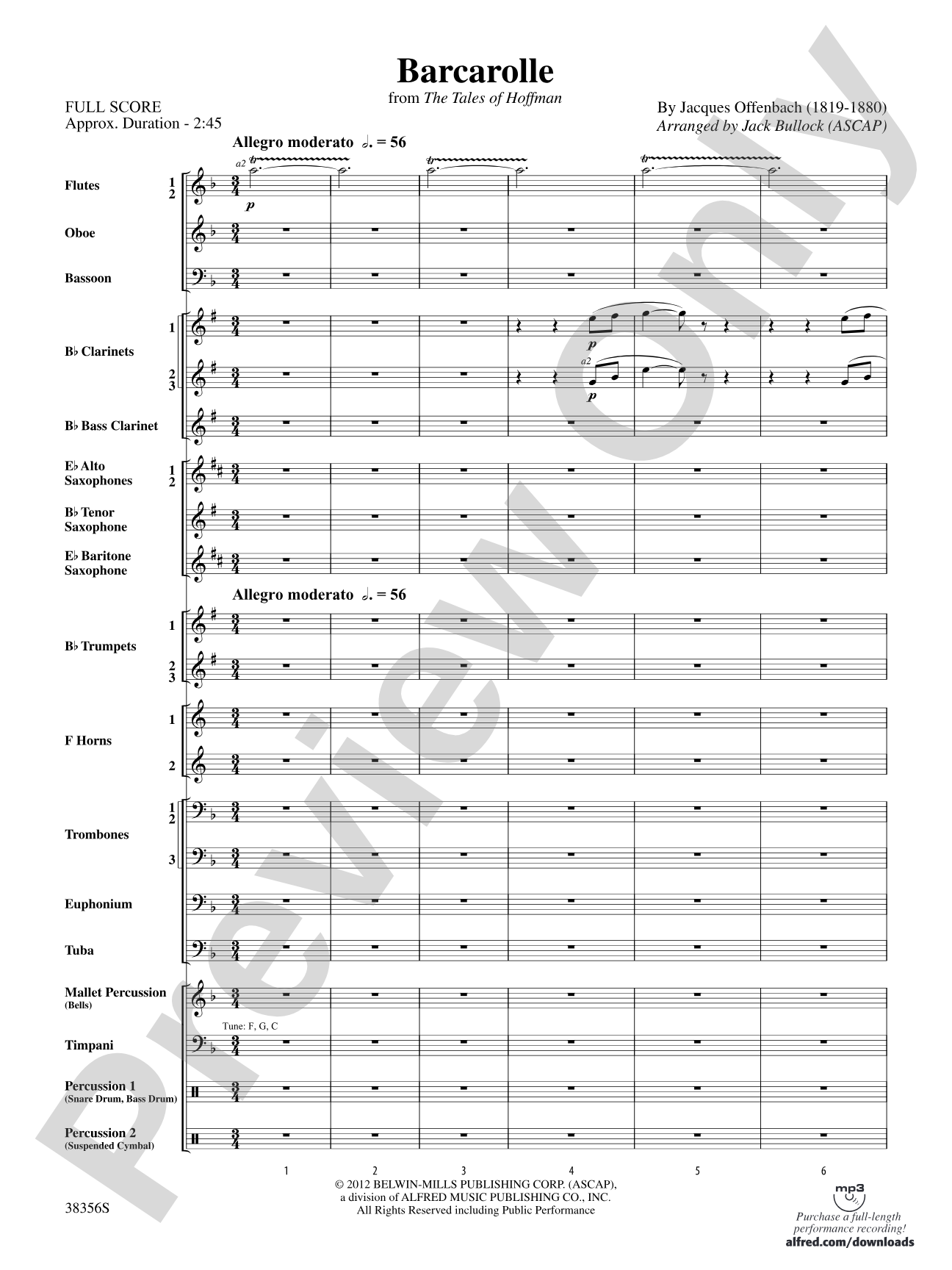
Barcarolle, one of the most famous operetta melodies, is presented here for concert band. Its "rolling" melody and simple harmonic structure have made it a favorite the world over. Written by one of the originators of the operetta musical form, Jacques Offenbach, it has endured for over 150 years. A historic work in a contemporary setting . . . a most musical gem!


Don't just read it, hear it, play along with it, and watch your students grow with it. In MakeMusic Cloud, Barcarolle (from The Tales of Hoffman): Concert Band Conductor Score & Parts comes alive with professional accompaniment, adjustable tempo, and built-in practice tools that turn solo practice into real progress.
Open in the Player
Jump straight in and assign it today.
Start Your Free Trial
Open this title and explore the full library in minutes.
Sample Audio
1
Audio File
--:--
0:00
0:00
Sample Video
No sample videos found.
Additional Details
Series:
Belwin Concert Band
Publisher:
Alfred Music
Page Count:
180
SKU:
00-PK-0005186
More about this title
About the Composer: Jacques Offenbach
Jacques Offenbach (1819, 1880) was a German-born French composer who fundamentally shaped operetta as a musical form. His gift for crafting unforgettable melodies paired with orchestral sophistication made him one of the most performed composers of the 19th century, and his influence on popular music endures today.
Offenbach's ability to write music that was both instantly appealing and genuinely sophisticated made him essential to music education. Teachers and conductors have long valued his works for demonstrating how accessibility and artistry coexist. The Barcarolle from Tales of Hoffmann stands as proof that a simple, rolling melody can achieve immortality.
Why we love this
Barcarolle is the rare arrangement that feels both authentic and immediately satisfying at Grade 3. Jack Bullock has preserved Offenbach's signature elegance while writing parts that sit naturally for developing concert band musicians. Directors will appreciate how much musical value arrives without excessive technical demand, making this piece a reliable crowd-pleaser that still teaches serious musicianship.
What to expect
Barcarolle evokes twilight on the Grand Canal, with a gentle swaying motion that feels both intimate and timeless. The rolling accompaniment cradles a soaring, operatic melody that sings with immediate charm and emotional warmth. There is nothing fussy or clever here, only the pure pleasure of a tune that has earned its place in the musical world through sheer beauty.
Who it's for
Concert band directors seeking a Romantic-era masterwork that teaches musicality without overwhelming developing players. High school and strong middle school bands will find the technical accessibility paired with genuine artistic substance. Audiences at any level respond immediately to this melody, making it an excellent choice when you want to showcase your band's ability to make beautiful music together.
How to get the most out of it
- Shape the melody with consistent phrase breathing. The rolling character of the Barcarolle comes from long, connected lines rather than choppy articulation.
- Balance the accompaniment voices carefully; this arrangement will only sing if the harmonic foundation stays warm and transparent underneath the soloists.
- Allow the harmonic progressions room to breathe. Offenbach's simplicity is deceptive, each chord change matters, so avoid rushing through transitions.
- Bring out the character difference between the main theme and any contrasting sections. Subtle dynamic shifts will enhance the piece without requiring extreme changes.
How to use it
Program Barcarolle as a bridge between heavier Romantic repertoire and lighter contemporary works. Its Grade 3 accessibility makes it ideal for a spring concert's opening, giving your ensemble an early win with a piece audiences genuinely love. It also pairs naturally with other 19th-century theatrical music, allowing you to build a thematic concert around operetta and musical theater.
Skills your students will build
- Singing through full phrases with consistent dynamic support
- Balancing melody and accompaniment in thick textures
- Interpreting Romantic-era rubato and expressive phrasing
- Matching articulation and tone across woodwind doublings
- Reading concert band score relationships and harmonic function