Barcarolle and Scherzetto for Horn and Piano Cover Image

Barcarolle and Scherzetto for Horn and Piano: F Horn Solo Book

$5.95 USD
Sale price  $5.95 USD Regular price 
Skip to product information
Barcarolle and Scherzetto for Horn and Piano Cover Image

Barcarolle and Scherzetto for Horn and Piano: F Horn Solo Book

By Edmund J. Siennicki

Grade: 3

Item: 36-10520441

$5.95
Shipped

One moment…

Description
BARCAROLLE refers to the song of the Venetian gondolier. It is a quiet, calm song which the soloist plays in a legato style, while the accompanist's lilting 6/8 rhythm is regularly met with a measure in 9/8. SCHERZETTO is a quick, playful, spirited dance-like piece. Versions for horn, bass clarinet, bassoon, baritone saxophone, and mallet percussion are available from the publisher.

Barcarolle and Scherzetto for Horn and Piano: F Horn Solo Book isn't in MakeMusic Cloud just yet...but it could be. Let us know you'd like to see it, and you'll help shape what comes next. In the meantime, start a free trial and dive into thousands of interactive titles your students can play along with today.

Sample Pages

No sample pages found.

Sample Audio
No sample audio found.
Sample Video
Additional Details
Series: LudwigMasters Brass Series
Publisher: Keiser Productions, Inc.
ISBN10: 1-62-156515-7
ISBN13: 978-1-62-156515-4
UPC: 735816016708
SKU: 36-10520441
Instrumentation: F Horn Solo and Piano

More about this title

About the Composer: Edmund J. Siennicki
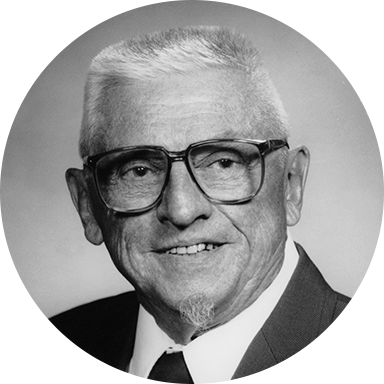
Edmund J. Siennicki

Edmund J. Siennicki was born in Cleveland, Ohio in 1920 and began composing at an early age. A formative encounter with pianist Ignacy Jan Paderewski at age 12 profoundly shaped his artistic direction and commitment to music education. He earned his Bachelor's degree from Kent State University, where he composed the school's fight song, still performed at athletic events today. His graduate studies at Teachers College, Columbia University included composition study with Herbert Elwell, electronic music with Sergio Barroso, and consultation with the renowned Vincent Persichetti.

Siennicki spent much of his career teaching in Cleveland's junior high schools while also serving on the faculty at Michigan and Kent State University. He performed professionally as a bassoonist and pianist, bringing practical instrumental knowledge to his compositional work. His output includes approximately 200 published compositions, many of which have won recognition in National School Orchestra composition contests. He served as composer in residence at the MacDowell Colony on two separate occasions and has received continuous awards from ASCAP for the past two decades. He remains actively engaged in composing and conducting educational clinics in schools.

Why we love this

Siennicki writes with a keen understanding of what horn players need at the intermediate level: technically accessible material that doesn't sacrifice musical substance. The contrasting pair of movements gives students a chance to explore both legato lyricism and rhythmic precision without overreaching, making this a reliable choice for recitals and solo competitions.

What to expect

The Barcarolle evokes the gentle rocking of a Venetian gondola, with the soloist's warm, singing line floating above a gently swaying accompaniment that playfully shifts meter just enough to keep the ear engaged. Scherzetto flips the mood entirely, bouncing with mischievous energy and dance-like character that keeps both performer and listener on their toes.

Who it's for

Horn students at the Grade 3 level who are ready for a two-movement piece that combines sustained melodic playing with rhythmic agility. This work suits players preparing for recitals, competitions, or ensemble showcases where a concise solo with strong contrasts makes an impression.

How to get the most out of it

  • Shape the Barcarolle's legato line with long phrases supported by steady air; resist the temptation to break the line when the piano's rhythmic pattern shifts between 6/8 and 9/8.
  • Secure the rhythmic foundation in Scherzetto by locking in with the pianist's tempo before attempting character or articulation; the dance-like energy emerges once the pulse is solid.
  • In the Barcarolle, let the piano's lilting accompaniment breathe naturally even as you maintain your melodic line; the metric shifts are written to create gentle rubato, not confusion.

How to use it

Pair this with other Grade 3 solos to create a solo recital that moves between moods, or program the Barcarolle alone as a lyrical interlude between larger ensemble works. The Scherzetto works especially well as an appetizer, catching attention with its spirited character before launching into weightier repertoire.

Skills your students will build

  • Legato phrasing and breath control over extended melodic lines
  • Rhythmic flexibility and coordination with changing metric patterns (6/8 and 9/8)
  • Stylistic contrast between lyrical and dance-like textures
  • Collaborative listening and ensemble balance with piano accompaniment

You May Also Like