Barcarolle and Scherzetto for Bassoon and Piano Cover Image

Barcarolle and Scherzetto for Bassoon and Piano: Bassoon Solo Book

$5.95 USD
Sale price  $5.95 USD Regular price 
Skip to product information
Barcarolle and Scherzetto for Bassoon and Piano Cover Image

Barcarolle and Scherzetto for Bassoon and Piano: Bassoon Solo Book

By Edmund J. Siennicki

Grade: 3

Item: 36-10430441

$5.95
Shipped

One moment…

Description
BARCAROLLE refers to the song of the Venetian gondolier. It is a quiet, calm song which the soloist plays in a legato style, while the accompanist's lilting 6/8 rhythm is regularly met with a measure in 9/8. SCHERZETTO is a quick, playful, spirited dance-like piece. Versions for horn, bass clarinet, bassoon, baritone saxophone, and mallet percussion are available from the publisher.

Barcarolle and Scherzetto for Bassoon and Piano: Bassoon Solo Book isn't in MakeMusic Cloud just yet...but it could be. Let us know you'd like to see it, and you'll help shape what comes next. In the meantime, start a free trial and dive into thousands of interactive titles your students can play along with today.

Sample Pages

No sample pages found.

Sample Audio
No sample audio found.
Sample Video
Additional Details
Series: LudwigMasters Woodwind Series
Publisher: Keiser Productions, Inc.
ISBN10: 1-62-156512-2
ISBN13: 978-1-62-156512-3
UPC: 735816015107
SKU: 36-10430441
Instrumentation: Bassoon and Piano

More about this title

About the Composer: Edmund J. Siennicki
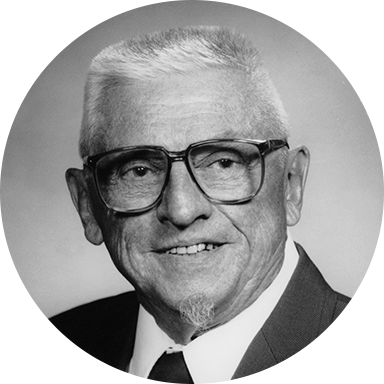
Edmund J. Siennicki

Edmund J. Siennicki was born in Cleveland, Ohio in 1920. At twelve years old, he had a formative conversation with Ignacy Jan Paderewski that shaped his artistic path. He earned his Bachelor's degree from Kent State University, where he composed Fight on for KSU, the university's football fight song still performed today. In 1994, Kent State presented him with the Distinguished Alumnus Award.

Siennicki completed his MA at Teachers College, Columbia University, studying composition under Herbert Elwell and electronic music with Sergio Barroso while consulting with Vincent Persichetti. He performed professionally as a bassoon and piano player, and his compositions have garnered prizes in the National School Orchestra composition contests. He served as composer in residence at the MacDowell Colony twice and has approximately 200 published compositions to his name. His teaching work centered in Cleveland's junior high schools, though he also held faculty positions at Michigan and Kent State University. He continues to compose, visit schools, and conduct clinics.

Why we love this

Siennicki gives young bassoonists two contrasting pieces that each demand different technical and musical approaches. The Barcarolle's legato lyricism paired with the piano's metric complexity (alternating 6/8 and 9/8) teaches rhythmic independence and phrase pacing, while the Scherzetto's spirited character builds articulation clarity and rhythmic precision. Together they offer a compact recital pairing that demonstrates range without overwhelming a developing soloist.

What to expect

The Barcarolle evokes a quiet moment on a Venetian canal, with the bassoon singing a calm, gentle melody while the piano gently rocks beneath it. The Scherzetto shifts instantly into playful mischief, crackling with energy and forward motion like a witty dance that refuses to slow down.

Who it's for

Intermediate bassoonists at the Grade 3 level who are ready to move beyond purely technical etudes into expressive, character-driven repertoire. This pairing suits students preparing for a first recital or those seeking music that combines lyrical playing with rhythmic sophistication.

How to get the most out of it

  • Shape the Barcarolle's legato line as a single, unbroken melody that floats above the gondola-like rhythmic motion of the piano accompaniment.
  • Stay locked with the pianist on the metric shifts between 6/8 and 9/8 in the Barcarolle; mark these transition points clearly in rehearsal to maintain ensemble cohesion.
  • Bring rhythmic clarity and buoyancy to the Scherzetto's dance character; resist rushing even as the tempo feels light and spirited.
  • Use the contrast between the two pieces to showcase your command of tone color and articulation style.

How to use it

Program these pieces as a solo spot during a chamber recital or pops concert, where their contrasting moods create a satisfying arc. They work equally well as a self-contained recital set for a young soloist's debut performance.

Skills your students will build

  • Legato phrasing and long-line singing on the bassoon
  • Rhythmic independence from the accompaniment in mixed meters (6/8 and 9/8)
  • Quick articulation and rhythmic clarity in fast, spirited passages
  • Musical character and stylistic contrast within a single work
  • Ensemble listening and coordination with piano accompaniment

You May Also Like