Barcarolle and Scherzetto for Baritone Saxophone and Piano Cover Image

Barcarolle and Scherzetto for Baritone Saxophone and Piano: Baritone Saxophone, Solo with Piano, Solo and Piano

$5.95 USD
Sale price  $5.95 USD Regular price 
Skip to product information
Barcarolle and Scherzetto for Baritone Saxophone and Piano Cover Image

Barcarolle and Scherzetto for Baritone Saxophone and Piano: Baritone Saxophone, Solo with Piano, Solo and Piano

By Edmund J. Siennicki

Grade: 3

Item: 36-10470441

$5.95
Shipped

One moment…

Description
BARCAROLLE refers to the song of the Venetian gondolier. It is a quiet, calm song which the soloist plays in a legato style, while the accompanist's lilting 6/8 rhythm is regularly met with a measure in 9/8. SCHERZETTO is a quick, playful, spirited dance-like piece. Versions for horn, bass clarinet, bassoon, baritone saxophone, and mallet percussion are available from the publisher.

Barcarolle and Scherzetto for Baritone Saxophone and Piano: Baritone Saxophone, Solo with Piano, Solo and Piano isn't in MakeMusic Cloud just yet...but it could be. Let us know you'd like to see it, and you'll help shape what comes next. In the meantime, start a free trial and dive into thousands of interactive titles your students can play along with today.

Sample Pages

No sample pages found.

Sample Audio
No sample audio found.
Sample Video
Additional Details
Series: LudwigMasters Woodwind Series
Publisher: Keiser Productions, Inc.
ISBN10: 1-62-156514-9
ISBN13: 978-1-62-156514-7
UPC: 660355074172
SKU: 36-10470441
Instrumentation: Baritone Saxophone and Piano

More about this title

About the Composer: Edmund J. Siennicki
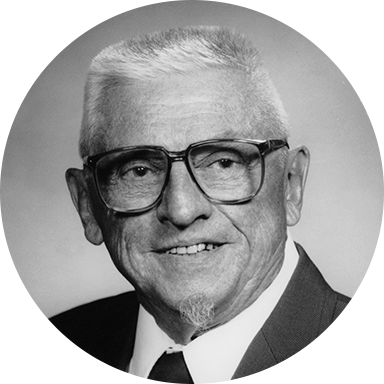
Edmund J. Siennicki

Edmund J. Siennicki grew up in Cleveland and studied composition at Kent State University, where he later earned the Distinguished Alumnus Award from the School of Music in 1994. A pivotal moment came at age 12 when he met pianist Ignacy Jan Paderewski; that conversation shaped his artistic vision for decades to come. He went on to earn his MA from Teachers College at Columbia University, studying composition with Herbert Elwell and electronic music with Sergio Barroso while consulting with Vincent Persichetti.

Siennicki built a dual career as both educator and composer. He spent most of his teaching years in Cleveland's junior high schools while also holding faculty positions at Michigan State and Kent State. As a performer, he played bassoon and piano professionally. His catalog now includes roughly 200 published compositions, and he has received ASCAP awards consistently for the past two decades. His work remains rooted in the pedagogical tradition, writing music that challenges students while remaining deeply musical.

Why we love this

Siennicki gives baritone saxophone players two contrasting moods in a single package, letting you program something substantial without demanding a full recital. The Barcarolle's rhythmic sophistication in the piano part (those 9/8 measures breaking up the 6/8 lilt) rewards sensitive accompanists while keeping the soloist focused on the legato line.

What to expect

The Barcarolle evokes a quiet journey through Venice's waterways, with the pianist's rhythmic rocking motion beneath the soloist's smooth, singing melody. The Scherzetto shifts gears entirely, becoming a bouncy, lighthearted interlude that feels closer to a character dance than a concert etude.

Who it's for

Intermediate baritone saxophone students ready to handle metric variety and control a legato line with musical intention. The pairing works equally well for recital performances or concert programming where you need a solo with character and no fuss.

How to get the most out of it

  • Establish the gondola-song character by having the pianist find a gentle lilt in the 6/8 sections before rehearsing the full piece; this sets the emotional baseline for the soloist's legato phrases.
  • Mark the meter changes (6/8 to 9/8) in both parts so they function as intentional musical gestures, not disruptions. The piano especially needs to feel the slight expansion, not fight it.
  • In the Scherzetto, separate the dance energy from mere fast playing. Spirited doesn't mean rushed; lock into the groove and let the playfulness live in the articulation and phrasing choices.

How to use it

Open a concert with the Barcarolle for an intimate moment, then use the Scherzetto to transition into something more energetic. Alternatively, frame both pieces together as a complete solo recital item, letting the contrast between them showcase the range your baritone player has developed.

Skills your students will build

  • Legato phrasing and long-line singing on baritone saxophone
  • Reading mixed meters (6/8 and 9/8) in a musical context
  • Collaboration with a pianist through rhythmic subtlety rather than just keeping time
  • Character-driven performance choices that distinguish between lyrical and playful material

You May Also Like