
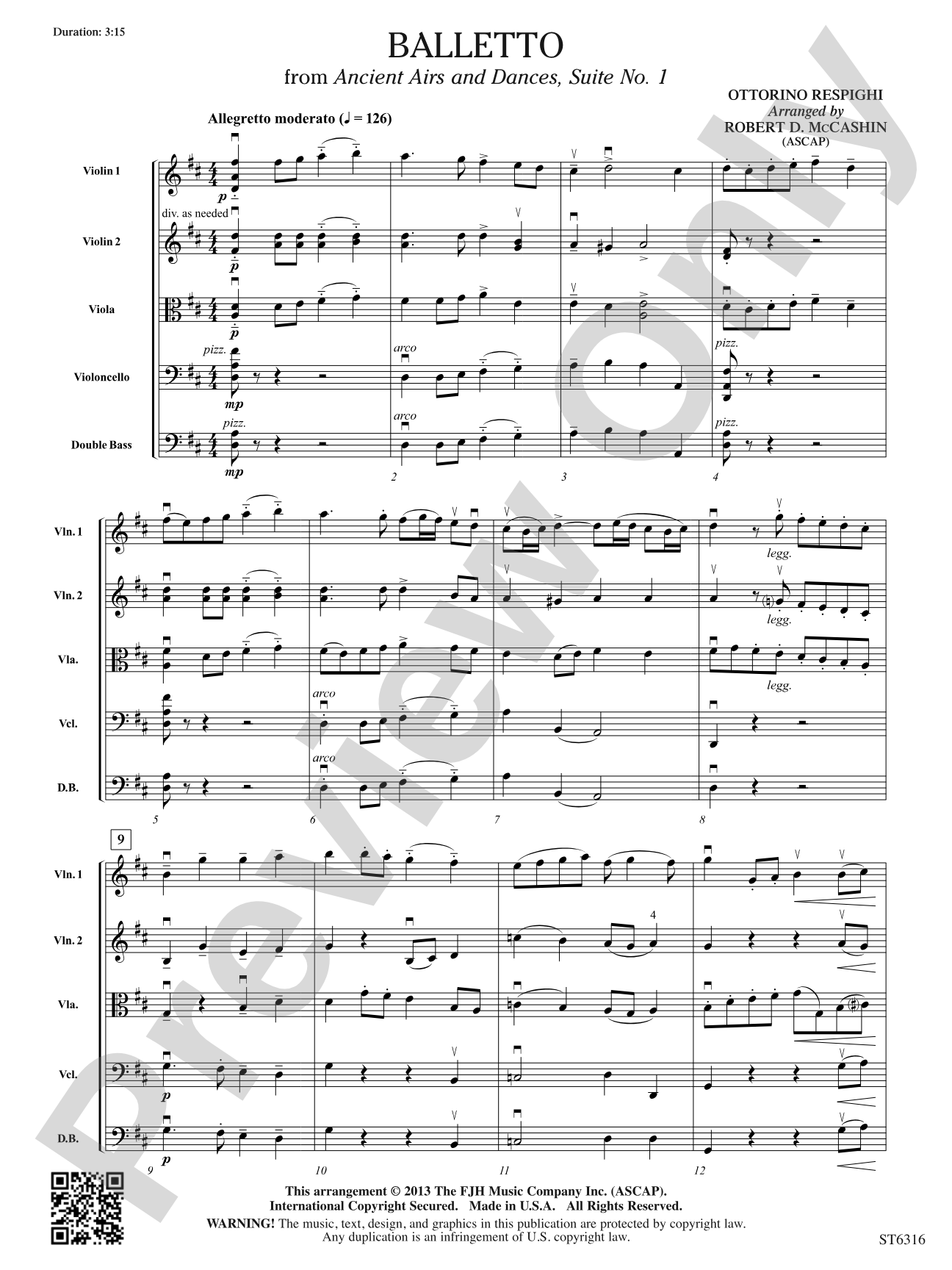
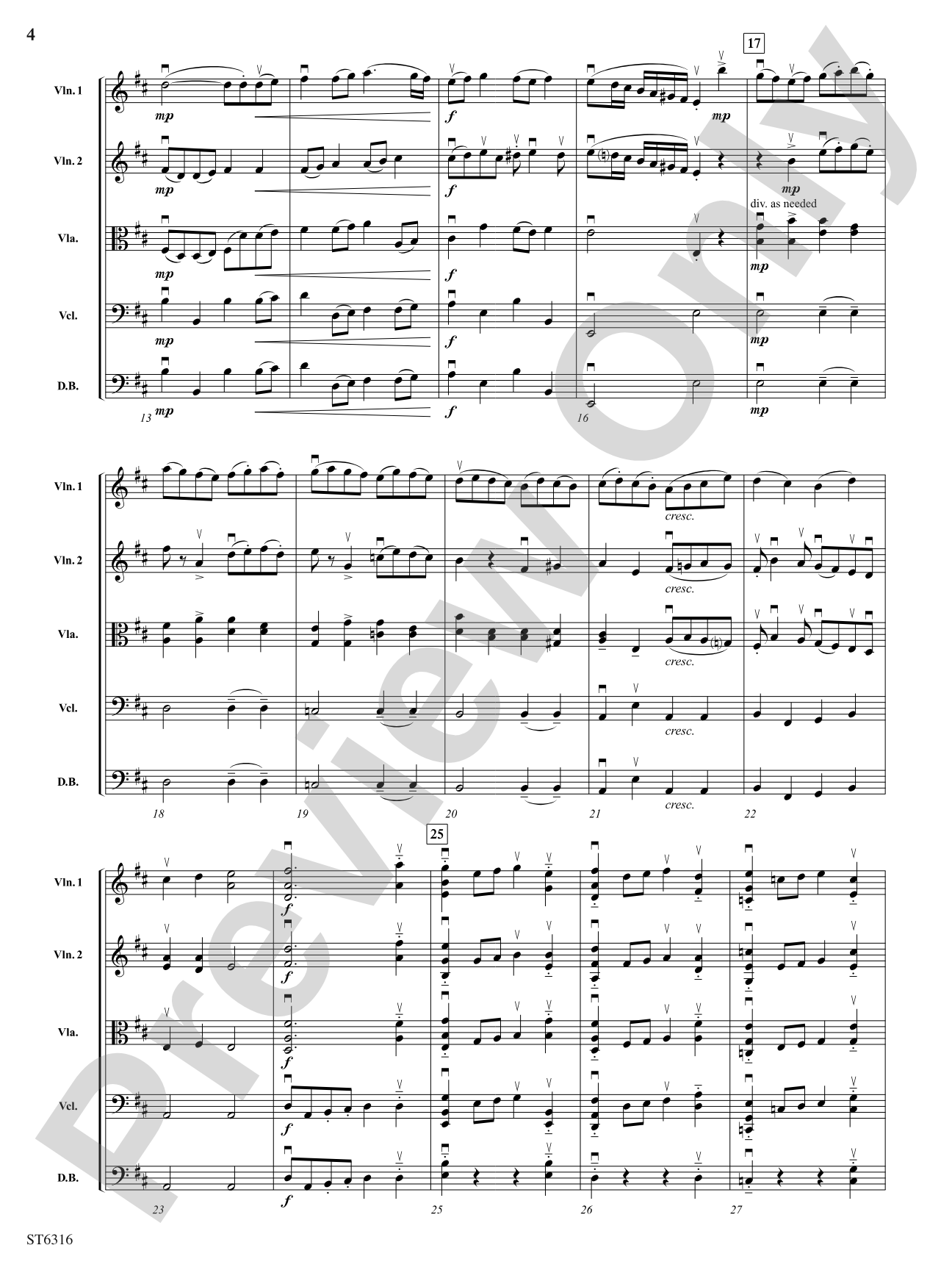
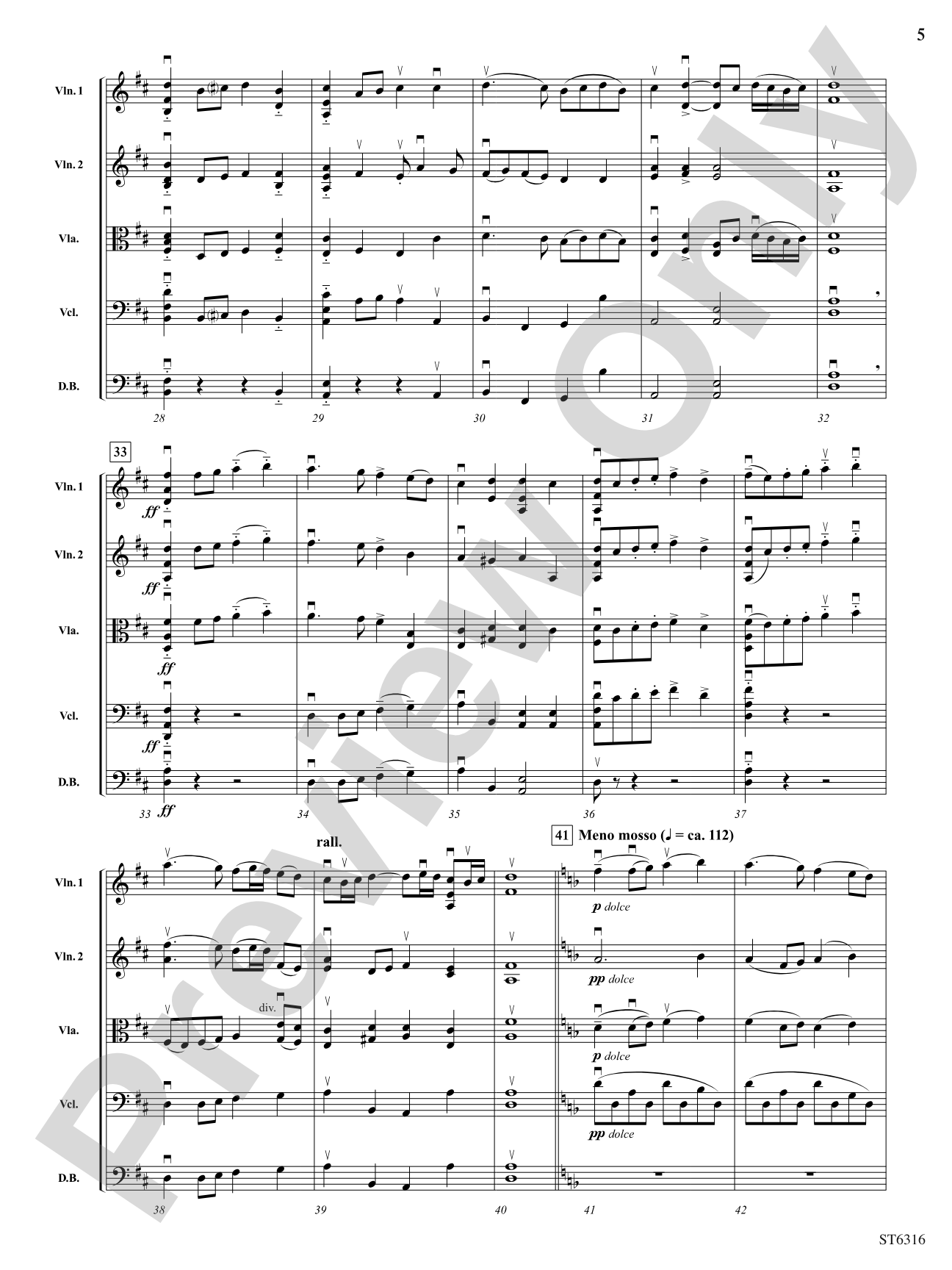
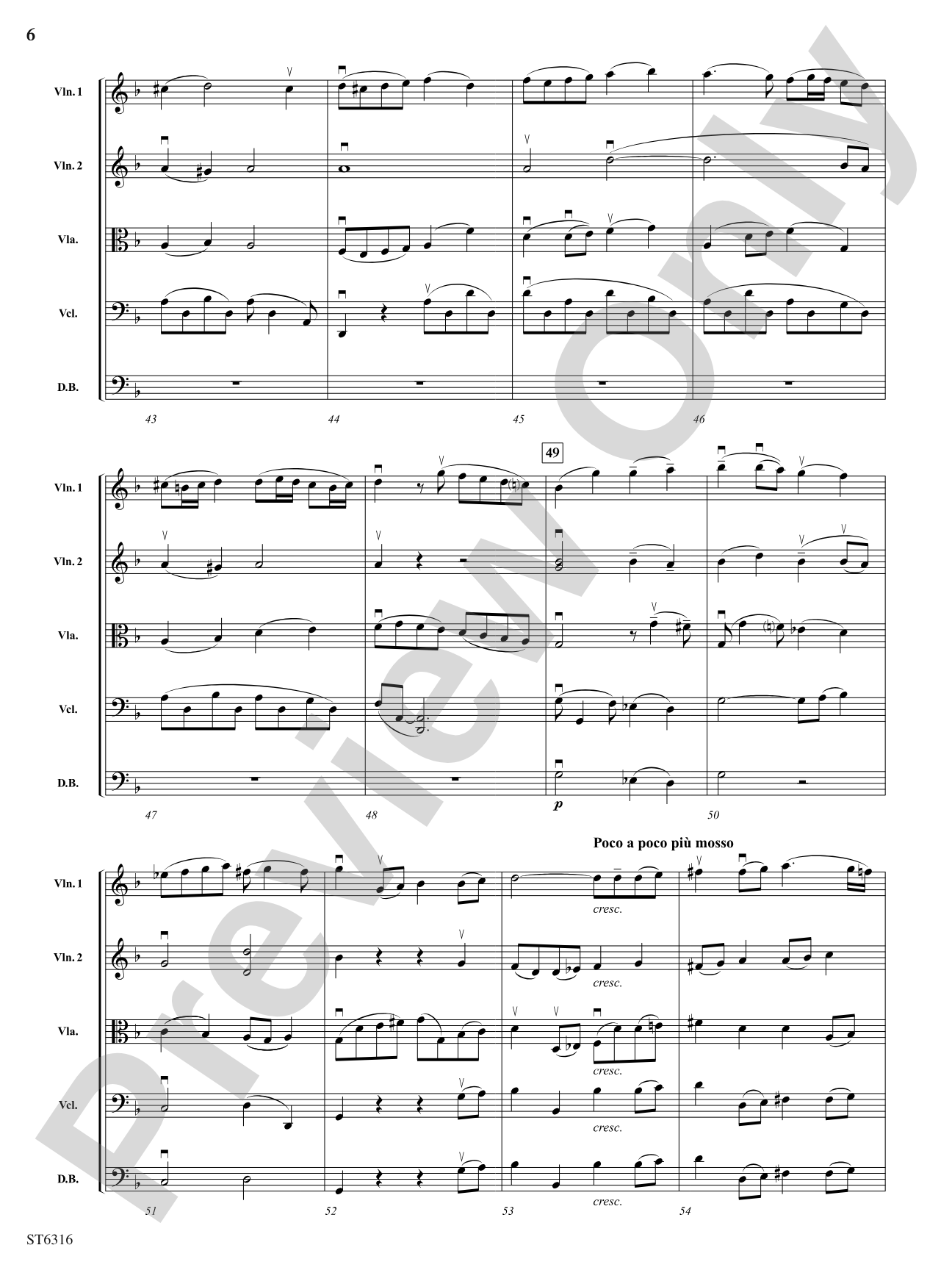
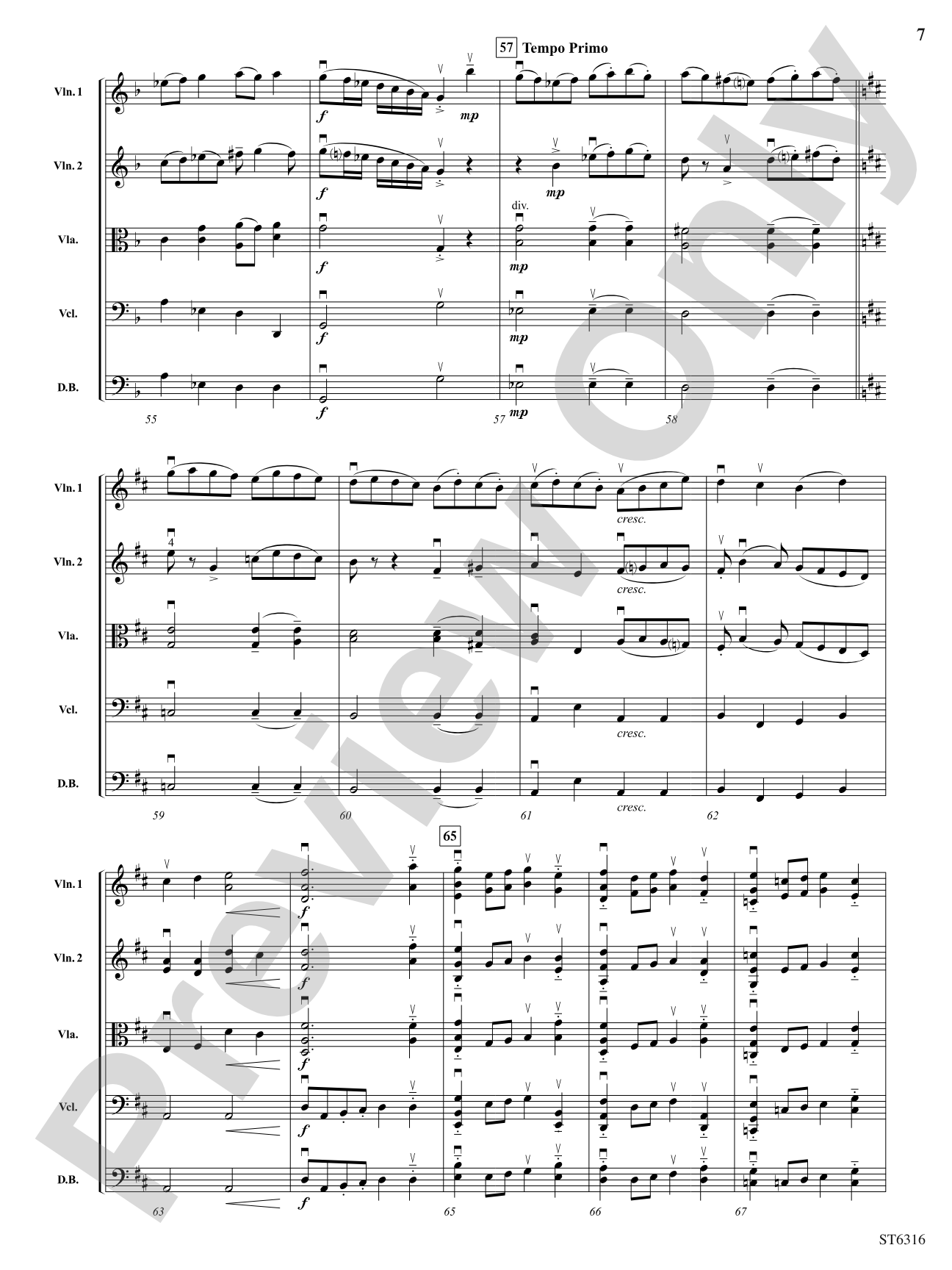
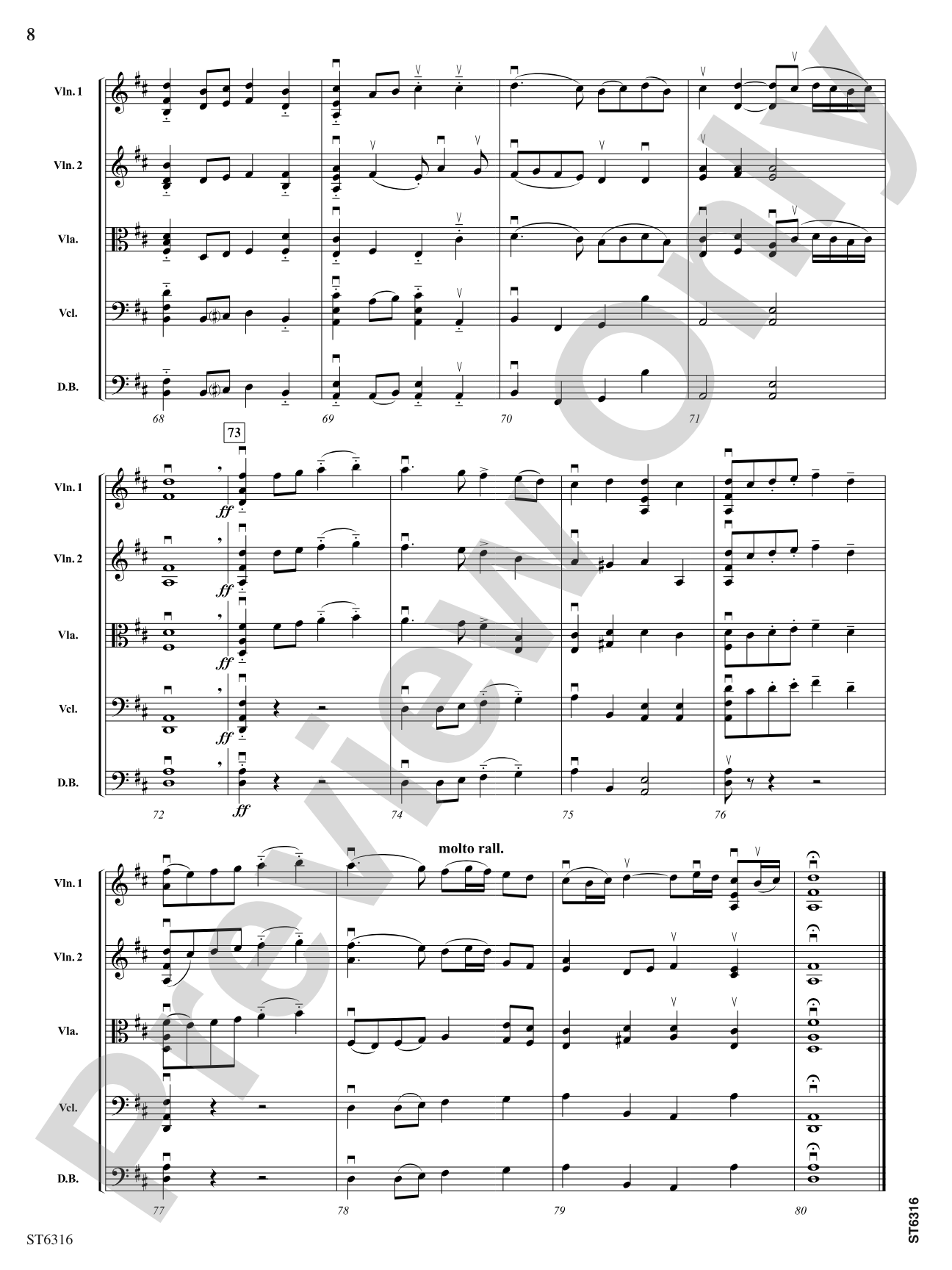

Balletto: Score
By Ottorino Respighi / arr. Robert D. McCashin
Grade: 3.5
Item: 98-DST6316S
$5.00
Pickup currently not available
Description
Showcase the spectacular music of Respighi in this uncompromising arrangement. The broad, open harmonies, melodies and rhythms are reminiscent of the Renaissance, yet incorporate the modern compositional style of a master composer. A win all around!


Don't just read it, hear it, play along with it, and watch your students grow with it. In MakeMusic Cloud, Balletto: Score comes alive with professional accompaniment, adjustable tempo, and built-in practice tools that turn solo practice into real progress.
Open in the Player
Jump straight in and assign it today.
Start Your Free Trial
Open this title and explore the full library in minutes.
Sample Audio
1
Audio File
--:--
0:00
0:00
Sample Video
No sample videos found.
Additional Details
Series:
FJH String Orchestra
Publisher:
The FJH Music Company, Inc.
SKU:
98-DST6316S
More about this title
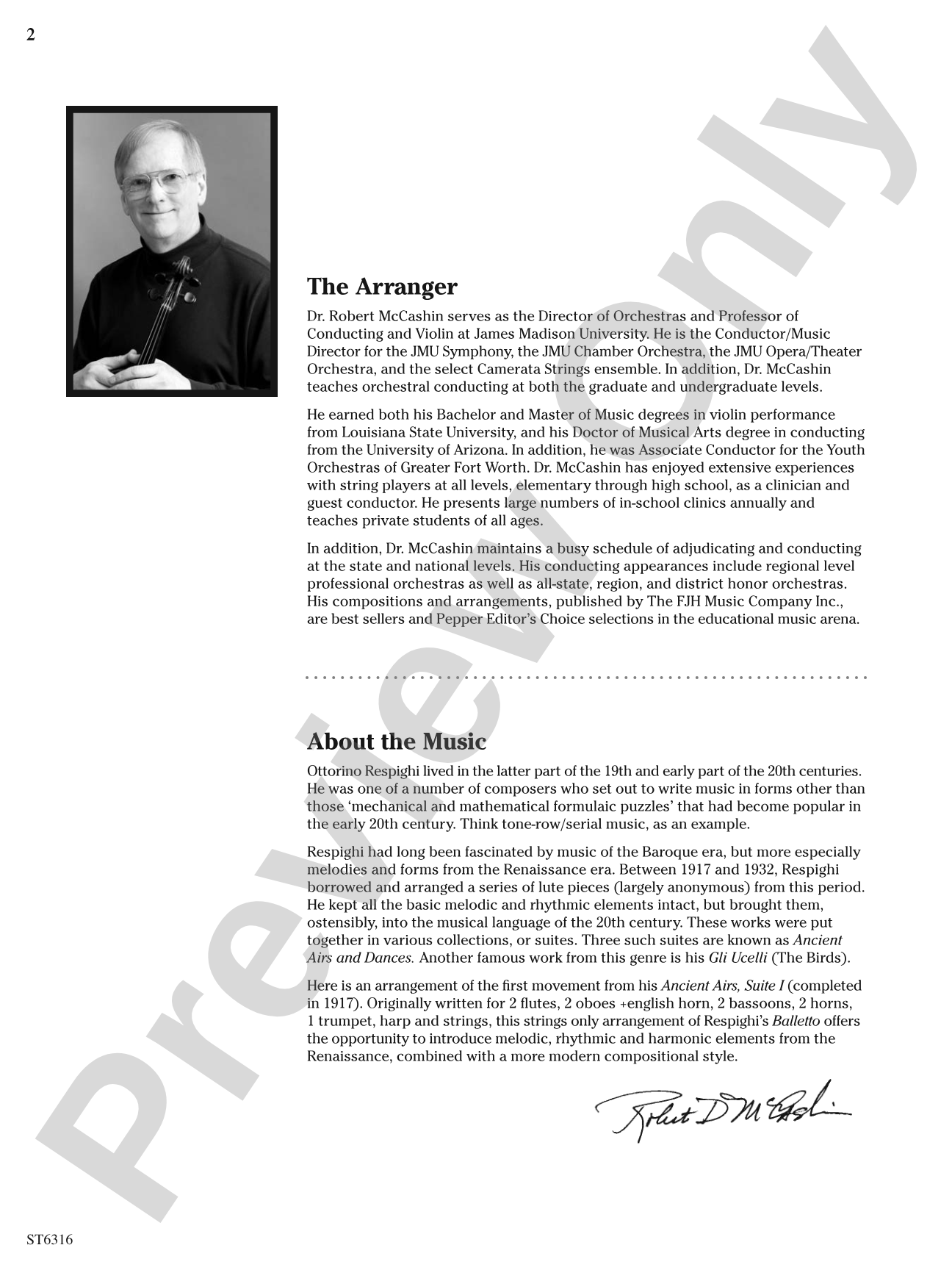
About the Composer: Ottorino Respighi
Ottorino Respighi (1879-1936) was an Italian composer and master orchestrator whose gift for color and texture shaped early-twentieth-century concert music. He studied composition in Bologna, Berlin, and St. Petersburg, absorbing influences from Rimsky-Korsakov's orchestral brilliance while developing his own voice rooted in Italian musical tradition.
Respighi's genius lay in his ability to revive Renaissance and Baroque forms through a modern harmonic lens. His three symphonic poems on Rome remain cornerstone repertoire, but his chamber and smaller ensemble works reveal an equally sophisticated craftsman. For music educators, Respighi represents a bridge between historical styles and contemporary composition—accessible yet ambitious, singable yet sophisticated.
Why we love this
McCashin's arrangement distills Respighi's harmonic sophistication and melodic generosity into a Grade 3.5 score that doesn't condescend to younger ensembles. The writing honors the composer's Renaissance-inspired voice while remaining idiomatically playable for developing orchestras. Directors looking for repertoire that teaches artistic depth without overwhelming technical demands will find this essential.
What to expect
Respighi's Balletto radiates the clarity and grace of Renaissance dances filtered through lush, impressionistic harmonies. The music unfolds with generous phrasing and open textures that invite singers' breath, creating a character both reflective and rhythmically alive.
Who it's for
String orchestras at the Grade 3 to 4 level who are ready to engage with masterwork repertoire. This works equally well for high school ensembles seeking to build artistic maturity and for intermediate youth orchestras wanting meaningful programming beyond simplified transcriptions.
How to get the most out of it
- Shape the broad, open harmonic progressions by listening vertically across the section; ask violins and violas to blend the inner voices with the same care as the melody line.
- Balance the Renaissance aesthetic against the modern compositional language by allowing rubato within phrases while maintaining metrical precision in the harmonic rhythm.
- Use the full dynamic range available at this level; Respighi's orchestrations gain character through light-to-shade contrasts, so resist the urge to play everything at moderate volume.
- Encourage all sections to voice their lines as singing melody, not accompaniment, since the orchestration often distributes motivic material across multiple parts.
How to use it
Program this as a centerpiece of a concert exploring historical styles and modern approaches to them, pairing it with a contemporary string work or a Baroque original. It also serves well as a contest selection where judges value sophisticated musicianship over technical pyrotechnics.
Skills your students will build
- Balancing inner voices and harmonic clarity in moderately complex textures
- Shaping long, lyrical phrases with Renaissance sensibilities
- Reading and executing dynamic and expressive markings that define character
- Understanding how historical forms can be reinterpreted through modern harmonic language
- Ensemble listening and sectional blend across all four string parts