
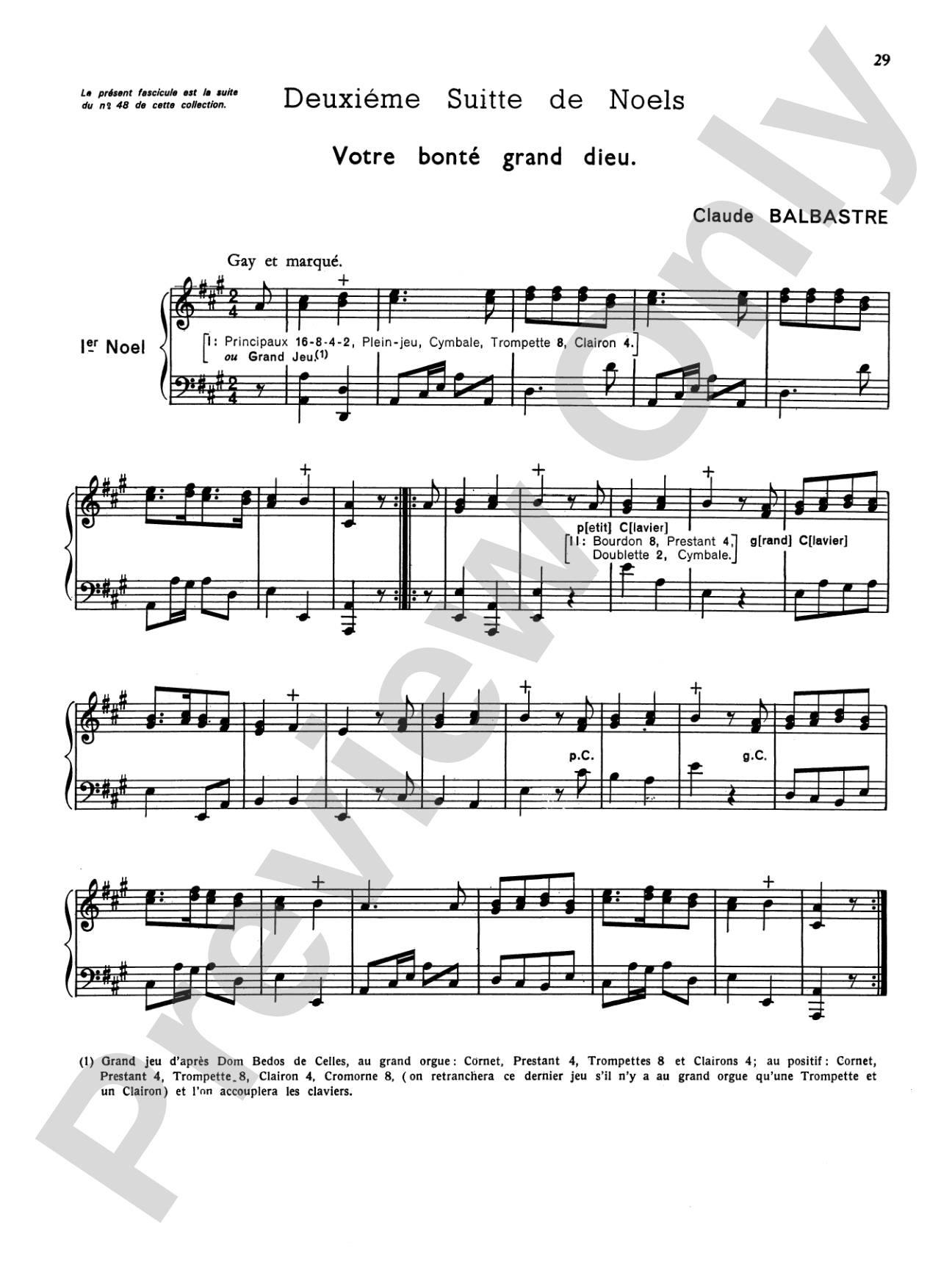
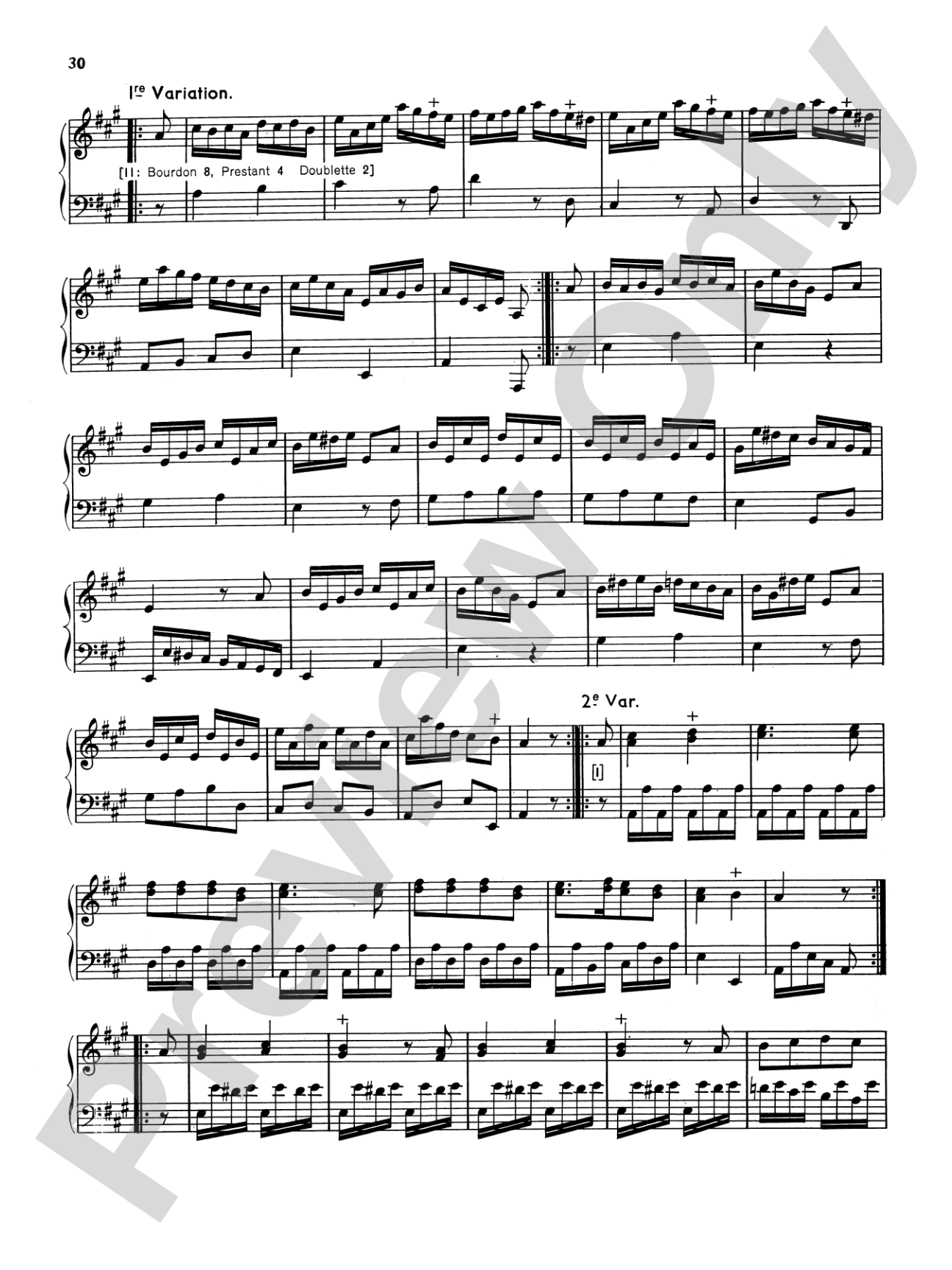
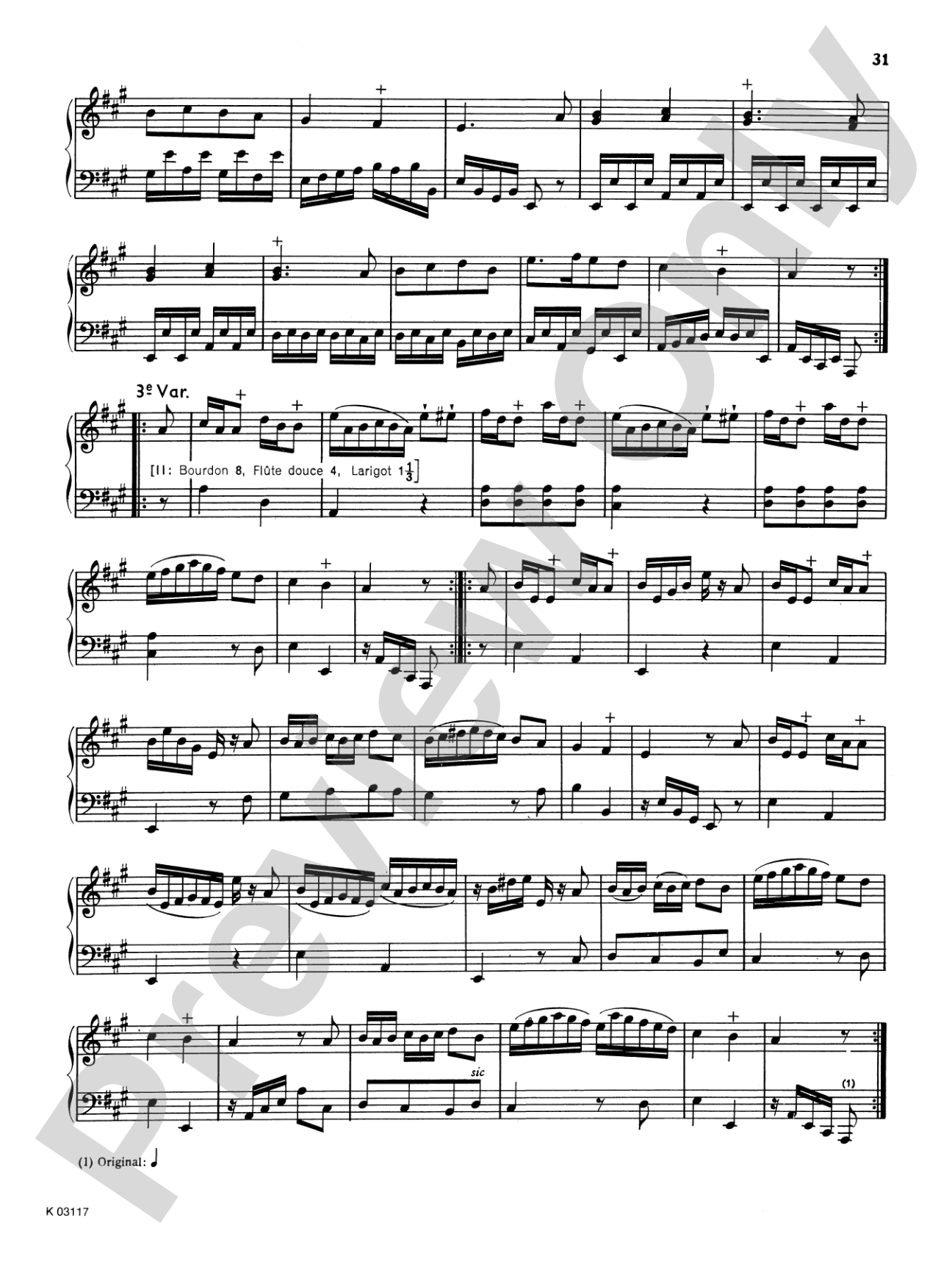
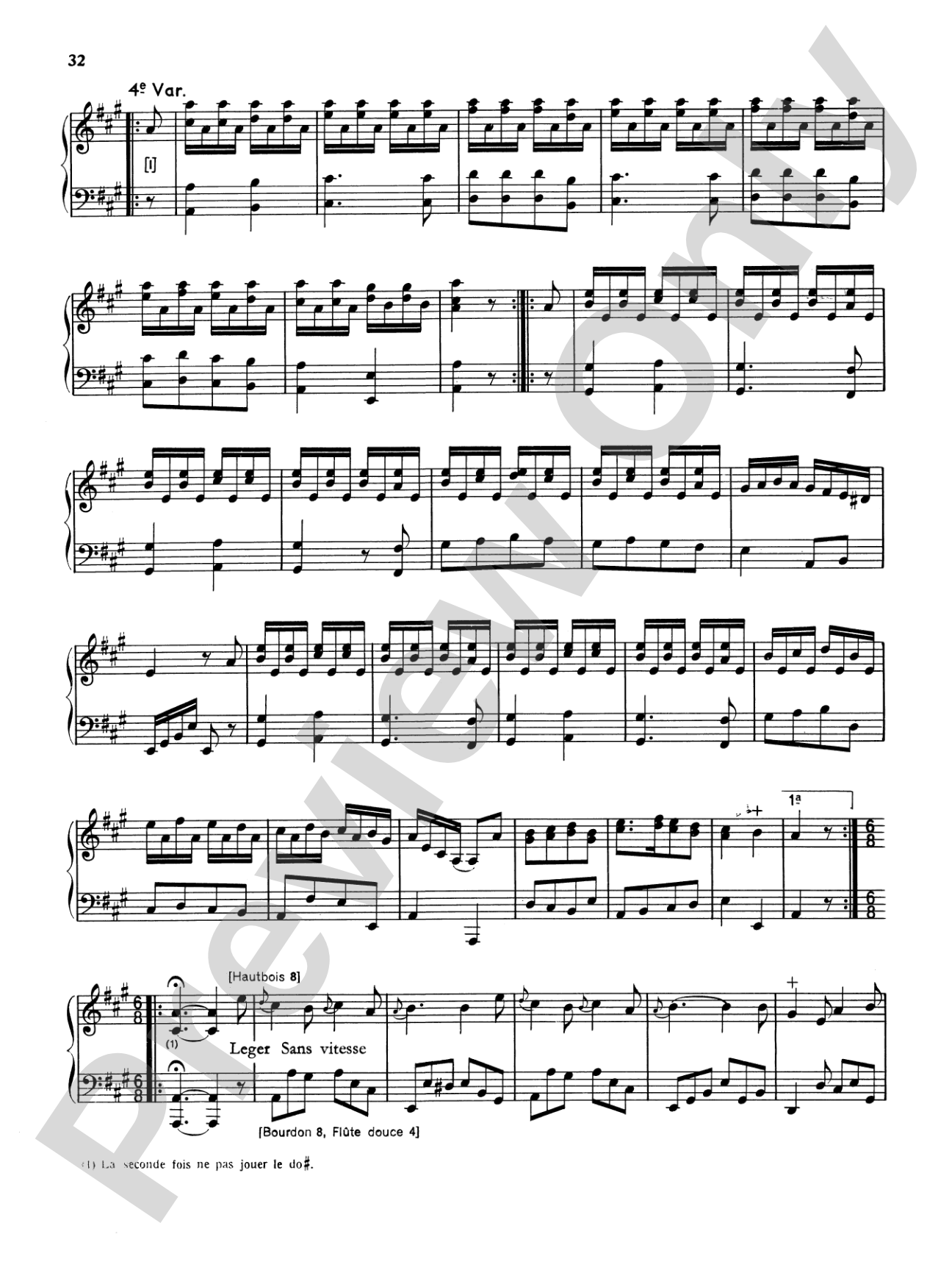
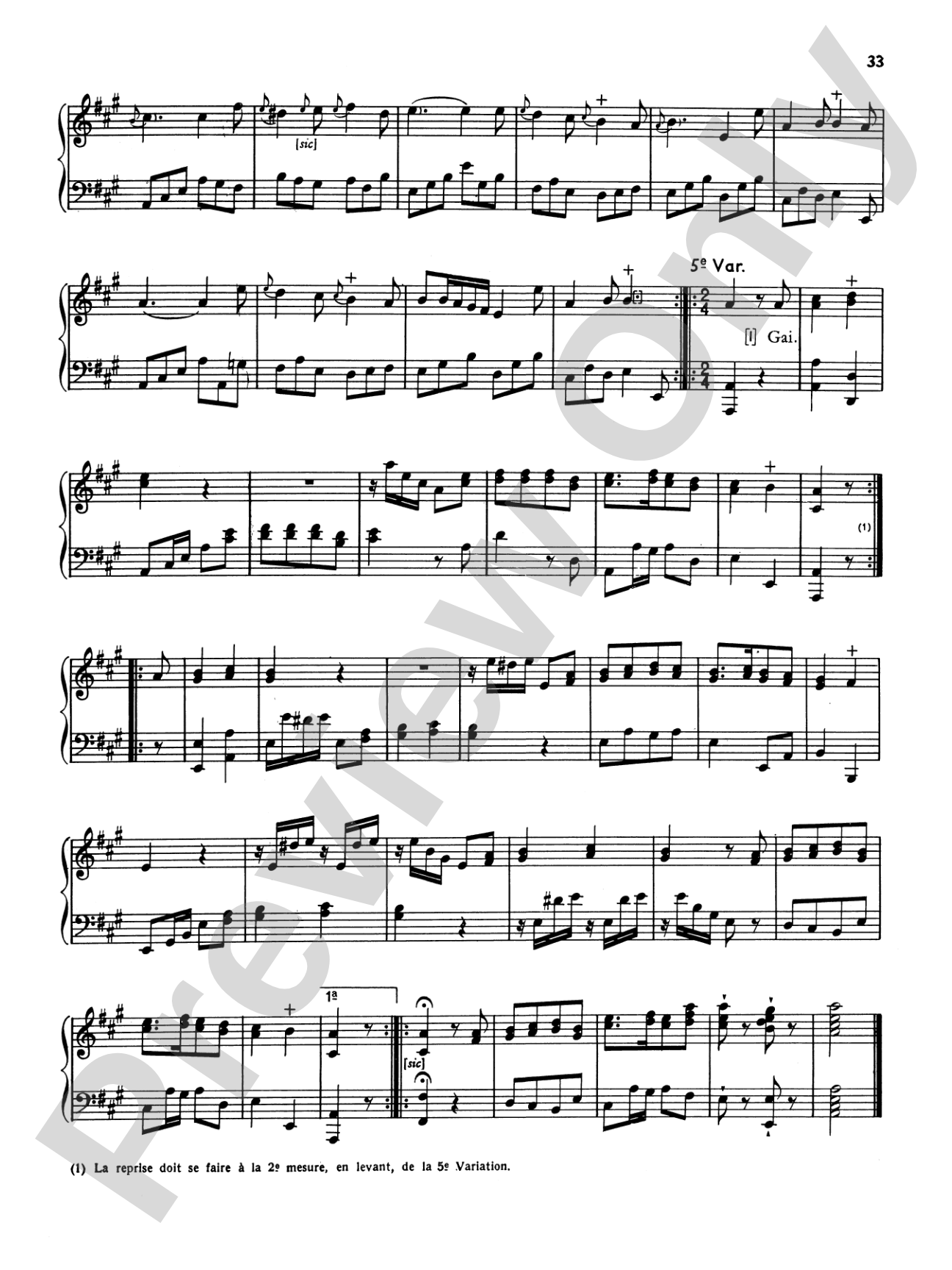

Balbastre: Noels, Volume II: Organ Book
By Claude Balbastre
Item: 00-PK-0002889

$8.99
Pickup currently not available
Buy Extra Parts (Digital PDF Download)
| Product | Price | Quantity |
|---|---|---|
| Balbastre: Noels, Volume II | $0.99 | |
| Balbastre: Noels, Volume II | $0.99 | |
| Balbastre: Noels, Volume II | $0.99 | |
| Balbastre: Noels, Volume II | $0.99 | |
| Balbastre: Noels, Volume II | $0.99 | |
| Balbastre: Noels, Volume II | $0.99 |
Parts Added to Cart!
Related Items
Noels, Volume II: Organ Book |
$8.95
|
View |
Description
Perfect for Christmas, these expertly arranged noels for organ will tantalize any crowd.


Don't just read it, hear it, play along with it, and watch your students grow with it. In MakeMusic Cloud, Balbastre: Noels, Volume II: Organ Book comes alive with professional accompaniment, adjustable tempo, and built-in practice tools that turn solo practice into real progress.
Open in the Player
Jump straight in and assign it today.
Start Your Free Trial
Open this title and explore the full library in minutes.
Sample Audio
No sample audio found.
Sample Video
No sample videos found.
Additional Details
Series:
Kalmus Edition
Publisher:
Alfred Music
Page Count:
24
SKU:
00-PK-0002889
More about this title
About the Composer: Claude Balbastre
Claude Balbastre (1724, 1794) was a French organist and composer who bridged the late Baroque and Classical periods. Based in Lyon, he built a significant reputation as both a performer and composer of sacred music, particularly works for organ. His noel arrangements stand out for their harmonic sophistication and keyboard craft, blending folk melody with refined accompaniment in ways that influenced French organ music well into the 19th century.
Why we love this
Balbastre's noels capture the joy of Christmas through elegant ornamentation and accessible harmonic language that speaks across centuries. These arrangements sit comfortably under the fingers while maintaining genuine musical substance, making them rewarding for intermediate organists who want repertoire that sounds impressive without requiring virtuosic technique. Volume II offers fresh variations on beloved French carols that will resonate with any audience familiar with Christmas music.
What to expect
These noels radiate warmth and ceremonial elegance, rooted in the French organ tradition of the 18th century. The familiar carol tunes emerge gracefully from flowing accompaniment figures and decorative passagework, creating an atmosphere both reverent and festive. Listen and you'll hear the organ at its most lyrical and human.
Who it's for
Intermediate to advanced organists seeking substantial Christmas repertoire beyond arrangements and hymn settings. Church musicians preparing holiday services or recital programs will find these pieces dignified enough for liturgical contexts yet appealing to general audiences. Organists building their collection of keyboard masterworks from the Classical era will appreciate Balbastre's command of the instrument.
How to get the most out of it
- Attend to the registration indications carefully; these pieces benefit from the warm, rounded timbres of foundation stops rather than bright reeds, allowing the melodic lines to sing naturally.
- Shape the phrasing around the carol melodies themselves, which are often familiar to listeners; let that familiarity guide your rubato and breath points.
- Balance the manual and pedal voices clearly so the traditional hymn tunes remain prominent even when surrounded by decorative figuration.
- Take time with ornamentation and passing figures; Balbastre's writing rewards clarity and articulation, which the organ's sustained tone makes possible.
How to use it
Program one or two noels as a suite within a holiday concert, letting Balbastre's varied approaches to the same melodies showcase different moods and registrations. These pieces work equally well as offertory or recessional music in church services, or as part of a classical keyboard recital that extends beyond the standard Bach and Buxtehude canon. Consider pairing them with earlier noel arrangements or later Romantic organ works to demonstrate the evolution of Christmas music for the instrument.
Skills your students will build
- Registration and tonal color selection appropriate to French Classical style
- Playing decorated melodic lines while maintaining independent pedal voicing
- Interpreting ornamentation and figuration in historically informed contexts
- Balancing manual coordination across multiple manuals in moderate-to-complex textures