
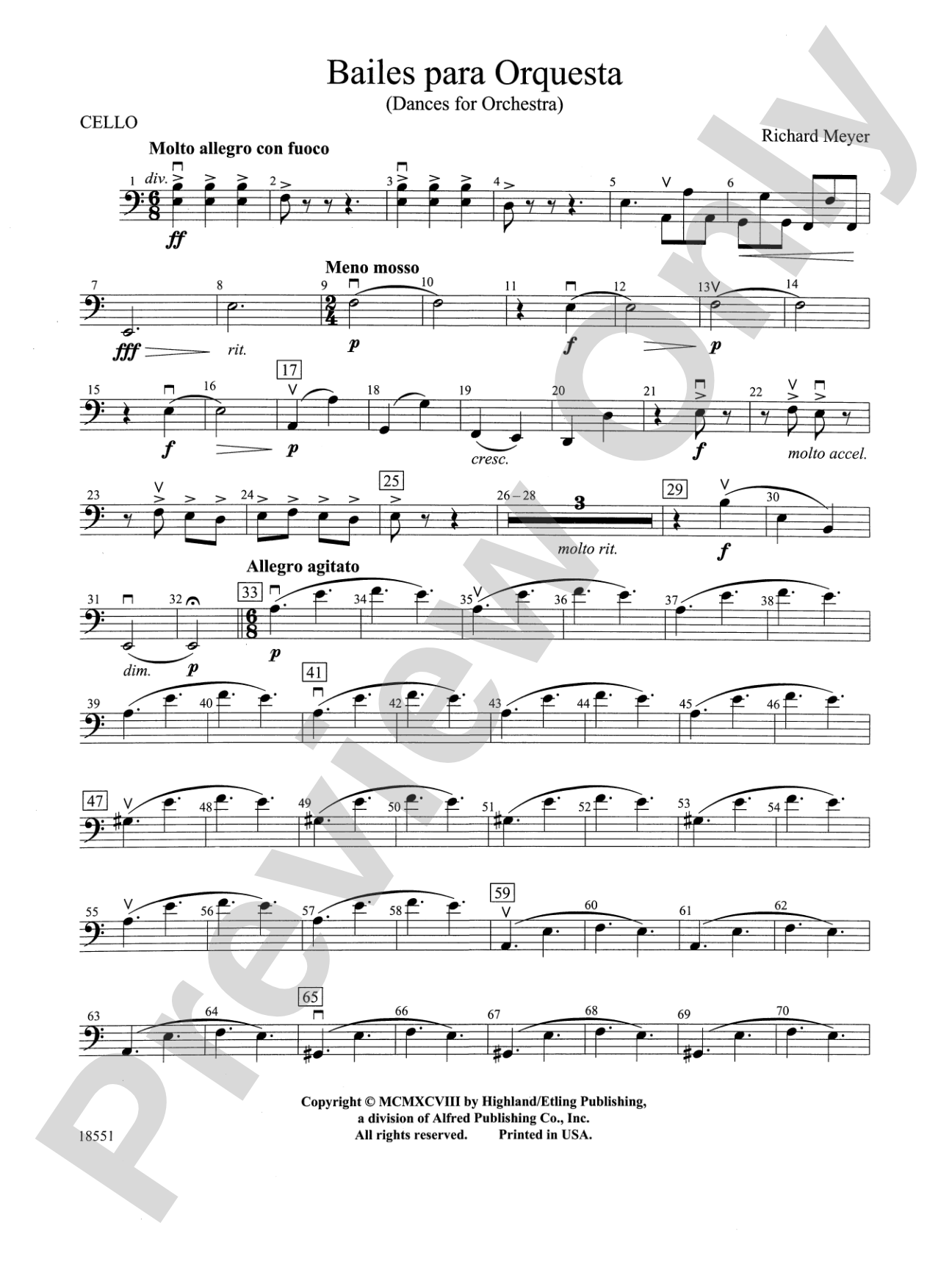
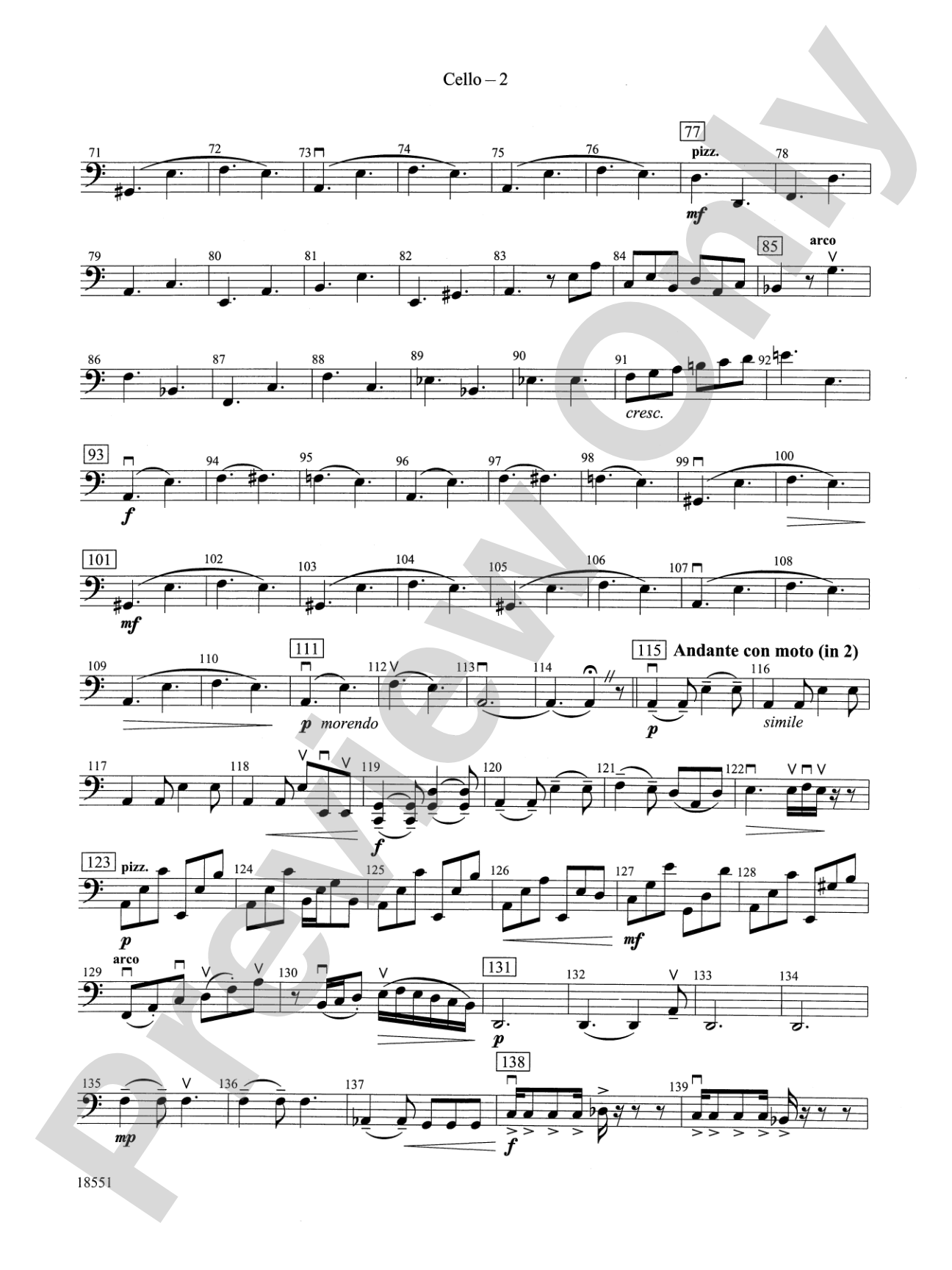

Bailes para Orquesta (For Two Solo Violins and String Orchestra): Cello
By Richard Meyer
Grade: 4
Item: 00-PC-0000273_VC1
$5.99
Pickup currently not available
Description
These dances for string orchestra, with two solo violins, simply sparkle with their engaging rhythms and vitality. A major achievement at this level from master composer Richard Meyer, this work fully captures the audience and players' attention from start to finish. You can't miss with this one! This title is available in MakeMusic Cloud.


Don't just read it, hear it, play along with it, and watch your students grow with it. In MakeMusic Cloud, Bailes para Orquesta (For Two Solo Violins and String Orchestra): Cello comes alive with professional accompaniment, adjustable tempo, and built-in practice tools that turn solo practice into real progress.
Open in the Player
Jump straight in and assign it today.
Start Your Free Trial
Open this title and explore the full library in minutes.
Sample Audio
1
Audio File
--:--
0:00
0:00
Sample Video
No sample videos found.
Additional Details
Series:
Highland/Etling String Orchestra
Publisher:
Alfred Music
Page Count:
248
SKU:
00-PC-0000273_VC1
More about this title
About the Composer: Richard Meyer
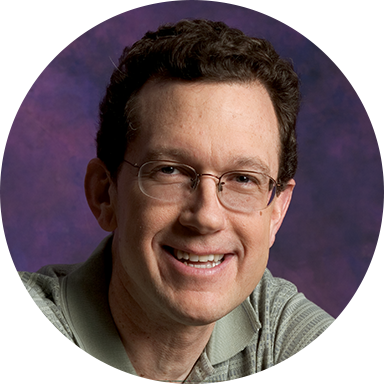
Richard Meyer brings decades of hands-on experience in string education to his compositional voice. He spent 35 years teaching string students across elementary, middle, and high school levels, and for 22 of those years directed the orchestras at Oak Avenue Intermediate School in Temple City, California, expanding the program from 29 students to 200 while overseeing the city's elementary string curriculum. He also led the Pasadena Youth Symphony Orchestra for 16 years, taking them on performance tours across the United States, Europe, and Australia.
Beyond the podium, Meyer has shaped string music education through method book authorship (including the String Explorer Series and Sight-read It for Strings) and his role as string editor for Alfred Publishing Company for 16 years. His "Giving Bach" program, launched in 2009, has earned national recognition for using interactive concerts to bring orchestral music to special needs and underserved students throughout Southern California. A prolific composer with over 190 published works, Meyer writes with a deep understanding of what students can achieve and what audiences want to hear.
Why we love this
Meyer's orchestral writing at this level hits a rare sweet spot: the piece demands serious musicianship from your ensemble (especially the two solo violins) while remaining completely grateful to play. The rhythmic drive and clear melodic focus keep students engaged and energized, and the result feels polished enough that audiences recognize the achievement immediately.
What to expect
Bailes para Orquesta crackles with infectious energy and Latin-inflected rhythmic color. The writing sparkles; you hear fresh harmonic turns and rhythmic surprises that keep both players and listeners alert and delighted from beginning to end.
Who it's for
This work is ideal for advancing string orchestras at the Grade 4 level, particularly those with two strong violinists ready for spotlight roles. It rewards dedicated ensembles that have developed solid intonation and rhythmic consistency and gives them a performance piece that sounds sophisticated without requiring advanced technique.
How to get the most out of it
- Balance the two solo violins in the foreground without letting them overwhelm the ensemble; their lines should sing out, but the orchestra's rhythmic foundation must remain audible and steady.
- Lock the rhythm section early in rehearsal. Meyer's vitality depends on precise ensemble timing, particularly where rhythmic patterns shift between parts.
- Shape the melodic material with intention. These are dances, so natural phrasing and subtle dynamic shaping will enhance the character and keep the work from feeling mechanical.
- Use rehearsal sections to isolate where the soloists enter or trade material; this helps the full ensemble understand how their accompaniment figures serve the solo lines.
How to use it
Program this as a centerpiece in a concert celebrating string artistry. Its dancing character and manageable length make it an excellent bridge between longer classical works and contemporary pieces, and the solo violin roles give your strongest players a chance to shine in a full ensemble context.
Skills your students will build
- Balancing solo and ensemble textures
- Playing with rhythmic precision in dance-based meters and syncopations
- Responding to clear melodic leadership while maintaining ensemble cohesion
- Sustaining musical energy and character across shifting harmonic and rhythmic material