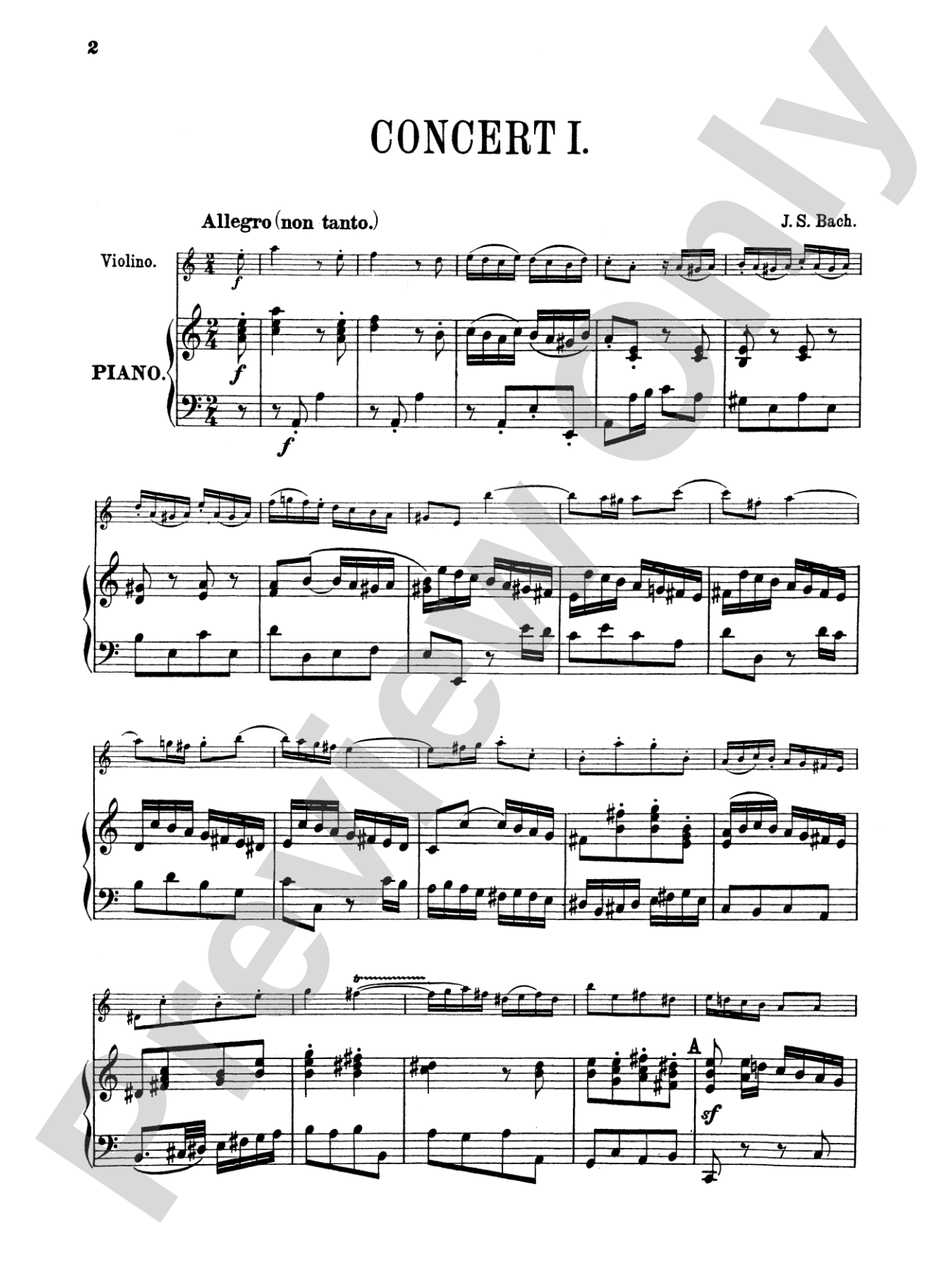
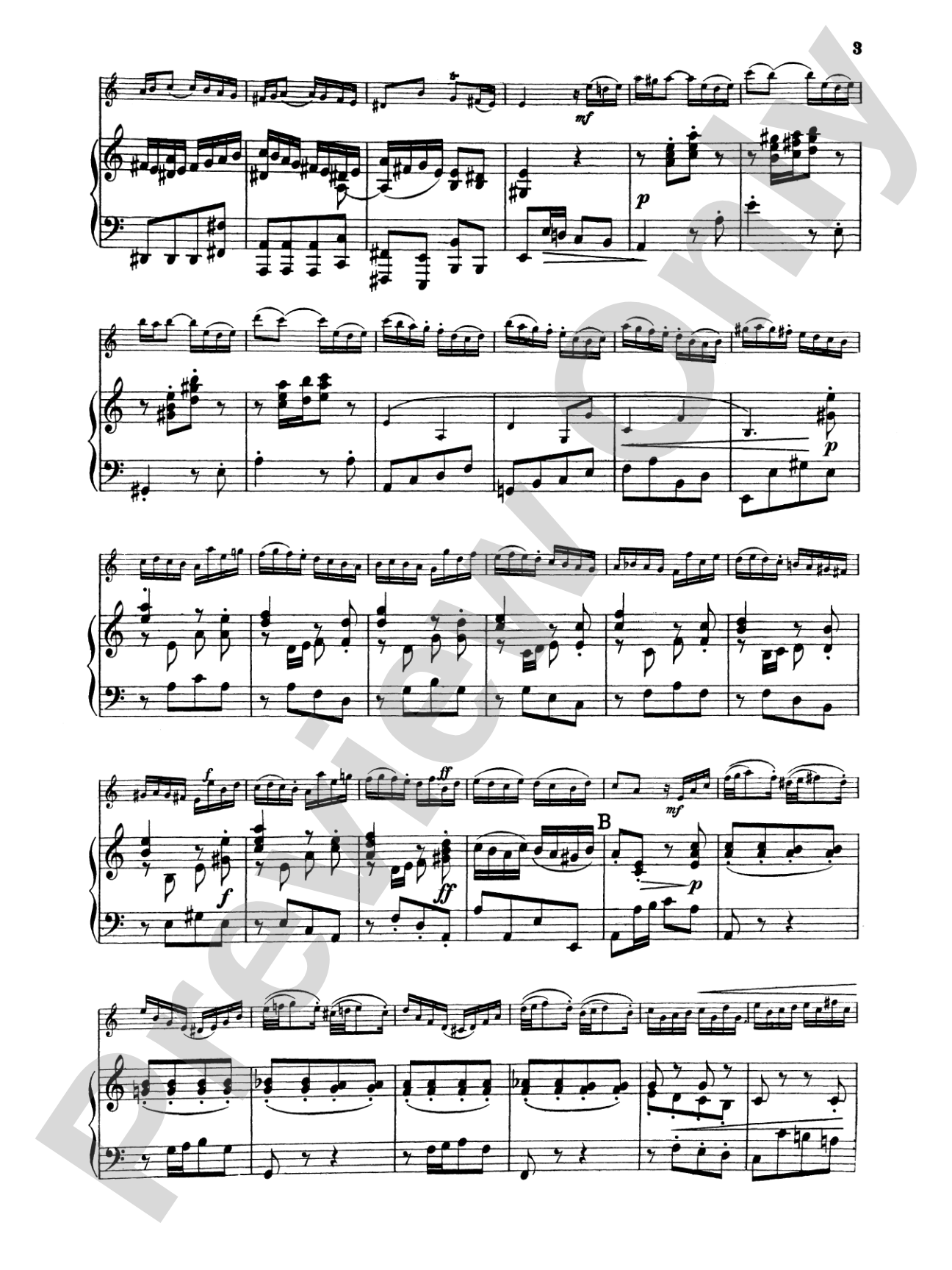
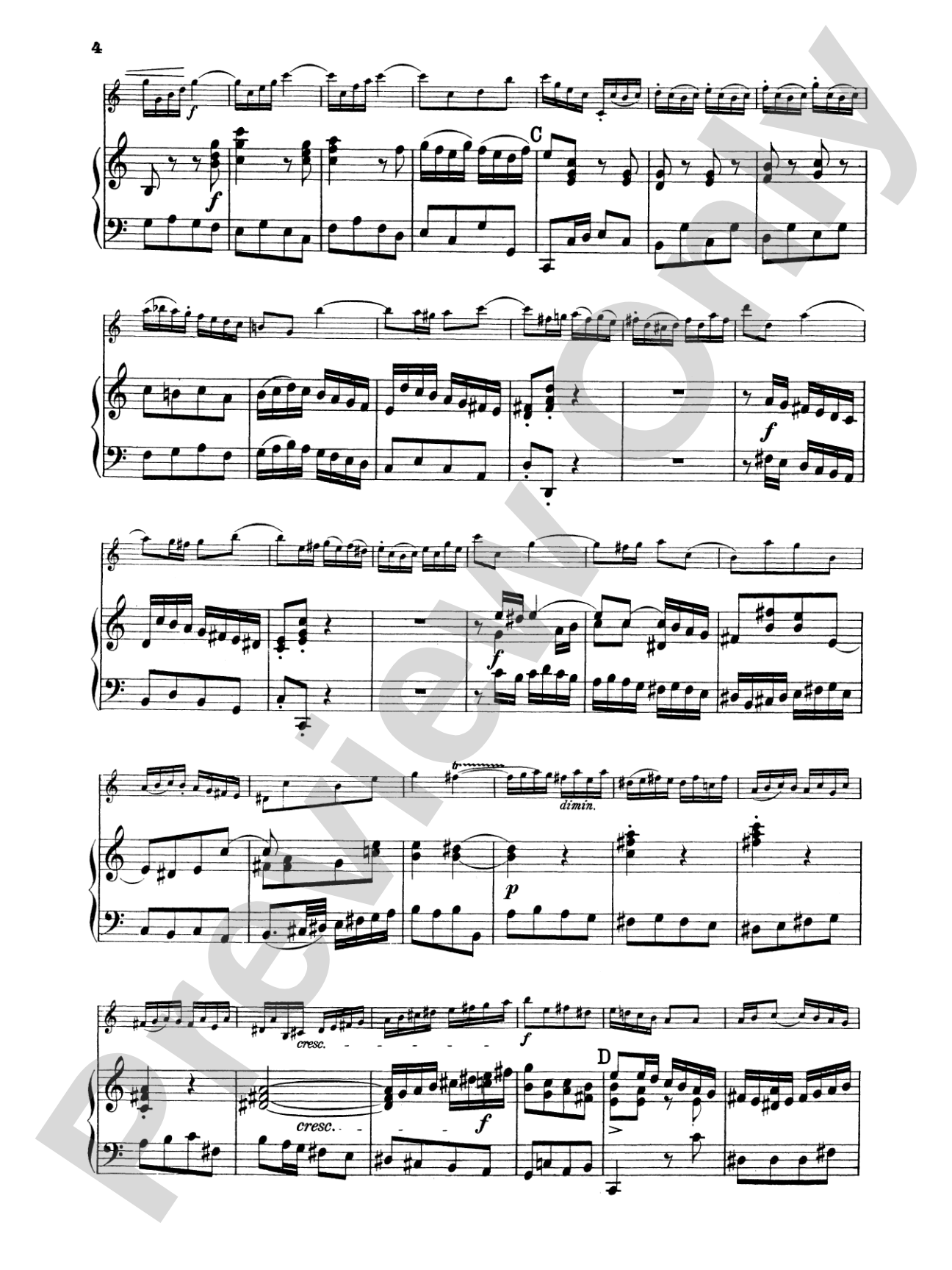
Bach: Violin Concerto in A Minor Sheet Music Preview

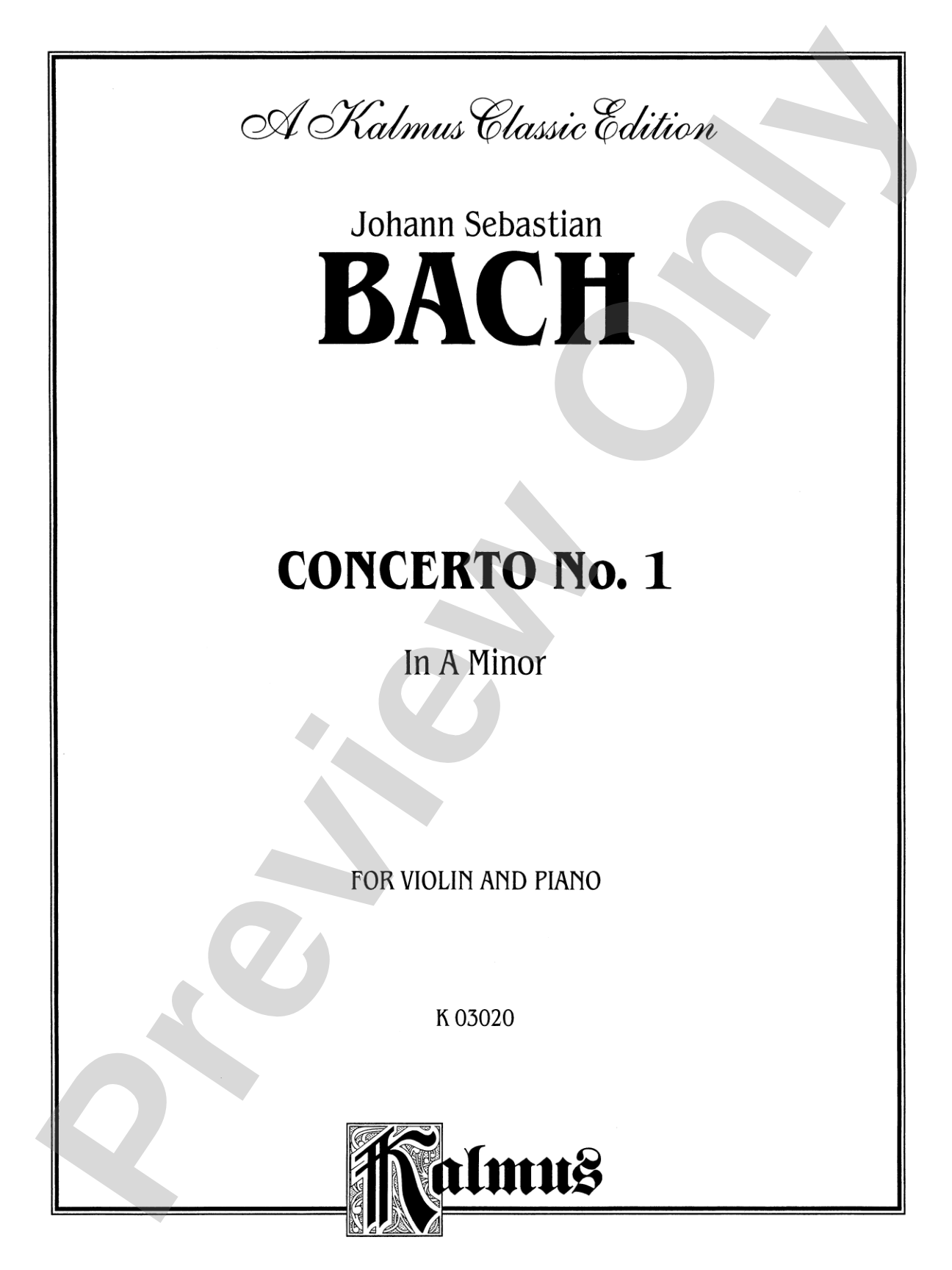
Bach: Violin Concerto in A Minor

By Johann Sebastian Bach

Item: 00-PC-0004252

Digital Download
$3.99
Description
A Violin solo with Piano Accompaniment composed by Johann Sebastian Bach.

Don't just read it, hear it, play along with it, and watch your students grow with it. In MakeMusic Cloud, Bach: Violin Concerto in A Minor comes alive with professional accompaniment, adjustable tempo, and built-in practice tools that turn solo practice into real progress.

Sample Audio
No sample audio found.
Sample Video
Additional Details
Series: Kalmus Edition
Publisher: Alfred Music
Page Count: 28
SKU: 00-PC-0004252

More about this title

About the Composer: Johann Sebastian Bach

Johann Sebastian Bach (1685-1750) stands as the foundation of Western classical music. His command of counterpoint, harmonic architecture, and instrumental writing established techniques that composers still study today. Bach's works for solo strings remain cornerstones of the violin repertoire, balancing technical demands with profound musical architecture.

Bach composed several violin concertos during his years in Weimar and Köthen, periods when he served as court musician and Kapellmeister. These concertos showcase his gift for writing idiomatic violin passages that exploit the instrument's range and character while maintaining the structural rigor his music demands. The A minor concerto exemplifies this synthesis of virtuosity and intellectual depth.

Why we love this

This concerto rewards both technical precision and interpretive maturity. The solo part requires secure passagework and clear articulation, but the real payoff comes from shaping the lyrical themes with elegance and allowing the dialogue between violin and piano to breathe. Players at this level can finally experience the satisfaction of performing a Bach concerto that demands something beyond mechanics: musical conviction.

What to expect

Austere yet expressive, intellectual yet deeply felt. The A minor tonality lends a contemplative quality to the lyrical sections, while the fast movements crackle with precise figuration and forward motion. Bach's writing balances the vulnerability of the solo voice with the harmonic foundation of the keyboard, creating a dialogue that feels both intimate and architecturally grand.

Who it's for

Advanced high school violinists and college-level players preparing for auditions, competitions, or recitals. This concerto sits at the threshold of professional-level Baroque repertoire and serves violinists ready to tackle Bach's structural complexity and technical demands with musicality.

How to get the most out of it

  • Shape the opening theme with one long phrase in mind rather than breaking it into segments. Bach's melodic arcs span several measures, and treating them as unified ideas makes the structure audible.
  • Use the piano accompaniment as your rhythmic anchor in faster passages while maintaining independence in the solo line. The harpsichord-like texture Bach implies requires rhythmic clarity from both parts.
  • Distinguish articulation between the lyrical slow movements and the energetic fast movements. The Baroque practice of varied bowing (separate vs. slurred) helps define character and makes formal sections clear.
  • Listen carefully to harmonic shifts, especially at phrase endings and key modulations. Bach uses chromaticism and unexpected progressions to create depth, and projecting these moments adds dimension to your performance.

How to use it

Feature this as a contest or festival centerpiece, where judges expect to hear both technical security and artistic depth. It pairs naturally with other Baroque concertos on a recital, or stands alone as a substantial solo work that demonstrates command of a compositional master. Consider programming it alongside twentieth-century pieces to highlight the continuity of violin writing across centuries.

Skills your students will build

  • Reading Baroque notation and applying period-appropriate ornamentation
  • Executing rapid passagework with rhythmic precision and even tone
  • Sustaining long melodic lines while navigating harmonic complexity
  • Balancing independence from piano accompaniment while maintaining ensemble unity
  • Interpreting contrapuntal texture and projecting inner voices

You May Also Like