
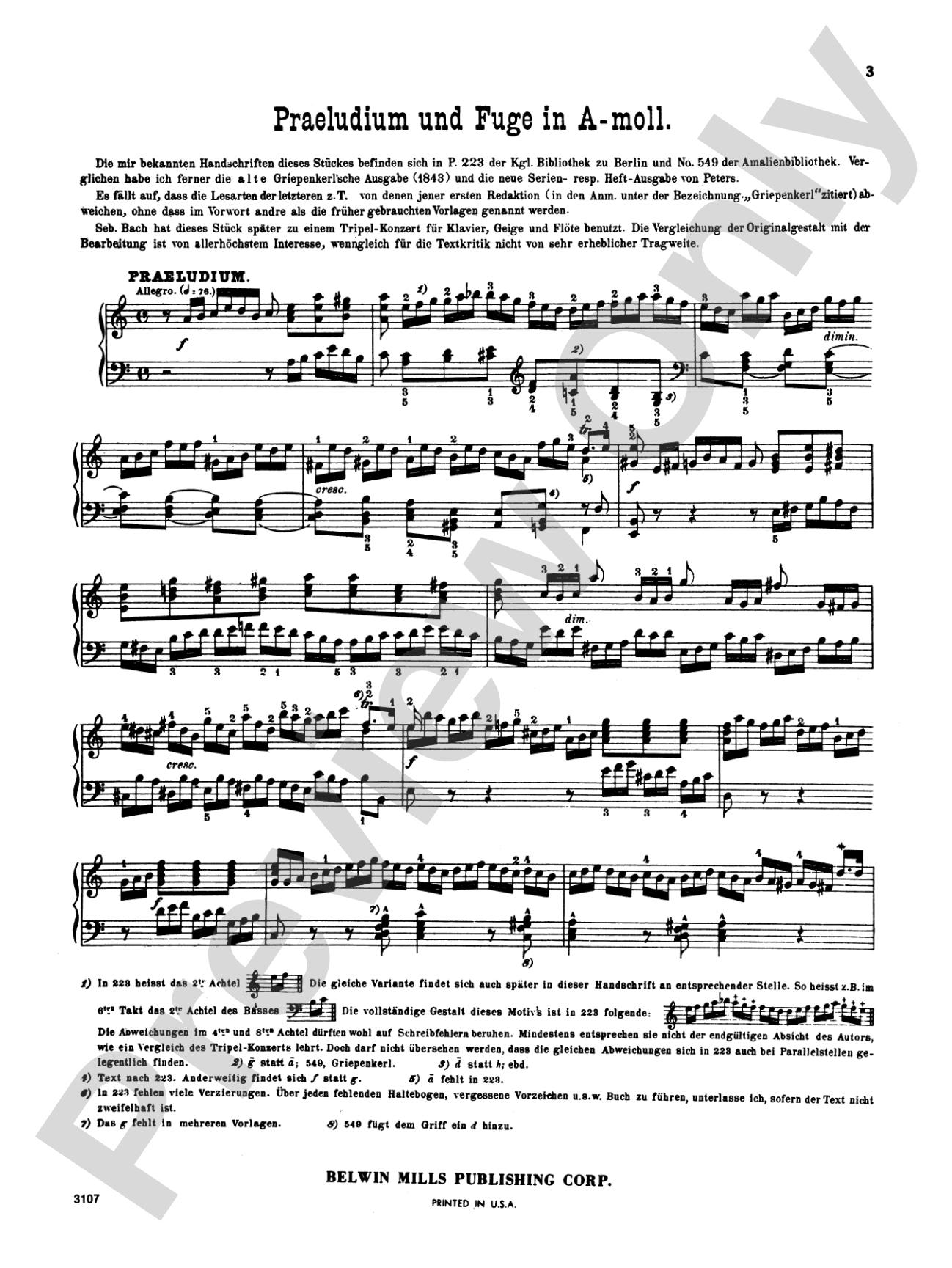
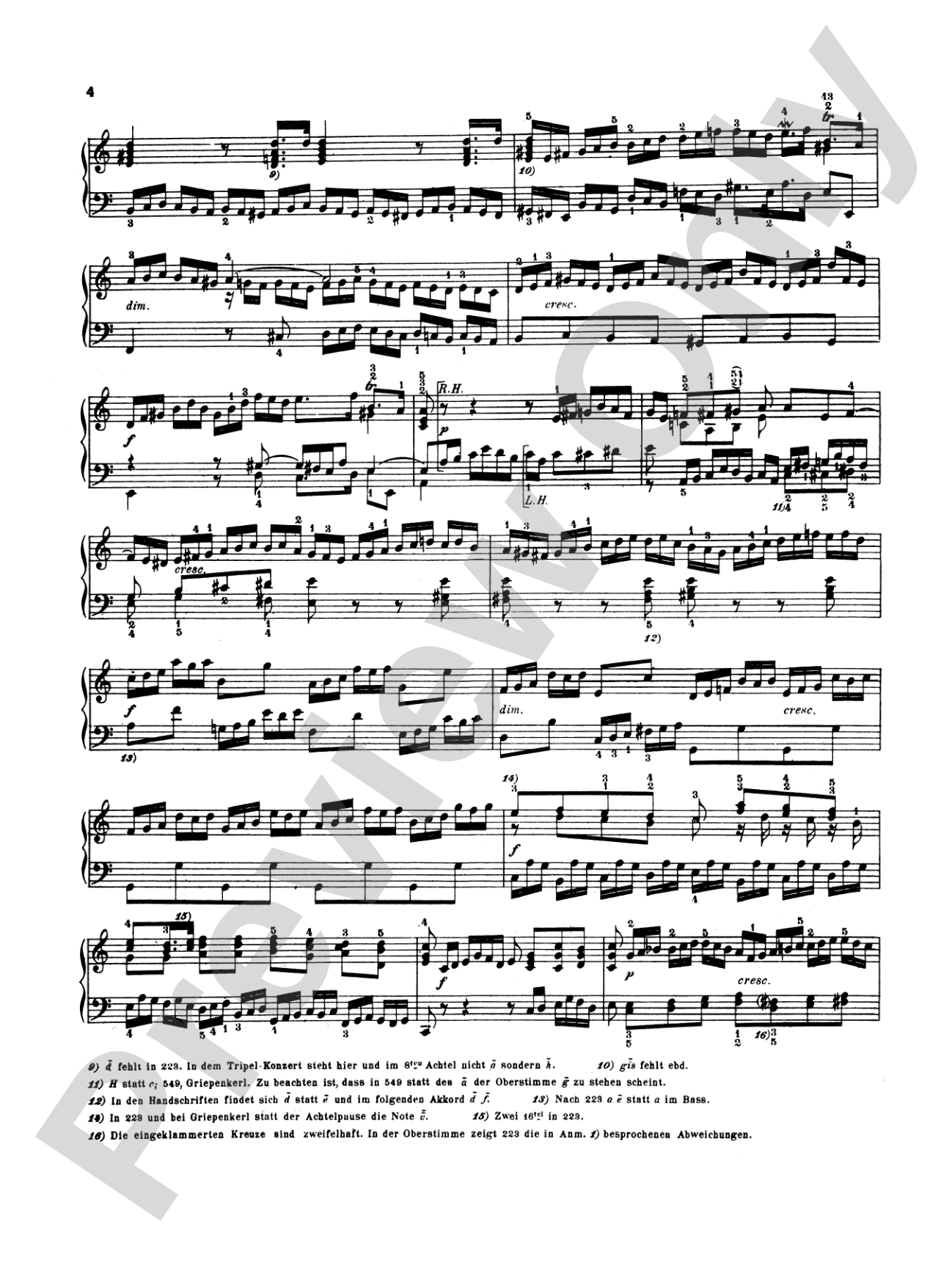
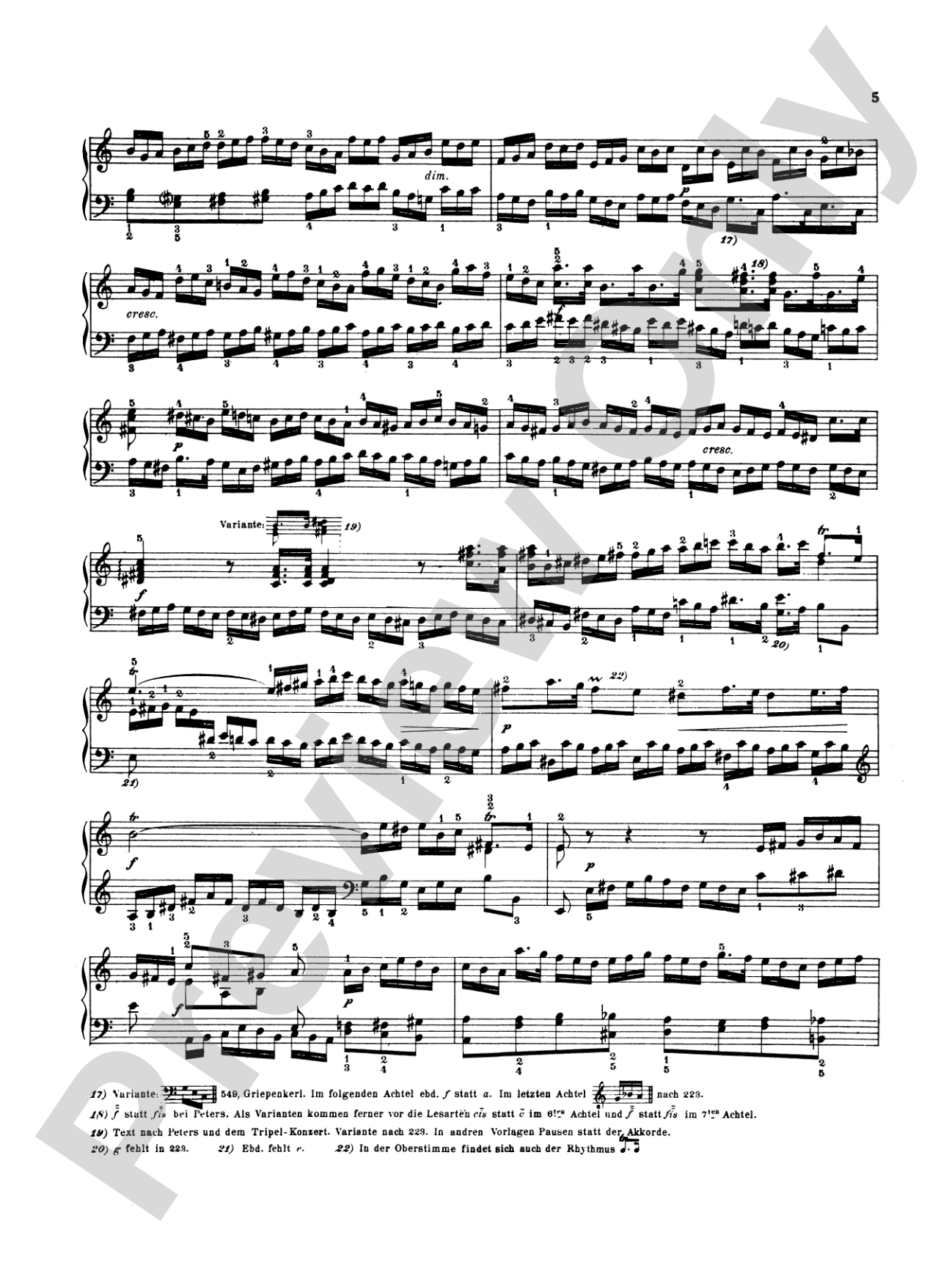
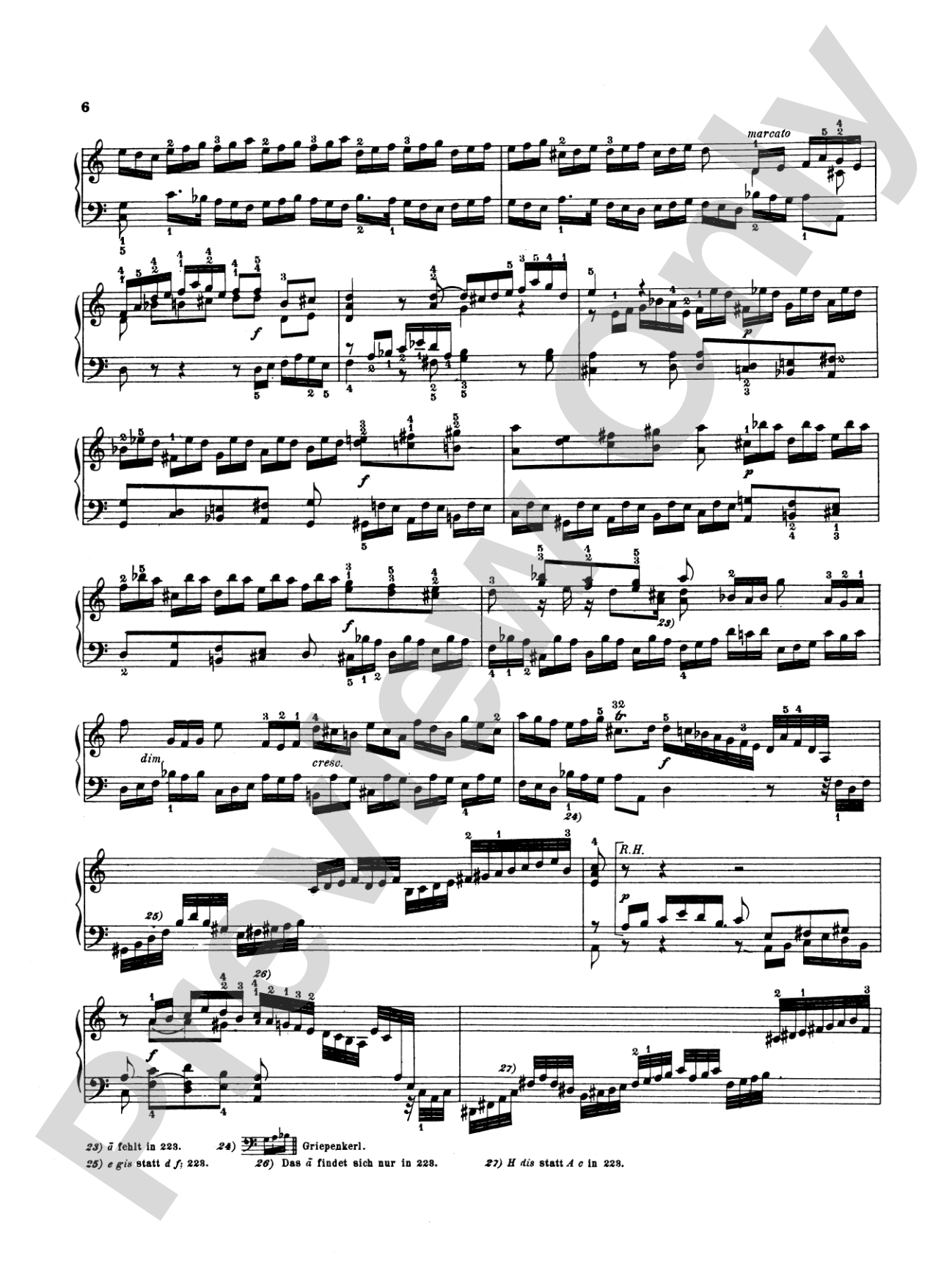
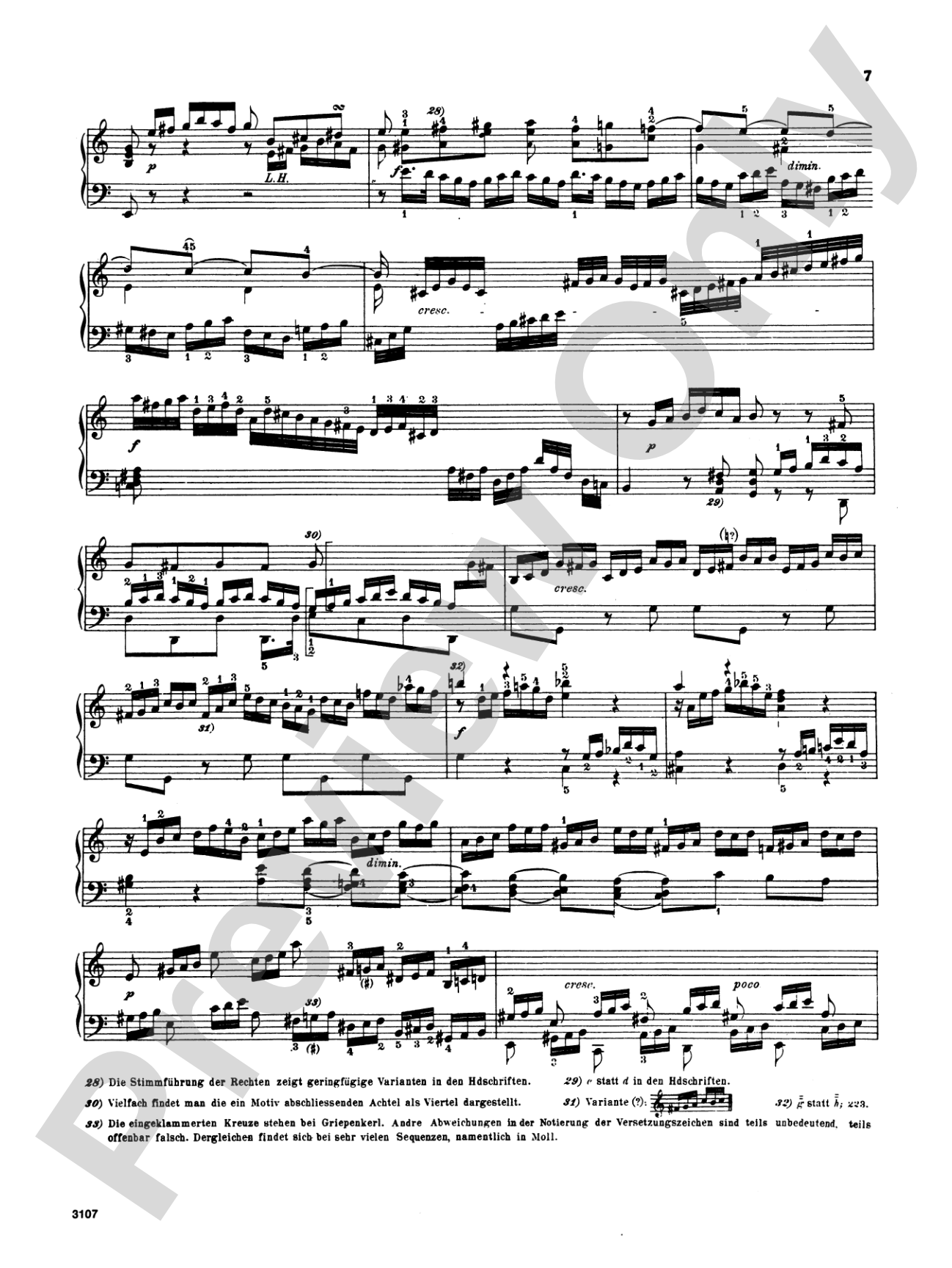
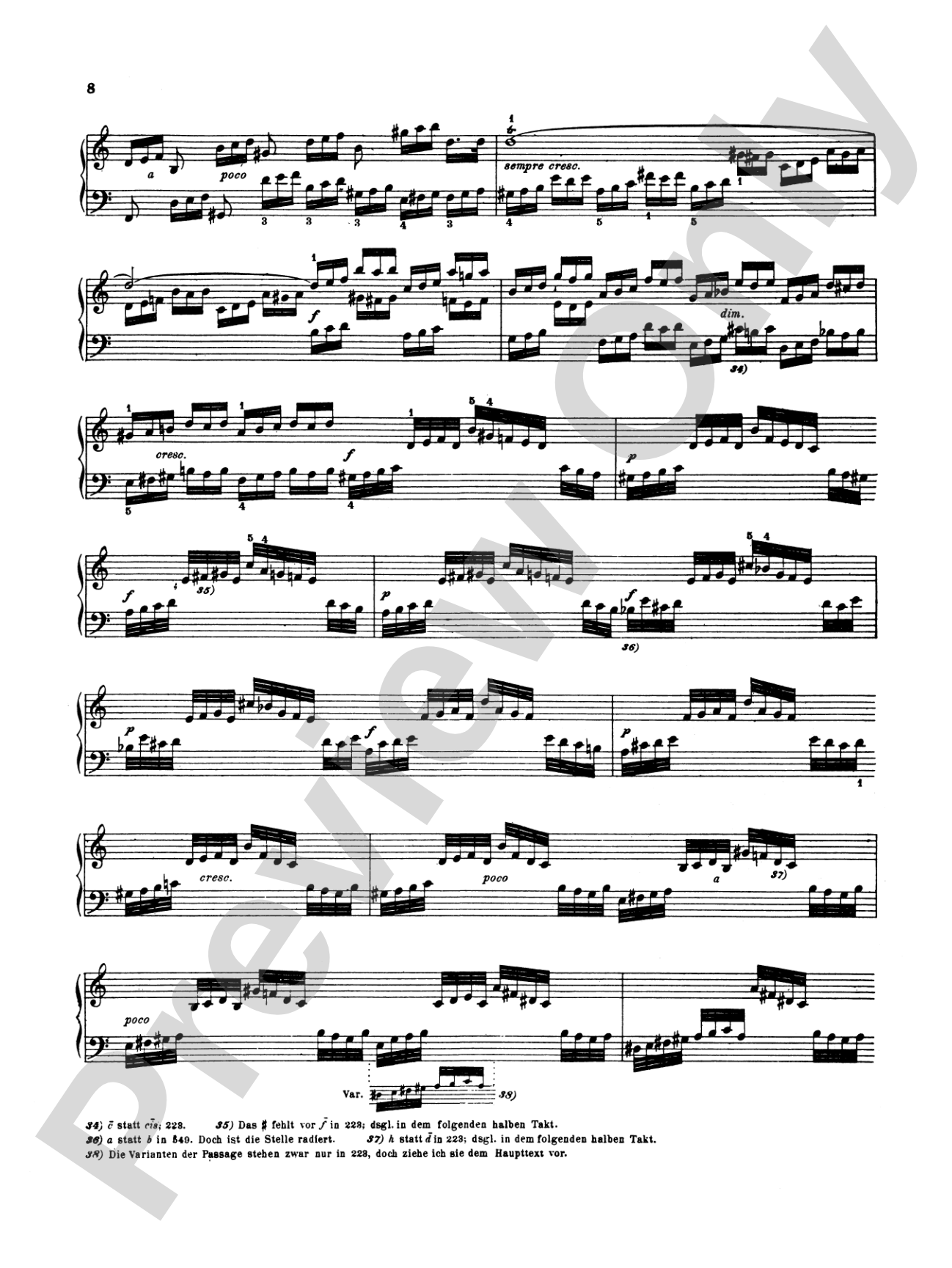
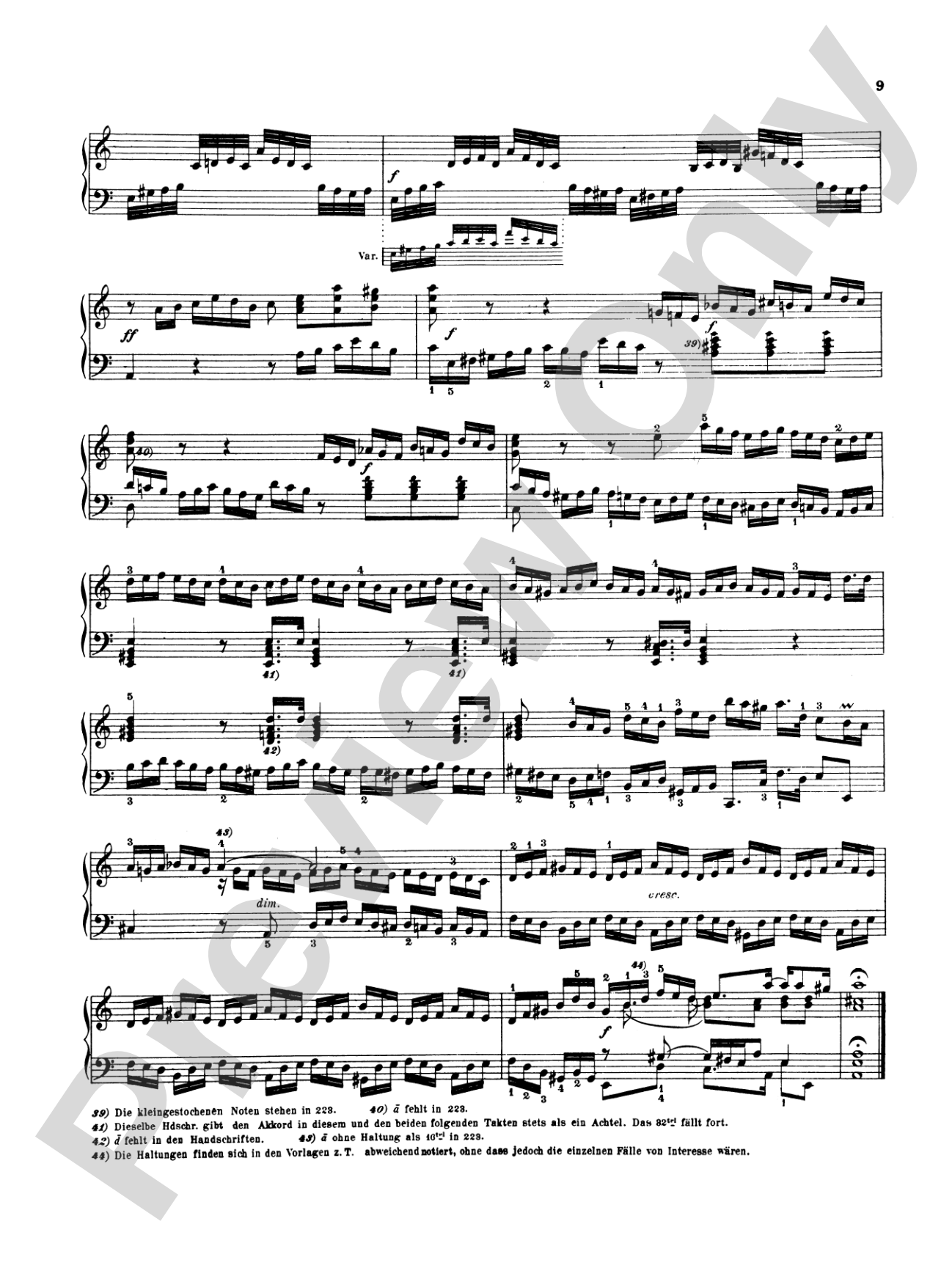
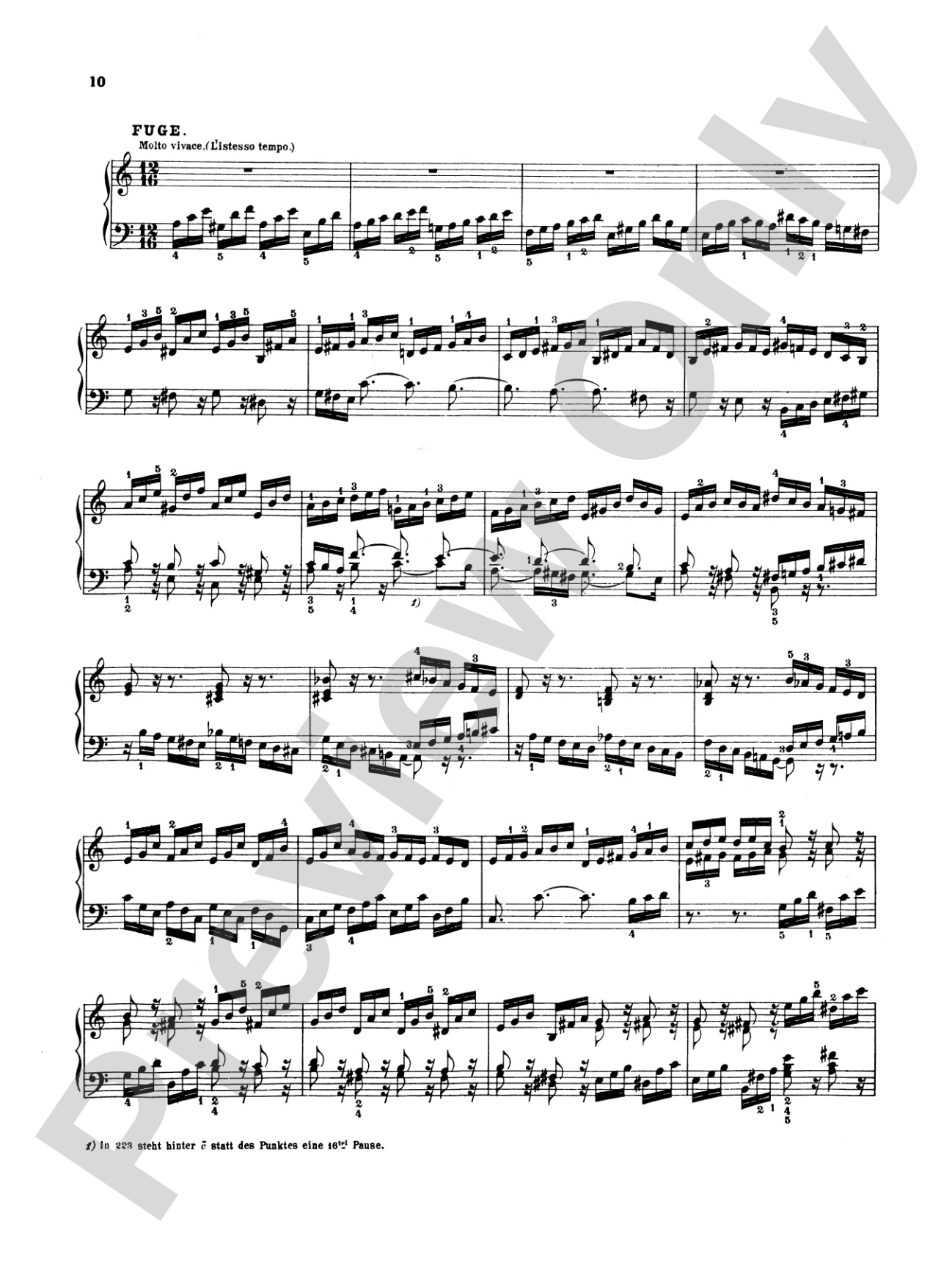
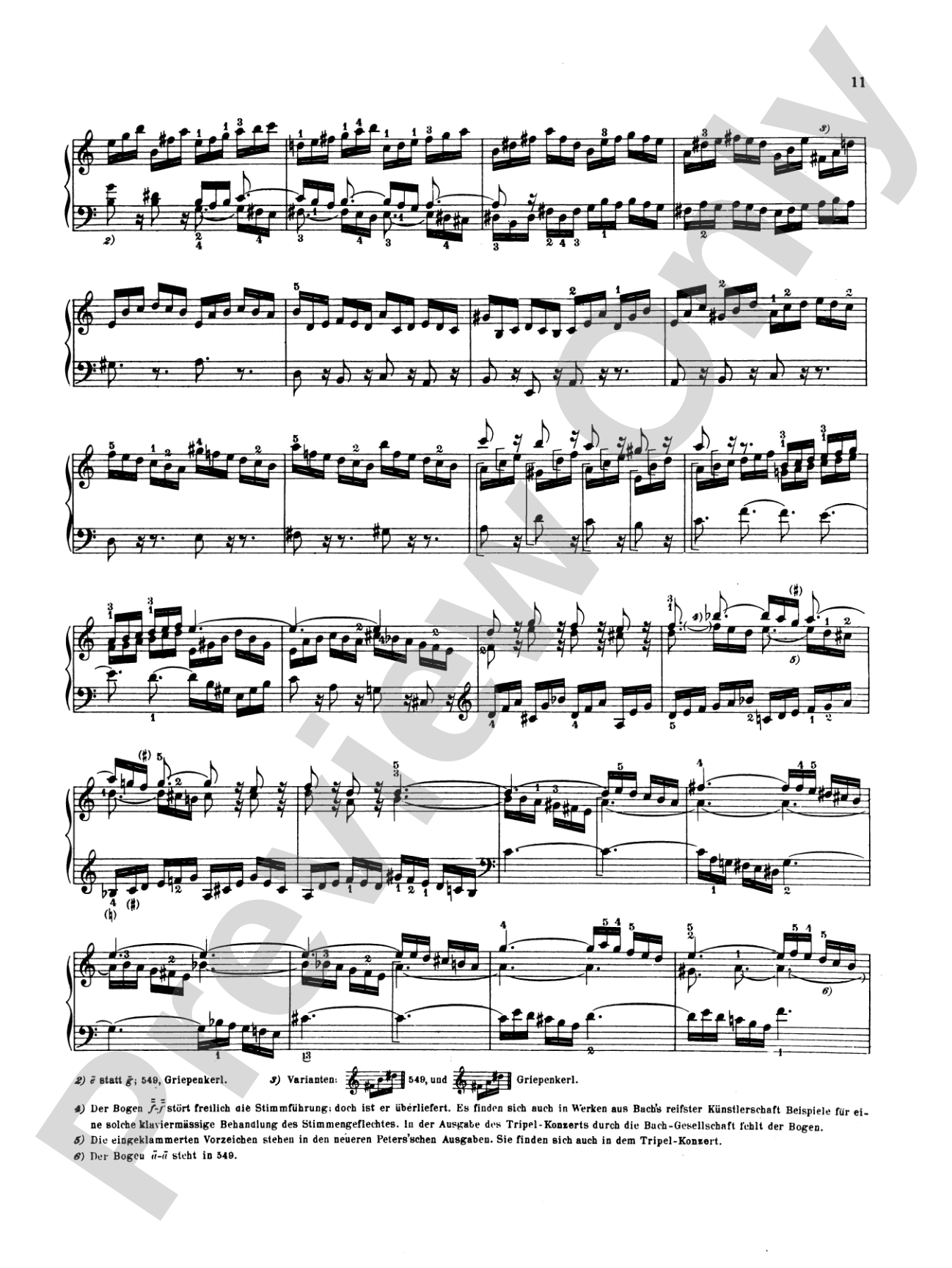
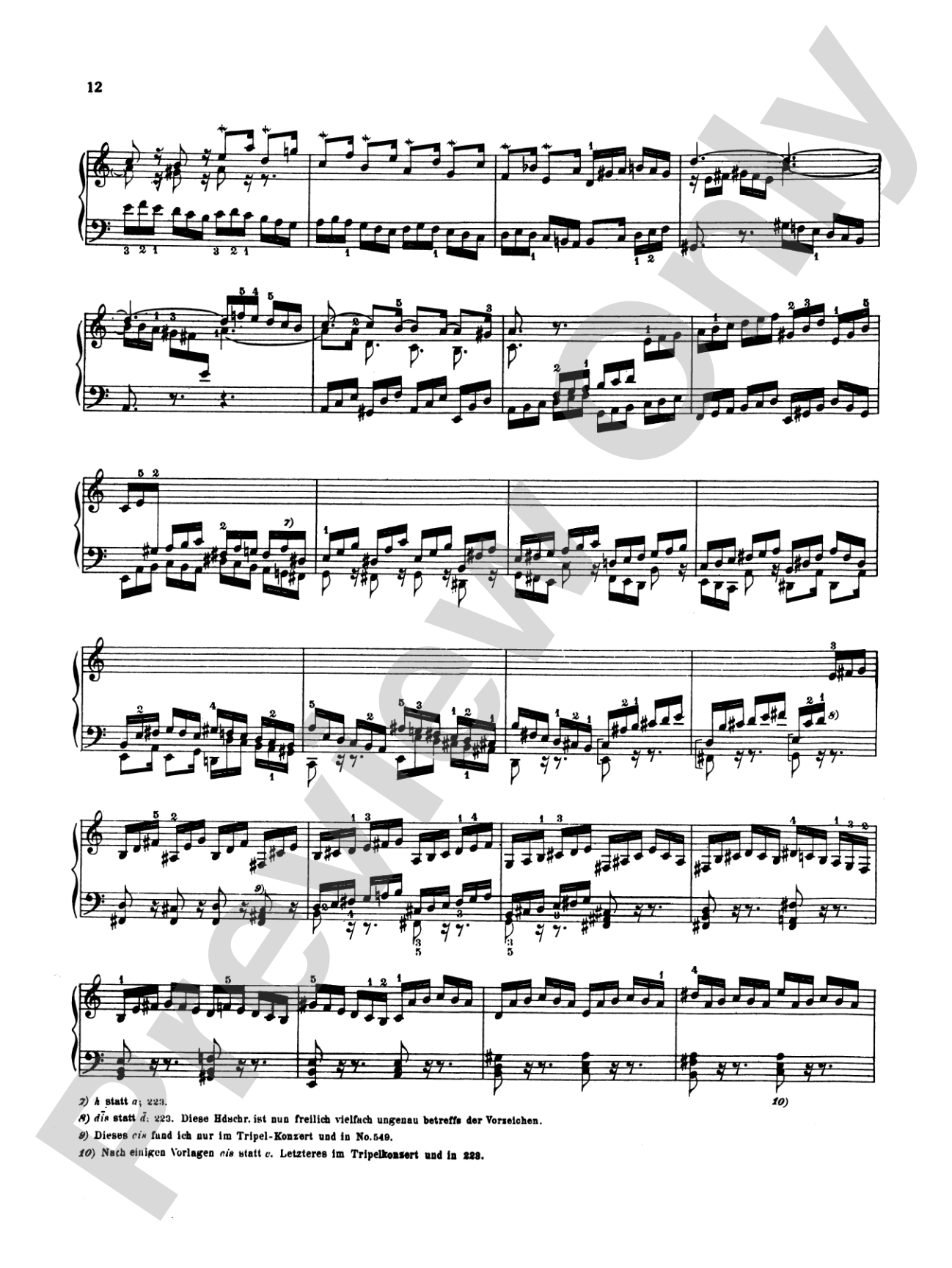
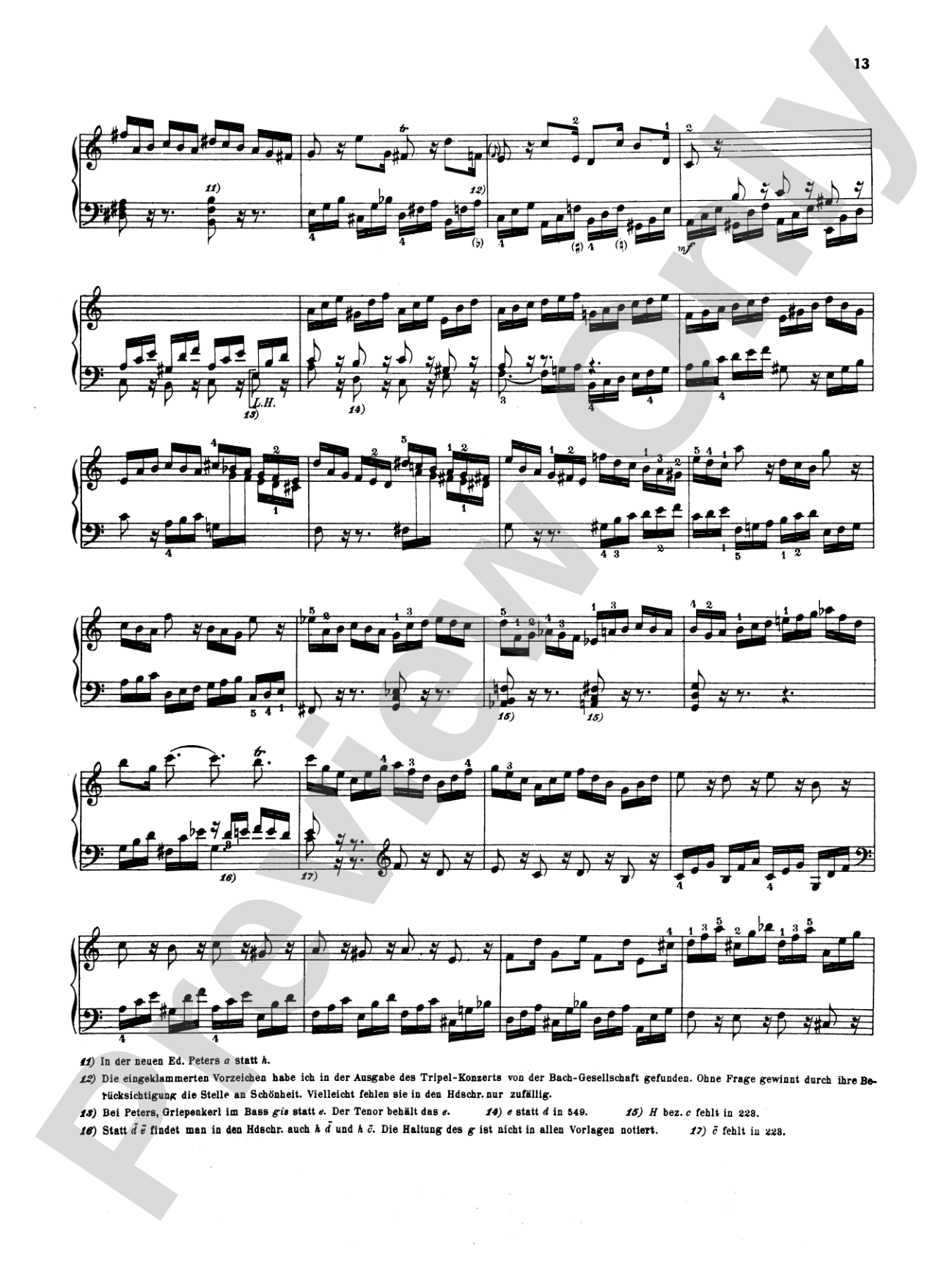
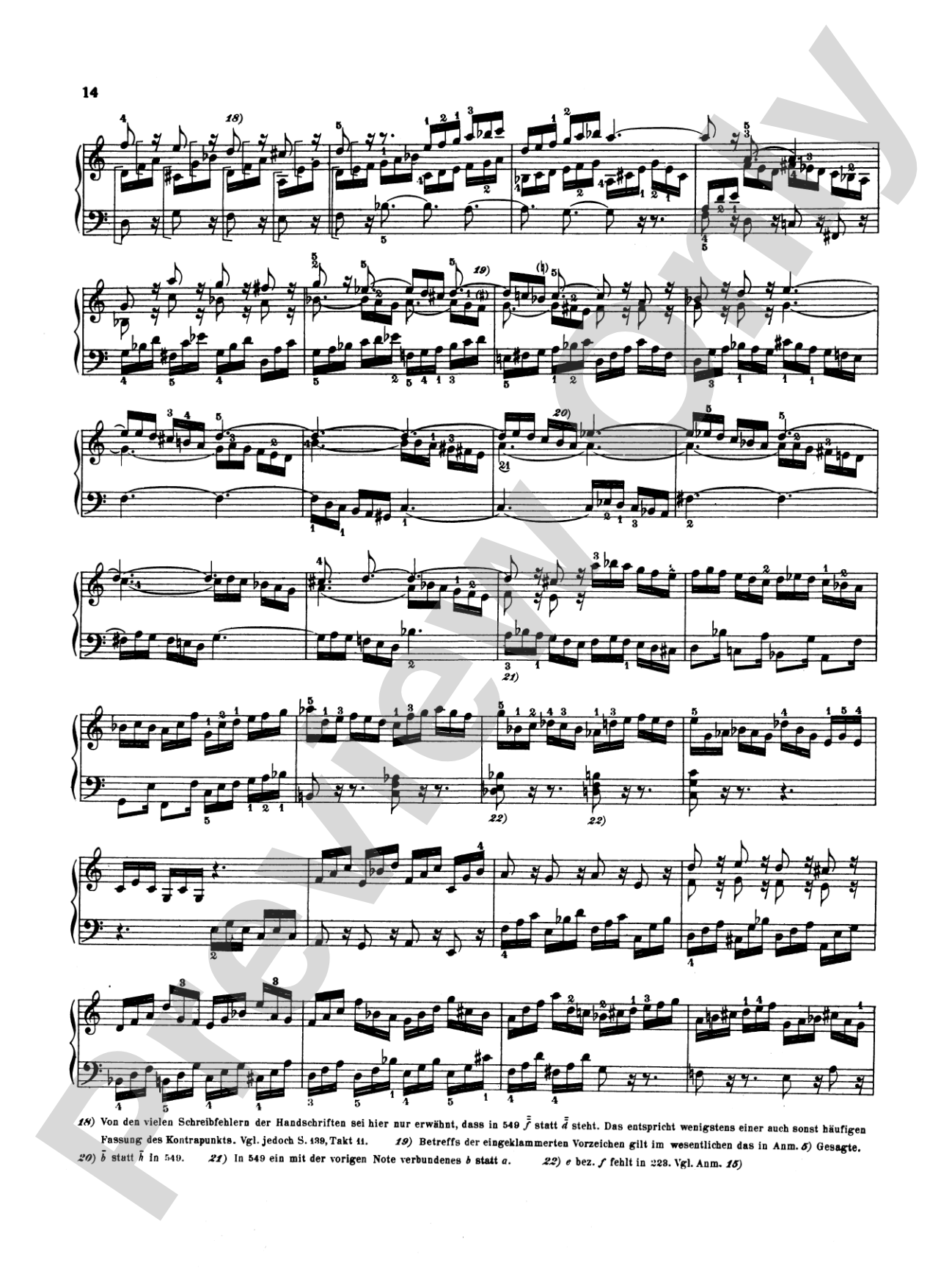

Bach: Various Works (Volume II)
By Johann Sebastian Bach
Level: Intermediate / Advanced
Item: 00-PK-0002884

$12.99
Pickup currently not available
Buy Extra Parts (Digital PDF Download)
| Product | Price | Quantity |
|---|---|---|
| Bach: Various Works (Volume II) | $0.99 | |
| Bach: Various Works (Volume II) | $0.99 | |
| Bach: Various Works (Volume II) | $0.99 | |
| Bach: Various Works (Volume II) | $0.99 | |
| Bach: Various Works (Volume II) | $0.99 | |
| Bach: Various Works (Volume II) | $0.99 | |
| Bach: Various Works (Volume II) | $0.99 | |
| Bach: Various Works (Volume II) | $0.99 | |
| Bach: Various Works (Volume II) | $0.99 |
Parts Added to Cart!
Description


Don't just read it, hear it, play along with it, and watch your students grow with it. In MakeMusic Cloud, Bach: Various Works (Volume II) comes alive with professional accompaniment, adjustable tempo, and built-in practice tools that turn solo practice into real progress.
Open in the Player
Jump straight in and assign it today.
Start Your Free Trial
Open this title and explore the full library in minutes.
Sample Audio
No sample audio found.
Sample Video
No sample videos found.
Additional Details
Series:
Kalmus Edition
Publisher:
Alfred Music
Page Count:
76
SKU:
00-PK-0002884
More about this title
About the Composer: Johann Sebastian Bach
Johann Sebastian Bach (1685, 1750) shaped Western music so fundamentally that later composers built their entire craft by studying his work. He synthesized German, Italian, and French styles into a language of architectural precision and emotional depth. His output across every major genre except opera established the harmonic and contrapuntal foundations that musicians still learn today.
Bach's keyboard works remain central to pianist training because they demand technical fluency alongside interpretive maturity. The Well-Tempered Clavier, the Goldberg Variations, and the Inventions have produced generations of disciplined musicians. For educators, Bach's music is the bridge between understanding how music works and understanding why it moves us.
Why we love this
This collection spans Bach's keyboard output with pieces that reveal the depth of his compositional thinking at every level. Intermediate and advanced pianists gain direct access to works that demand both technical facility and intellectual engagement, making it possible to program serious Baroque repertoire without oversimplifying.
What to expect
Bach's writing on the keyboard feels like solving an elegant puzzle while the music unfolds with architectural inevitability. Each voice pursues its own logical path, yet the result achieves perfect balance and emotional resonance. These works demand clarity and control but reward you with music of inexhaustible richness.
Who it's for
Advanced intermediate and advanced pianists seeking authentic engagement with Bach's keyboard legacy. This collection serves students preparing for examinations or recitals that require substantial Baroque repertoire, as well as teachers building comprehensive Baroque units into their studio curricula.
How to get the most out of it
- Approach counterpoint with independence in each hand; resist the urge to blur voices with excessive pedal. Let the architecture of the writing create clarity.
- Study the harmonic progression separately from the surface figuration. Bach's voice-leading often conceals functional harmony beneath ornamental passage work.
- Articulate baroque phrasing through touch rather than tempo variation. Slight weight shifts between voices and breathing space at cadences honor the style without relying on modern rubato.
- Practice hands separately for extended passages, especially fugues. Once secure, allow the counterpoint to unfold naturally rather than forcing mechanical precision.
How to use it
Frame this collection as a Baroque anchor in recitals that span multiple centuries. A single substantial Bach work paired with Romantic or contemporary pieces demonstrates the historical continuum of piano literature and appeals to audiences interested in technical mastery and structural sophistication.
Skills your students will build
- Voice independence and contrapuntal clarity
- Baroque articulation and phrasing without modern pedal effects
- Harmonic analysis and functional harmony within contrapuntal textures
- Fugal writing recognition and interpretation
- Ornamentation and style-appropriate embellishment execution
- Hand independence and technical control across both staves simultaneously