
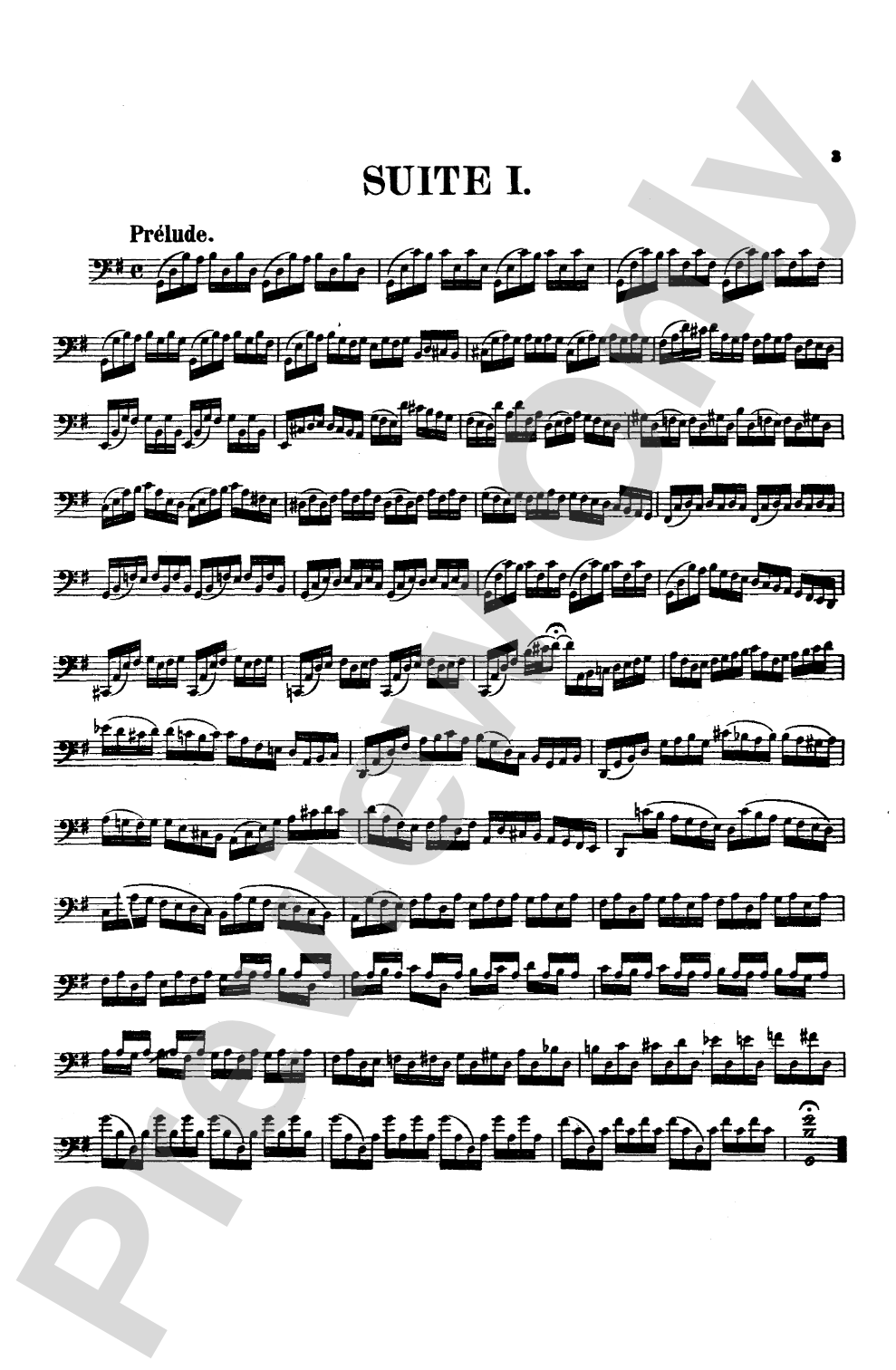
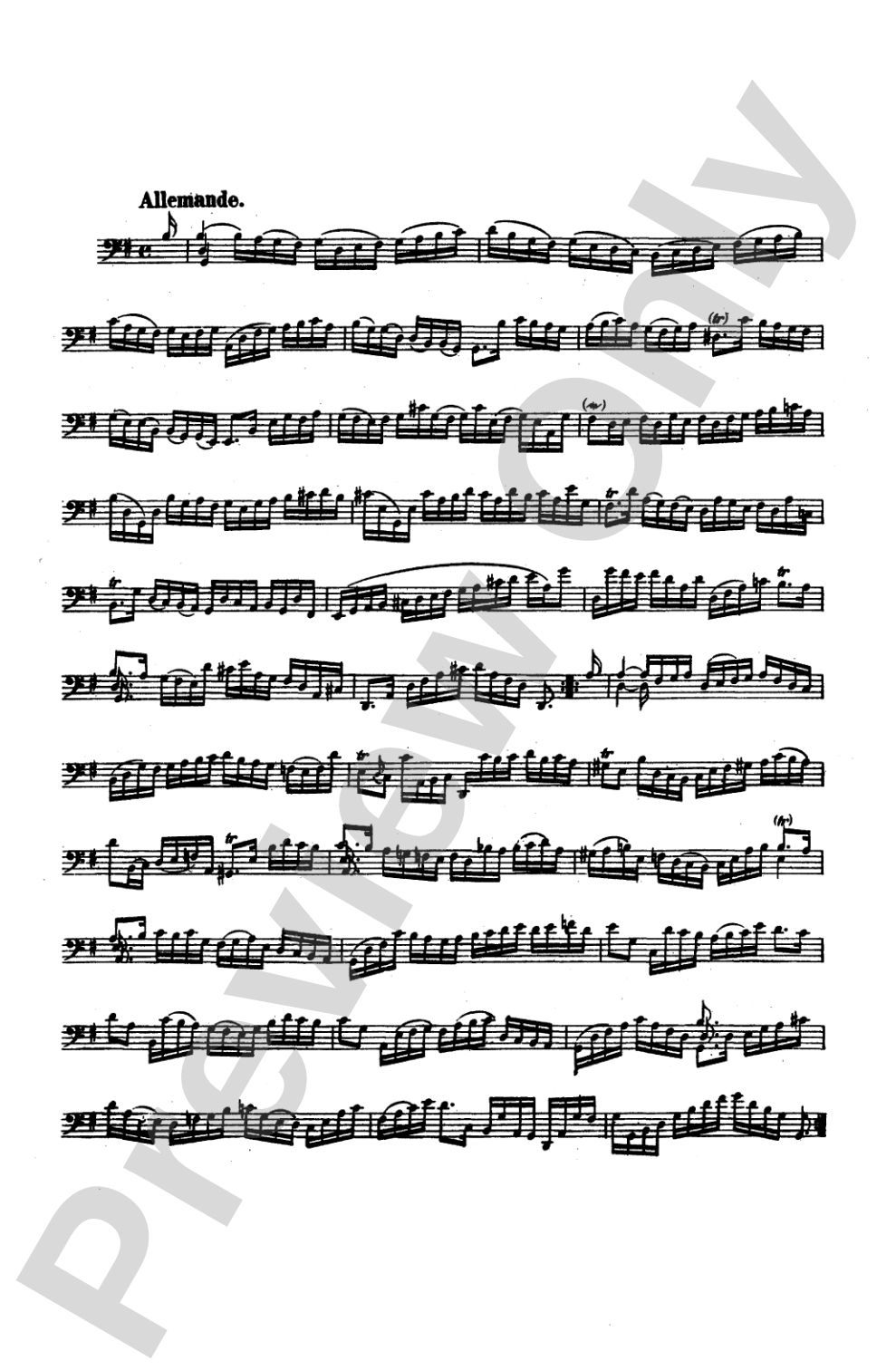
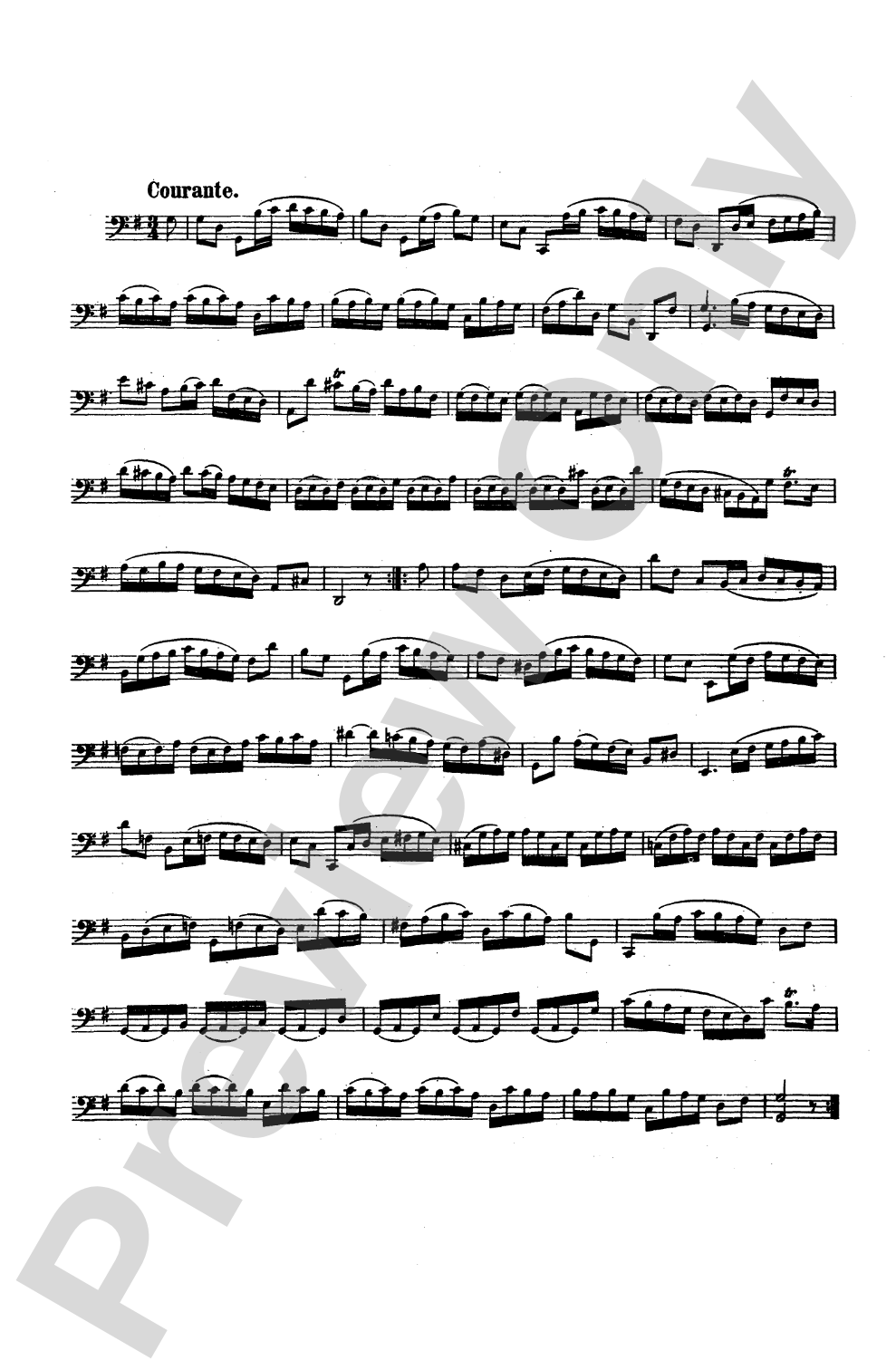
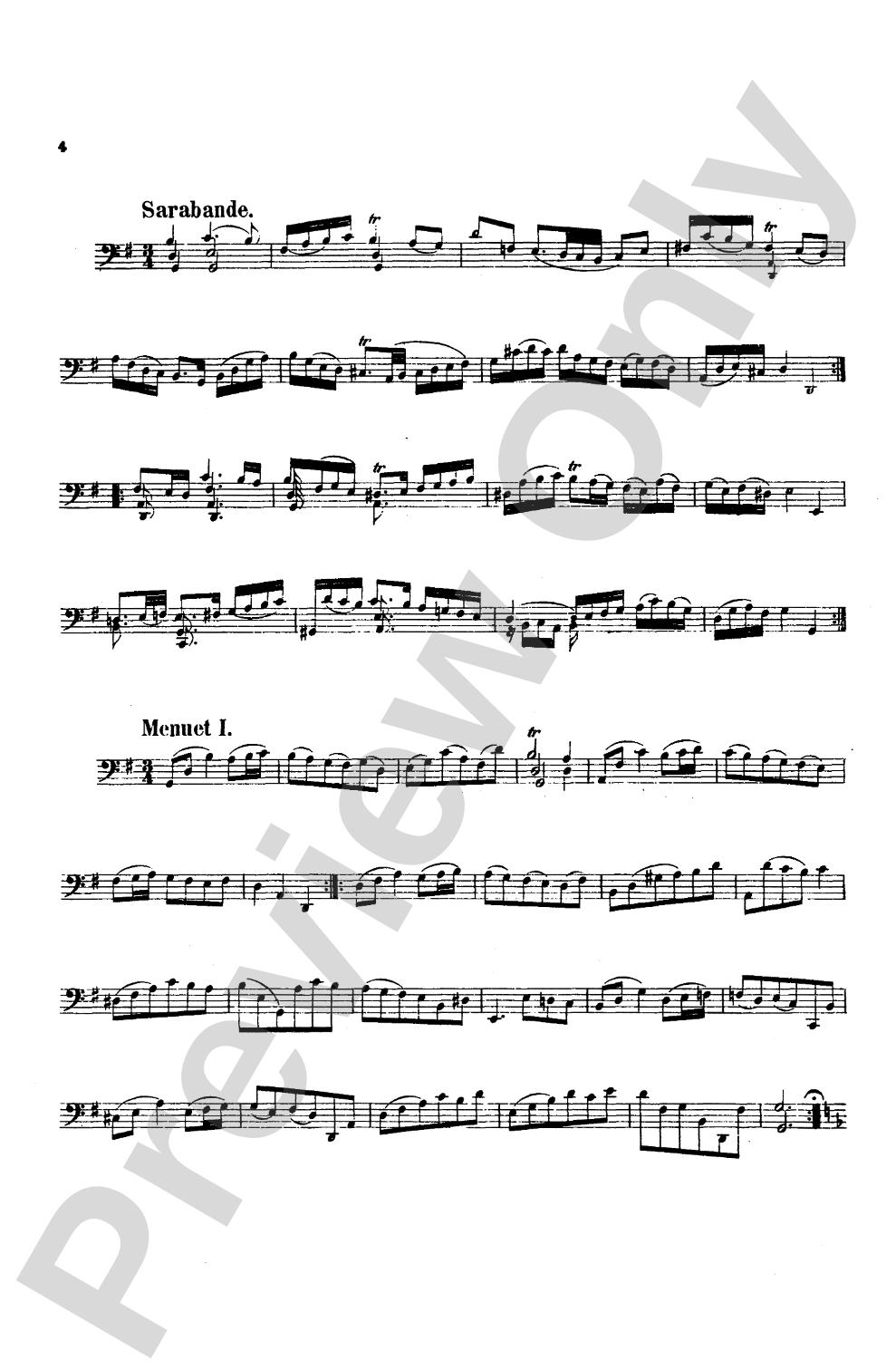
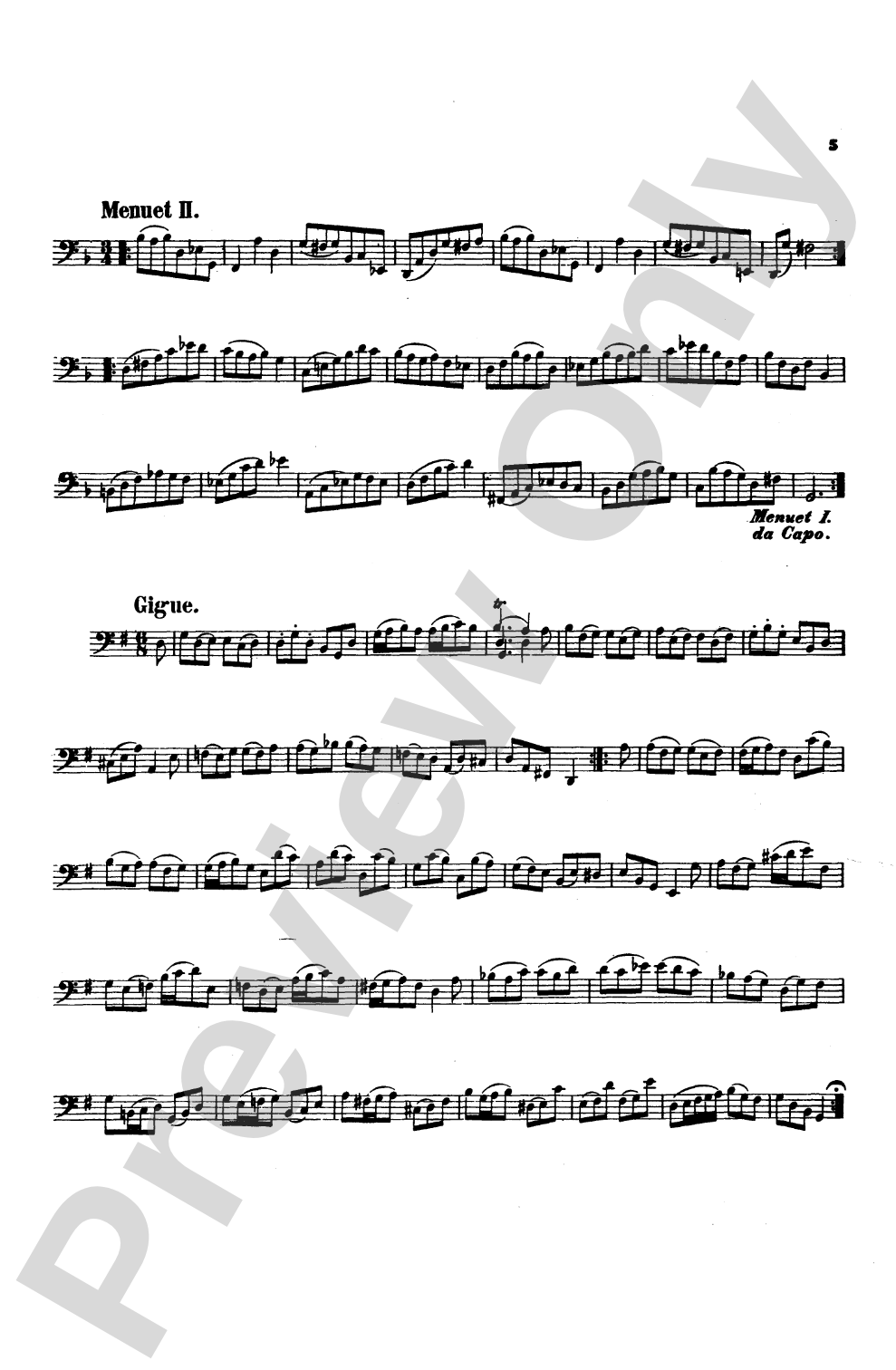

Bach: Various Works: Cello Miniature Score
By Johann Sebastian Bach
Item: 00-PK-0002690

$17.99
Pickup currently not available
Buy Extra Parts (Digital PDF Download)
| Product | Price | Quantity |
|---|---|---|
| Bach: Various Works | $0.99 | |
| Bach: Various Works | $0.99 | |
| Bach: Various Works | $0.99 | |
| Bach: Various Works | $0.99 | |
| Bach: Various Works | $0.99 | |
| Bach: Various Works | $0.99 | |
| Bach: Various Works | $0.99 | |
| Bach: Various Works | $0.99 | |
| Bach: Various Works | $0.99 | |
| Bach: Various Works | $1.99 | |
| Bach: Various Works | $1.99 | |
| Bach: Various Works | $1.99 | |
| Bach: Various Works | $1.99 |
Parts Added to Cart!
Related Items
Six Suites for Cello Solo, Three Sonatas for Gamba and Clavier, Three Sonatas for Flute and Clavier: Cello Miniature Score |
$17.95
|
View |
Description
All these works date from the period 1718-1723 when Bach uses the term "Sonata." This does not mean the modern sonata form. Usually the first and third movements---when there are four---are in slow time, and the second and fourth are in fast time.


Don't just read it, hear it, play along with it, and watch your students grow with it. In MakeMusic Cloud, Bach: Various Works: Cello Miniature Score comes alive with professional accompaniment, adjustable tempo, and built-in practice tools that turn solo practice into real progress.
Open in the Player
Jump straight in and assign it today.
Start Your Free Trial
Open this title and explore the full library in minutes.
Sample Audio
No sample audio found.
Sample Video
No sample videos found.
Additional Details
Series:
Kalmus Edition
Publisher:
Alfred Music
Page Count:
128
SKU:
00-PK-0002690
More about this title
About the Composer: Johann Sebastian Bach
Johann Sebastian Bach (1685-1750) stands at the center of Baroque music, synthesizing German, Italian, and French styles into a body of work of unmatched structural ingenuity and expressive depth. His mastery of counterpoint, harmonic language, and instrumental writing shaped everything that followed; his music remains foundational to the training of serious musicians across all disciplines.
Bach's cello works occupy a unique place in the repertoire. Written during his most productive years, they exploit the instrument's full range and expressive capability while remaining fundamentally vocal in their melodic sensibility. These pieces reward deep study and reveal new layers with each encounter.
Why we love this
This collection assembles works from a crucial period when Bach was exploring what he called "Sonata" form, offering cellists and their teachers authentic insight into his instrumental voice. The miniature score format makes these pieces accessible for study and programming without the expense of full sheet music sets, and the Kalmus Edition presents reliable, standard texts. These works challenge players to navigate baroque phrasing and ornamentation while building the kind of musical independence that cellists need for ensemble work.
What to expect
These sonatas move between introspection and brilliance, with the slow movements offering intimate, almost vocal passages and the fast movements delivering clarity and rhythmic vitality. There is an intellectual architecture underlying every phrase, yet the music never feels academic; instead, it invites the cellist into a sustained meditation on what the instrument can express.
Who it's for
Advanced cellists and serious students working toward recital or degree-level performance will find substantial material here for both study and programming. This collection also serves teachers seeking authentic baroque repertoire that bridges technique building and artistic development. Ensemble directors may reference these works when coaching cellists in their orchestras or chamber groups.
How to get the most out of it
- Honor the distinction between slow and fast movements noted in the score. The slow sections demand patience and a singing tone; resist the urge to rush even when the notation feels sparse.
- Attend carefully to ornamentation and articulation marks in your specific edition. Baroque performance practice varies, and Bach's notation guides interpretation more specifically than it might first appear.
- Consider the harmonic implications of each phrase. These sonatas are often conversations between melody and bass line; thinking through the underlying progression will sharpen your phrasing and bow control.
- Balance technical demands with musical intent. These pieces contain challenging passages, but the difficulty serves the music, not the other way around. Prioritize clarity and continuity over virtuosity.
How to use it
Program individual movements or complete sonatas in recitals where you want to establish stylistic breadth and technical range. These works sit naturally alongside other baroque sonatas and concertos, and they pair well with later repertoire that builds on Bach's harmonic language. A cellist performing these pieces demonstrates command of an essential part of the canon.
Skills your students will build
- Reading baroque notation and ornamentation symbols
- Baroque phrasing and articulation within slow and fast movements
- Harmonic analysis and its application to bowing and tone production
- Independence of melodic line from bass movement
- Sustained legit singing tone across extended passages
- Technical fluency in baroque figurations and passagework