
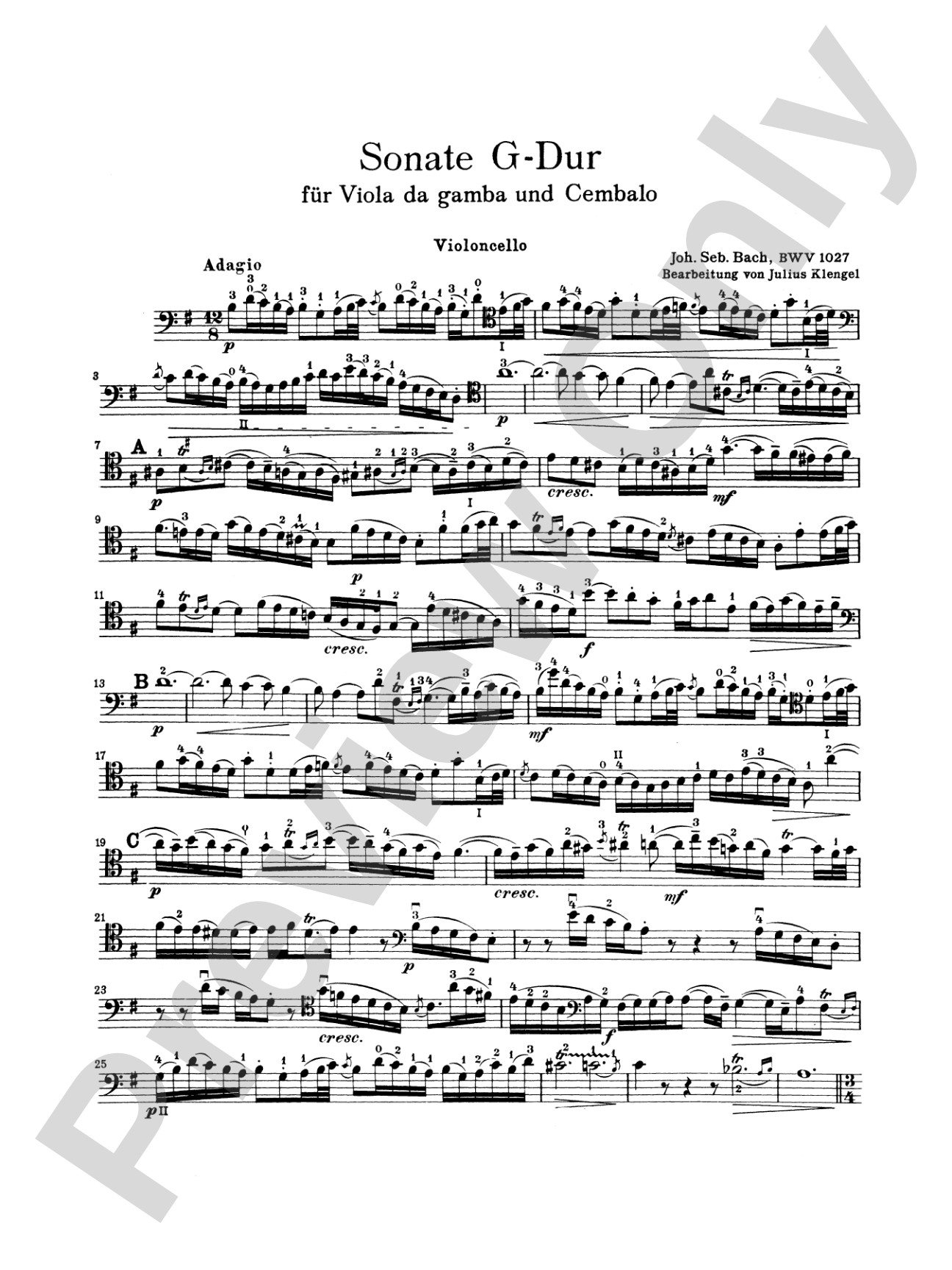
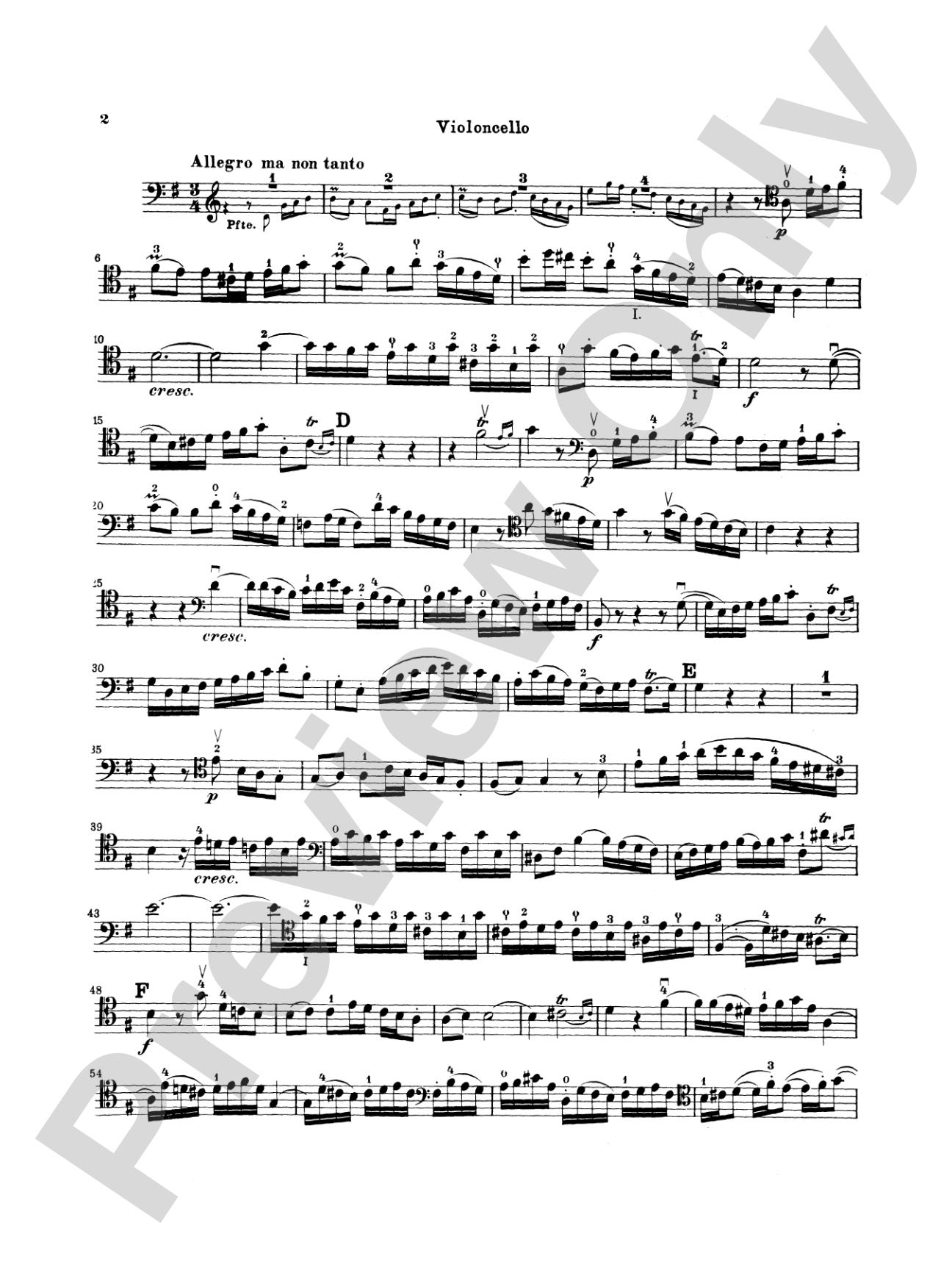
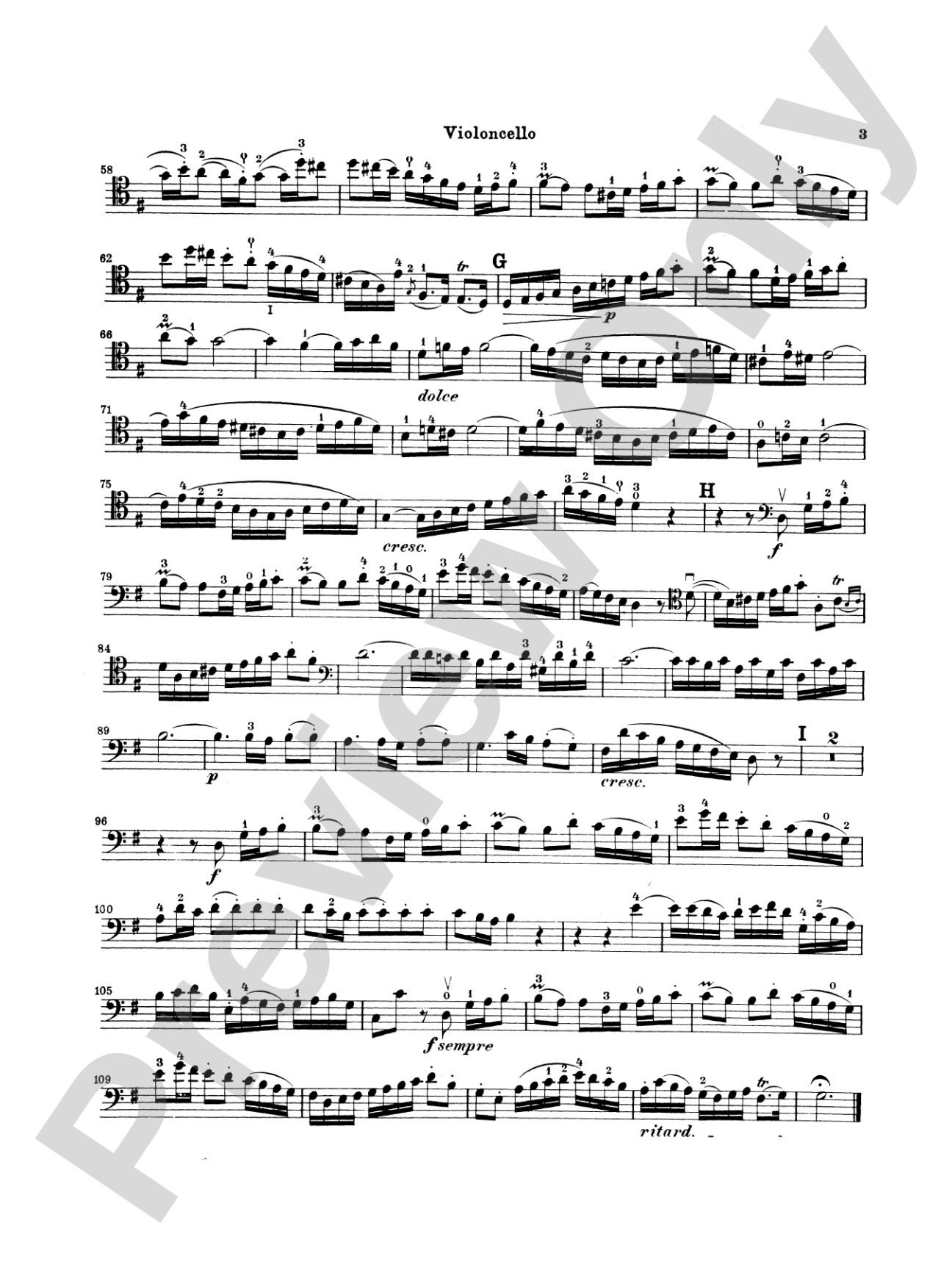
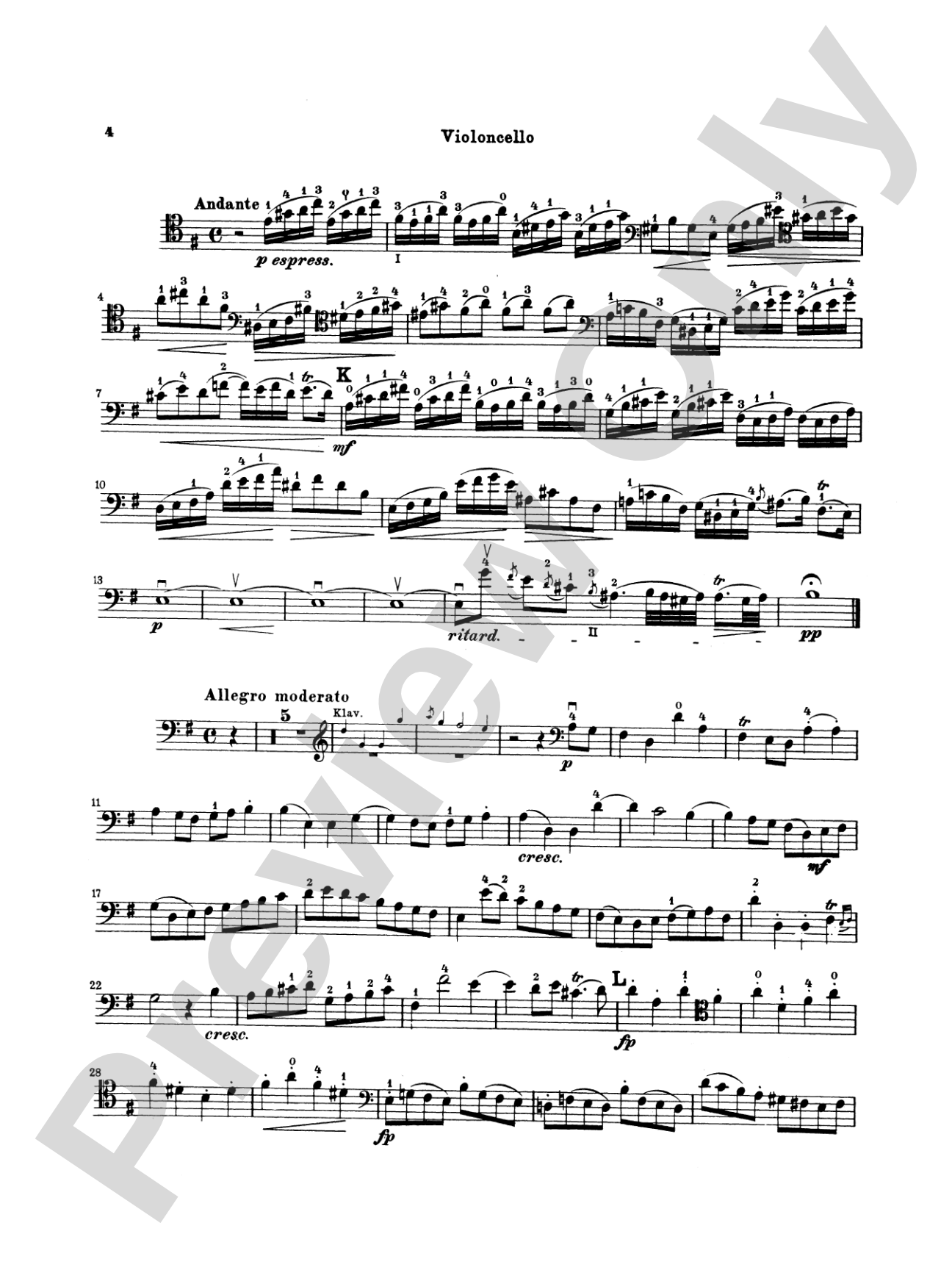
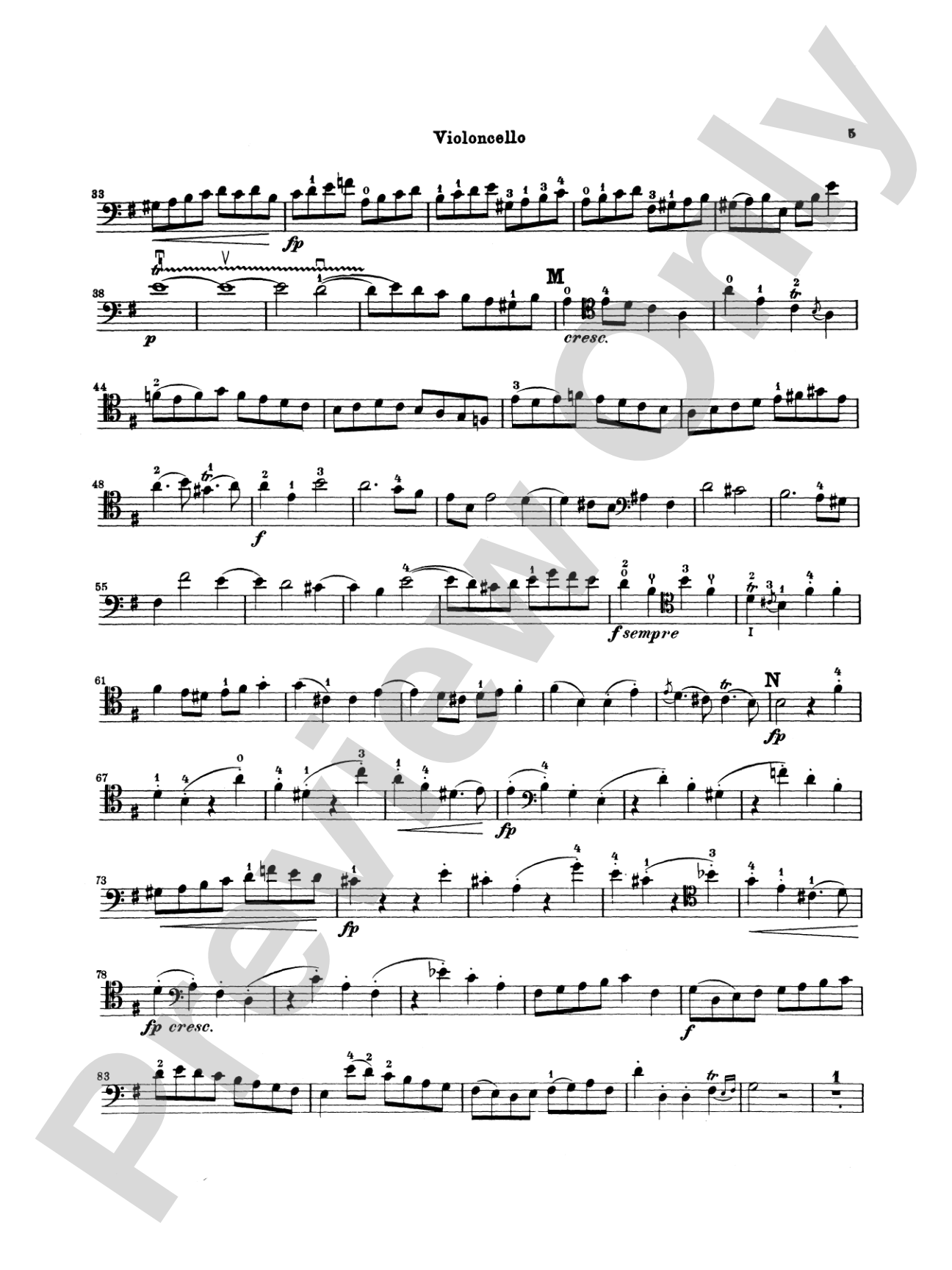
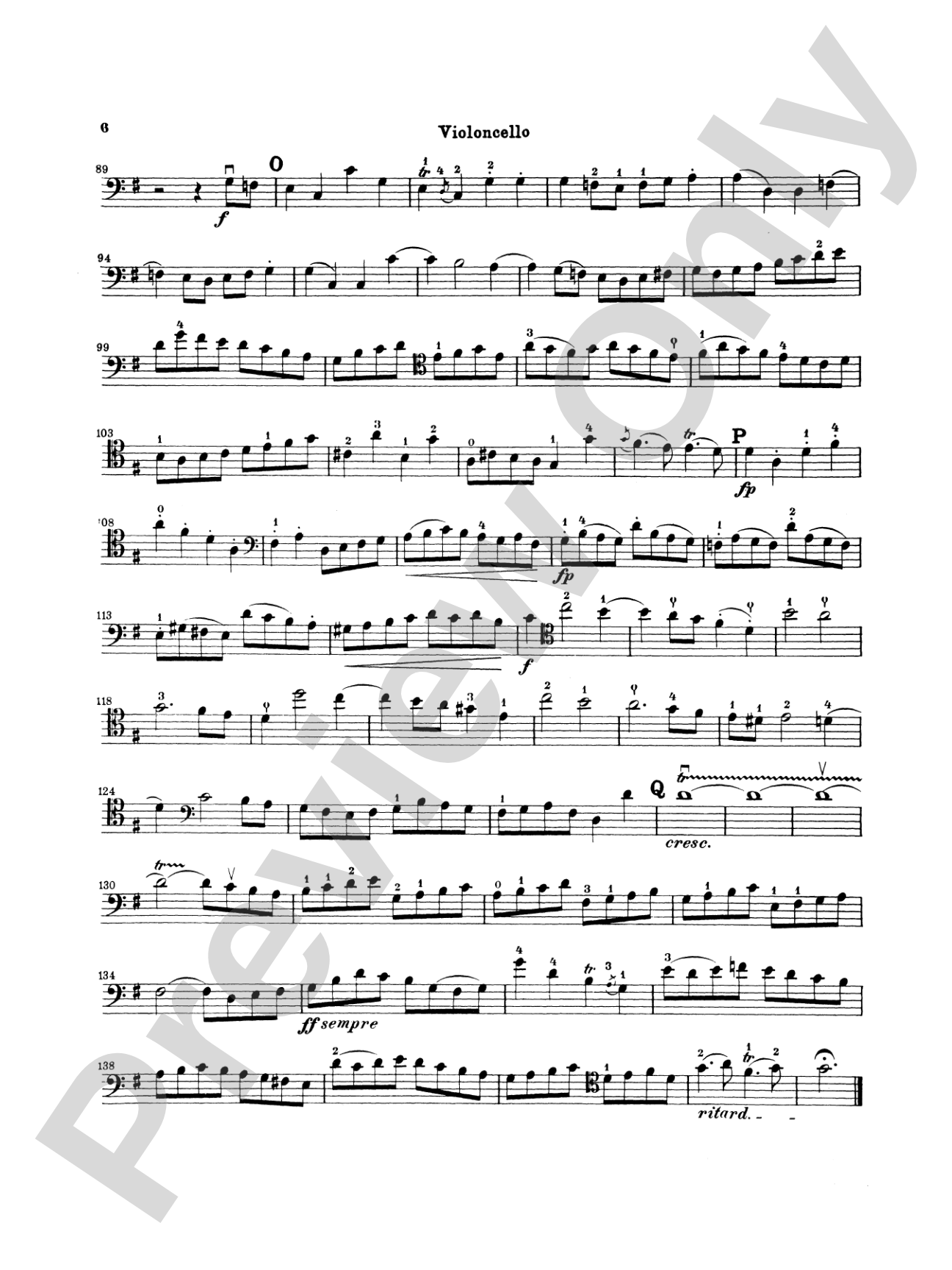

Bach: Three Sonatas for Viola da Gamba, BWV 1027-29 (Transcr. For Cello and Piano by Julius Klengel): Cello Book
By Johann Sebastian Bach / transcr. for Cello and Piano by Julius Klengel
Item: 00-PK-0003507

$12.99
Pickup currently not available
Buy Extra Parts (Digital PDF Download)
Parts Added to Cart!
Related Items
Three Sonatas for Viola da Gamba, BWV 1027-29: Cello Book |
$12.95
|
View |
Description
(Transcribed for Cello and Piano by Julius Klengel)


Don't just read it, hear it, play along with it, and watch your students grow with it. In MakeMusic Cloud, Bach: Three Sonatas for Viola da Gamba, BWV 1027-29 (Transcr. For Cello and Piano by Julius Klengel): Cello Book comes alive with professional accompaniment, adjustable tempo, and built-in practice tools that turn solo practice into real progress.
Open in the Player
Jump straight in and assign it today.
Start Your Free Trial
Open this title and explore the full library in minutes.
Sample Audio
No sample audio found.
Sample Video
No sample videos found.
Additional Details
Series:
Kalmus Edition
Publisher:
Alfred Music
Page Count:
68
SKU:
00-PK-0003507
More about this title
About the Composer: Johann Sebastian Bach
Johann Sebastian Bach (1685–1750) was a master of structural invention whose mastery of counterpoint and harmonic language shaped Western music for centuries. Working primarily in Leipzig and Weimar, Bach composed across every Baroque genre, from cantatas and passions to keyboard works and chamber music, creating a catalog of extraordinary depth and technical sophistication.
Why we love this
These sonatas exemplify Bach's gift for writing idiomatic chamber music that sounds natural on each instrument while maintaining the intellectual rigor his music demands. Klengel's transcription respects the original viola da gamba part while giving cellists genuine access to some of Bach's most rewarding chamber works, and the keyboard writing remains engaging without overshadowing the soloist.
What to expect
These sonatas blend intimate lyricism with intellectual precision. The opening movements often unfold with elegant simplicity that masks careful harmonic planning, while inner movements reveal Bach's gift for songlike invention. Closing movements frequently approach fugal intensity, rewarding cellists willing to navigate rapid figuration and complex rhythmic interplay.
Who it's for
Cellists working at the intermediate-advanced level who want to build confidence with Bach's contrapuntal language and explore the sonata literature beyond the standard suites and concertos. These works suit both serious students preparing for competitions or ensemble recitals and chamber musicians looking for repertoire that challenges both partners equally.
How to get the most out of it
- Balance the independence of the two instruments throughout; the cello is not merely accompanied by the piano but engages in genuine dialogue, especially in the fugal movements.
- Shape long phrases with subtle dynamic contours rather than abrupt changes; Baroque performance benefits from forward momentum tempered by strategic breathing points.
- Approach the figuration in the keyboard part with clarity and rhythmic precision; it serves as both harmonic foundation and melodic partner to the cello line.
- Practice the passages where both instruments share similar rhythmic figures to achieve ensemble unity; slight flexibility in tempo can clarify the contrapuntal relationships.
How to use it
Pair these with other Baroque sonatas (Telemann, Geminiani) to build a thematic recital exploring the Baroque chamber sonata, or program individual movements to complement larger works. They work equally well as standalone concert pieces that highlight the cello's lyrical and technical capacities.
Skills your students will build
- Reading and performing contrapuntal lines with independence and clarity
- Stylistic interpretation of Baroque phrasing and articulation
- Coordinating with a keyboard partner through complex rhythmic figures
- Building stamina and coordination across rapid passagework in multiple registers
- Understanding harmonic function through functional bass analysis