
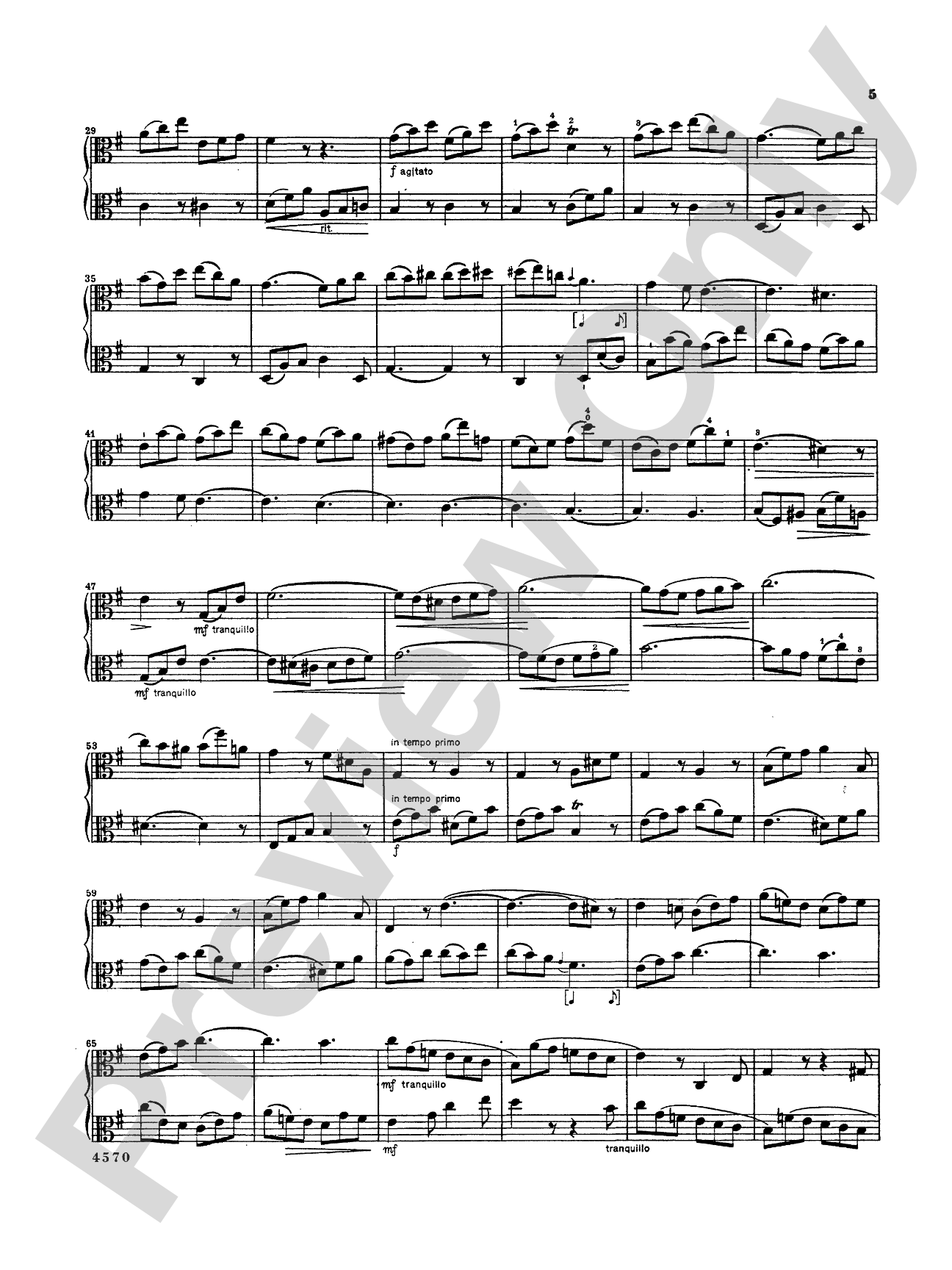
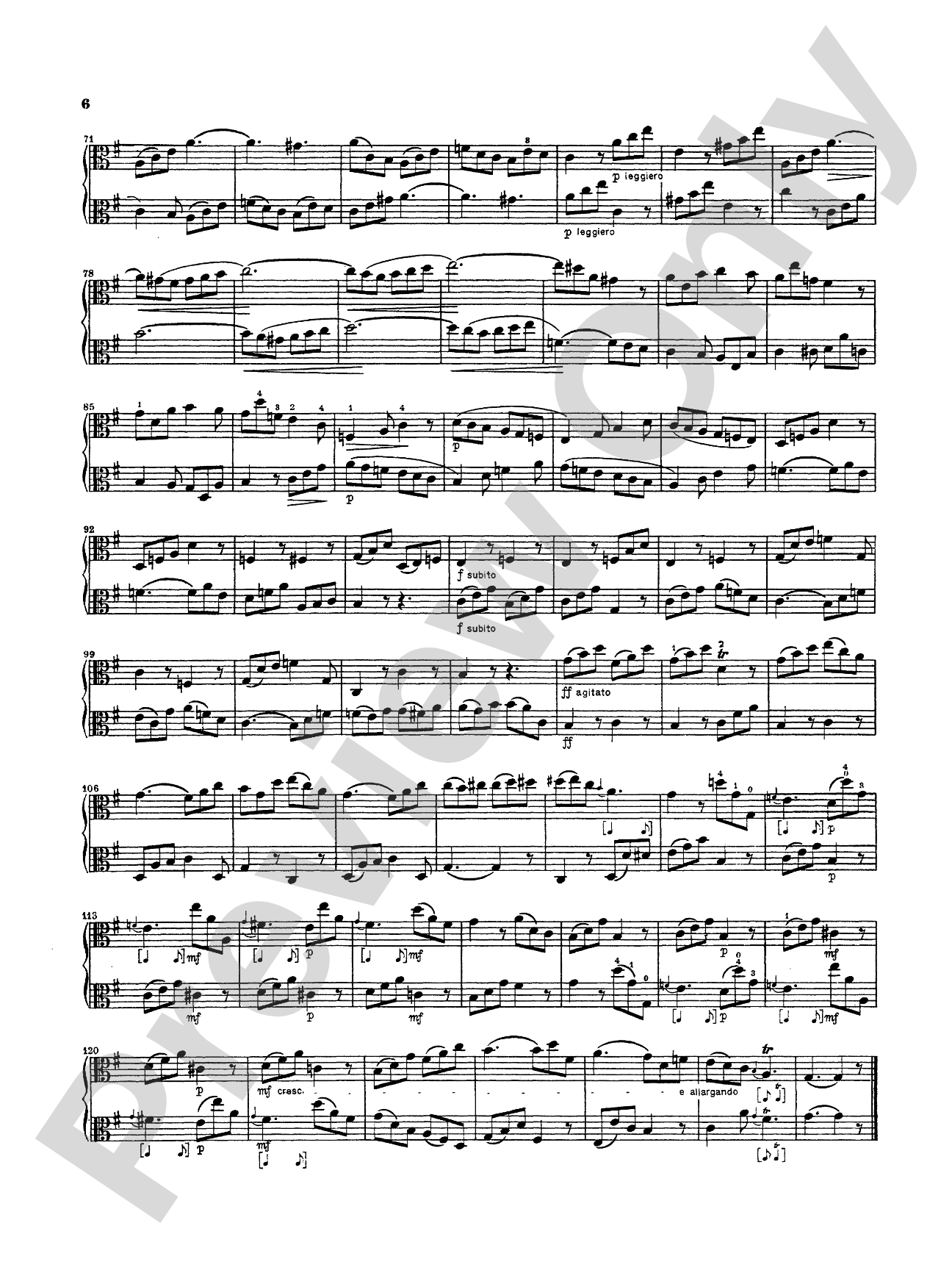

Bach: Three Duets for Two Violas: Viola Book
By Wilhelm Friedemann Bach
Item: 00-PK-0003560

$8.99
Pickup currently not available
Buy Extra Parts (Digital PDF Download)
| Product | Price | Quantity |
|---|---|---|
| Bach: Three Duets for Two Violas | $1.99 | |
| Bach: Three Duets for Two Violas | $1.99 | |
| Bach: Three Duets for Two Violas | $1.99 |
Parts Added to Cart!
Related Items
Three Duets for Two Violas: Viola Book |
$8.95
|
View |
Description
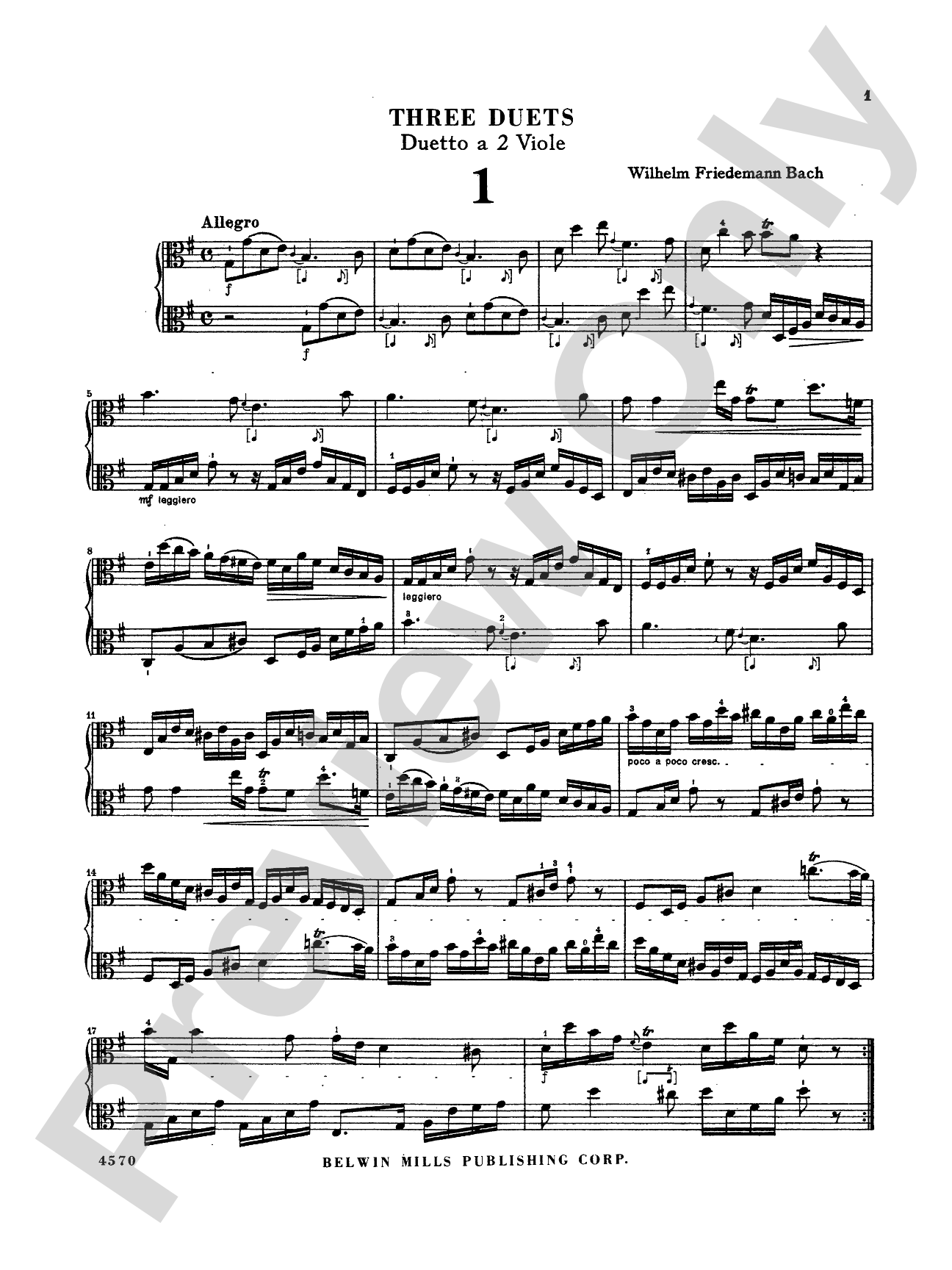
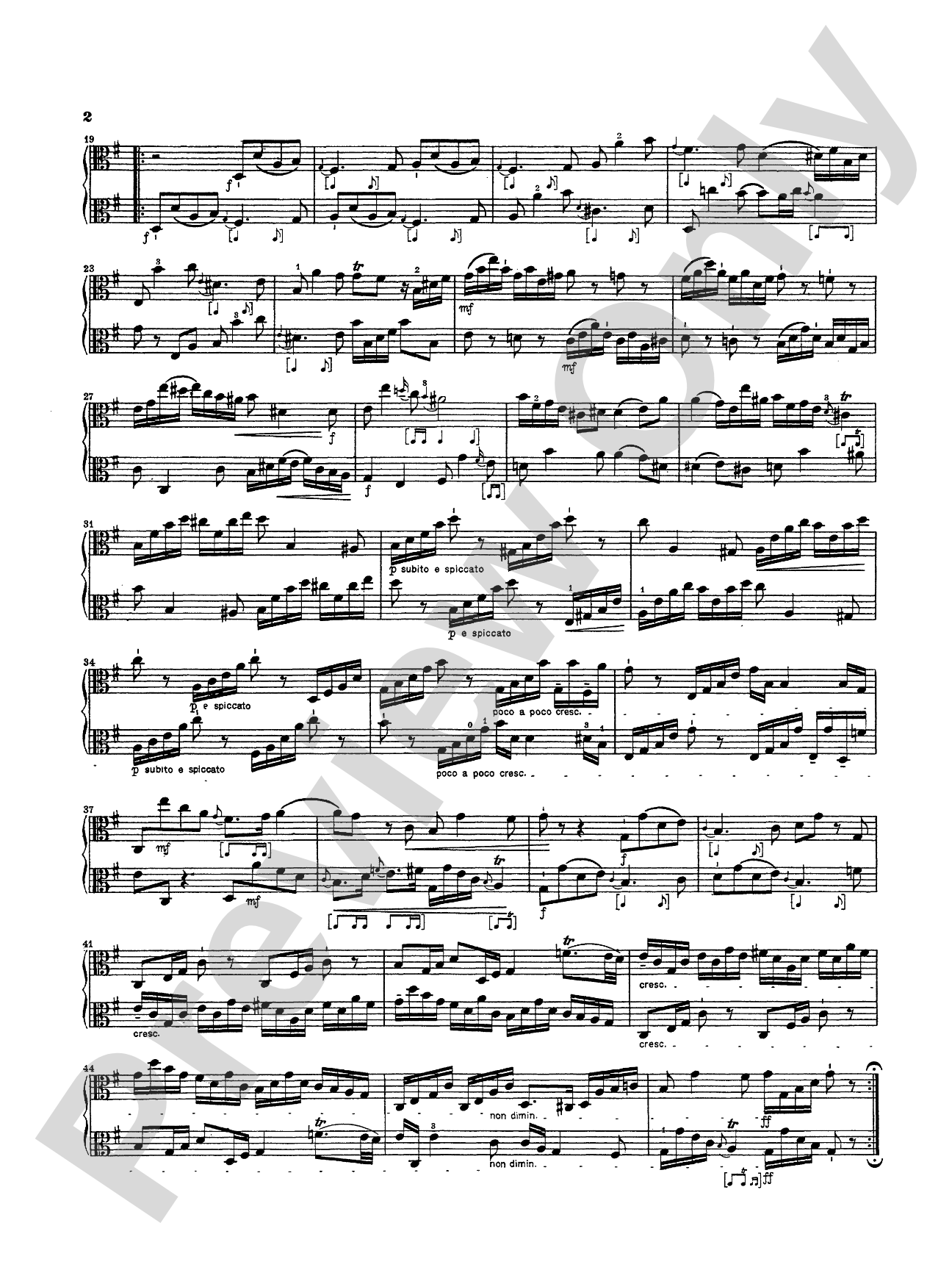
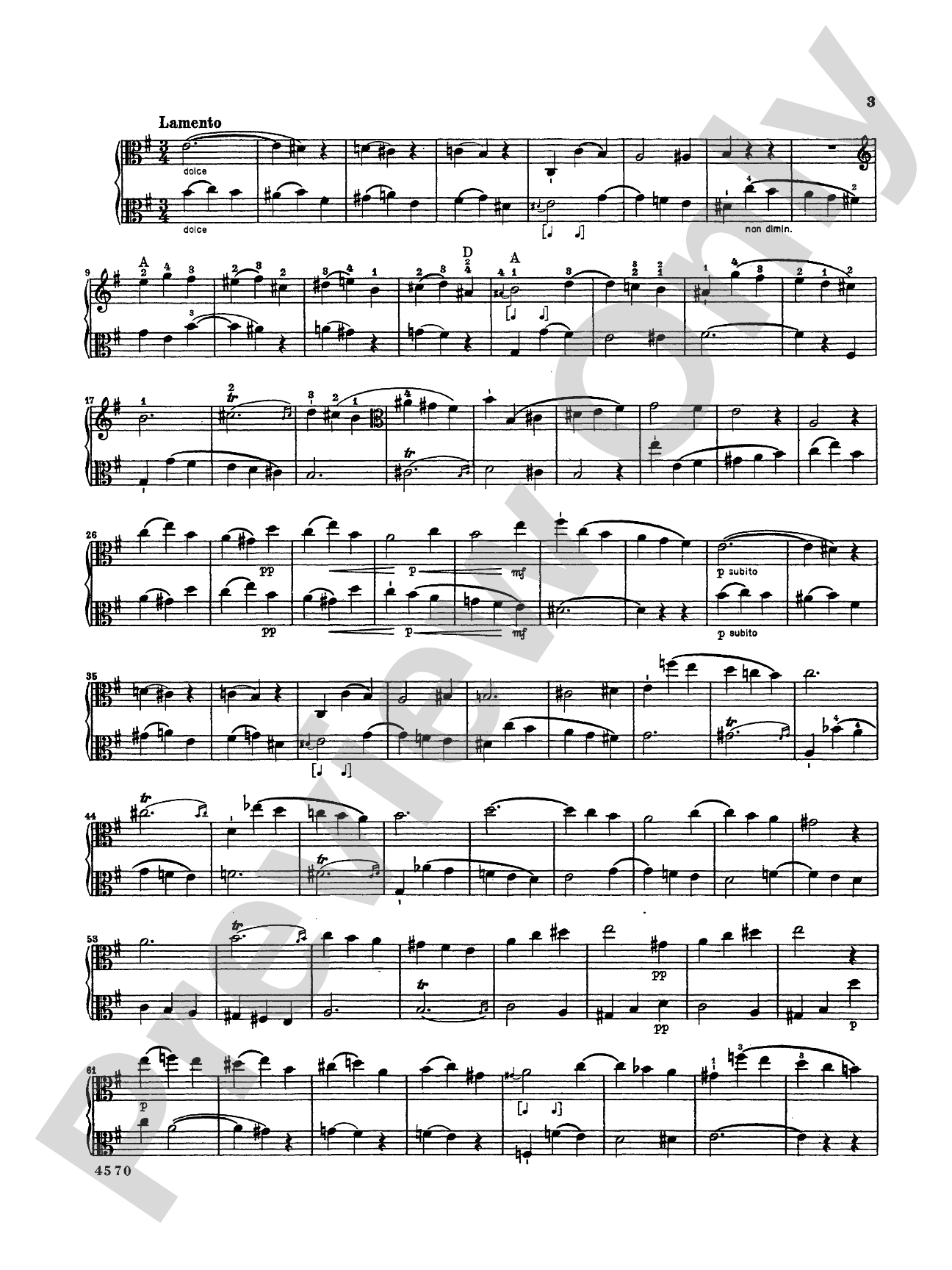
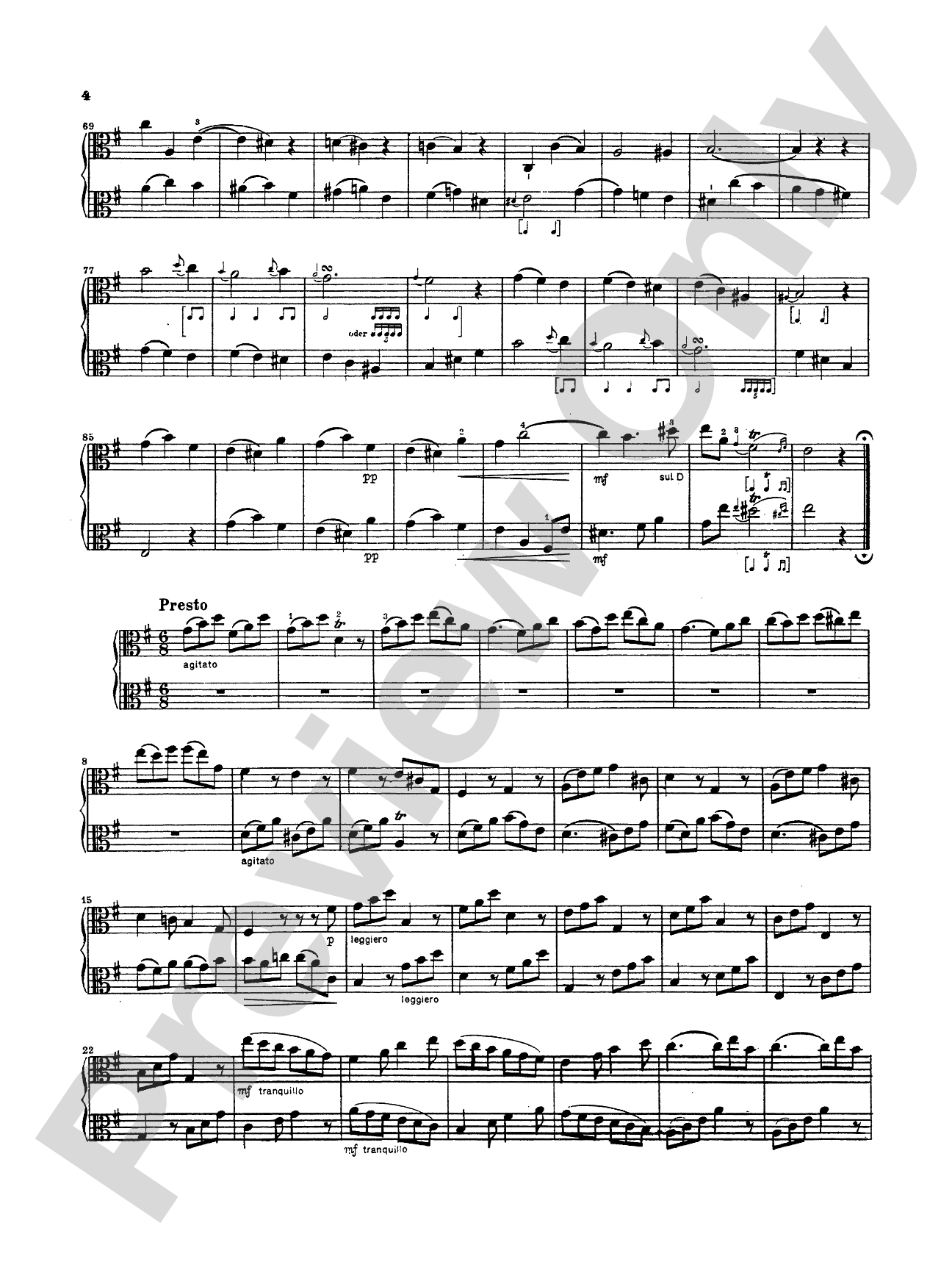
Expertly arranged Viola Duets by Wilhelm Friedemann Bach from the Kalmus Edition series. This is from the Baroque and Classical eras.


Don't just read it, hear it, play along with it, and watch your students grow with it. In MakeMusic Cloud, Bach: Three Duets for Two Violas: Viola Book comes alive with professional accompaniment, adjustable tempo, and built-in practice tools that turn solo practice into real progress.
Open in the Player
Jump straight in and assign it today.
Start Your Free Trial
Open this title and explore the full library in minutes.
Sample Audio
No sample audio found.
Sample Video
No sample videos found.
Additional Details
Series:
Kalmus Edition
Publisher:
Alfred Music
Page Count:
20
SKU:
00-PK-0003560
More about this title
About the Composer: Wilhelm Friedemann Bach
Wilhelm Friedemann Bach (1710-1784) was the eldest son of Johann Sebastian Bach and a significant composer in his own right during the transition from Baroque to Classical style. A virtuoso keyboard player and innovative composer, he held positions as court musician in Dresden and Halle, where he developed a distinctive voice that moved beyond his father's contrapuntal legacy toward more galant aesthetics. His chamber works reveal a composer unafraid to experiment with form and harmony, earning him respect among his contemporaries even as his reputation was later overshadowed by his father's towering legacy.
Why we love this
These duets sit at the sweet spot between pedagogical value and genuine musical substance. Wilhelm Friedemann Bach's writing for two violas exploits the warmth and blend of identical voices while maintaining the architectural clarity you expect from the Bach family, making them equally effective for advanced high school students preparing for competitions or college ensembles seeking elegant, lesser-known chamber literature.
What to expect
Intimate and contrapuntally intricate, these duets balance the warmth of two violas in close register with the structural sophistication you find throughout Bach family output. The musical discourse feels conversational yet formal, with each voice articulate and purposeful, creating a chamber experience that rewards both careful listening and thoughtful playing.
Who it's for
Advanced viola students and chamber ensembles seeking substantial Baroque-era repertoire that showcases musicianship beyond the typical student duet. Directors programming competition or festival entries will find genuine musical depth here, and violists preparing for college auditions benefit from the technical demands and stylistic maturity the writing requires.
How to get the most out of it
- Attend carefully to the balance between voices; resist the urge to make one part clearly primary. Equal blend from both players creates the rich sonority Bach intended for this instrumentation.
- Bring out inner voices and countermelody with articulation and slight dynamic shaping rather than textural changes. The linear independence demands clarity without sacrificing the duet's unified color.
- Shape phrases by the harmonic rhythm, not by breath marks. Baroque phrasing conventions mean your musical punctuation may not align with viola fingerings or natural resting points.
How to use it
Feature these on a chamber recital or competition program where they demonstrate serious musical preparation without requiring large forces. They pair naturally with other Baroque duets or smaller ensemble works, and their 20-page length makes them substantial enough to anchor a recital segment while remaining accessible for programs emphasizing string chamber literature.
Skills your students will build
- Baroque counterpoint and voice independence in identical-range instruments
- Intonation and blend in duet contexts with minimal harmonic support
- Phrasing across longer harmonic progressions using period and cadence
- Part reading and harmonic awareness in polyphonic textures
- Stylistically informed articulation and ornamentation appropriate to the Baroque-Classical transition