
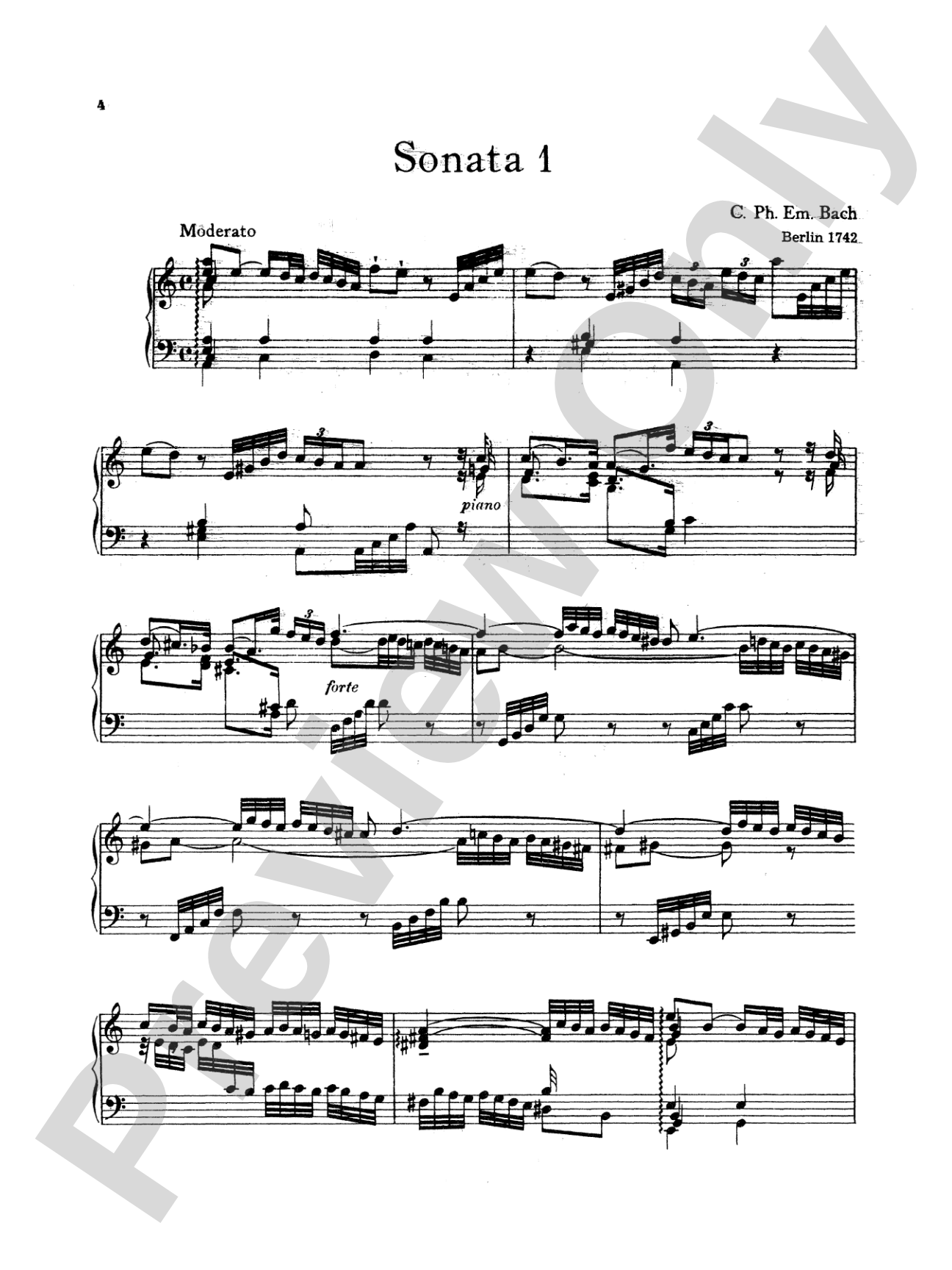
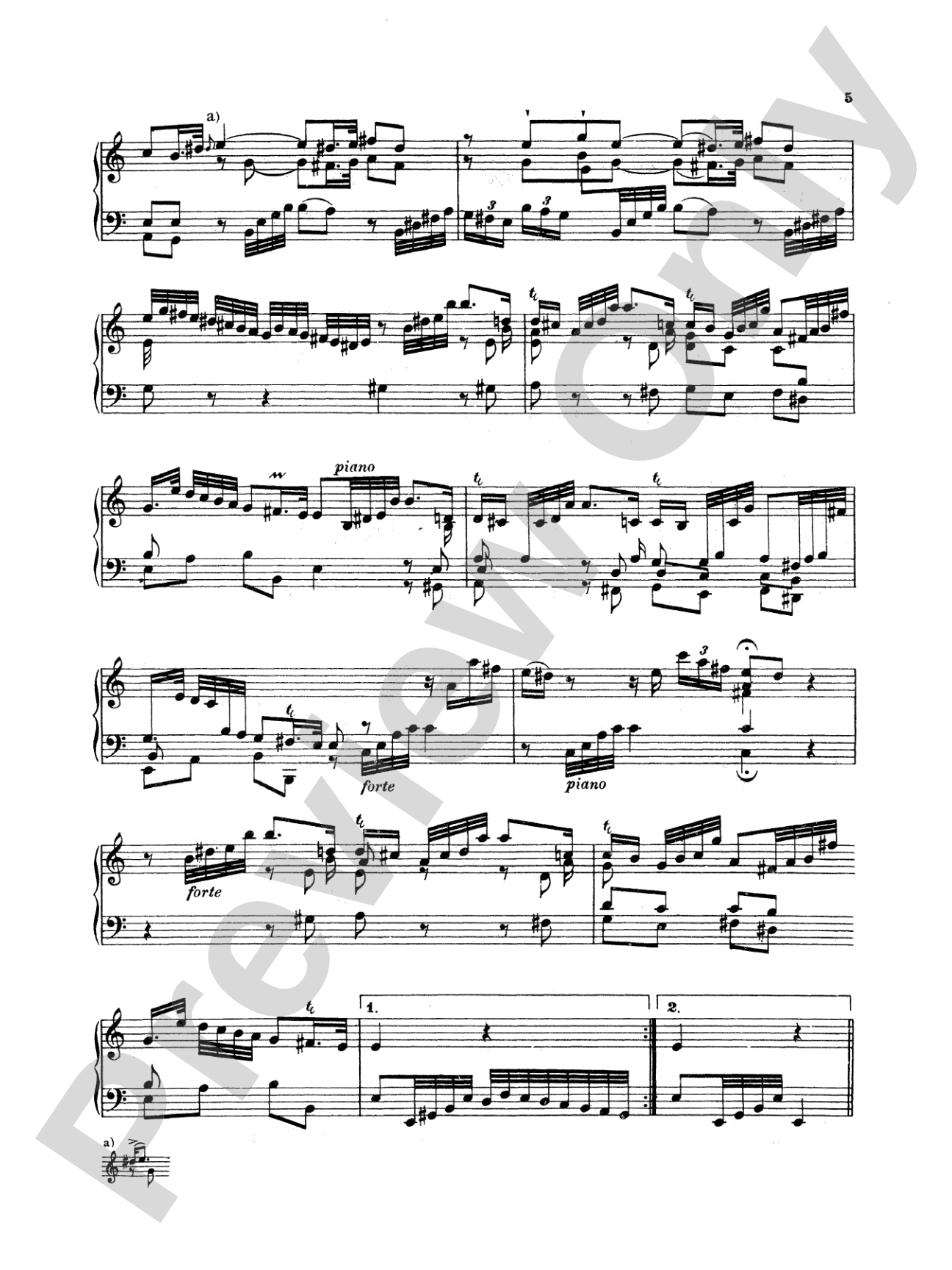
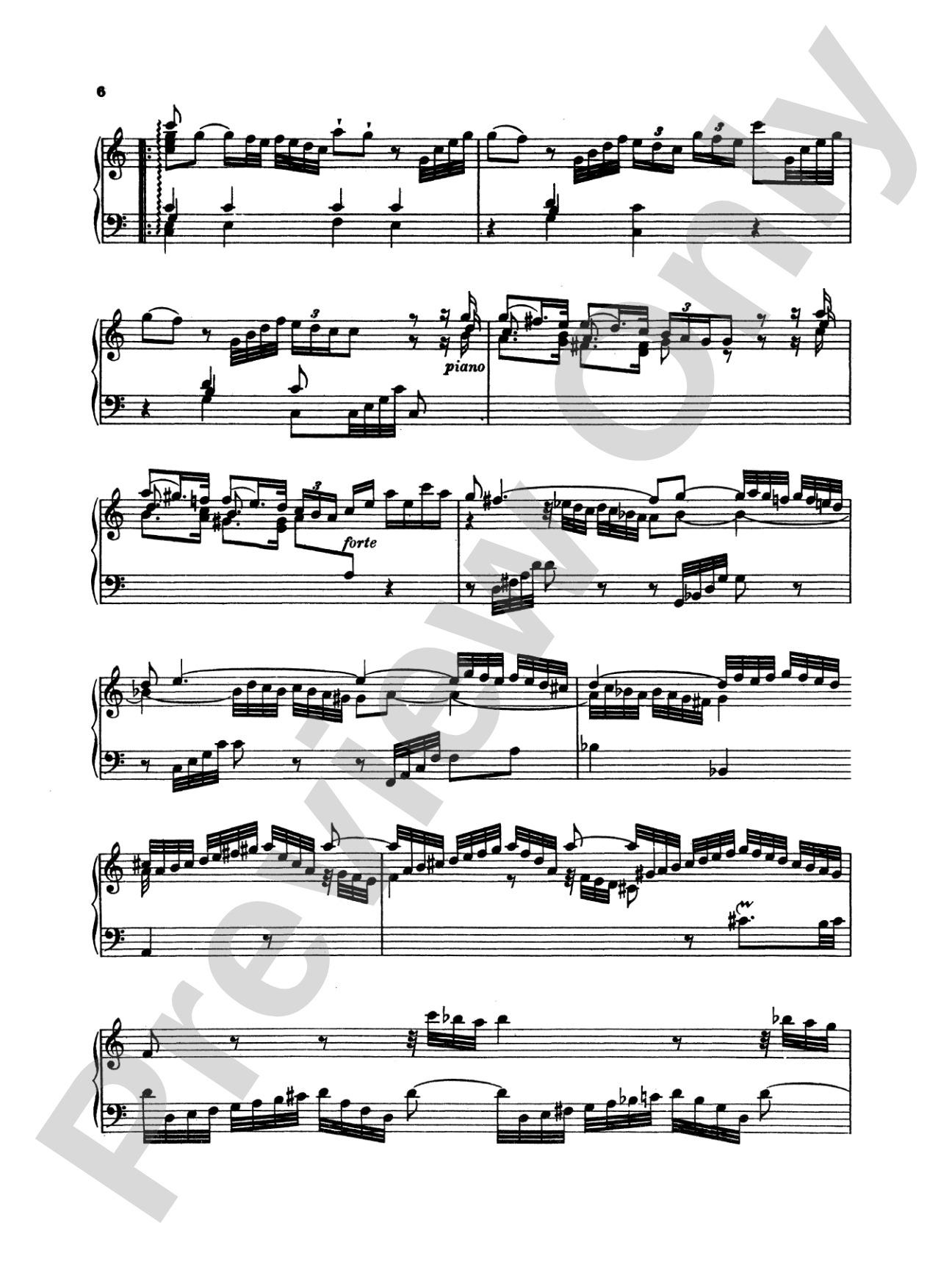
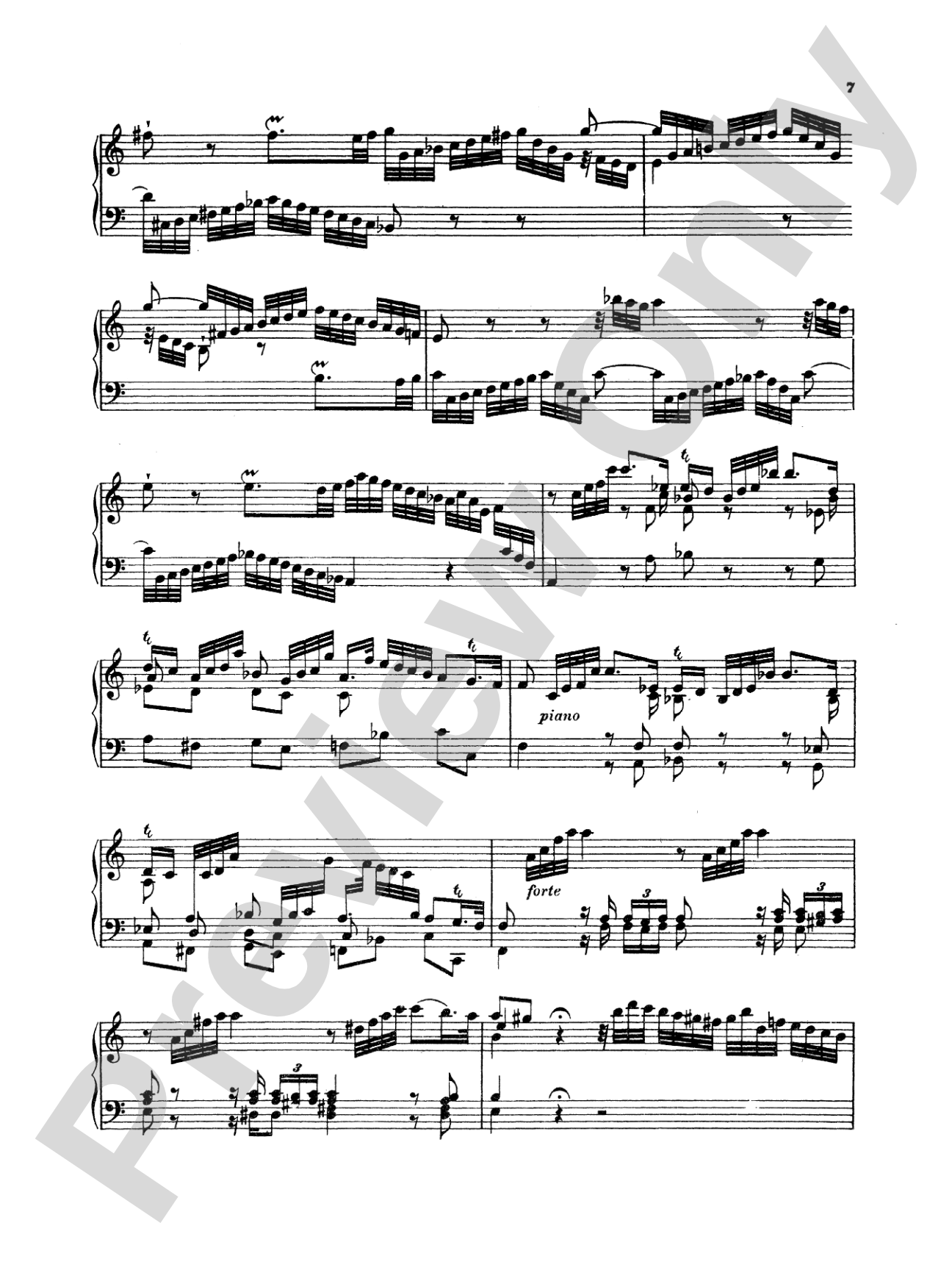
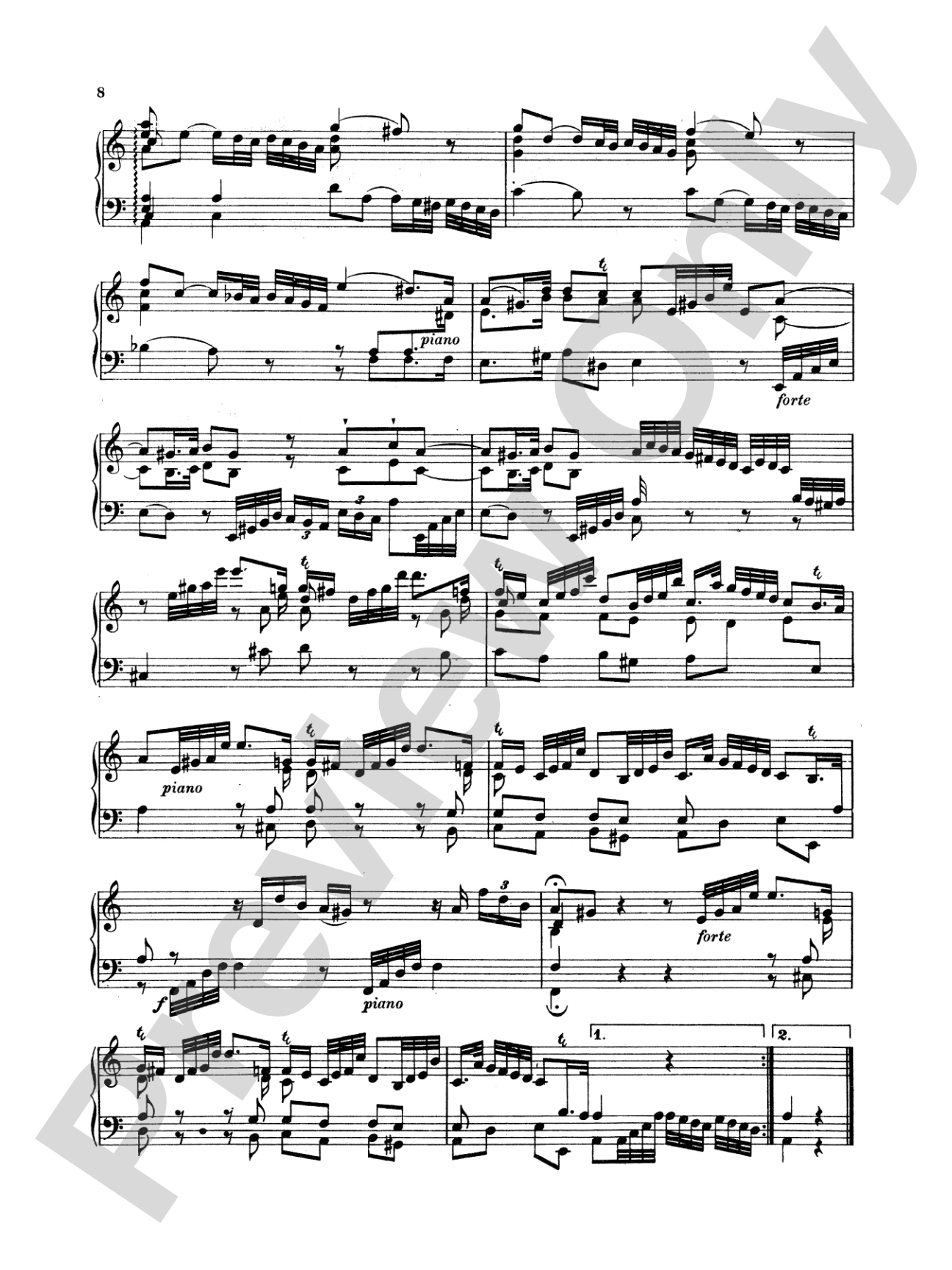
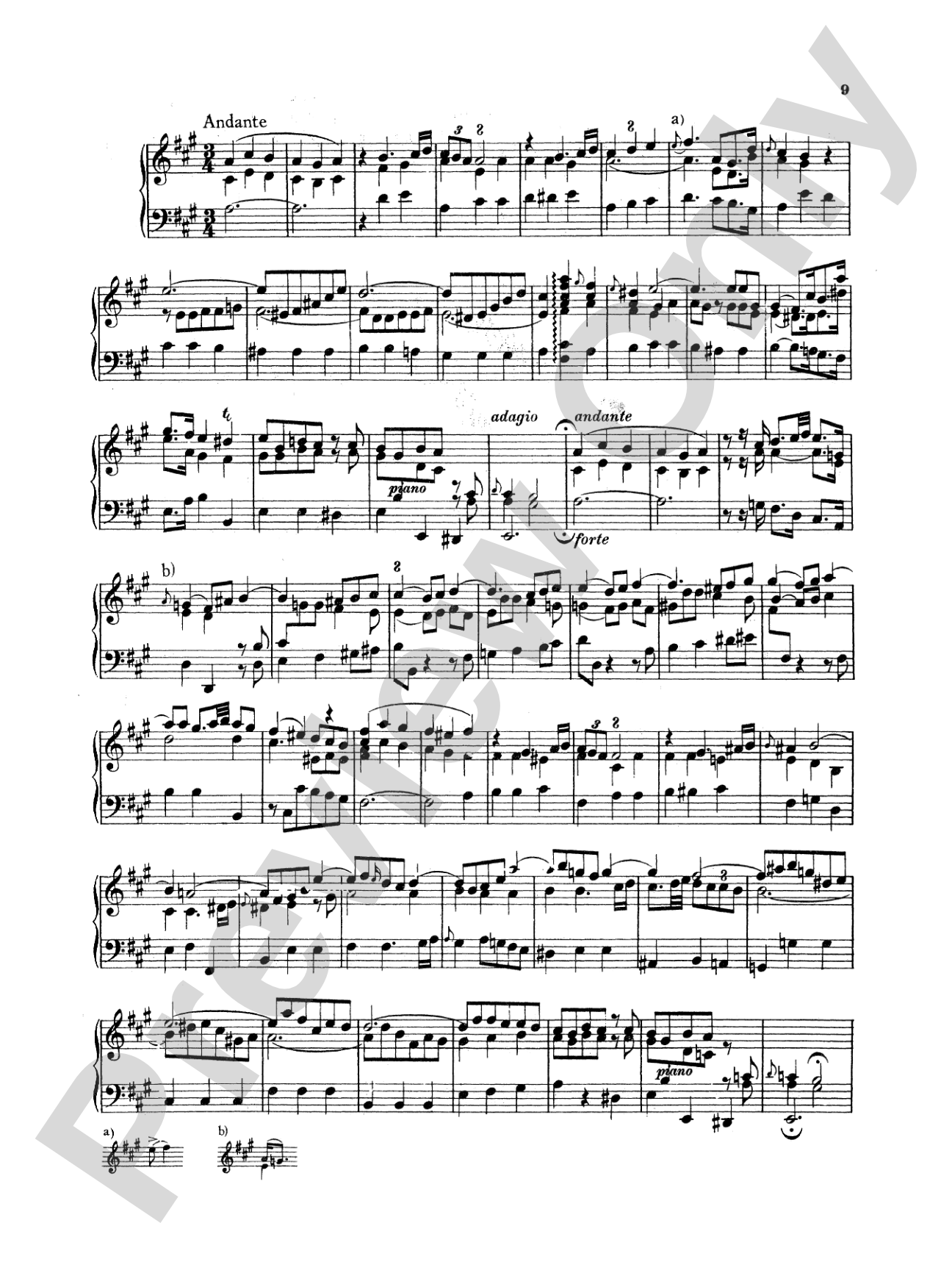
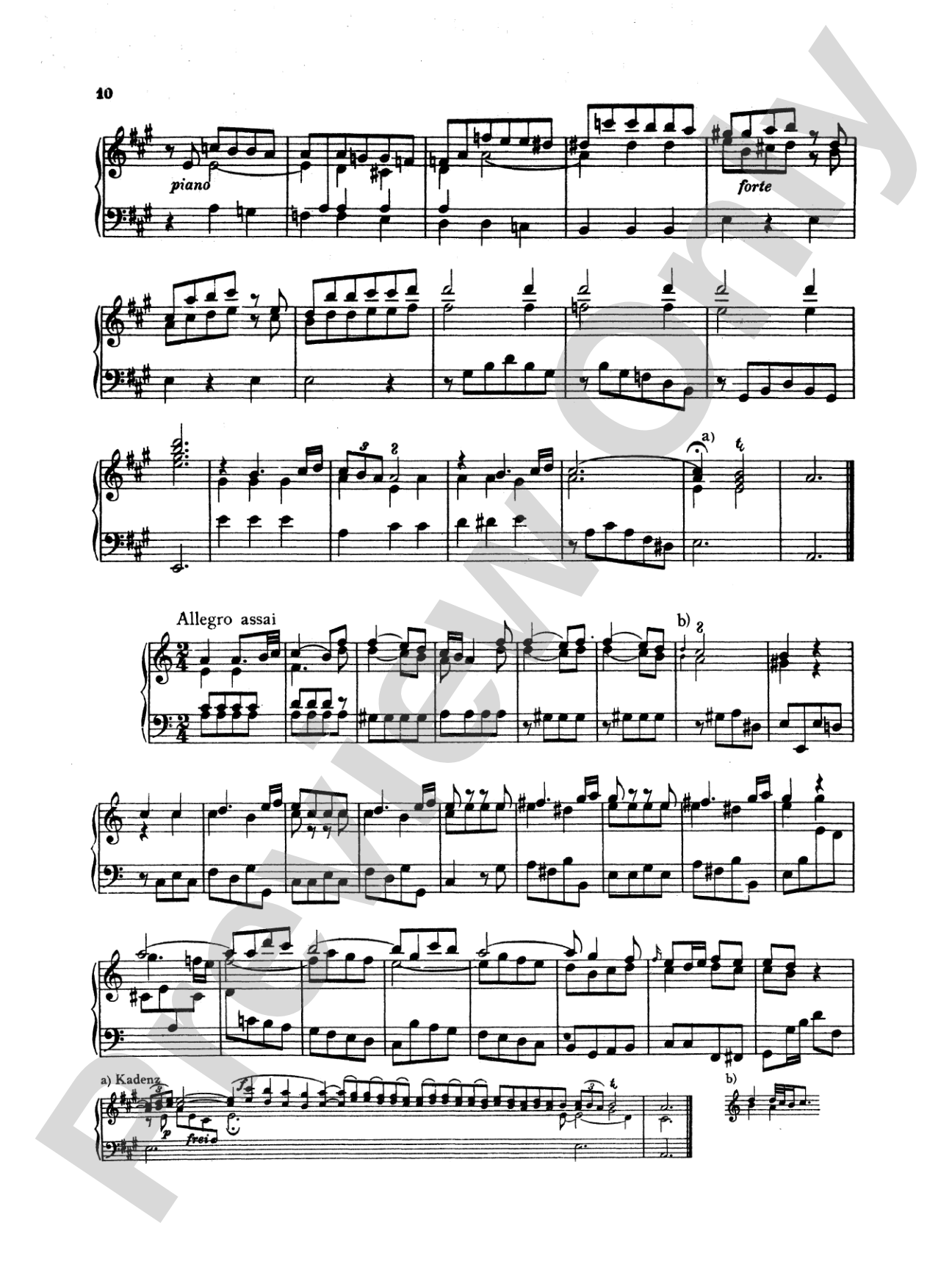
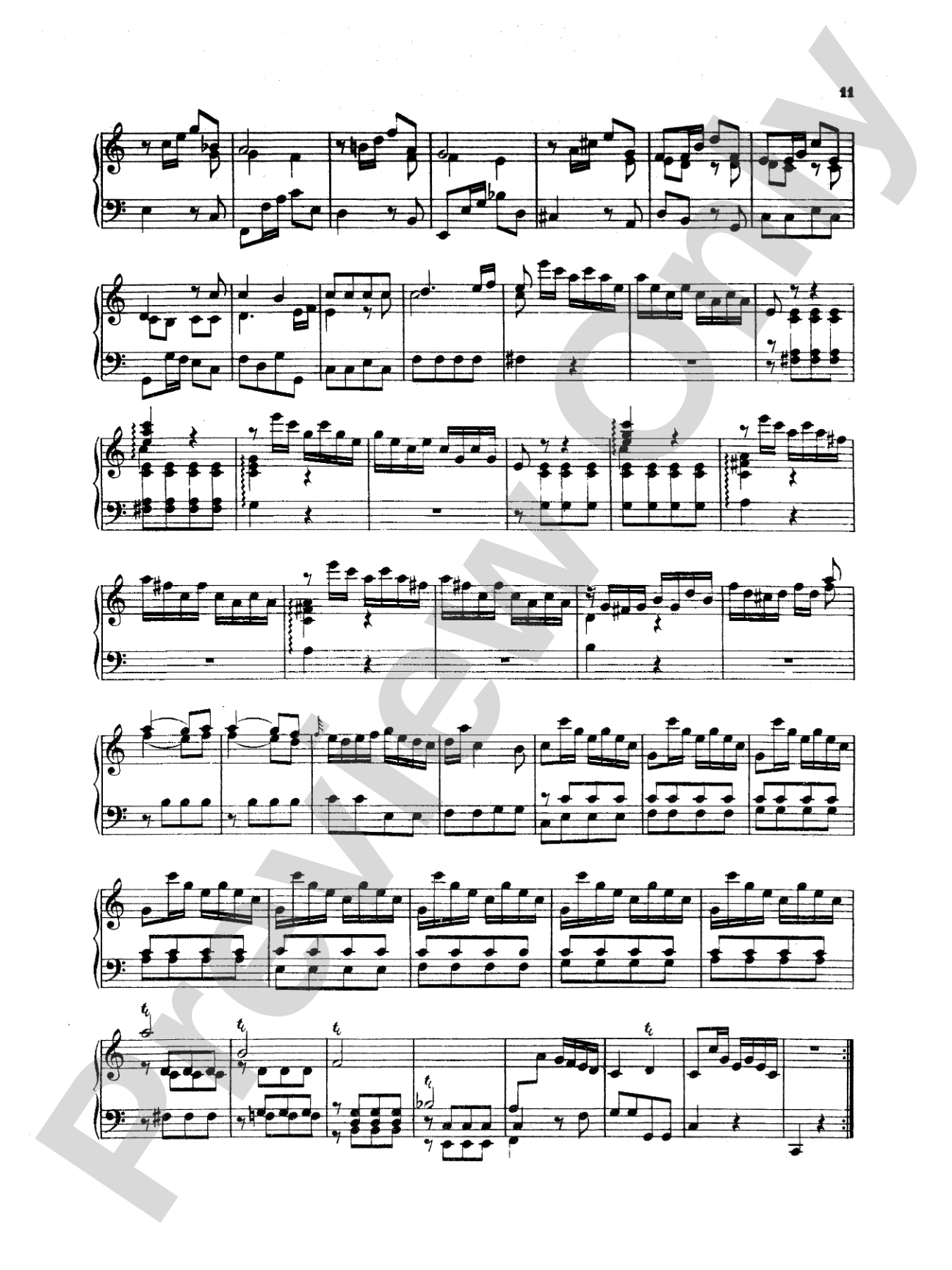
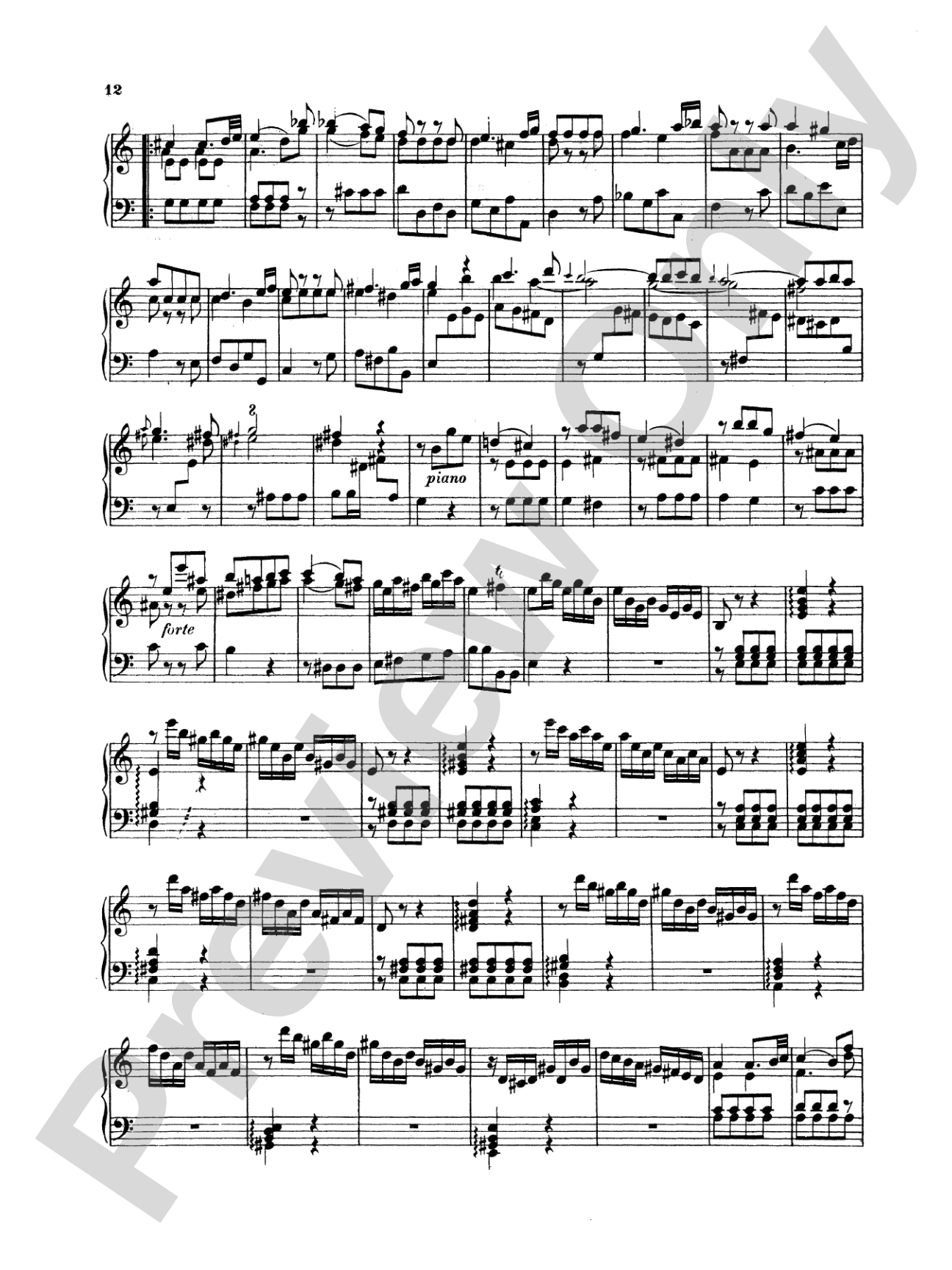
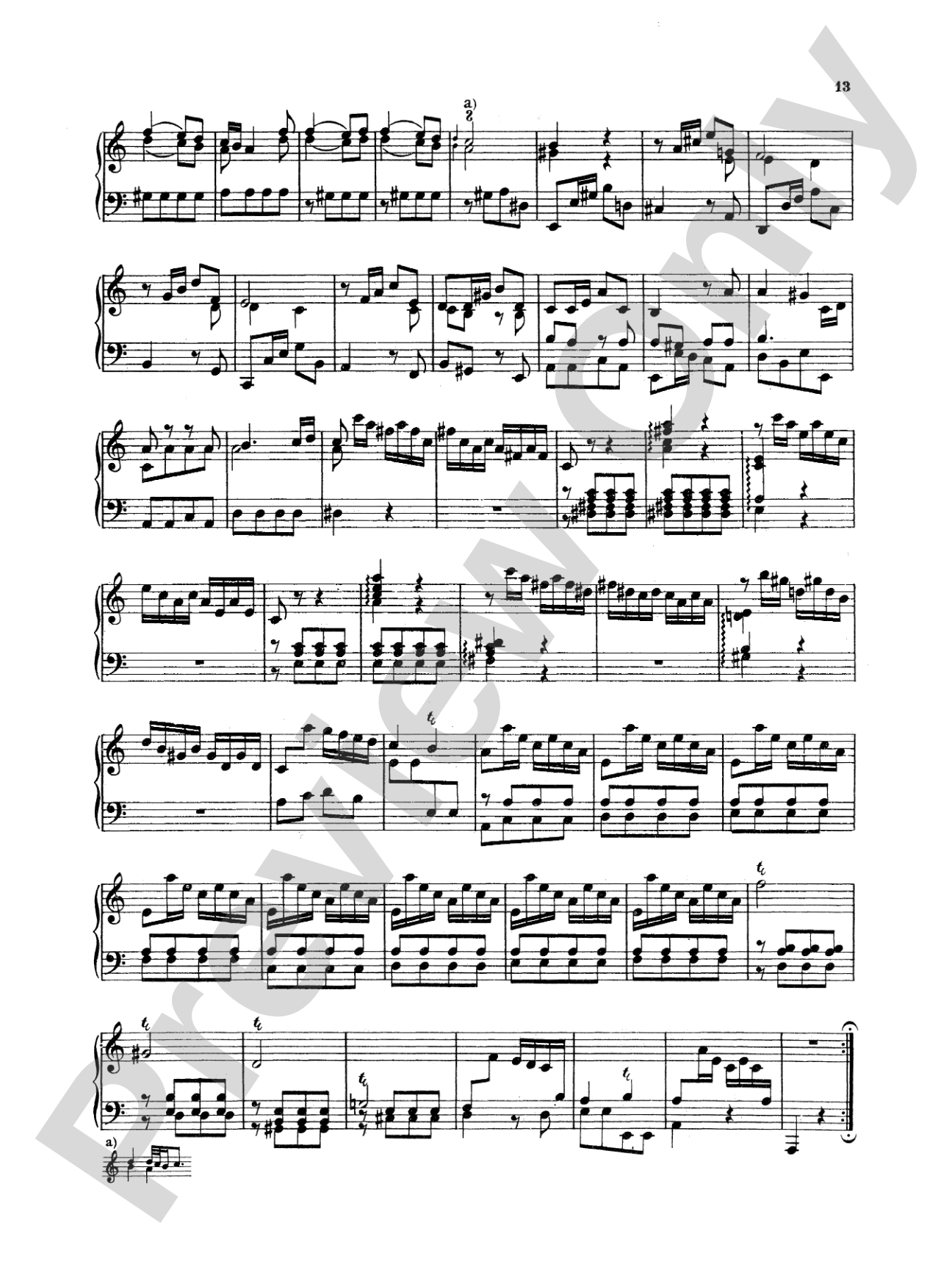

Bach: The Württenburg Sonatas (Volume I, Nos. 1-3)
By Carl Philipp Emanuel Bach
Item: 00-PK-0002871

$5.99
Pickup currently not available
Buy Extra Parts (Digital PDF Download)
| Product | Price | Quantity |
|---|---|---|
| Bach: The Württenburg Sonatas (Volume I, Nos. 1-3) | $0.99 | |
| Bach: The Württenburg Sonatas (Volume I, Nos. 1-3) | $0.99 | |
| Bach: The Württenburg Sonatas (Volume I, Nos. 1-3) | $0.99 |
Parts Added to Cart!
Description


Don't just read it, hear it, play along with it, and watch your students grow with it. In MakeMusic Cloud, Bach: The Württenburg Sonatas (Volume I, Nos. 1-3) comes alive with professional accompaniment, adjustable tempo, and built-in practice tools that turn solo practice into real progress.
Open in the Player
Jump straight in and assign it today.
Start Your Free Trial
Open this title and explore the full library in minutes.
Sample Audio
No sample audio found.
Sample Video
No sample videos found.
Additional Details
Series:
Kalmus Edition
Publisher:
Alfred Music
Page Count:
28
SKU:
00-PK-0002871
More about this title
About the Composer: Carl Philipp Emanuel Bach
Carl Philipp Emanuel Bach (1714-1788) was the most prolific and adventurous of J.S. Bach's sons, and his keyboard works stand as a bridge between the Baroque and Classical eras. A master of the galant style and expressive rhetoric, C.P.E. Bach shaped keyboard practice throughout the second half of the eighteenth century through his own compositions and his influential treatise on keyboard performance.
The Württemberg Sonatas represent a crucial moment in his stylistic development. Written during his time at the court of Frederick the Great in Potsdam, these works showcase the emotional directness and harmonic ambition that made Bach a model for Haydn, Mozart, and Beethoven. His keyboard writing demands technical facility, but it rewards players who can navigate rapid passagework, wide leaps, and sudden shifts in texture with the precision and character these works deserve.
Why we love this
These three Württemberg Sonatas showcase C.P.E. Bach at his most architecturally sophisticated, balancing structural clarity with genuine emotional depth. Students encounter music that demands real interpretive choices, subtle tempo flexibility, dynamic shaping, and textural awareness, in pieces substantial enough to matter but digestible enough for serious pianists still developing their technique. The Kalmus edition makes these cornerstone works accessible at an affordable price.
What to expect
These sonatas breathe with the elegant restlessness of the galant style: ornamental lines spiral upward, harmonic progressions sidestep expected resolutions, and sudden shifts in texture create a sense of spontaneous invention. Each movement balances architectural coherence with moment-to-moment expressive gesture, inviting performers into a conversation between form and feeling that feels surprisingly modern.
Who it's for
Intermediate to advanced pianists with solid technical foundation and interest in exploring the stylistic world between Baroque counterpoint and Classical sonata form. Teachers seeking authentic repertoire for advanced students who are ready to move beyond early Romantic works but want something more progressive than Bach's Preludes and Fugues.
How to get the most out of it
- Distinguish the galant style's ornamental figuration from mere decoration by shaping phrase contours with subtle dynamic inflection rather than uniform articulation.
- Navigate the rapid scalar passages and hand crossings with even tone production; evenness reveals the harmonic and melodic structure C.P.E. Bach embedded within the passagework.
- Honor the notated articulation and slur markings as expressive rather than merely technical instructions; they guide the character of each section and should shape your tempo relationships.
- Manage the wide dynamic range across movements; the dramatic contrasts between sections require clear voice leading so listeners hear architectural intent, not just note collection.
How to use it
Program Volume I as a standalone recital centerpiece for an advanced pianist, or use individual sonatas as encores that demonstrate musicianship beyond the Romantic and Modern eras most students gravitate toward. These works also serve pedagogically as a capstone in a chronological piano literature course, showing students how the keyboard idiom evolved in the hands of a composer who was simultaneously conservative and radical.
Skills your students will build
- Ornamentation and embellishment as structural and expressive elements
- Navigation of rapid passagework and hand crossings with even tone production
- Harpsichord-influenced articulation adapted to the modern piano
- Recognition and performance of galant style conventions and rhetoric
- Harmonic analysis of eighteenth-century functional harmony with chromatic inflection
- Structural understanding of Baroque-influenced formal designs