
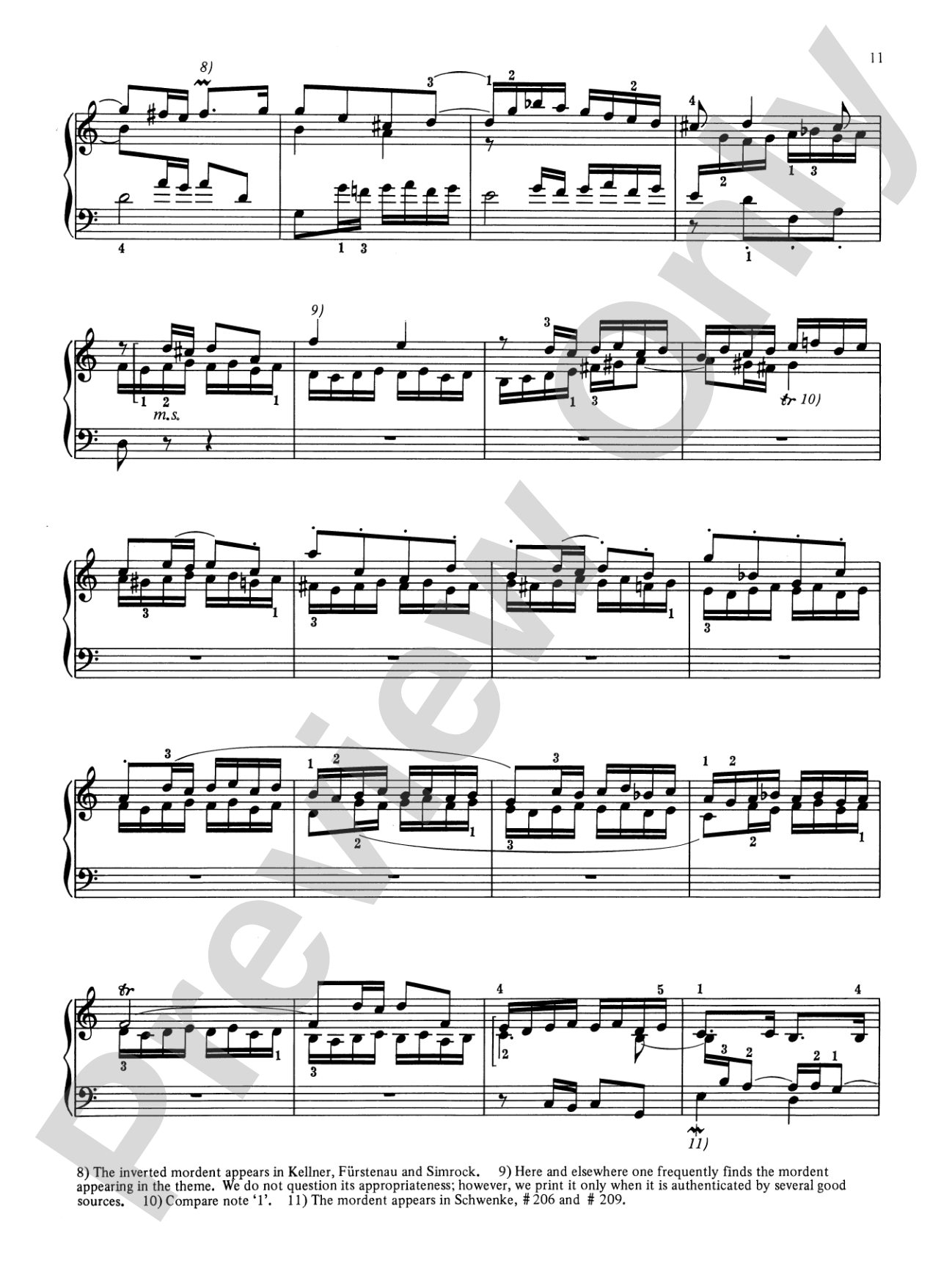
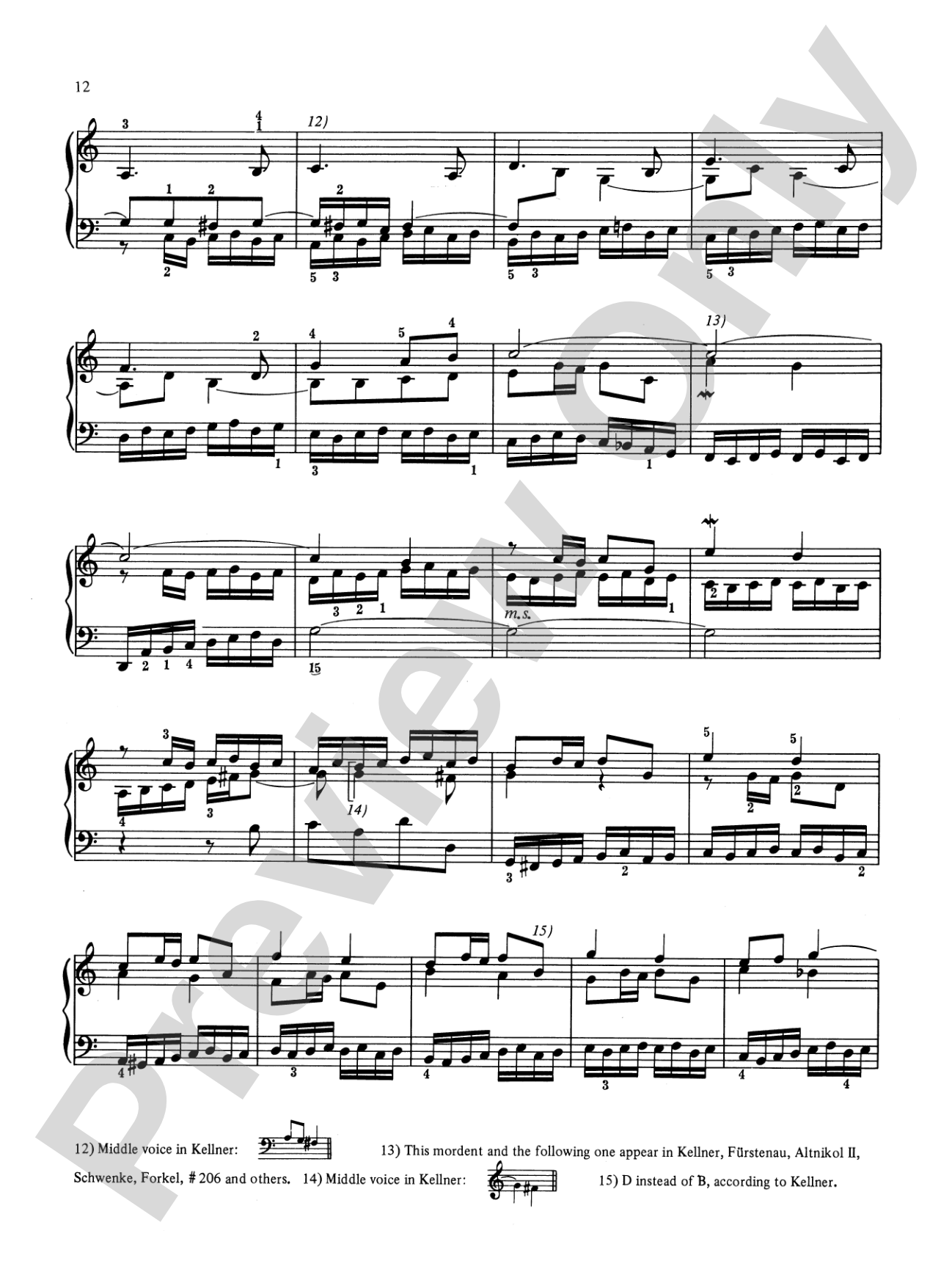
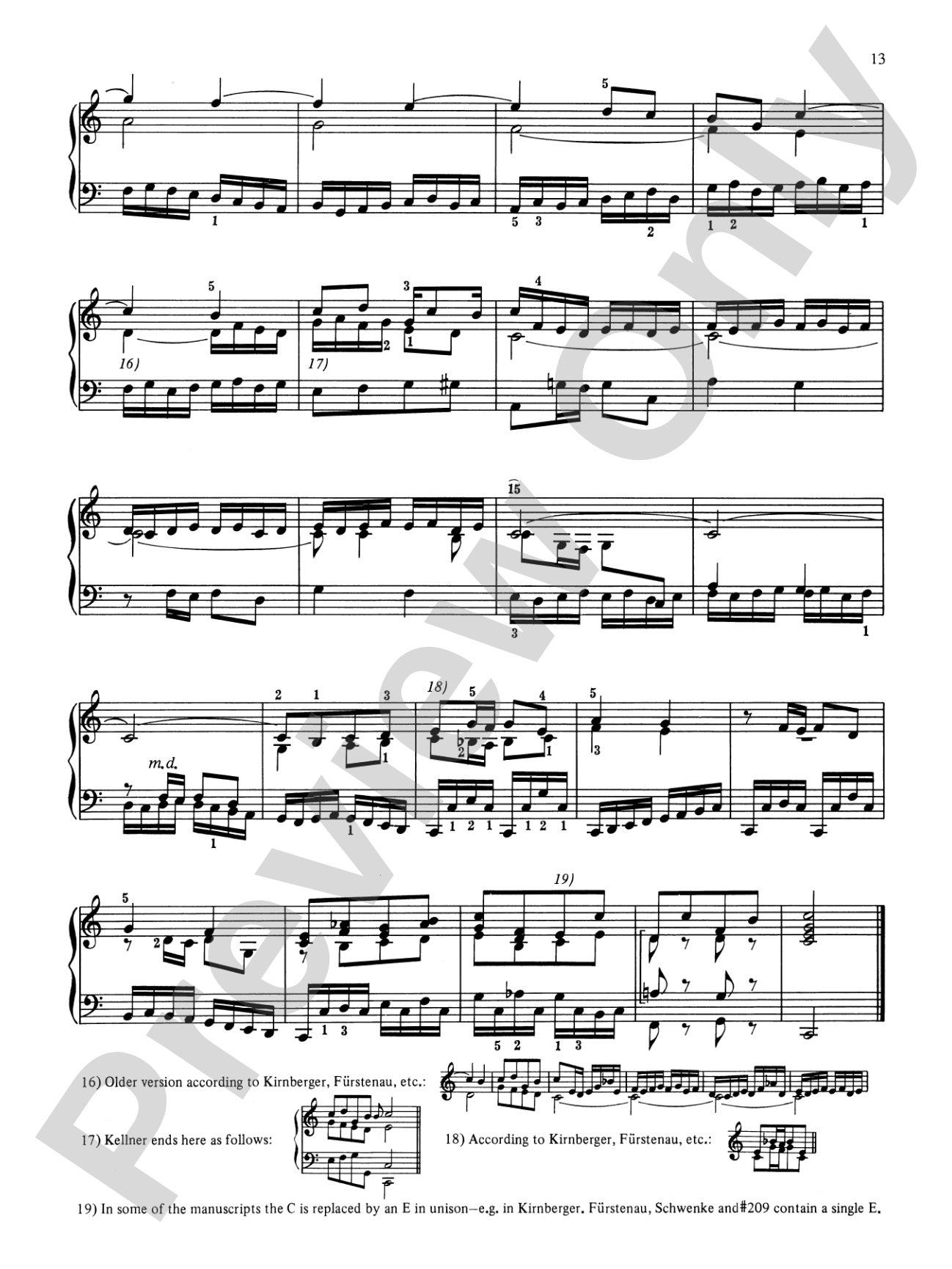

Bach: The Well-Tempered Clavier (Volume II) (Ed. Hans Bischoff): Piano Book
48 Preludes and Fugues
By Johann Sebastian Bach / ed. Hans Bischoff
Item: 00-PK-0002847

$12.99
Pickup currently not available
Buy Extra Parts (Digital PDF Download)
Parts Added to Cart!
Description
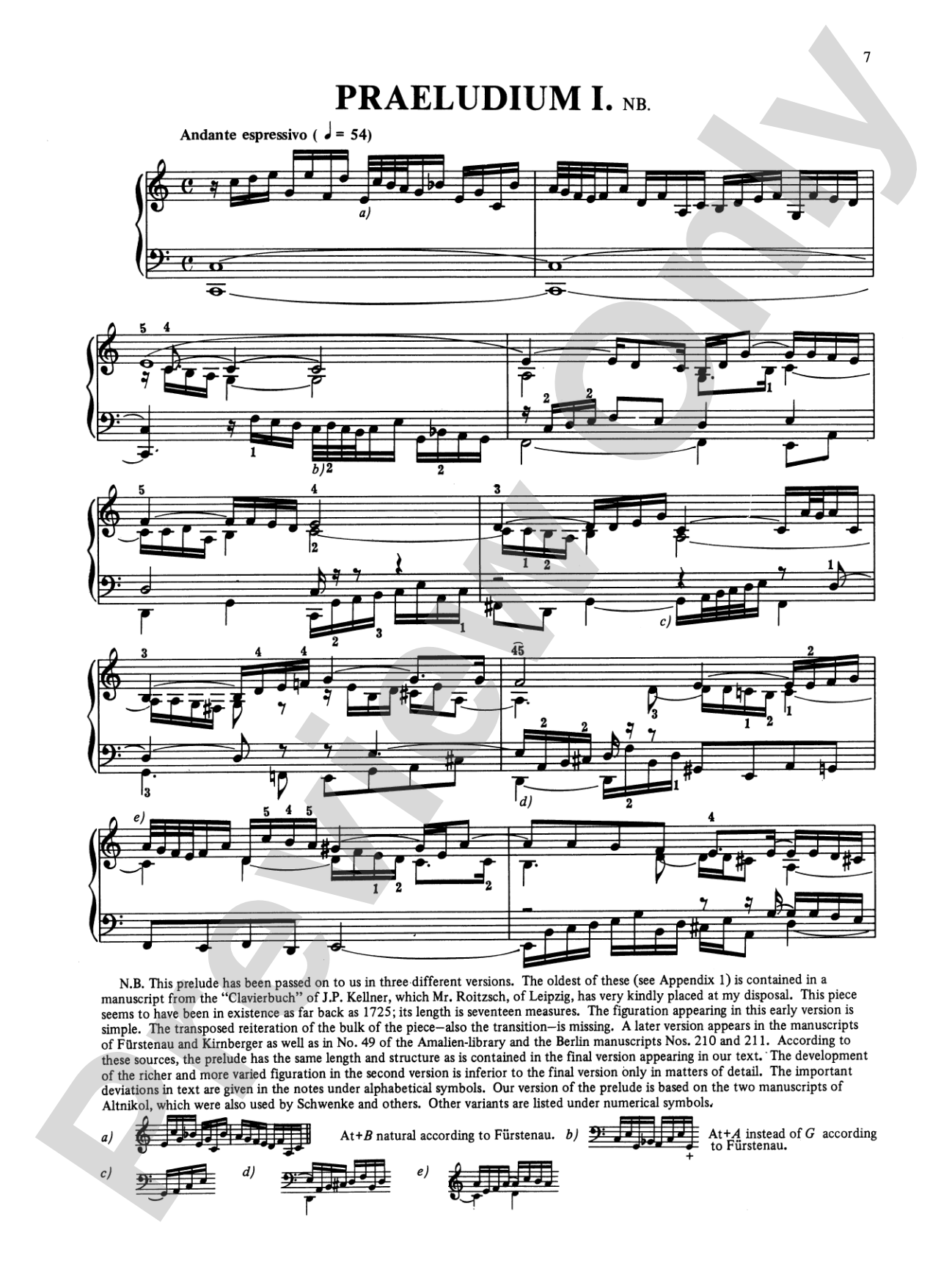
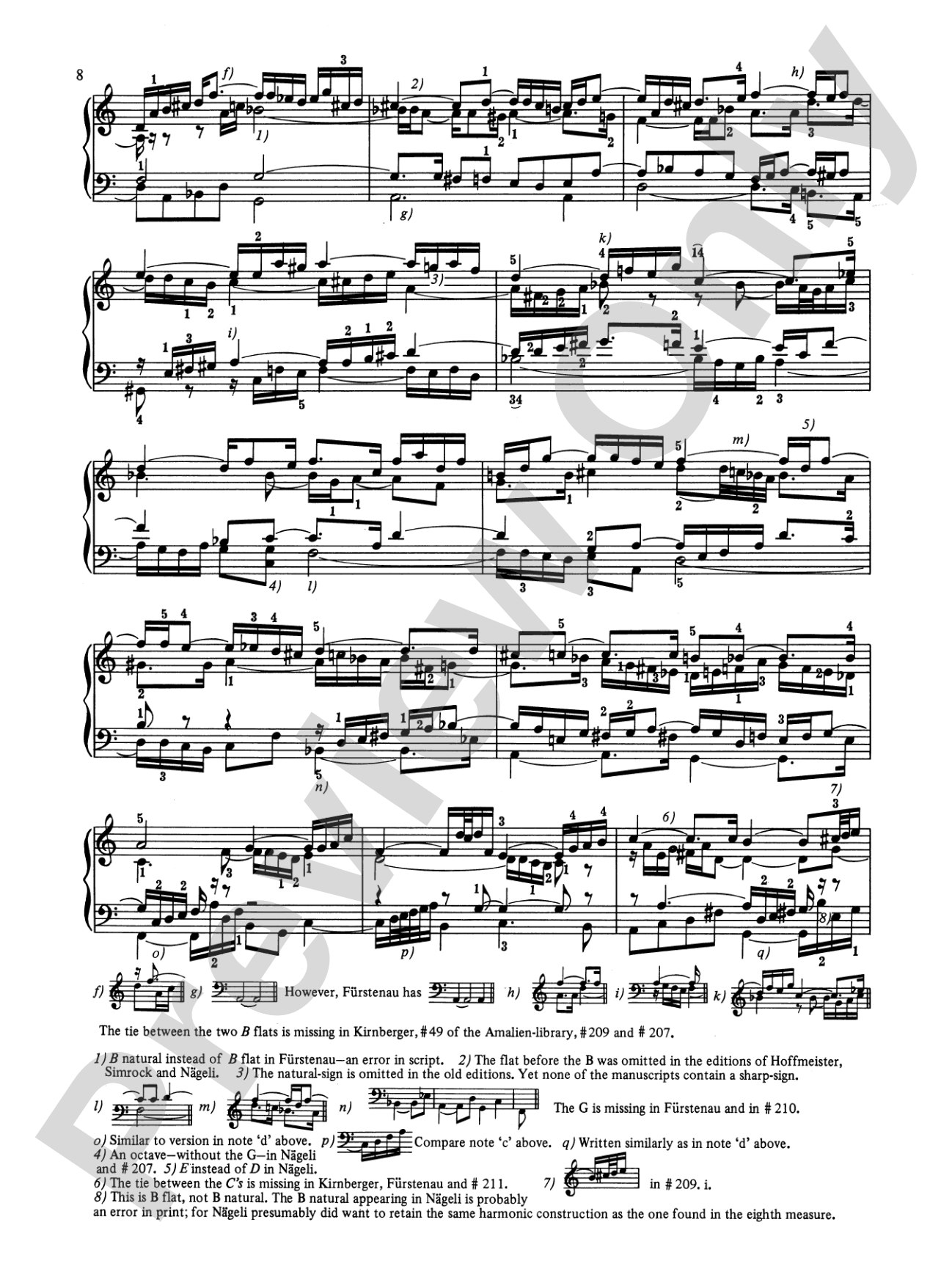
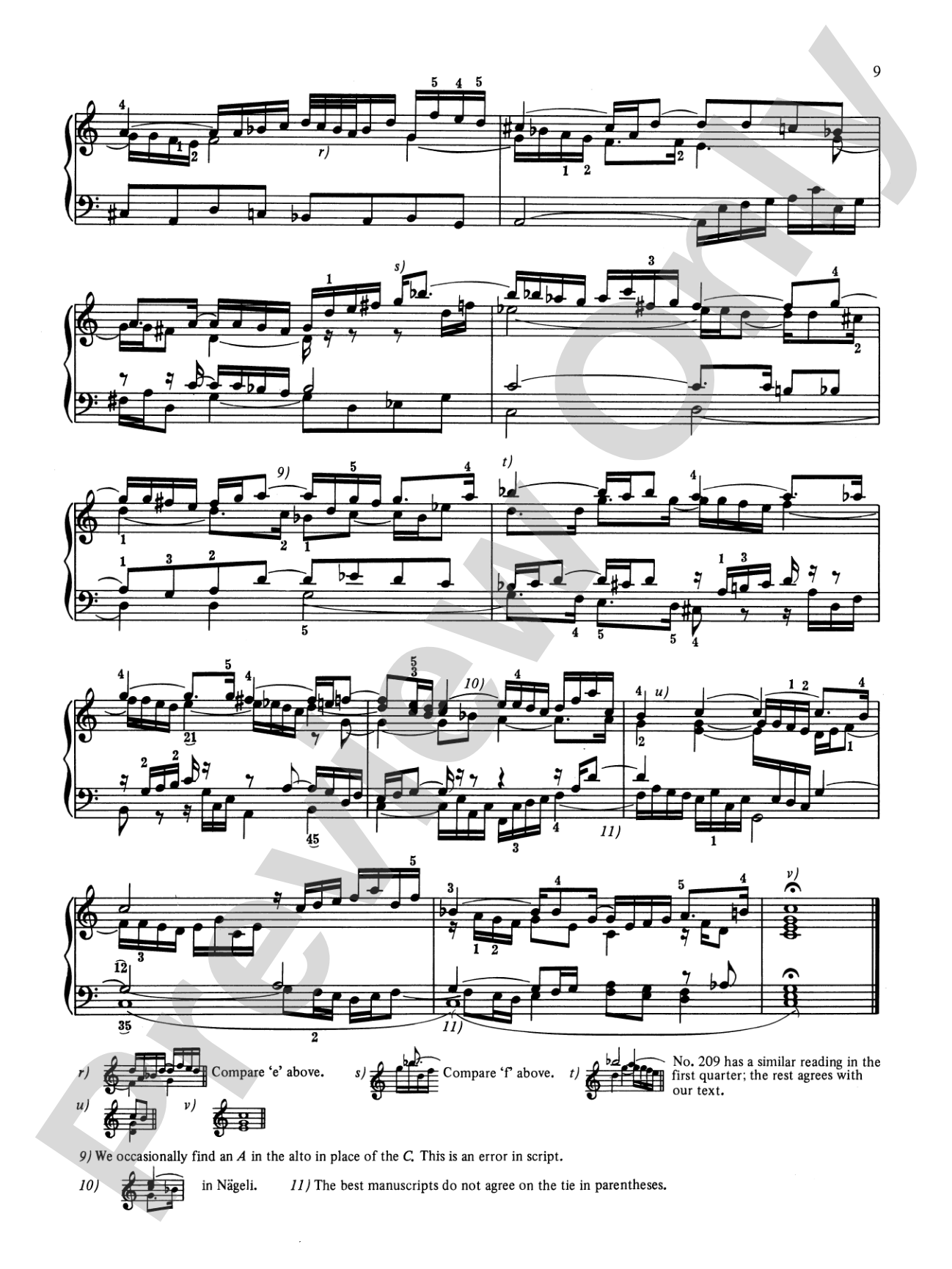
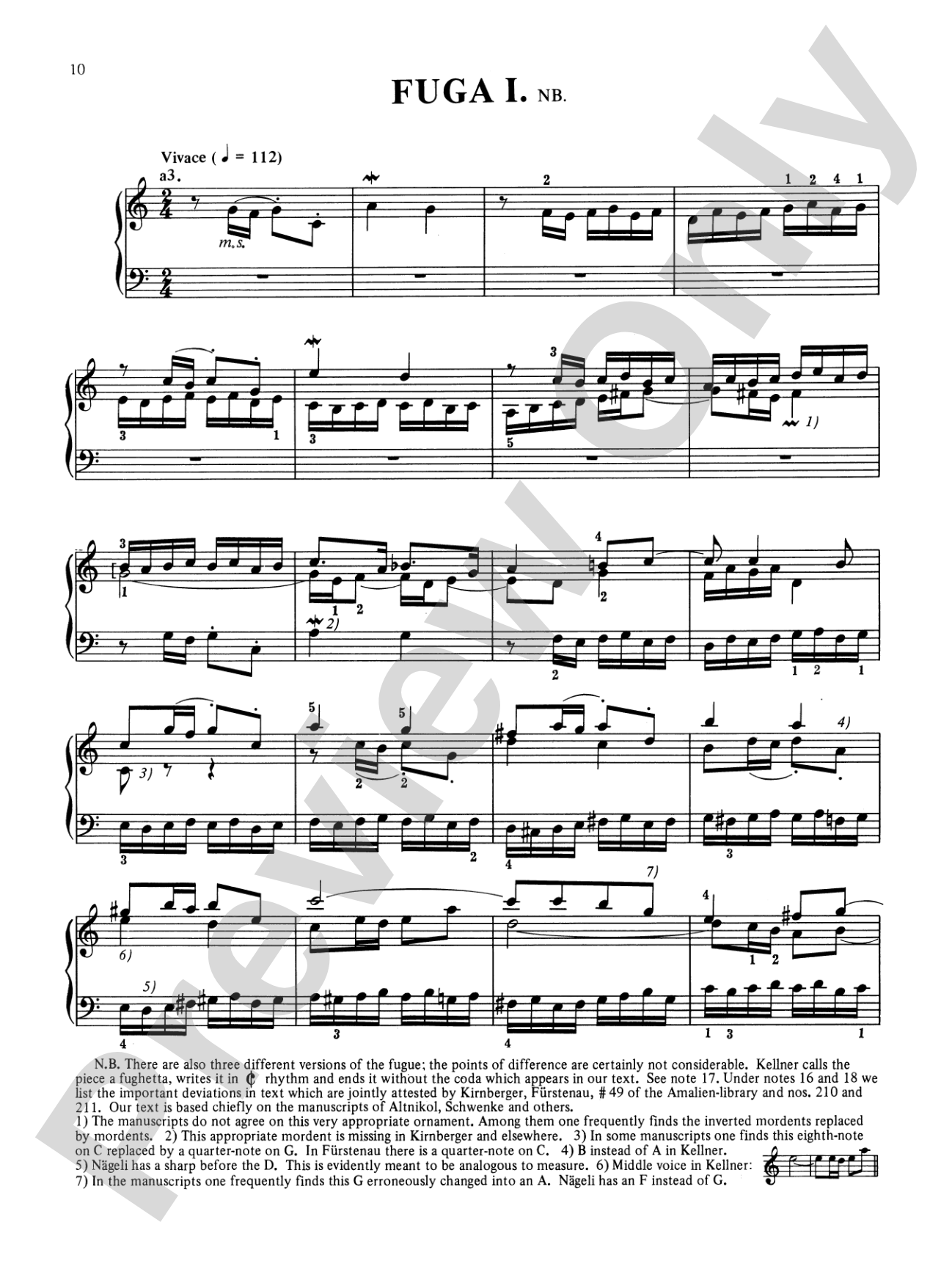
A newly engraved edition of the 48 preludes and fugues, Volume II for piano was edited by the noted Bach expert Dr. Hans Bischoff. It includes a table of embellishments and a preface from Dr. Bischoff. KALMUS EDITIONS are primarily reprints of Urtext Editions, reasonably priced and readily available.


Don't just read it, hear it, play along with it, and watch your students grow with it. In MakeMusic Cloud, Bach: The Well-Tempered Clavier (Volume II) (Ed. Hans Bischoff): Piano Book comes alive with professional accompaniment, adjustable tempo, and built-in practice tools that turn solo practice into real progress.
Open in the Player
Jump straight in and assign it today.
Start Your Free Trial
Open this title and explore the full library in minutes.
Sample Audio
No sample audio found.
Sample Video
No sample videos found.
Additional Details
Series:
Kalmus Edition
Publisher:
Alfred Music
Page Count:
192
SKU:
00-PK-0002847
More about this title
About the Composer: Johann Sebastian Bach
Johann Sebastian Bach (1685, 1750) was a German composer and organist whose output shaped the entire trajectory of Western music. Working primarily in Leipzig and Weimar, he synthesized German, Italian, and French musical traditions into a unified language of unparalleled sophistication. His mastery of counterpoint, harmonic innovation, and structural invention set a standard that composers continue to study and aspire to centuries later.
For music students, Bach represents both an endpoint and a beginning. His works contain the essence of tonal harmony and voice leading, yet they also stretch and redefine what those systems can express. Teaching Bach means teaching the foundations of musical thinking itself.
Why we love this
This Bischoff edition brings clarity and editorial intelligence to one of music's most demanding and rewarding collections. The newly engraved text is clean and readable, the included table of embellishments removes guesswork from period-appropriate ornamentation, and Bischoff's preface offers essential context for interpreting Bach's notation and compositional intentions. At this price point, pianists gain access to the full 48 without compromise.
What to expect
The Well-Tempered Clavier II unfolds as a journey through harmonic possibility and intellectual rigor wrapped in profound musicality. Each prelude opens a different tonal world, ranging from intimate meditation to brilliant display, while the corresponding fugues demonstrate how a single melodic idea can generate entire structures through logic and imagination. There is a timeless quality to this music; it feels both intellectually demanding and deeply human.
Who it's for
Advanced pianists preparing for competitions, auditions, or recitals will find this edition indispensable. Music theory students and composition students benefit from studying Bach's structural and harmonic choices across all tonal centers. Teachers seeking a reliable, affordable score for reference or student study will appreciate the clarity of Bischoff's editing.
How to get the most out of it
- Study the preludes and fugues in pairs before performing them separately; Bach designed each prelude as preparation for its corresponding fugue, and understanding their relationship clarifies the harmonic and textural challenges in both.
- Consult Bischoff's embellishment table early in your preparation and practice ornaments slowly and deliberately; Bach's turns, trills, and mordents require rhythmic precision that only emerges through deliberate practice.
- Map out the harmonic structure of each fugue before diving into technical work; identifying the subject entries, stretto passages, and tonal centers will accelerate both learning and interpretation.
- Record yourself regularly across all 48 and listen for consistency in voice independence; balance among voices shifts with key and texture, and self-listening reveals where one voice is dominating others.
How to use it
Pianists often program individual preludes and fugues as recital selections rather than the complete cycle; this edition makes it simple to extract selections that suit your program's arc and your audience's tolerance for keyboard music. The collection also serves as essential study material during years when a student is simultaneously developing technique, theory knowledge, and interpretive maturity; working through even a portion of these 48 strengthens all three domains simultaneously.
Skills your students will build
- Reading and performing equal-temperament tonality across all major and minor keys
- Voice independence and contrapuntal clarity in multi-voice writing
- Interpreting Baroque ornaments (trills, turns, mordents, slides) from period notation
- Harmonic analysis of large-scale forms (fugal exposition, development, stretto)
- Technical facility in rapid scalar passages, hand-crossing, and metric complexity
- Sight-reading fluency across diverse compositional textures and styles