

Bach: The Well-Tempered Clavier (Volume I) (Ed. Carl Czerny): Piano Book
By Johann Sebastian Bach / ed. Carl Czerny
Item: 00-PK-0003871

$14.99
Pickup currently not available
Buy Extra Parts (Digital PDF Download)
Parts Added to Cart!
Related Items
The Well-Tempered Clavier, Volume I: Piano Book |
$14.95
|
View |
Description
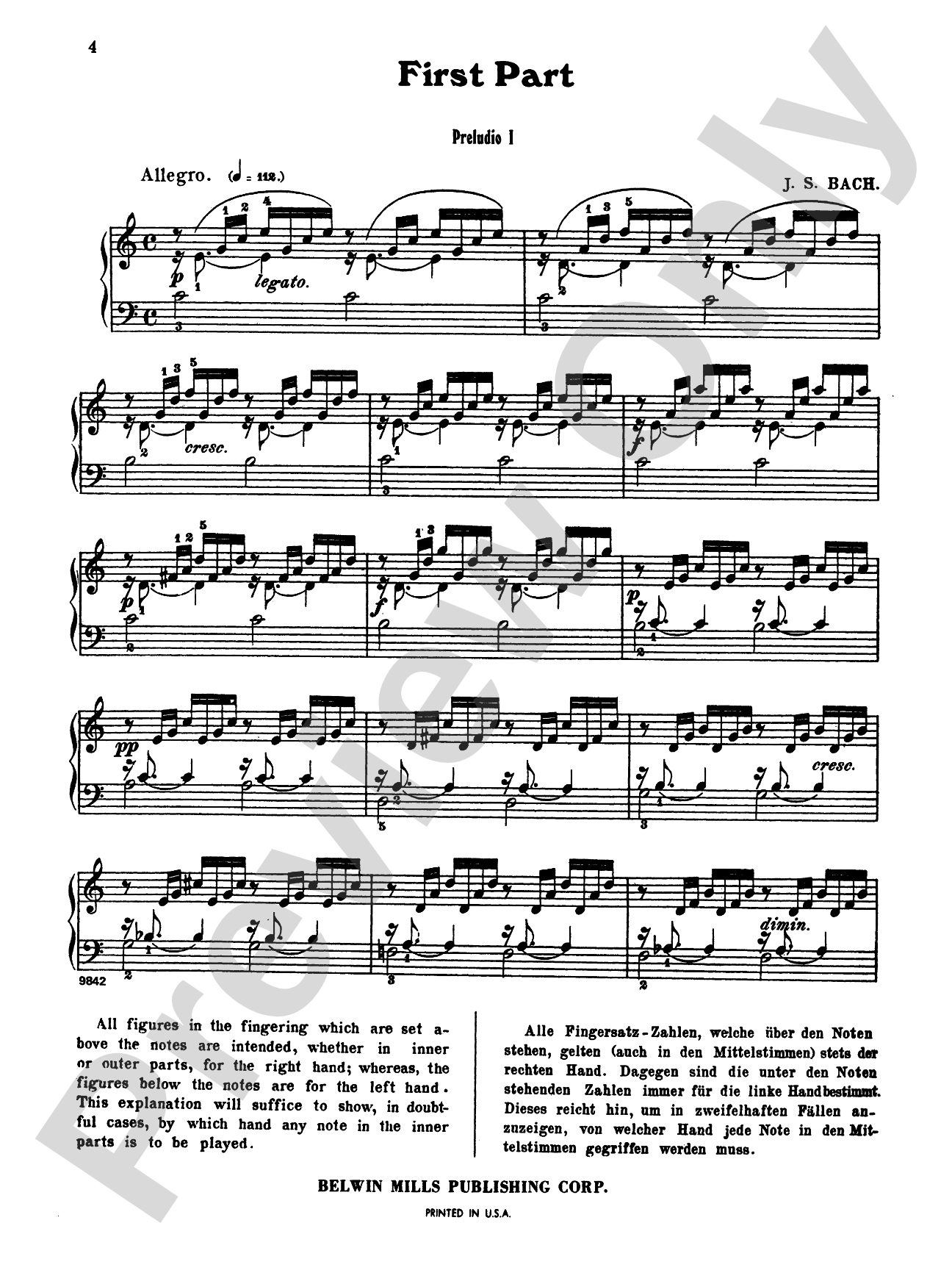
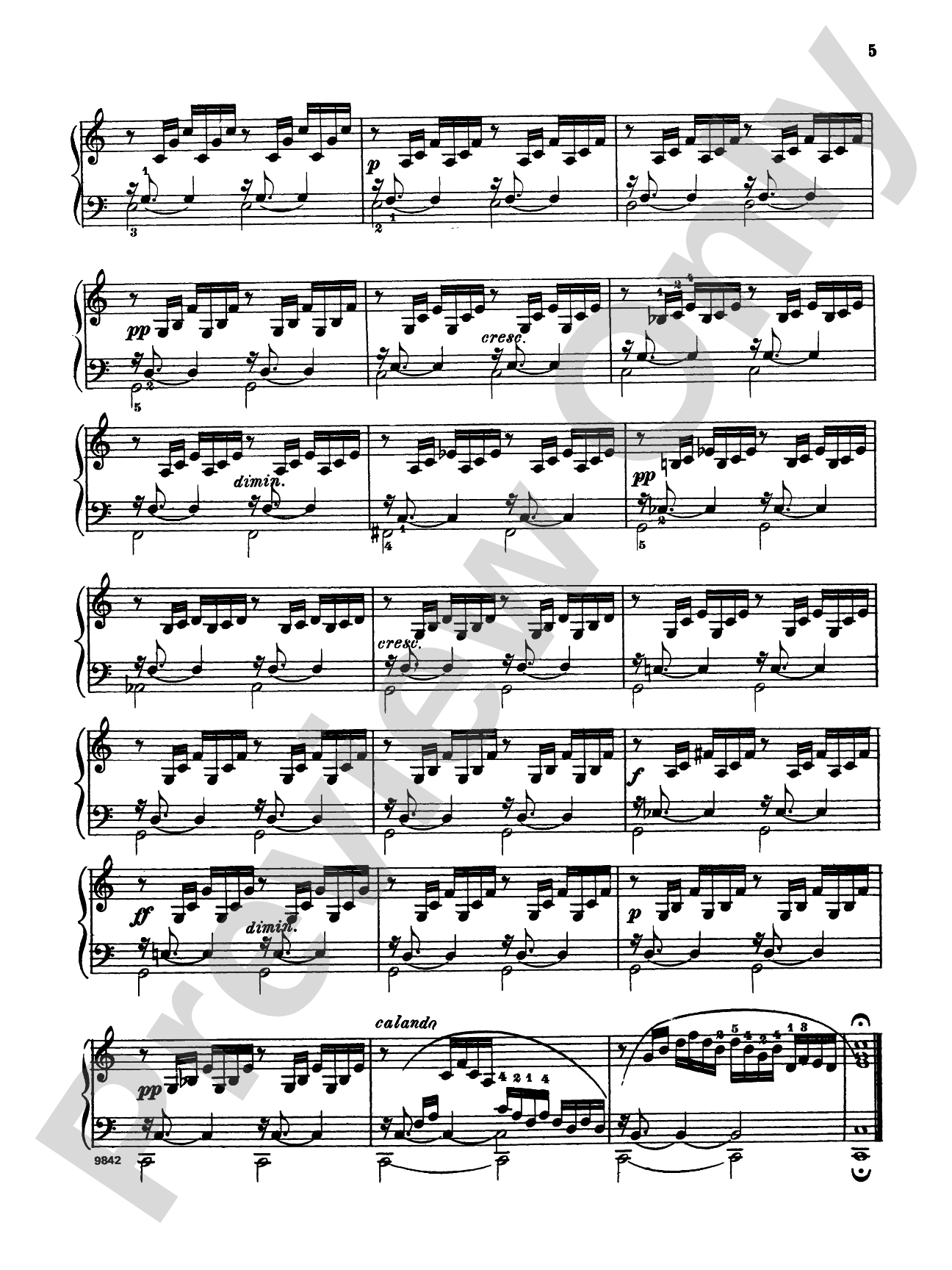
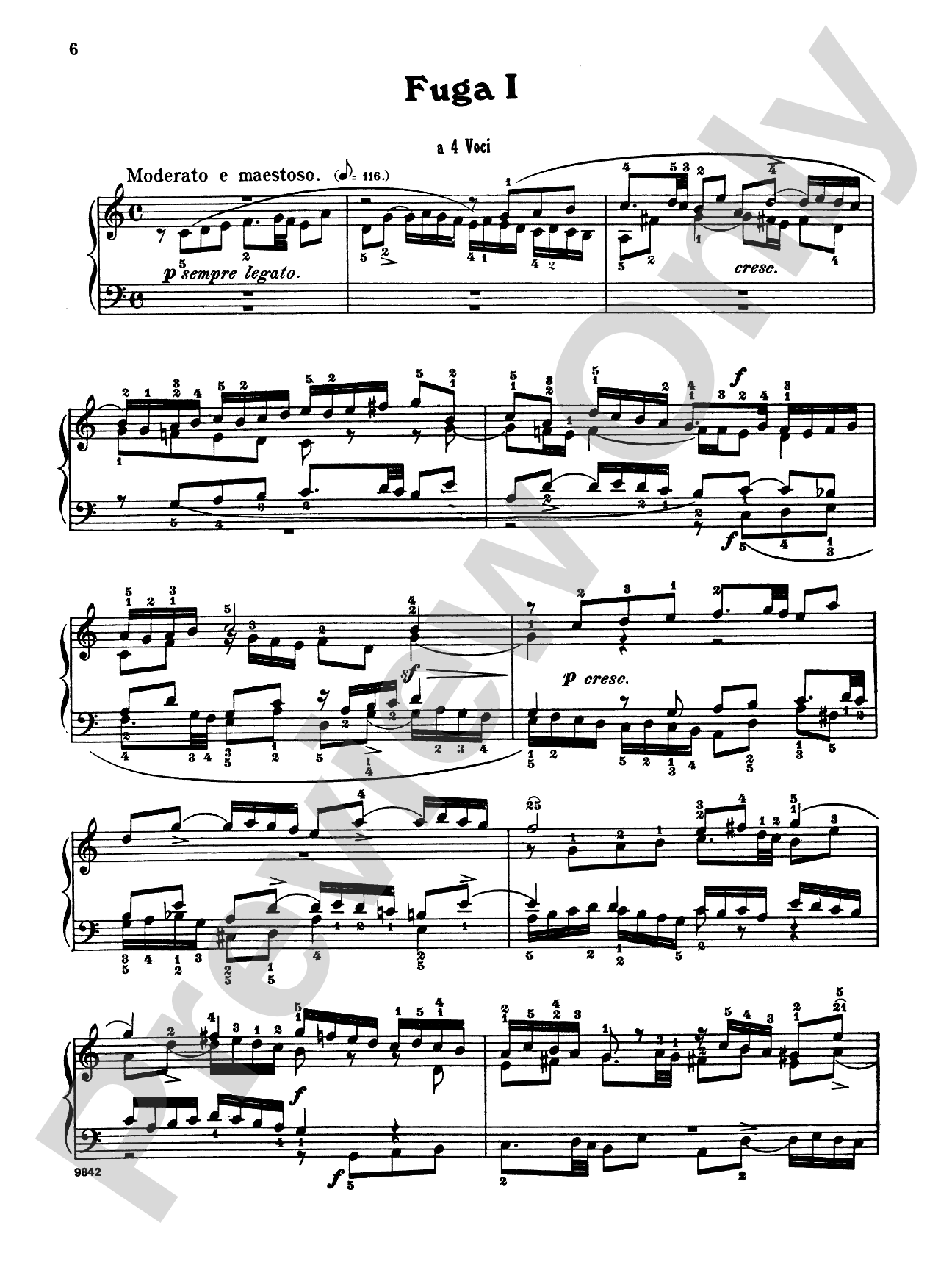
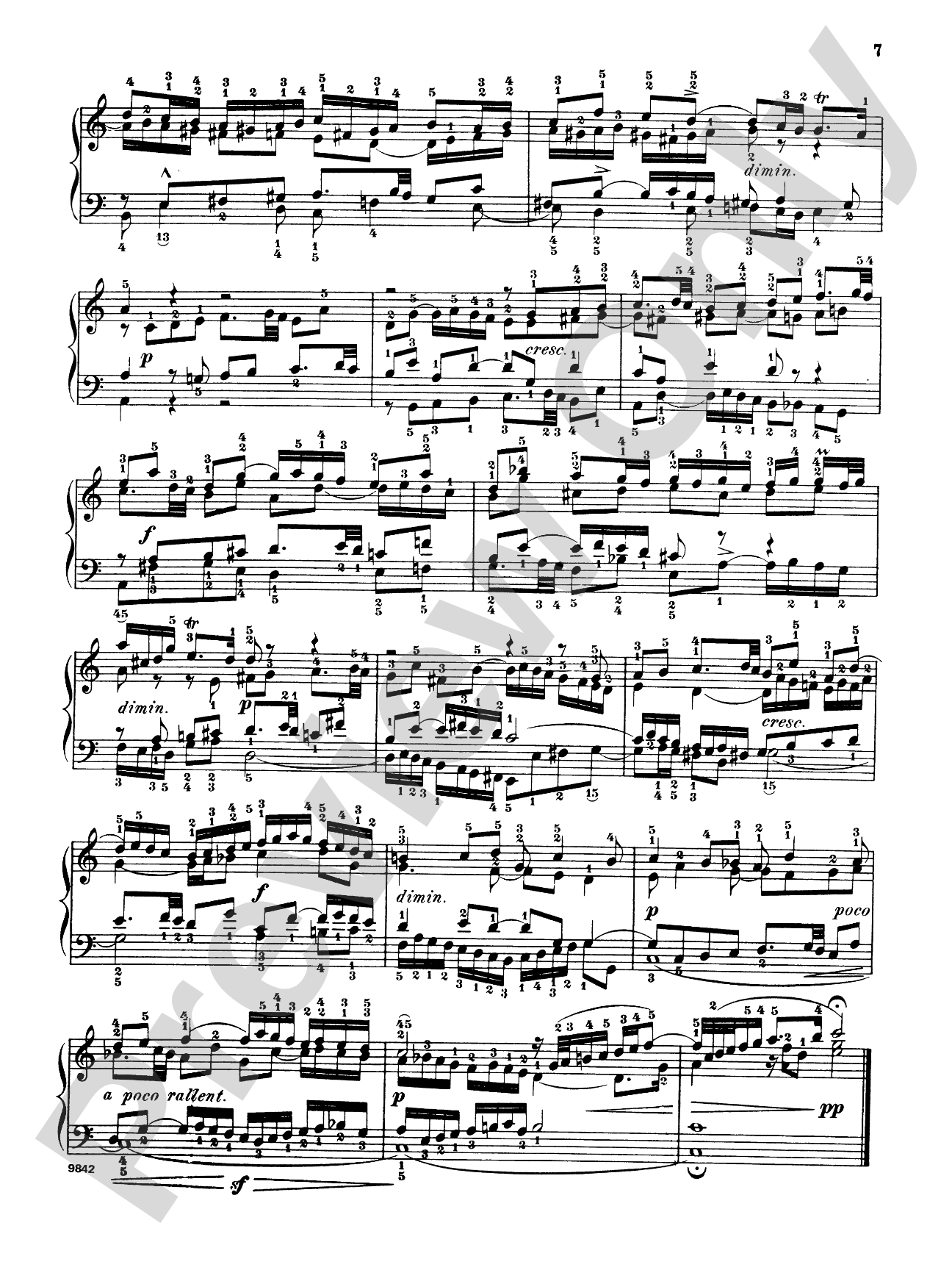
Edited by Carl Czerny, this collection of the 24 Preludes and Fugues of Johann Sebastian Bach's 1st Volume of the Well-Tempered Clavier features editorial dynamics, tempo indications, fingering and performance notes. 119 pages.


Don't just read it, hear it, play along with it, and watch your students grow with it. In MakeMusic Cloud, Bach: The Well-Tempered Clavier (Volume I) (Ed. Carl Czerny): Piano Book comes alive with professional accompaniment, adjustable tempo, and built-in practice tools that turn solo practice into real progress.
Open in the Player
Jump straight in and assign it today.
Start Your Free Trial
Open this title and explore the full library in minutes.
Sample Audio
No sample audio found.
Sample Video
No sample videos found.
Additional Details
Series:
Kalmus Edition
Publisher:
Alfred Music
Page Count:
124
SKU:
00-PK-0003871
More about this title
About the Composer: Johann Sebastian Bach
Johann Sebastian Bach (1685, 1750) stands as the towering figure of Baroque keyboard music. His systematic exploration of harmonic possibility and contrapuntal technique set the standard for generations of composers and pedagogues who followed. The Well-Tempered Clavier represents the apex of his keyboard writing: a methodical journey through all major and minor keys that functioned simultaneously as both artistic statement and practical teaching tool.
Bach's influence on music education persists because his writing demands precision without sacrificing musicality. Students who grapple seriously with these preludes and fugues develop the rhythmic independence, harmonic literacy, and finger independence that form the foundation of advanced piano technique. His music rewards close study; each measure contains layers of invention waiting to be discovered.
Why we love this
Czerny's editorial hand makes the Well-Tempered Clavier accessible without compromising Bach's architectural brilliance. The added fingerings and performance notes guide students through the voice leading without dictating interpretation, and the dynamic markings illuminate the harmonic structure in ways that help pianists understand what they're playing rather than just executing the notes.
What to expect
These pieces move between introspection and intellectual rigor. A prelude might unfold as a meditation on a single figural pattern, establishing a mood before the corresponding fugue enters with intellectual intensity. The journey through all major and minor keys feels both logical and revelatory, as if discovering all possible emotional and technical territories within a single work.
Who it's for
Intermediate to advanced pianists working toward mastery of Baroque counterpoint and voice leading. Students preparing for college auditions, conservatory entrance exams, or who simply want to engage deeply with Bach's most systematic exploration of all keys and forms. Teachers seeking an authoritative edition with practical pedagogical support.
How to get the most out of it
- Attend to the independence of each voice before worrying about tempo. These pieces require clarity of line, not speed.
- Use the editorial fingerings as suggestions that reveal hand position and voice continuity, not as rules to follow mechanically.
- Shape phrases according to harmonic rhythm rather than melodic shape alone. Bach's harmonic momentum often spans several bars.
- Balance the exposition and fugal entries carefully. A subject that disappears into the texture loses its architectural function.
How to use it
Individual preludes and fugues work well as recital openers or interludes between Romantic-era pieces, providing textural contrast and demonstrating command of period style. An advanced student recital might feature a full prelude-and-fugue pair or a themed selection from multiple keys. In ensemble or orchestral contexts, programming one movement demonstrates the pianist's technical and interpretive depth.
Skills your students will build
- Contrapuntal independence: maintaining separate melodic lines while playing multiple voices simultaneously
- Harmonic analysis: recognizing functional harmony and voice-leading principles in Baroque counterpoint
- Keyboard fingering strategy: understanding how hand position and finger choice reveal voice structure
- Sight-reading: developing fluency in reading complex contrapuntal textures across two staves
- Tempo and phrasing in Baroque style: balancing metric regularity with harmonic and rhetorical phrasing
- Pattern recognition and memory: internalizing fugal subjects and following their transformations