
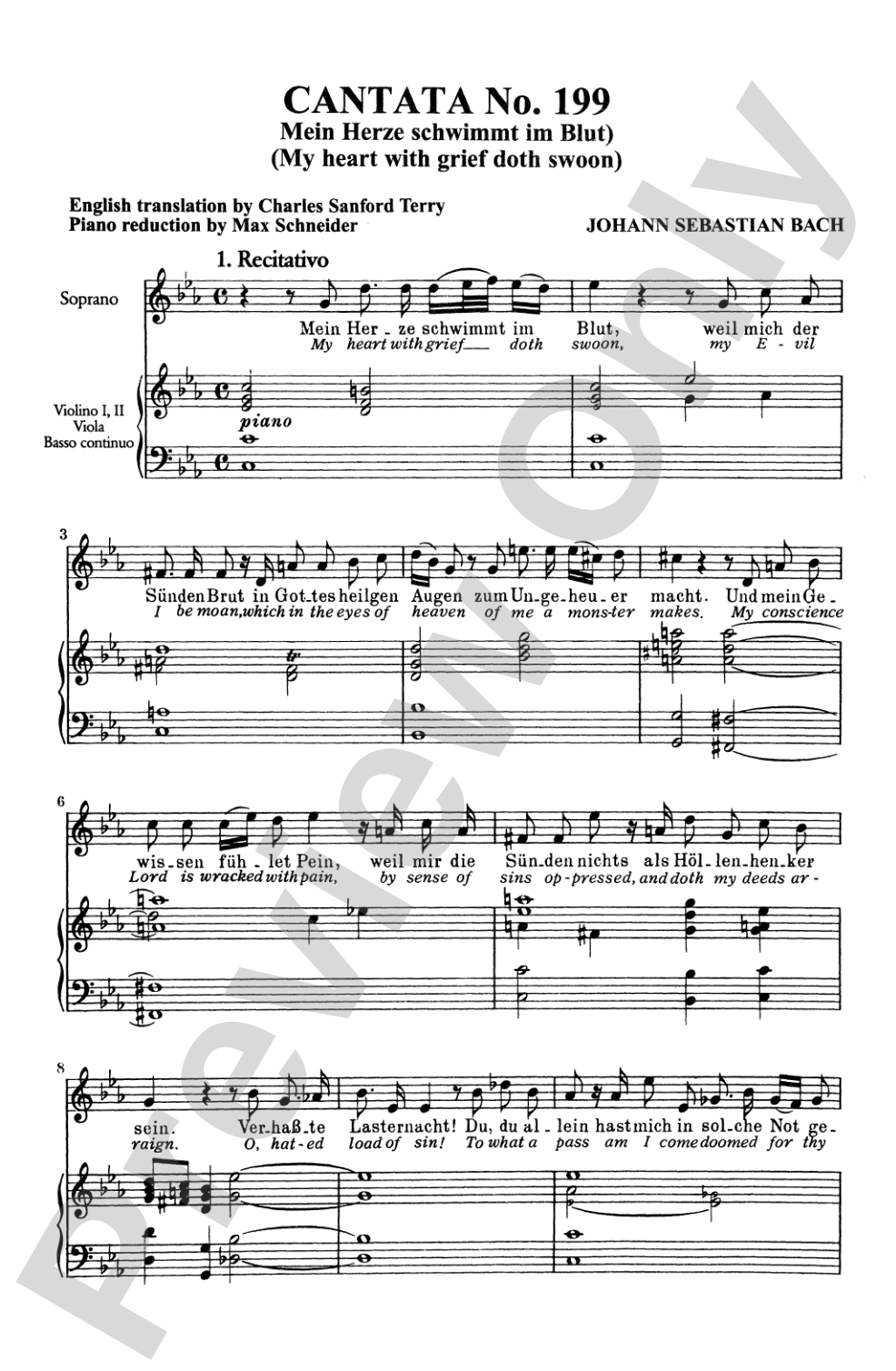
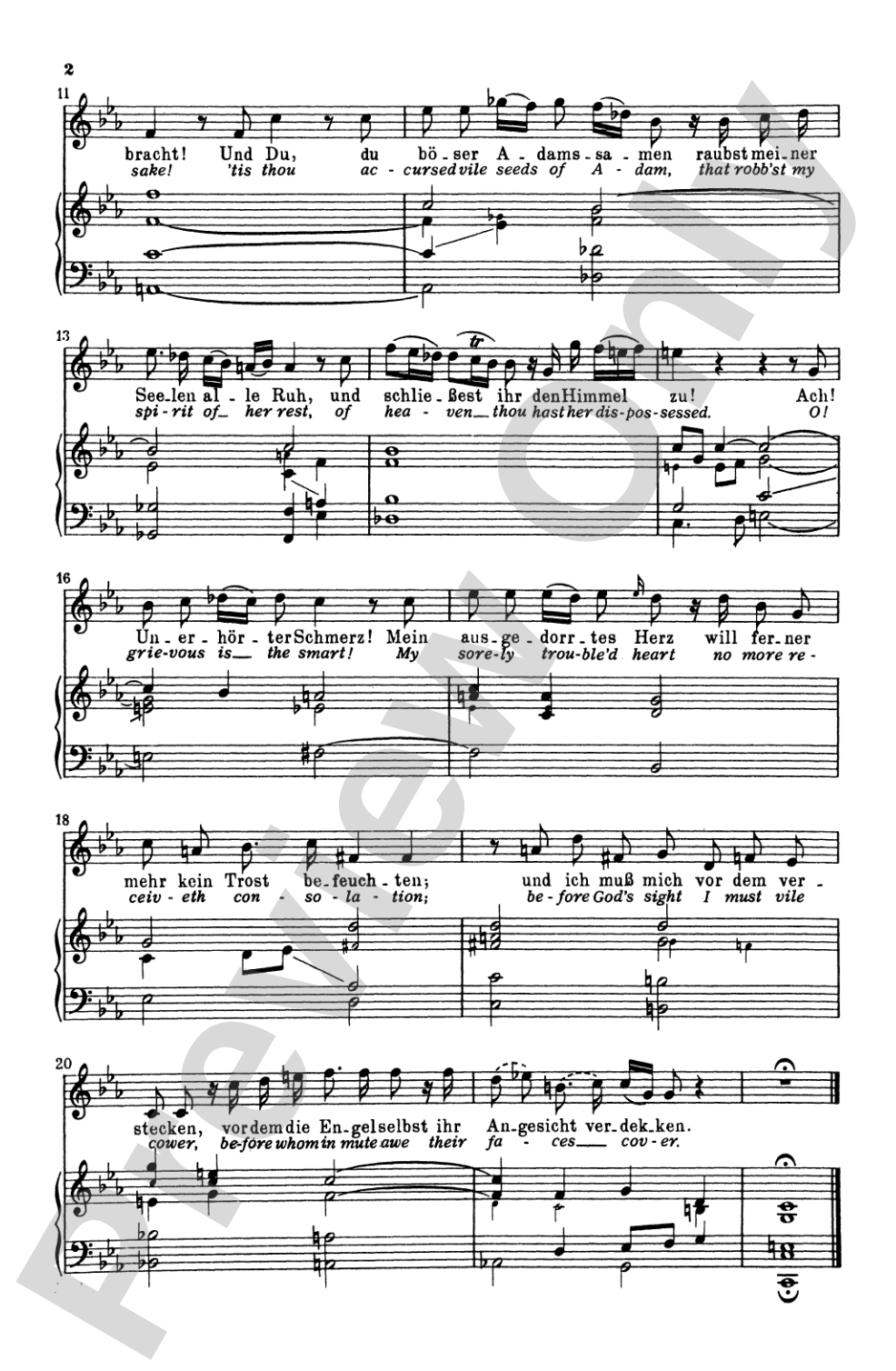
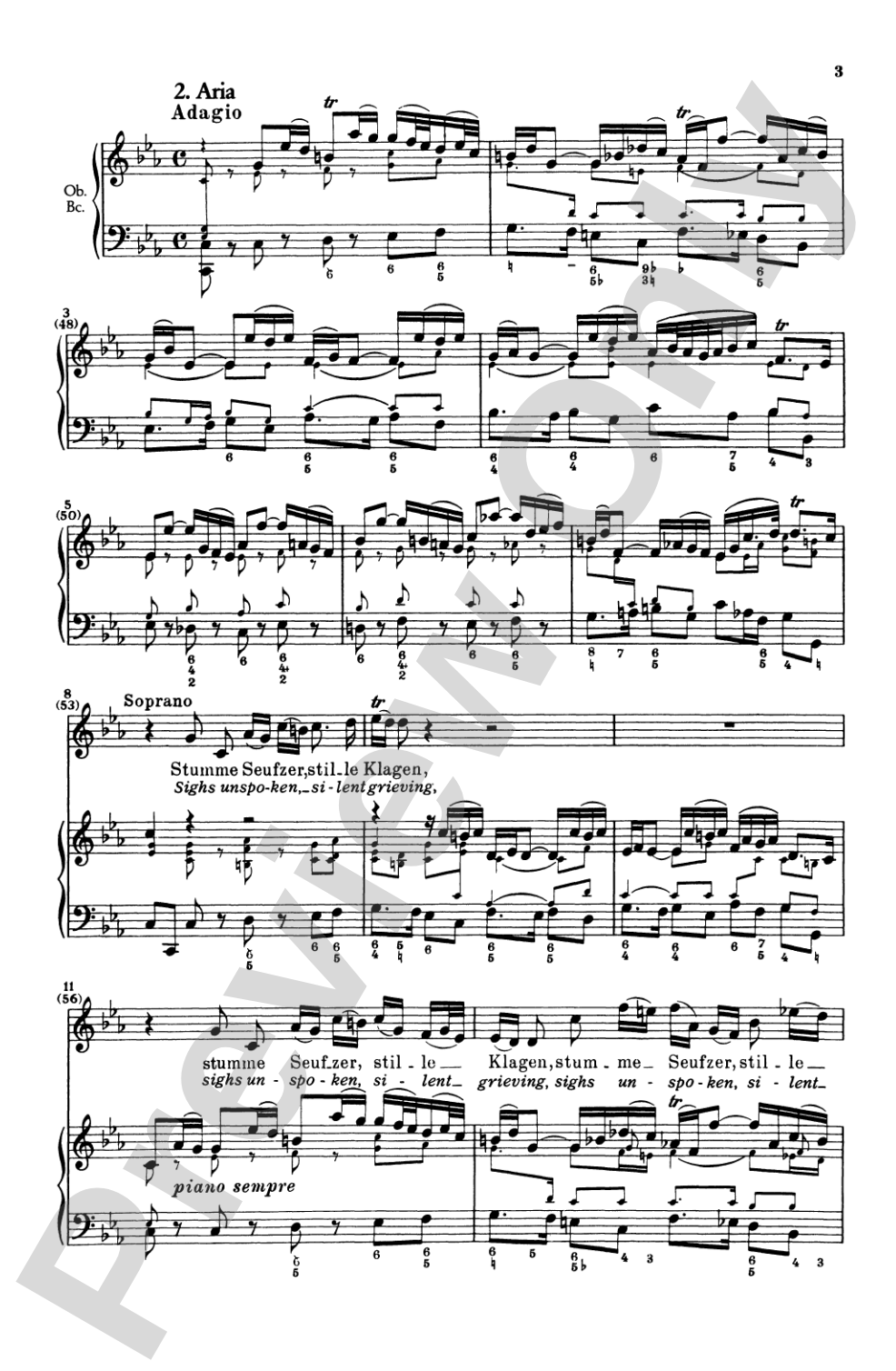
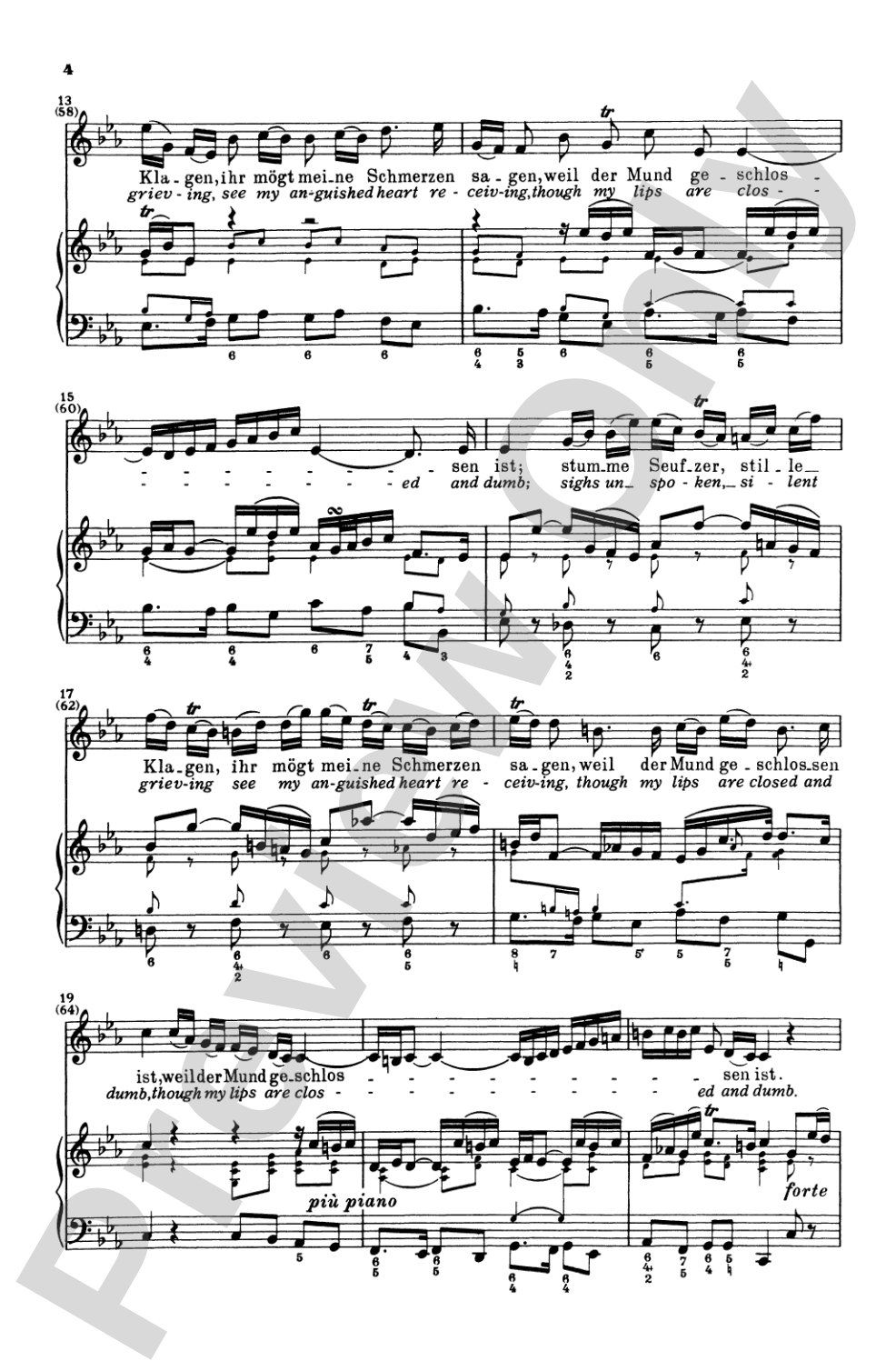
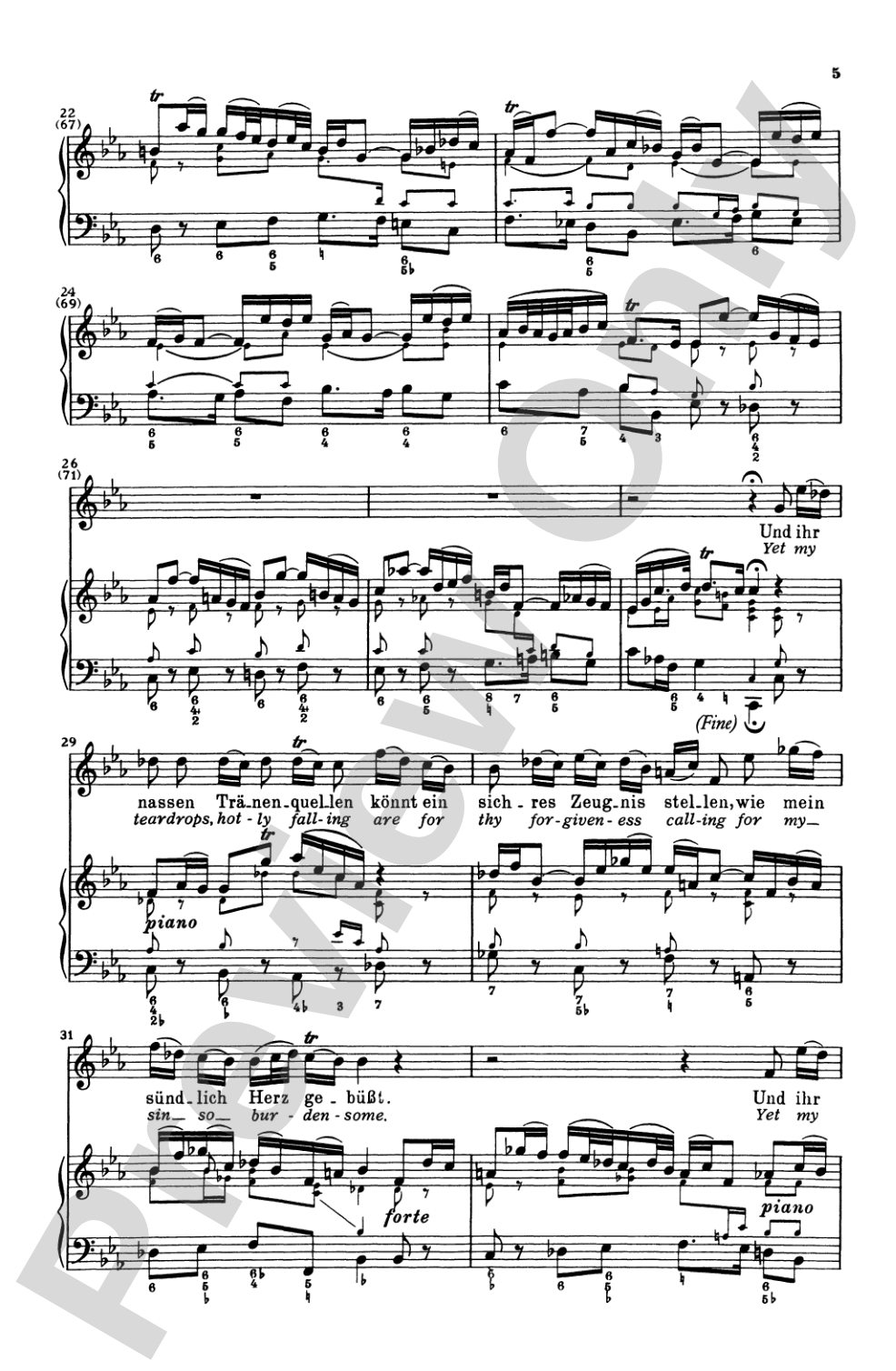
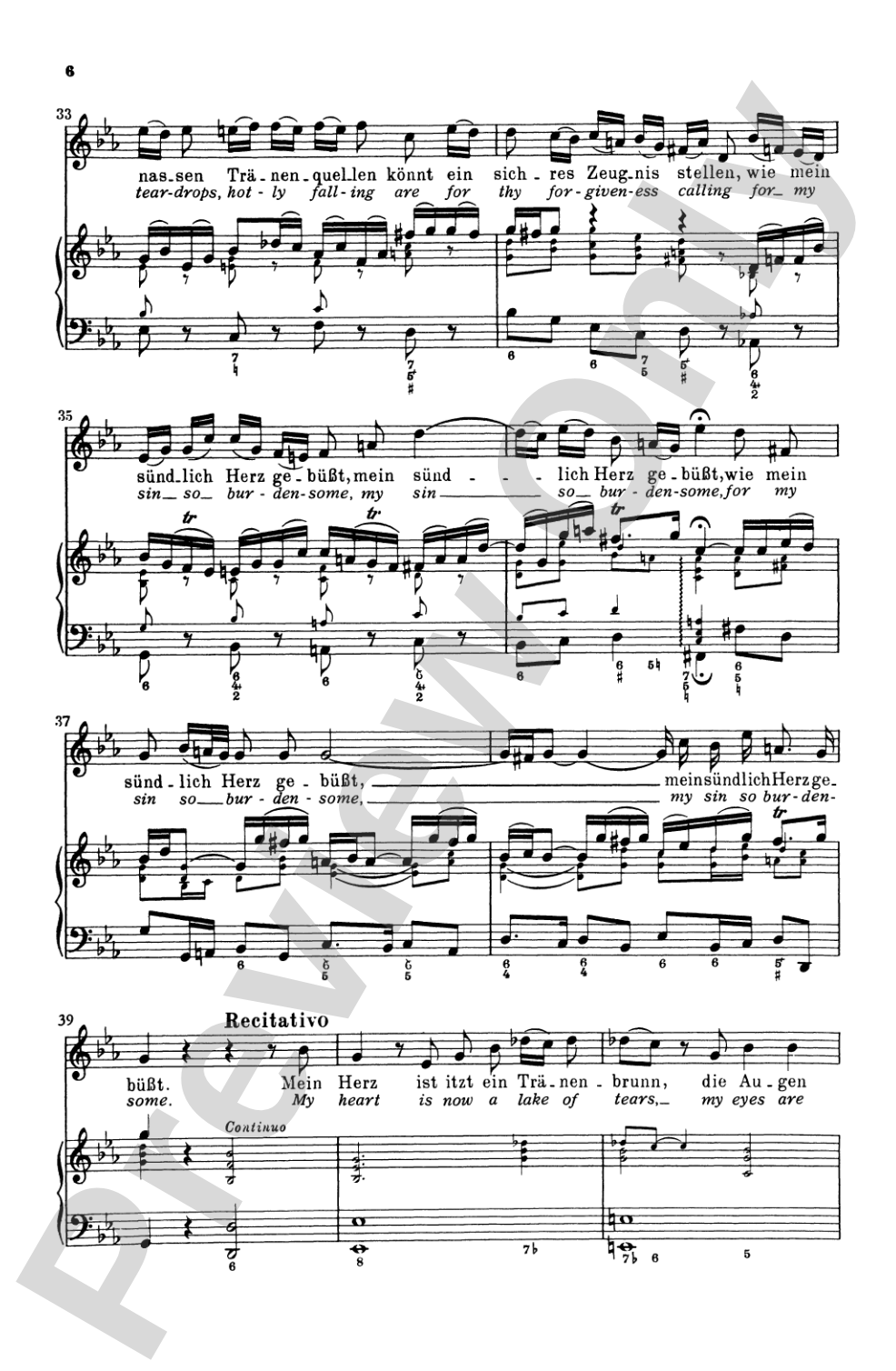
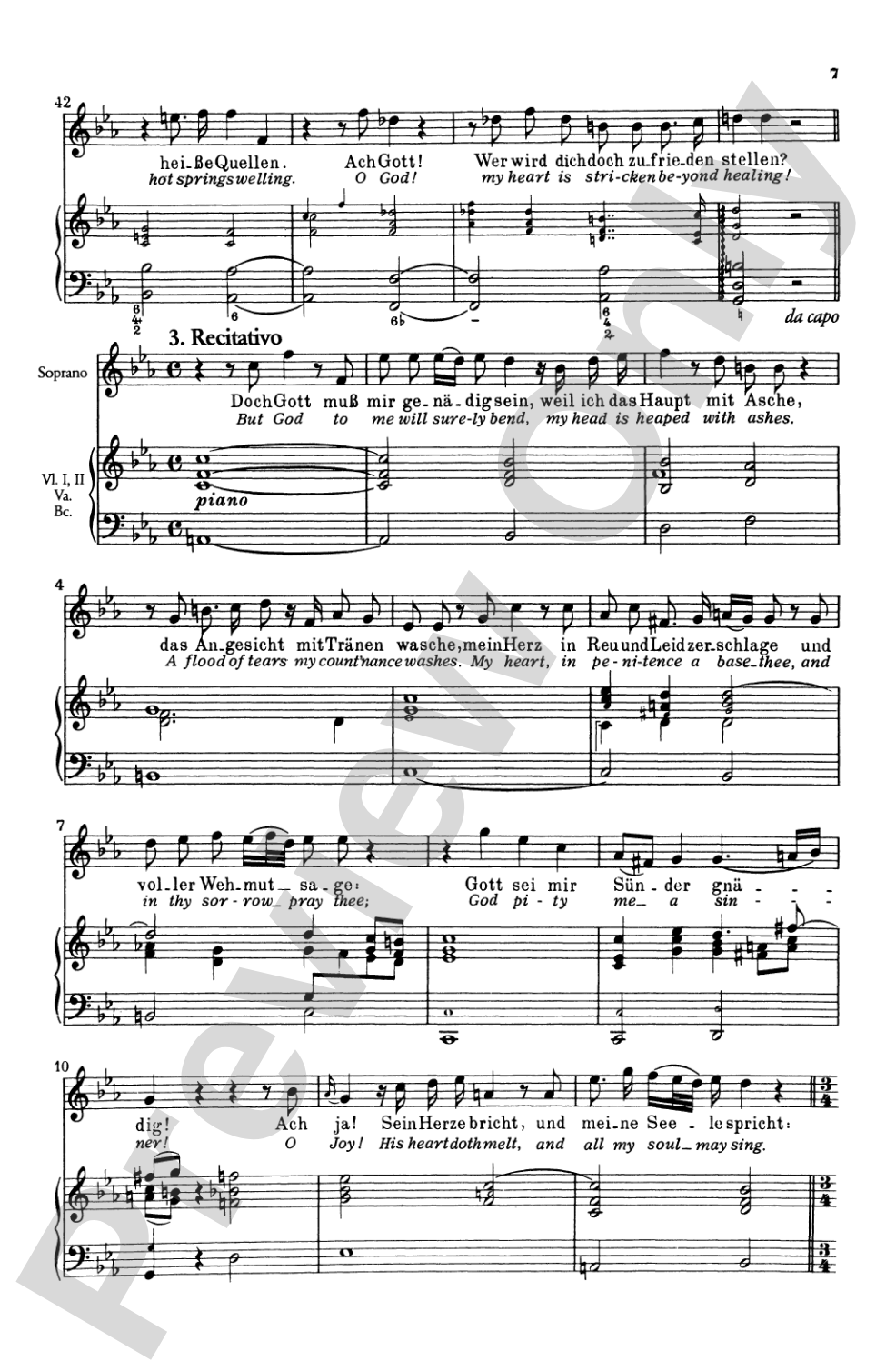
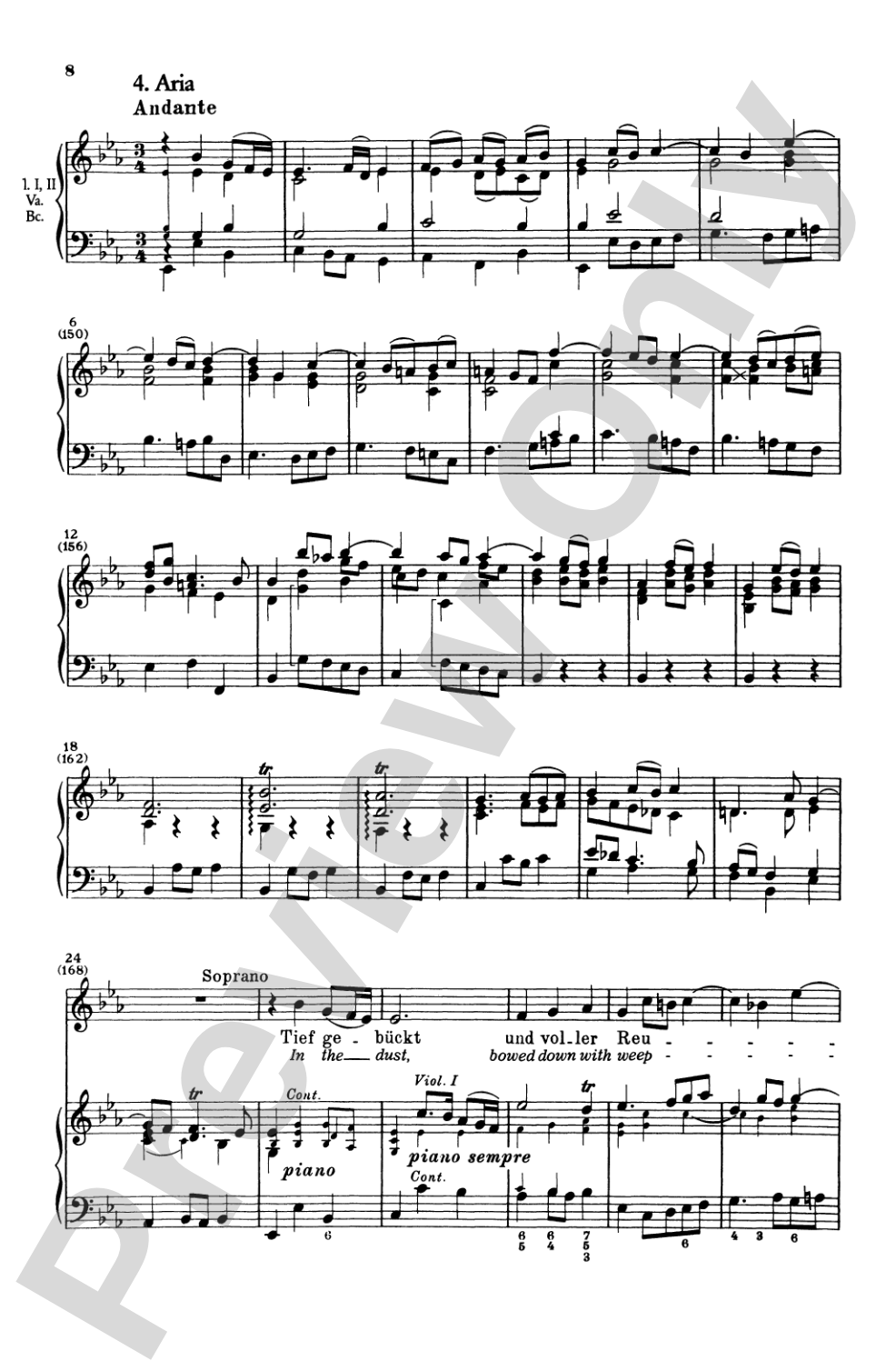
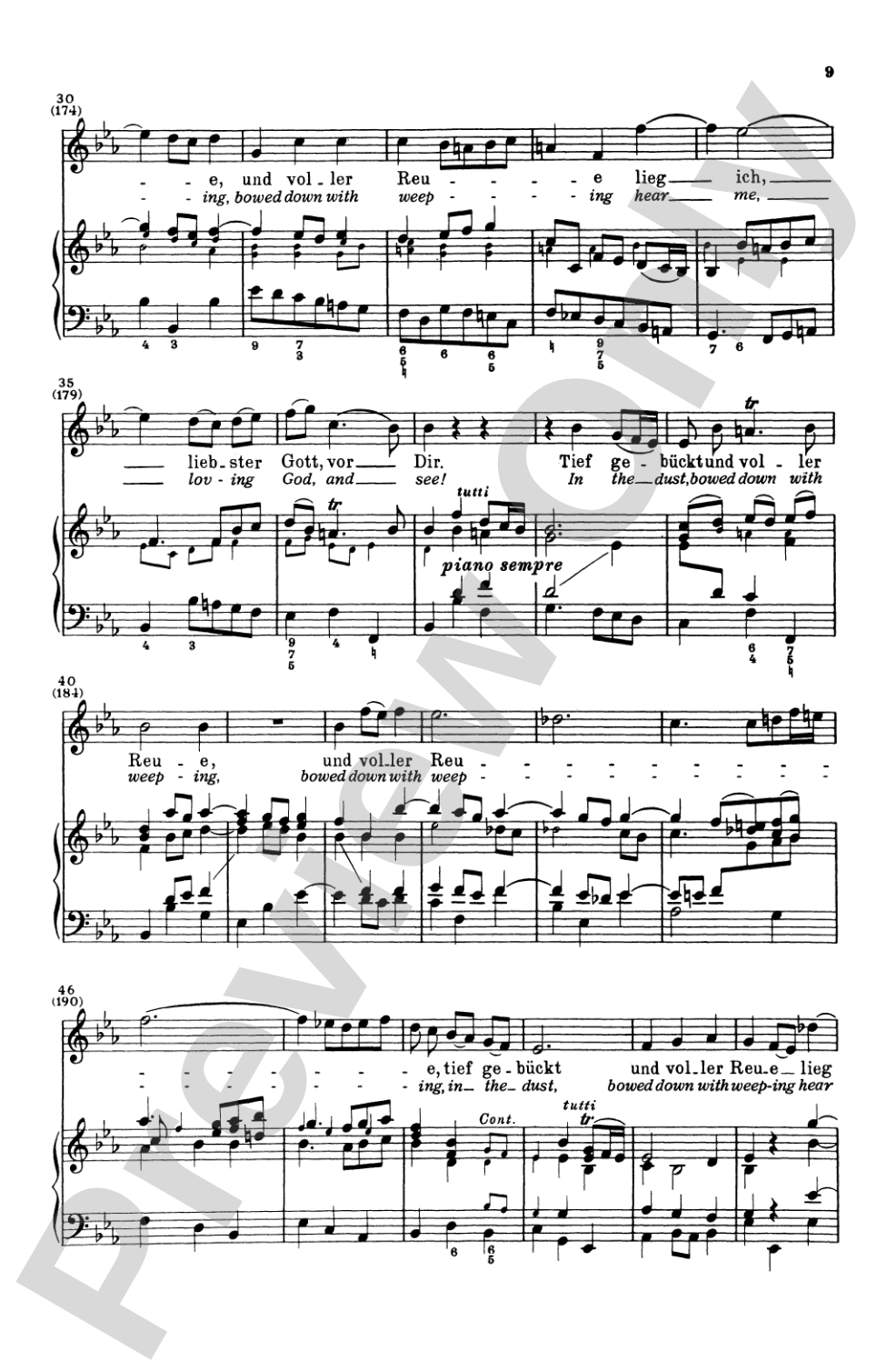
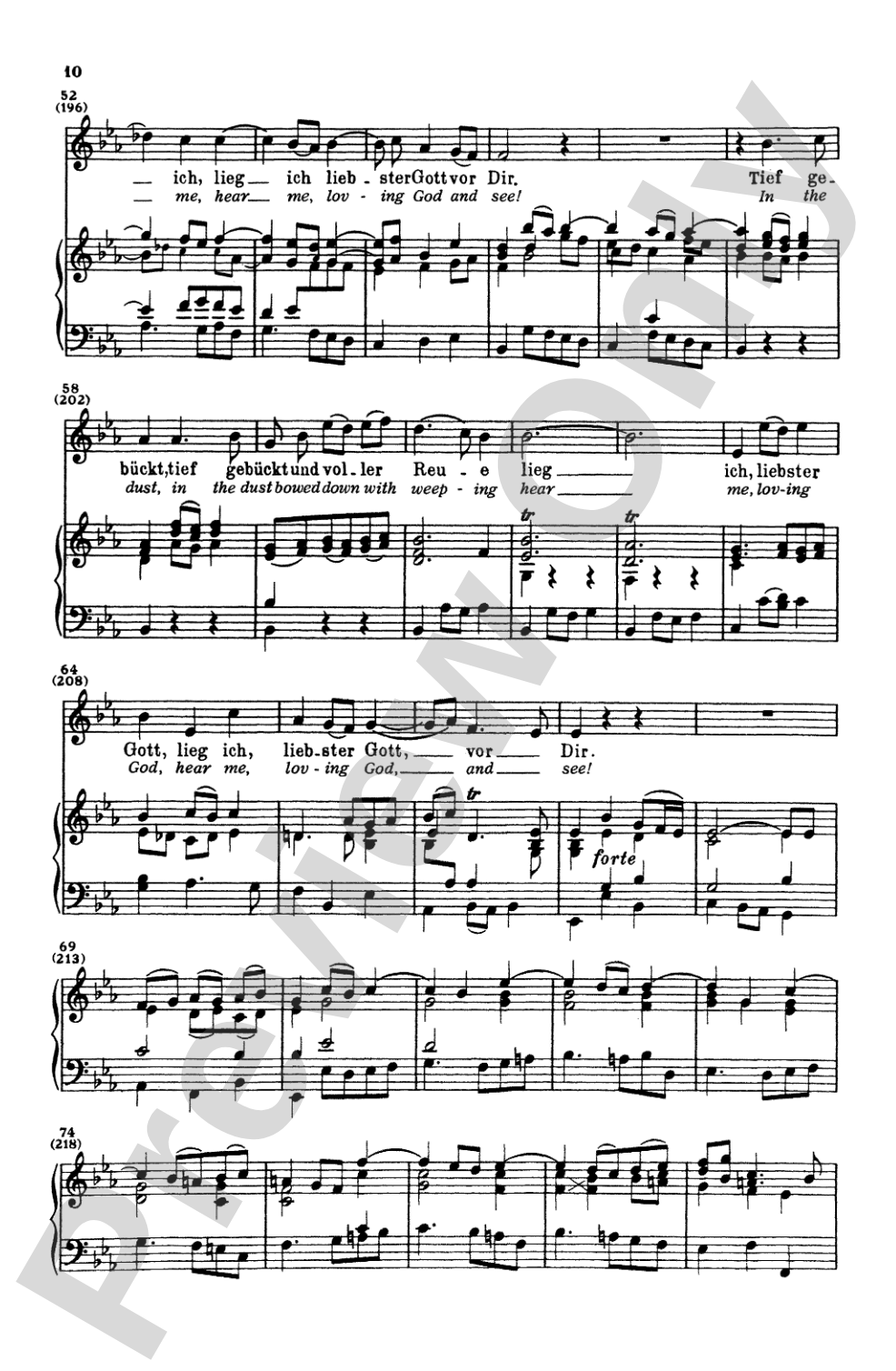
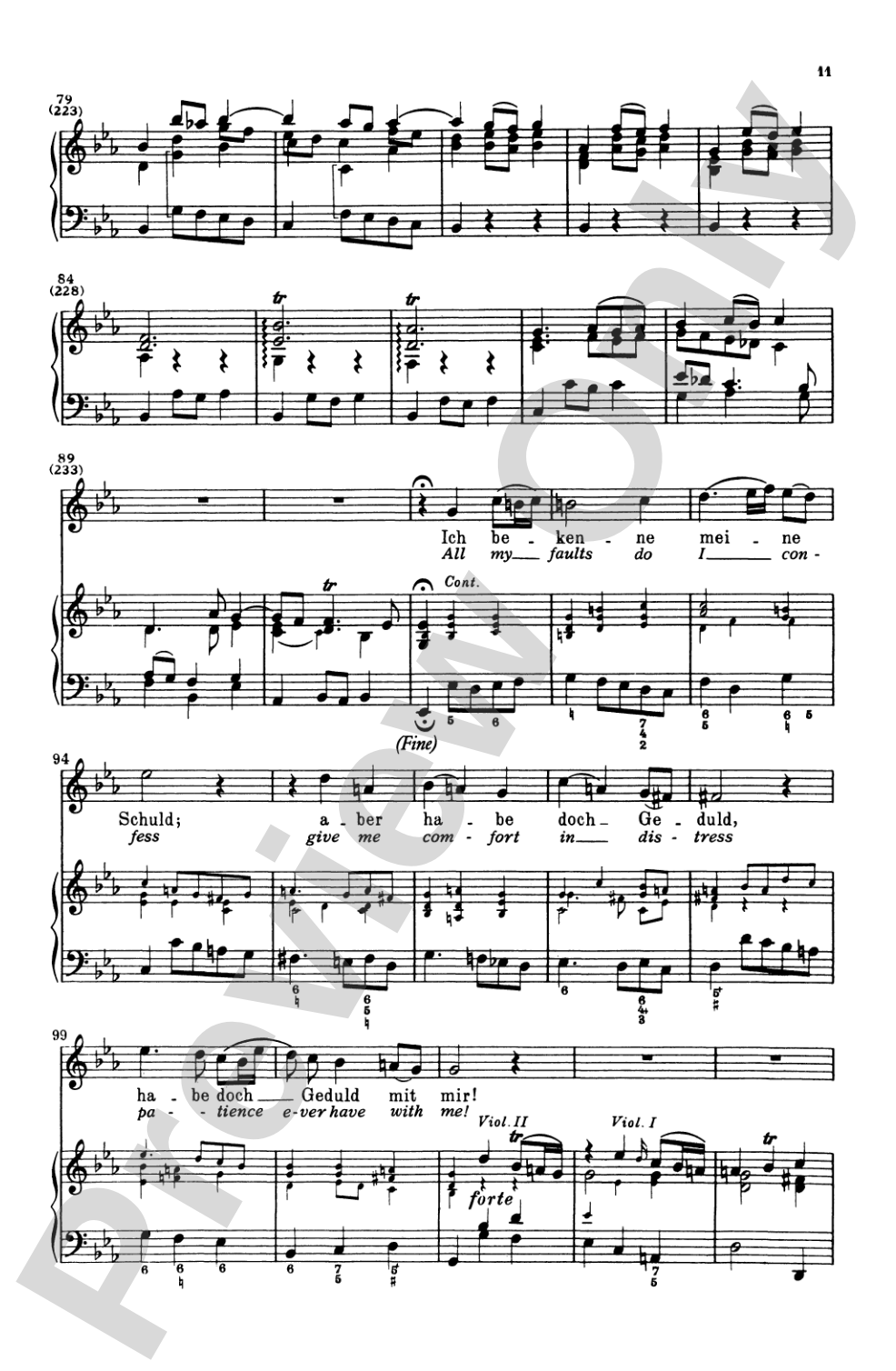
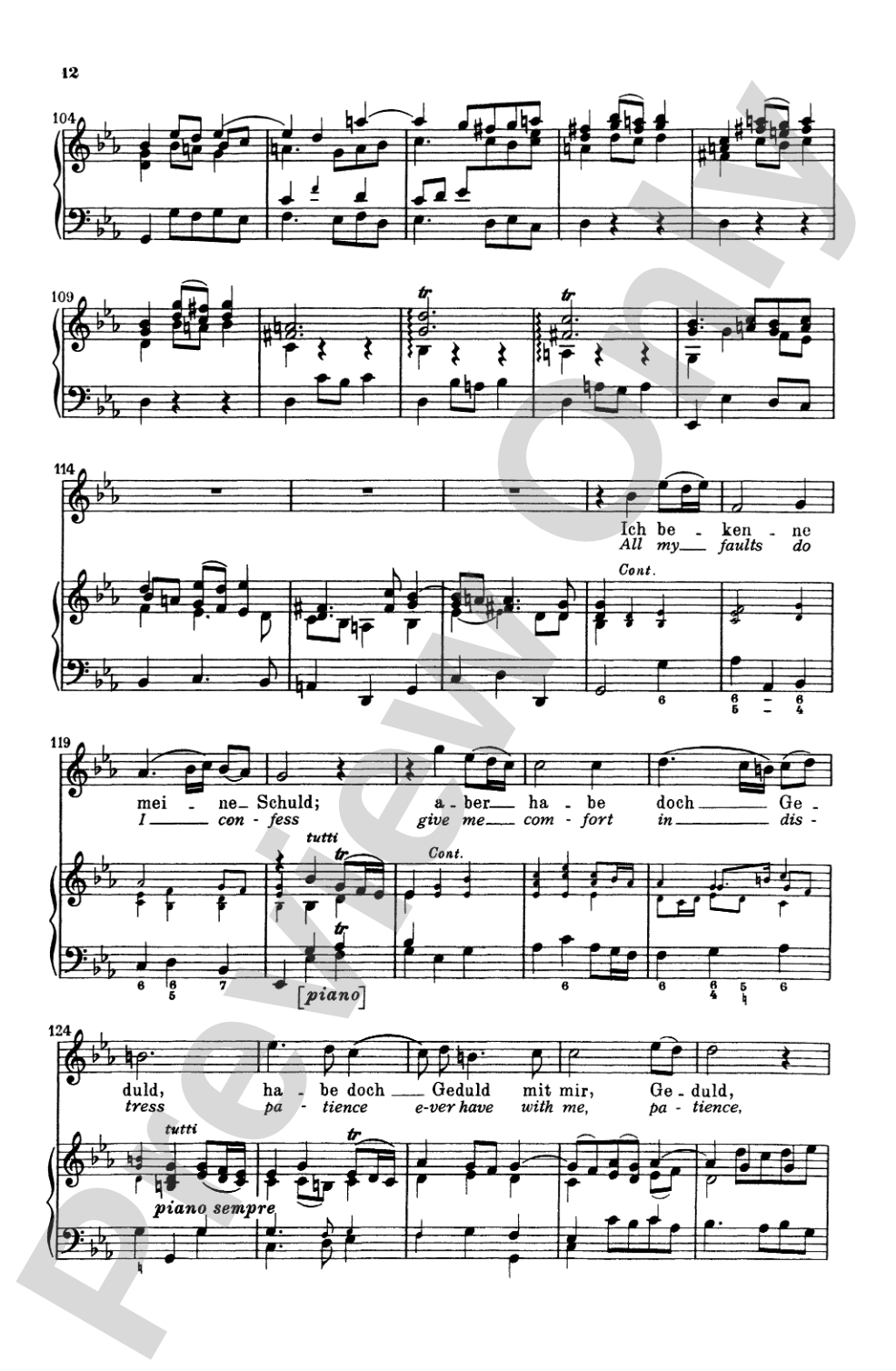
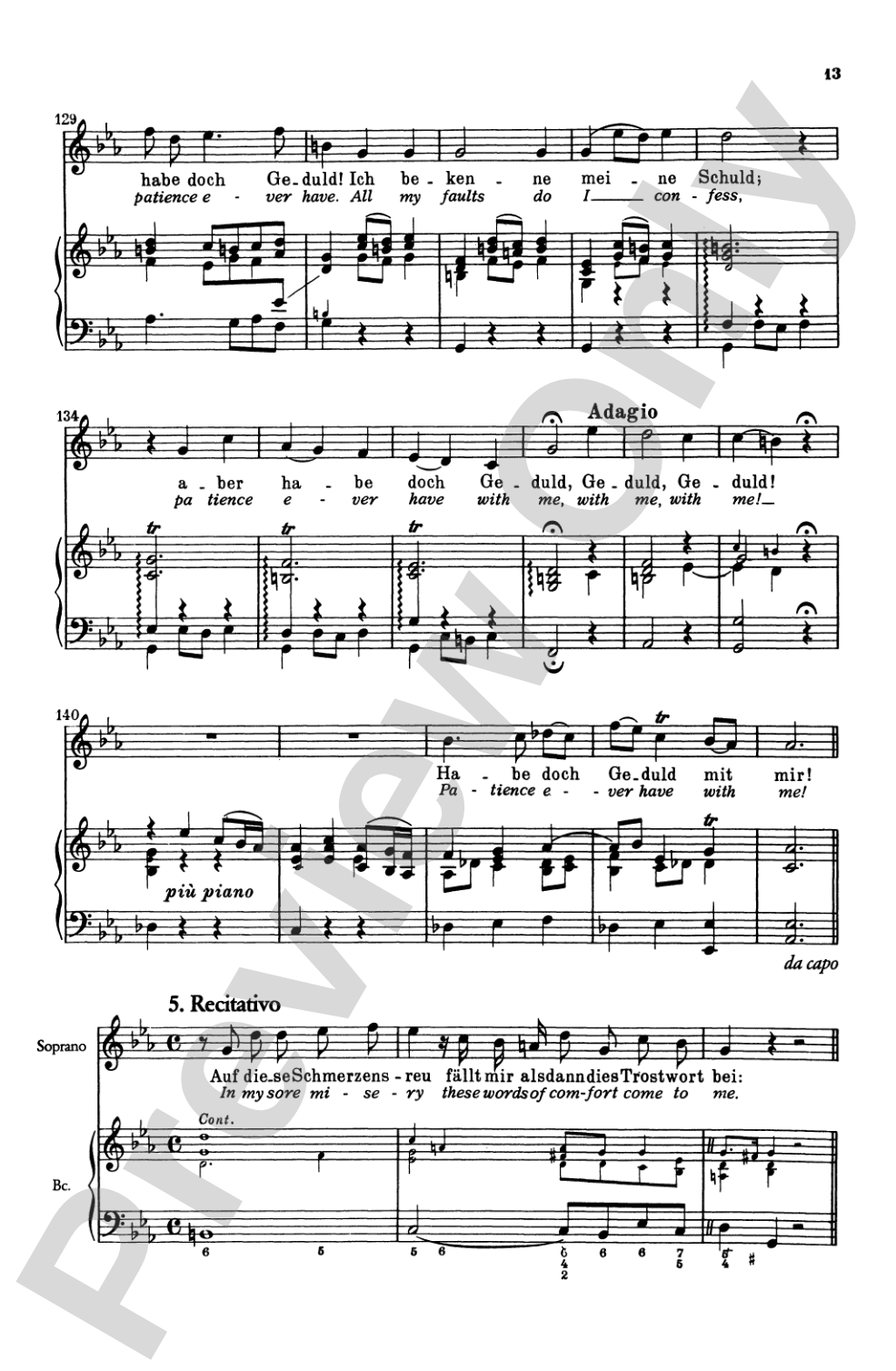
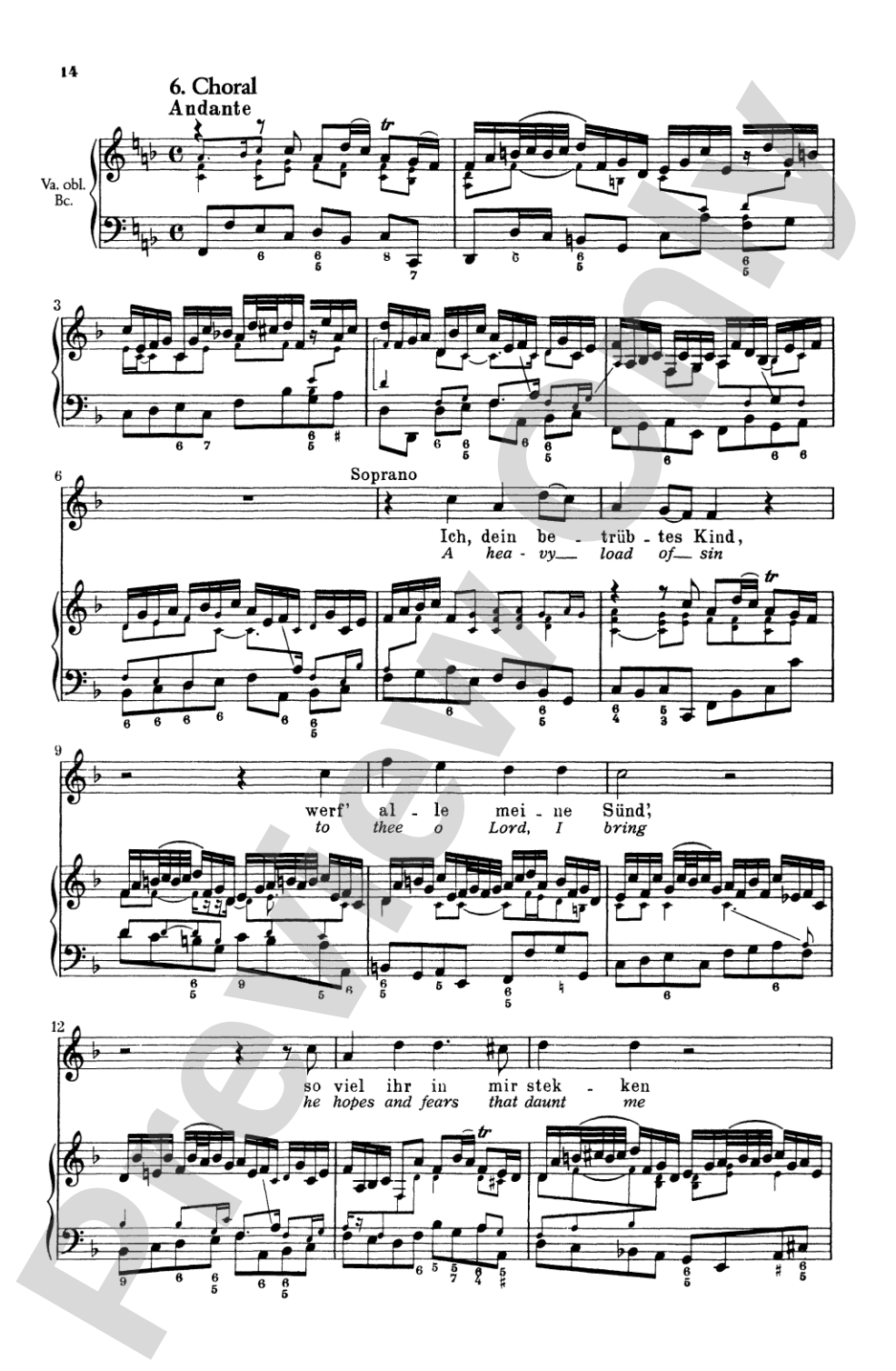
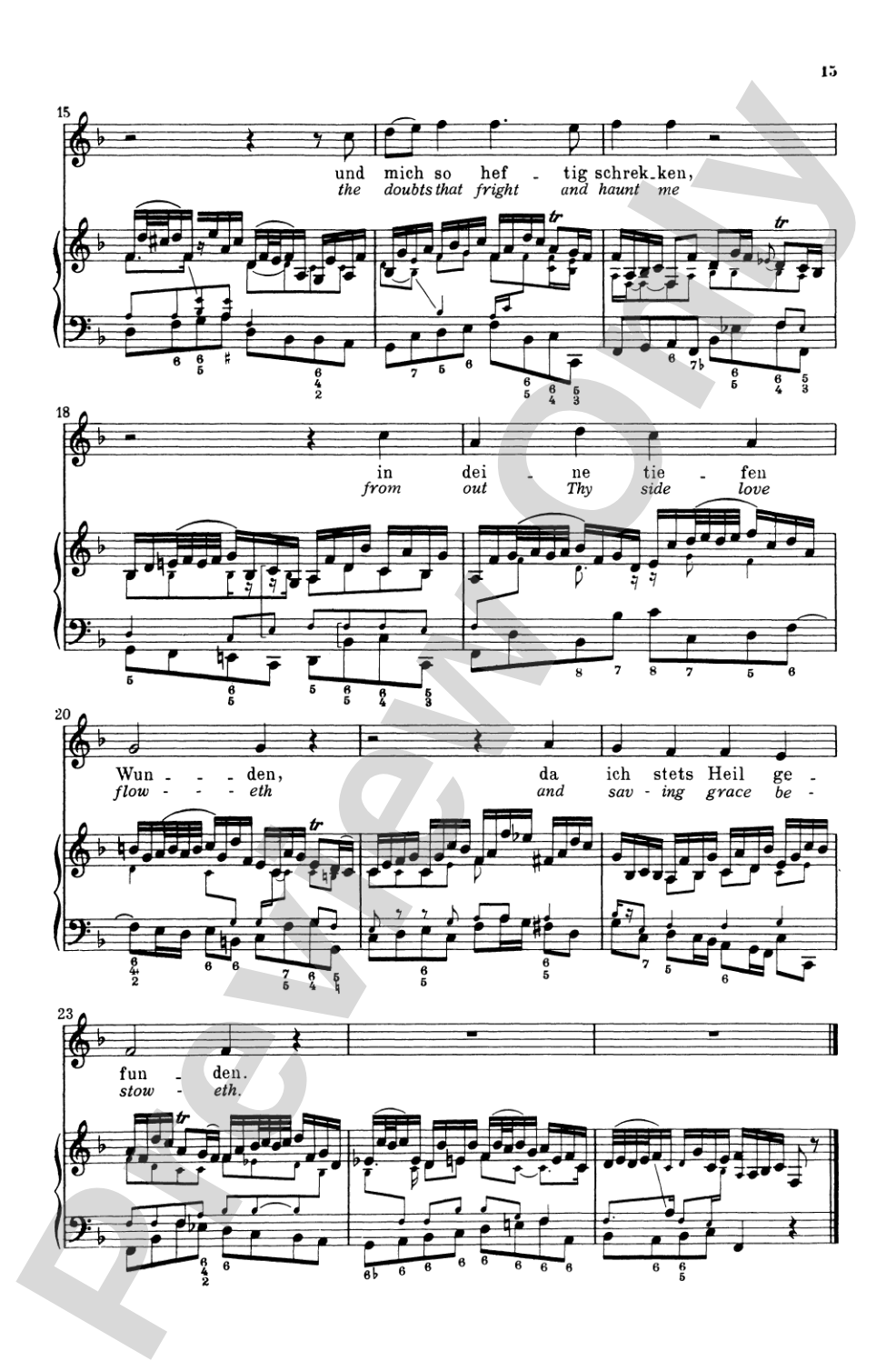
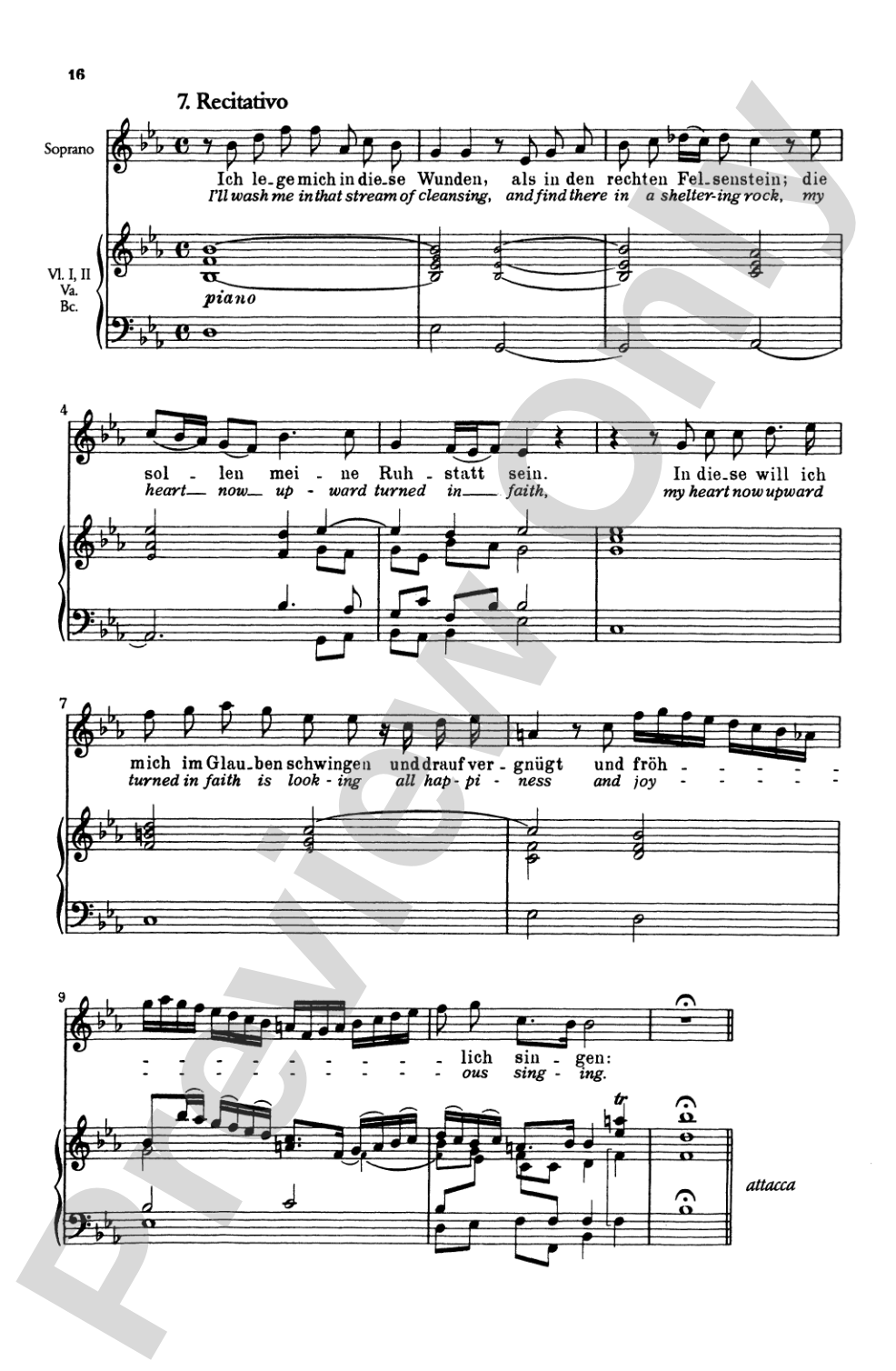
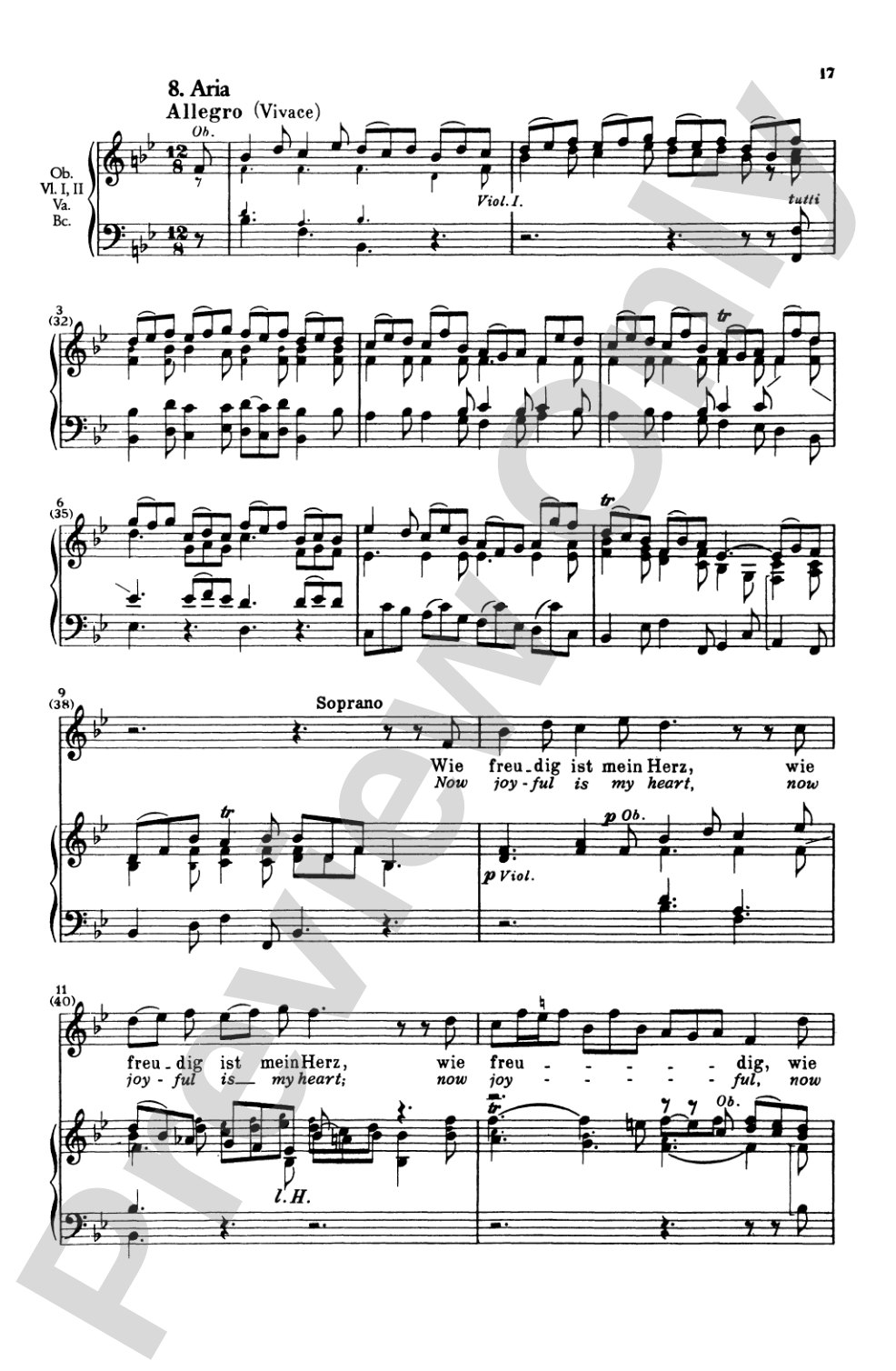
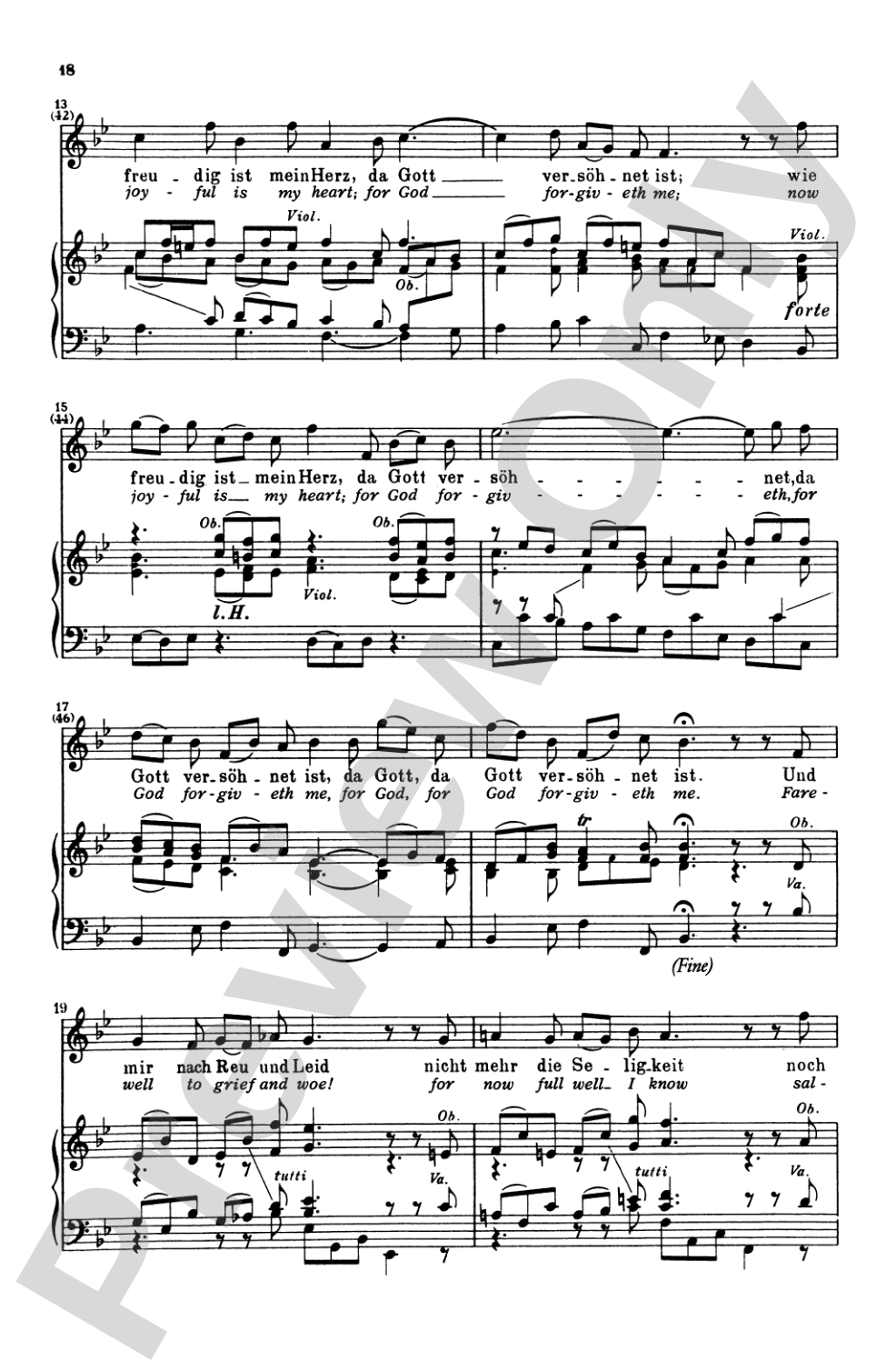
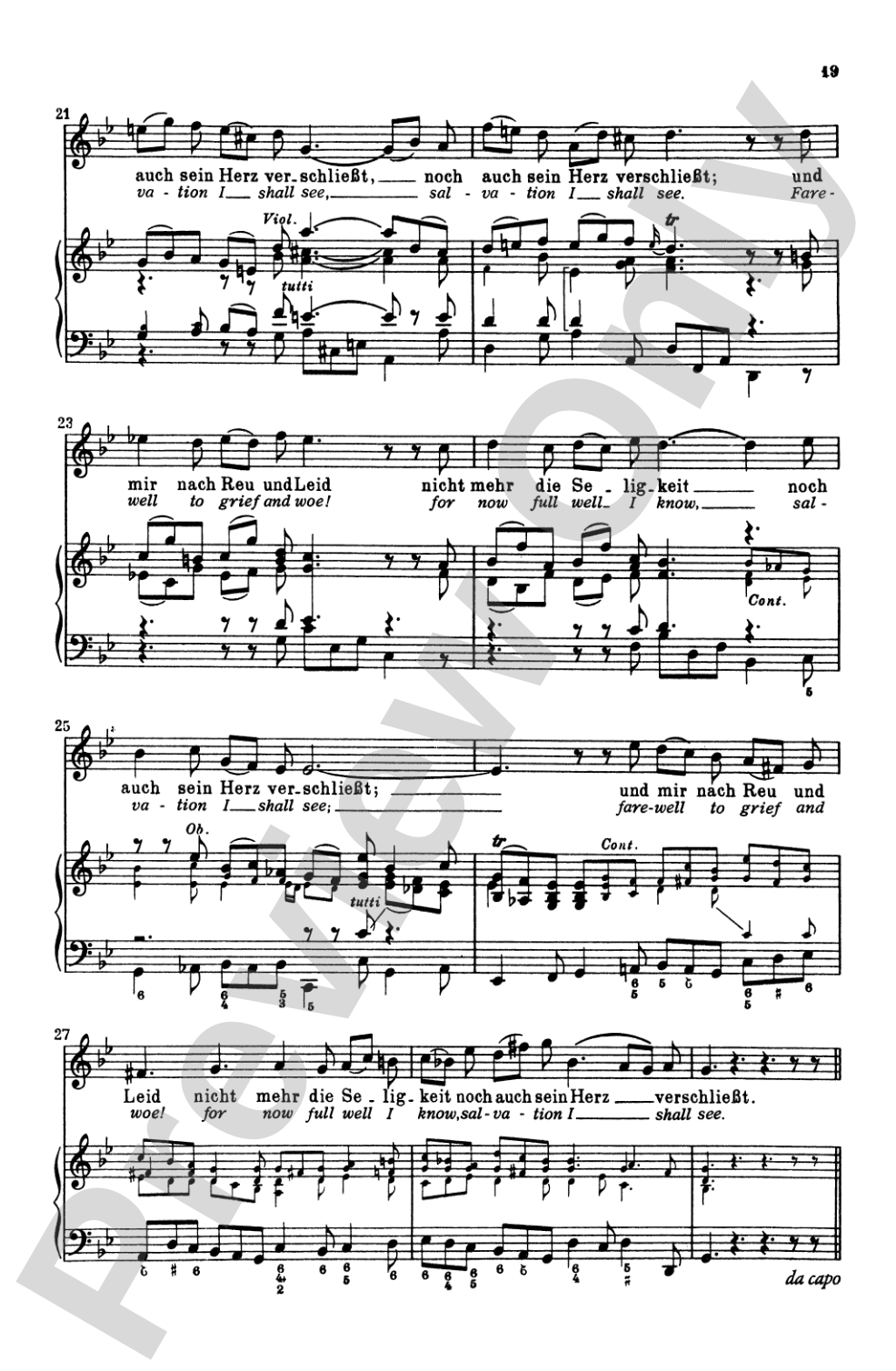


Bach: Soprano Solo, Cantata No. 199, Mein Herze Schwimmt Im Blut(German): Soprano Solo Voice Book
For Soprano Solo and Orchestra with German and English Text (Vocal Score)
By Johann Sebastian Bach
Item: 00-PK-0003661

$6.99
Pickup currently not available
Buy Extra Parts (Digital PDF Download)
| Product | Price | Quantity |
|---|---|---|
| Bach: Soprano Solo, Cantata No. 199, Mein Herze Schwimmt Im Blut(German) | $4.99 |
Parts Added to Cart!
Related Items
Cantata No. 199 -- Mein Herze Schwimmt Im Blut: Soprano Solo Voice Book |
$6.99
|
View |
Description
A Soprano voice solo with Orchestra Accompaniment composed by Johann Sebastian Bach.


Don't just read it, hear it, play along with it, and watch your students grow with it. In MakeMusic Cloud, Bach: Soprano Solo, Cantata No. 199, Mein Herze Schwimmt Im Blut(German): Soprano Solo Voice Book comes alive with professional accompaniment, adjustable tempo, and built-in practice tools that turn solo practice into real progress.
Open in the Player
Jump straight in and assign it today.
Start Your Free Trial
Open this title and explore the full library in minutes.
Sample Audio
No sample audio found.
Sample Video
No sample videos found.
Additional Details
Series:
Kalmus Edition
Publisher:
Alfred Music
Page Count:
20
SKU:
00-PK-0003661
Instrumentation:
Orch.
More about this title
About the Composer: Johann Sebastian Bach
Johann Sebastian Bach (1685-1750) stands as one of the most prolific and intellectually rigorous composers in Western music history. His mastery of counterpoint, harmonic language, and formal architecture shaped the course of music for centuries. Bach composed over 200 cantatas during his tenure as Cantor of St. Thomas Church in Leipzig, creating a vast repertoire of sacred vocal music that remains central to choral and solo vocal literature.
Bach's cantatas blend theological depth with musical invention. Each work typically pairs biblical texts, chorales, and poetic commentary with instrumental scoring that ranges from intimate chamber combinations to full orchestra. For soprano soloists, his cantatas offer some of the most rewarding vocal writing in the Baroque canon: intricate melodic lines that demand both technical control and expressive sensitivity, combined with harmonic language that supports the theological message of the text.
Why we love this
Cantata No. 199 gives soprano soloists a direct line to Bach's most sophisticated vocal writing without the demands of a full dramatic cantata cycle. The text 'Mein Herze Schwimmt im Blut' (My heart swims in blood) deals with sin and repentance in unflinching terms, and Bach's music reflects that intensity through harmonic language that moves beyond simple diatonic comfort. A soprano capable of handling the technical and expressive demands of this solo gains access to music that challenges her artistry at every measure.
What to expect
The music unfolds with theological urgency, moving through passages of anguish and introspection with Bach's characteristic harmonic boldness. The soprano line twists and turns through the orchestral fabric, sometimes soaring above it and sometimes intertwining with instrumental voices, creating a sense of spiritual struggle made audible through pure musical means.
Who it's for
This solo is written for an advanced soprano with secure technique, strong diction in German, and experience with Baroque vocal style. The work demands facility with melismatic writing, control over a wide range, and the interpretive maturity to sustain dramatic tension through complex harmonic language.
How to get the most out of it
- Shape each phrase around the text's emotional arc rather than the vocal line's highest note; Bach's music follows the meaning of the words, and a direct approach to dramatic climax will obscure his harmonic language.
- Balance the soprano line with the orchestra accompaniment by favoring clarity of articulation over volume; the counterpoint in the instrumental parts is active and deserves to be heard.
- Approach the ornamentation and melismatic passages with rhythmic precision and character; these moments carry theological weight and should feel inevitable rather than decorative.
- Work closely with your accompanist to establish a tempo that accommodates both the text delivery and the instrumental figurations without rushing the harmonic progressions.
How to use it
Position this work as a centerpiece of a recital devoted to Baroque sacred solo music, or include it in a concert exploring Bach's cantata repertoire alongside instrumental or choral works from the same period. The dramatic intensity and theological specificity of the text make it particularly suited to a program theme addressing faith, doubt, or spiritual questioning.
Skills your students will build
- Baroque ornamentation and embellishment execution
- German diction and text declamation in the Baroque style
- Reading and performing melismatic vocal writing with precision
- Harmonic awareness and sensitivity to Bach's chromatic voice-leading
- Ensemble balance and independence within orchestral accompaniment
- Interpretive choices within the constraints of period style