

Bach: Soprano Arias from Secular Cantatas, Volume II (German): Vocal Book
For Soprano, Obbligato Instruments and Piano or Organ with German Text (Full Score)
By Johann Sebastian Bach
Item: 00-PK-0003642

$22.99
Pickup currently not available
Buy Extra Parts (Digital PDF Download)
Parts Added to Cart!
Related Items
Arias from Church Cantatas, Volume II (12 Secular): Vocal Book |
$22.95
|
View |
Description
Titles:


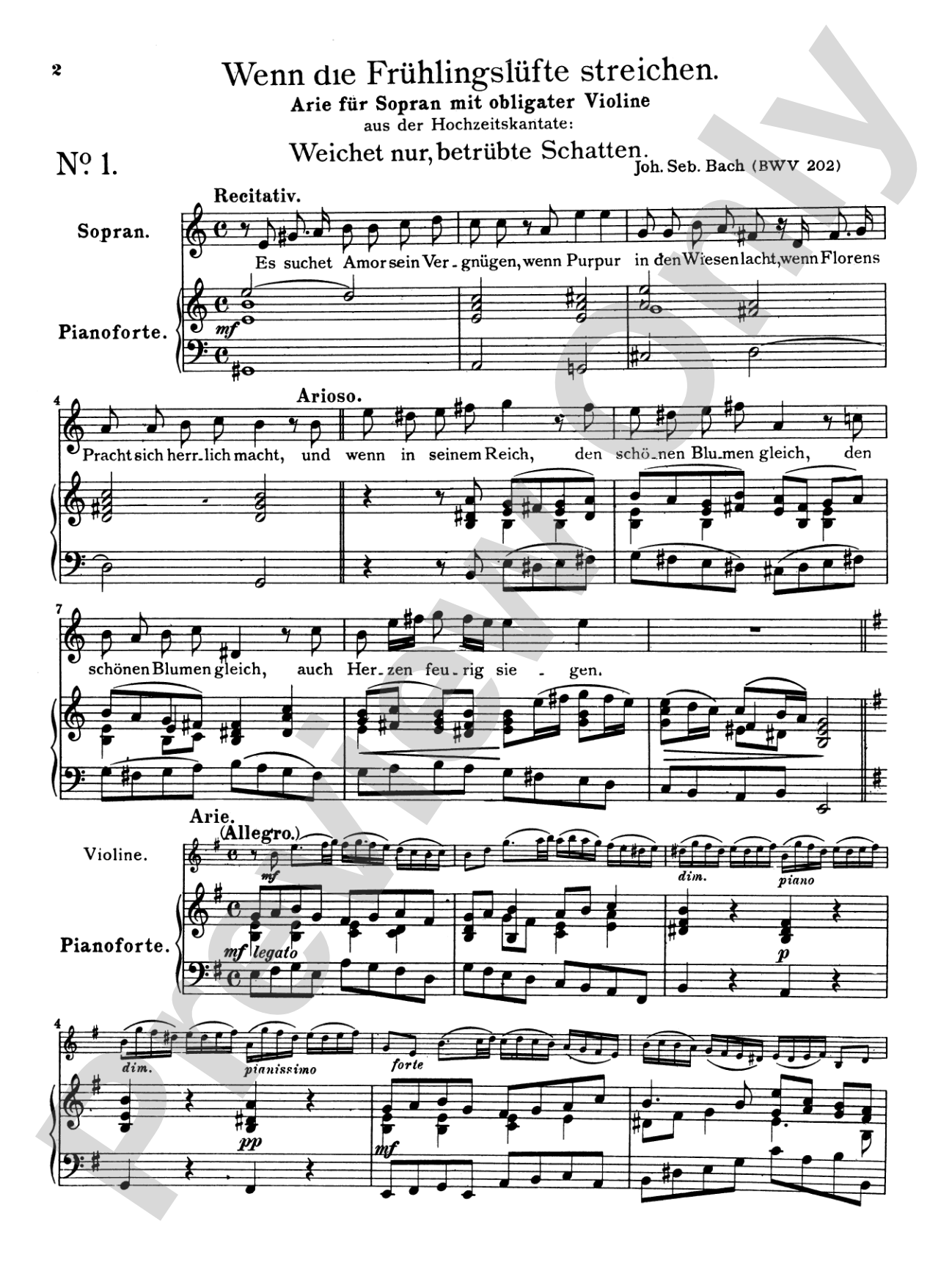
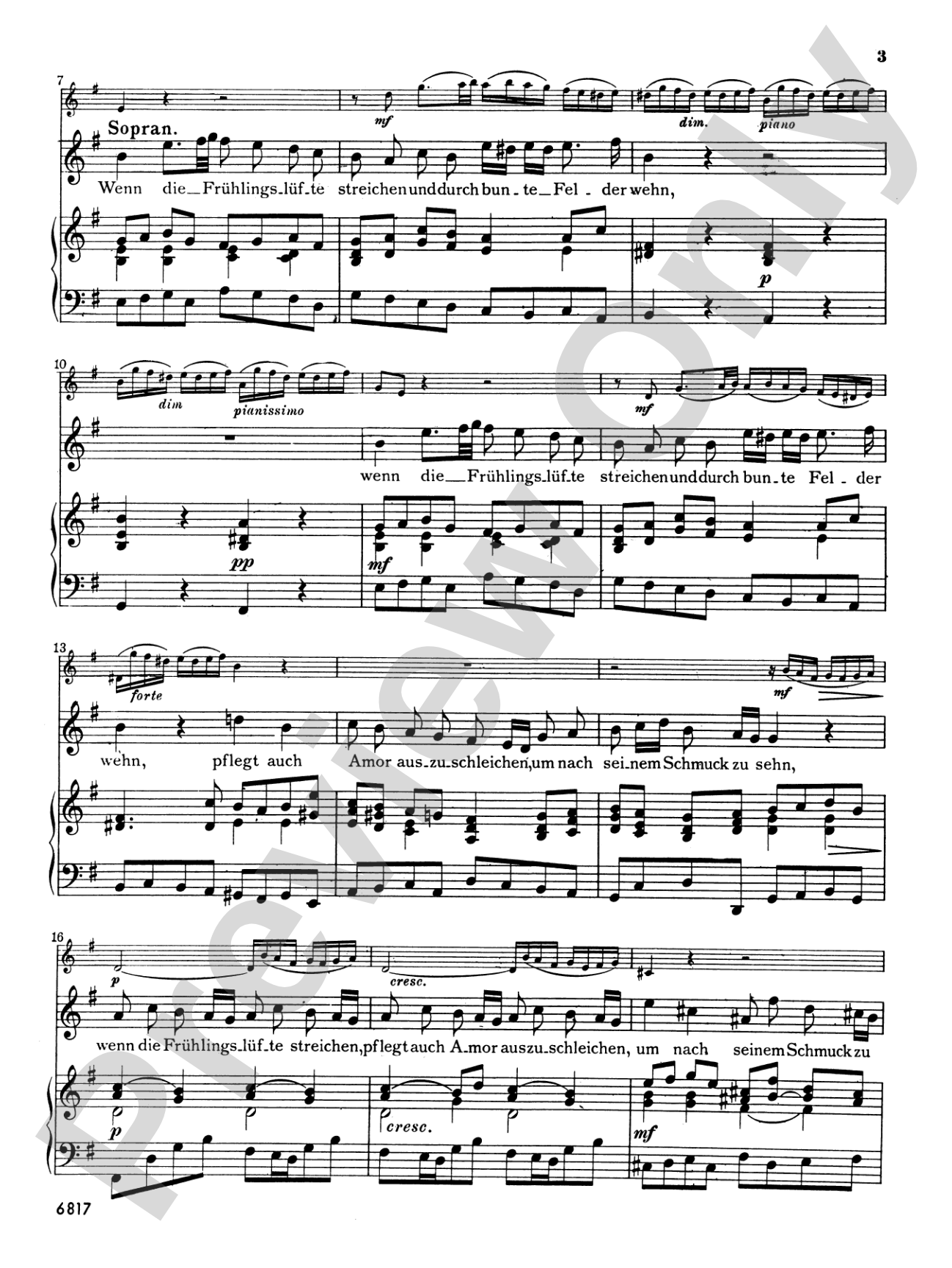
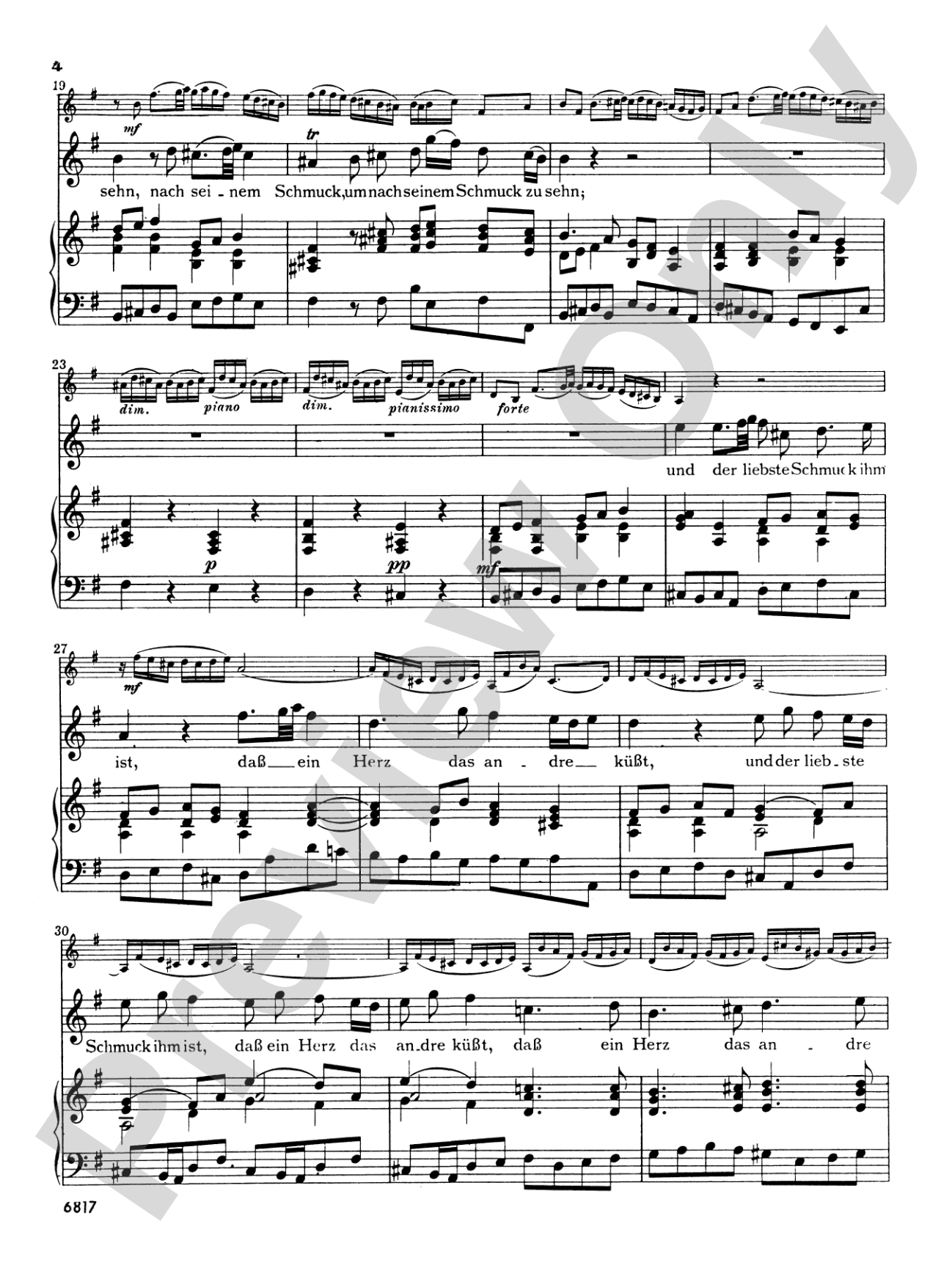
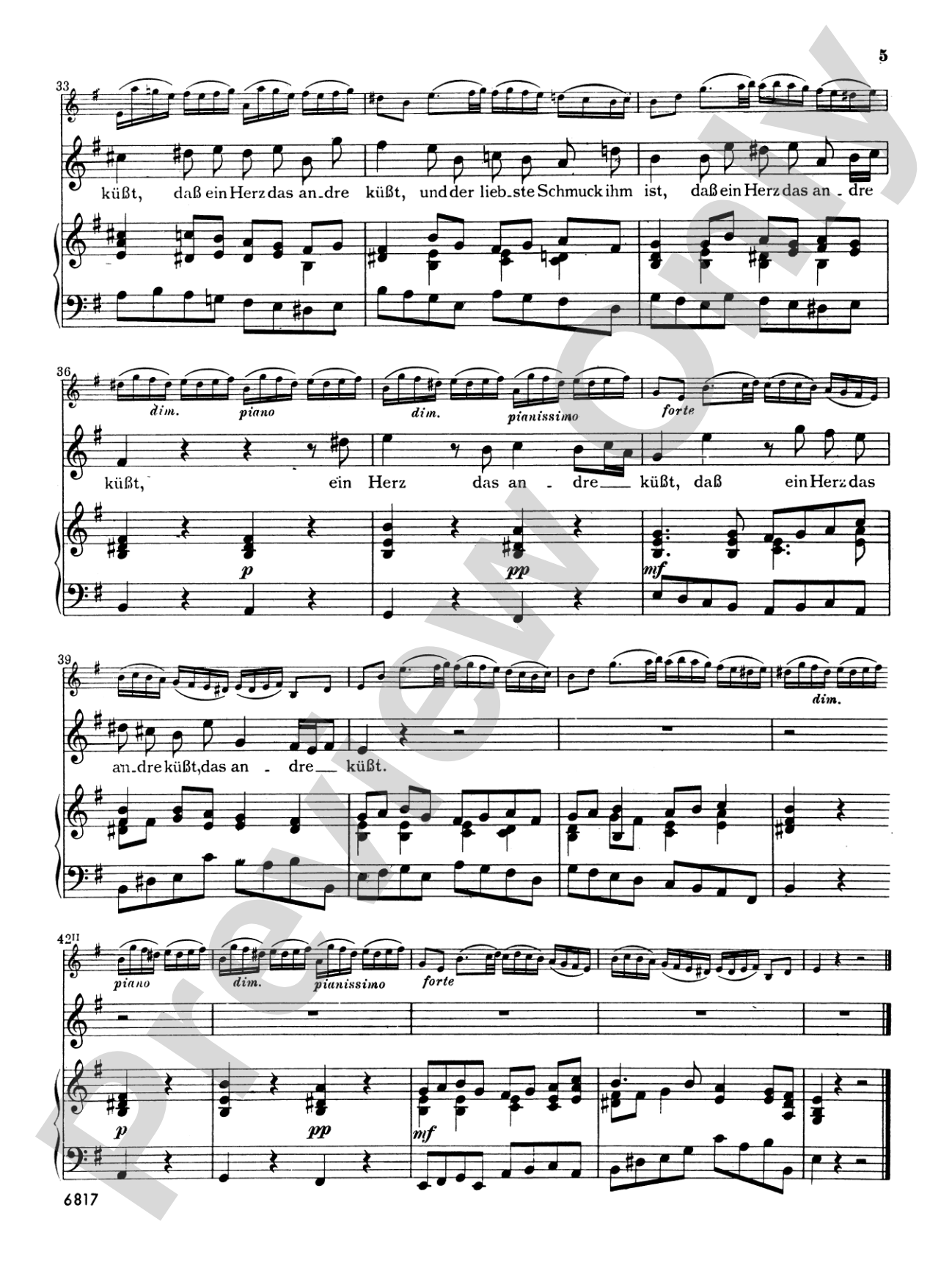
- Wenn die Frühlingslüfte streichen - BWV 202
- Sich üben im Lieben - BWV 202
- Des Reichtums Glanz auf weiter Erden - BWV 204
- Schafe können sicher weiden - BWV 208
- Meine Seele sei vergnügt - BWV 204
- Angenehmer Zephyrus - BWV 205
- Schweigt ihr Flöten, schweigt ihr Töne - BWV 210
- Ei, wie schmeckt der Kaffee süße - BWV 211
- Ruhig und in sich zufrieden - BWV 204
- Ruhet hie, matte Sinne - BWV 210
- Jagen ist die Lust der Götter - BWV 208
- Hört doch der sanften Flöten Chor - BWV 206
Don't just read it, hear it, play along with it, and watch your students grow with it. In MakeMusic Cloud, Bach: Soprano Arias from Secular Cantatas, Volume II (German): Vocal Book comes alive with professional accompaniment, adjustable tempo, and built-in practice tools that turn solo practice into real progress.
Open in the Player
Jump straight in and assign it today.
Start Your Free Trial
Open this title and explore the full library in minutes.
Sample Audio
No sample audio found.
Sample Video
No sample videos found.
Additional Details
Series:
Kalmus Edition
Publisher:
Alfred Music
Page Count:
60
SKU:
00-PK-0003642
More about this title
About the Composer: Johann Sebastian Bach
Johann Sebastian Bach (1685-1750) composed roughly two hundred cantatas across his career, creating works for church services, civic celebrations, and secular court occasions. His secular cantatas showcase his gift for melody and theatrical expression, revealing a composer equally masterful at entertainment and spiritual depth. These works demonstrate that Bach's genius extended well beyond the chorale prelude and fugue into the realm of solo vocal drama.
Why we love this
These arias reveal Bach at his most approachable and dramatically alive. Unlike the often austere reputation of Baroque vocal music, these pieces sparkle with character, humor, and genuine melodic charm. A soprano with solid technique and musical maturity will find rewarding material that bridges the gap between the recital hall and the concert stage without requiring operatic resources.
What to expect
These arias swing between intimate reflection and spirited delight. You encounter pastoral beauty in "Wenn die Frühlingslüfte streichen," theatrical wit in the Coffee Cantata, and lyrical contentment in "Meine Seele sei vergnügt." The German text grounds every phrase in immediacy, and Bach's melodic gift makes each aria memorable from first hearing.
Who it's for
Sopranos pursuing advanced repertoire will find arias suited to recital performance, auditions, and concert programming. Voice teachers seeking material that combines technical growth with dramatic engagement will appreciate the range of character and musical sophistication across this collection.
How to get the most out of it
- Shape the melodic line with subtle dynamic inflection rather than aggressive contrast; Bach's text-painting works best when it serves the natural curve of the phrase.
- Pay attention to the continuo's harmonic rhythm as a guide for phrasing and breathing; these secular cantatas rely on the keyboard's support to anchor the vocal line.
- Approach ornamentation as part of the emotional content, not as decoration; each trill or turn in pieces like the Coffee Cantata serves the character and wit of the text.
- Balance clarity of text with the demands of Bach's long melodic spans; German diction here requires precision without sacrificing the line's lyrical flow.
How to use it
Program individual arias alongside Romantic or contemporary vocal works to showcase the soprano voice's range and historical depth. These pieces work equally well in a Baroque recital series, a vocal recital featuring multiple languages and eras, or a themed concert exploring secular versus sacred music in the eighteenth century.
Skills your students will build
- German language diction and text expression in Baroque contexts
- Long-line phrasing over Baroque harmonic motion
- Ornamentation techniques appropriate to Bach's secular style
- Character interpretation and dramatic storytelling in aria form
- Baroque stylistic conventions including continuo-dependent singing