
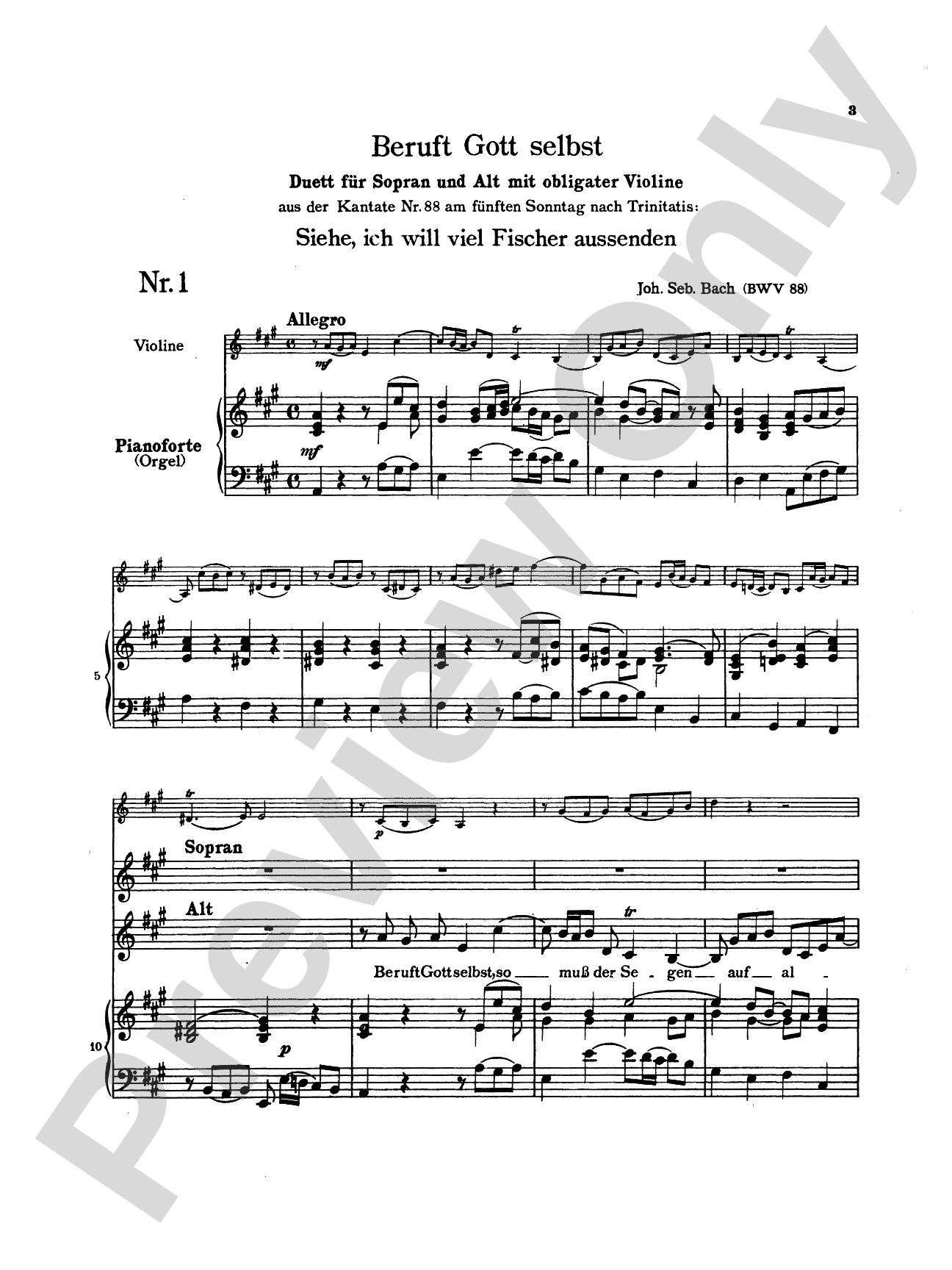
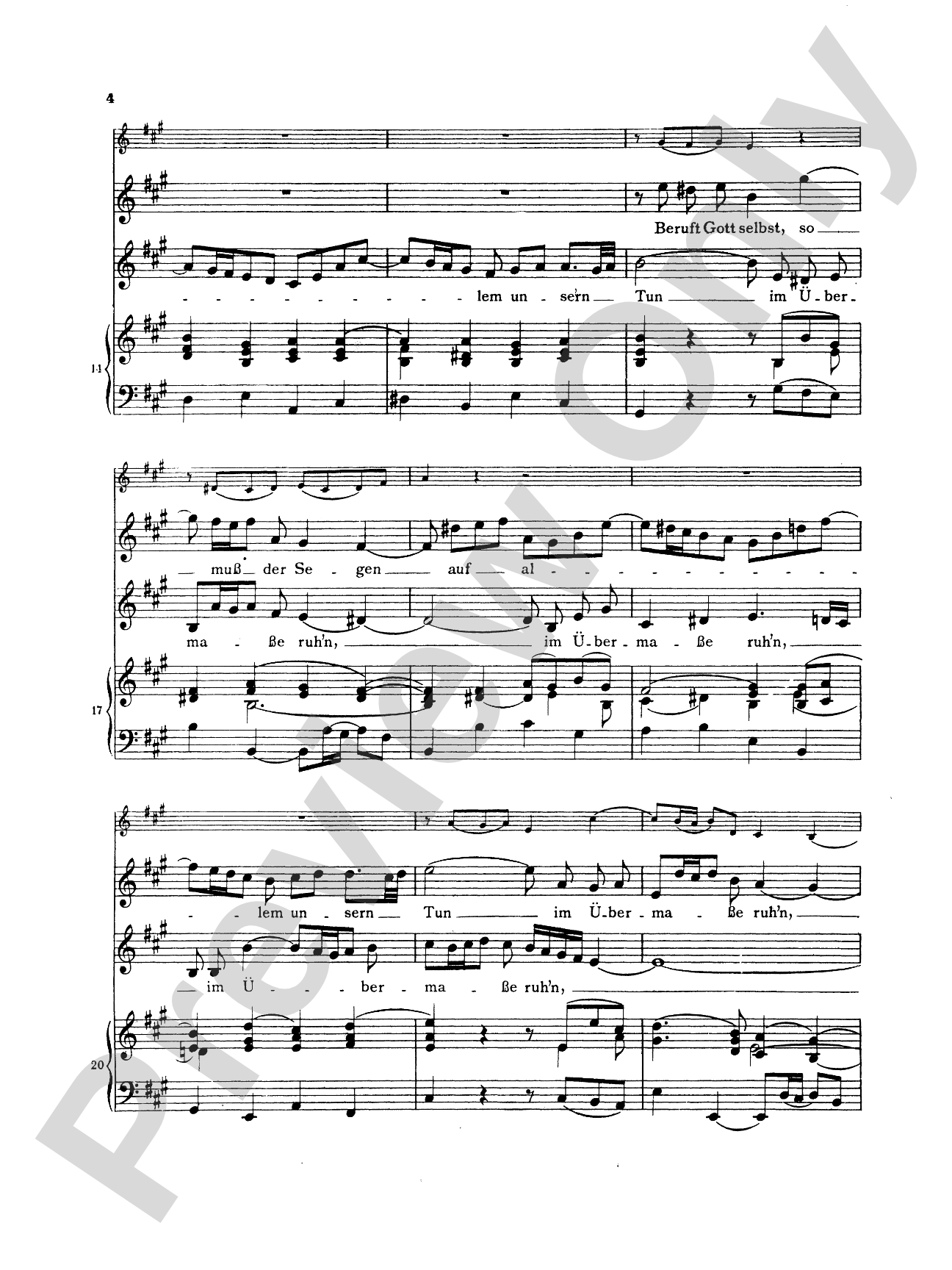
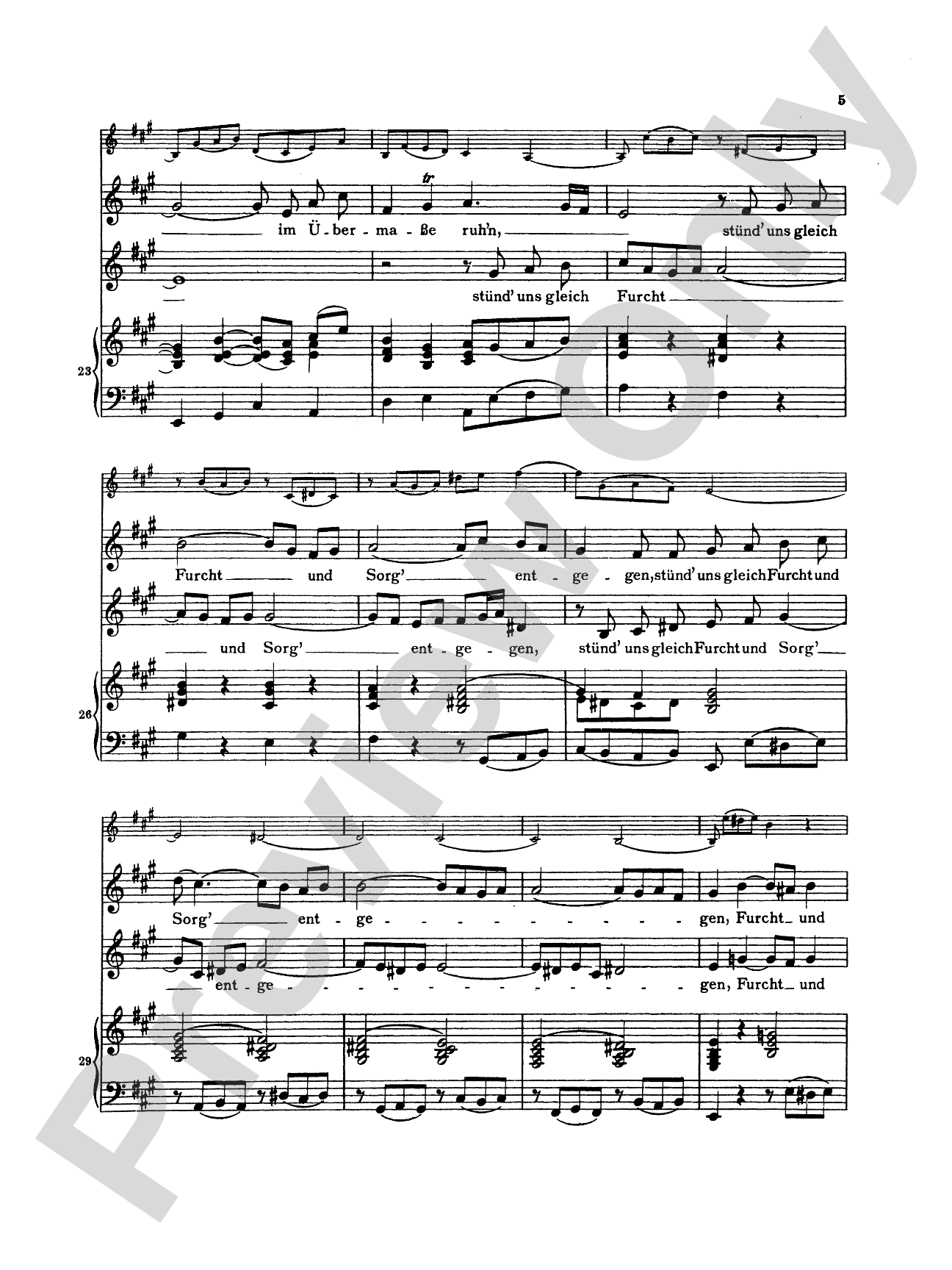
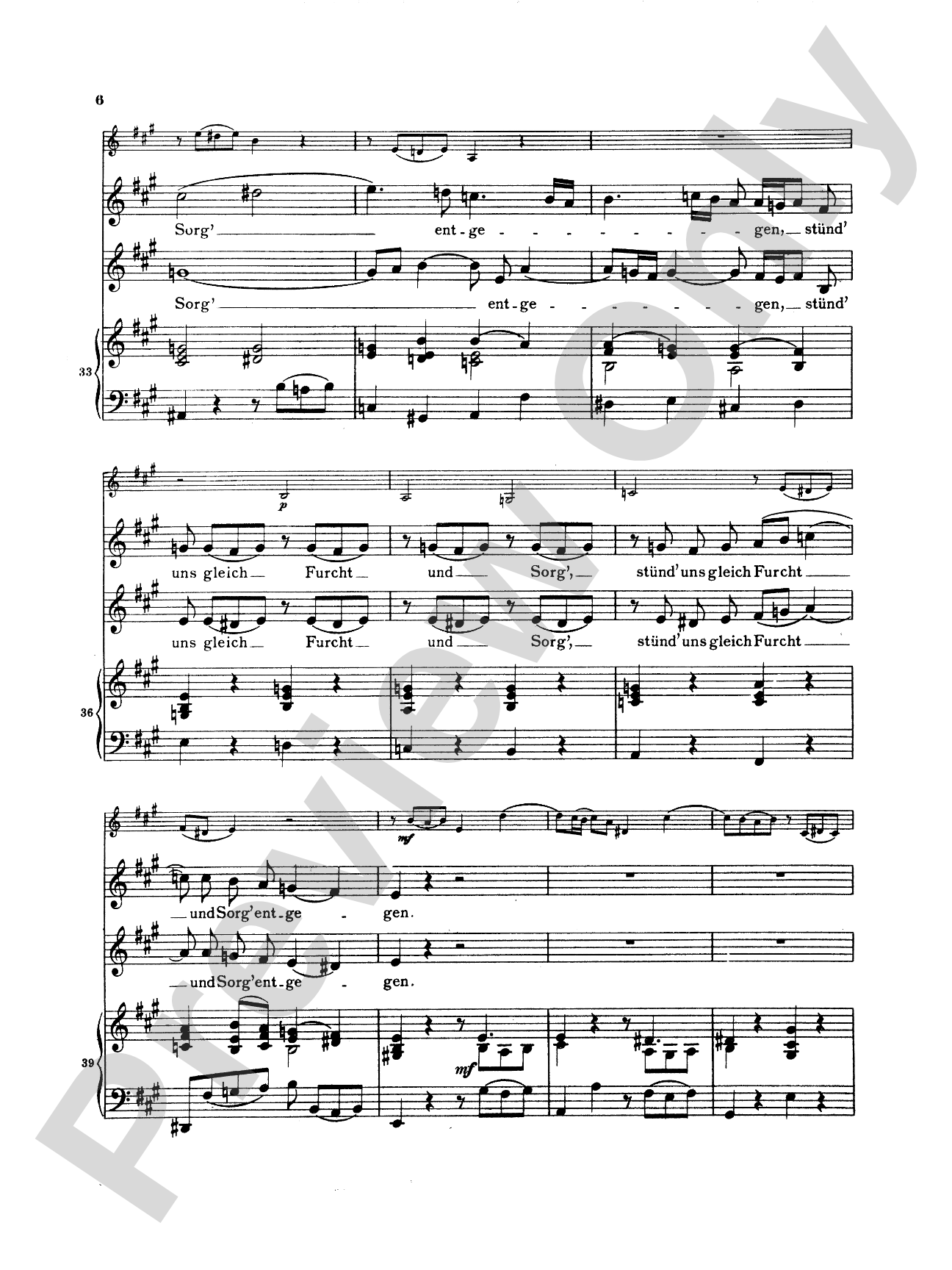
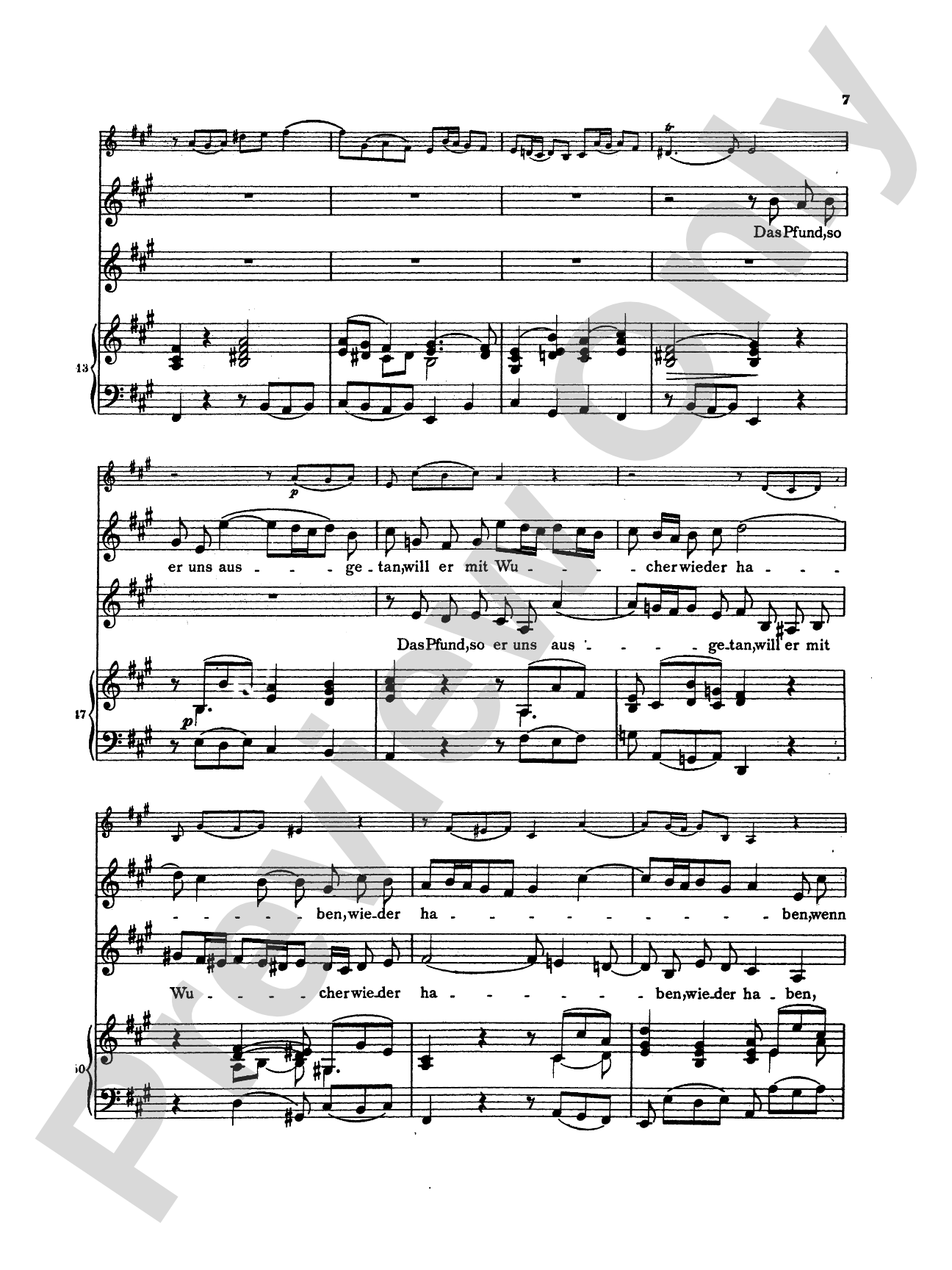
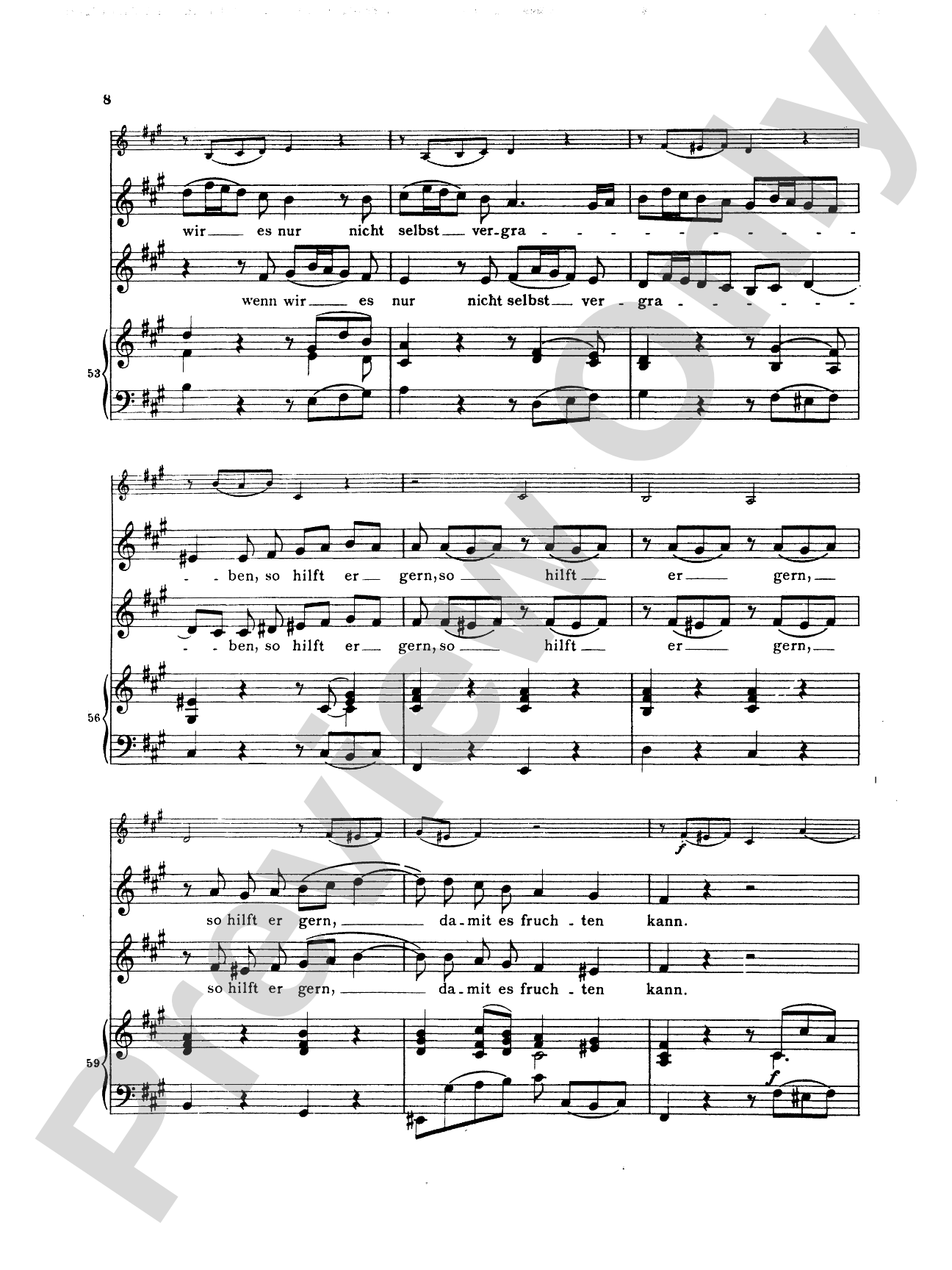
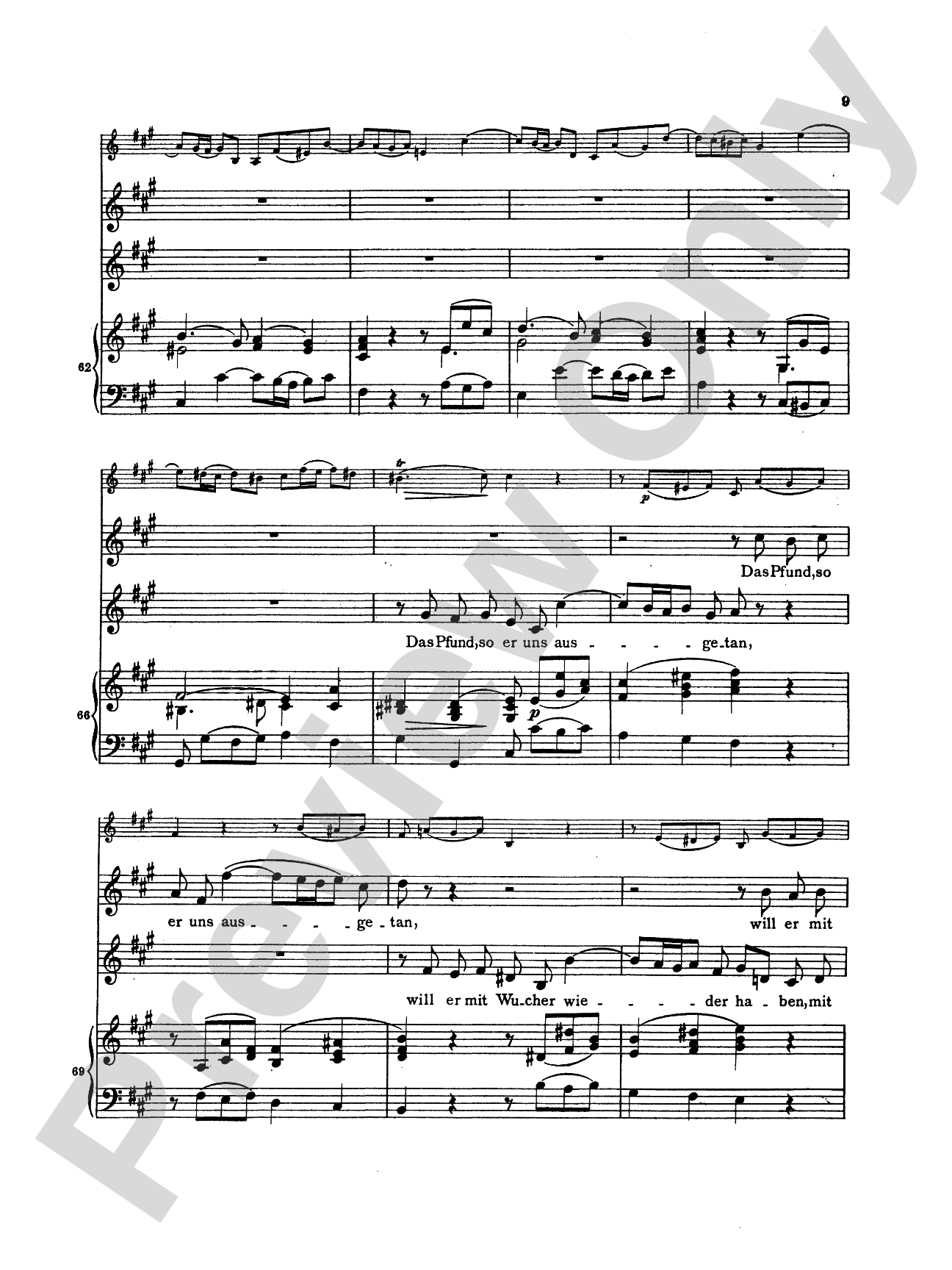
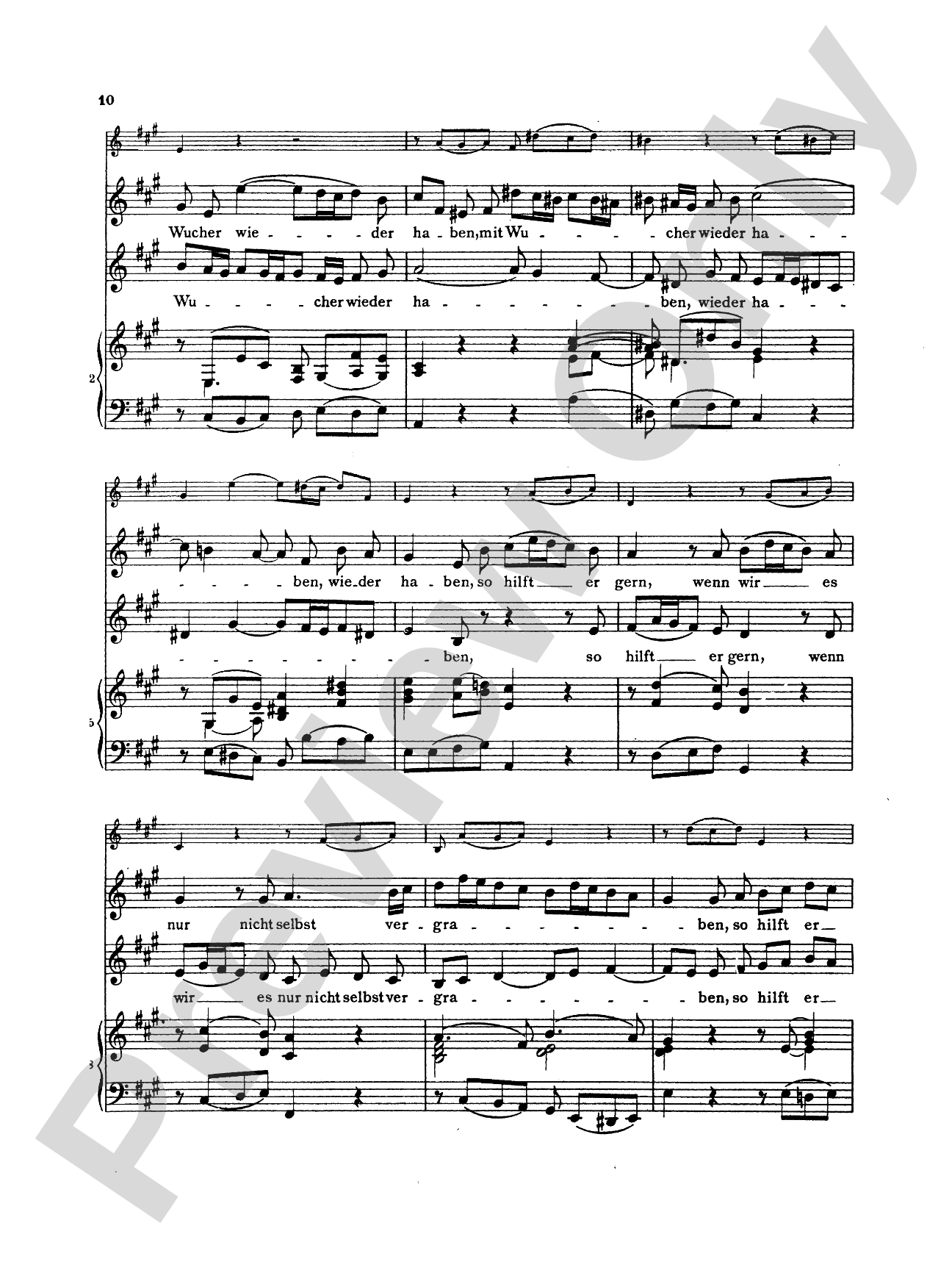

Bach: Soprano and Alto Arias, Volume III (German): Vocal Book
By Johann Sebastian Bach
Item: 00-PK-0003647

$12.99
Pickup currently not available
Buy Extra Parts (Digital PDF Download)
| Product | Price | Quantity |
|---|---|---|
| Bach: Soprano and Alto Arias, Volume III (German) | $2.99 | |
| Bach: Soprano and Alto Arias, Volume III (German) | $2.99 | |
| Bach: Soprano and Alto Arias, Volume III (German) | $2.99 | |
| Bach: Soprano and Alto Arias, Volume III (German) | $2.99 |
Parts Added to Cart!
Related Items
Soprano and Alto Arias, Volume III (4 Duets): Vocal Book |
$12.95
|
View |
Description
A collection of songs for Soprano and Alto voice, composed by Johann Sebastian Bach.


Don't just read it, hear it, play along with it, and watch your students grow with it. In MakeMusic Cloud, Bach: Soprano and Alto Arias, Volume III (German): Vocal Book comes alive with professional accompaniment, adjustable tempo, and built-in practice tools that turn solo practice into real progress.
Open in the Player
Jump straight in and assign it today.
Start Your Free Trial
Open this title and explore the full library in minutes.
Sample Audio
No sample audio found.
Sample Video
No sample videos found.
Additional Details
Series:
Kalmus Edition
Publisher:
Alfred Music
Page Count:
24
SKU:
00-PK-0003647
More about this title
About the Composer: Johann Sebastian Bach
Johann Sebastian Bach (1685-1750) shaped the entire landscape of Western music during the Baroque era. His mastery of counterpoint, harmonic language, and structural logic set the standard for generations of composers who followed. Bach's vocal works span sacred cantatas, passions, masses, and secular songs; each genre showcases his ability to marry profound text expression with architectural musical design.
For singers and teachers, Bach's output offers unparalleled opportunity to develop musicianship. His vocal lines demand secure intonation, rhythmic precision, and deep musical intelligence. The arias in this collection exemplify why Bach remains central to voice training and recital programming across all levels of musical study.
Why we love this
These soprano and alto arias give singers direct access to some of the most expressive and technically rewarding vocal writing of the Baroque. Bach's melodic lines sit naturally in the voice while demanding musical maturity and control. A well-prepared performance of a Bach aria signals serious vocal training and opens doors for meaningful collaboration with pianists.
What to expect
Bach's soprano and alto arias embody both spiritual depth and human emotion. You encounter moments of lyrical beauty alongside technical brilliance; long singing lines soar while intricate rhythmic patterns demand focus. Each aria feels complete and purposeful, as though the composer knew exactly what the voice could express.
Who it's for
Intermediate to advanced soloists preparing for voice lessons, studio recitals, or auditions. This collection serves singers who have developed sufficient technique and musicality to navigate Baroque vocal idiom. Voice teachers building a repertoire library for soprano and alto students will find these arias essential for fostering mature artistry.
How to get the most out of it
- Approach the text with historical awareness. These arias often come from cantatas with specific theological or poetic meaning; understanding the context enriches interpretation and shapes phrasing choices.
- Shape the melody through breath, not vibrato. Bach's lines are architectural; allow silence and phrasing to articulate structure rather than relying on continuous vibrato to sustain tone.
- Balance clarity with legality in fast passages. Rapid divisions should maintain vocal beauty and text intelligibility without sacrificing the singing line.
- Work closely with your accompanist on rhythmic alignment, especially in areas where keyboard figuration and vocal line interact. Bach's keyboard parts are integral to the musical substance, not mere support.
How to use it
Include a Bach aria as the centerpiece of a student recital to demonstrate vocal maturity and musicianship. These arias pair beautifully with later vocal music, creating a program arc that traces the evolution of the song. Alternatively, feature an aria in a chamber concert alongside collaborative pianists or small ensembles, allowing the Baroque harmonic language to resonate without distraction.
Skills your students will build
- Baroque ornamentation and embellishment practices
- Sustained legit singing in mixed meters and rhythmic complexities
- Text-based phrasing and character interpretation
- Secure intonation within complex harmonic progressions
- Collaboration with keyboard players in period-appropriate style
- Vocal endurance across extended melodic lines