
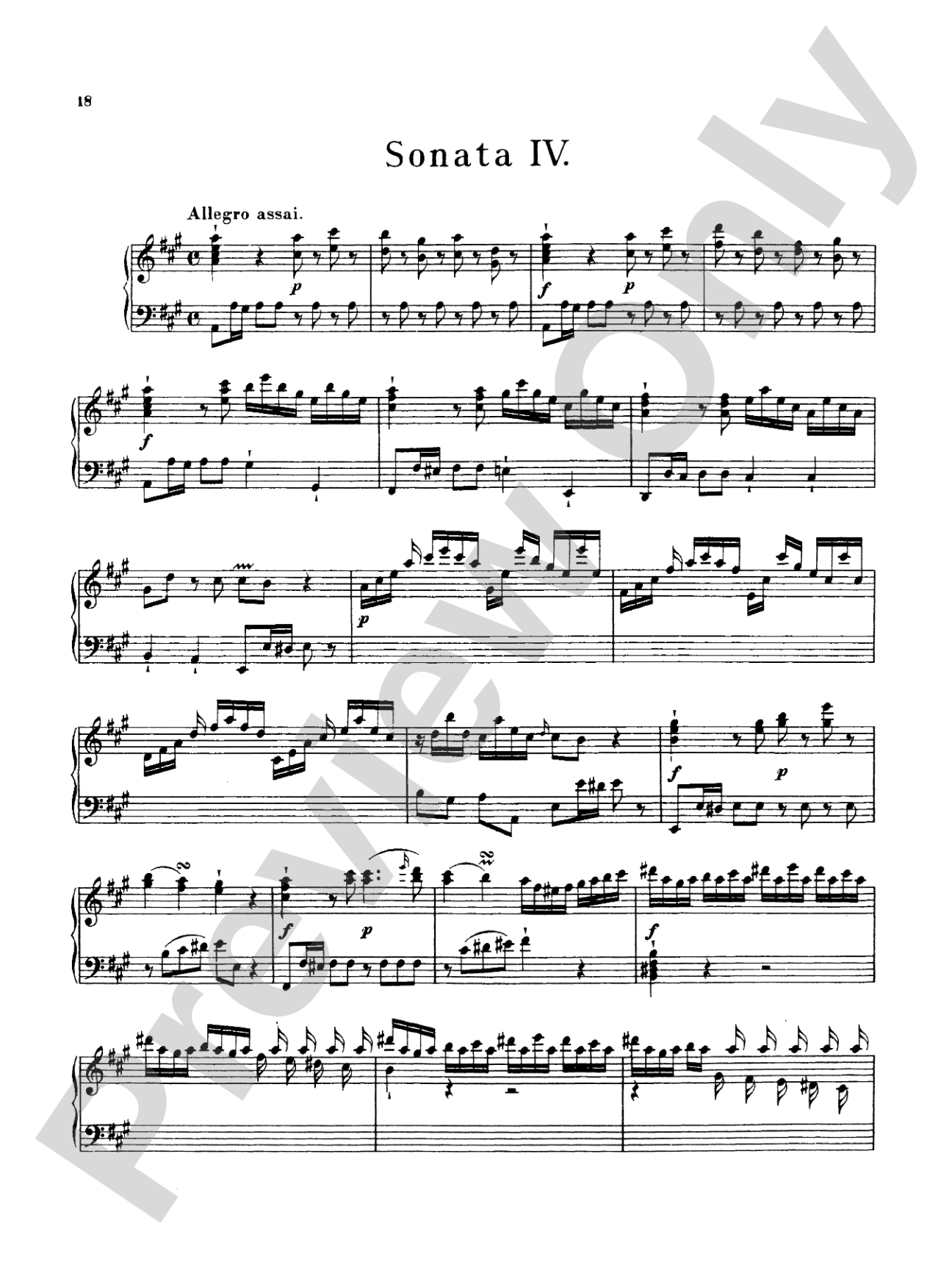
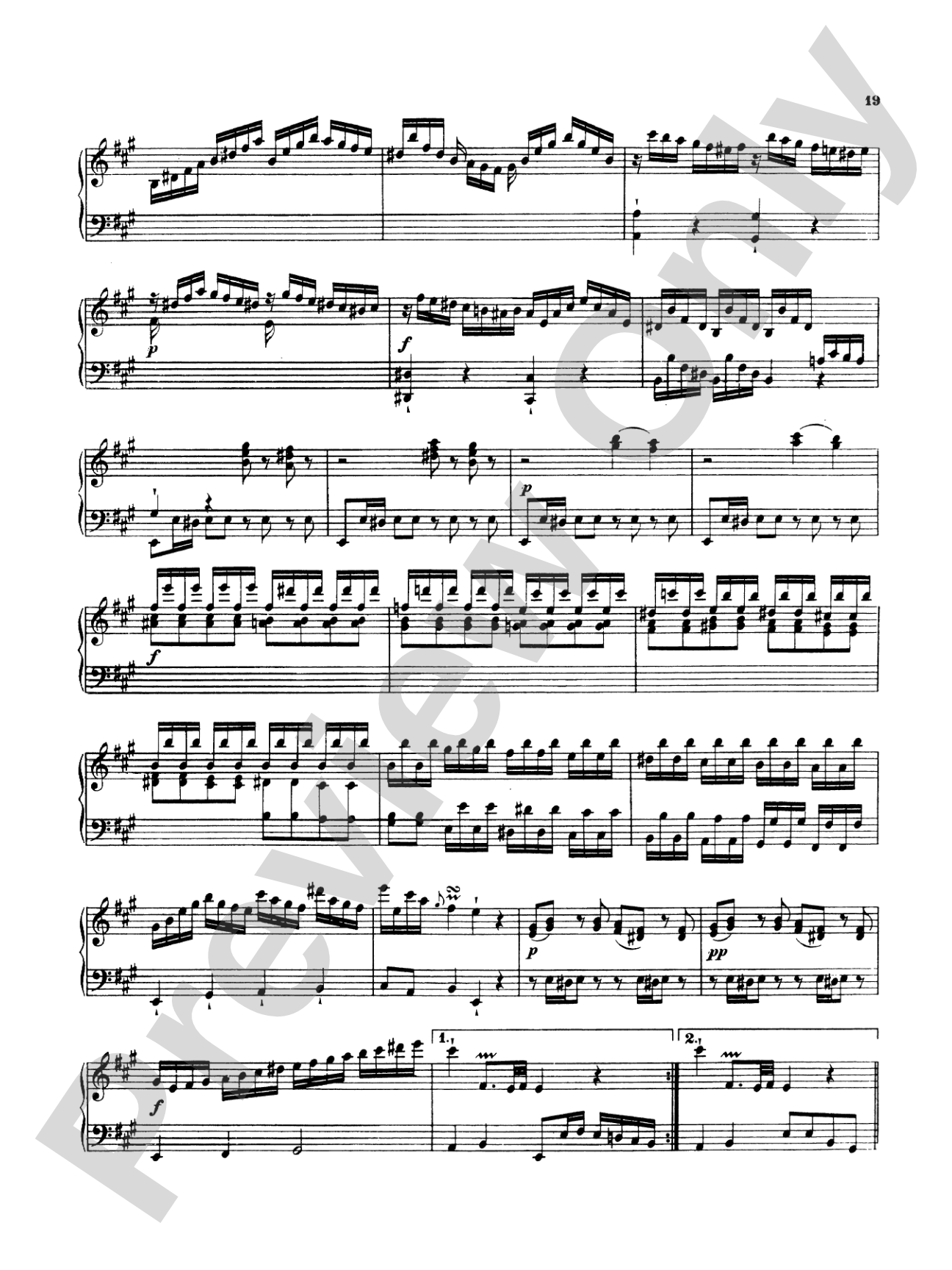
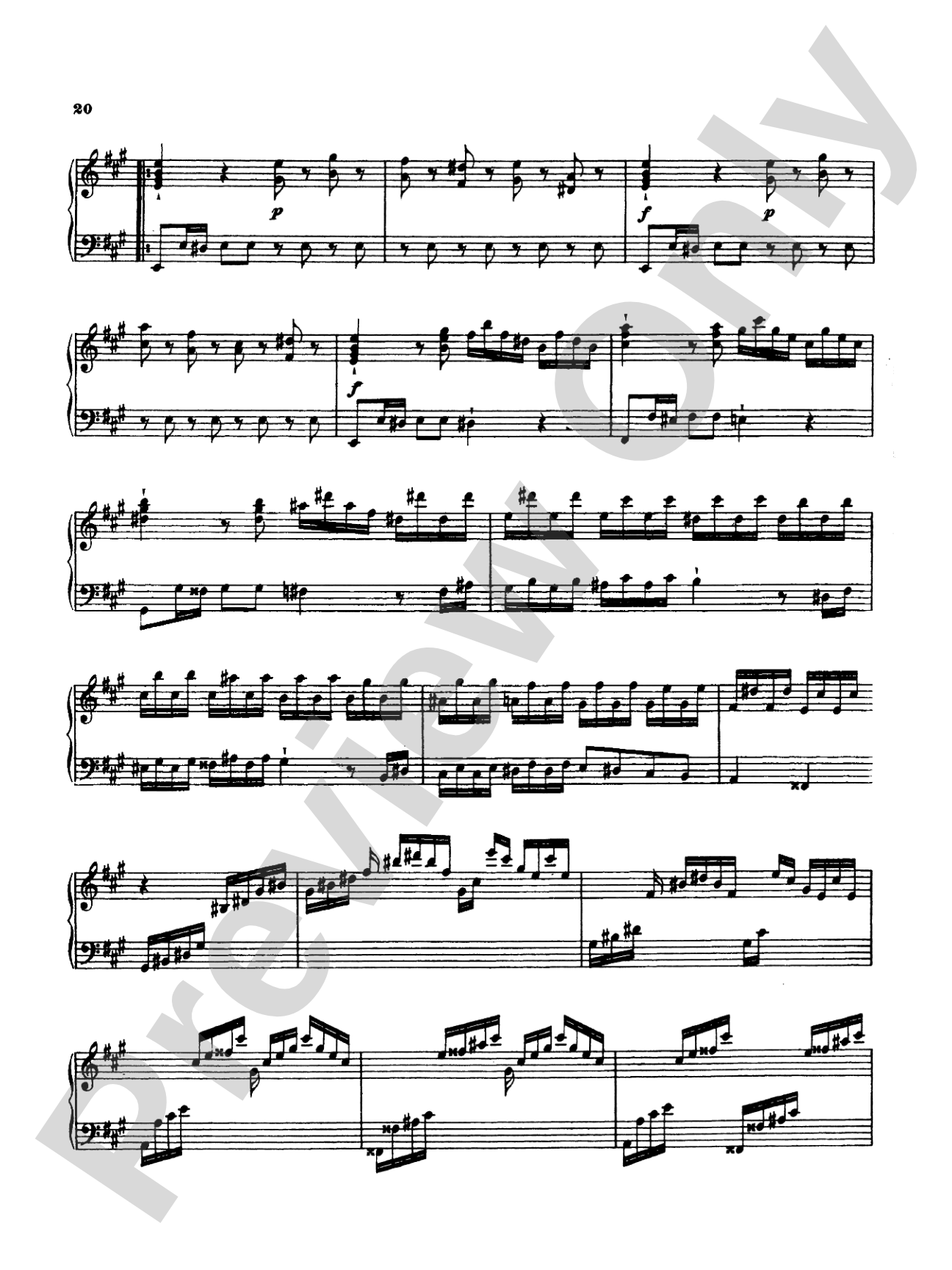

Bach: Sonatas, Fantasias & Rondos (Volume I)
By Carl Philipp Emanuel Bach
Item: 00-PC-0004761
$0.99
Pickup currently not available
Description
A collection of piano solos composed by Carl Philipp Emanuel Bach.


Don't just read it, hear it, play along with it, and watch your students grow with it. In MakeMusic Cloud, Bach: Sonatas, Fantasias & Rondos (Volume I) comes alive with professional accompaniment, adjustable tempo, and built-in practice tools that turn solo practice into real progress.
Open in the Player
Jump straight in and assign it today.
Start Your Free Trial
Open this title and explore the full library in minutes.
Sample Audio
No sample audio found.
Sample Video
No sample videos found.
Additional Details
Series:
Kalmus Edition
Publisher:
Alfred Music
Page Count:
120
SKU:
00-PC-0004761
More about this title
About the Composer: Carl Philipp Emanuel Bach
Carl Philipp Emanuel Bach (1714-1788) was the most celebrated of Johann Sebastian Bach's sons and a pivotal figure in the transition from Baroque to Classical style. A keyboard virtuoso and prolific composer, he served as harpsichordist and later Kapellmeister at the court of Frederick the Great in Berlin, where he wrote over 200 keyboard works that fundamentally shaped how composers approached keyboard writing in the late 18th century.
C.P.E. Bach's music prioritizes expressive harmony, dramatic contrasts, and improvisatory freedom. He pioneered the Empfindsamer Stil ("sensitive style"), which emphasized emotional directness and rhetorical gesture over strict counterpoint. His sonatas, fantasias, and rondos remain essential to pianist development because they demand both technical facility and musical intelligence.
Why we love this
This collection bridges the gap between Baroque keyboard mastery and Classical sensibility in a way few works do so elegantly. Each piece showcases distinct compositional voice: the fantasias offer improvisatory drama and harmonic sophistication, while the sonatas and rondos combine structural clarity with expressive depth that rewards thoughtful interpretation. Pianists who engage with this music develop an ear for 18th-century keyboard idiom and a foundation in style that informs everything from Bach's father to Beethoven.
What to expect
The music moves between introspection and virtuosity with surprising directness. Fantasias unfold like keyboard conversations, complete with hesitations, sudden shifts, and rhetorical pauses that feel almost impromptu. Sonatas are more architecturally grounded but still emotionally immediate, favoring clarity and wit over the counterpoint density of the prior generation. Rondos dance with elegance and wit, their refrain-episode structures creating satisfying architecture for the listener.
Who it's for
Intermediate to advanced pianists who are ready to move beyond Alberti bass accompaniments and simple binary forms into sophisticated harmonic writing and structural variety. This collection serves students preparing for music theory studies, those exploring Baroque-to-Classical transition repertoire, and pianists seeking works that challenge both technique and interpretation.
How to get the most out of it
- Treat ornaments as essential melodic material rather than decoration. C.P.E. Bach's trills, turns, and appoggiaturas carry harmonic weight and should land cleanly on the beat.
- Shape phrases through gentle dynamic shaping and articulation rather than pedal. Baroque and early Classical pianos had limited sustain, so clarity of line depends on finger control and timing.
- Balance the independence of both hands. These pieces often feature obbligato left-hand writing that demands equal attention to the melody, not accompaniment.
- Honor the fermatas and expressive markings scrupulously. C.P.E. Bach was explicit about tempo nuance and emotional inflection, especially in the fantasias.
How to use it
Program a sonata or rondo to anchor a student recital that surveys keyboard literature across centuries. Fantasias work beautifully as concert openers or encores because their dramatic, conversational quality engages listeners unfamiliar with Baroque keyboard music. In a teaching studio, sequence these pieces as a cornerstone of Classical-era study, pairing them with C.P.E. Bach's treatise on keyboard performance for a complete understanding of his compositional intent.
Skills your students will build
- Baroque articulation and ornamentation practices on modern piano
- Reading and interpreting Empfindsamer Stil (expressive, dramatic keyboard writing)
- Structural variety within three-movement and rondo forms
- Harmonic sophistication and voice leading in transitional 18th-century style
- Two-part independence and obbligato accompaniment techniques
- Stylistically informed tempo and dynamic shaping without modern pedal reliance