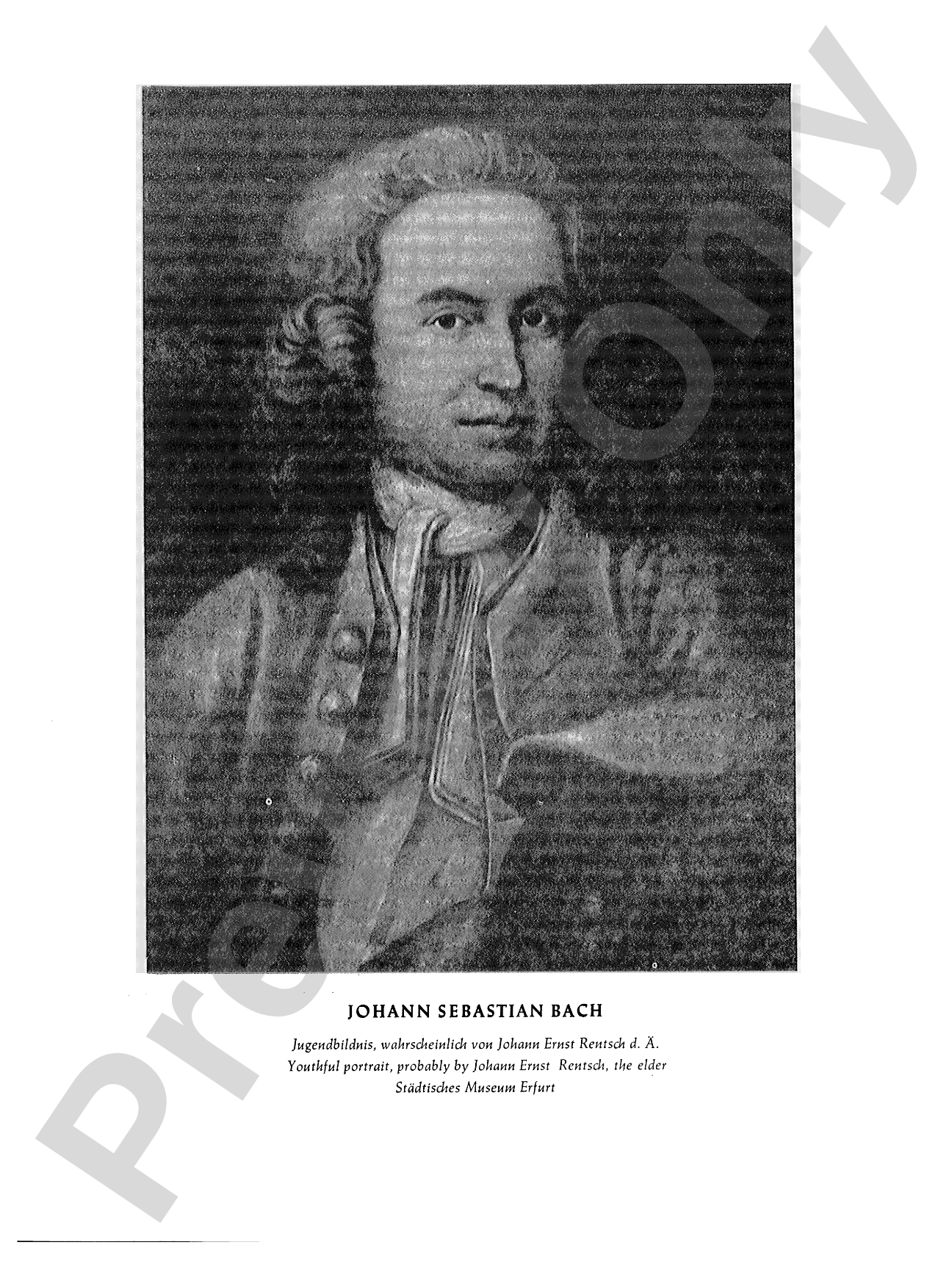
Bach: Sonata in G Minor, BWV 1020 Sheet Music Preview

Bach: Sonata in G Minor, BWV 1020

By Johann Sebastian Bach

Item: 00-PC-0011626

Digital Download
$9.95
Description
A Flute solo with Piano Accompaniment composed by Johann Sebastian Bach.

Don't just read it, hear it, play along with it, and watch your students grow with it. In MakeMusic Cloud, Bach: Sonata in G Minor, BWV 1020 comes alive with professional accompaniment, adjustable tempo, and built-in practice tools that turn solo practice into real progress.

Sample Audio
No sample audio found.
Sample Video
Additional Details
Series: Kalmus Edition
Publisher: Alfred Music
Page Count: 28
SKU: 00-PC-0011626

More about this title

About the Composer: Johann Sebastian Bach

Johann Sebastian Bach (1685-1750) stands as the foundational figure of Western music theory and practice. His systematic exploration of harmony, counterpoint, and fugal writing established principles that underpin centuries of musical instruction. Bach's output spans sacred and secular works across all major instrumental and vocal genres, each revealing his architectural approach to composition and his capacity to balance mathematical precision with profound emotional depth.

For flute players, Bach's sonatas represent a crucial bridge between technical development and interpretive maturity. Written during his Köthen period, these works demand secure command of the instrument's full range, clear articulation across contrasting textures, and the ability to voice independent melodic lines with the same care a string player brings to bow control. Teachers and soloists have long regarded Bach's flute works as essential repertoire for building both technical fluency and musical intelligence.

Why we love this

This sonata sits at the sweet spot between technical rigor and genuine interpretive reward. Players encounter real musical problems (voice independence, harmonic clarity, rhythmic precision) that demand growth, yet the architecture itself guides them toward solutions. Contest adjudicators recognize Bach immediately, and a well-prepared performance signals serious musicianship.

What to expect

Bach's G minor sonata walks the line between introspection and technical display. The minor key lends a restrained, almost austere quality, yet the harmonic progression underneath reveals constant motion and subtle emotional shifts. Playing it demands both precision and patience, rewarding each with moments of striking clarity.

Who it's for

Intermediate to advanced flute students ready for Baroque solo literature, and competitive soloists preparing for contests and festivals. This work suits players who have secure upper register command and are developing independence from the piano accompaniment.

How to get the most out of it

  • Separate the flute's melodic voice from the harmonic support the piano provides. In slower movements especially, listen for where the flute states material and where it ornaments, then shape your line accordingly.
  • Attend to articulation choices early. Bach's slurs and staccato markings define phrase architecture; experiment with whether short notes should be separated cleanly or gently overlapped, as this choice affects the sonata's character.
  • Balance ornamentation with forward motion. Trills and turns belong to the harmonic rhythm, not just the flute line, so practice them in conversation with the accompaniment rather than as decorative afterthoughts.
  • Intonation sharpens considerably when you commit to a steady, supported sound. Bach's harmonic language rewards a centered tone; avoid wavering on exposed high notes by building breath support in rehearsal.

How to use it

Schedule this for recital or competition slots where a substantial Baroque solo will anchor a program. Its 28 pages suggest a full-length solo performance; pair it with Romantic or contemporary works to showcase the flute's range across eras. Teachers often program it as a capstone solo for students completing their upper-intermediate studies.

Skills your students will build

  • Voice independence between flute and piano accompaniment
  • Baroque articulation and phrasing conventions
  • Intonation control in the high register
  • Reading and interpreting figured bass harmony
  • Rhythmic precision in compound meters
  • Sustained line singing across long phrases

You May Also Like