
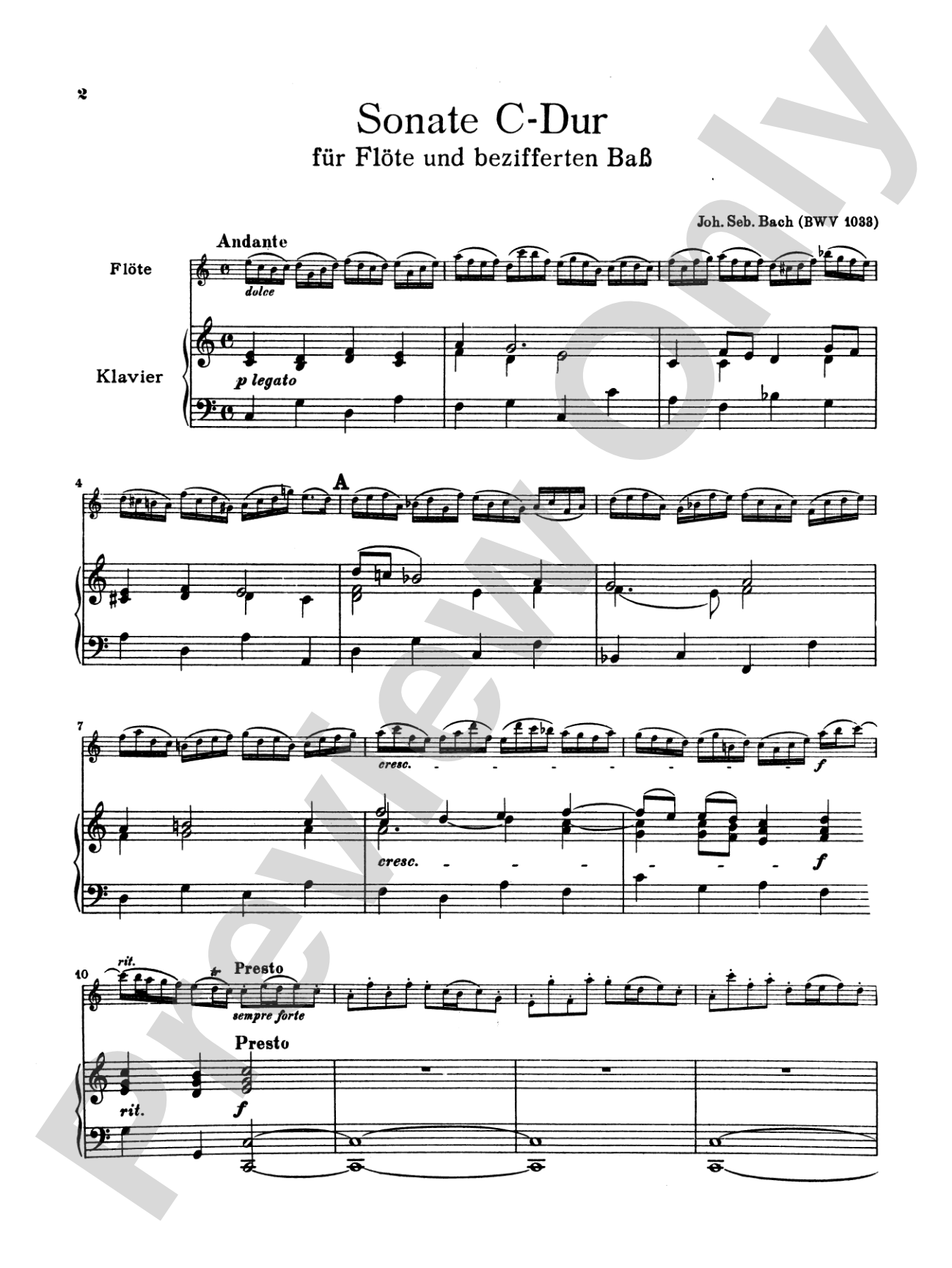
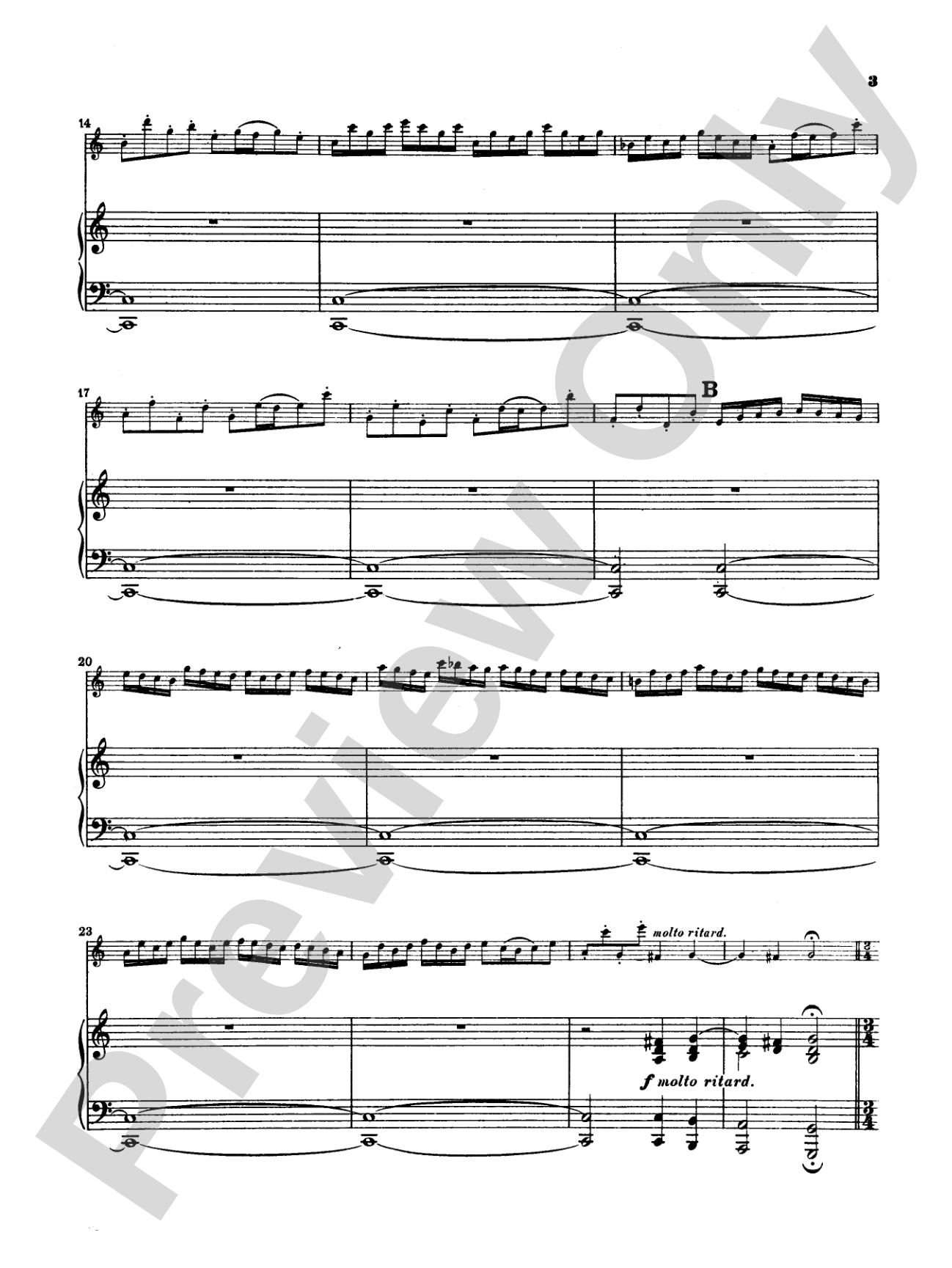
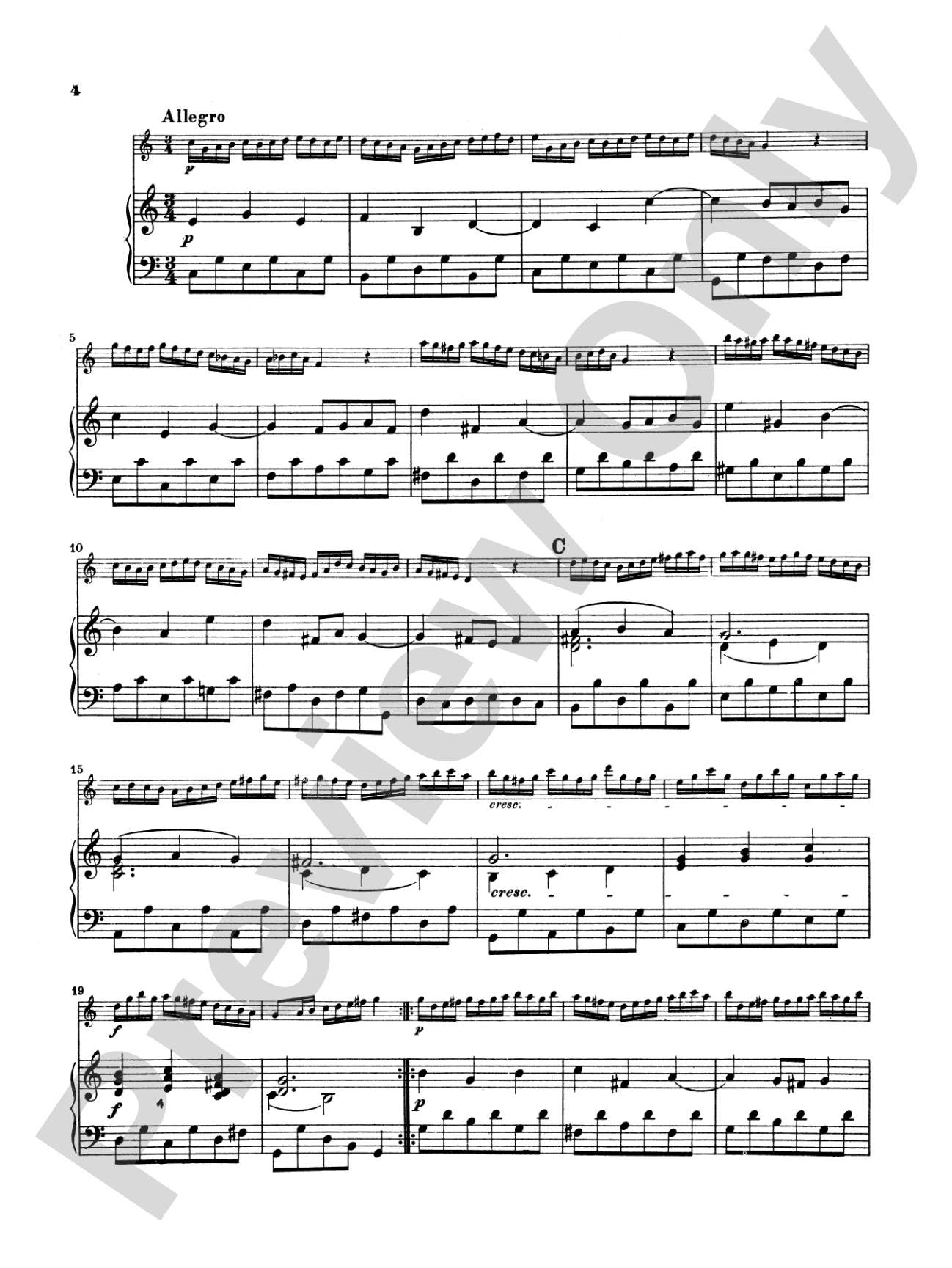
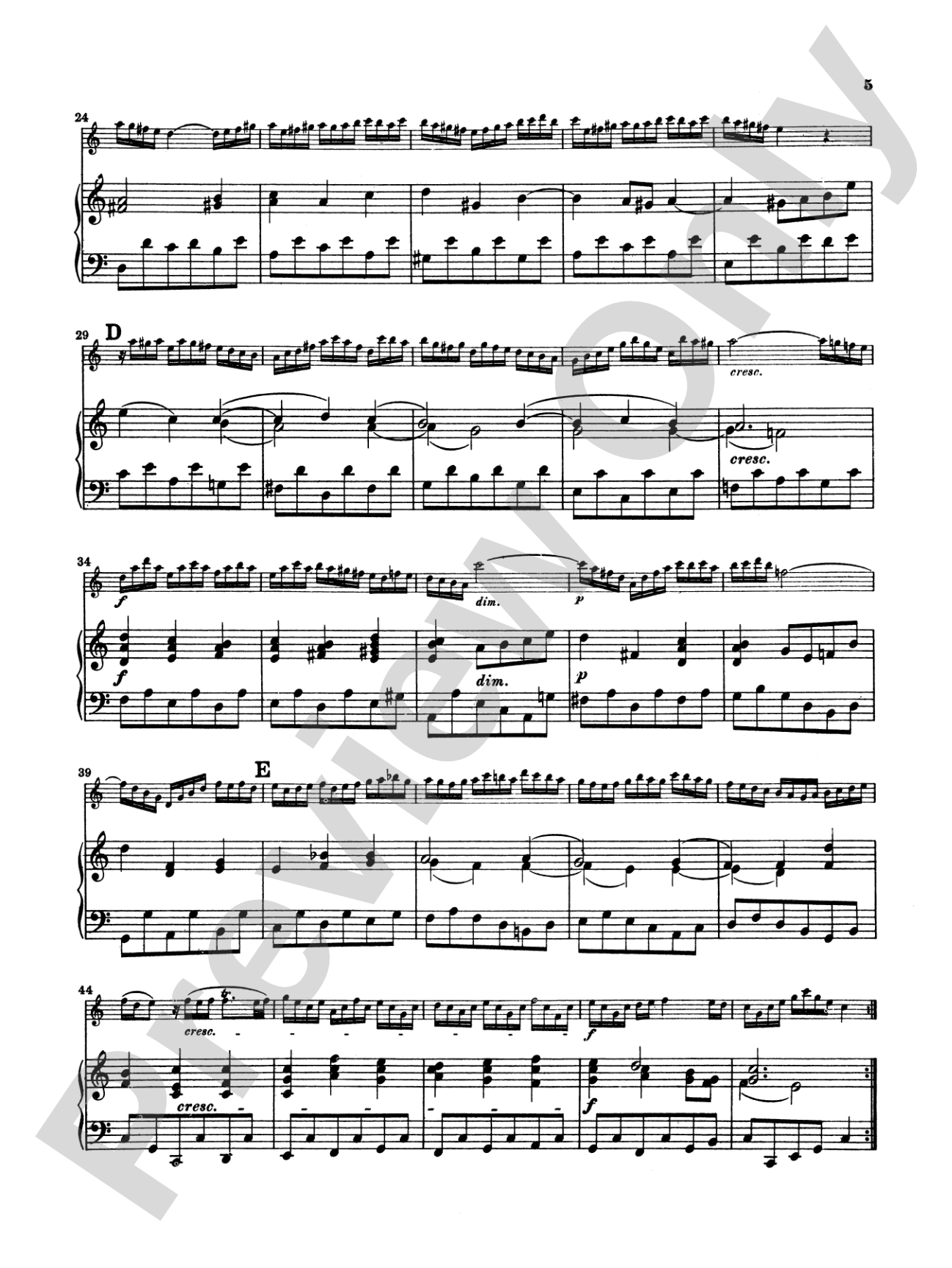

Bach: Six Sonatas, Volume II (Nos. 4-6): Flute Book
By Johann Sebastian Bach
Item: 00-PK-0003663

$9.99
Pickup currently not available
Buy Extra Parts (Digital PDF Download)
| Product | Price | Quantity |
|---|---|---|
| Bach: Six Sonatas, Volume II (Nos. 4-6) | $2.99 | |
| Bach: Six Sonatas, Volume II (Nos. 4-6) | $2.99 | |
| Bach: Six Sonatas, Volume II (Nos. 4-6) | $2.99 |
Parts Added to Cart!
Related Items
Six Sonatas, Volume II (BWV 1033-1035): Flute Book |
$9.99
|
View |
Description
A collection of Flute solos with Piano Accompaniment expertly composed by Johann Sebastian Bach.


Don't just read it, hear it, play along with it, and watch your students grow with it. In MakeMusic Cloud, Bach: Six Sonatas, Volume II (Nos. 4-6): Flute Book comes alive with professional accompaniment, adjustable tempo, and built-in practice tools that turn solo practice into real progress.
Open in the Player
Jump straight in and assign it today.
Start Your Free Trial
Open this title and explore the full library in minutes.
Sample Audio
No sample audio found.
Sample Video
No sample videos found.
Additional Details
Series:
Kalmus Edition
Publisher:
Alfred Music
Page Count:
44
SKU:
00-PK-0003663
More about this title
About the Composer: Johann Sebastian Bach
Johann Sebastian Bach (1685-1750) stands as one of the most influential composers in Western music history. His mastery of counterpoint, harmonic language, and structural architecture established foundational principles that shaped music education for centuries. Bach composed across every major genre of his era except opera, leaving a legacy of over 1,000 works that remain central to music study and performance.
Why we love this
These sonatas represent Bach's most accessible writing for flute, offering substantial musical substance without the technical extremes found in his other instrumental works. The balance of lyrical melody and harmonic richness makes them rewarding for intermediate players while remaining genuinely artistic pieces that audiences respect. Programming these works positions flutists squarely within the classical tradition and demonstrates serious musicianship.
What to expect
Bach's flute sonatas embody the elegant balance of the Baroque: lyrical, singing melodic lines unfold over thoughtfully composed harmonic foundations. Each movement presents a character and emotional space, from the spirited energy of allegro movements to the contemplative beauty of slow sections. The music feels both intellectually satisfying and deeply expressive, rewarding both technical and musical attention.
Who it's for
Flutists at the intermediate to advanced level who have developed secure technique and musical maturity will find these sonatas musically and technically appropriate. Teachers seeking repertoire that bridges student development into the classical tradition while grounding players in Bach's contrapuntal language will value this collection. These works suit recital programming and studio study equally well.
How to get the most out of it
- Attend closely to phrase structure and voice leading rather than treating ornaments as mere decoration; Bach's embellishments serve harmonic and melodic functions that shape phrasing.
- Shape long lines through subtle dynamic contours and articulation choices, avoiding uniform dynamics that flatten the Baroque architecture.
- Balance independence between flute and piano accompaniment; these are true duets, not showcases where the piano merely supports.
- Experiment with historically informed articulation patterns, particularly for scalar passages and repeated figures, to bring clarity to the compositional design.
How to use it
Include individual movements in student recitals to showcase both technical facility and musicianship; these works carry enough gravitas to anchor a program without requiring a full sonata. Consider pairing movements across different recitals throughout a season to build audience familiarity with Bach's flute writing. In ensemble or competition settings, these sonatas demonstrate a student's command of Baroque style and stand as benchmark repertoire.
Skills your students will build
- Baroque articulation and ornamentation practices
- Voice independence and interaction between soloist and accompanist
- Long-line phrasing across harmonic progressions
- Interpretation of figured bass and harmonic structure
- Stylistically informed tempo and expressive choices in Baroque context