
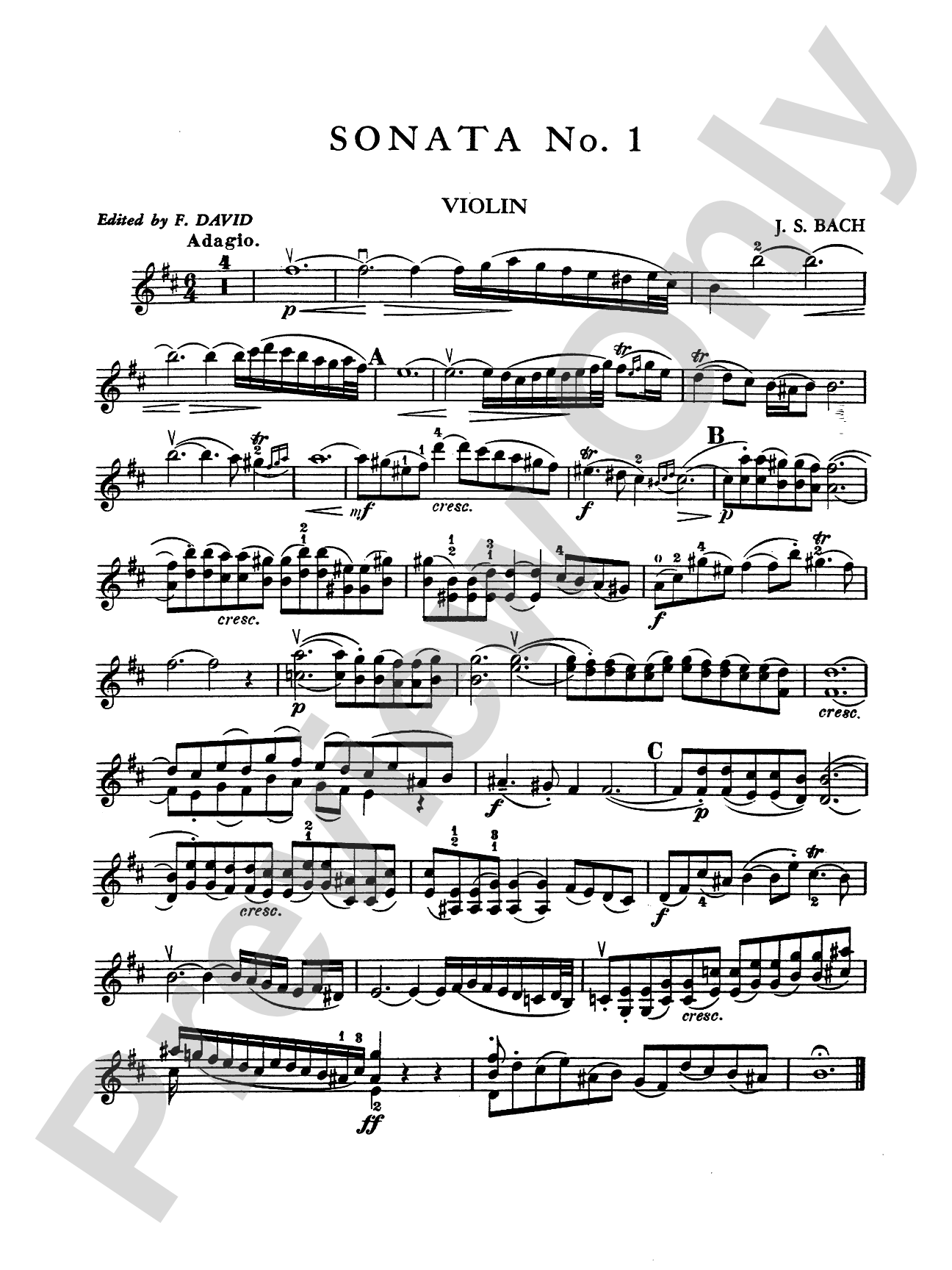
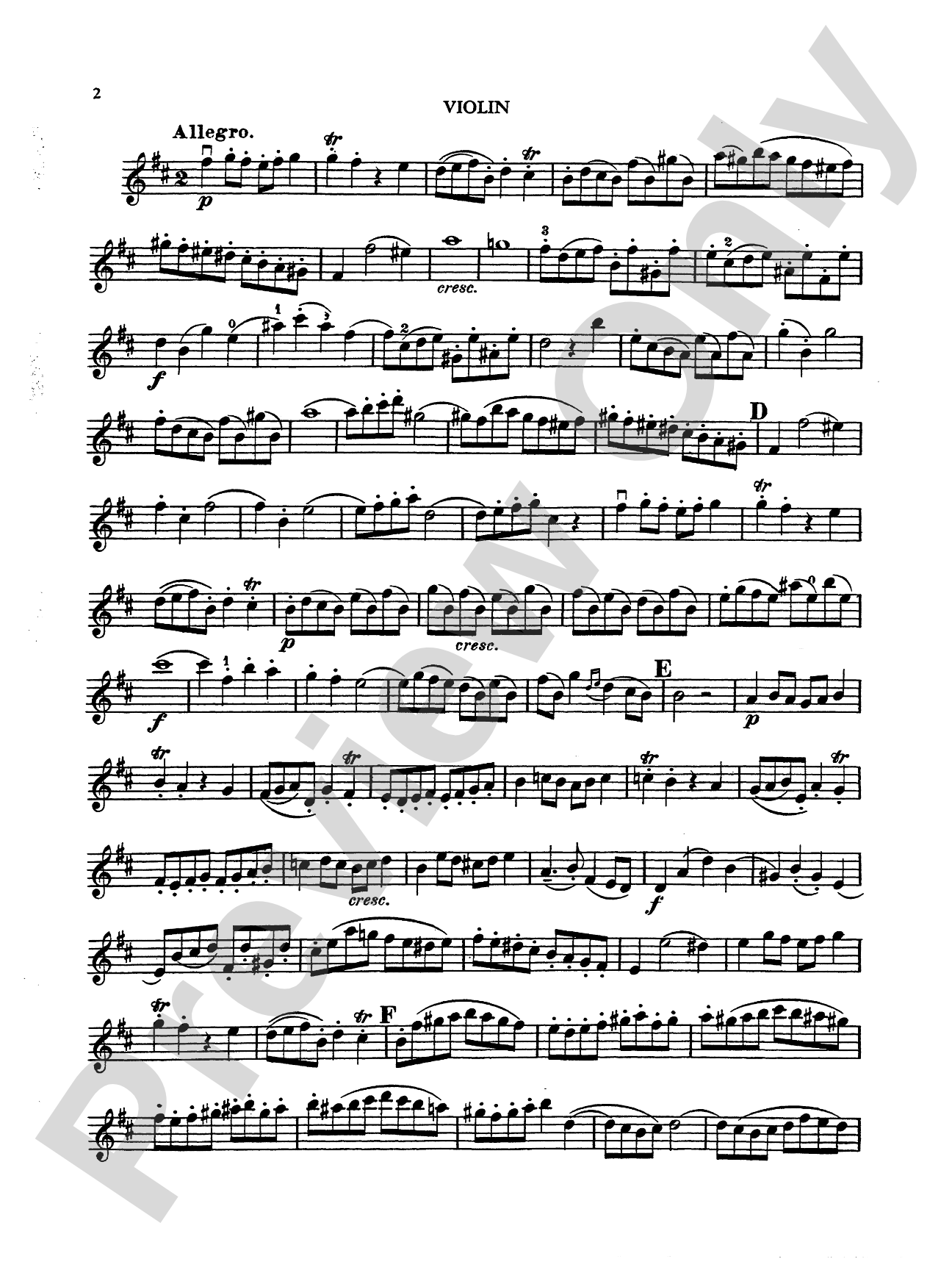
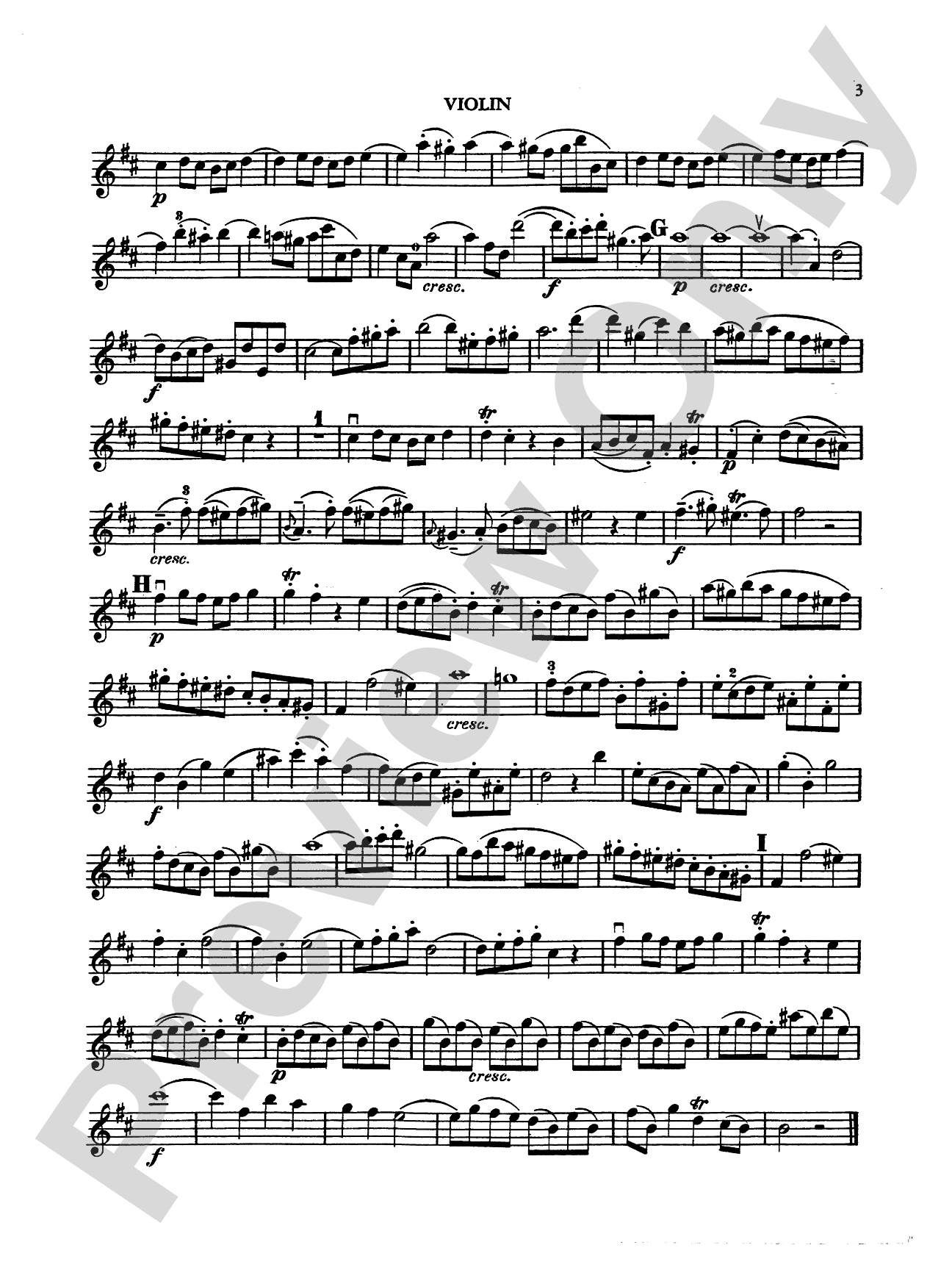
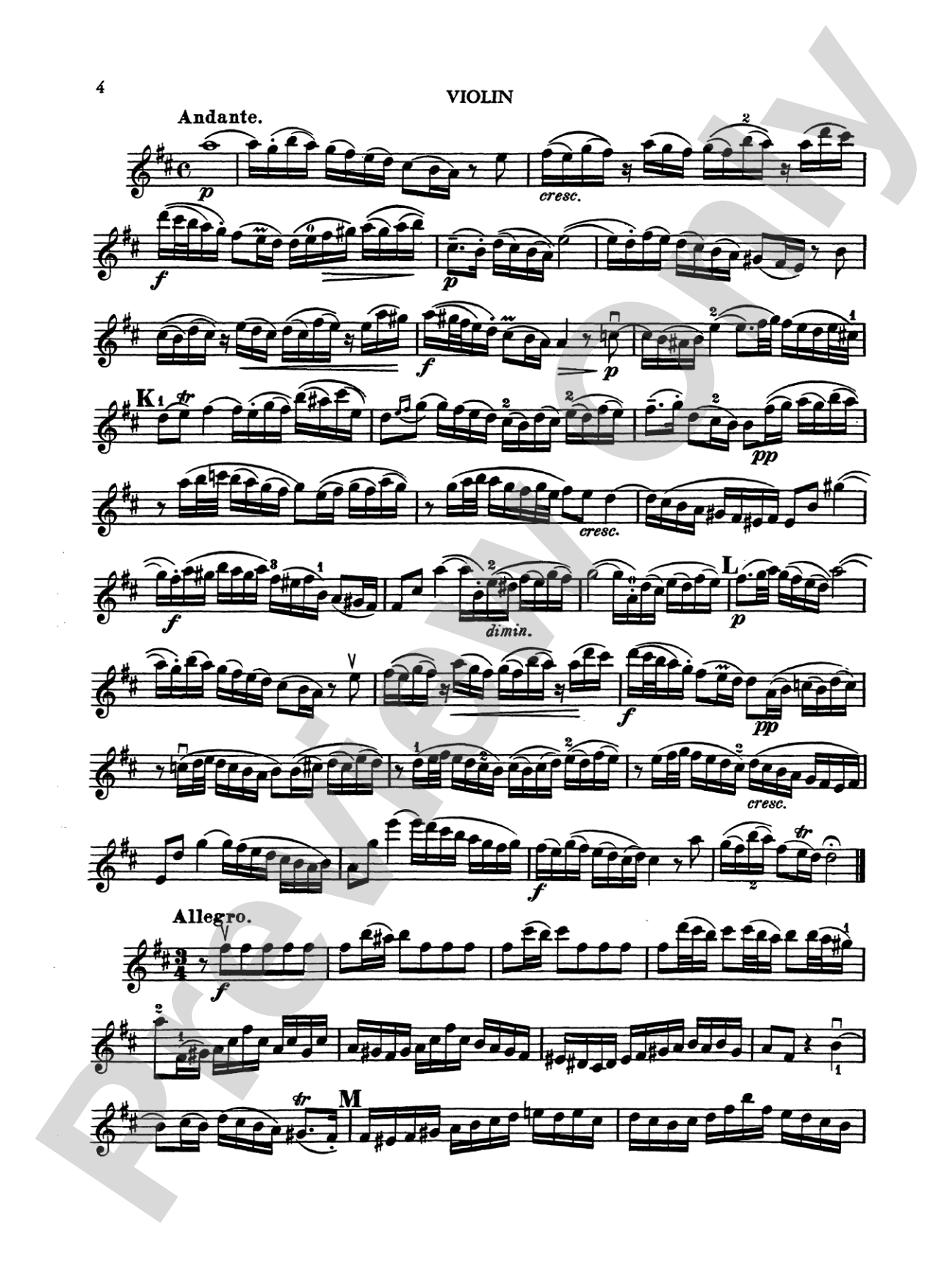
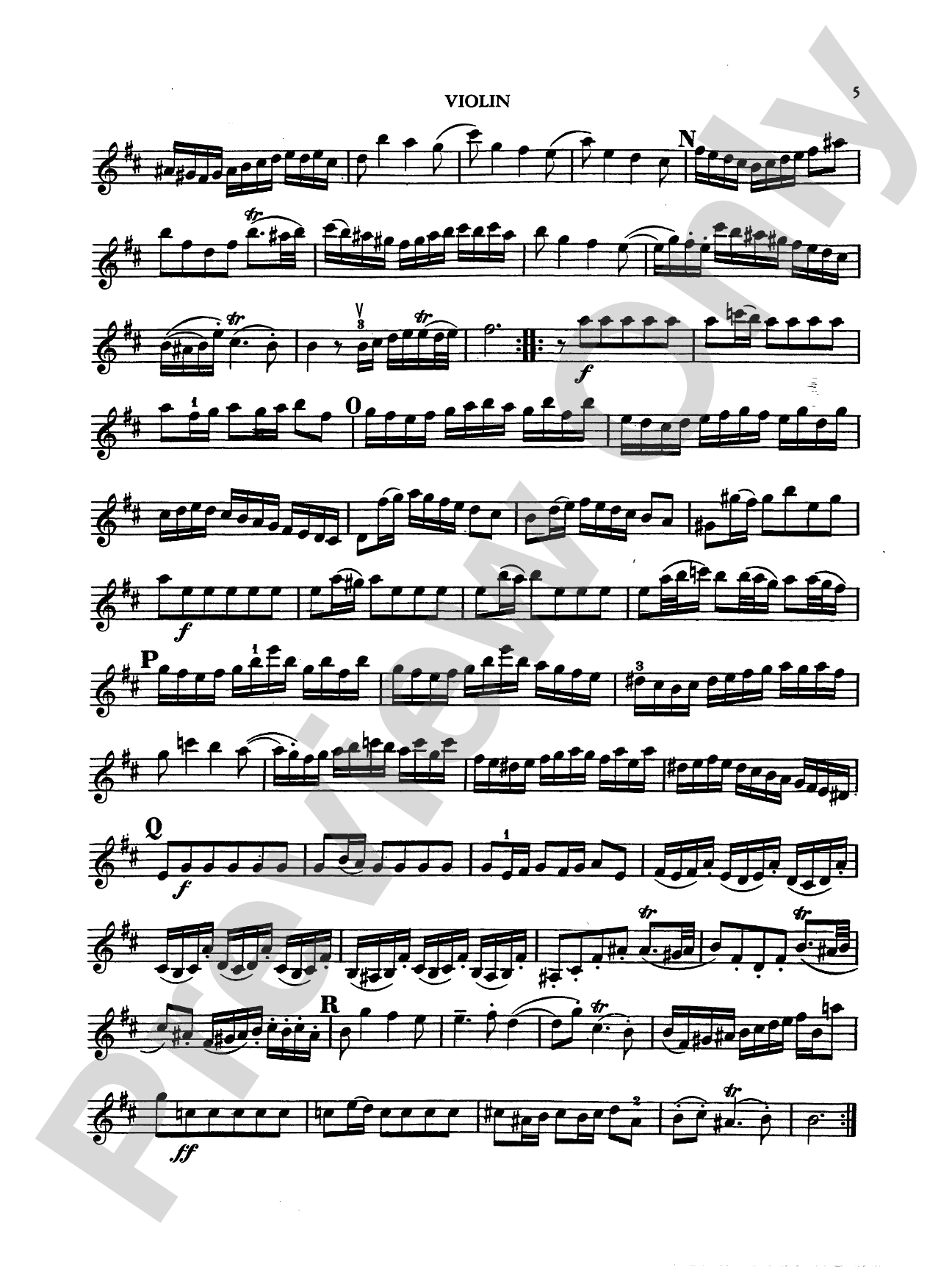

Bach: Six Sonatas (Ed. David), Volume I: Violin Book
By Johann Sebastian Bach / ed. F. David
Item: 00-PK-0002833

$12.99
Pickup currently not available
Buy Extra Parts (Digital PDF Download)
| Product | Price | Quantity |
|---|---|---|
| Bach: Six Sonatas (Ed. David), Volume I | $1.99 | |
| Bach: Six Sonatas (Ed. David), Volume I | $1.99 | |
| Bach: Six Sonatas (Ed. David), Volume I | $1.99 | |
| Bach: Six Sonatas (Ed. David), Volume I | $1.99 | |
| Bach: Six Sonatas (Ed. David), Volume I | $1.99 | |
| Bach: Six Sonatas (Ed. David), Volume I | $1.99 |
Parts Added to Cart!
Description
(Nos. 1-3)


Don't just read it, hear it, play along with it, and watch your students grow with it. In MakeMusic Cloud, Bach: Six Sonatas (Ed. David), Volume I: Violin Book comes alive with professional accompaniment, adjustable tempo, and built-in practice tools that turn solo practice into real progress.
Open in the Player
Jump straight in and assign it today.
Start Your Free Trial
Open this title and explore the full library in minutes.
Sample Audio
No sample audio found.
Sample Video
No sample videos found.
Additional Details
Series:
Kalmus Edition
Publisher:
Alfred Music
Page Count:
72
SKU:
00-PK-0002833
More about this title
About the Composer: Johann Sebastian Bach
Johann Sebastian Bach (1685, 1750) wrote the Six Sonatas for Violin and Continuo as essential studies in Baroque violin technique and musical expression. Composed during his years at the Weimar court, these works demand not just technical facility but deep understanding of counterpoint, phrasing, and the relationship between soloist and accompaniment. For generations, violinists have returned to these sonatas as a bridge between early Baroque simplicity and the harmonic richness of the Classical era.
Bach's sonatas shaped how we teach violin because they require students to think like composers. The writing is economical and purposeful; every note serves the harmonic or melodic architecture. A student working through these pieces learns to listen beyond their own line and to shape phrases with architectural clarity.
Why we love this
These three sonatas occupy a sweet spot in the repertoire, substantive enough to command serious attention from advancing violinists, yet more approachable than the unaccompanied works. The Kalmus edition provides a clean, practical text that lets the counterpoint speak without interpretive baggage, making it ideal for students developing their own musical voice.
What to expect
Intimate conversation between equals. The violin emerges from intricate dialogue with the keyboard, weaving lines that feel both inevitable and surprising. There is formal architecture here, but Bach builds it from raw emotional substance: moments of profound stillness alternate with passages of propulsive energy and intellectual rigor.
Who it's for
Violinists preparing for advanced repertoire exams, conservatory applicants, and serious amateur musicians seeking substantial Baroque works. This edition suits players who read figured bass comfortably or work closely with an experienced collaborative pianist.
How to get the most out of it
- Shape each phrase according to the underlying harmony rather than treating all eighth-note passages as metronomic. The continuo bass guides the harmonic rhythm.
- Experiment with vibrato placement: sustain it on longer notes and arrivals, but let faster passages breathe with minimal vibrato to preserve clarity of line.
- Coordinate carefully with your pianist on the figured bass realization. Bach expects the keyboard to support and enhance the violin's contrapuntal argument, not accompany passively.
How to use it
Feature these sonatas as anchors in a Baroque recital, programming one complete work rather than excerpts to honor Bach's structural intent. Pair them with later Baroque violin writing (Tartini, Leclair) to show how the genre evolved, or use them as the centerpiece of a chamber concert exploring the dialogue between violin and keyboard across centuries.
Skills your students will build
- Reading and realizing figured bass notation
- Sustaining multiple independent melodic lines within a single voice
- Shaping Baroque phrasing without relying on tempo variation
- Balancing rhythmic precision with rhetorical expression in contrapuntal writing
- Collaborating effectively with a keyboard continuo player