
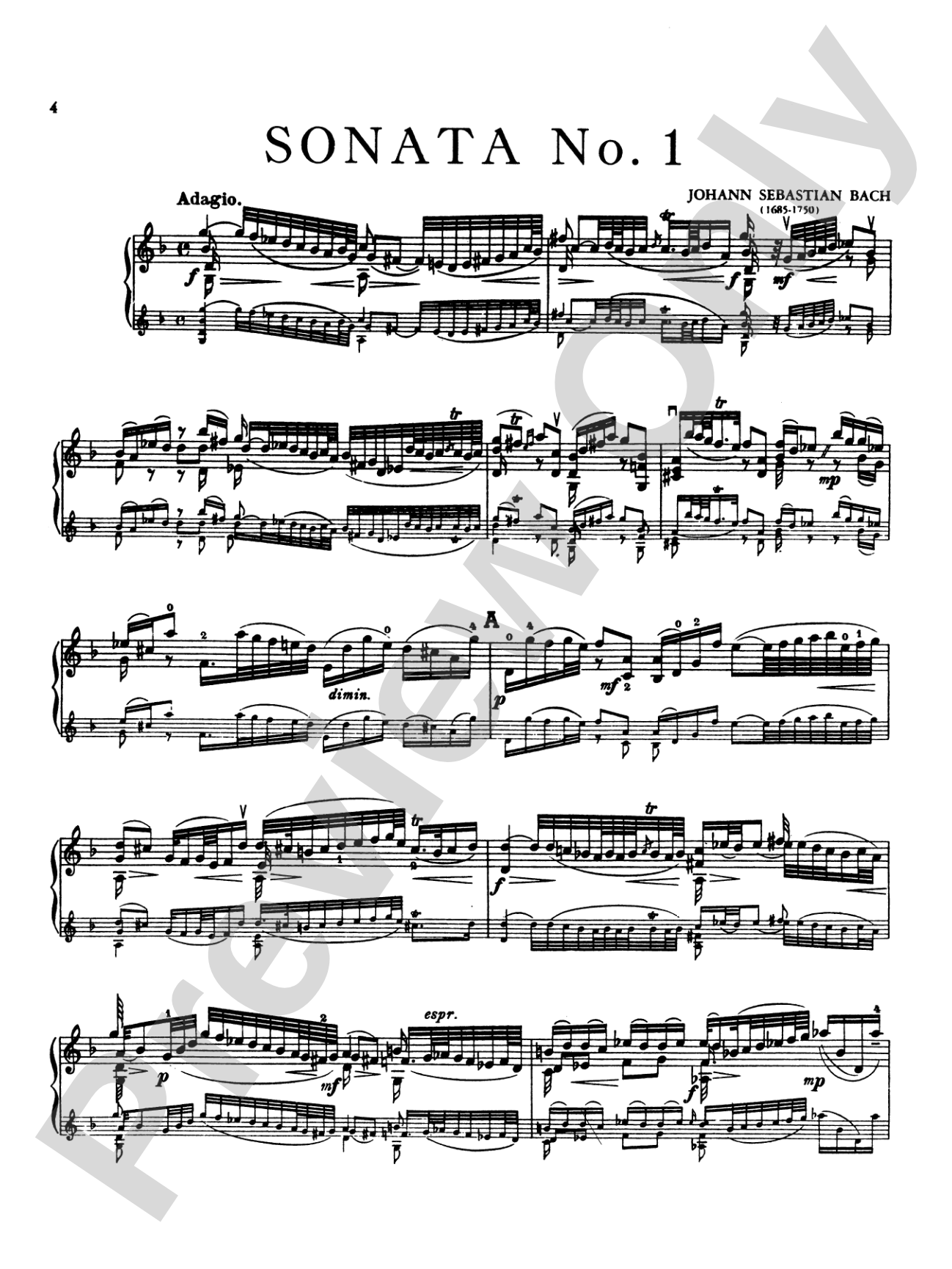
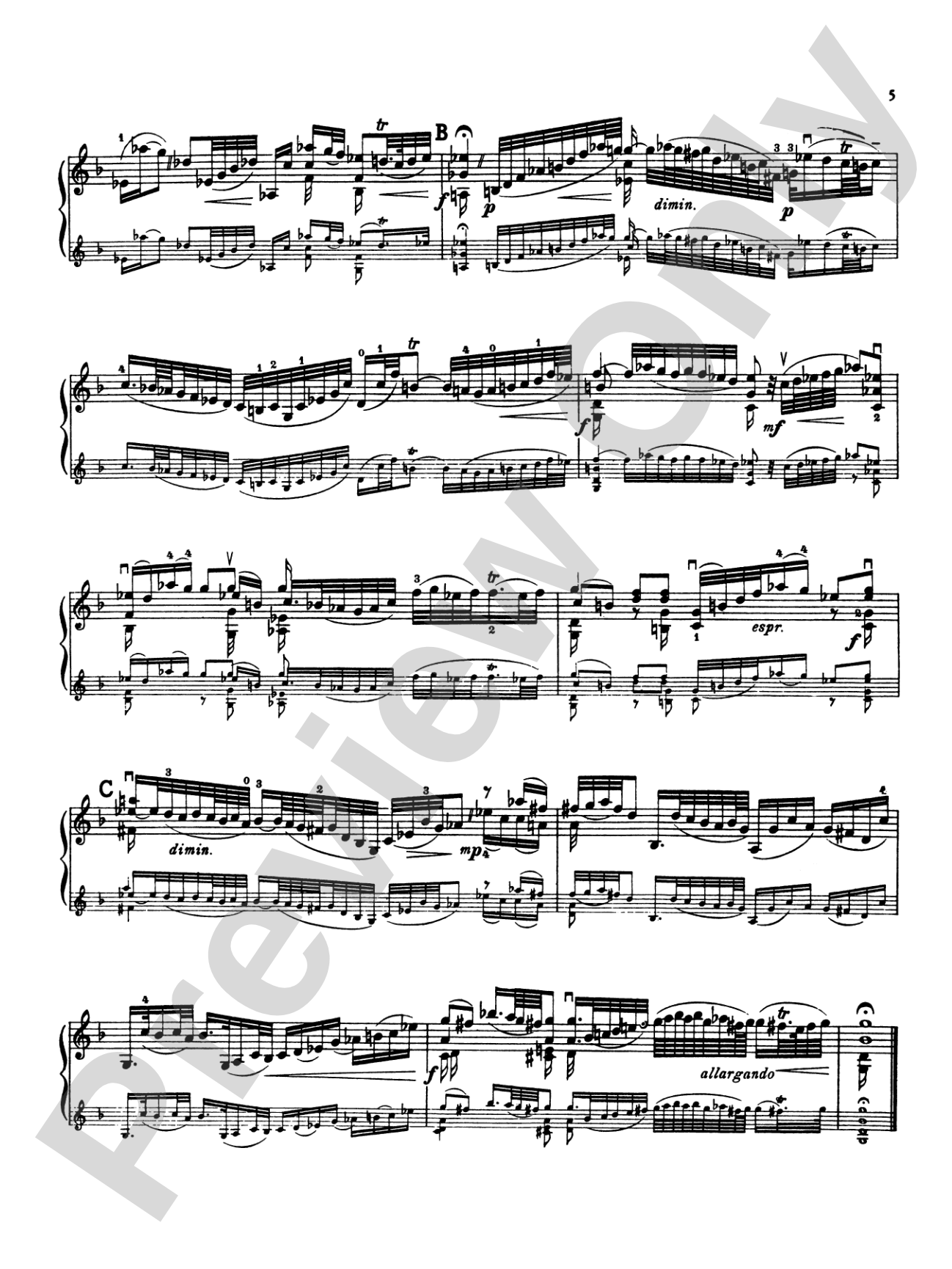
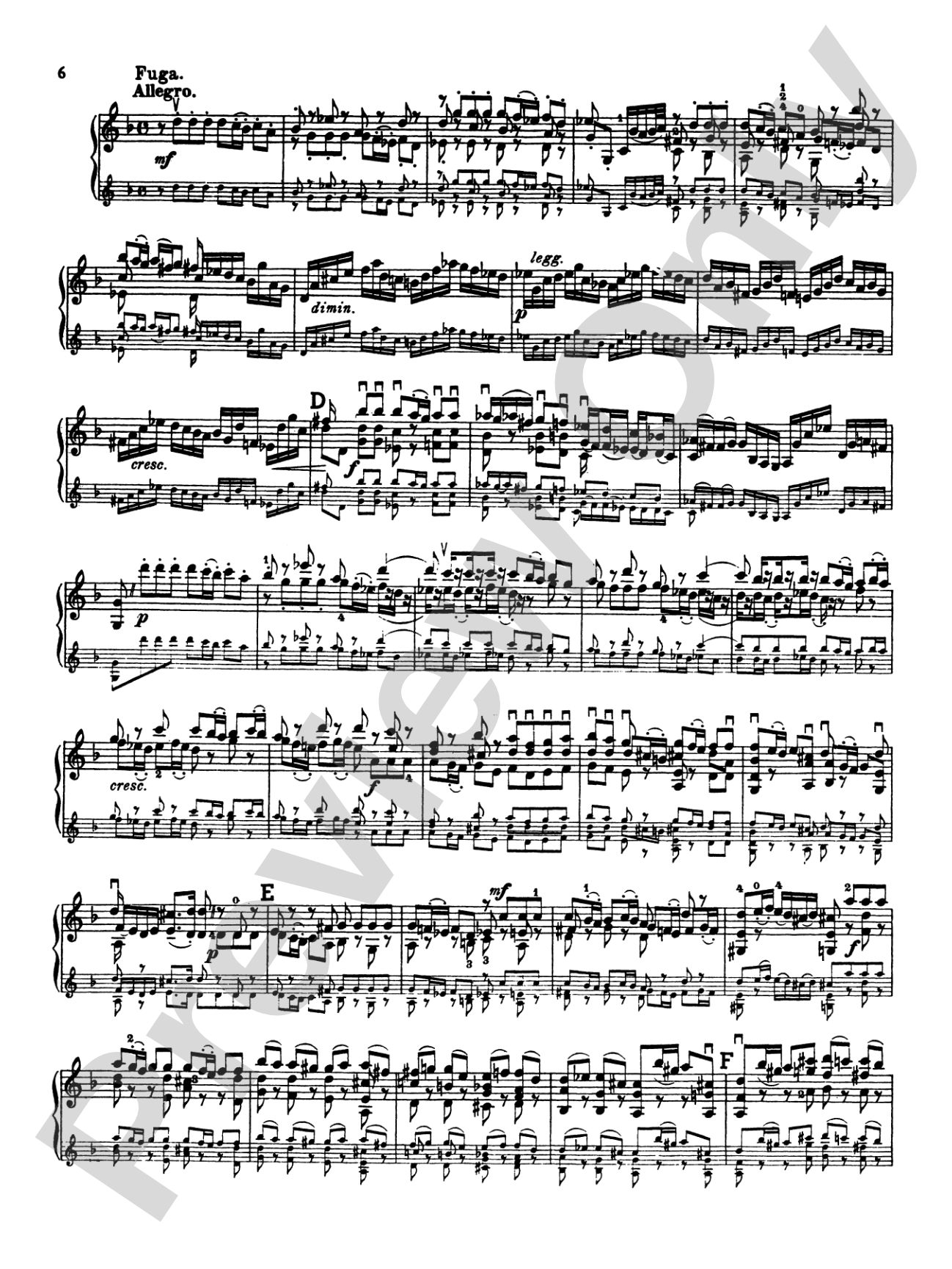
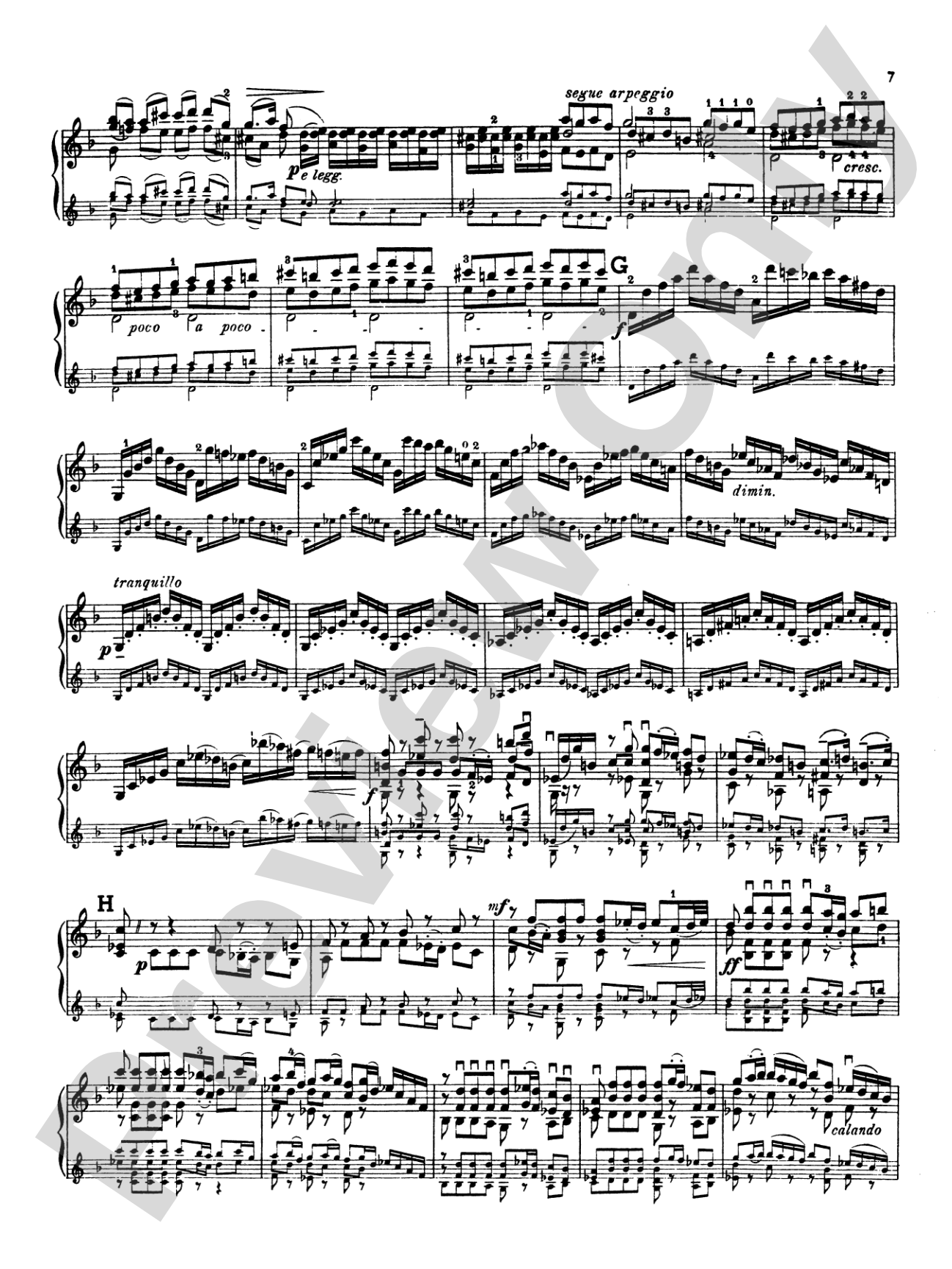

Bach: Six Sonatas and Partitas: Violin Book
By Johann Sebastian Bach
Item: 00-PK-0002838

$12.99
Pickup currently not available
Buy Extra Parts (Digital PDF Download)
| Product | Price | Quantity |
|---|---|---|
| Bach: Six Sonatas and Partitas | $1.99 | |
| Bach: Six Sonatas and Partitas | $1.99 | |
| Bach: Six Sonatas and Partitas | $1.99 | |
| Bach: Six Sonatas and Partitas | $1.99 | |
| Bach: Six Sonatas and Partitas | $1.99 | |
| Bach: Six Sonatas and Partitas | $1.99 |
Parts Added to Cart!
Related Items
Six Sonatas and Partitas: Violin Book |
$12.99
|
View |
Description
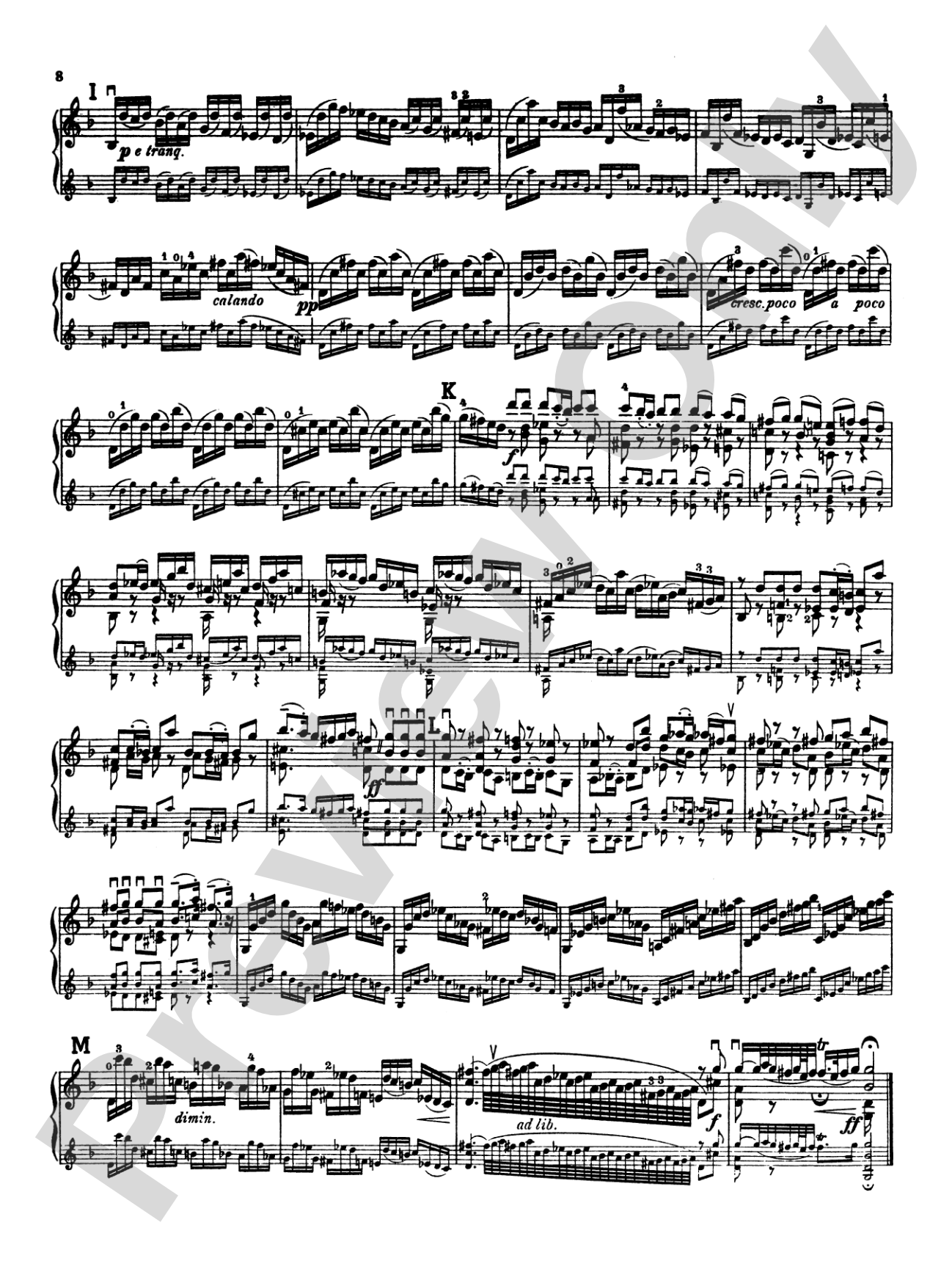
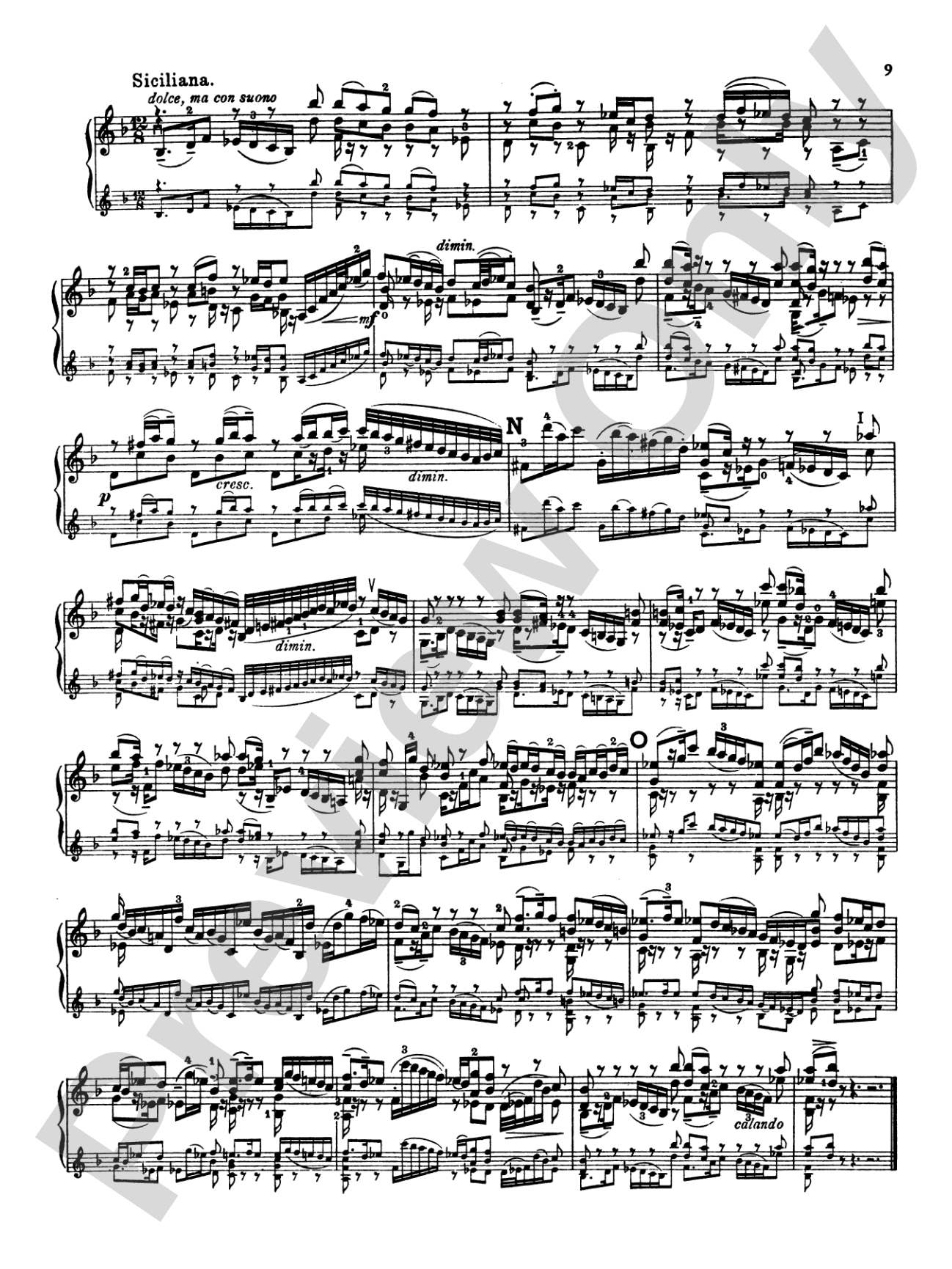
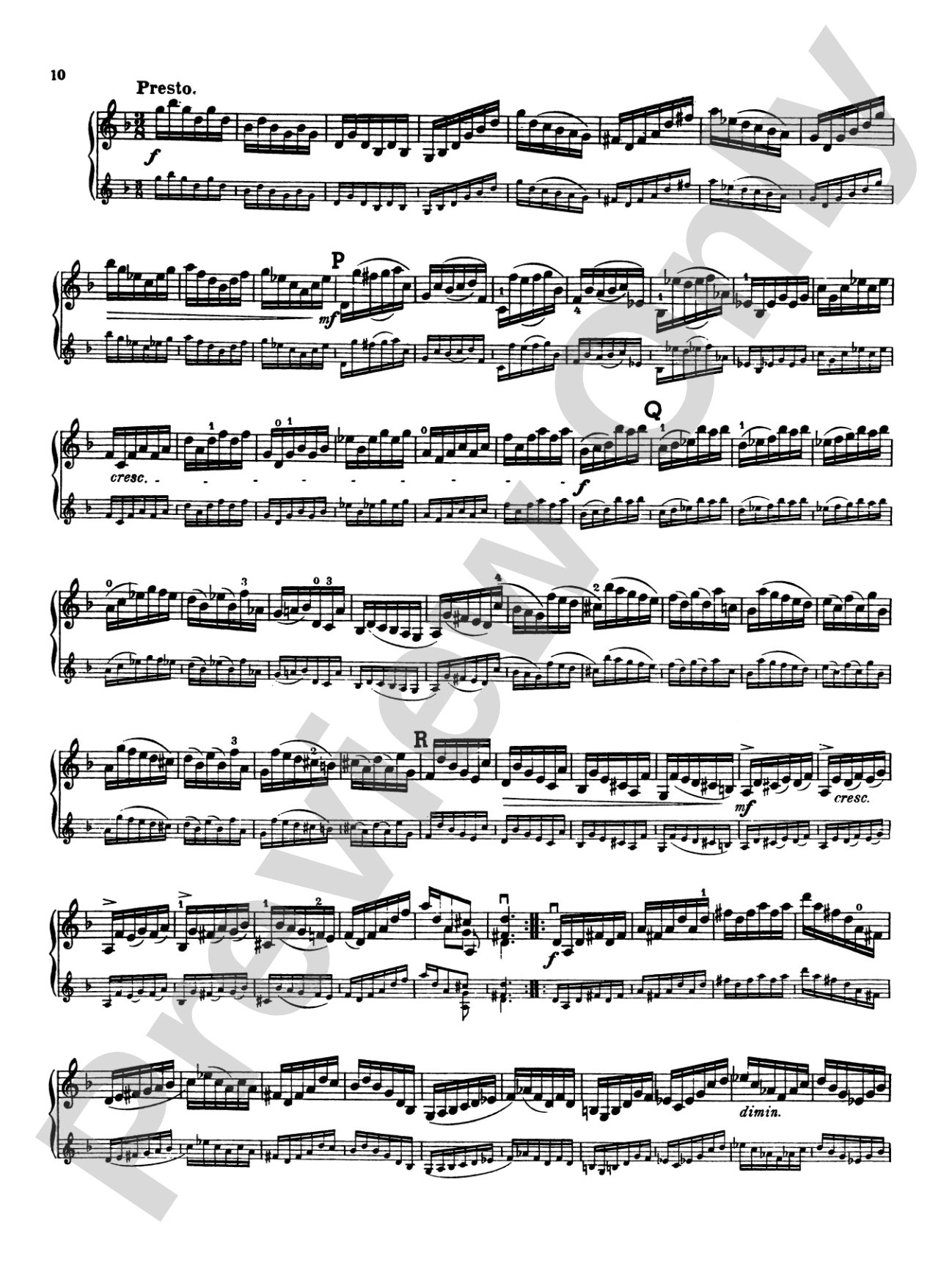
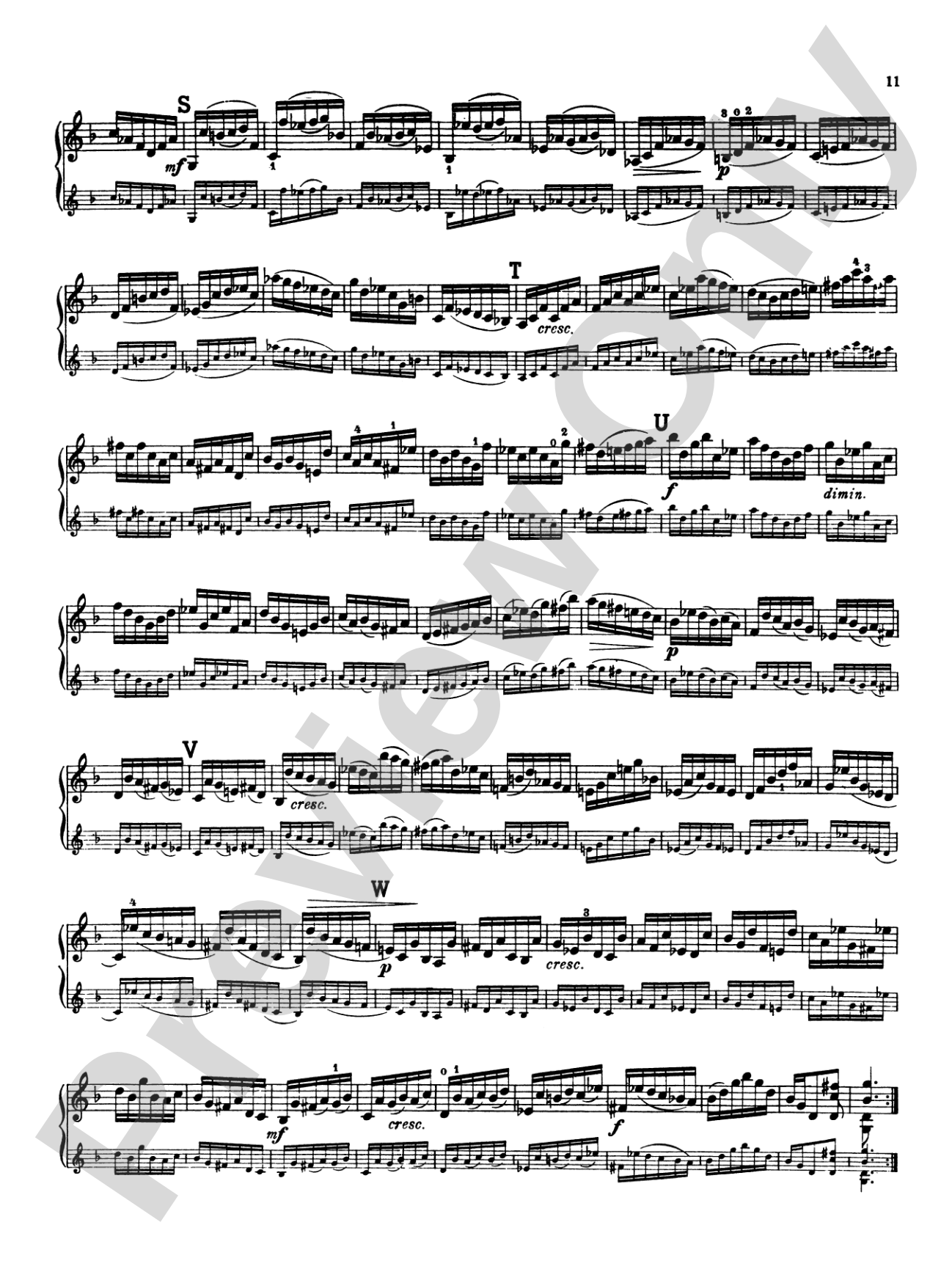
The Sonatas and Partitas for solo violin (BWV 1001--1006) consist of three sonatas da chiesa, in four movements, and three partitas, in dance-form movements. The set was completed by 1720, but was largely ignored at first. Today, Bach's Sonatas and Partitas are an essential part of the violin repertoire. 67 pages.


Don't just read it, hear it, play along with it, and watch your students grow with it. In MakeMusic Cloud, Bach: Six Sonatas and Partitas: Violin Book comes alive with professional accompaniment, adjustable tempo, and built-in practice tools that turn solo practice into real progress.
Open in the Player
Jump straight in and assign it today.
Start Your Free Trial
Open this title and explore the full library in minutes.
Sample Audio
No sample audio found.
Sample Video
No sample videos found.
Additional Details
Series:
Kalmus Edition
Publisher:
Alfred Music
Page Count:
68
SKU:
00-PK-0002838
More about this title
About the Composer: Johann Sebastian Bach
Johann Sebastian Bach (1685, 1750) wrote the six Sonatas and Partitas for solo violin near the end of his Weimar period, completing the set by 1720. These works represent the pinnacle of unaccompanied string writing in the Baroque era, demanding technical brilliance, harmonic understanding, and interpretive maturity from performers. Bach's mastery of counterpoint and his ability to sustain complex musical arguments without accompaniment made these pieces revolutionary for their time and enduringly central to violin pedagogy and performance.
Though largely overshadowed by other Bach works during the 18th and 19th centuries, the Sonatas and Partitas gained recognition in the 20th century as performers and educators came to appreciate their structural ingenuity and expressive range. They remain essential repertoire for any serious violinist, offering a direct window into Bach's compositional genius while challenging players to develop independence, intonation precision, and deep musical understanding.
Why we love this
These six works form the cornerstone of solo violin literature and belong on every serious violinist's stand. Bach writes with complete understanding of the violin's capabilities, balancing technical brilliance with architectural rigor so that passages of staggering difficulty emerge organically from the musical line rather than as display. Programming even a single movement signals artistic maturity and opens conversations about Baroque performance practice, ornamentation, and the relationship between structure and expression.
What to expect
The sonatas unfold with church-music gravity, unfolding slow movements of profound lyricism anchored by fugal finales of mathematical precision. The partitas dance and sparkle, their suite structures offering contrasts from stately to playful, yet even the brightest passages are built on contrapuntal logic. Throughout all six works runs a quality of intimate conversation, as if the violin is speaking a complete musical thought without a single accompanist or harmonic support.
Who it's for
Advanced violinists preparing for competitions, conservatory auditions, recitals, or advanced study programs will find these works essential. This edition serves both students undertaking the Sonatas and Partitas as a complete cycle and performers selecting individual movements for concert programming.
How to get the most out of it
- Address the fugal voices as independent lines rather than accompanying figures. Each voice has melodic integrity, and clarity between parts requires deliberate voicing and varied bow pressure, not just fast fingers.
- Respect the dance forms in the partitas. Allemande, courante, and gigue are not abstract titles but movement types with specific character and pulse; your interpretation should reflect the courtly or spirited nature of each.
- Approach ornamentation with historical awareness. Baroque convention offers flexibility in realizing trills, turns, and mordents. Study period sources and established interpretations, then make informed choices that serve the musical phrase.
- Use silence and strategic pauses to articulate harmonic movement and create architecture within movements. These pieces require rhetorical pacing as much as technical precision.
How to use it
Feature a single sonata or partita as a recital centerpiece, or build an entire program around selected movements from across the set. These works pair naturally with other Baroque solo repertoire (such as works by Telemann or Biber) or with later violin literature that evolved from them. A complete performance of all six works requires substantial rehearsal time but offers an unmatched survey of Baroque keyboard writing.
Skills your students will build
- Reading and interpreting figured bass and implicit harmonic progressions in unaccompanied writing
- Performing independent contrapuntal voices on a single melodic instrument
- Executing rapid passagework with clarity and rhythmic precision
- Realizing historical ornaments and articulating baroque phrasing conventions
- Constructing large-scale musical narratives within solo contexts
- Navigating shifts between different Baroque dance characters and movement types