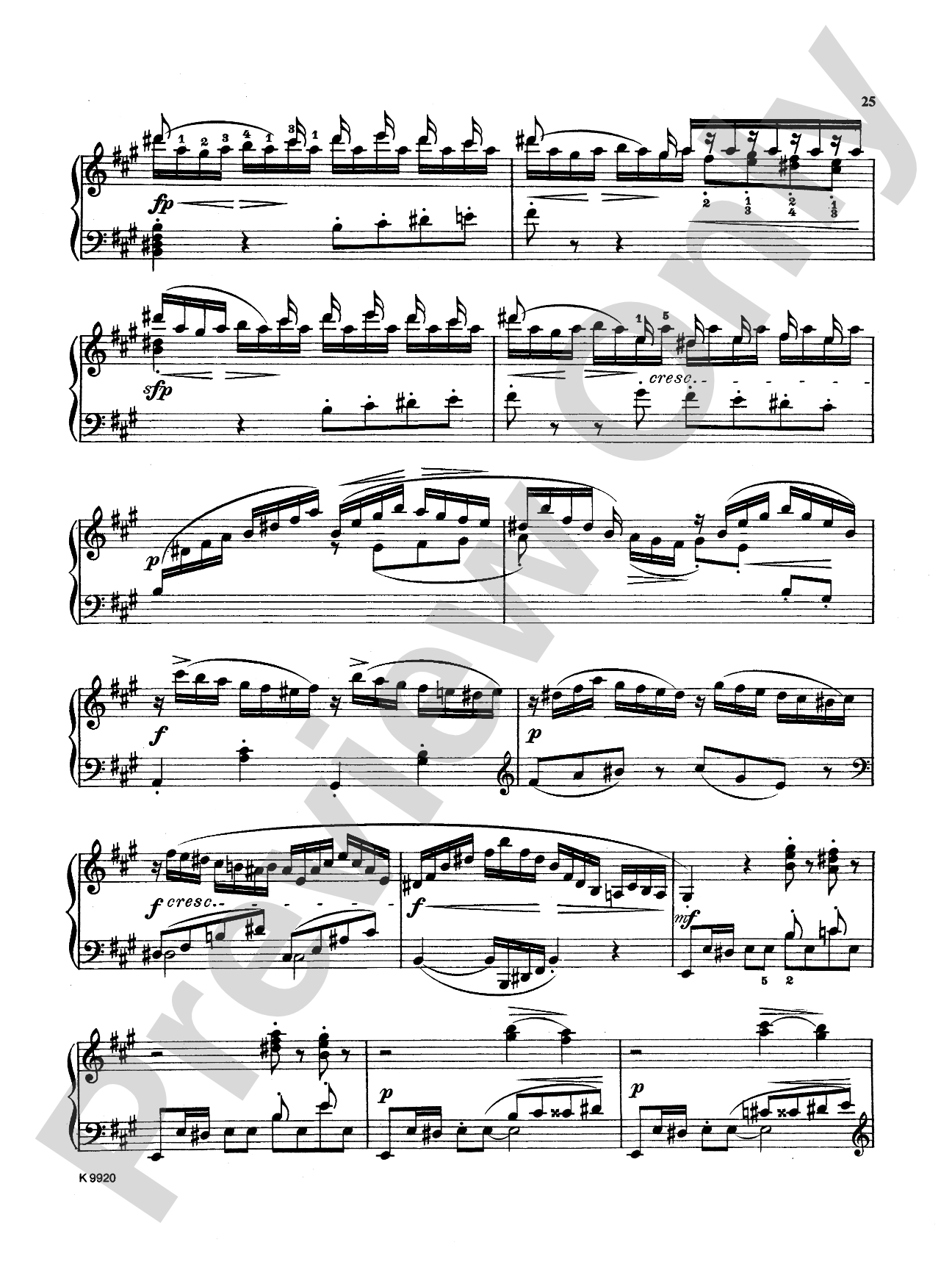
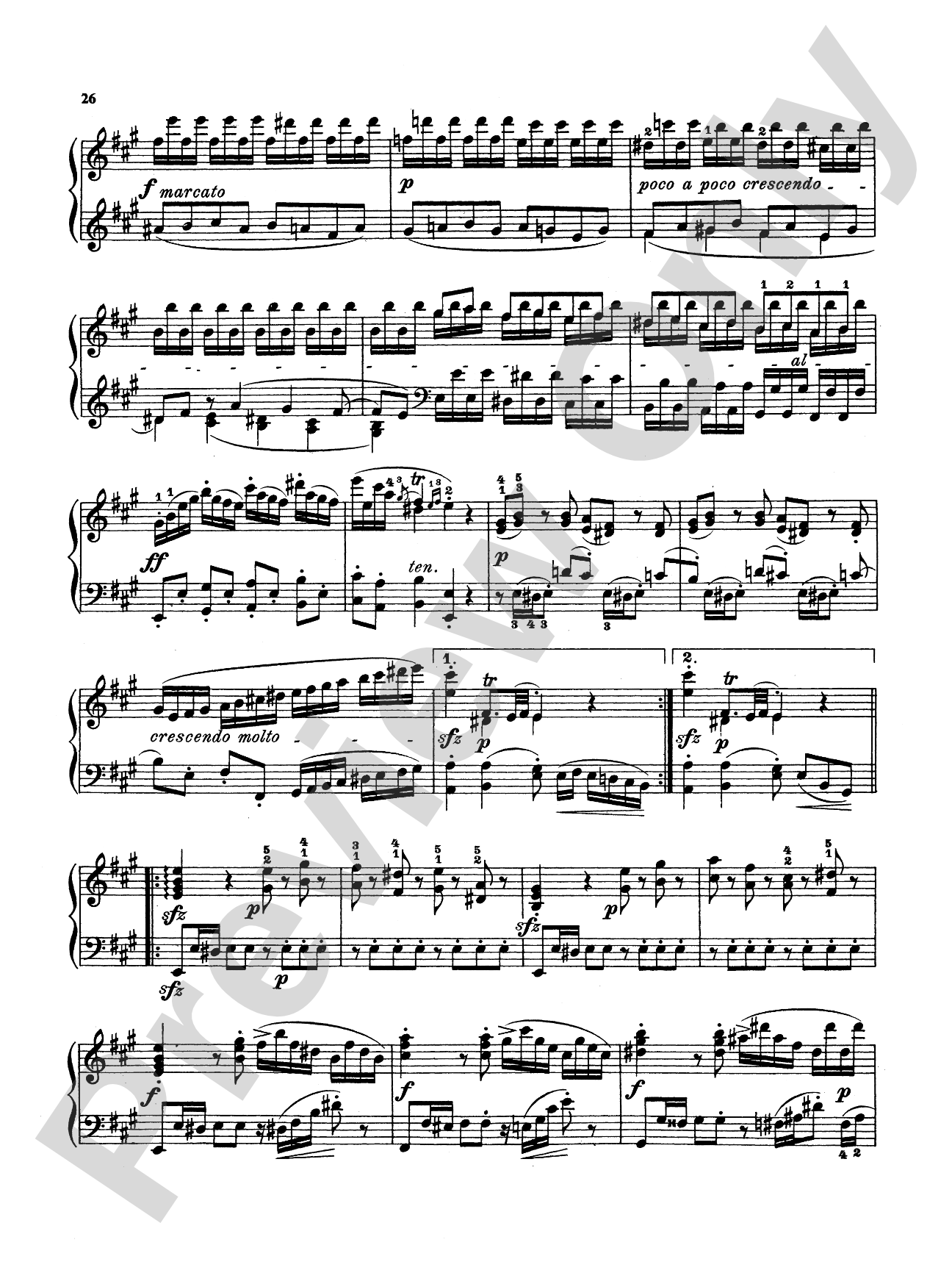
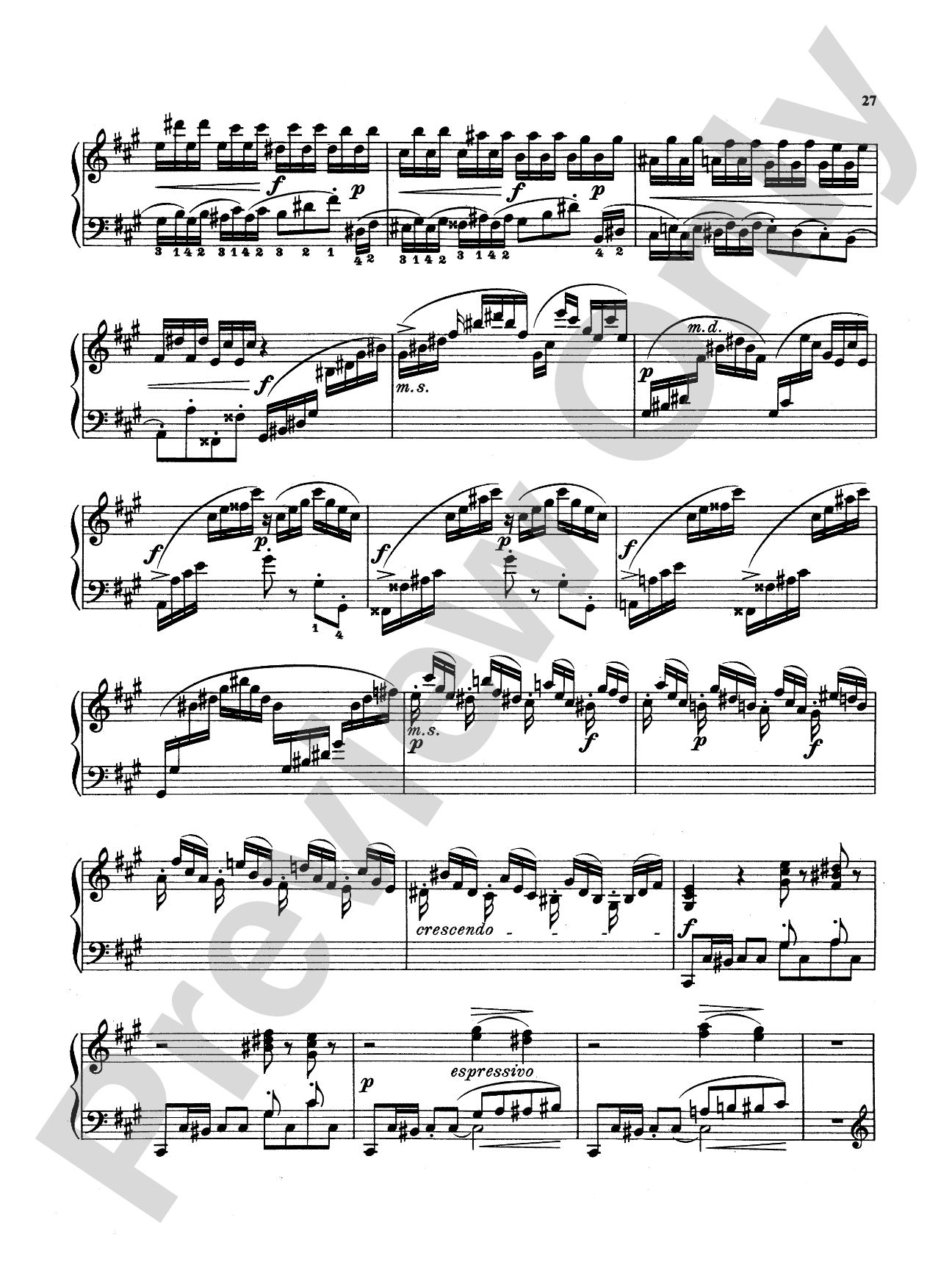
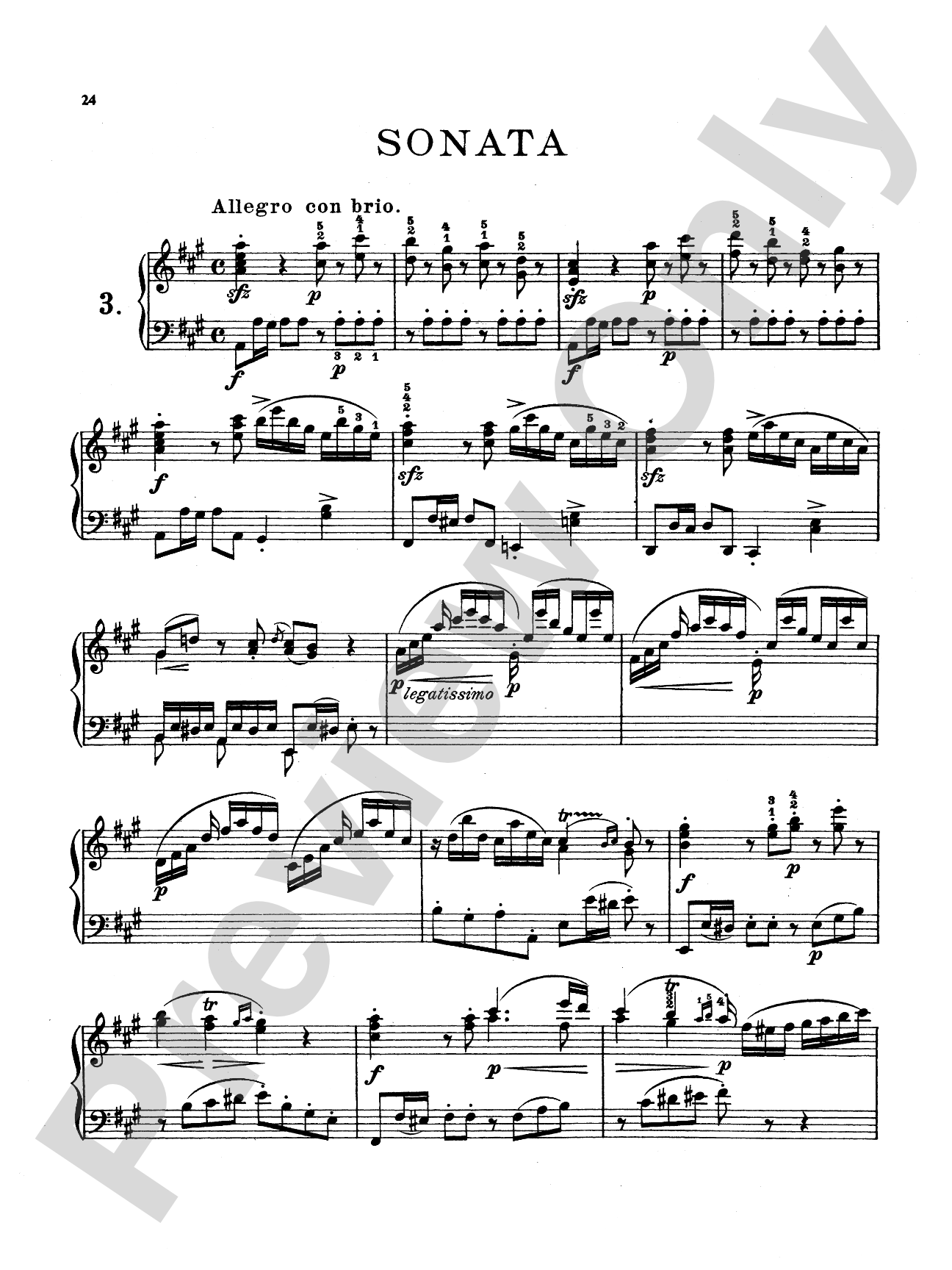
Bach: Six Sonatas Sheet Music Preview

Bach: Six Sonatas

By Carl Philipp Emanuel Bach

Item: 00-PC-0013961

Digital Download
$0.99
Description
A collection of piano solos composed by Carl Phillipp Emanuel Bach.

Don't just read it, hear it, play along with it, and watch your students grow with it. In MakeMusic Cloud, Bach: Six Sonatas comes alive with professional accompaniment, adjustable tempo, and built-in practice tools that turn solo practice into real progress.

Sample Audio
No sample audio found.
Sample Video
Additional Details
Series: Kalmus Edition
Publisher: Alfred Music
Page Count: 76
SKU: 00-PC-0013961

More about this title

About the Composer: Carl Philipp Emanuel Bach

Carl Philipp Emanuel Bach (1714-1788) was the second surviving son of Johann Sebastian Bach and became one of the most influential keyboard composers of the 18th century. A master of both the harpsichord and the new fortepiano, he developed a highly expressive compositional language that bridged the Baroque and Classical periods, earning him recognition as a key figure in the empfindsamer Stil (sensitive style) movement. His keyboard works emphasize emotional depth and technical brilliance in equal measure, and his pedagogical writings on keyboard technique remain relevant to pianists today.

Why we love this

These six sonatas showcase Bach's gift for melody and harmonic exploration at a level that rewards serious study without demanding virtuosic pyrotechnics. Advanced students encounter genuine compositional substance here: unexpected modulations, rhythmic sophistication, and the kind of emotional range that makes Baroque and early Classical keyboard music so endlessly engaging. Programming a Bach sonata on a recital signals musical literacy and offers a refreshing alternative to the standard repertoire.

What to expect

These sonatas embody the emotional restraint and intellectual rigor of the Enlightenment, yet they breathe with genuine expressiveness. Melodic lines unfold with elegant clarity while unexpected harmonic turns create moments of introspection and depth. The writing feels both intimate and formally sophisticated, inviting the listener into Bach's world of refined taste and subtle emotional nuance.

Who it's for

Intermediate to advanced pianists seeking substantial Baroque and early Classical repertoire that bridges historical style and pianistic musicianship. Music students preparing for college auditions or recitals will find these sonatas particularly valuable for demonstrating command of period style. Teachers building a comprehensive keyboard curriculum benefit from Bach's combination of pedagogical clarity and artistic depth.

How to get the most out of it

  • Attend closely to the figured bass and harmonic rhythm; these sonatas assume a performer who understands voice leading and can voice chords with sensitivity rather than playing mechanically from the page.
  • Balance ornamentation (trills, turns, appoggiaturas) with the underlying melodic line. Bach's ornaments enhance rather than obscure the musical argument.
  • Shape phrases according to harmonic function rather than symmetrical phrasing. Many phrases end mid-measure, requiring you to hear the cadential pull across bar lines.
  • Differentiate the character between movements. Even within a single sonata, the Baroque contrast between sections demands distinct touch, tempo flexibility, and dynamic shape.

How to use it

Frame a single sonata or multi-movement excerpt as a principal work on a recital focused on keyboard literature from 1750-1800, pairing it with contemporaries like Haydn or early Beethoven. Alternatively, program one complete sonata as a contrasting work between Romantic repertoire and 20th-century pieces to demonstrate the pianist's stylistic range. In an educational recital setting, these sonatas work beautifully to introduce audiences to the bridge between Baroque and Classical keyboard writing.

Skills your students will build

  • Baroque ornamentation and articulation in period style
  • Voice leading and harmonic awareness through figured bass
  • Reading and performing rapid passagework with clarity and control
  • Phrasing across irregular phrase boundaries and harmonic function
  • Executing trills, turns, and other embellishments with musical purpose
  • Understanding formal structure in multi-movement sonata cycles

You May Also Like