
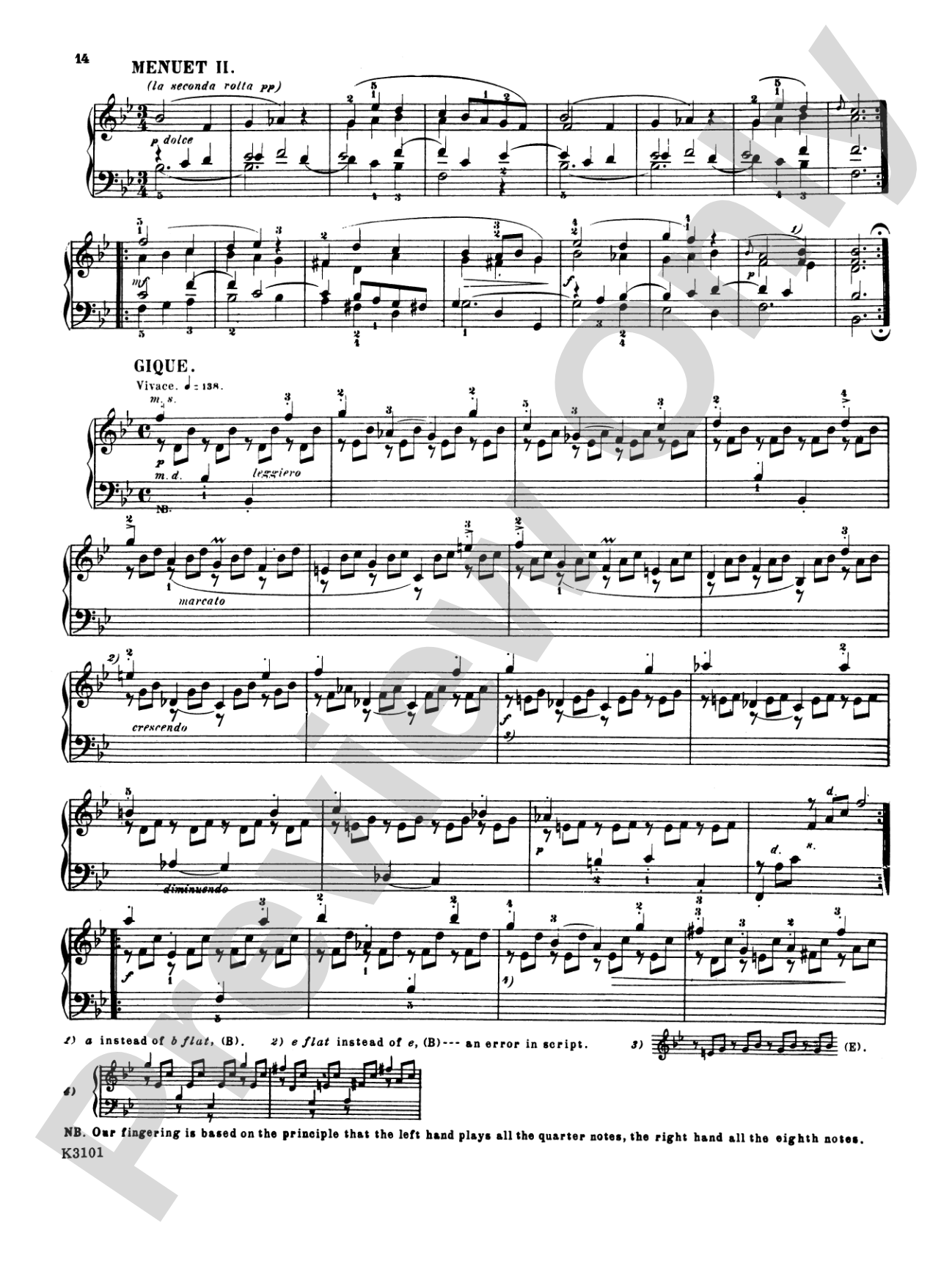
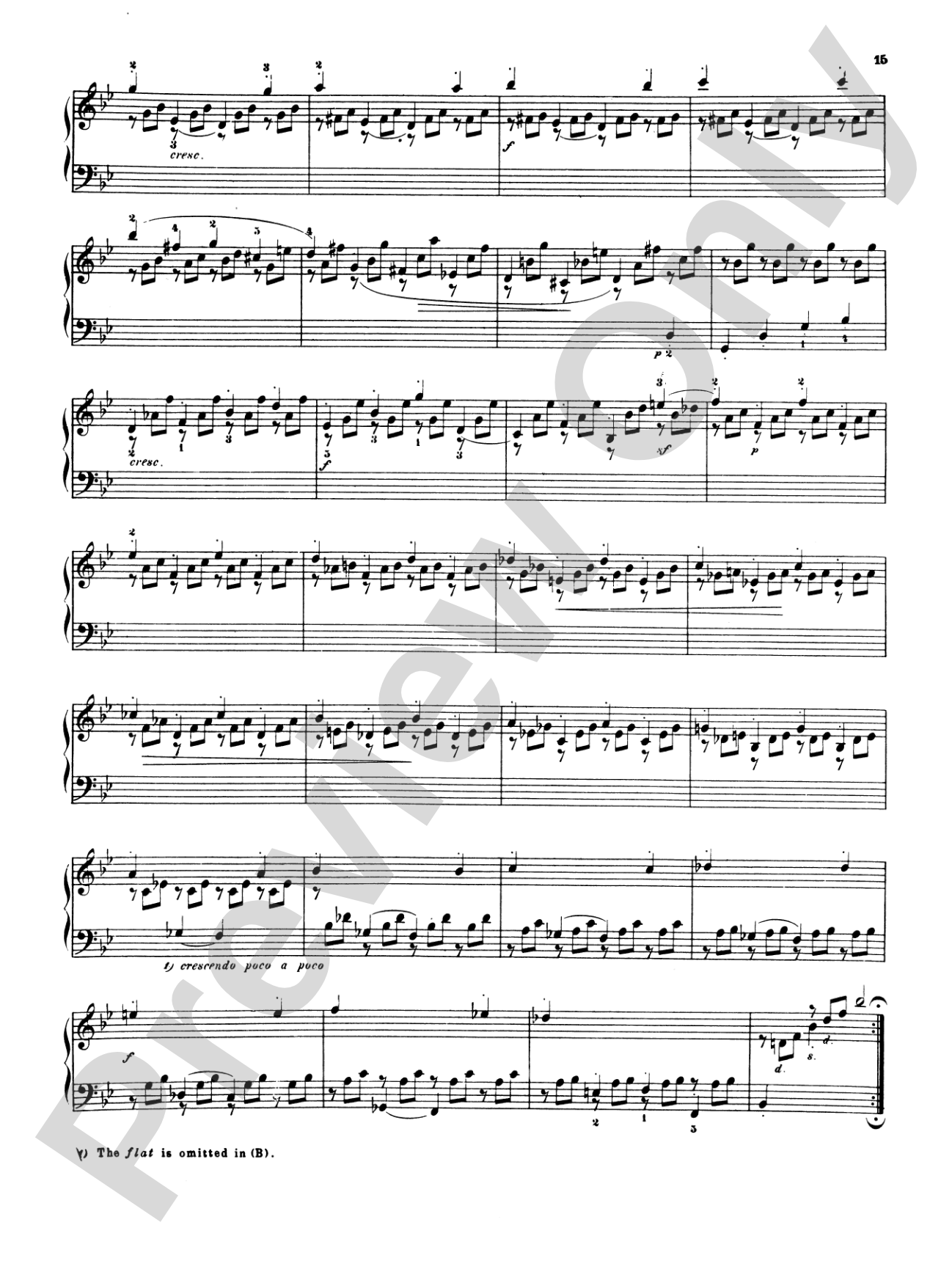

Bach: Six Partitas and Overture in French Style (Ed. Hans Bischoff)
By Johann Sebastian Bach / ed. Hans Bischoff
Item: 00-PK-0002878

$12.99
Pickup currently not available
Buy Extra Parts (Digital PDF Download)
Parts Added to Cart!
Description
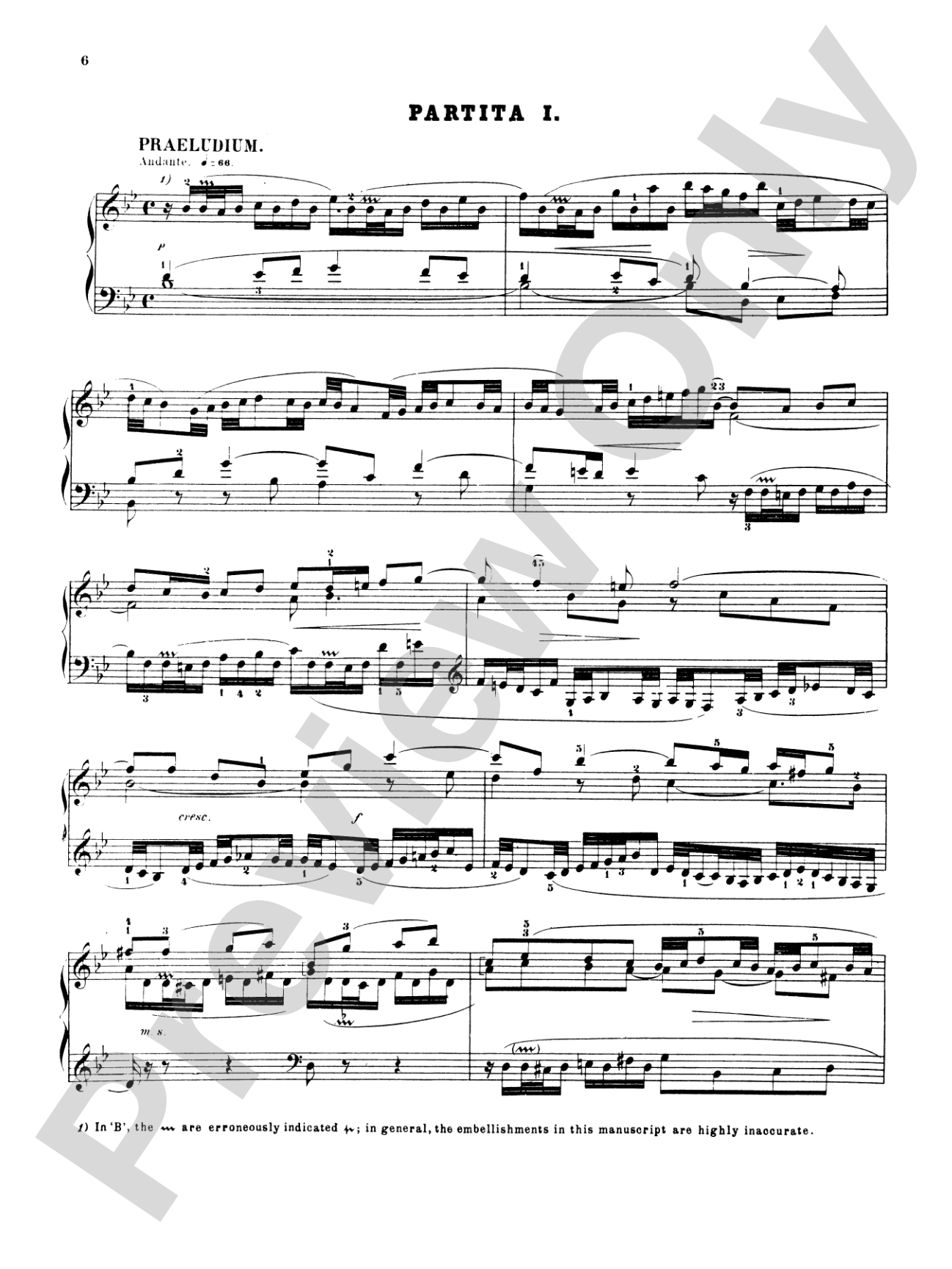
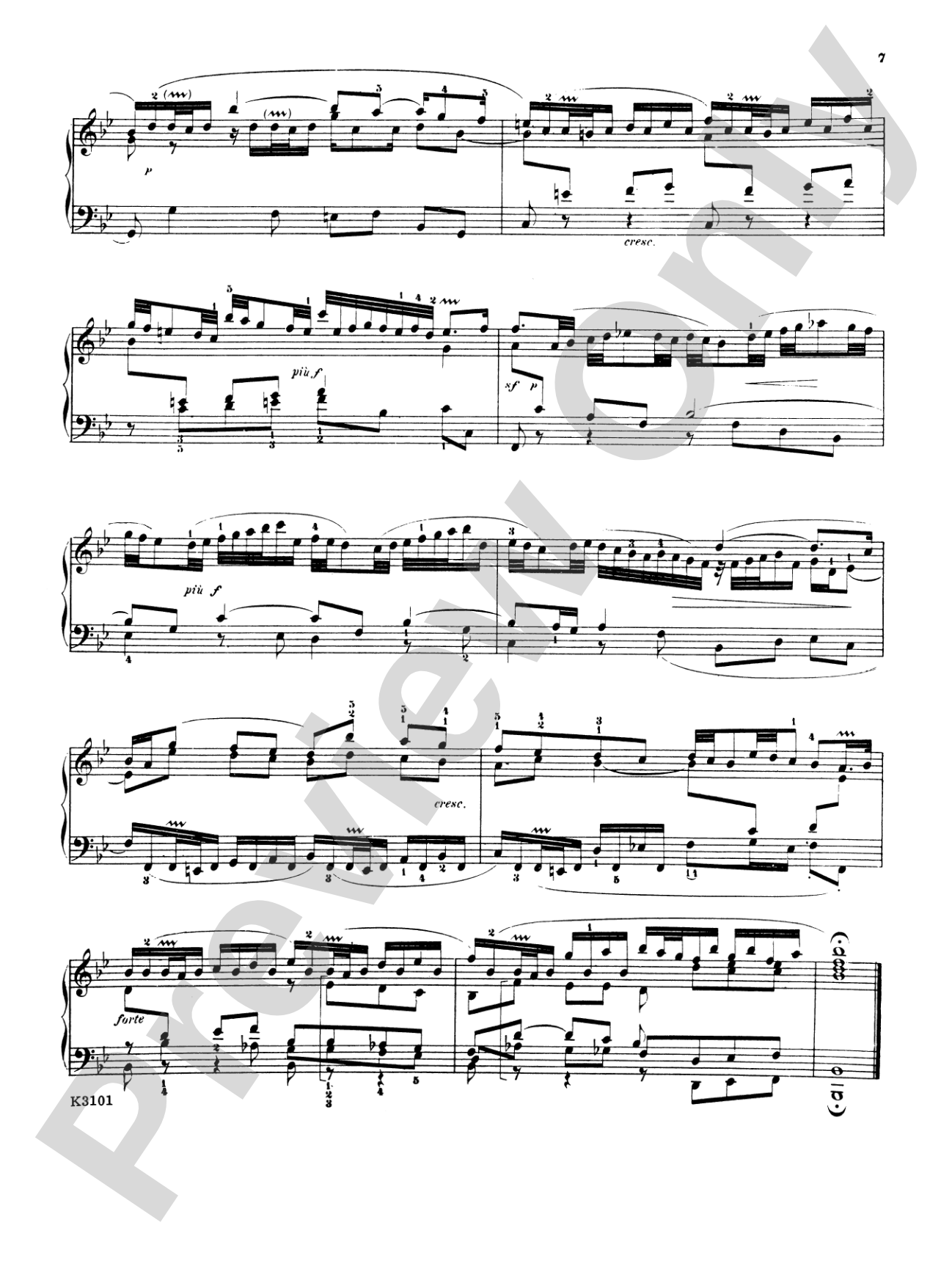
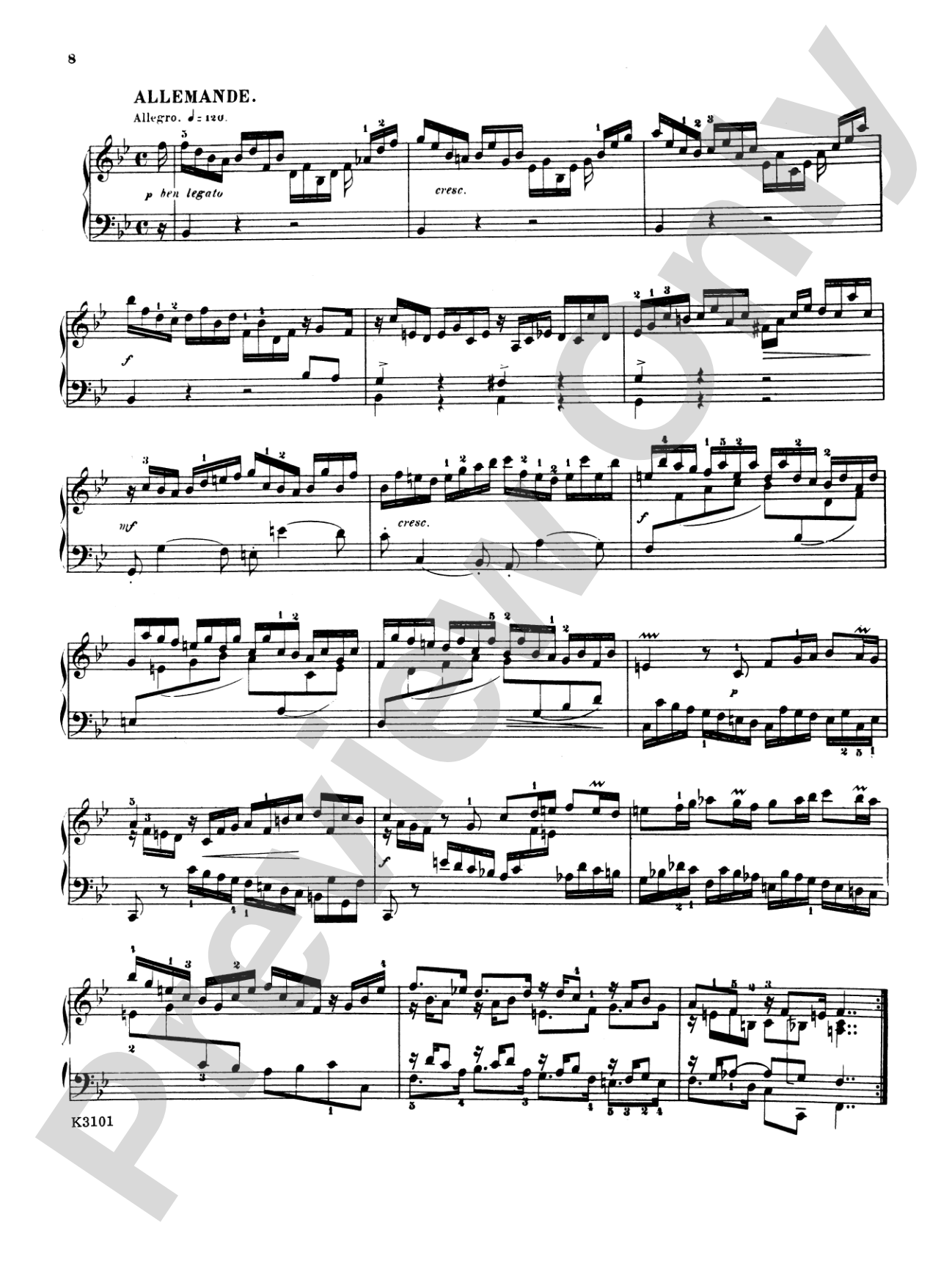
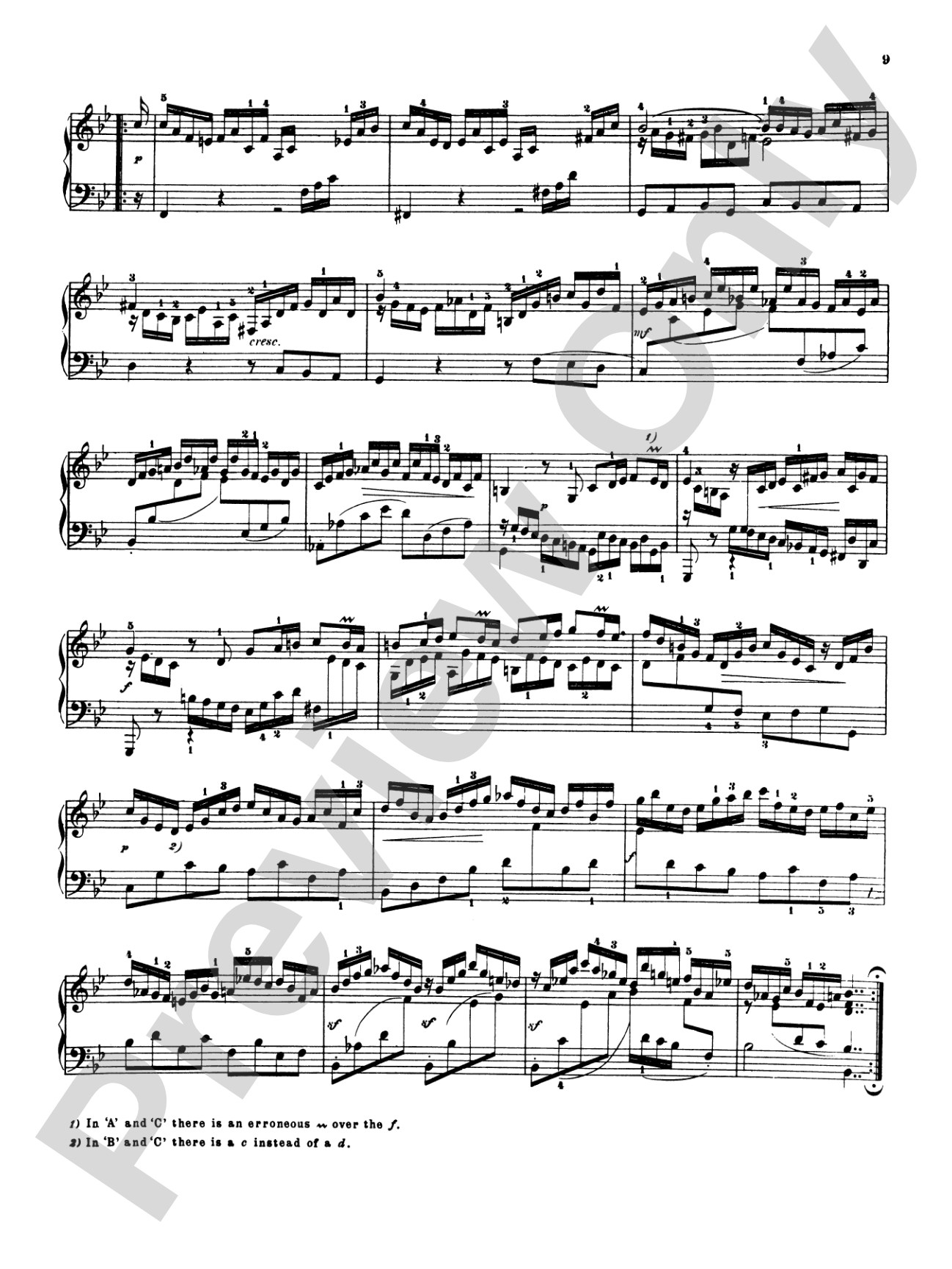
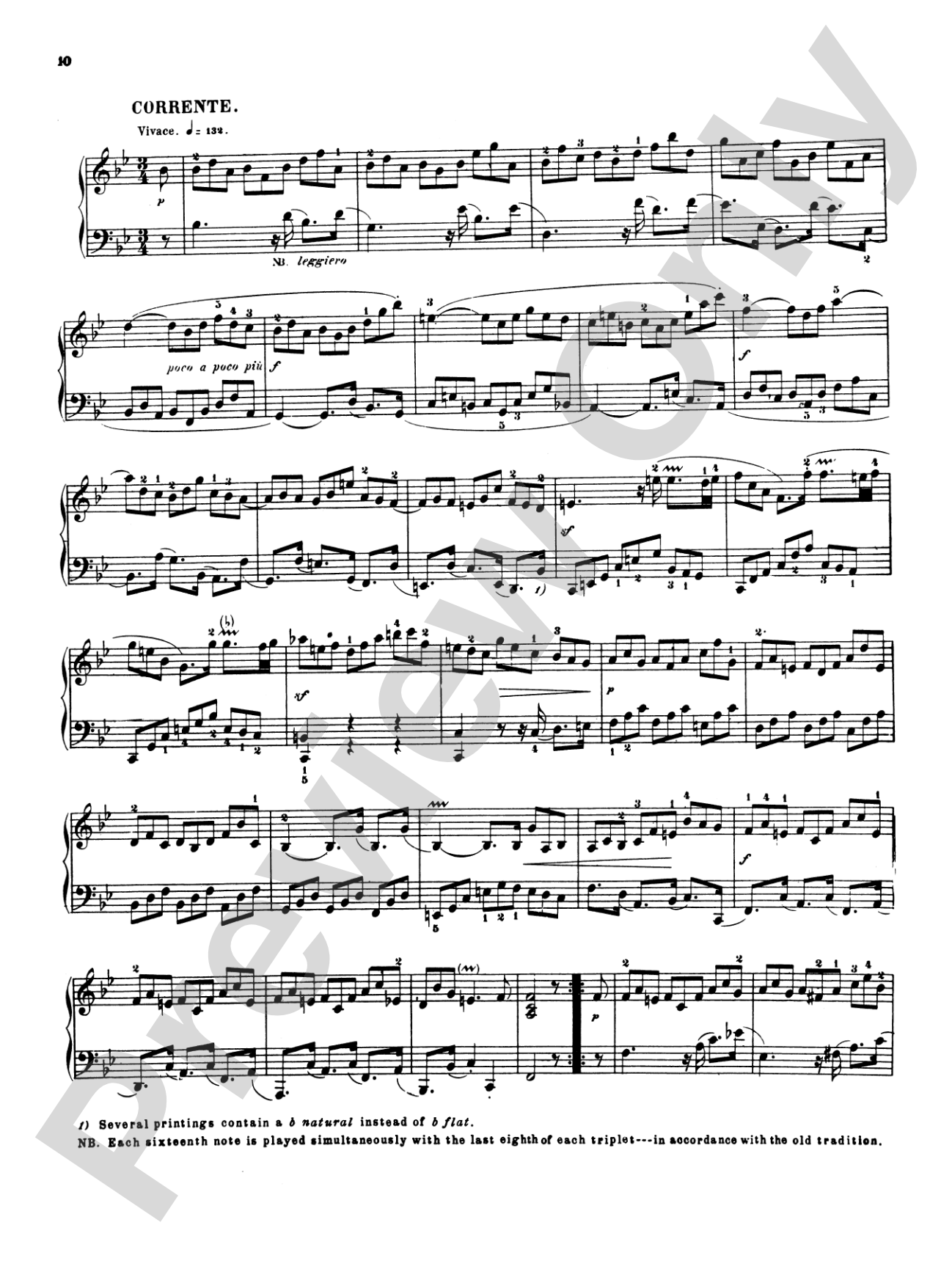
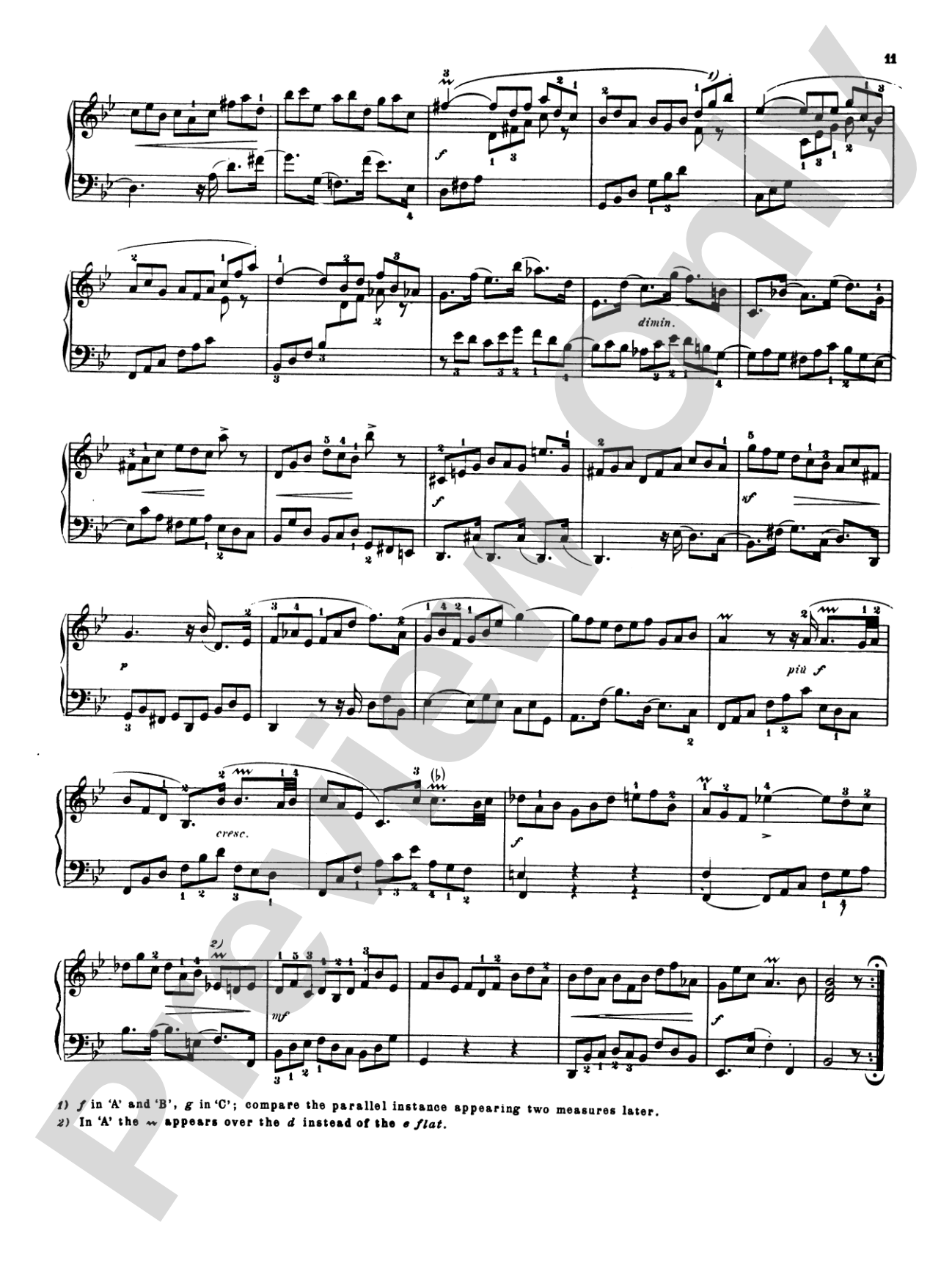
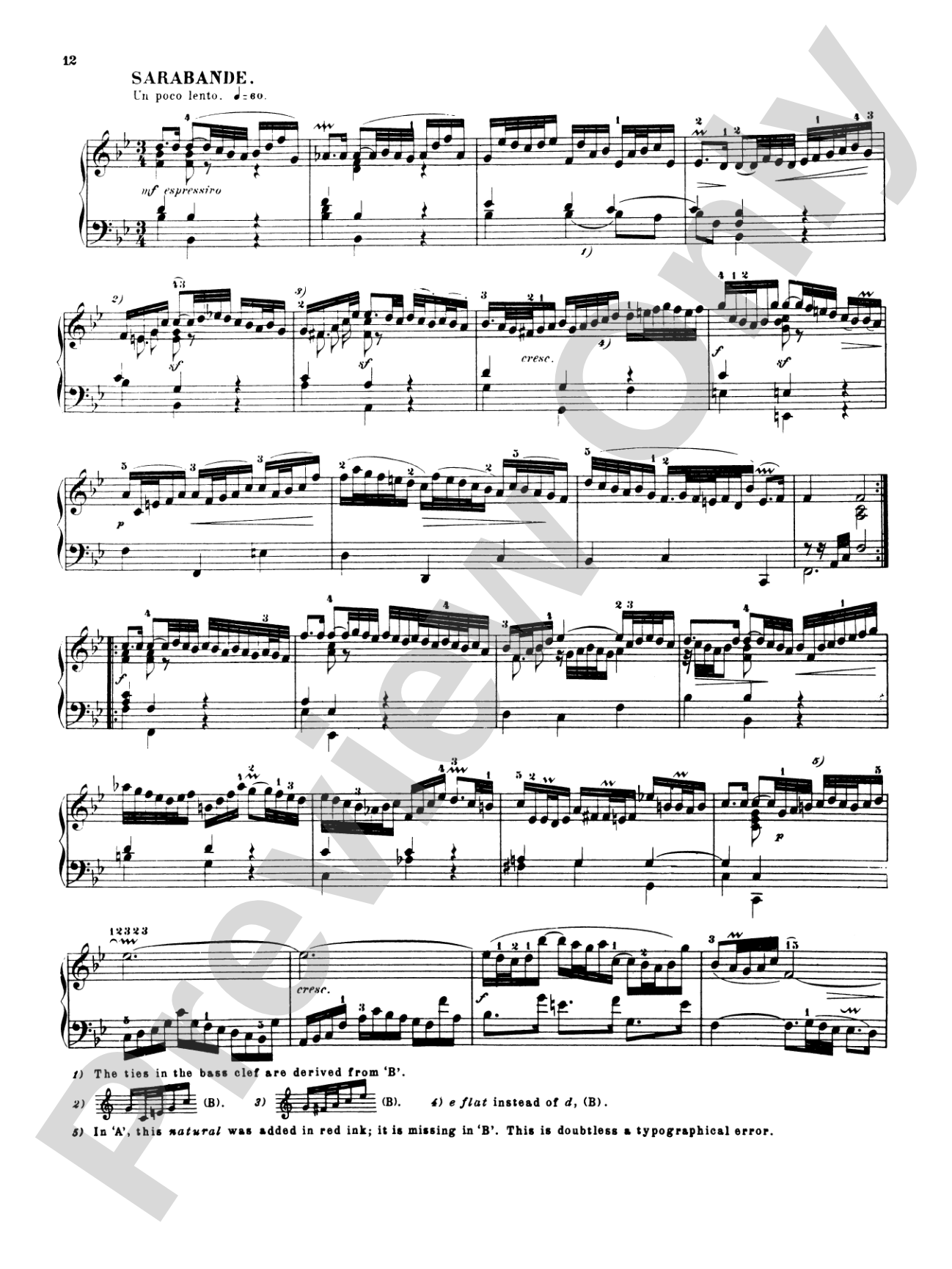
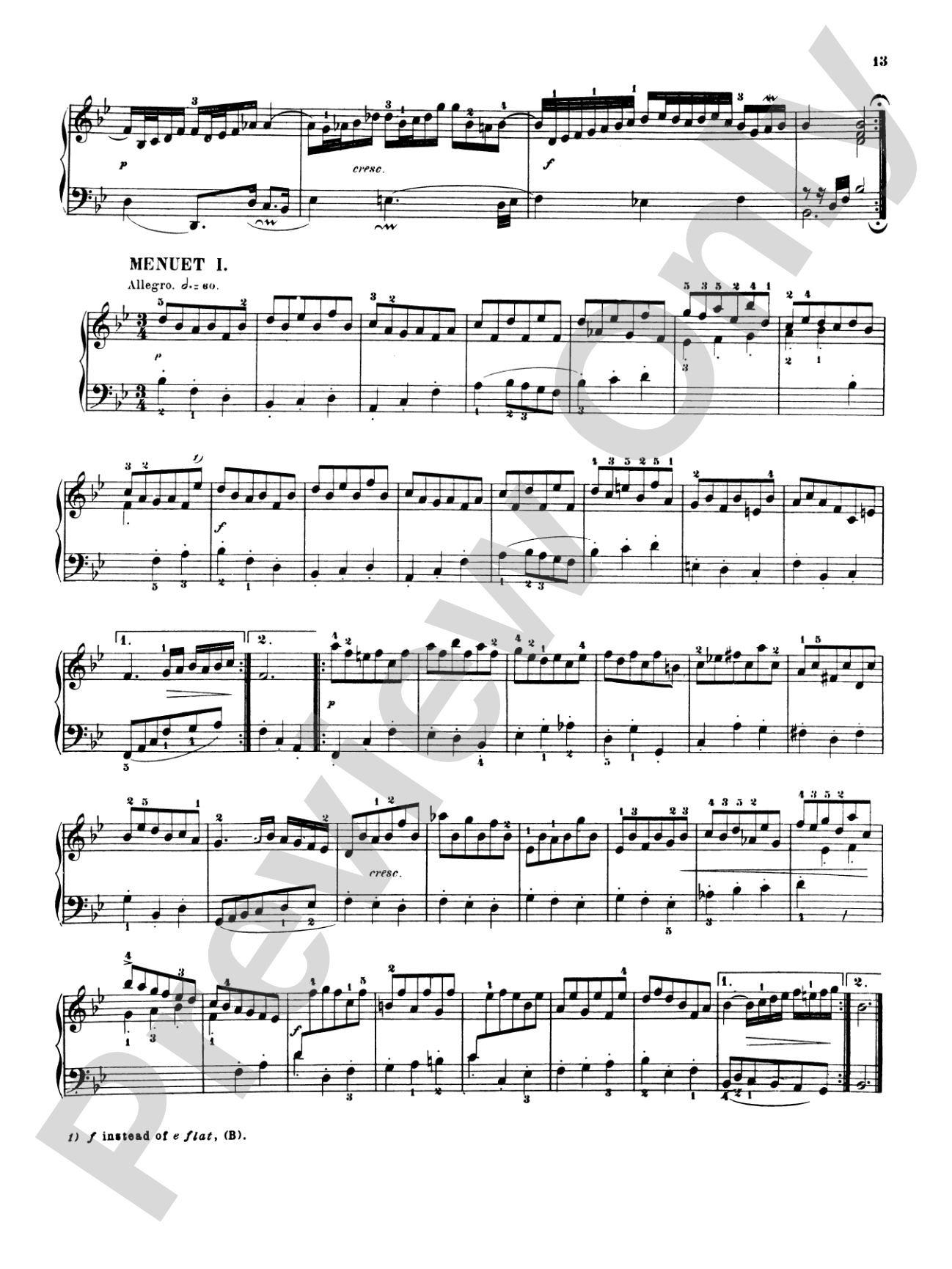
The six Partitas were originally published individually by Bach between 1726 and 1730. A complete one-volume edition appeared in 1731. Dr. Hans Bischoff used that original complete edition in producing this current edition. The "Overture in the French Manner" is included, and is also known as "Partita in B Minor." It originally appeared in 1735. Introductory notes, preface, and a table of embellishments are included, along with performance footnotes.


Don't just read it, hear it, play along with it, and watch your students grow with it. In MakeMusic Cloud, Bach: Six Partitas and Overture in French Style (Ed. Hans Bischoff) comes alive with professional accompaniment, adjustable tempo, and built-in practice tools that turn solo practice into real progress.
Open in the Player
Jump straight in and assign it today.
Start Your Free Trial
Open this title and explore the full library in minutes.
Sample Audio
No sample audio found.
Sample Video
No sample videos found.
Additional Details
Series:
Kalmus Edition
Publisher:
Alfred Music
Page Count:
112
SKU:
00-PK-0002878
More about this title
About the Composer: Johann Sebastian Bach
Johann Sebastian Bach (1685, 1750) fundamentally shaped keyboard music through his systematic exploration of compositional technique and harmonic language. His mastery of counterpoint, fugue, and dance forms established templates that musicians still study and perform centuries later.
Bach's keyboard works span his entire career and reflect his dual identity as both composer and performer. The Partitas represent his maturity as a writer for keyboard, combining the pedagogical precision he brought to all his music with genuine artistic ambition. These works remain central to piano and harpsichord curricula because they reward deep study and reveal new layers with each encounter.
Why we love this
These partitas showcase Bach at his most inventive within the suite tradition. The Bischoff edition preserves the original 1731 complete publication while providing essential performance guidance through embellishment tables and footnotes, making these works both historically grounded and practically accessible for serious pianists. Programming all six partitas plus the French Overture offers a substantial, unified Bach keyboard recital that demonstrates the full range of Baroque dance forms and stylistic refinement.
What to expect
These partitas blend courtly elegance with intricate musical architecture. Dance movements speak with refined grace, while larger structures reveal Bach's inexhaustible contrapuntal invention beneath surfaces of apparent simplicity. The French Overture emerges as a dramatic centerpiece, juxtaposing ceremonial grandeur with intricate counterpoint.
Who it's for
Advanced pianists seeking substantial, intellectually engaging Baroque repertoire and teachers preparing students for serious keyboard study or recital programming. This edition serves pianists who value historically informed performance guidance alongside a reliable, complete score.
How to get the most out of it
- Study the included embellishment table before interpreting trills, mordents, and other ornaments; Bach's notation often requires editorial realization, and Bischoff's guidance reflects 18th-century practice.
- Balance the voices in dance movements by voicing inner parts with clarity rather than obscuring them in the texture; the partitas reward transparent counterpoint.
- Approach the French Overture's opening section with dramatic weight and deliberate pacing, then contrast it sharply with the quicker fugal material that follows.
- Use the performance footnotes to inform decisions about tempo relationships between paired movements and to understand harmonic architecture across sections.
How to use it
Construct an entire Bach keyboard recital around this single volume, programming individual partitas with other Bach works, or feature the French Overture as a dramatic standalone piece that bookends a program. These partitas also serve as essential study material for pianists building interpretive skills in Baroque style and ornamentation.
Skills your students will build
- Ornamentation interpretation (trills, mordents, turns) in Baroque context
- Voice independence and clarity in multi-part writing
- Structural listening across multi-movement suites
- Historical awareness of French and Italian keyboard styles
- Harmonic analysis of Baroque counterpoint and functional harmony
- Tempo relationships and pacing across contrasting dance forms