
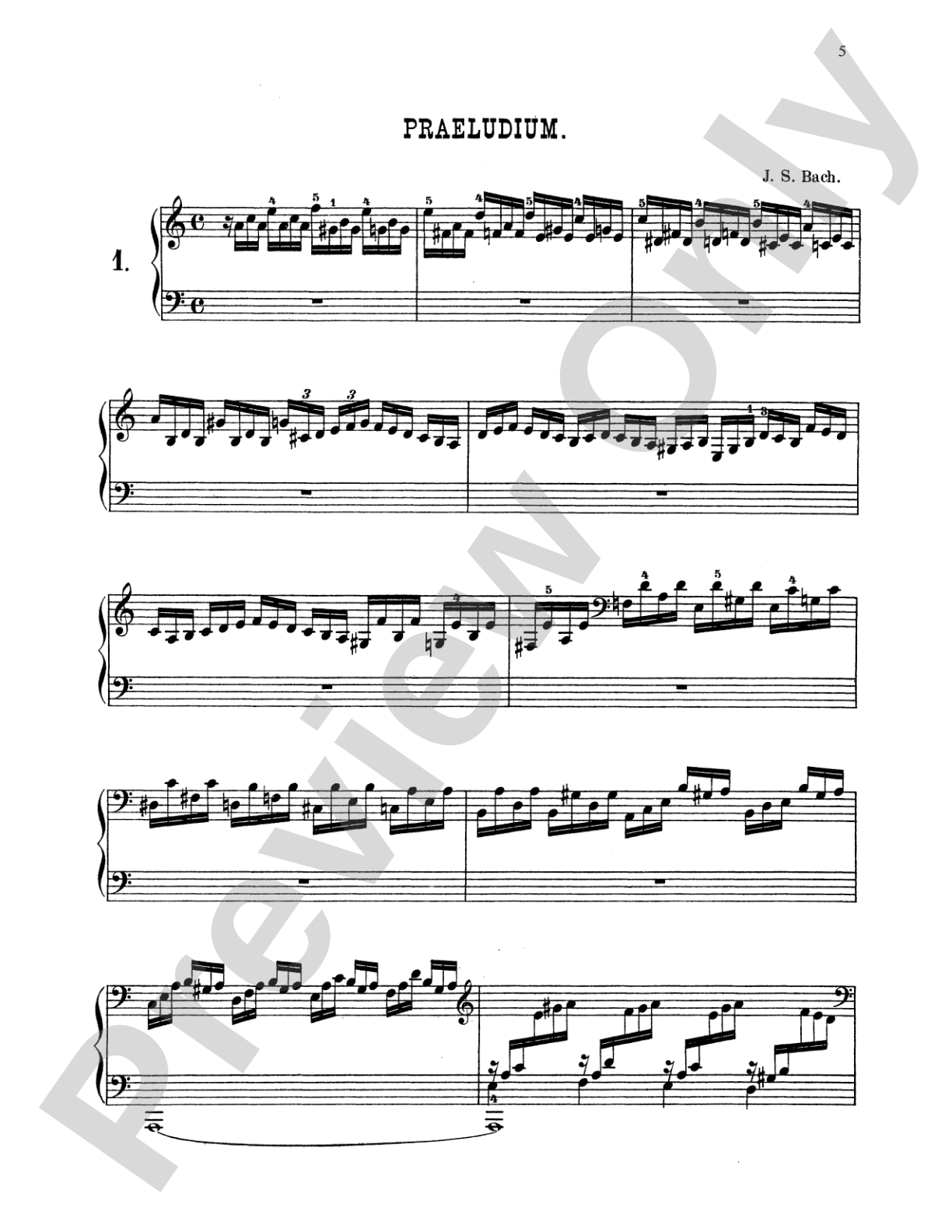
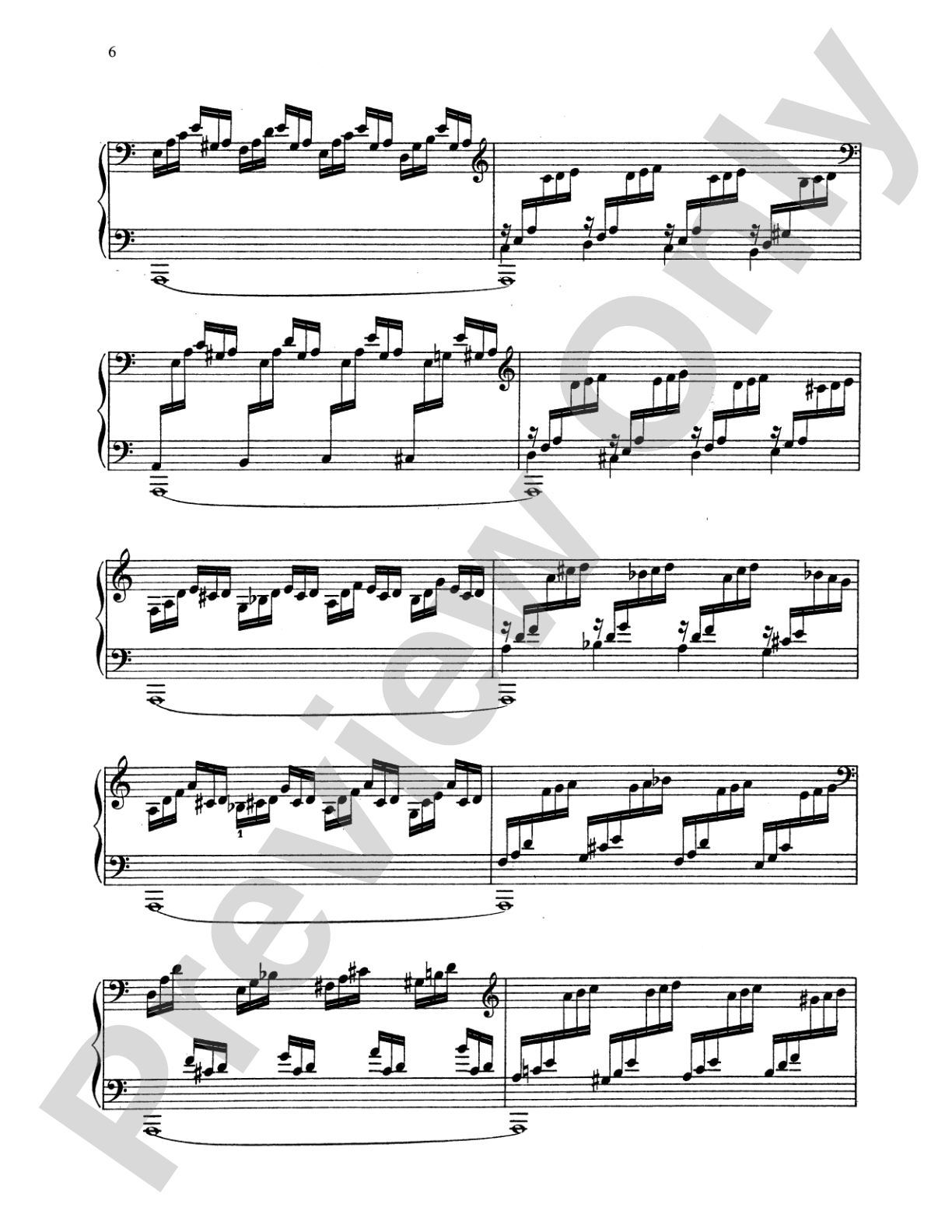
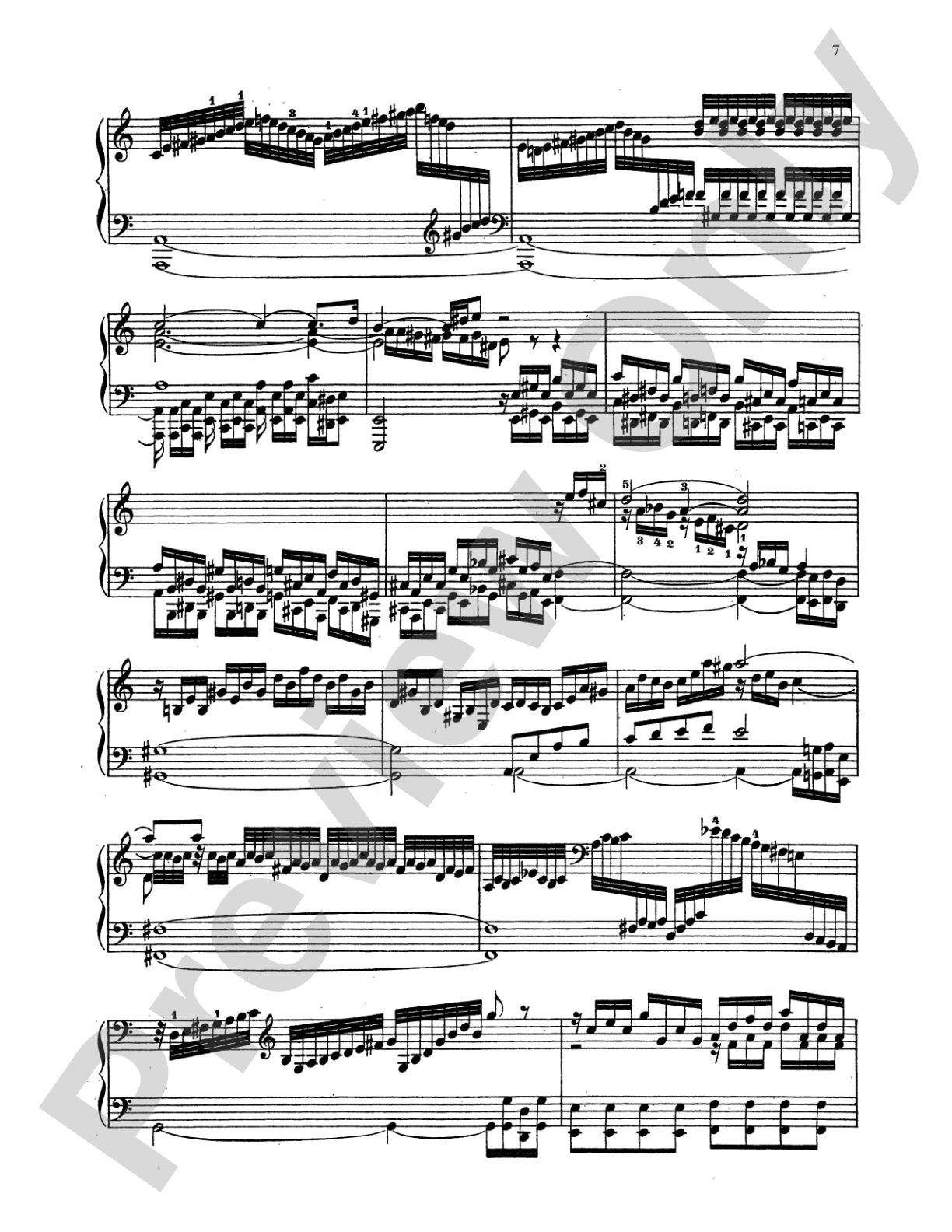
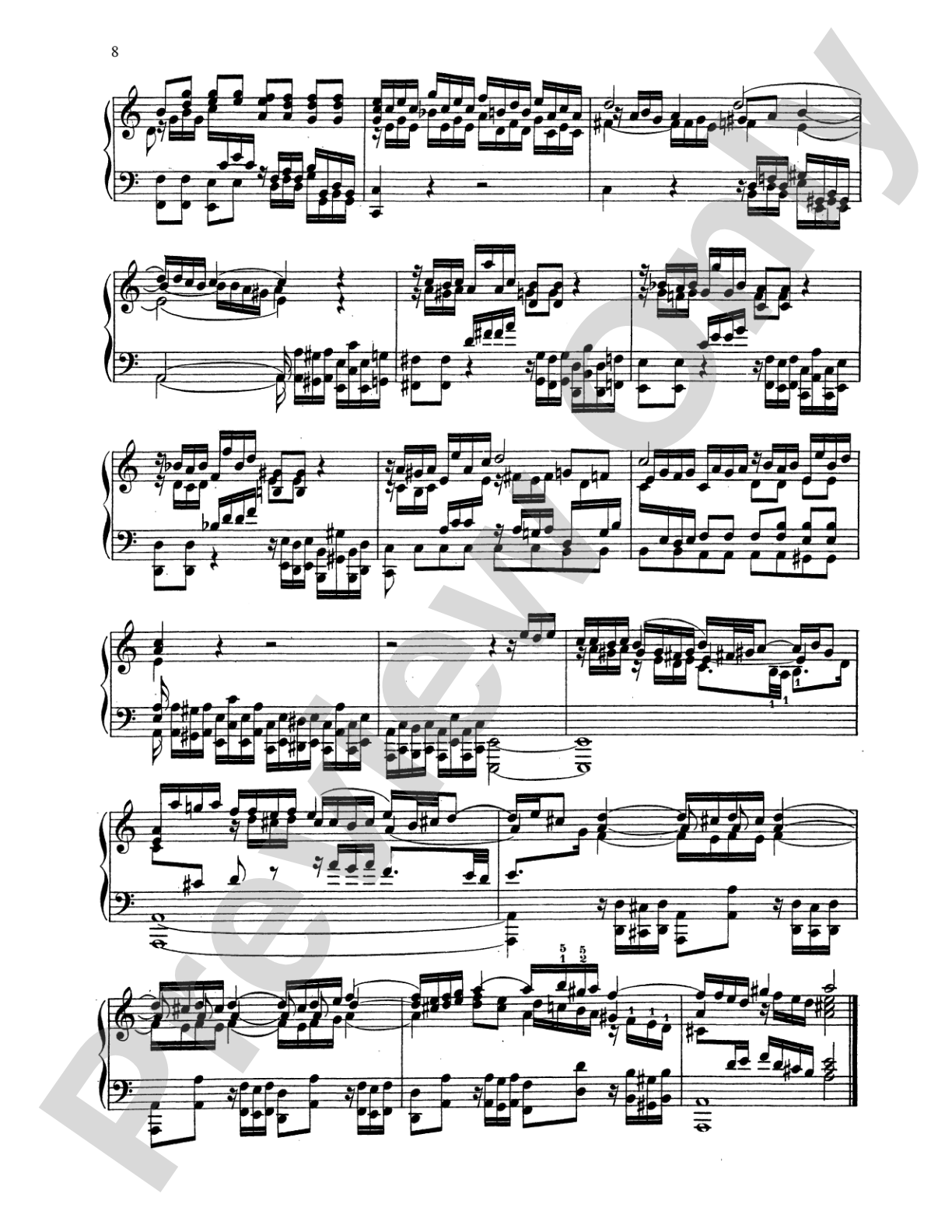
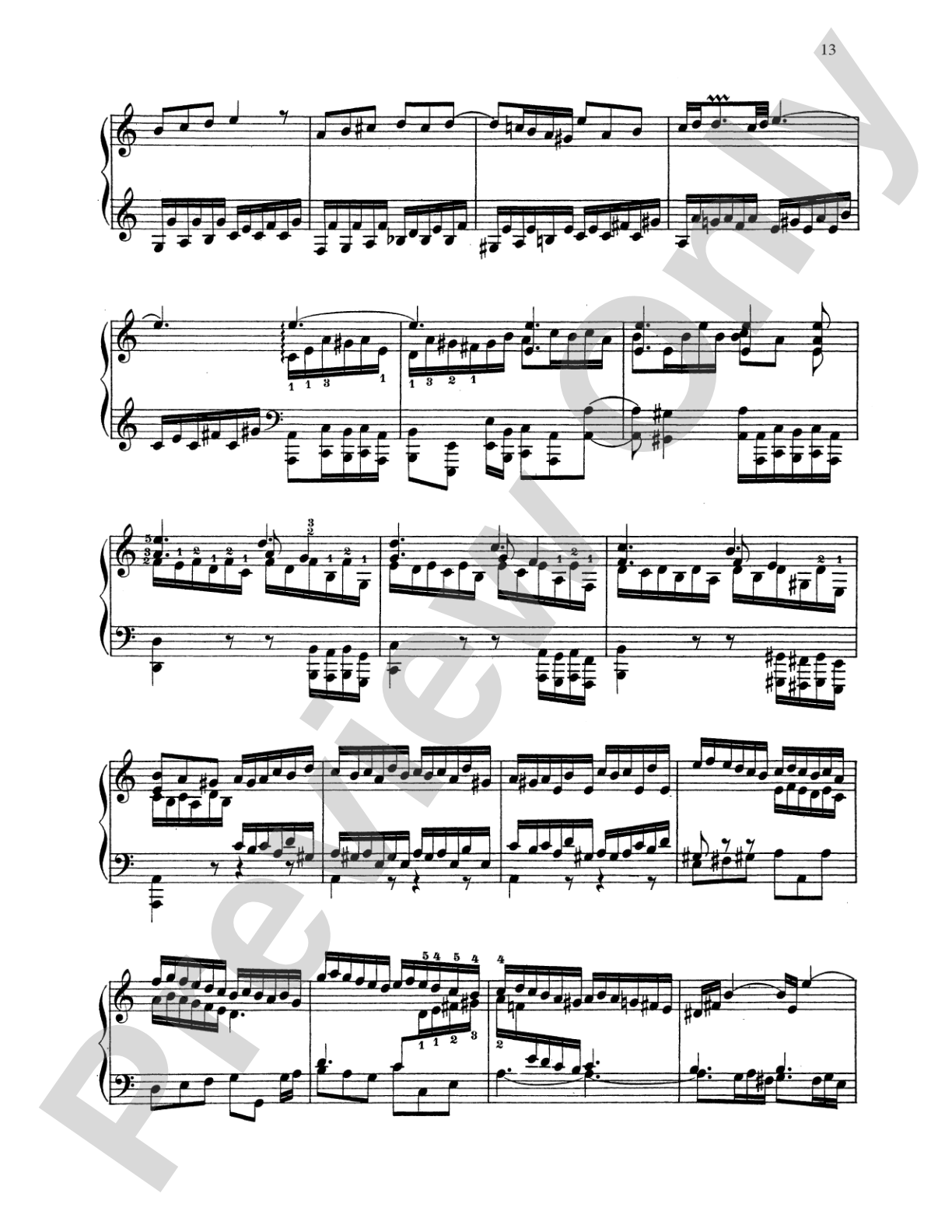
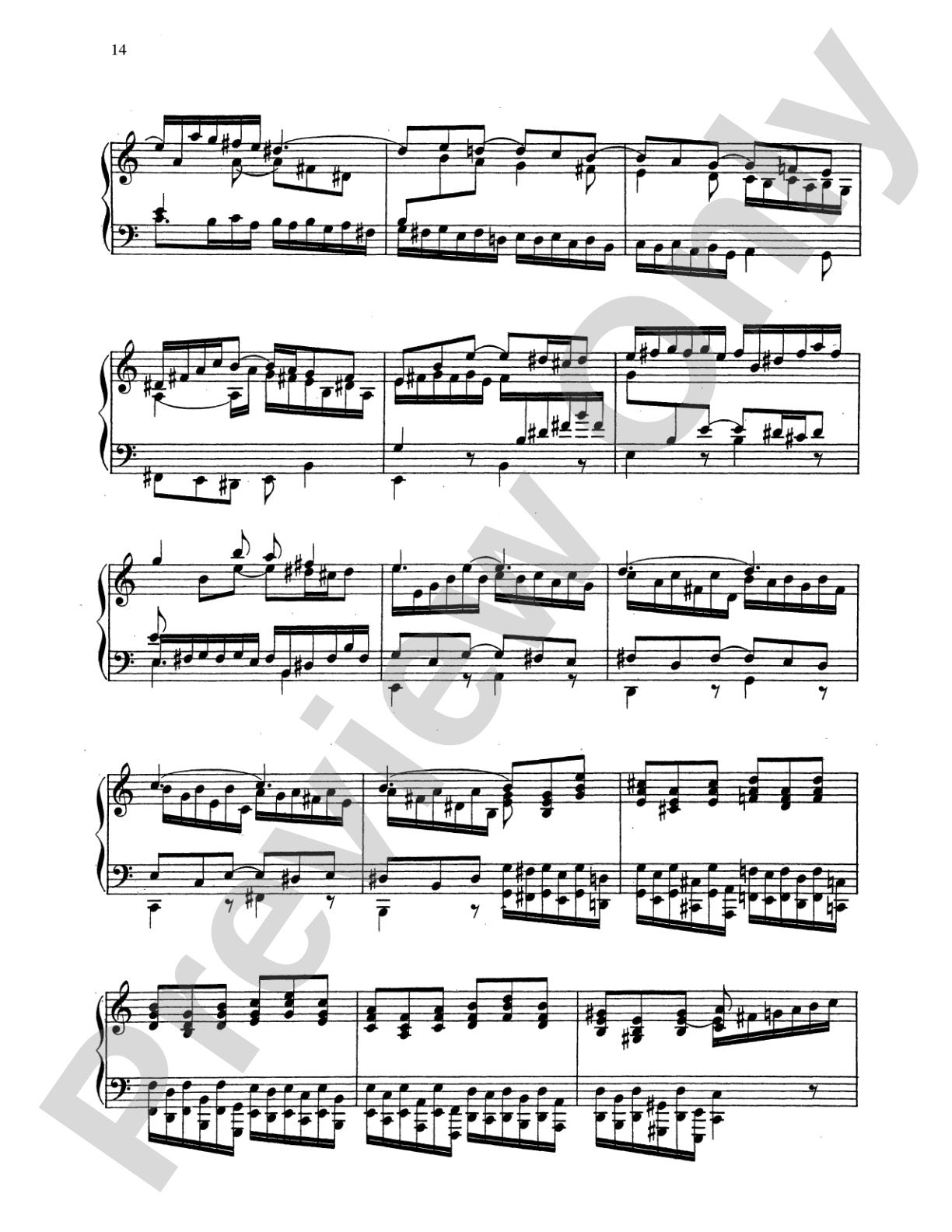
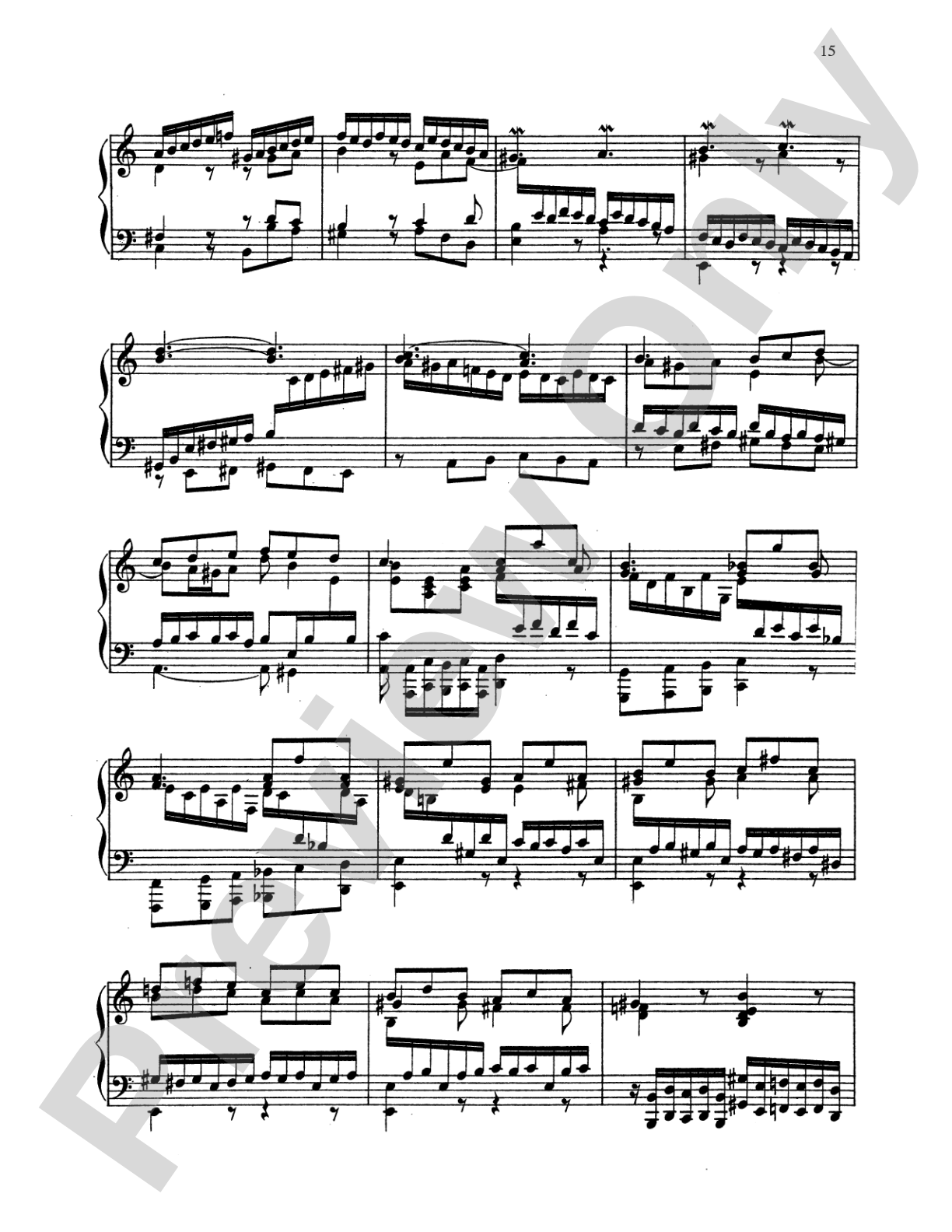
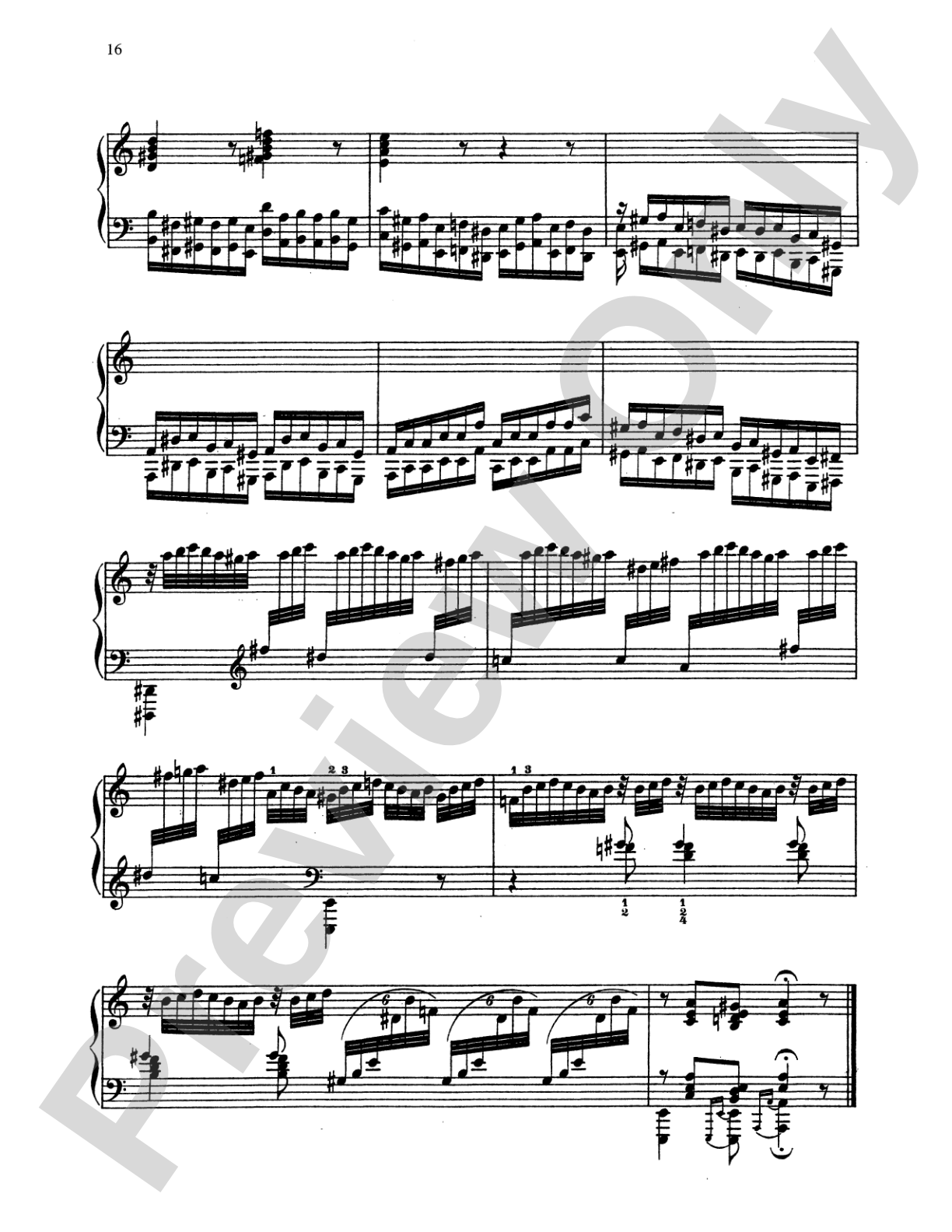

Bach: Six Organ Preludes and Fugues (Arr. Franz Liszt): Piano Comb Bound Book
By Johann Sebastian Bach / arr. Franz Liszt
Item: 00-PK-0002749

$13.99
Pickup currently not available
Buy Extra Parts (Digital PDF Download)
Parts Added to Cart!
Related Items
Six Organ Preludes and Fugues: Piano Comb Bound Book |
$13.95
|
View |
Description
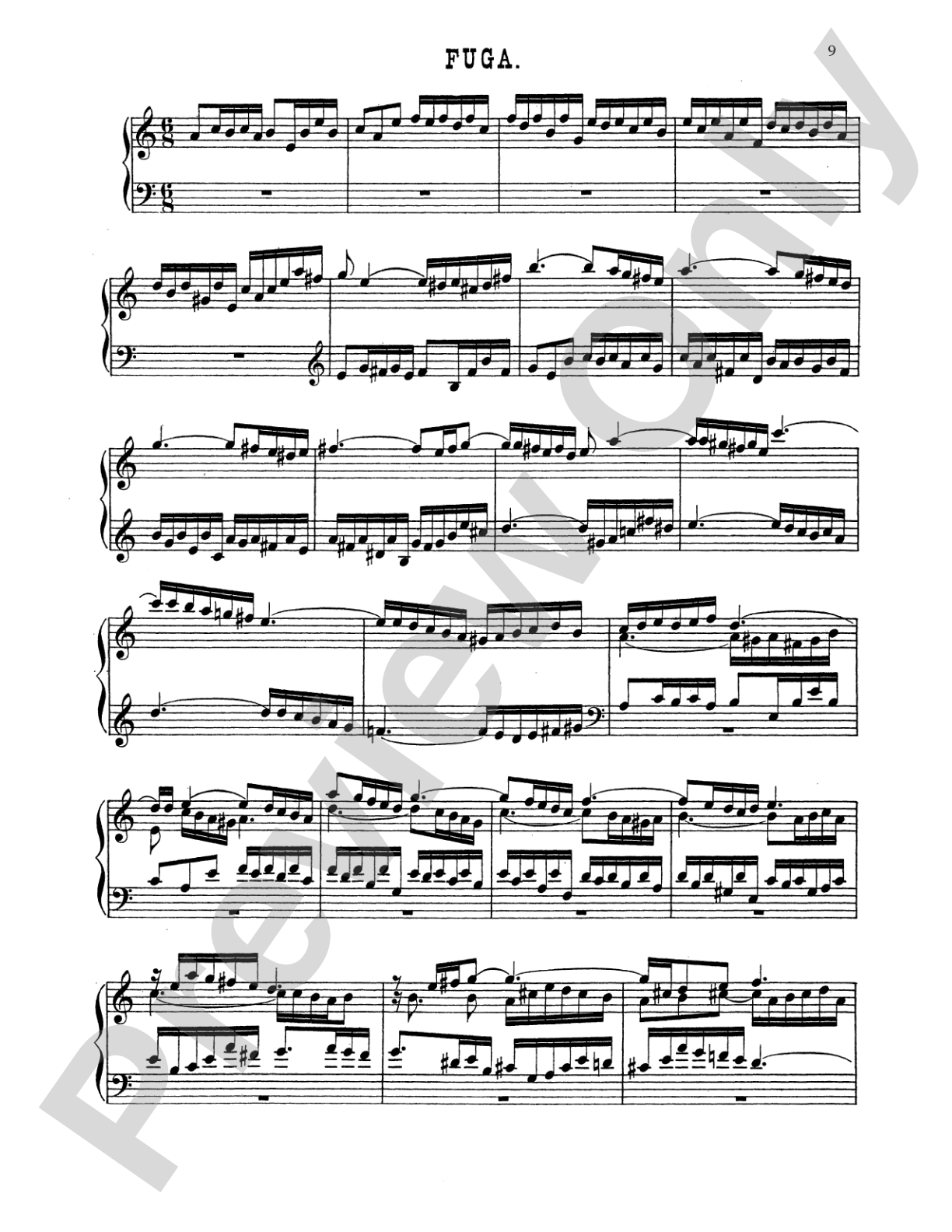
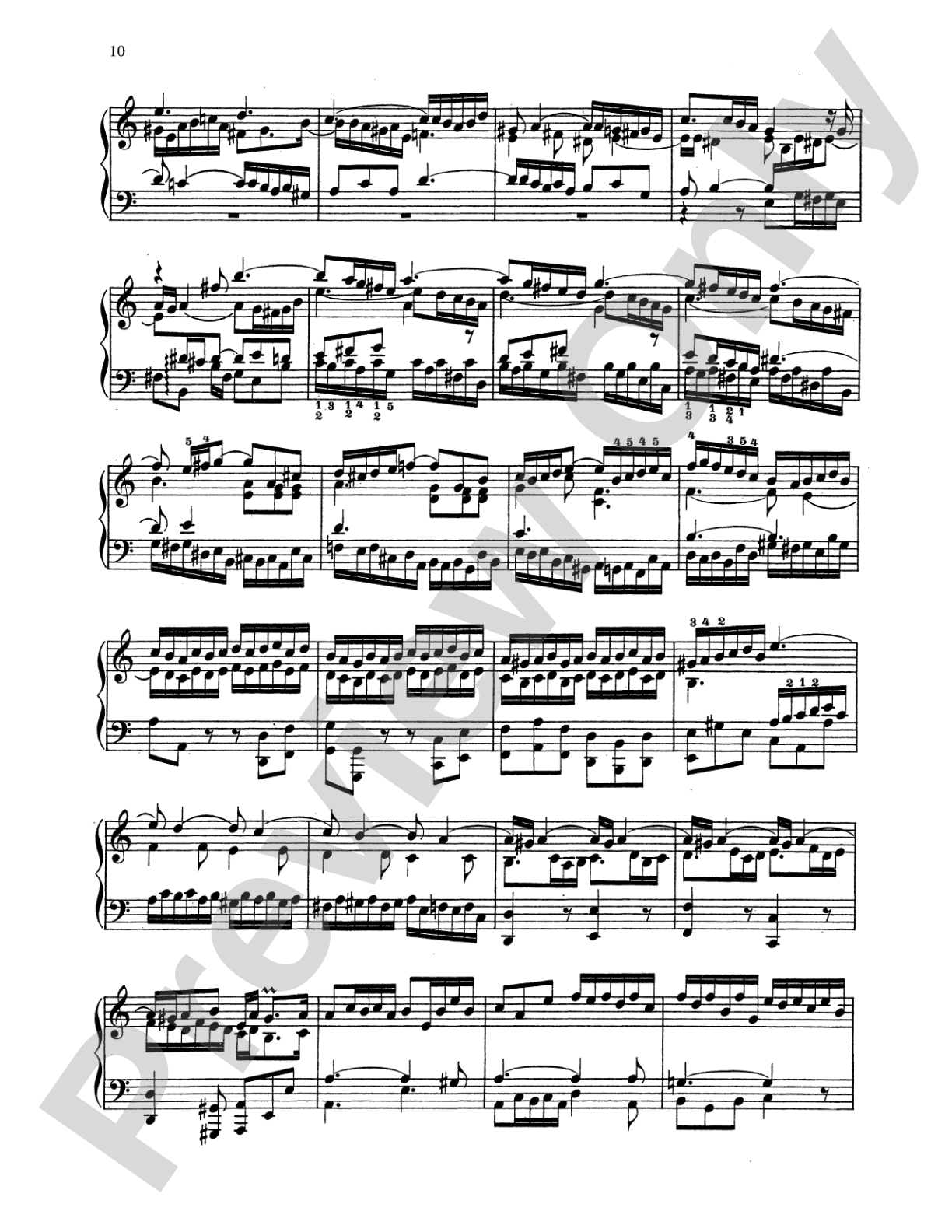
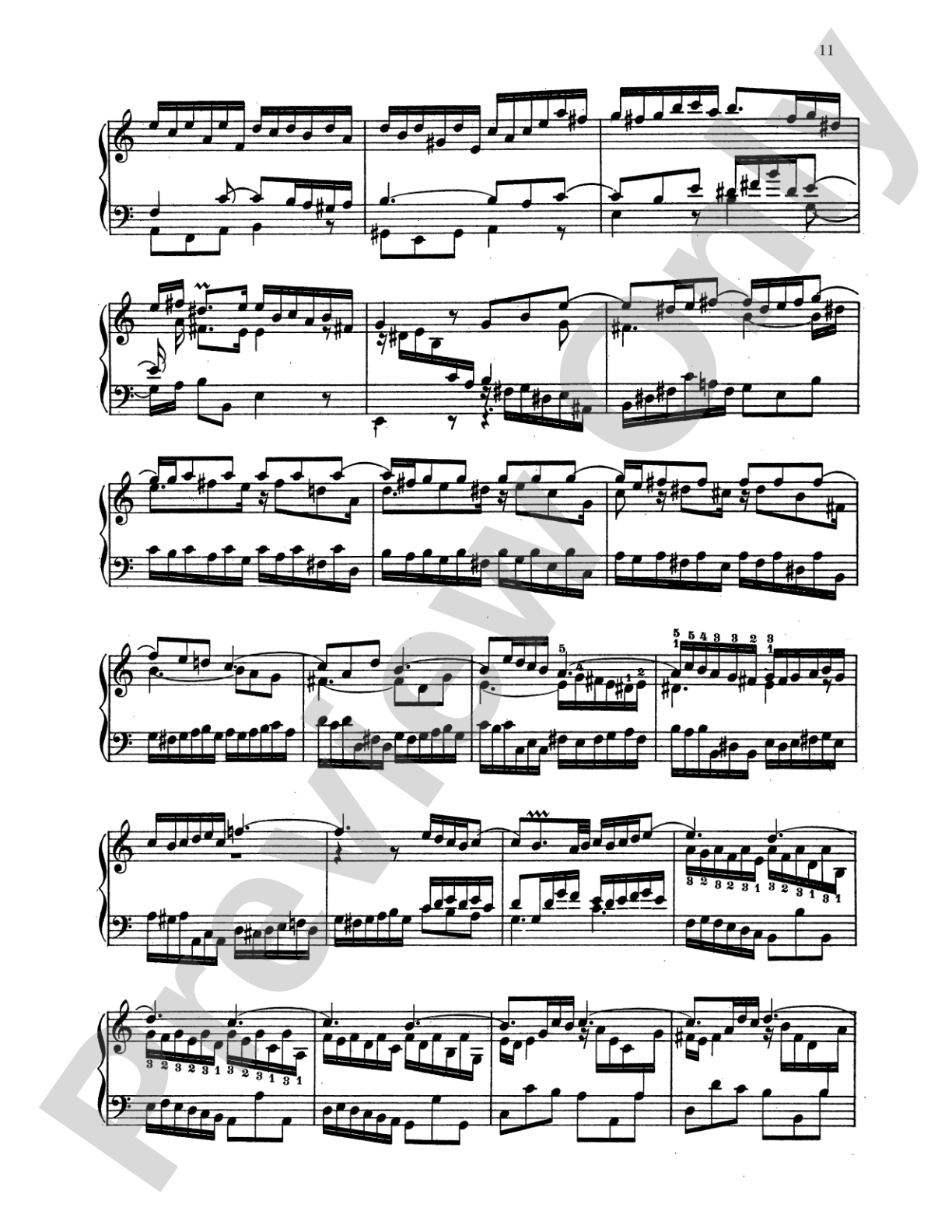
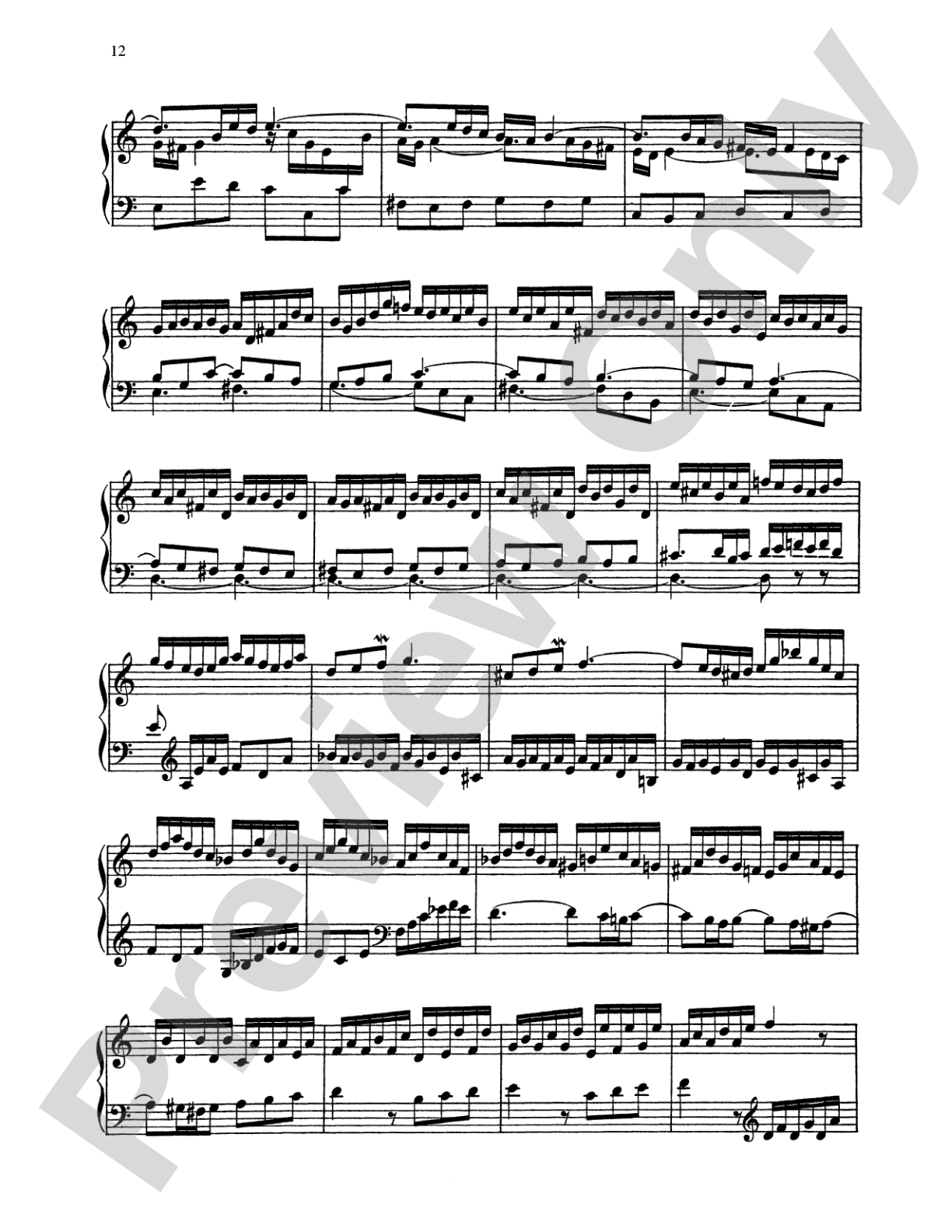
These preludes and fugues were originally composed for the organ, and Liszt transcribed them for piano solo. Included are two in C major, one in C minor, A minor, B minor, and E minor. The comb binding creates a lay-flat book that is perfect for study and performance.


Don't just read it, hear it, play along with it, and watch your students grow with it. In MakeMusic Cloud, Bach: Six Organ Preludes and Fugues (Arr. Franz Liszt): Piano Comb Bound Book comes alive with professional accompaniment, adjustable tempo, and built-in practice tools that turn solo practice into real progress.
Open in the Player
Jump straight in and assign it today.
Start Your Free Trial
Open this title and explore the full library in minutes.
Sample Audio
No sample audio found.
Sample Video
No sample videos found.
Additional Details
Series:
Kalmus Edition
Publisher:
Alfred Music
Page Count:
72
SKU:
00-PK-0002749
More about this title
About the Composer: Johann Sebastian Bach
Johann Sebastian Bach (1685, 1750) wrote the Six Organ Preludes and Fugues during his years at Weimar, a period of intense compositional activity that established him as a master of the fugue. These works sit at the heart of Baroque keyboard writing, combining improvisational prelude sections with rigorously constructed fugal forms that demonstrate Bach's command of counterpoint and architecture.
Franz Liszt's transcriptions of Bach's organ works for solo piano represent a major contribution to 19th-century pianistic literature. Rather than simple note-for-note transfers, Liszt reconceived these pieces for the piano's unique capabilities, distributing the original registration across the keyboard in ways that preserve Bach's compositional logic while creating new technical and interpretive challenges for pianists.
Why we love this
Liszt's transcriptions capture the intellectual and emotional weight of Bach's organ writing while revealing new possibilities on the piano. These arrangements demand serious musicianship and offer intermediate-to-advanced pianists an authentic pathway into Bach's contrapuntal language without requiring organ skills. The comb binding makes it genuinely practical for daily study and performance prep.
What to expect
Rigorous, meditative, and deeply architectural. These preludes move between moments of lyrical unfolding and dense contrapuntal texture, asking the performer to inhabit both improvisational freedom and mathematical precision within single pieces. The transition from prelude to fugue mirrors a spiritual or intellectual journey, from exploration into conviction.
Who it's for
Pianists working toward performance maturity will find these transcriptions essential. Advanced students preparing for competitions, auditions, or recital programs benefit from mastering Bach's logic in keyboard form. Teachers seeking canonical Baroque repertoire for serious students will value the direct connection to Bach's original compositional intent.
How to get the most out of it
- Approach each prelude's figuration as a study in voice independence. The piano must articulate multiple lines simultaneously, so practice hands separately until the counterpoint reads clearly in both registers.
- Shape the fugue subjects with the clarity they demand. These are Bach's central ideas, and they must emerge distinctly even when surrounded by other voices; use subtle dynamic emphasis rather than tempo manipulation.
- Honor the harmonic rhythm. Bach's harmonic language moves deliberately, and rushing through slower-moving sections flattens the architecture of the entire movement.
- Respect the original organ registration implied by key choice and texture. C major and C minor pieces often suggest full, bright stops, while the minor keys invite a more intimate, focused tone.
How to use it
Program these individually as recital centerpieces or in pairs to anchor a mixed program. Pairing a single prelude and fugue with Romantic-era works highlights the historical arc from Baroque counterpoint to 19th-century harmonic language. They also work as teaching pieces across multiple lesson cycles, allowing students to deepen their understanding of a single work over months of study.
Skills your students will build
- Reading and executing independent voice lines in both hands simultaneously
- Understanding fugal structure and subject development
- Balancing multiple competing musical lines at the same dynamic level
- Identifying and interpreting Baroque harmonic language and voice leading
- Coordinating complex rhythmic patterns across both hands
- Sustaining architectural clarity in lengthy, structurally dense forms