

Bach: Seven Toccatas
By Johann Sebastian Bach / ed. Hans Bischoff
Item: 00-PK-0002882

$12.99
Pickup currently not available
Buy Extra Parts (Digital PDF Download)
| Product | Price | Quantity |
|---|---|---|
| Bach: Seven Toccatas | $0.99 | |
| Bach: Seven Toccatas | $0.99 | |
| Bach: Seven Toccatas | $0.99 | |
| Bach: Seven Toccatas | $0.99 | |
| Bach: Seven Toccatas | $0.99 | |
| Bach: Seven Toccatas | $0.99 | |
| Bach: Seven Toccatas | $0.99 |
Parts Added to Cart!
Description
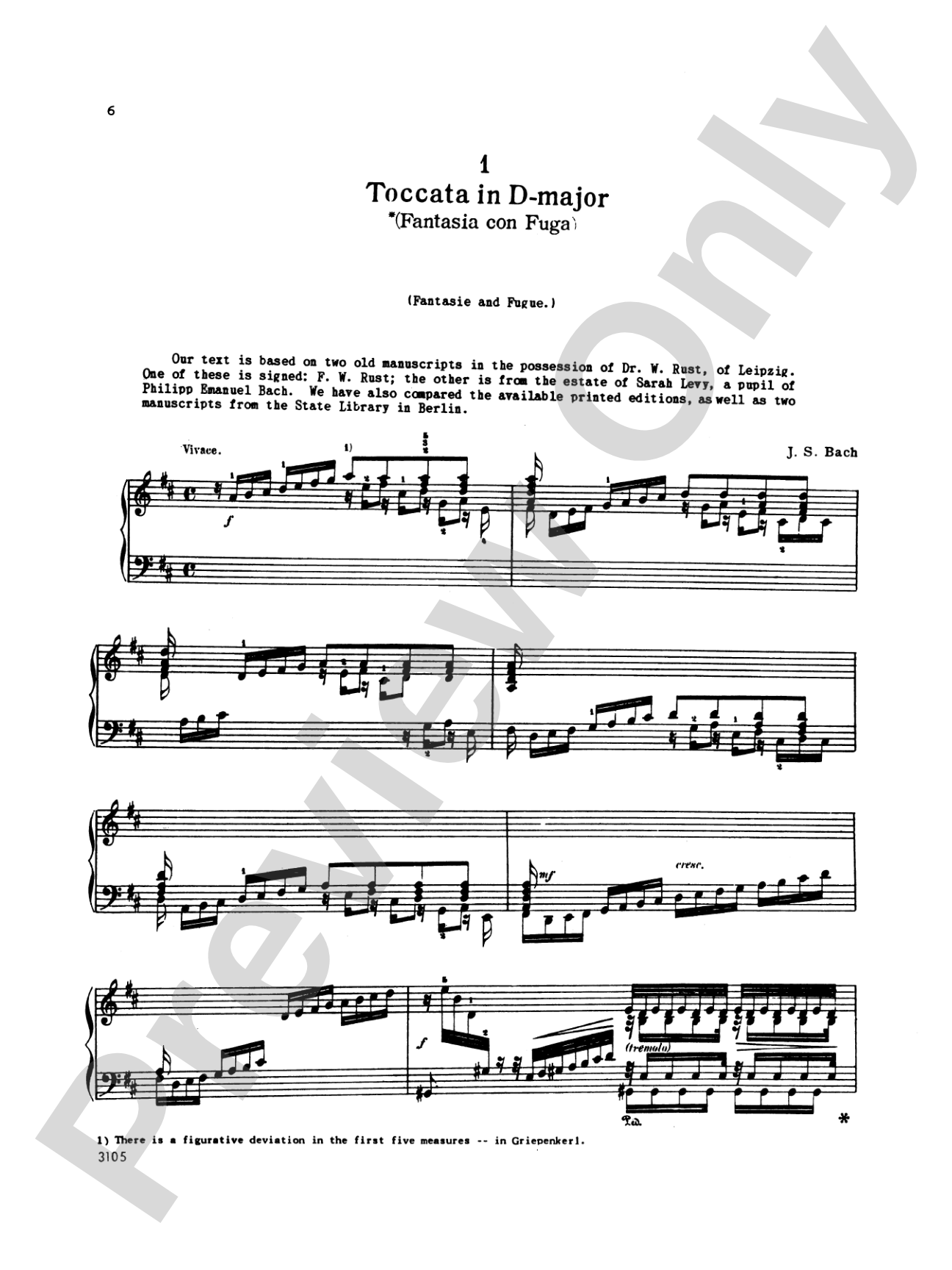
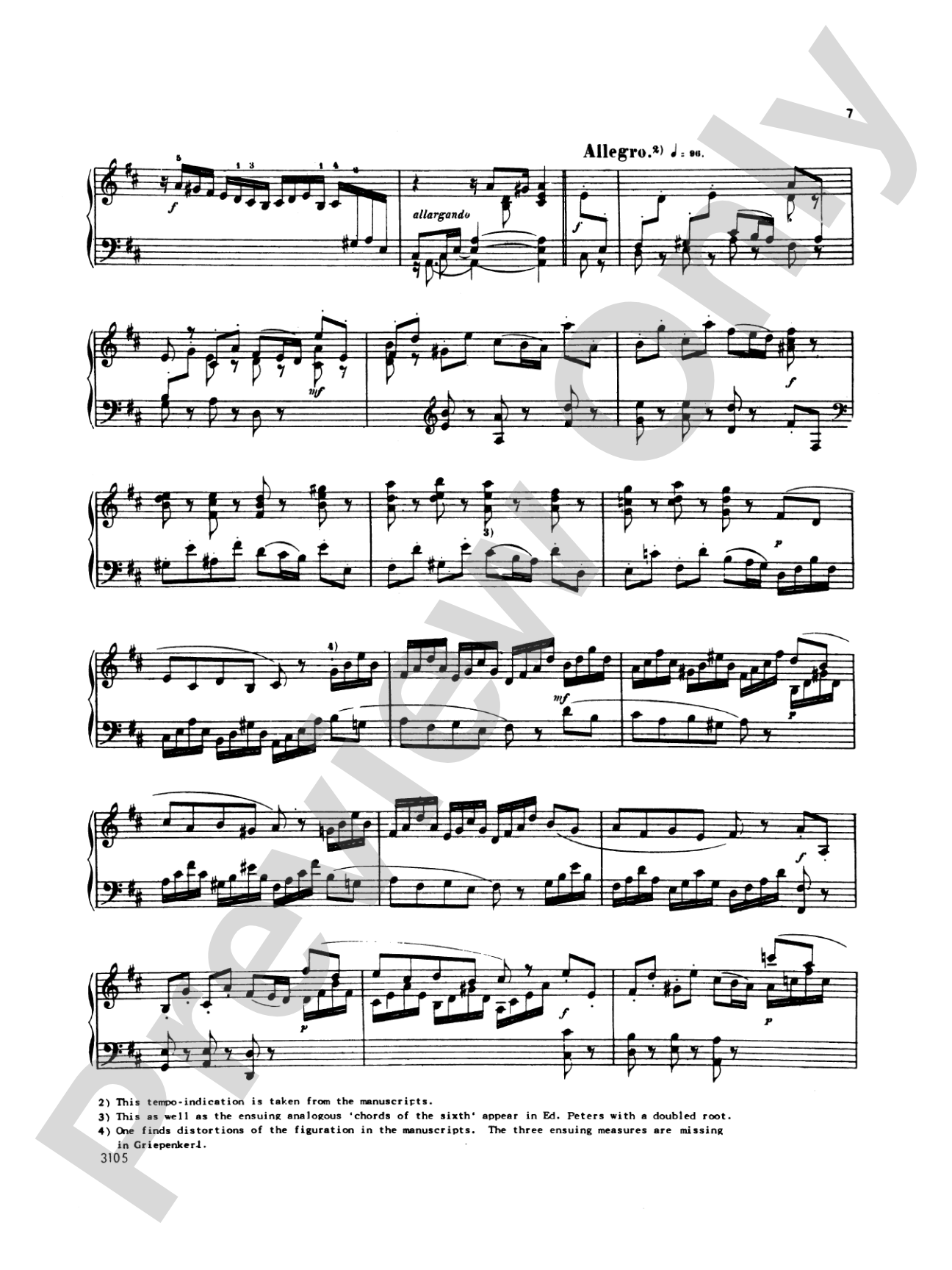
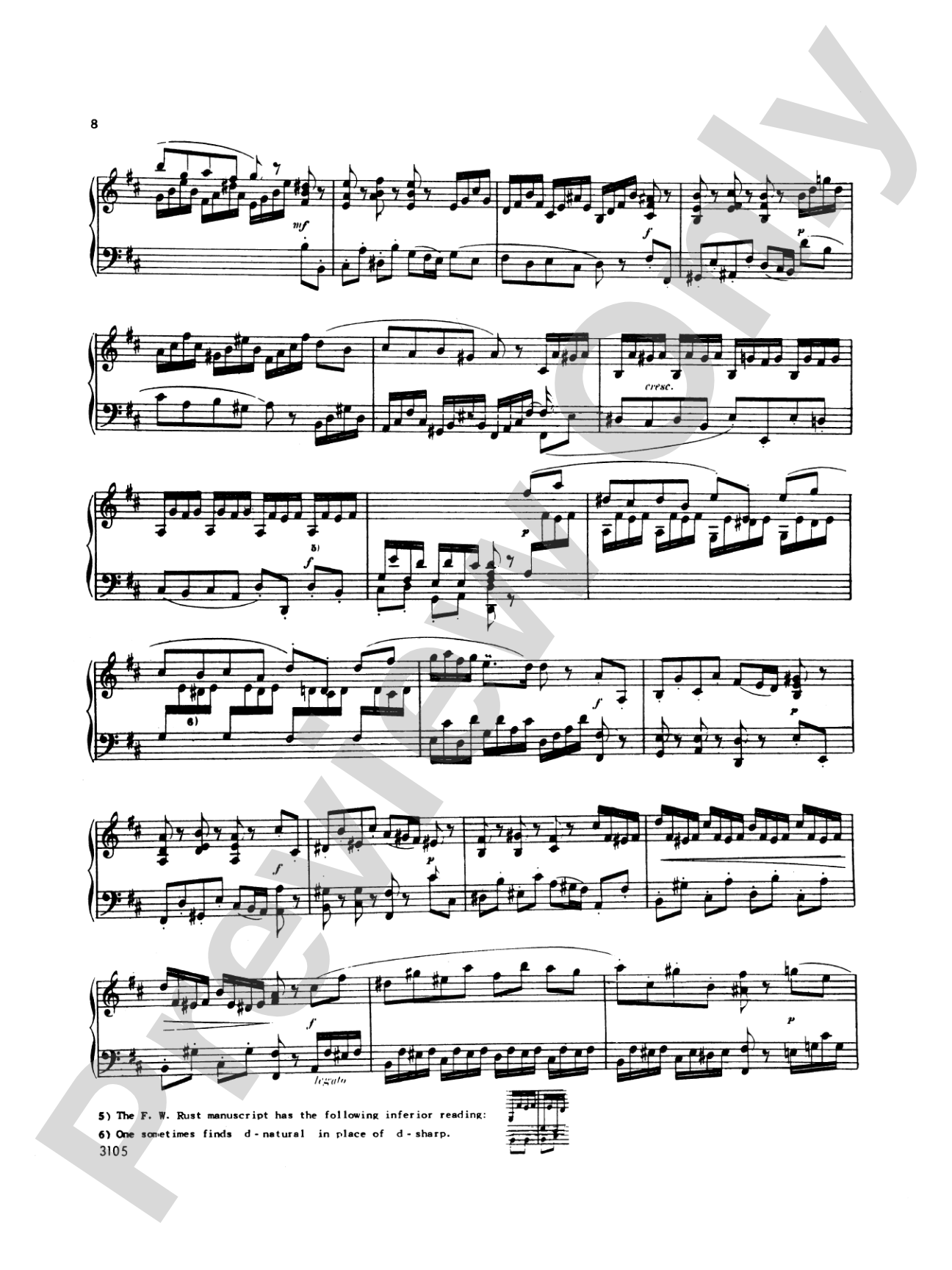
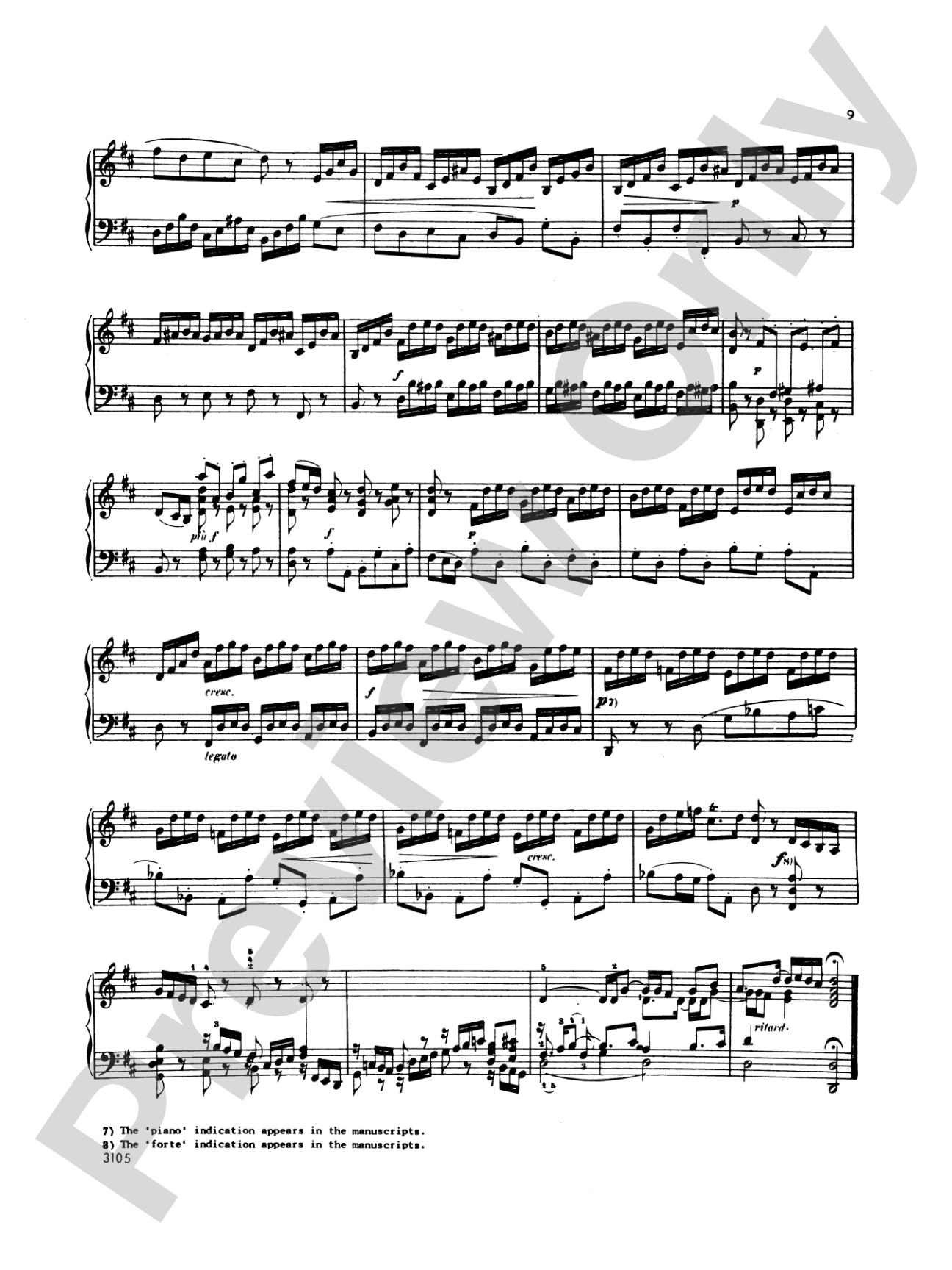
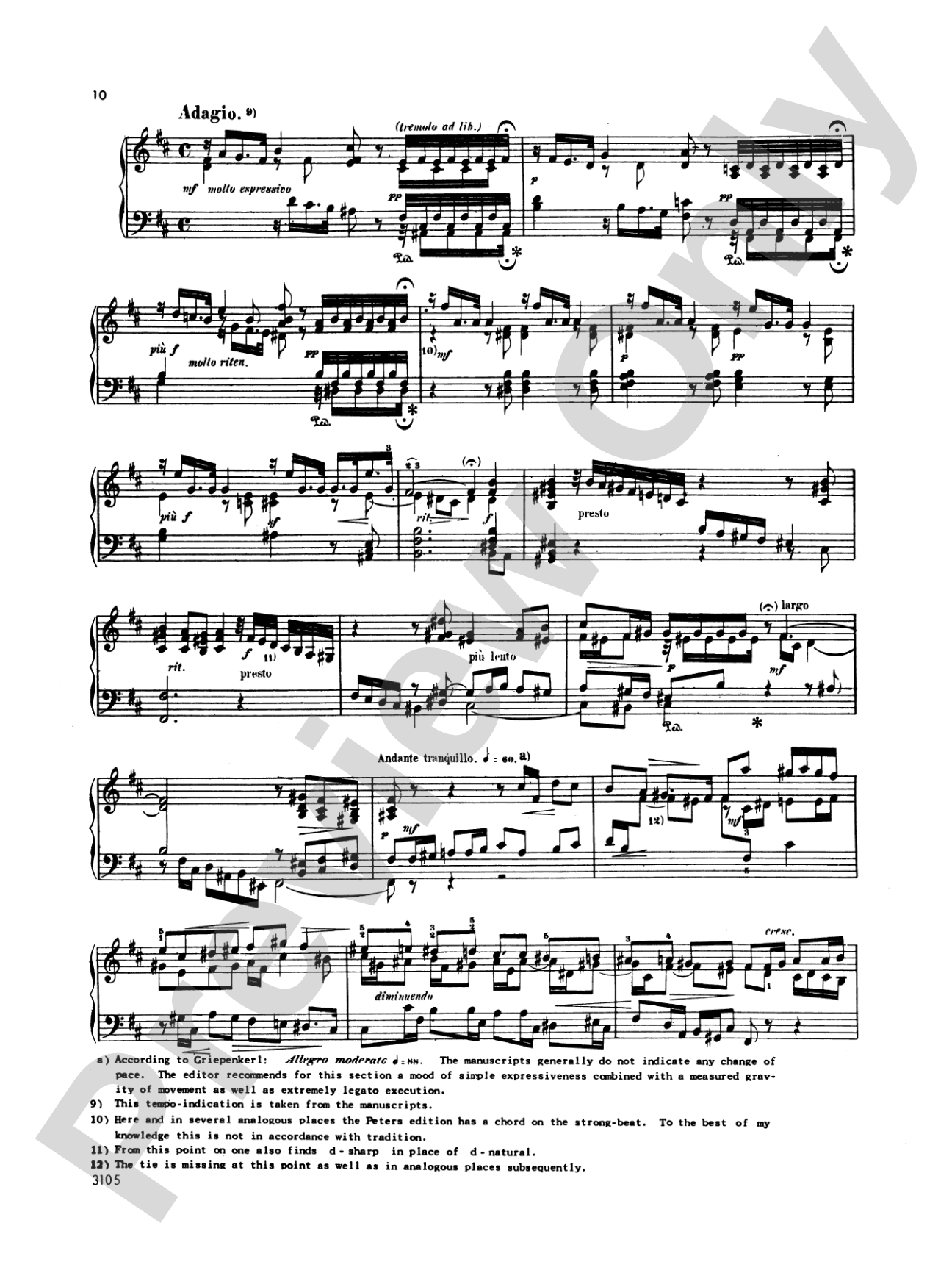
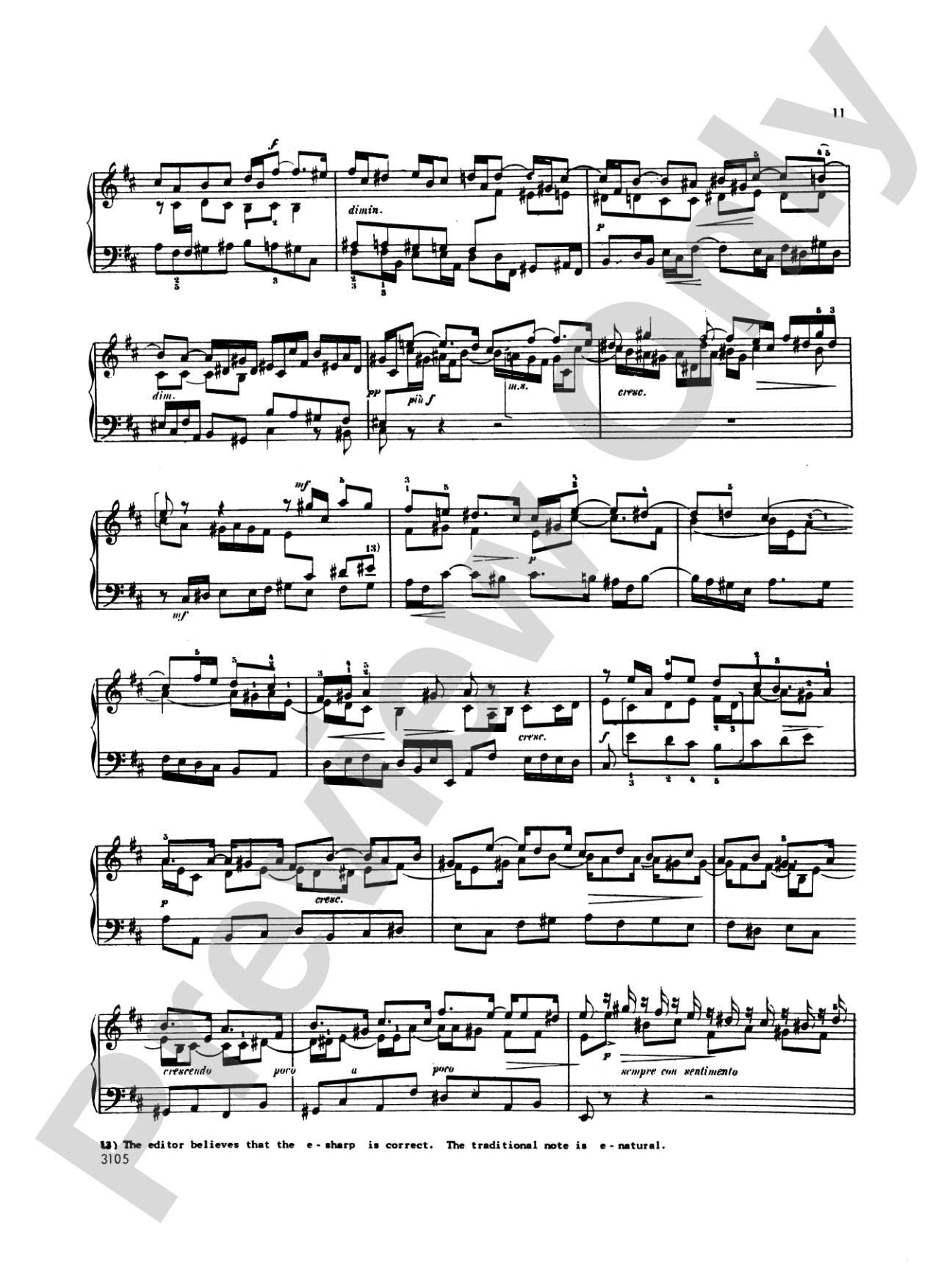
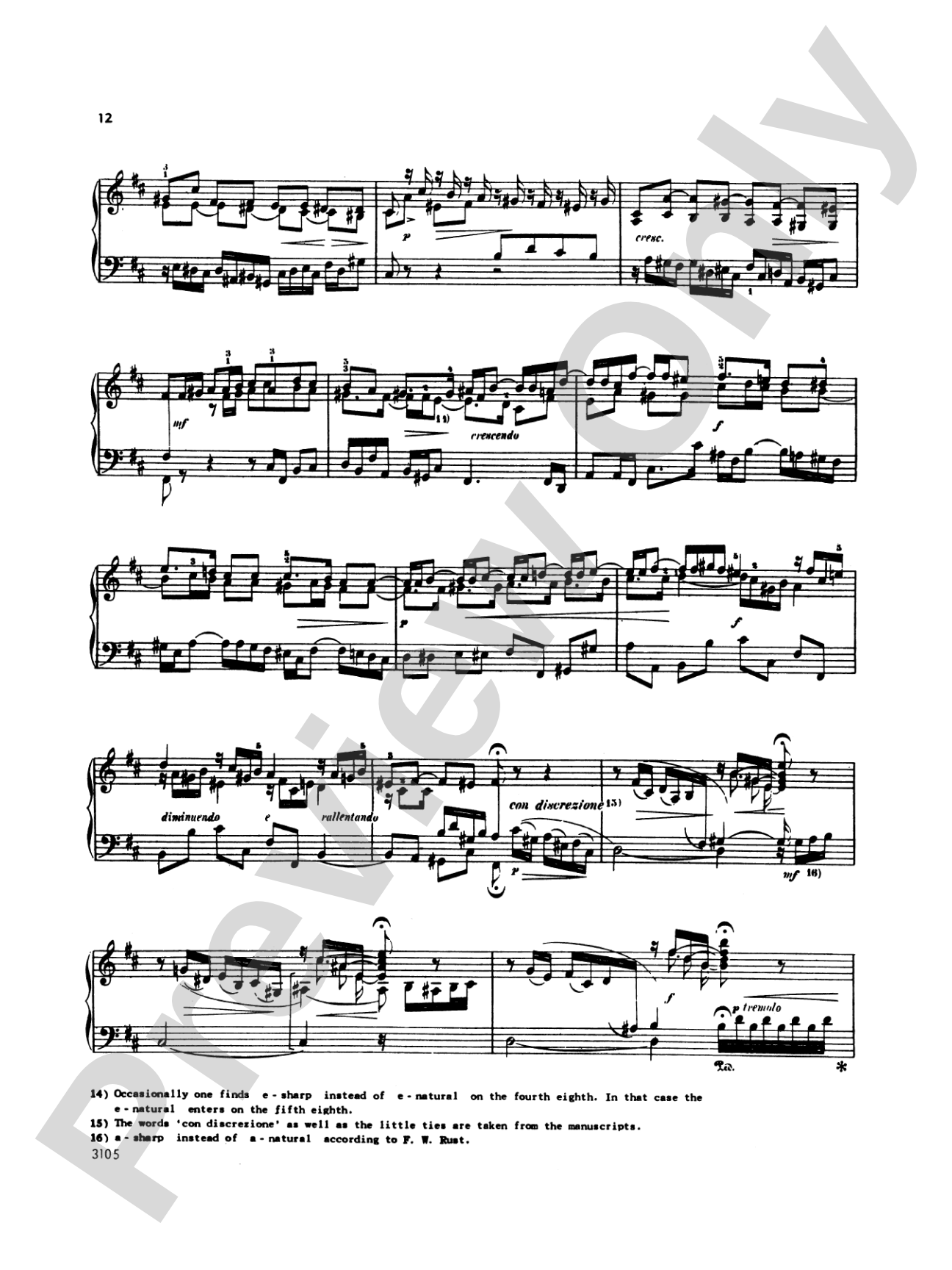
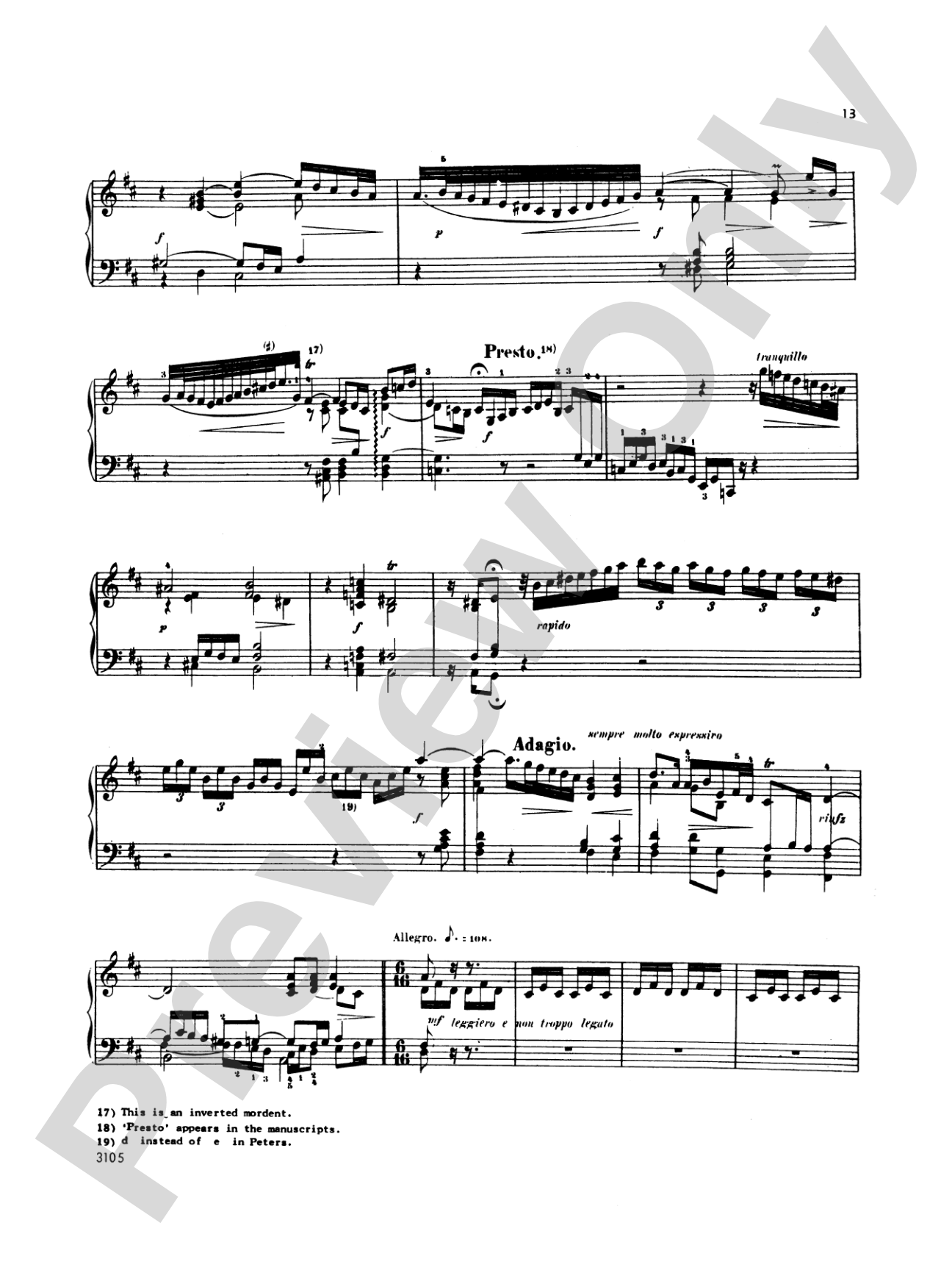
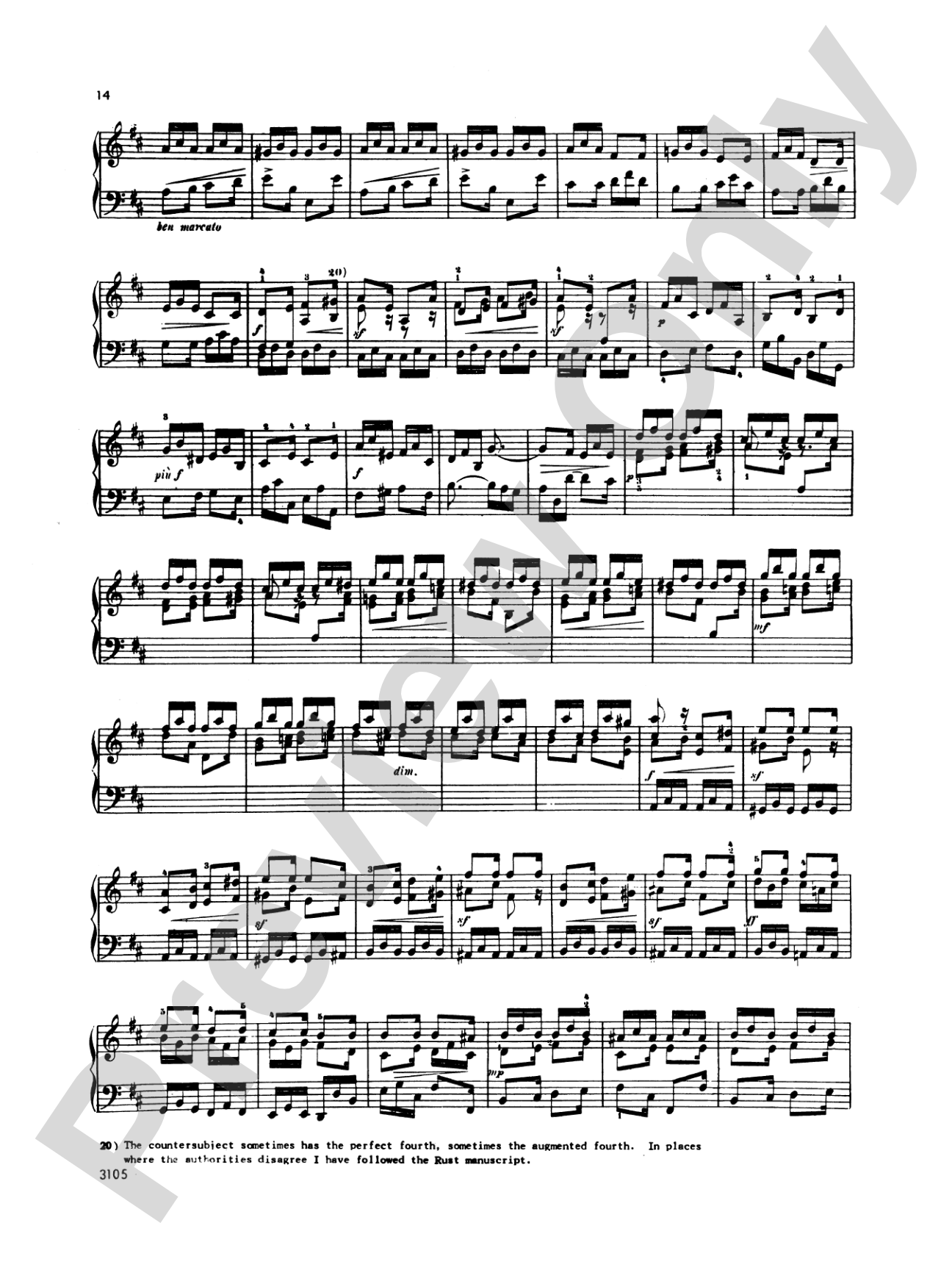
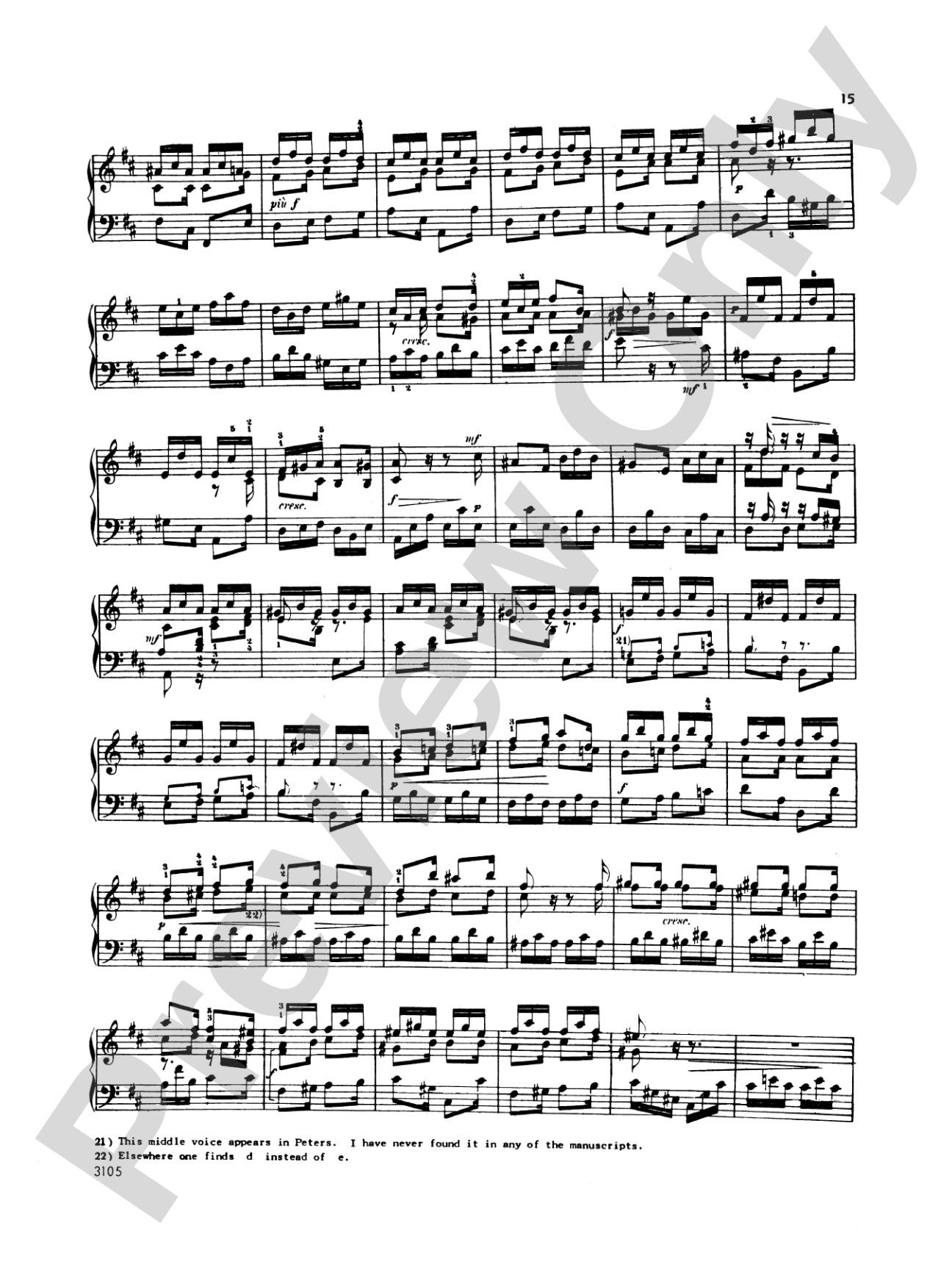
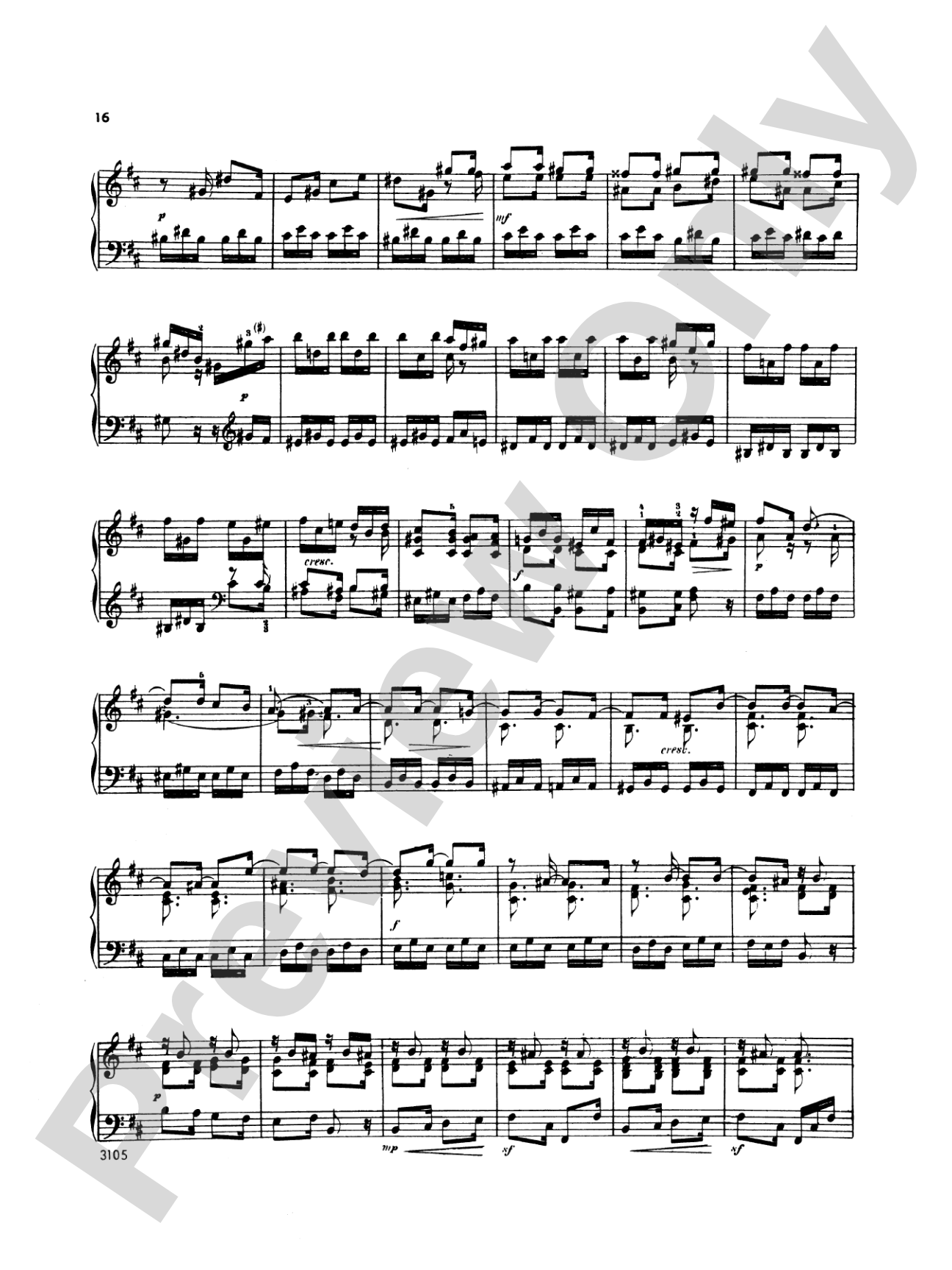
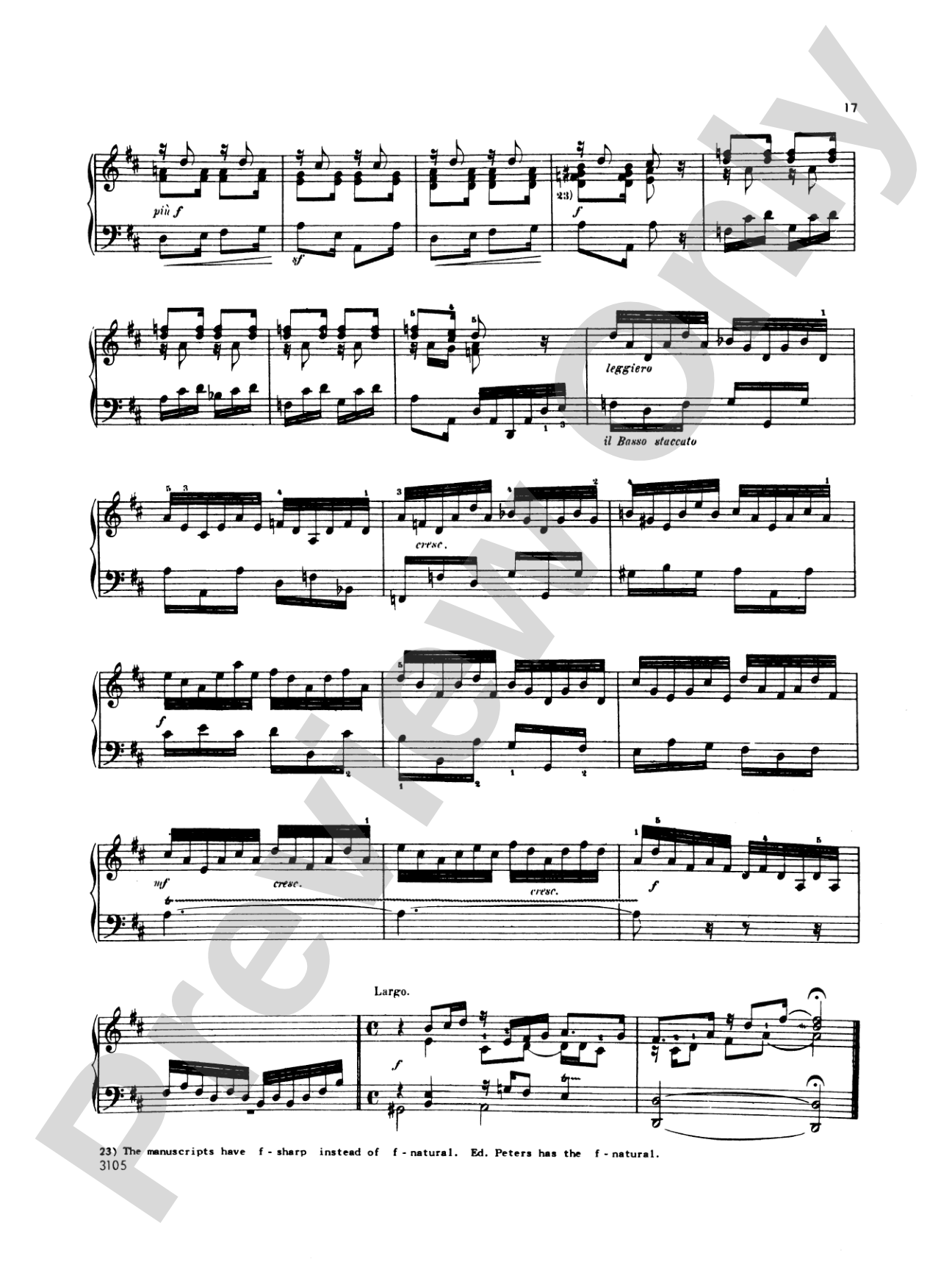
This volume presents the edition of Dr. Hans Bischoff of Bach's early keyboard Toccatas, BWV 910-916. These works include explorations of keyboard touch and style that usually include an introductory fantasie, an adagio movement, and one or more fugues. Dr. Bischoff includes footnotes, performance suggestions and explanations of his manuscript sources. Contains: Toccata in C-Minor * Toccata in D-Major * Toccata in D-Minor * Toccata in E-Minor * Toccata in F-sharp Minor * Toccata in G-Major * Toccata in G-Minor.


Don't just read it, hear it, play along with it, and watch your students grow with it. In MakeMusic Cloud, Bach: Seven Toccatas comes alive with professional accompaniment, adjustable tempo, and built-in practice tools that turn solo practice into real progress.
Open in the Player
Jump straight in and assign it today.
Start Your Free Trial
Open this title and explore the full library in minutes.
Sample Audio
No sample audio found.
Sample Video
No sample videos found.
Additional Details
Series:
Kalmus Edition
Publisher:
Alfred Music
Page Count:
72
SKU:
00-PK-0002882
More about this title
About the Composer: Johann Sebastian Bach
Johann Sebastian Bach (1685-1750) stands as the architectural foundation of Western keyboard music. His systematic exploration of compositional technique—from counterpoint to harmonic language—shaped everything that followed, and his keyboard works remain the standard against which pianists measure their technical and musical maturity. Bach's toccatas occupy a crucial place in this legacy, written during his years in Weimar and Cöthen when he was actively expanding the expressive possibilities of the keyboard.
Why we love this
The Bischoff edition grounds these early toccatas in scholarly rigor while remaining genuinely playable for advanced pianists. Footnotes and performance suggestions demystify Bach's keyboard writing without over-editing the score, and the seven works span enough tonal variety to anchor a recital or serve as touchstones in a Bach study. These pieces demand serious technical work but reward it with music of genuine virtuosity and character.
What to expect
Bach's toccatas pulse with keyboard ambition: sudden shifts from rhetorical flourish to strict fugal architecture, moments of harmonic boldness that still surprise, and technical passages designed to test control and independence of hand. The music feels like thinking at the keyboard, moving restlessly between different compositional modes and emotional territories.
Who it's for
Advanced pianists preparing recital repertoire or studying Bach's keyboard output in depth will find these toccatas essential. Teachers working with upper-level students who have the technical foundation to tackle genuine Baroque keyboard writing will appreciate the scholarly apparatus and the range of musical problems each toccata presents.
How to get the most out of it
- Treat the fantasie openings as improvisatory; resist the urge to metronomize passages that call for rhetorical freedom and keyboard exploration.
- In the fugal sections, keep independent lines singing even at moderate tempos; clarity of counterpoint matters more than speed.
- Use the adagio movements to establish a sense of harmonic pacing; these slow sections anchor the larger architecture and shouldn't feel like interruptions.
- Consult Bischoff's footnotes about manuscript sources before finalizing your interpretation, as his observations about alternate readings and editorial choices will inform your approach to ornamentation and figuration.
How to use it
These toccatas work well as individual recital pieces or grouped thematically by key. Pair a single toccata with other Baroque keyboard works to explore different national styles, or use them as the spine of a program focused on keyboard technique across centuries. They also serve as valuable reference points in upper-level piano curricula when teaching counterpoint and structural design.
Skills your students will build
- Independence of both hands in fugal writing and rapid passagework
- Baroque ornamentation and articulation on the modern piano
- Harmonic language and voice-leading in tonal counterpoint
- Navigation of manuscript notation and editorial decision-making
- Stylistic distinction between fantasie, adagio, and fugal movements