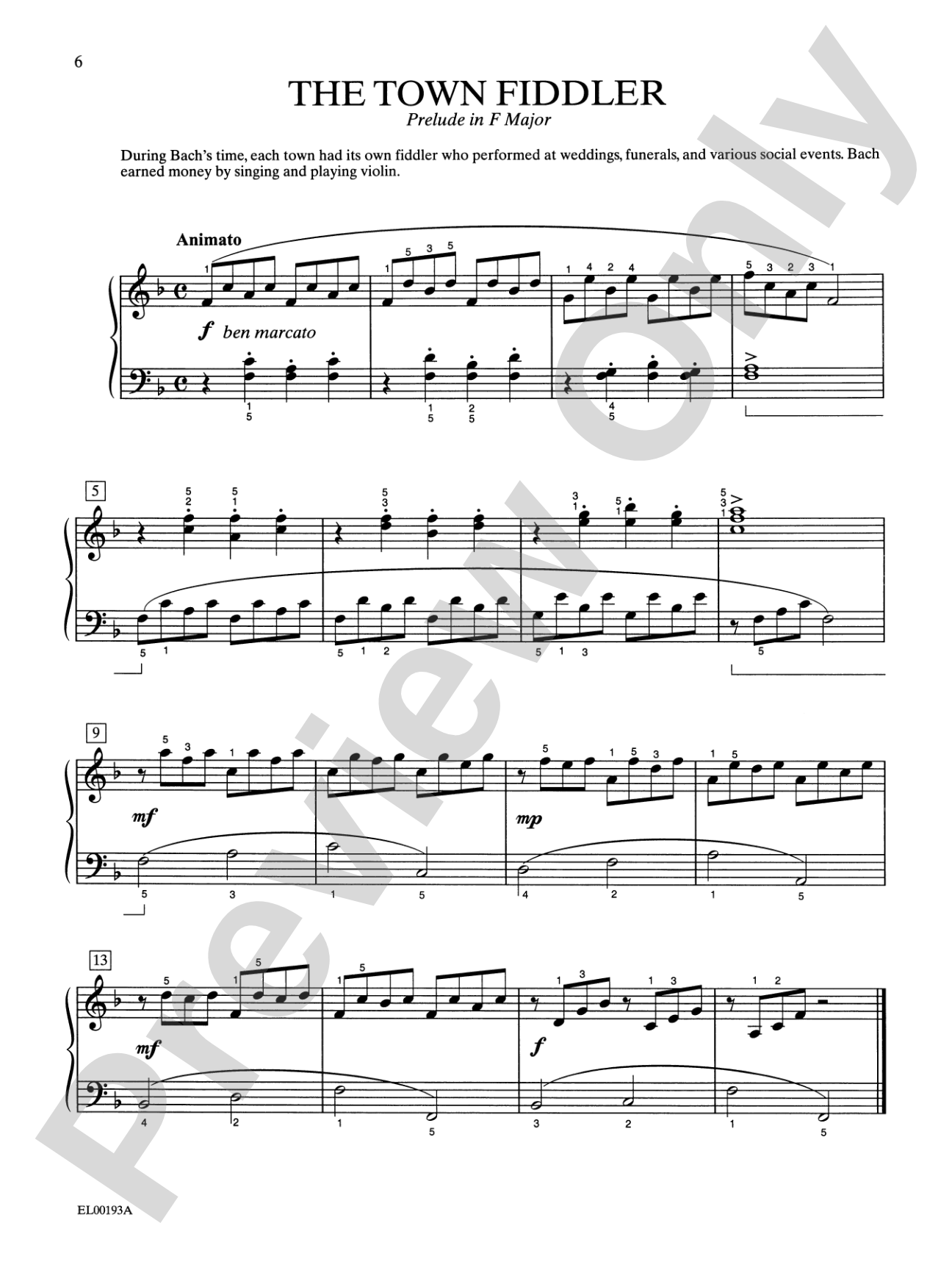
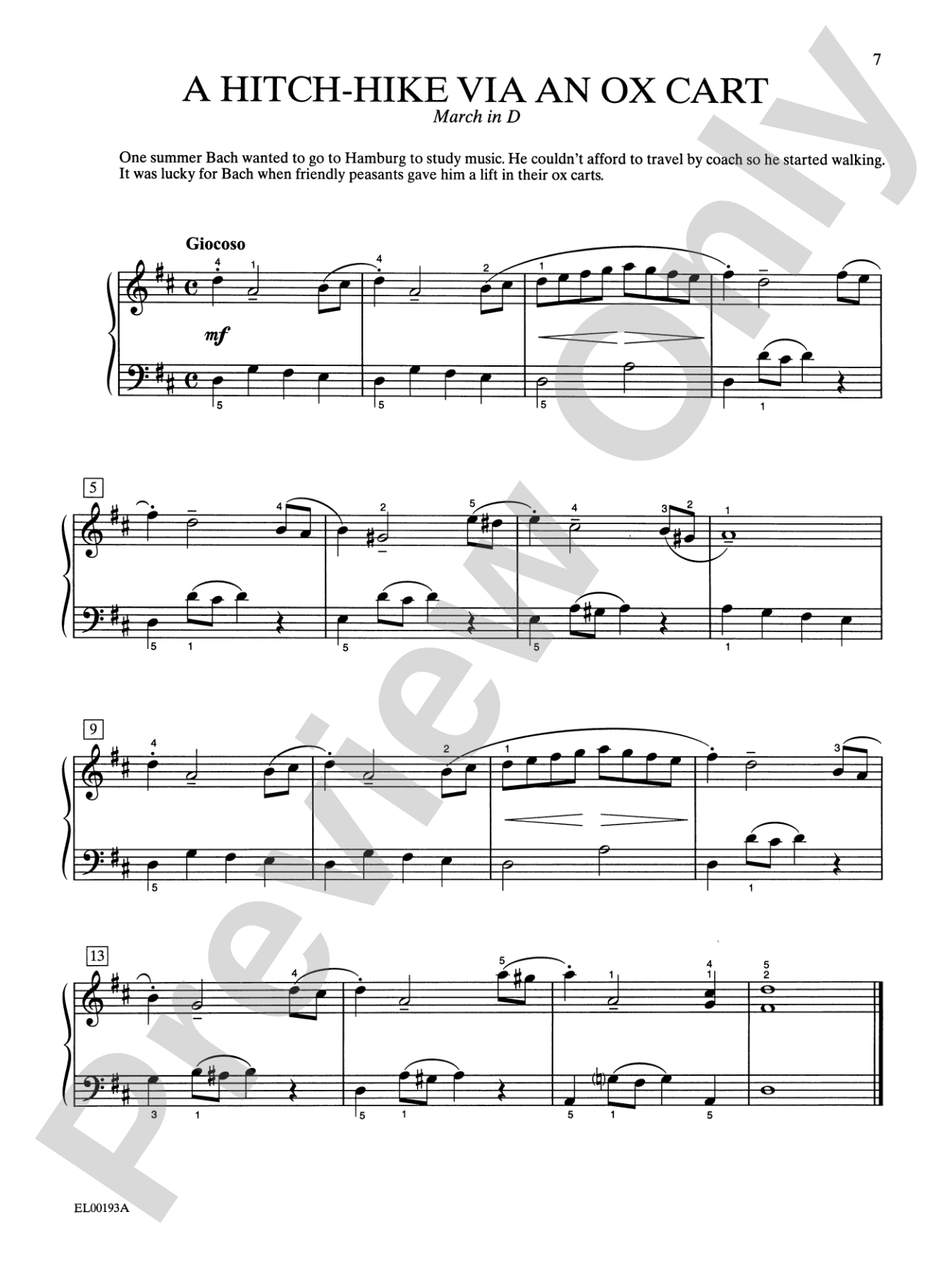
Bach-Schaum, Book One: Based on Events and Episodes of Bach's Life Sheet Music Preview

Bach-Schaum, Book One: Based on Events and Episodes of Bach's Life: Piano

Based on Events and Episodes of Bach's Life

By Johann Sebastian Bach / arr. John W. Schaum

Item: 00-PB-0001889

Digital Download
$6.95
Description
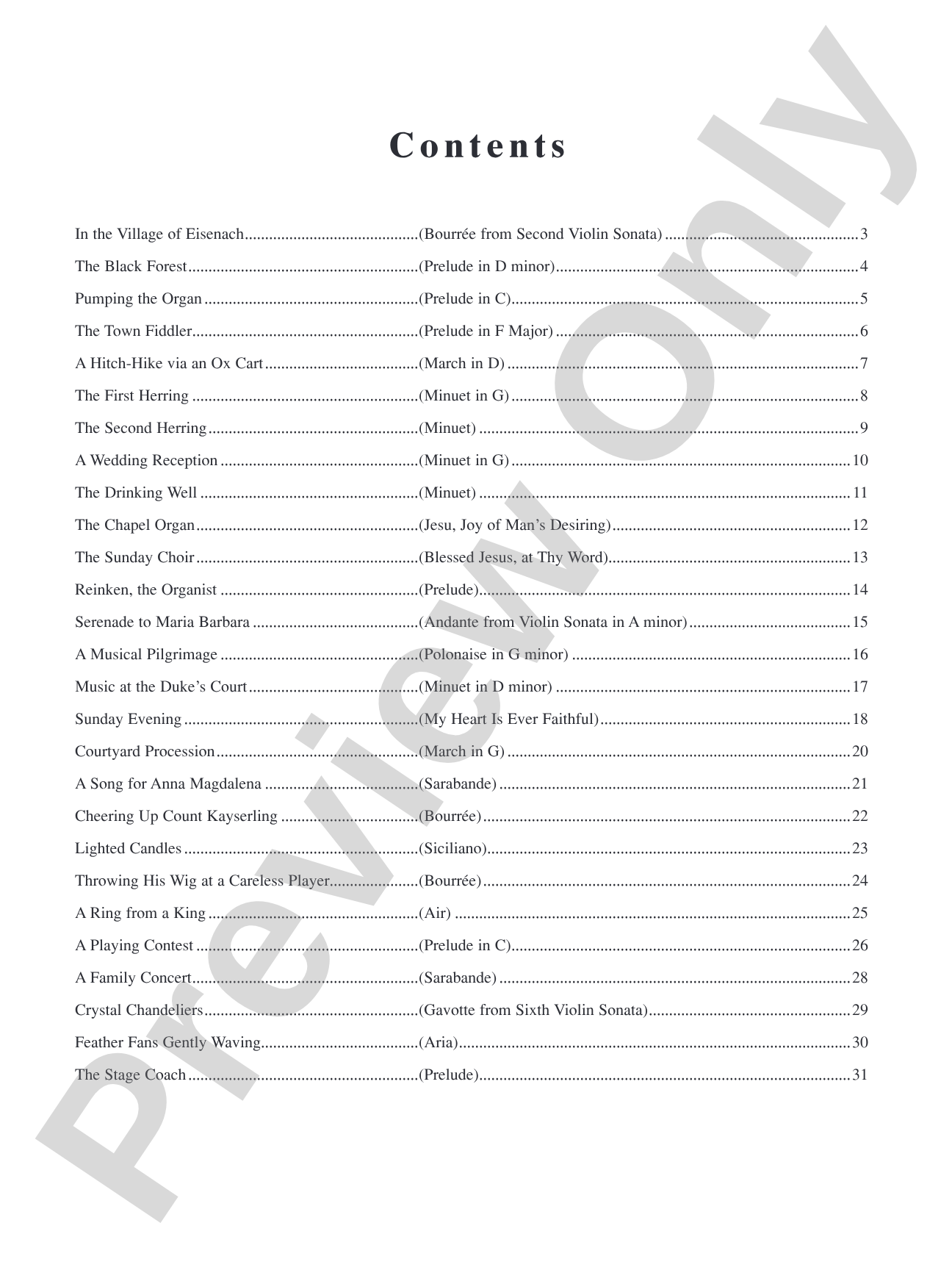
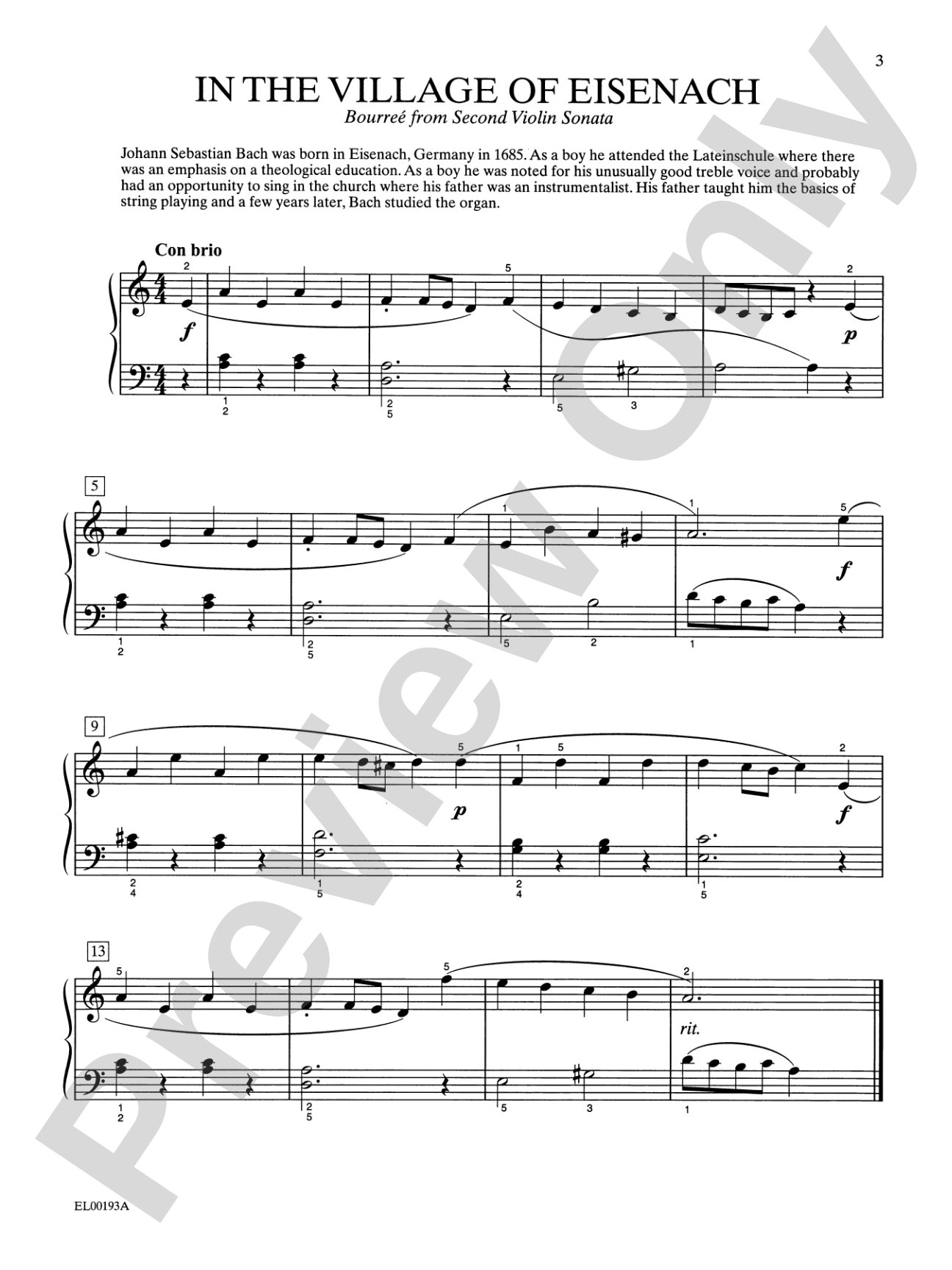
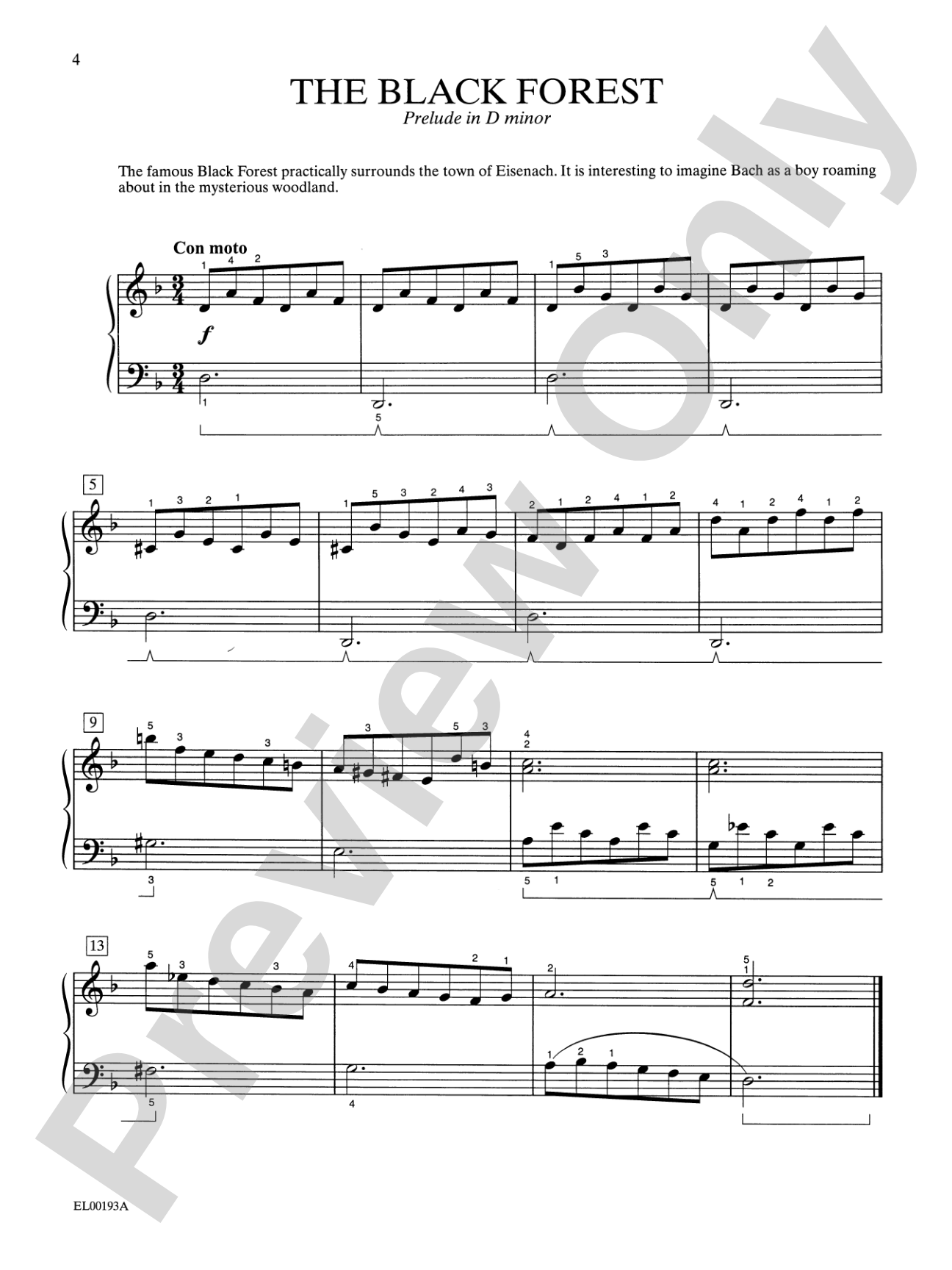
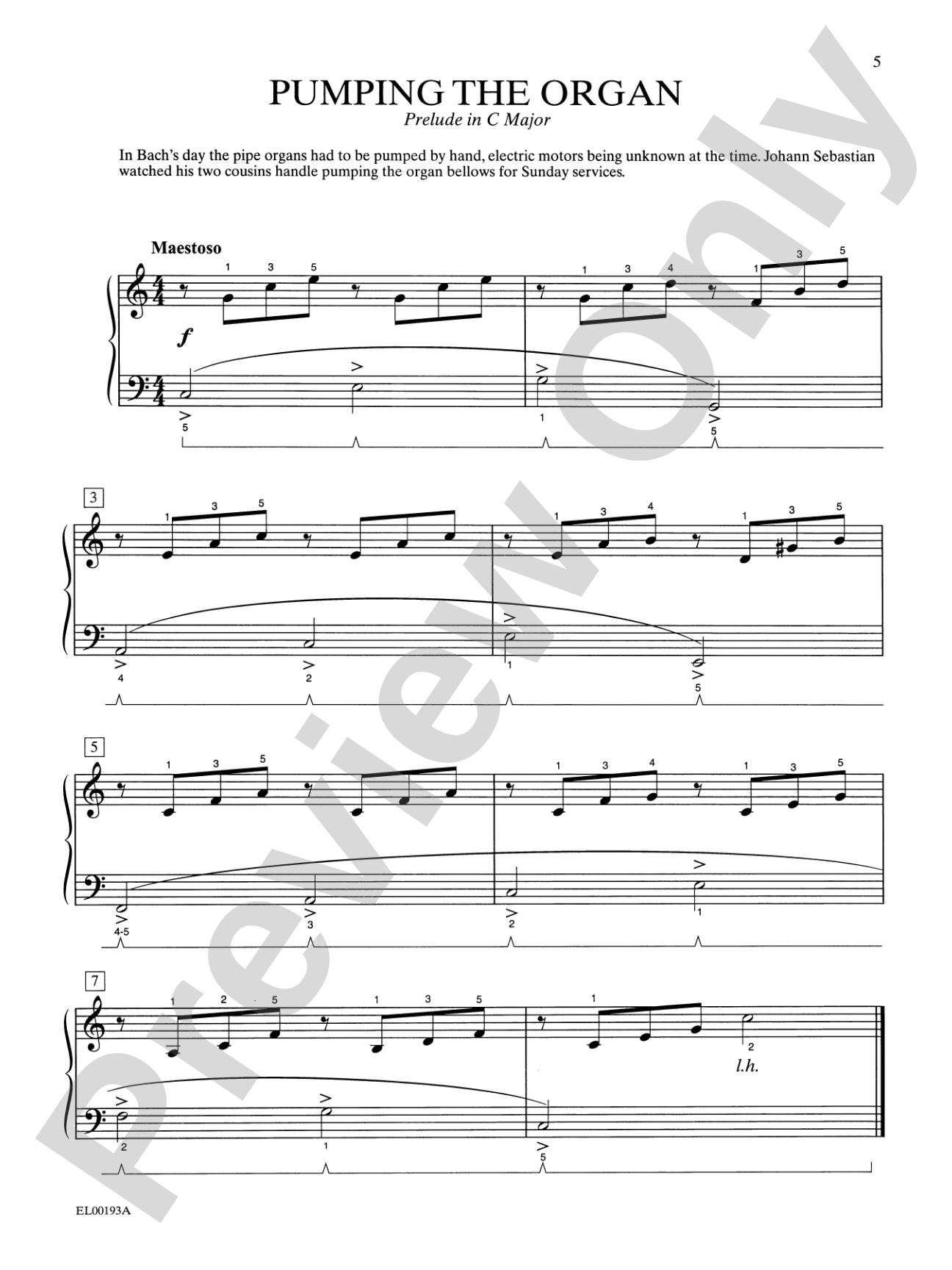
Based on Events and Episodes in the life of Johann Sebastian Bach, this Late Elementary piano collection may be used as supplementary literature with any piano method. Many of Bach's pieces were named as Preludes, Sarabandes, Minuets, Arias, and other titles relating to the form of the composition. Mr. Schaum has chosen titles from authentic episodes in Bach's life and applied them to his music. The appropriate captions add color and life to the music, the biographical sketches add musical appreciation, and Mr. Schaum's arrangements make teaching easier.

Bach-Schaum, Book One: Based on Events and Episodes of Bach's Life: Piano isn't in MakeMusic Cloud just yet...but it could be. Let us know you'd like to see it, and you'll help shape what comes next. In the meantime, start a free trial and dive into thousands of interactive titles your students can play along with today.

Sample Audio
No sample audio found.
Sample Video
Additional Details
Series: Schaum Master Composer Series
Publisher: Alfred Music
Page Count: 32
SKU: 00-PB-0001889

More about this title

About the Composer: Johann Sebastian Bach

Johann Sebastian Bach (1685-1750) stands as one of music history's most prolific and technically sophisticated composers. His vast output spans sacred and secular works across nearly every Baroque genre, from the Well-Tempered Clavier to the Brandenburg Concertos, all written during his roles as court musician, cantor, and church composer across Germany. For piano students, Bach's music offers an unmatched education in counterpoint, voice leading, and structural clarity; his compositions train the ear and hands in ways few other composers can match.

Why we love this

Schaum's biographical framing transforms Bach from a distant historical figure into a person whose life shaped his music. Students grasp Bach's genius more deeply when they understand the events behind each piece, and the Late Elementary arrangements make authentic Baroque keyboard writing accessible without sacrificing its essential character.

What to expect

These arrangements preserve the craftsmanship and elegance of Bach's original writing while meeting students where they are technically. The music unfolds with clarity and purpose, balancing the intellectual satisfaction of counterpoint with the emotional resonance that comes from understanding Bach's own circumstances.

Who it's for

Late elementary pianists ready to engage with genuine Baroque repertoire and teachers seeking supplementary material that bridges method books and Bach's original keyboard works. Students who respond well to historical context and narrative will find these pieces particularly rewarding.

How to get the most out of it

  • Attend to the narrative captions before each piece; they function as interpretive guides and help students connect musical gestures to lived experience.
  • Balance the voices evenly, especially in two-part writing, so that both melodic and harmonic lines remain audible.
  • Maintain steady, unhurried tempos through the Sarabandes and Minuets; these formal dances demand poise rather than virtuosity.
  • Use the biographical sketches as teaching points to discuss Baroque style, form, and the relationship between Bach's works and his era.

How to use it

Introduce individual pieces throughout the year as supplementary repertoire alongside method book lessons, or program a short recital sequence featuring several selections to showcase students' growth in Baroque style. The collection also works well as a bridge unit when transitioning students from elementary method books toward exploring the Prelude and Fugue literature.

Skills your students will build

  • Two-part voice independence and balance
  • Baroque phrasing and articulation in keyboard writing
  • Recognition of Baroque forms: Prelude, Sarabande, Minuet, Aria
  • Steady rhythm and tempo control in dance forms
  • Understanding of historical context as interpretive tool

You May Also Like