

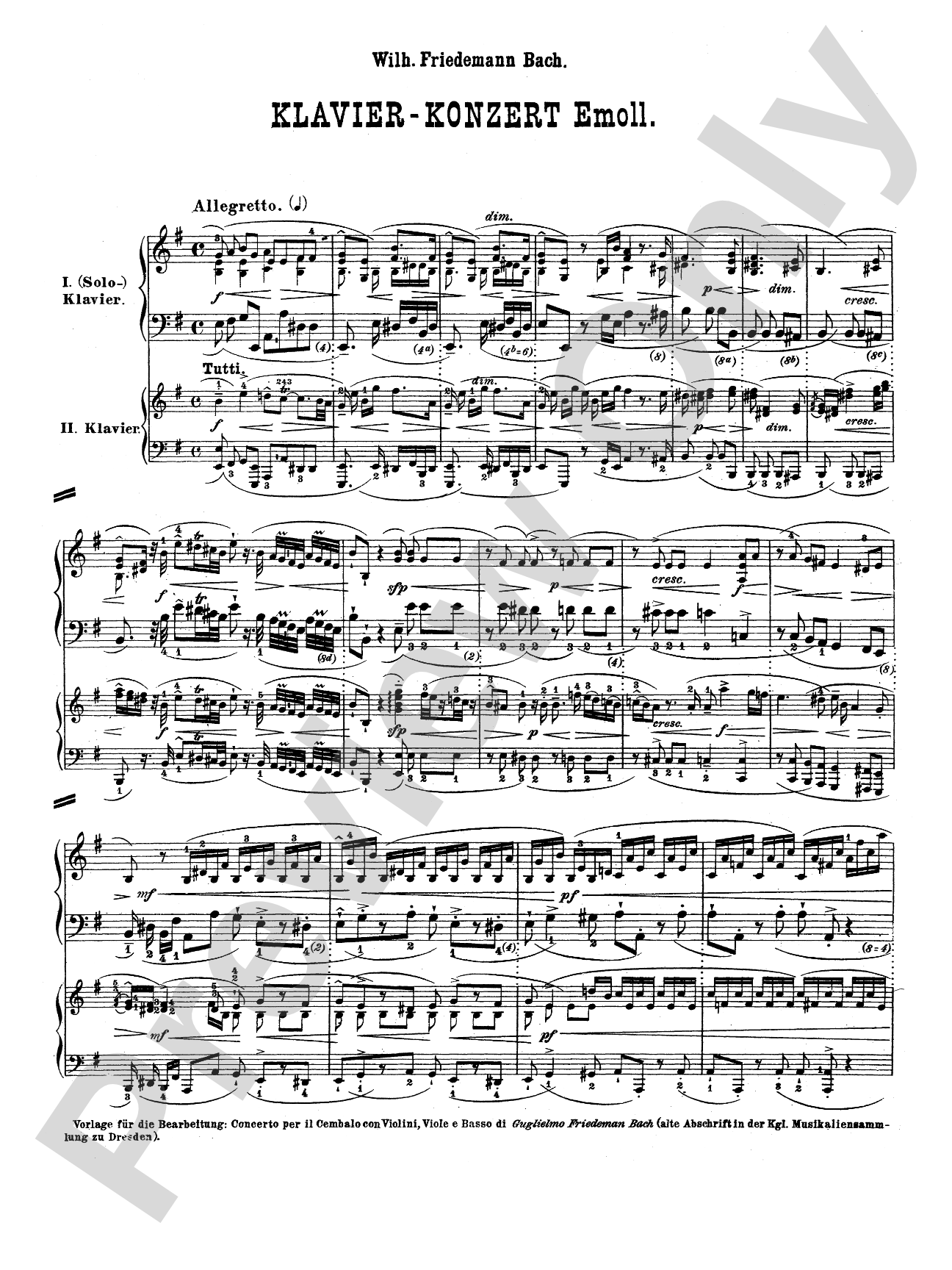
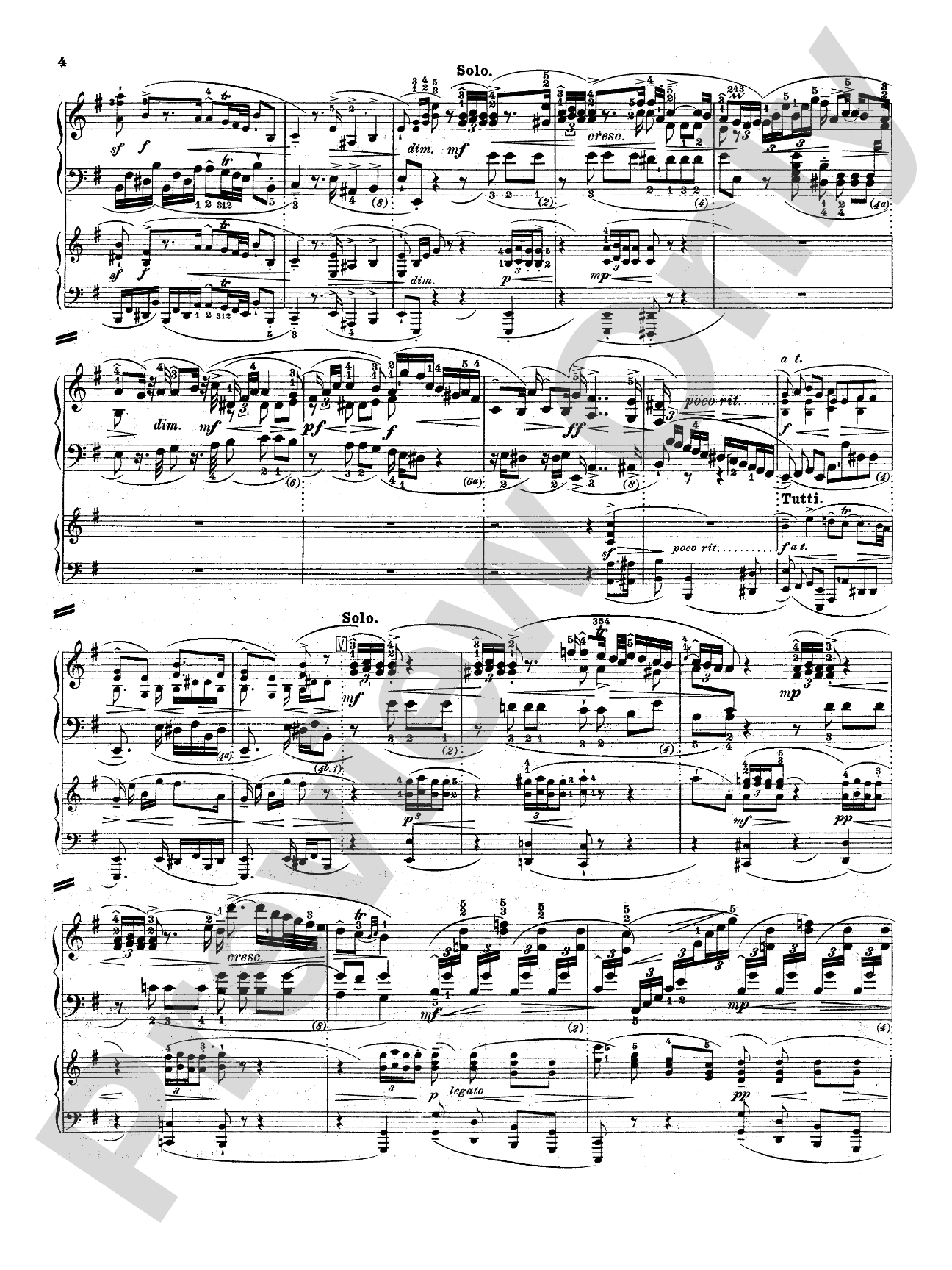
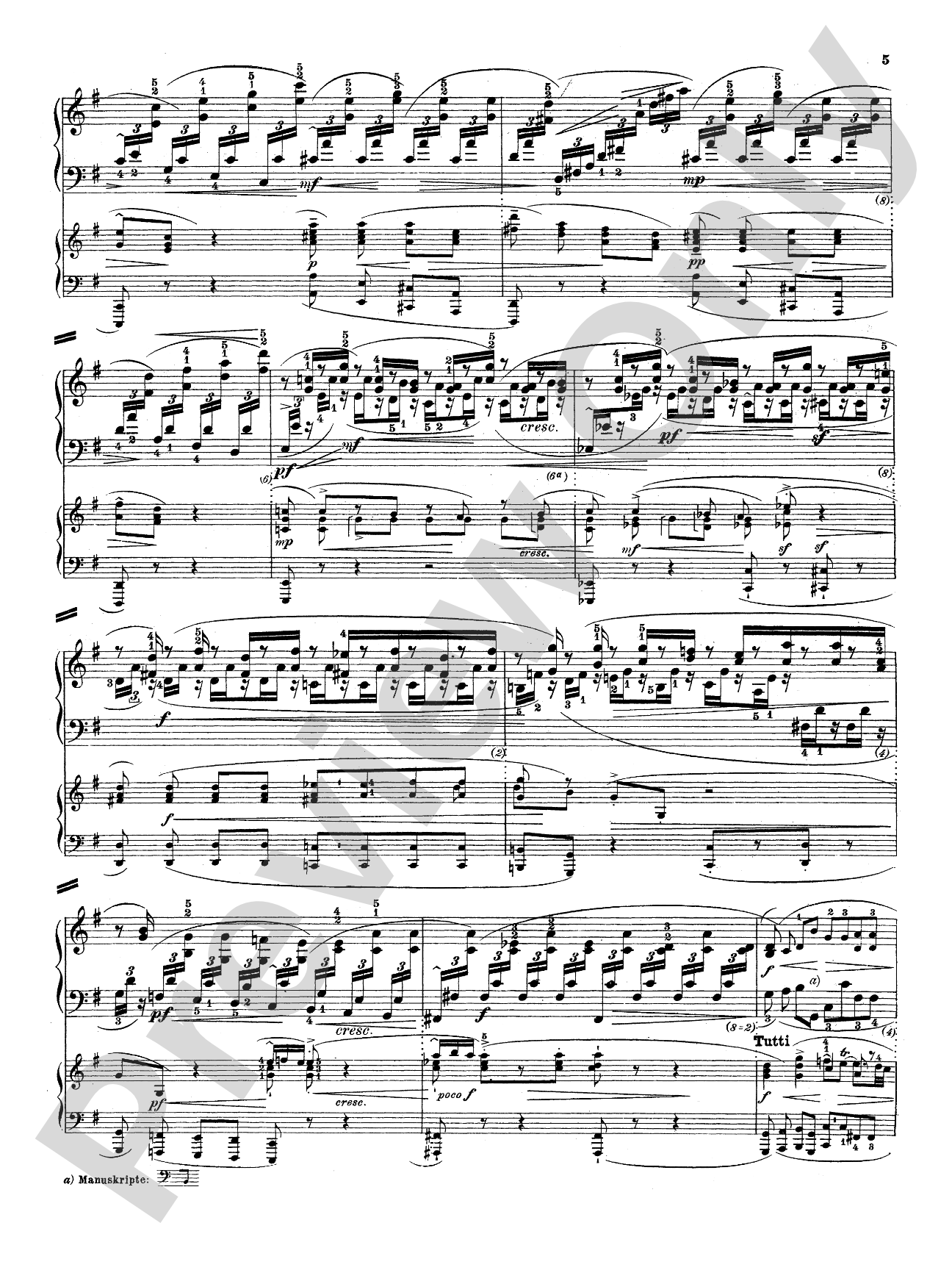
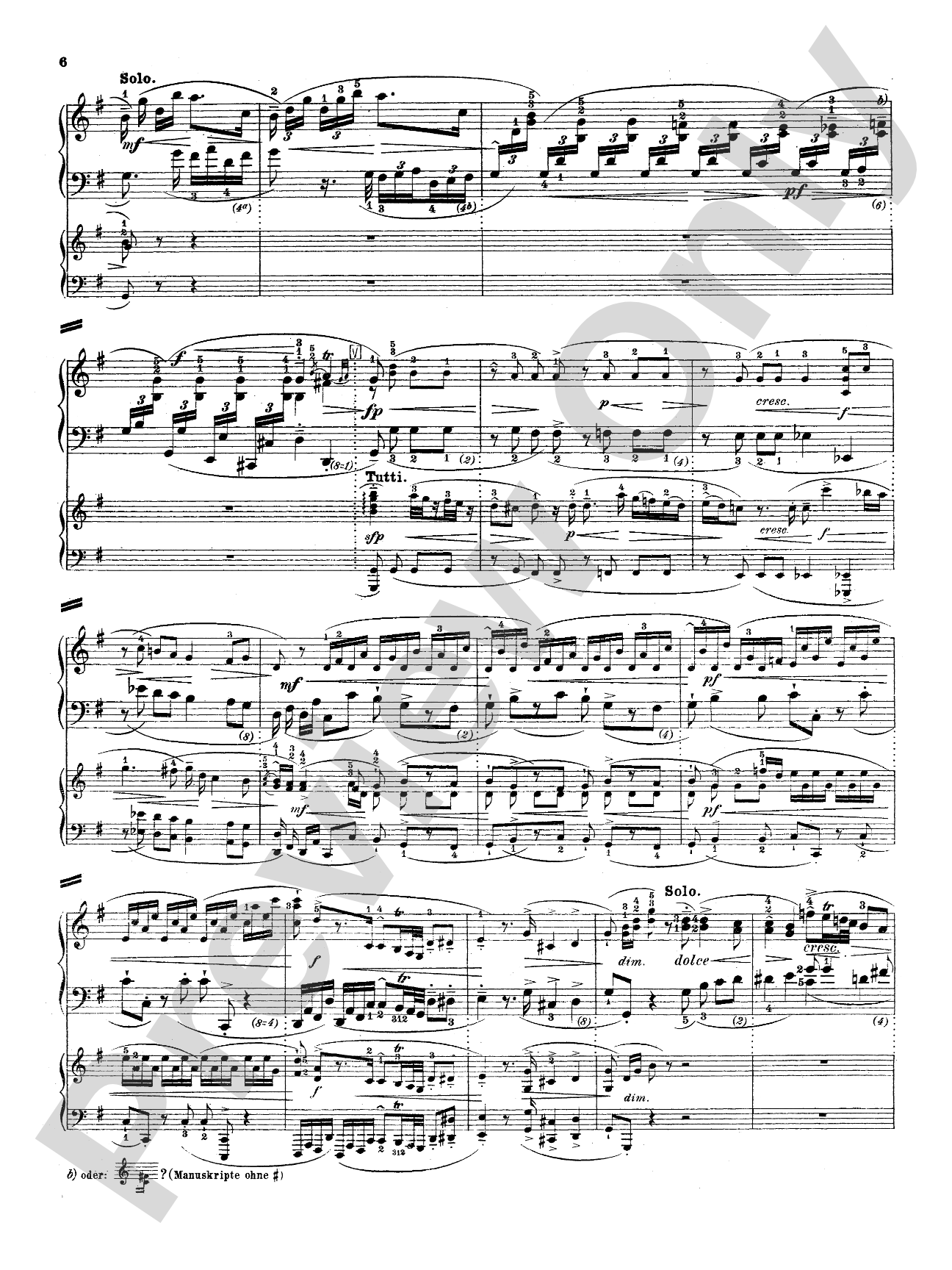
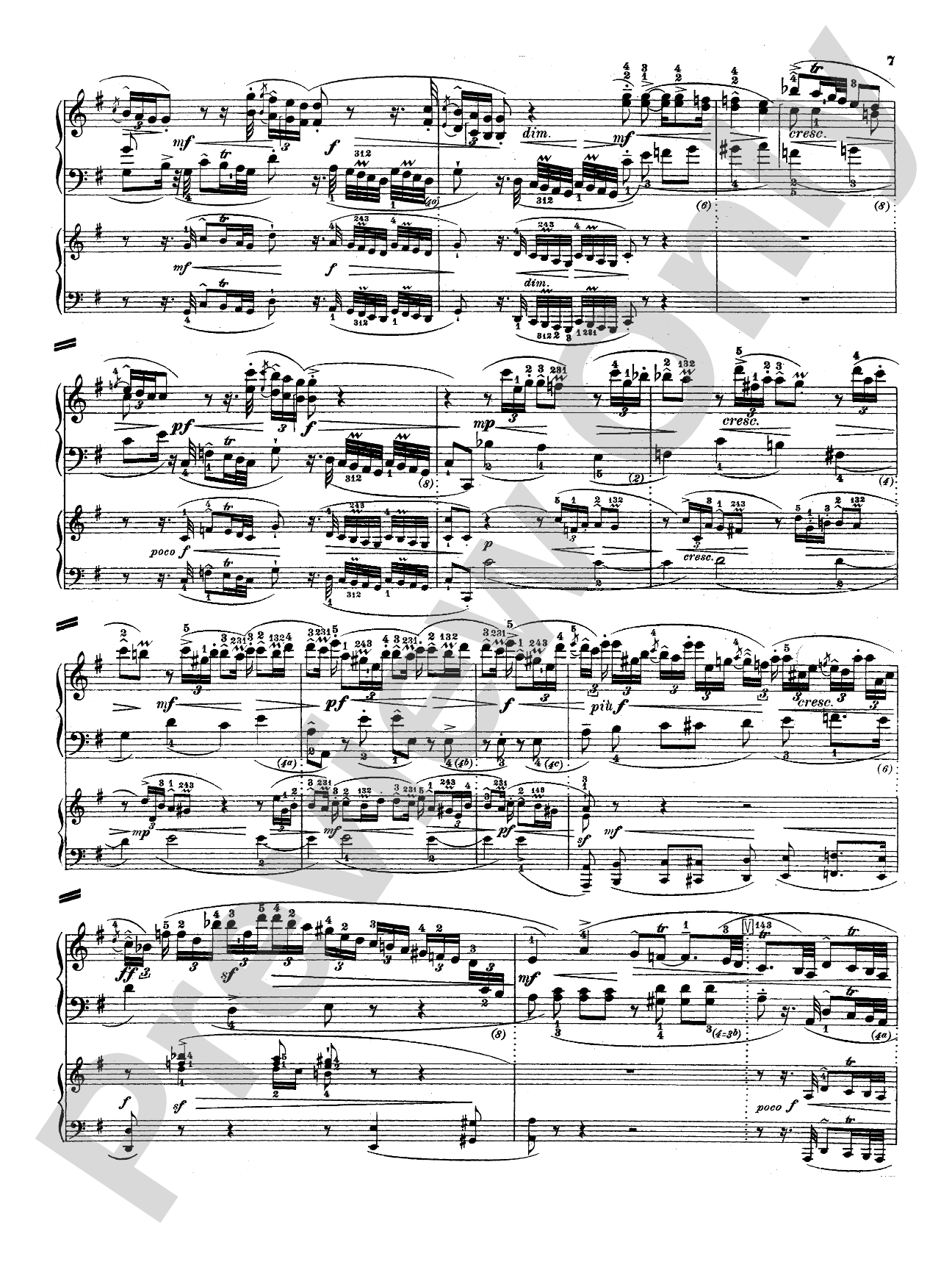
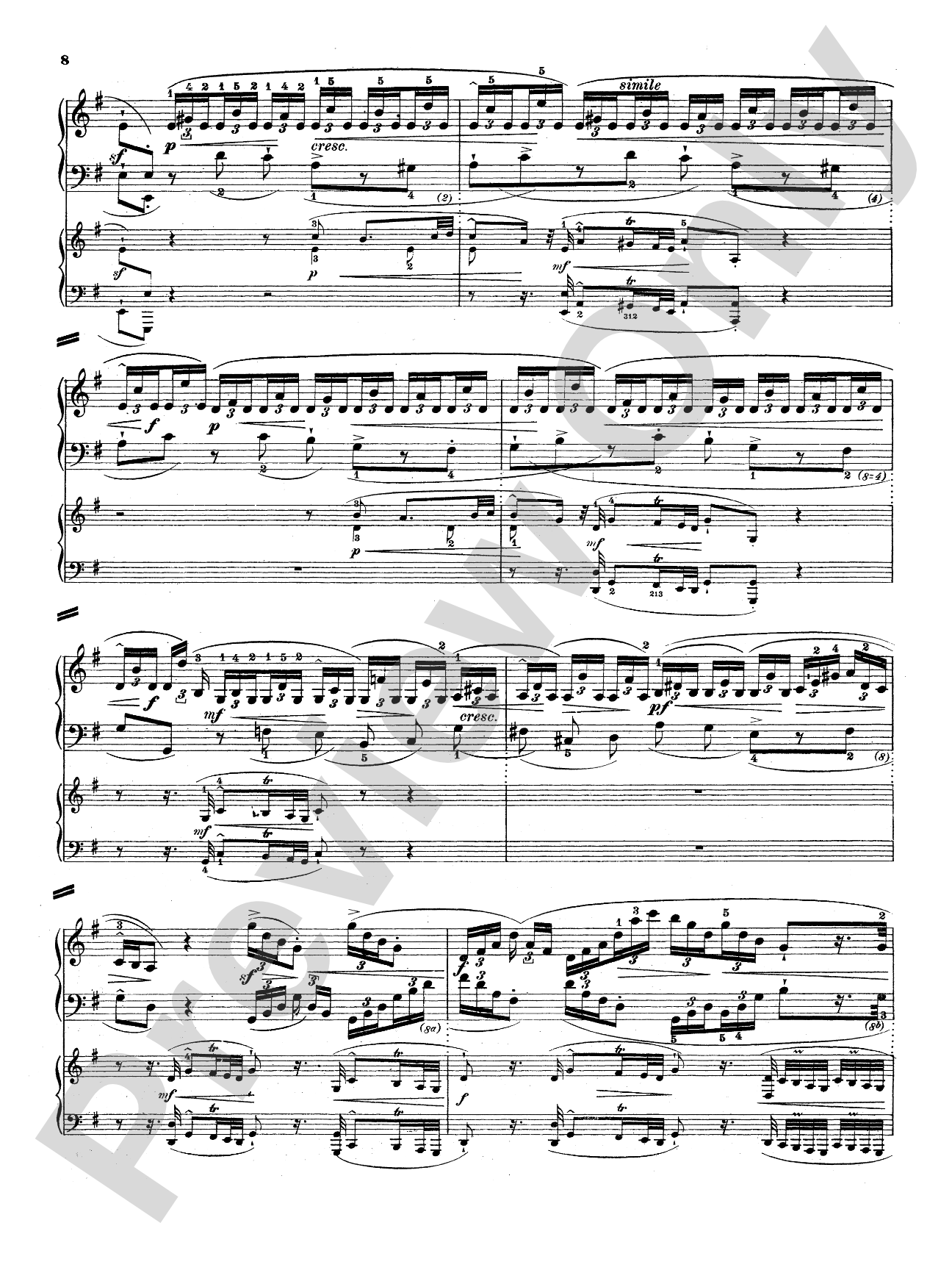
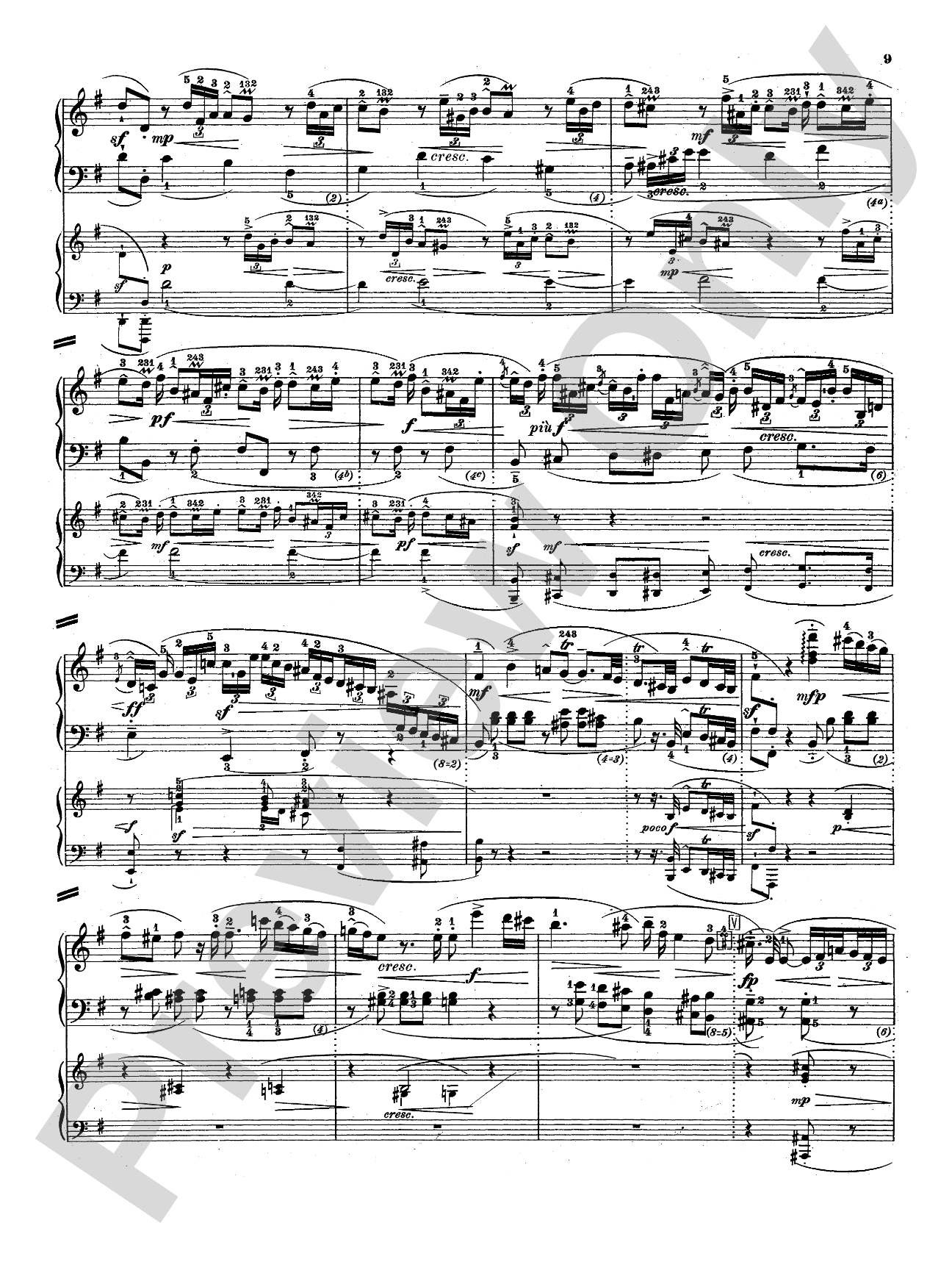
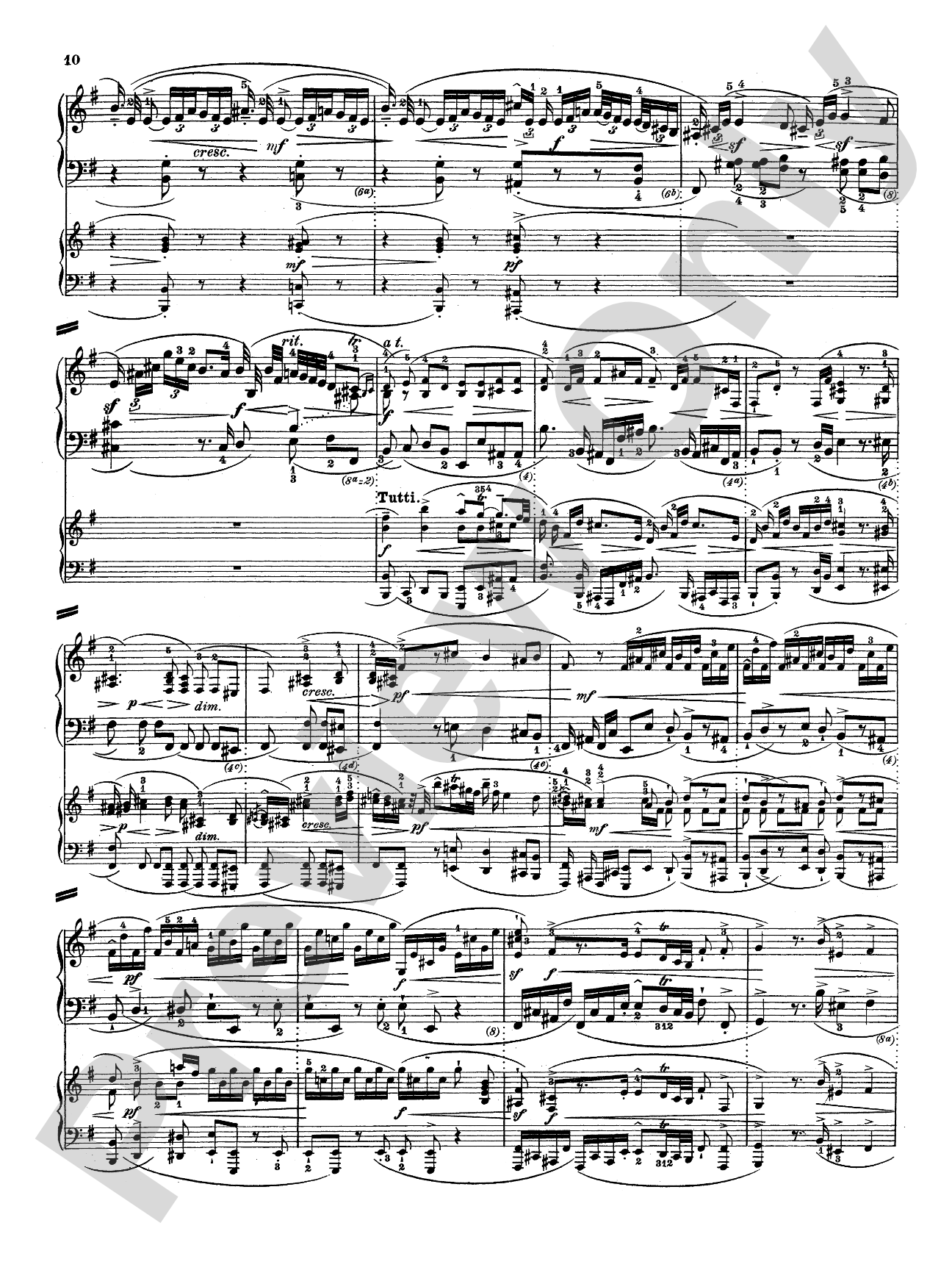
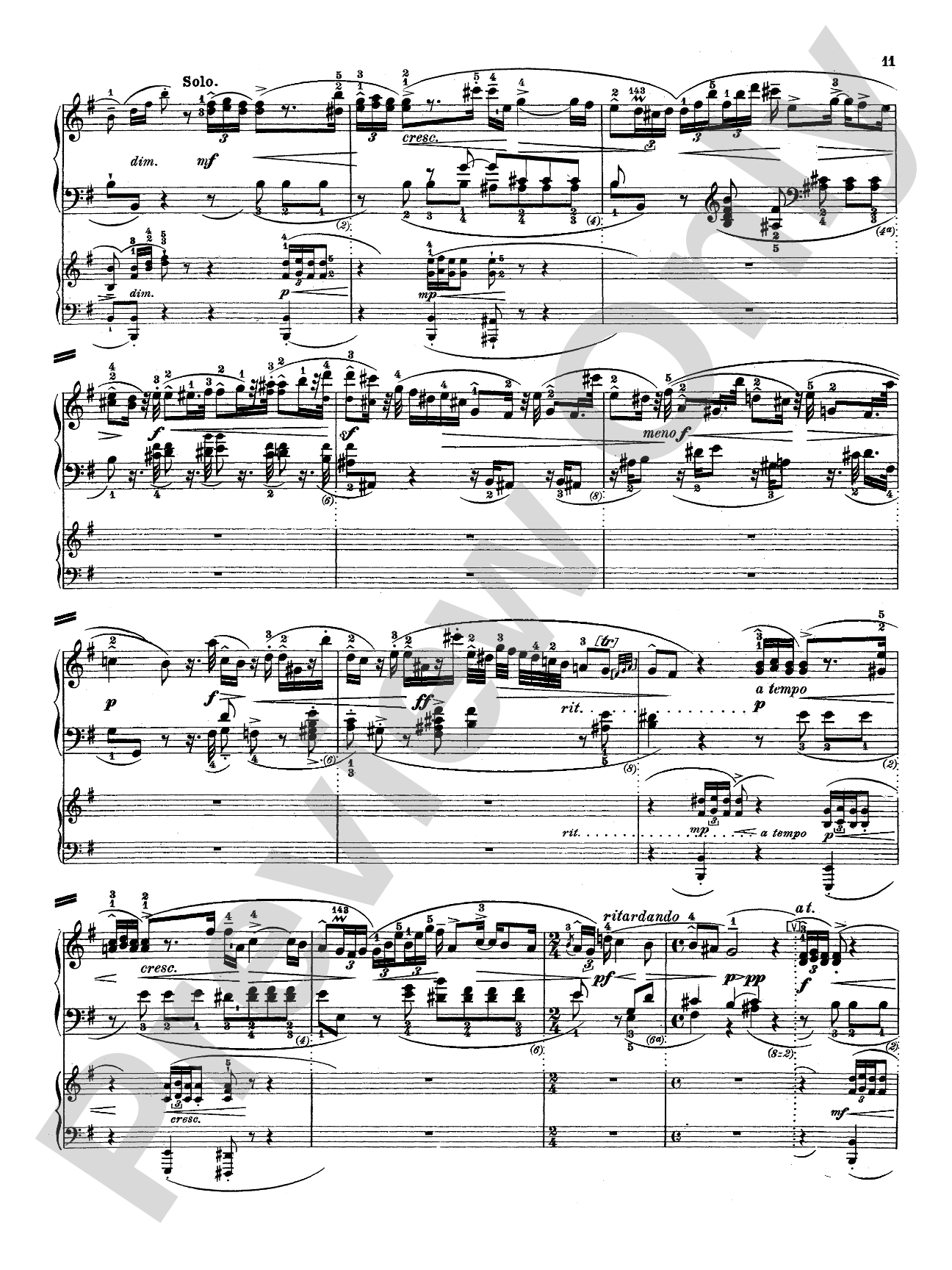
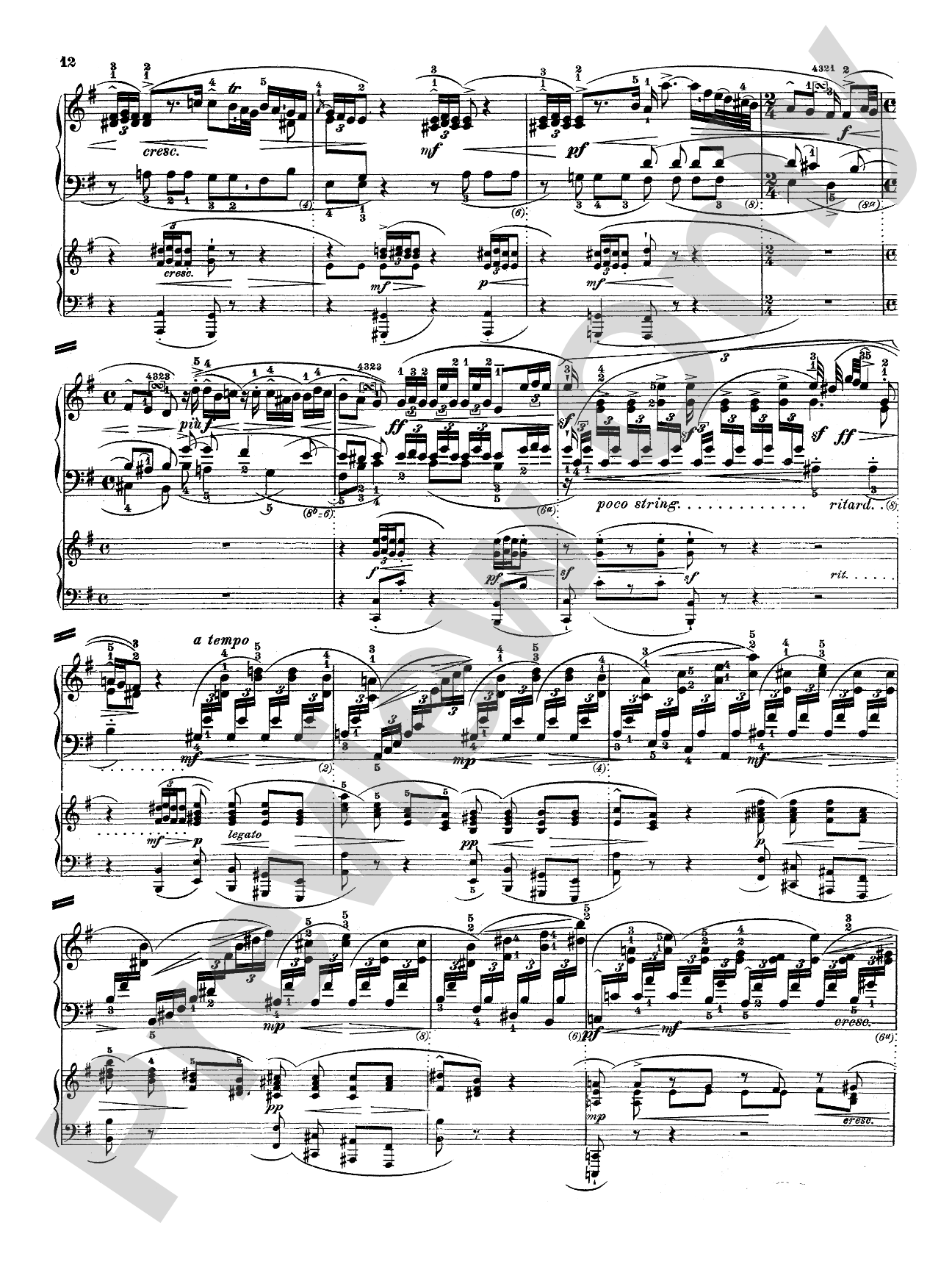
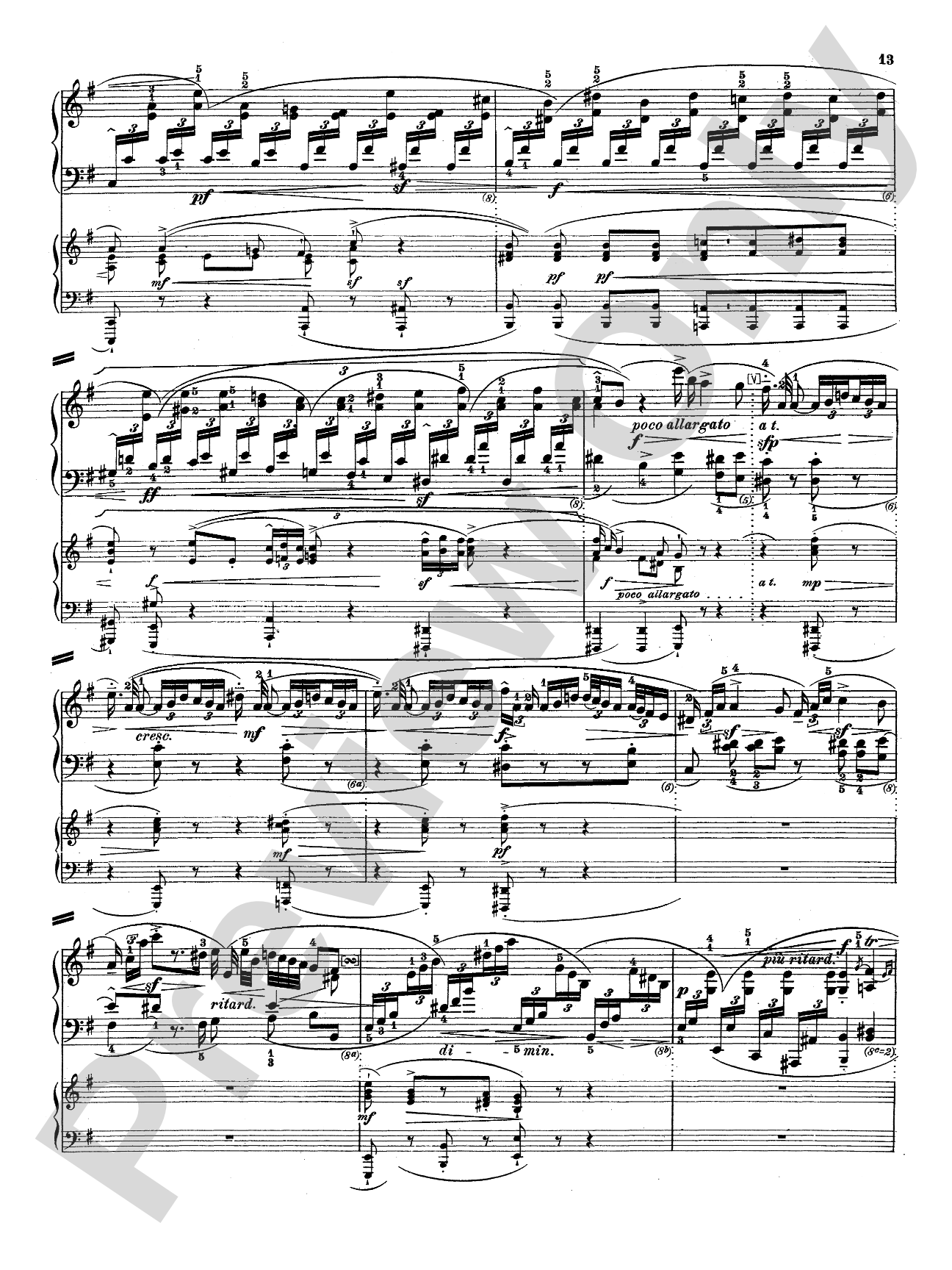
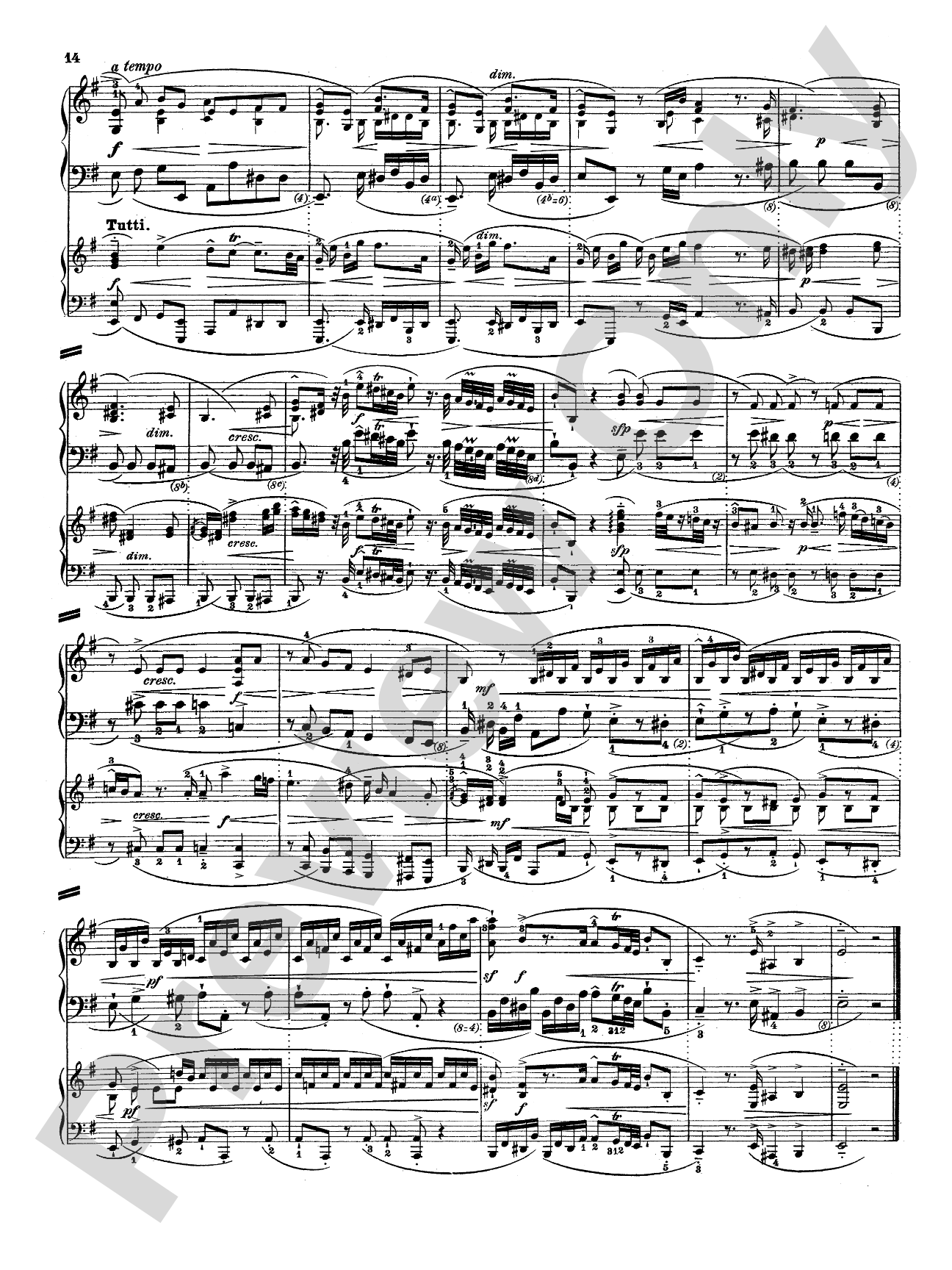
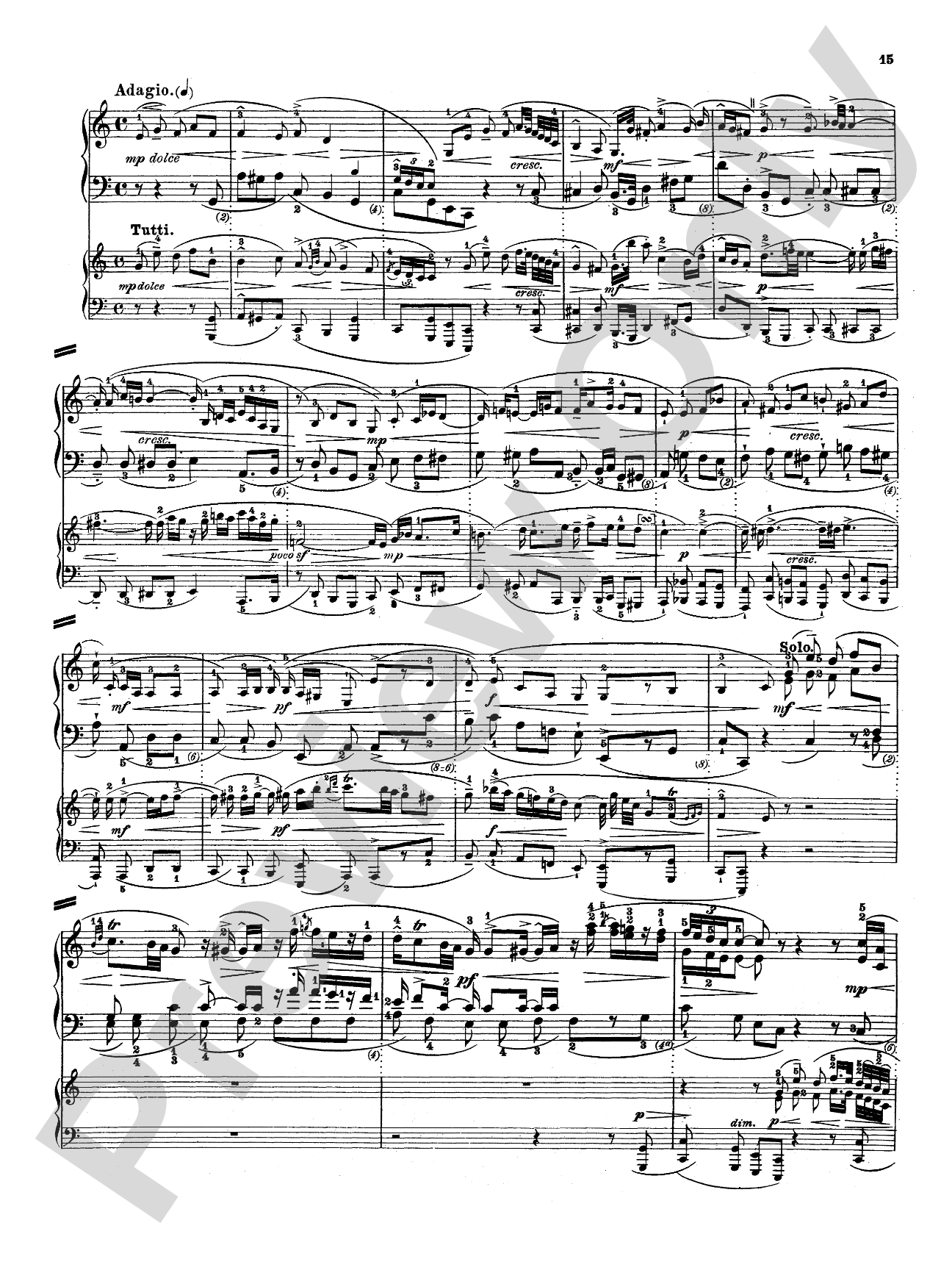
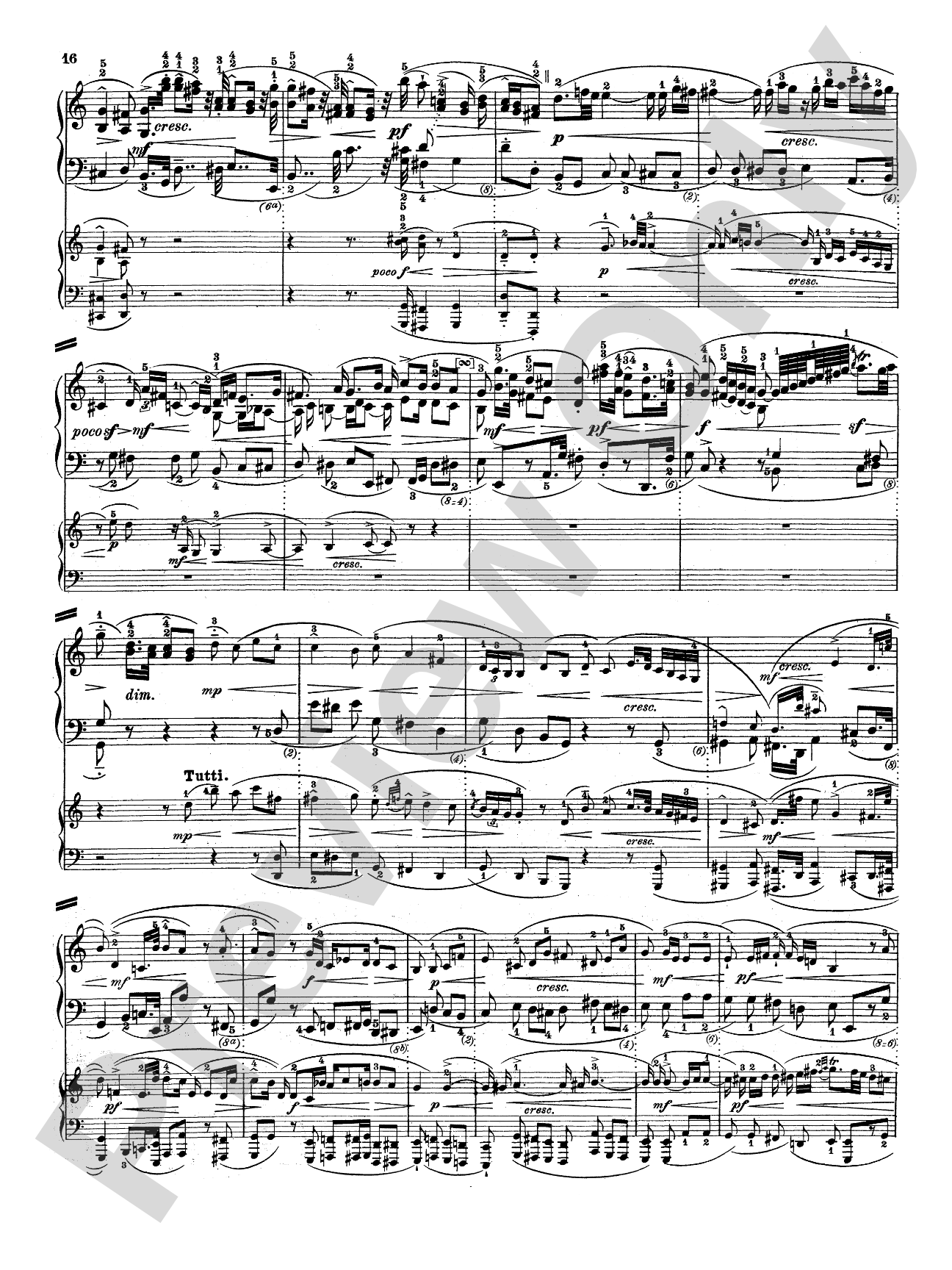
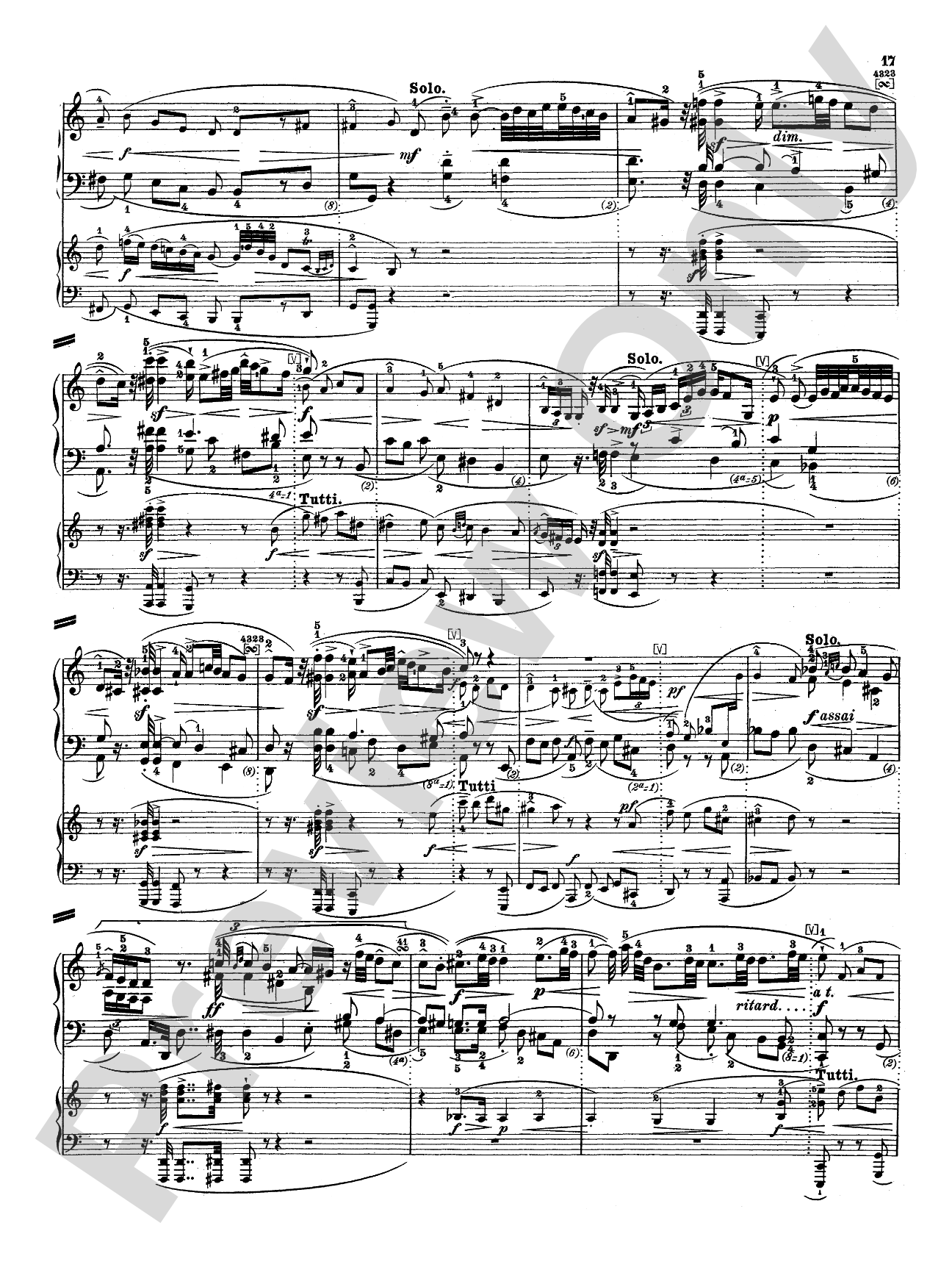
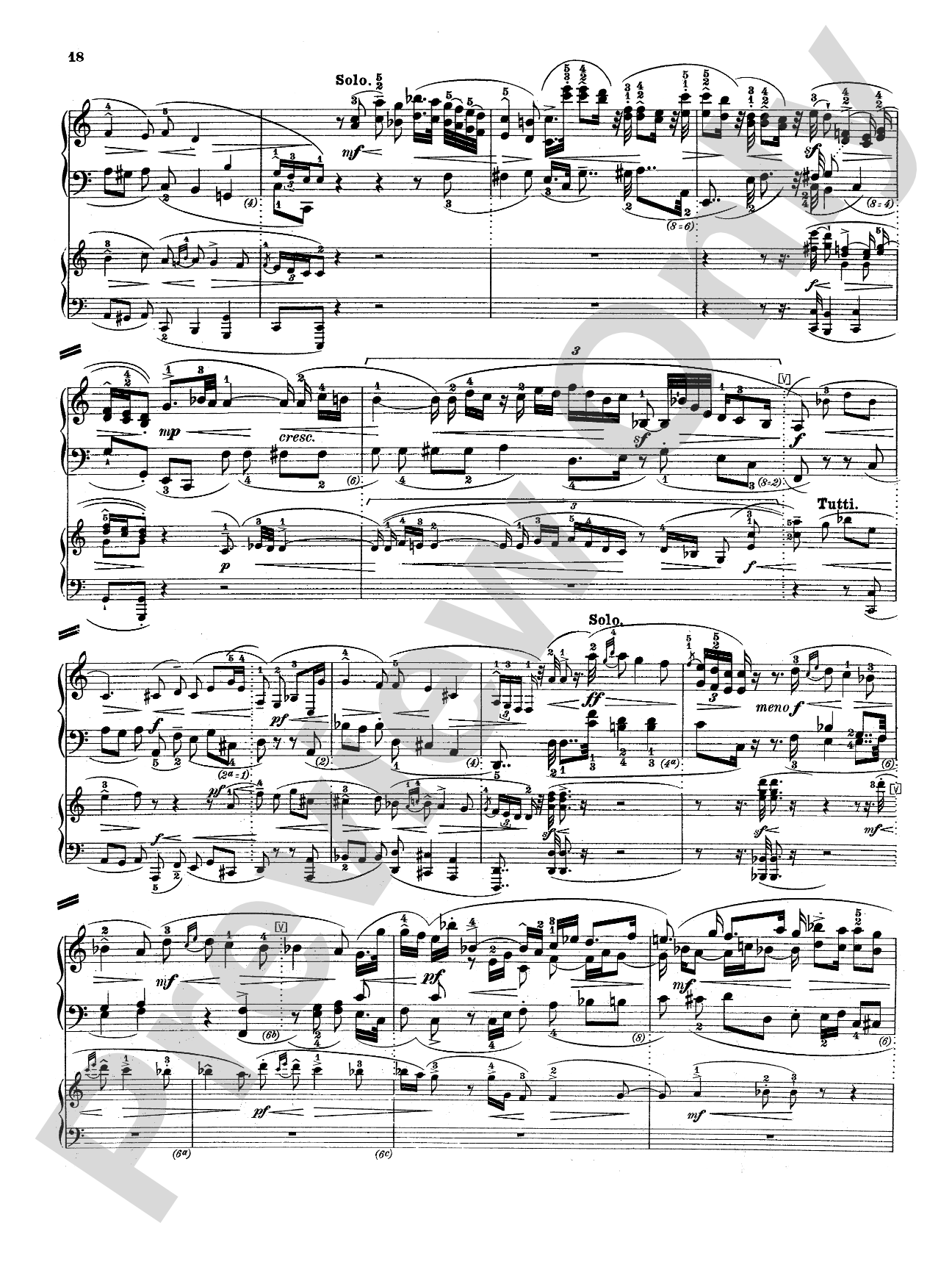
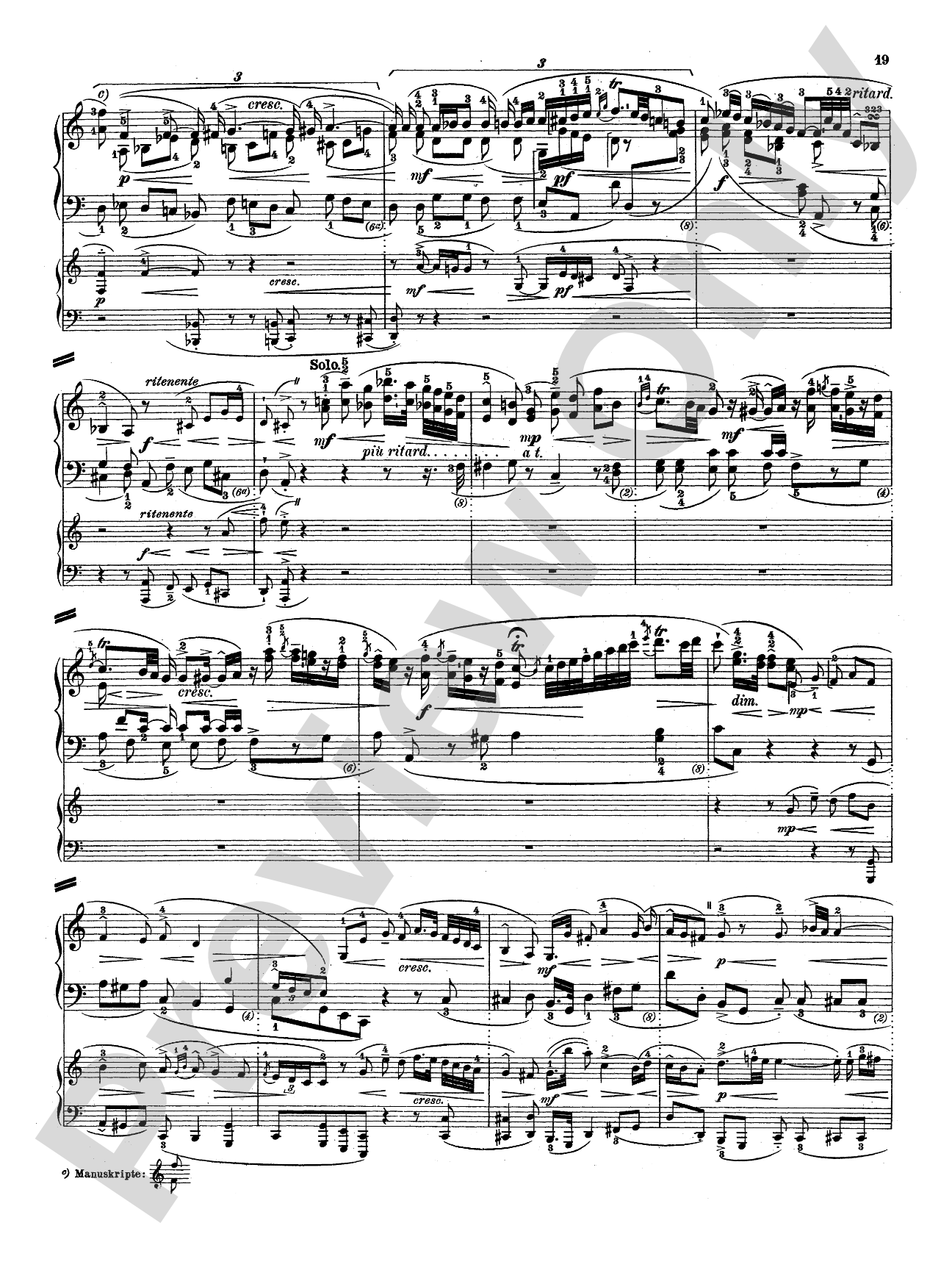
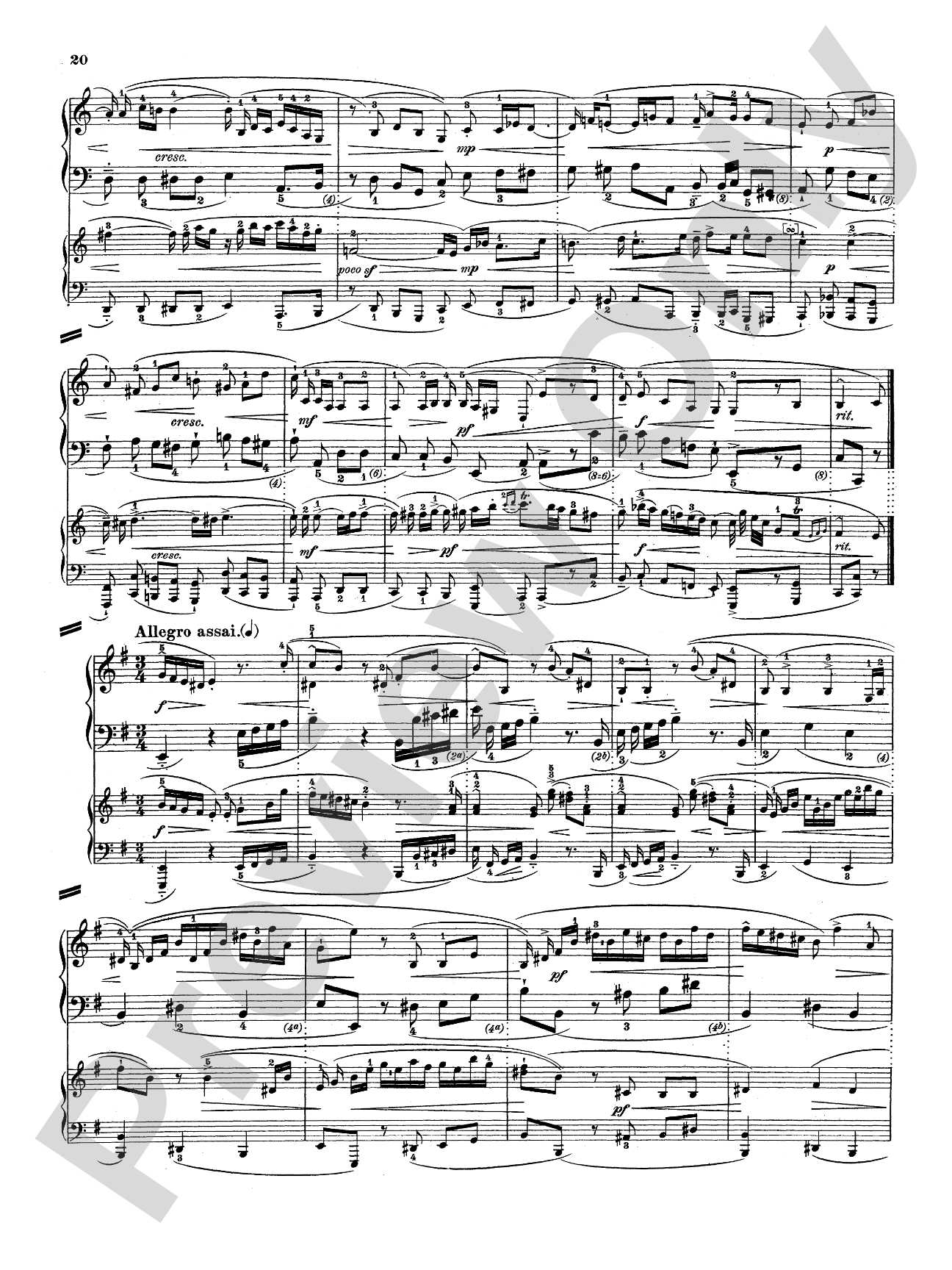
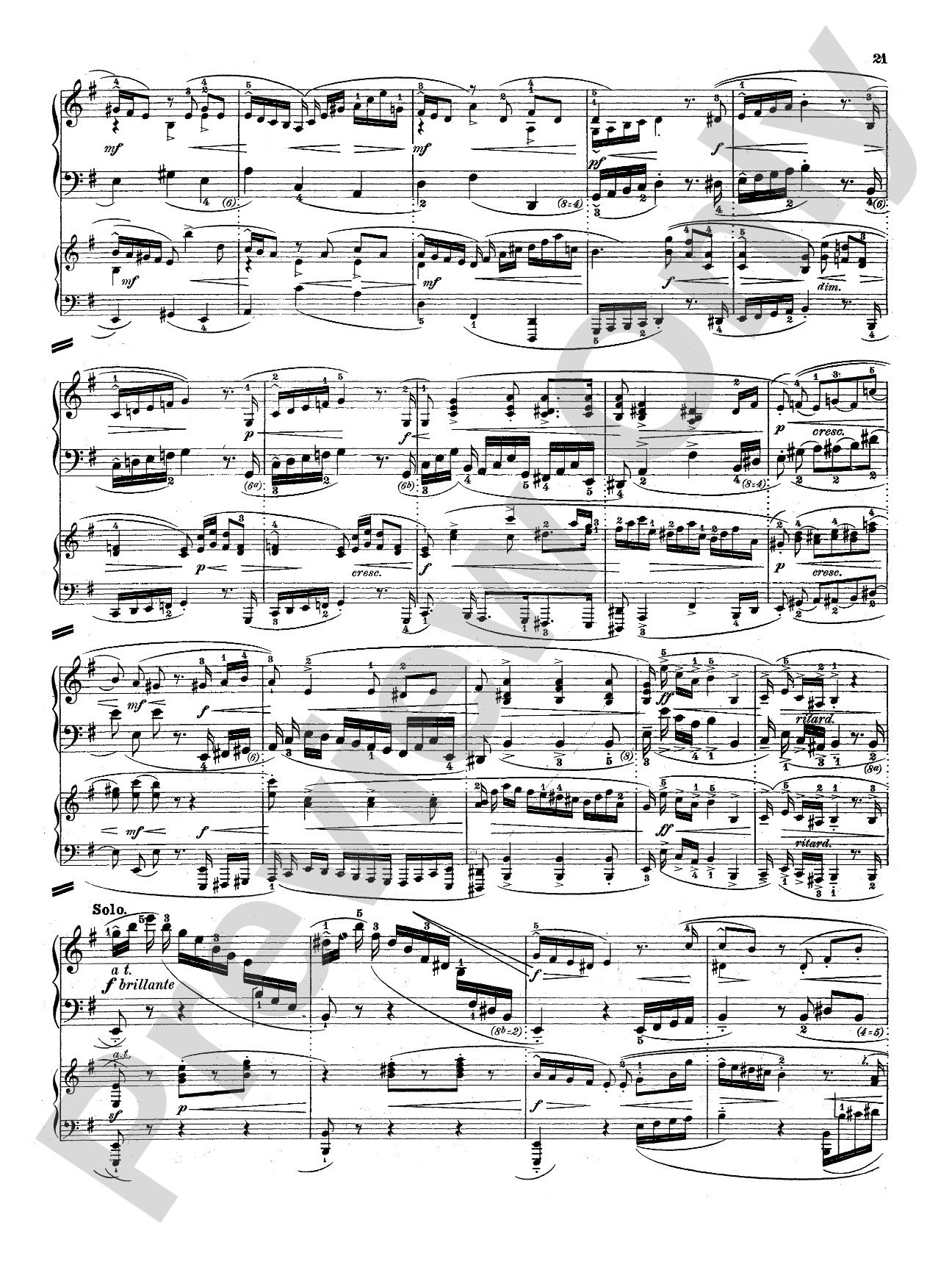
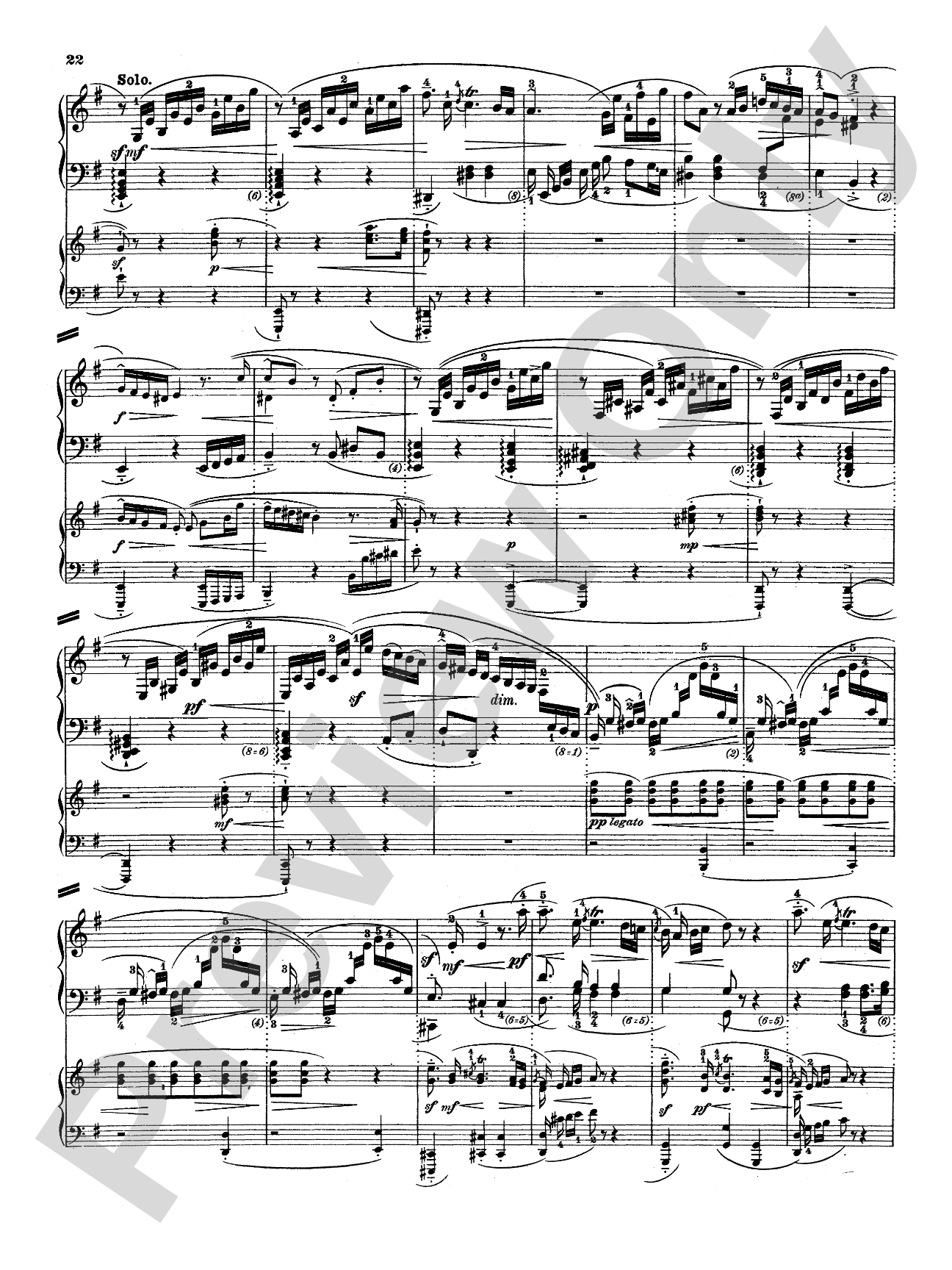
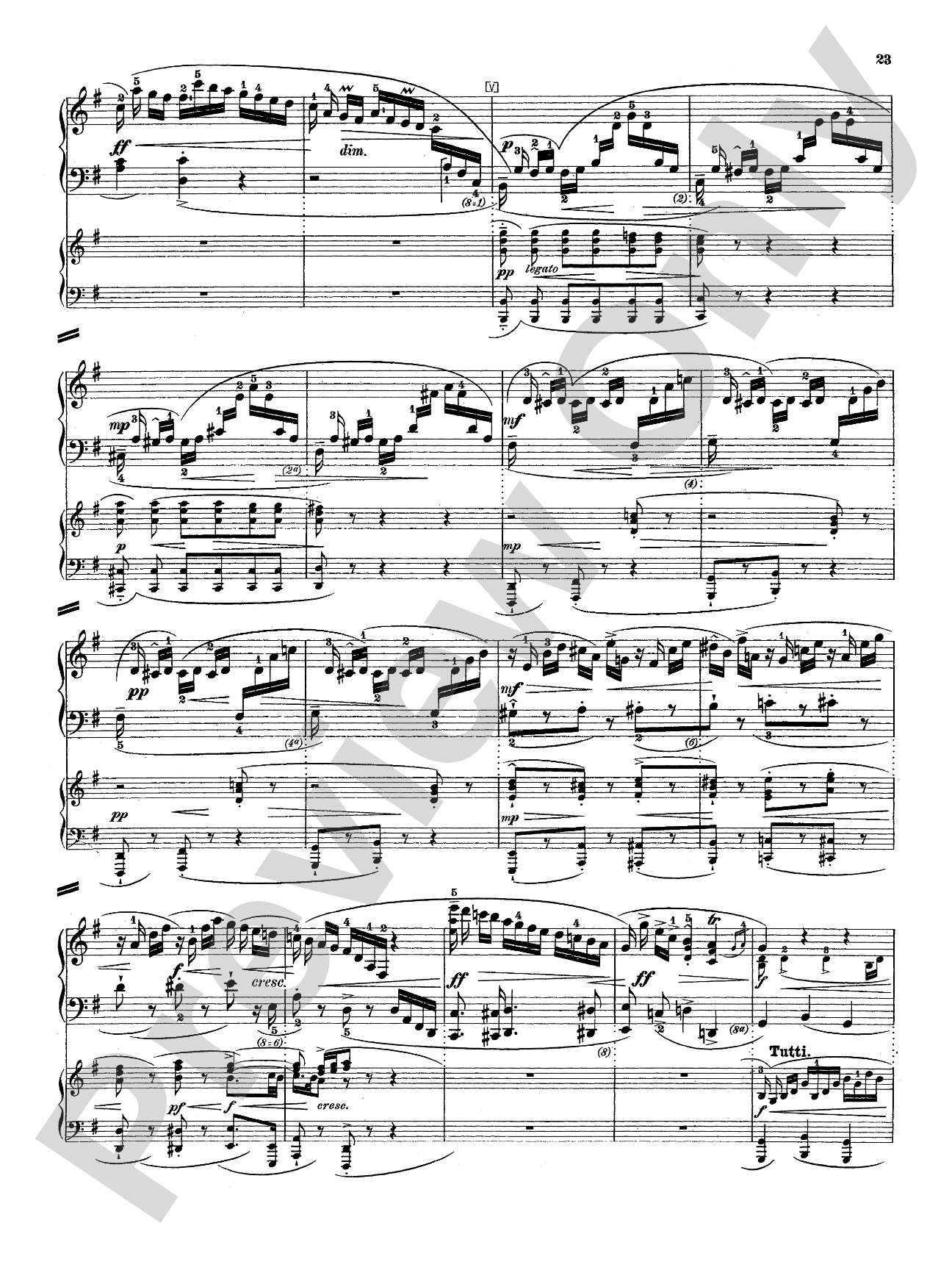
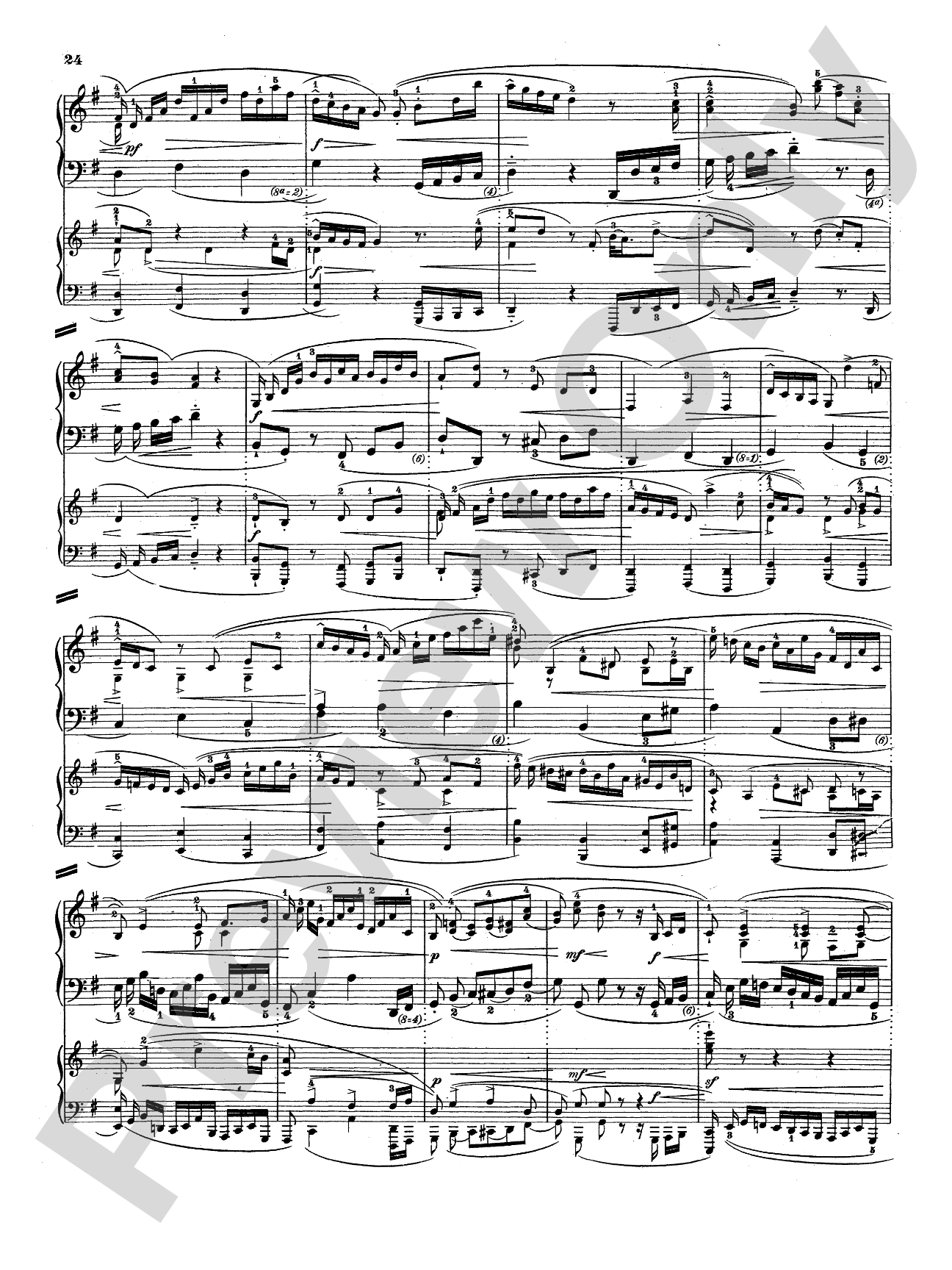
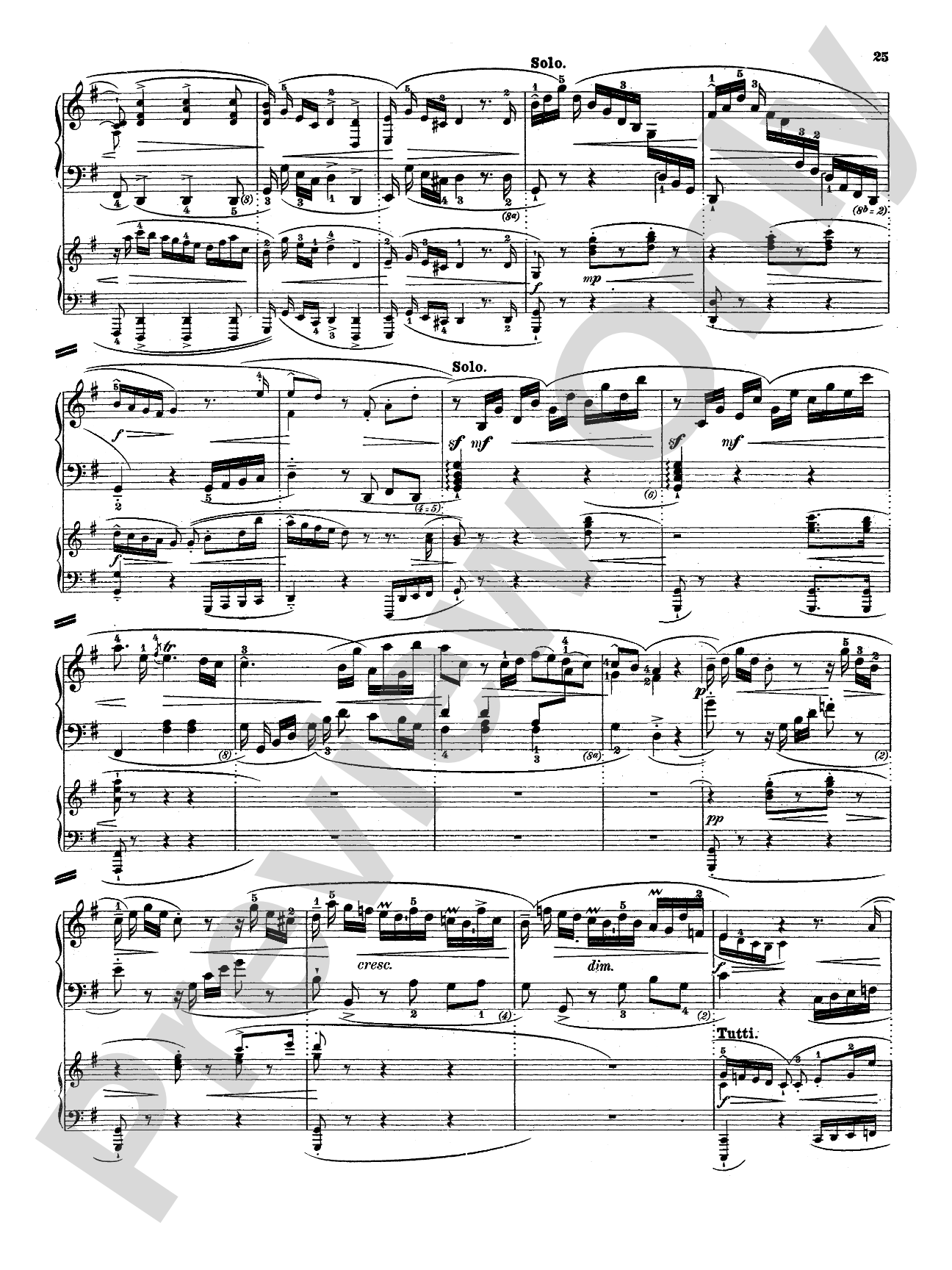
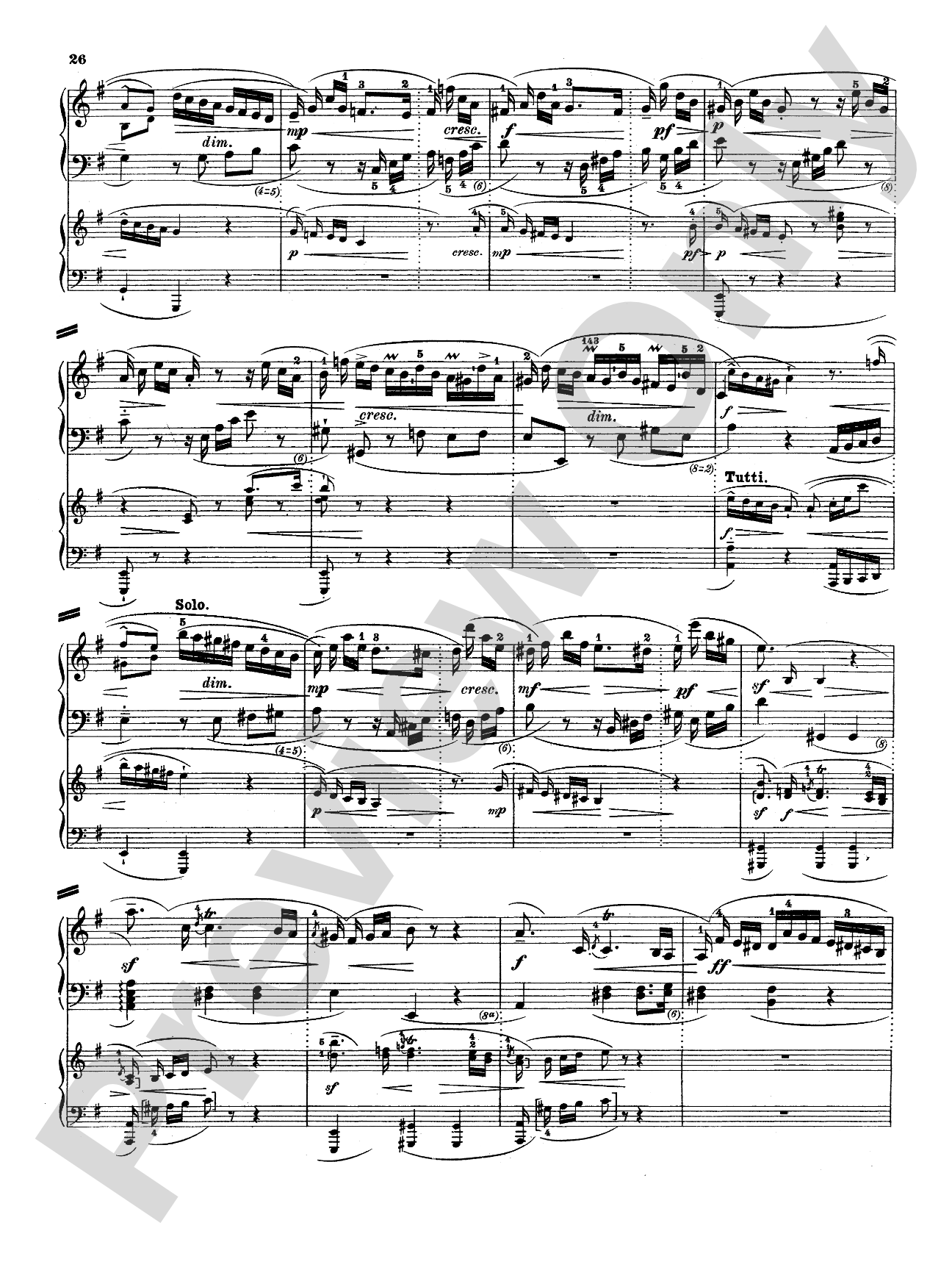
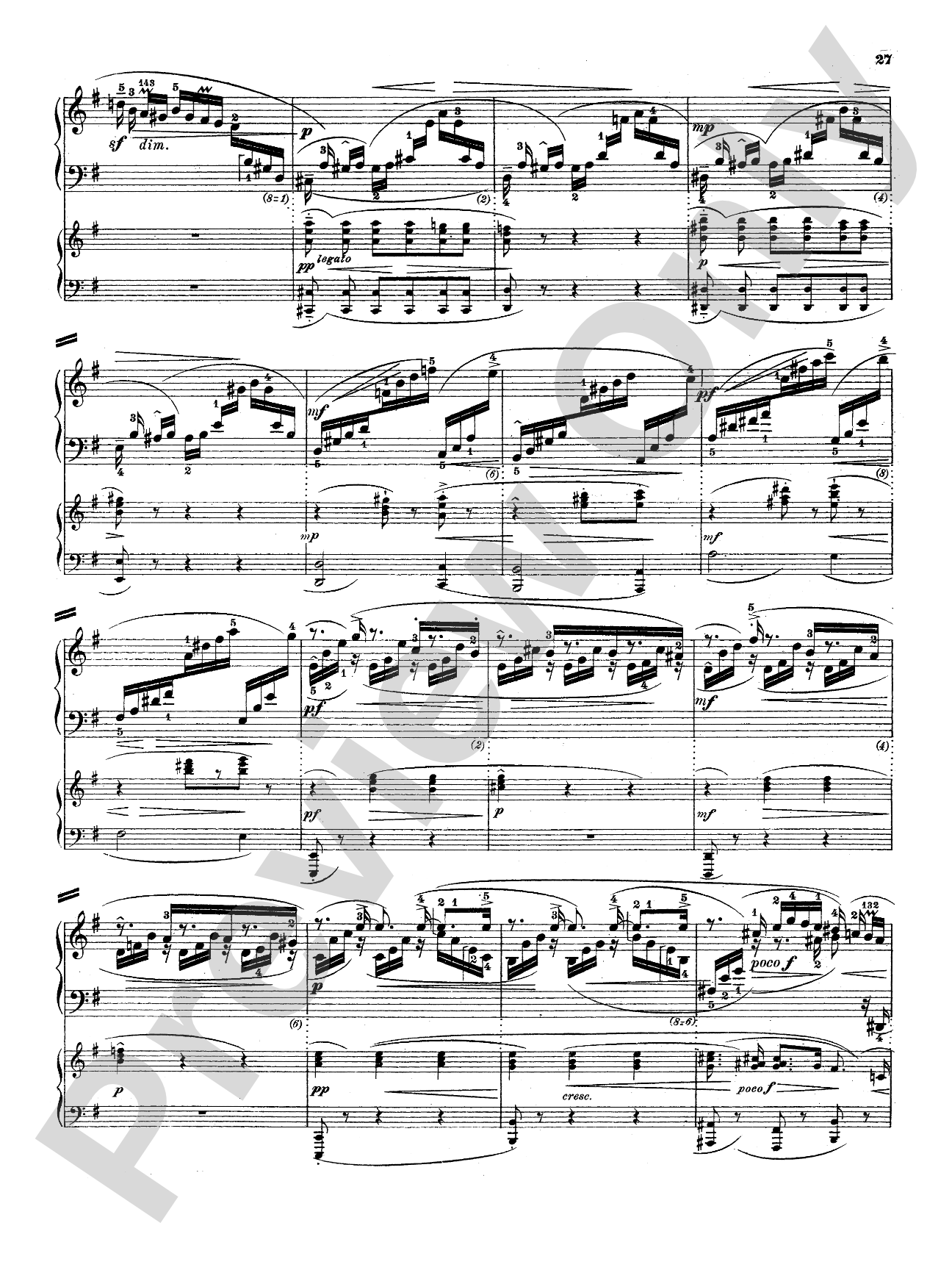
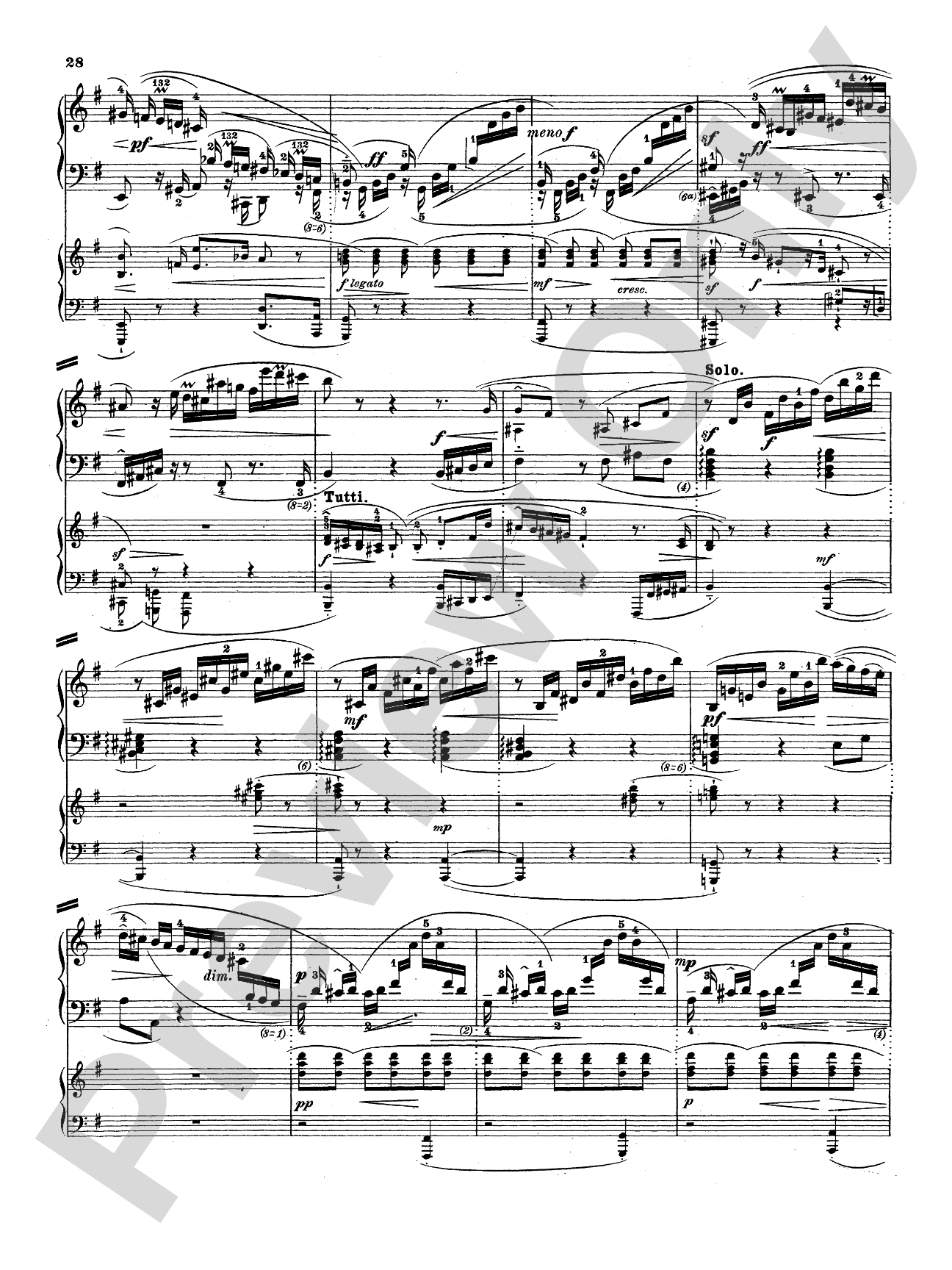
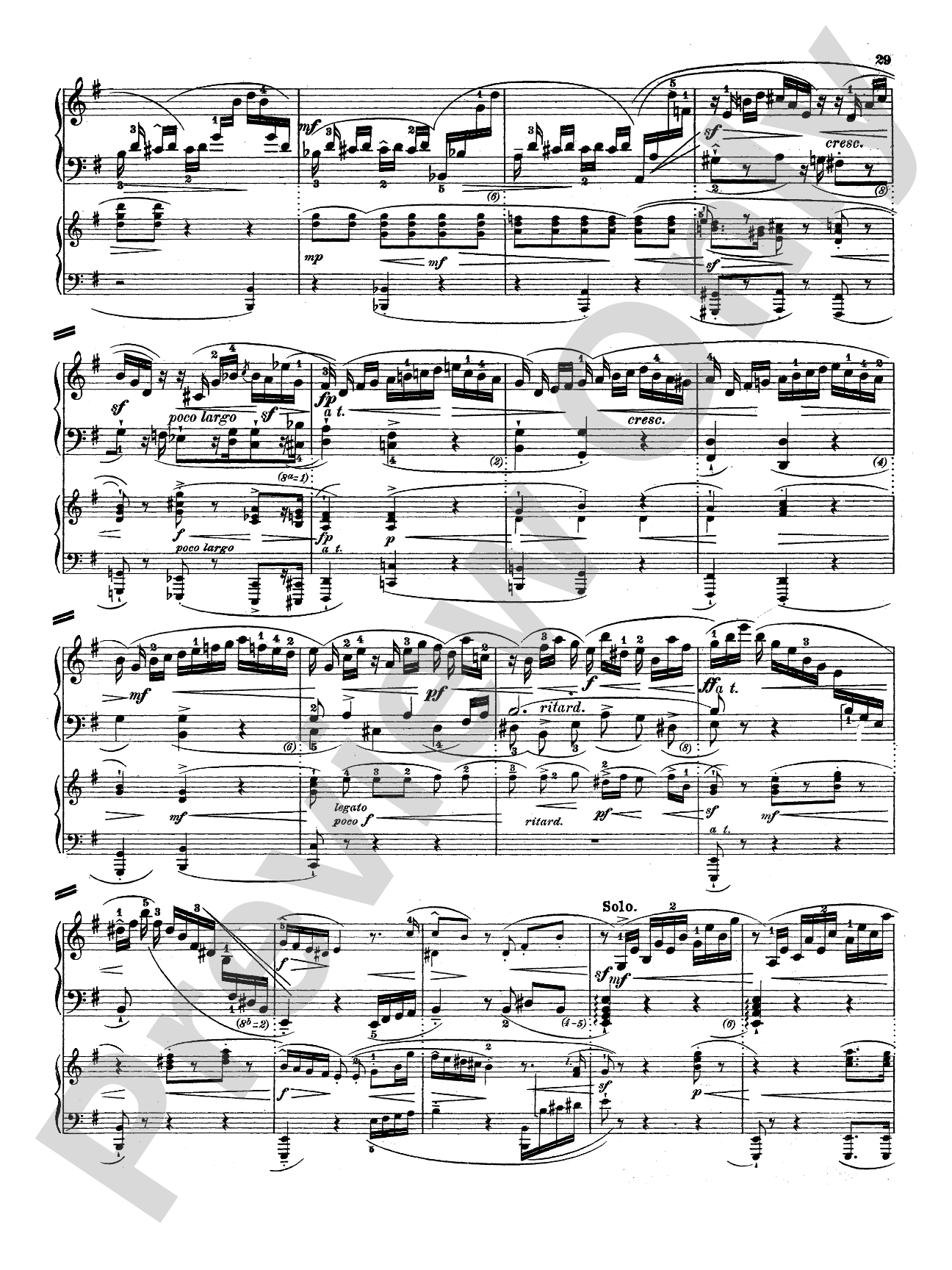
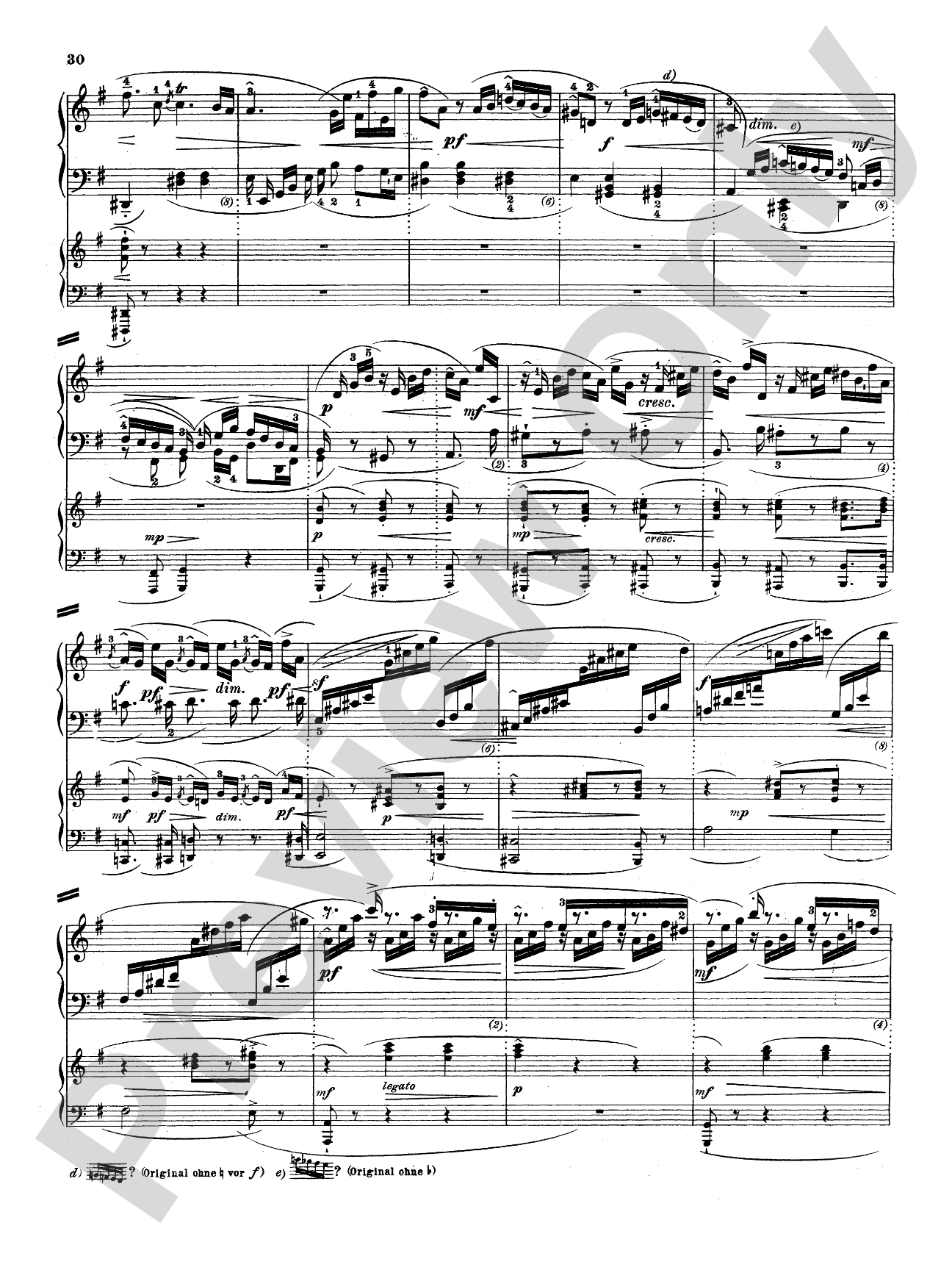
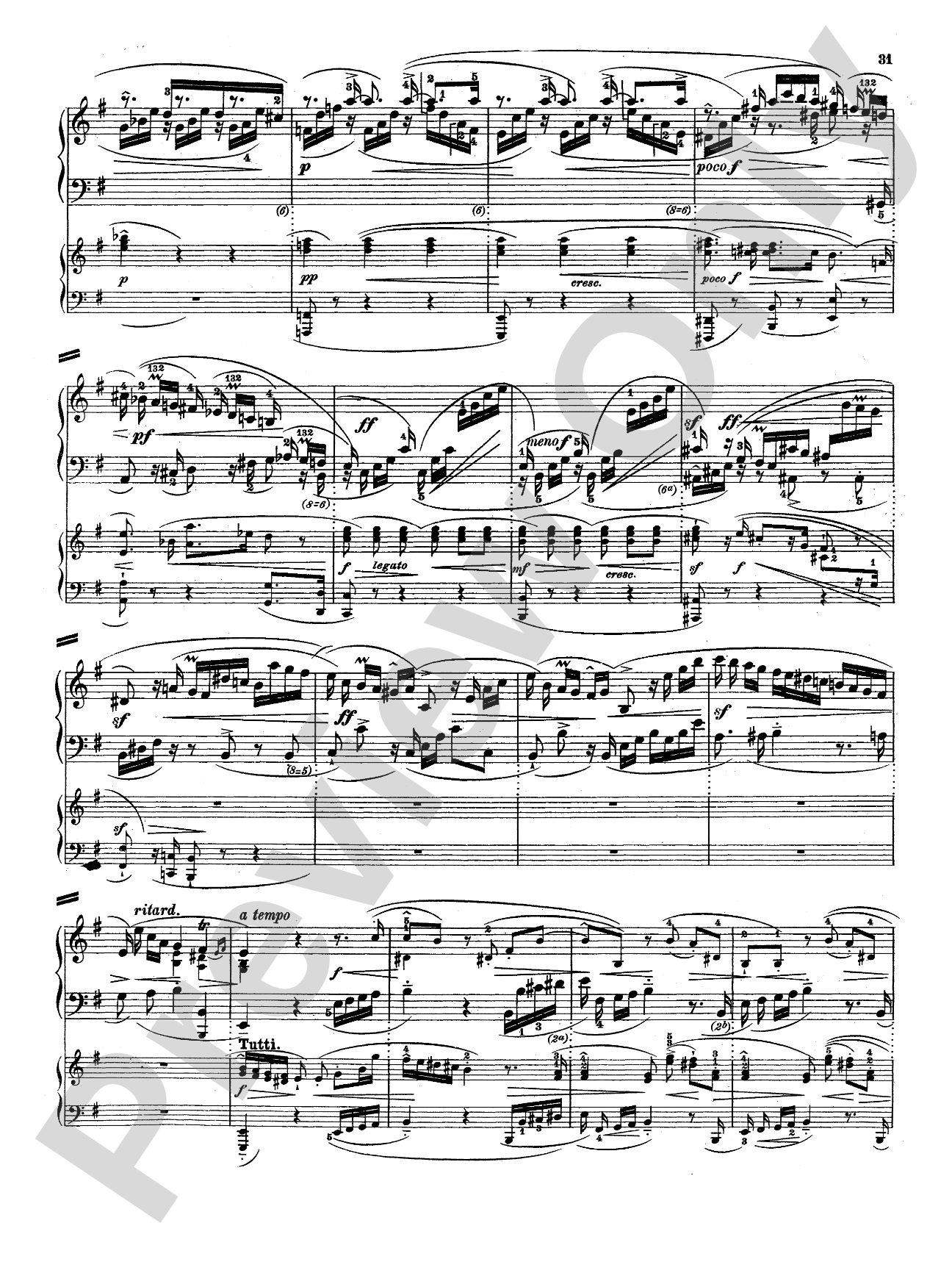
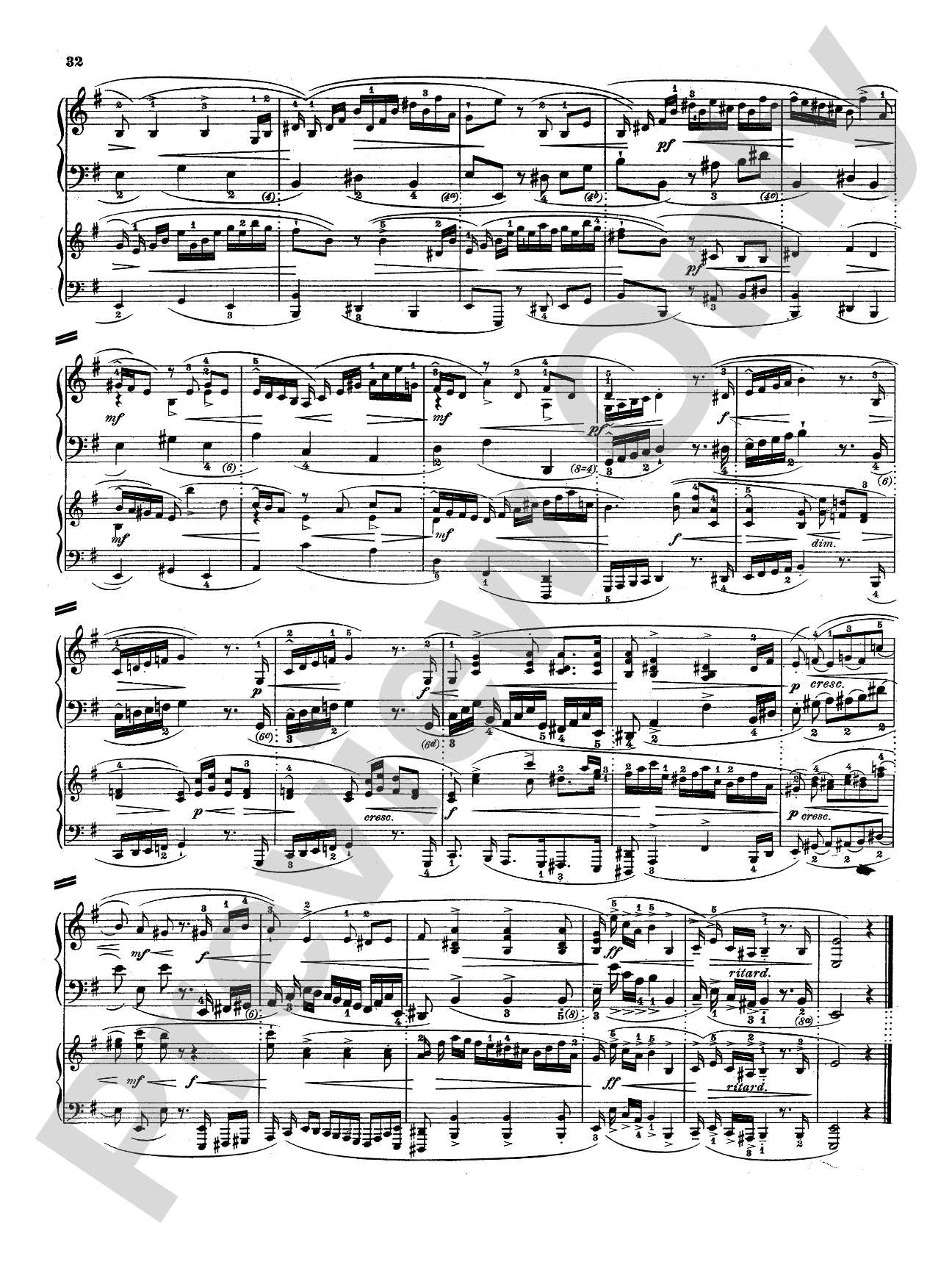

Bach: Piano Concerto in E Minor: Piano Duo (2 Pianos, 4 Hands) Book (2 copies required)
By Wilhelm Friedemann Bach
Item: 00-PK-0002885
$8.99
Pickup currently not available
Parts Added to Cart!
Description
A Piano Duet for 2 pianos, 4 hands, composed by Wilhelm Friedemann Bach.


Bach: Piano Concerto in E Minor: Piano Duo (2 Pianos, 4 Hands) Book (2 copies required) isn't in MakeMusic Cloud just yet...but it could be. Let us know you'd like to see it, and you'll help shape what comes next. In the meantime, start a free trial and dive into thousands of interactive titles your students can play along with today.
Request This Title
Tell us you want it.
Start Your Free Trial
Explore everything that's ready to play right now.
Sample Audio
No sample audio found.
Sample Video
No sample videos found.
Additional Details
Series:
Kalmus Edition
Publisher:
Alfred Music
Page Count:
32
SKU:
00-PK-0002885
More about this title
About the Composer: Wilhelm Friedemann Bach
Wilhelm Friedemann Bach (1710-1784) was the eldest son of Johann Sebastian Bach and achieved considerable recognition as a composer and keyboard virtuoso during his lifetime. Though often overshadowed by his father's legacy, he was a significant musical figure in his own right, serving as director of music at the Dresden court and later at the Halle court. His keyboard works, including concertos and sonatas, reflect the transition from Baroque to early Classical style and showcase sophisticated harmonic language and structural clarity.
Wilhelm Friedemann's concertos reveal a composer deeply engaged with the keyboard idiom. His works for multiple pianos demonstrate his understanding of texture, balance, and the possibilities of keyboard duet writing, making them valuable repertoire for advancing pianists who seek to move beyond the standard arrangement tradition.
Why we love this
This concerto represents serious chamber music at the keyboard, bridging Baroque counterpoint with Classical form in ways that challenge and reward both players equally. Rather than relegating one pianist to accompaniment, the work distributes musical ideas across both parts, making it genuinely collaborative repertoire that engages intermediate-advanced pianists in real ensemble dialogue.
What to expect
The work breathes with the architecture of the Baroque concerto grosso, yet its melodies unfold with the clarity and directness of the early Classical era. There is an intellectual rigor to the writing alongside genuine lyricism, with moments of virtuosic passage work balanced by singing, songlike passages that make demands on control and tone production rather than mere technical display.
Who it's for
Advanced intermediate pianists and duet partnerships seeking substantial Baroque and Classical repertoire that demands real musicianship from both players. This work suits mature students in private studios or collaborative piano programs who are ready to engage with historical keyboard literature written for ensemble performance.
How to get the most out of it
- Balance the textural dialogue between the two pianos by thinking of them as conversation partners rather than soloist and accompanist. Listen across the room to hear both parts in the acoustic space, not just from your own seat.
- Establish a clear pulse together before each section begins. The Classical phrasing in this work needs rhythmic precision without mechanical rigidity, and synchronization becomes more secure when both players internalize the beat from the same point.
- Attend to voice-leading across both instruments as if they belong to a single keyboard. Where one piano carries a melodic line that the other continues, shape these phrases with unified phrasing and tone, even across the physical divide.
- Explore the registration possibilities if you have access to pianos with different tonal qualities. The concerto's Baroque origins suggest clarity and articulation; resist the temptation to blend the two pianos into a wash of sound.
How to use it
Feature this as a recital centerpiece for an advanced duet team, particularly in a program exploring keyboard literature across centuries or highlighting the Bach family's contributions to music. It works well alongside other works for multiple keyboards or as a bridge between Baroque and Classical chamber music contexts.
Skills your students will build
- Reading and coordinating independent melodic lines across two instruments simultaneously
- Balancing ensemble sonority and hearing one's part in relation to another keyboard voice
- Interpreting Baroque counterpoint and Classical phrase structure in a single work
- Communicating and synchronizing with a duet partner without a conductor
- Navigating the technical and musical demands of Baroque keyboard figuration