
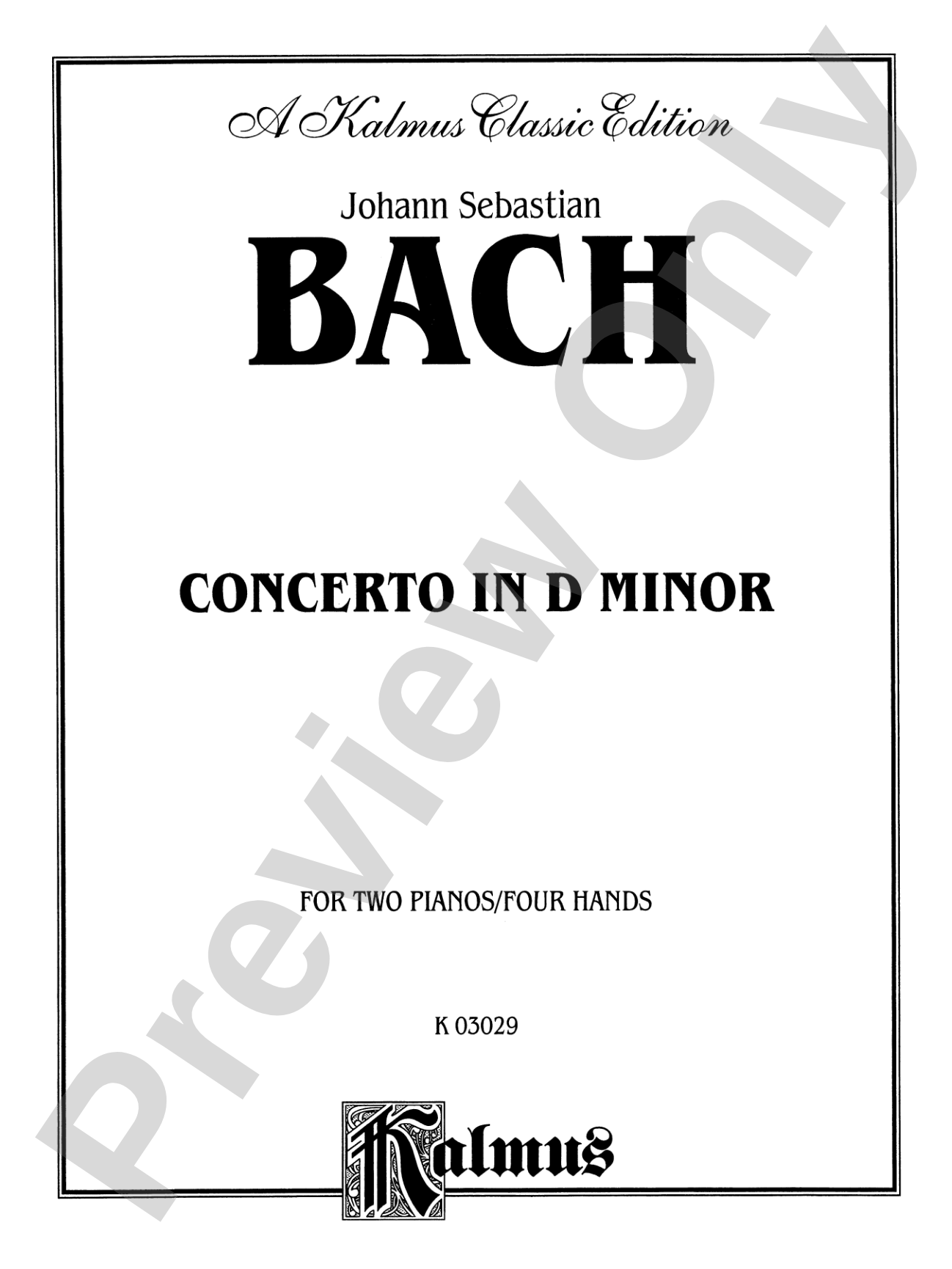

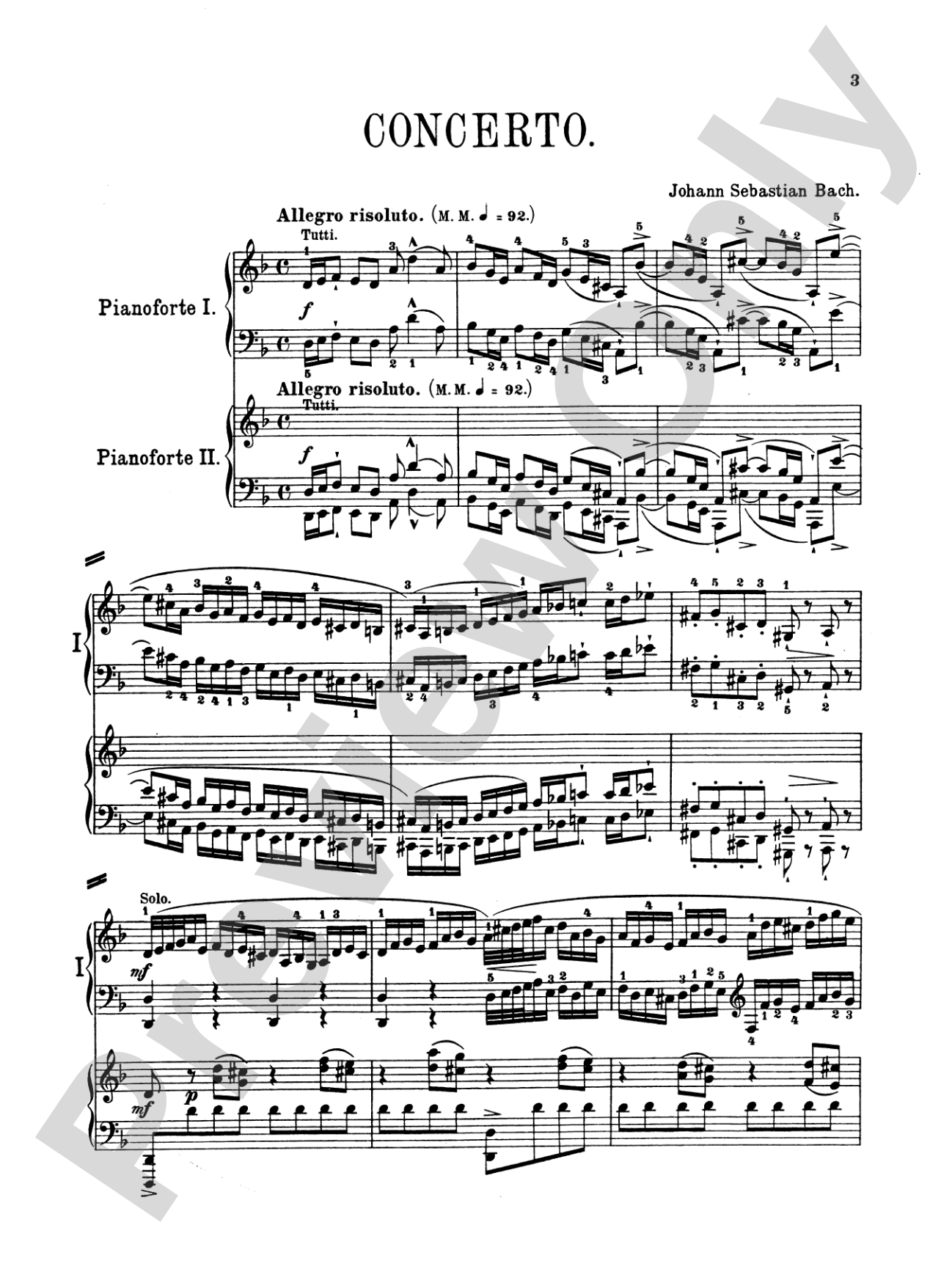
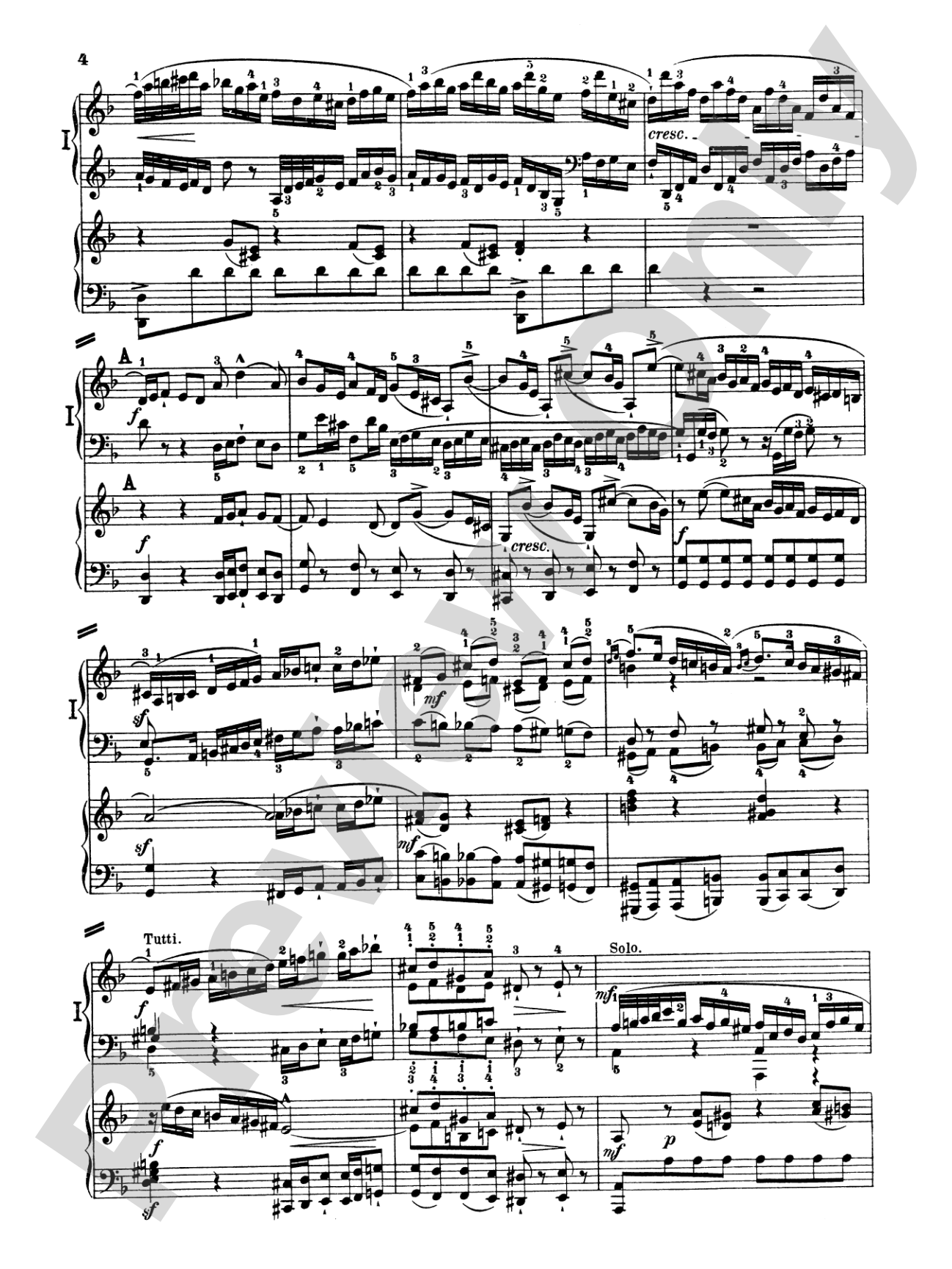
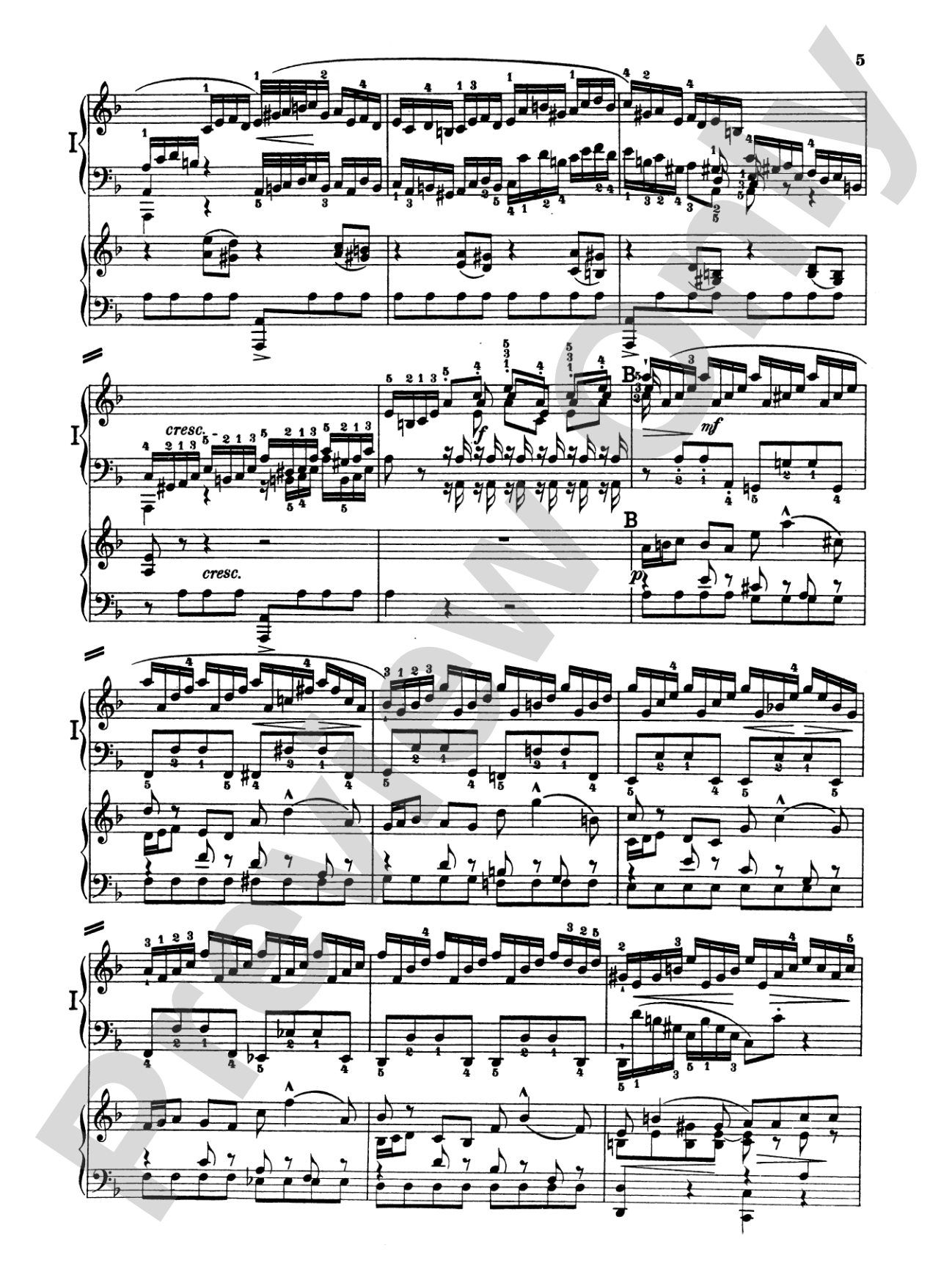
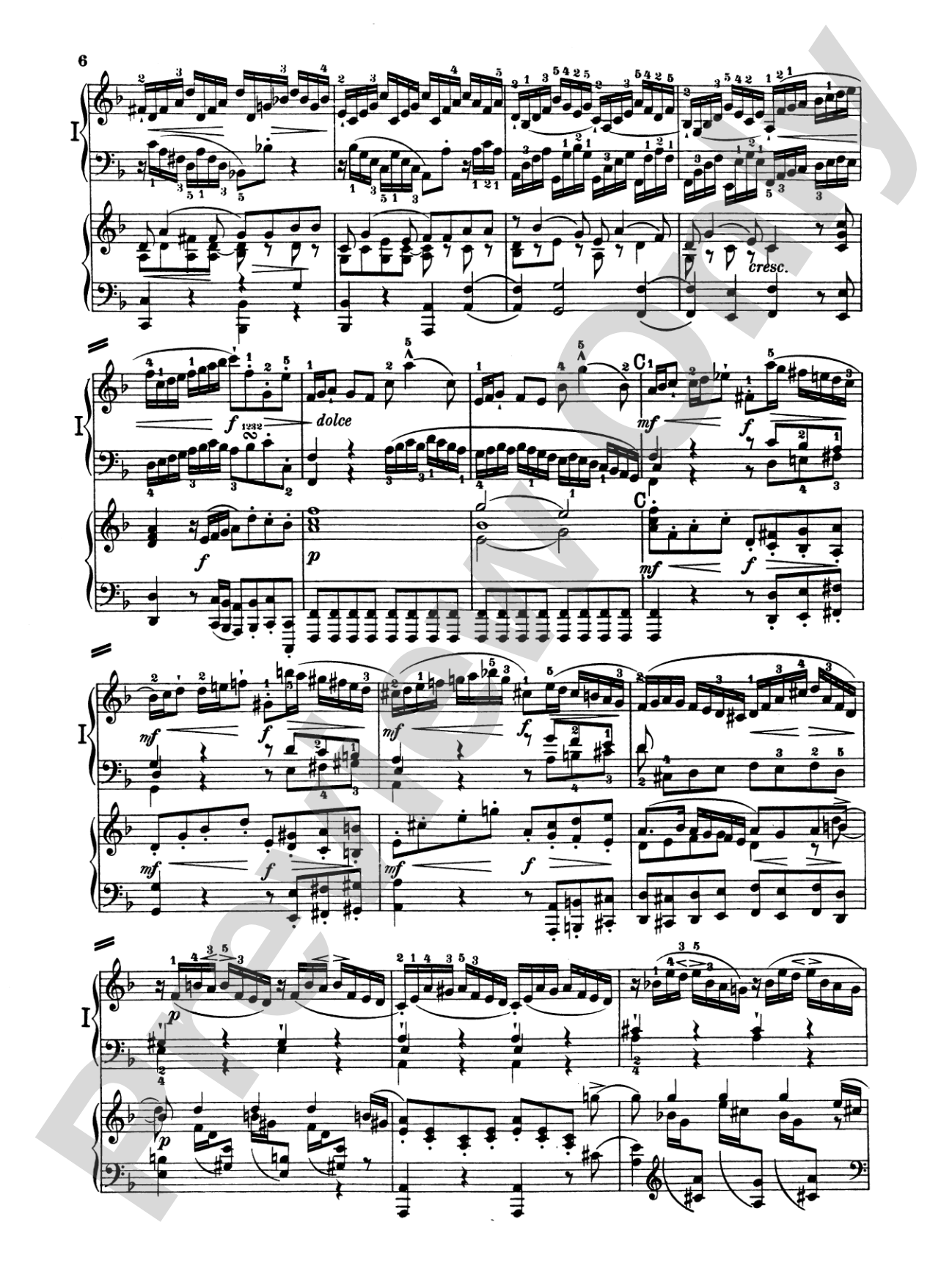
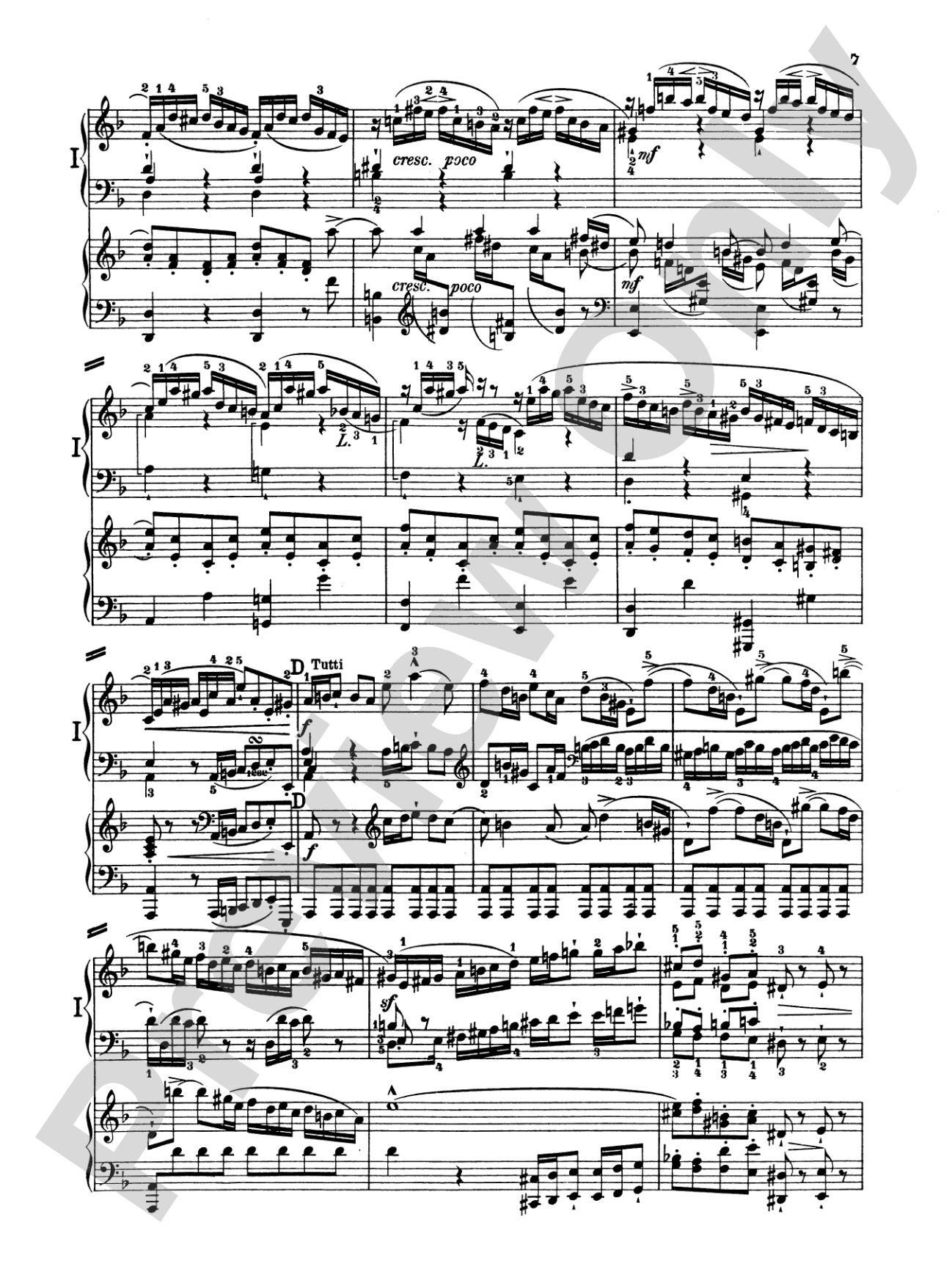
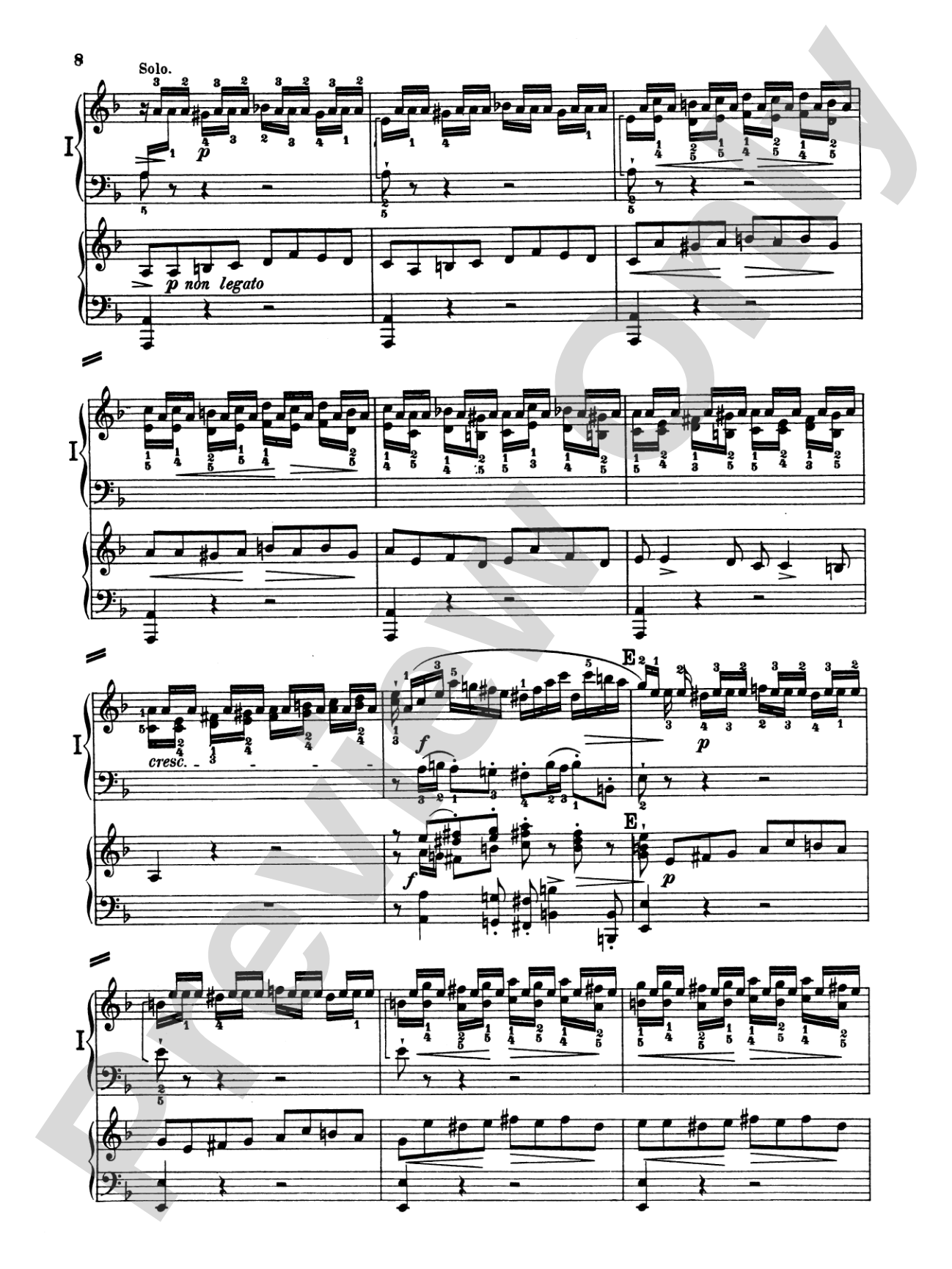
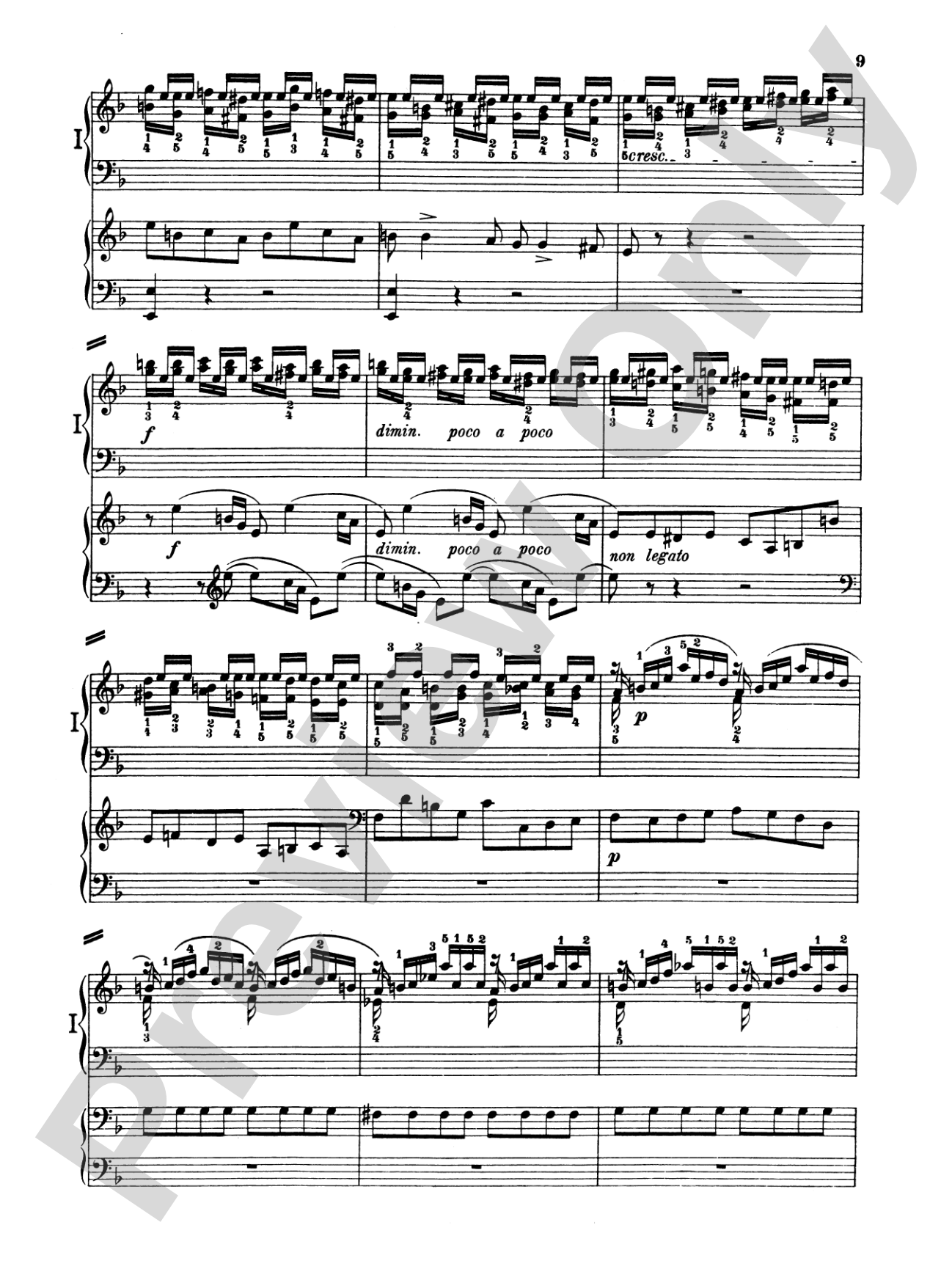
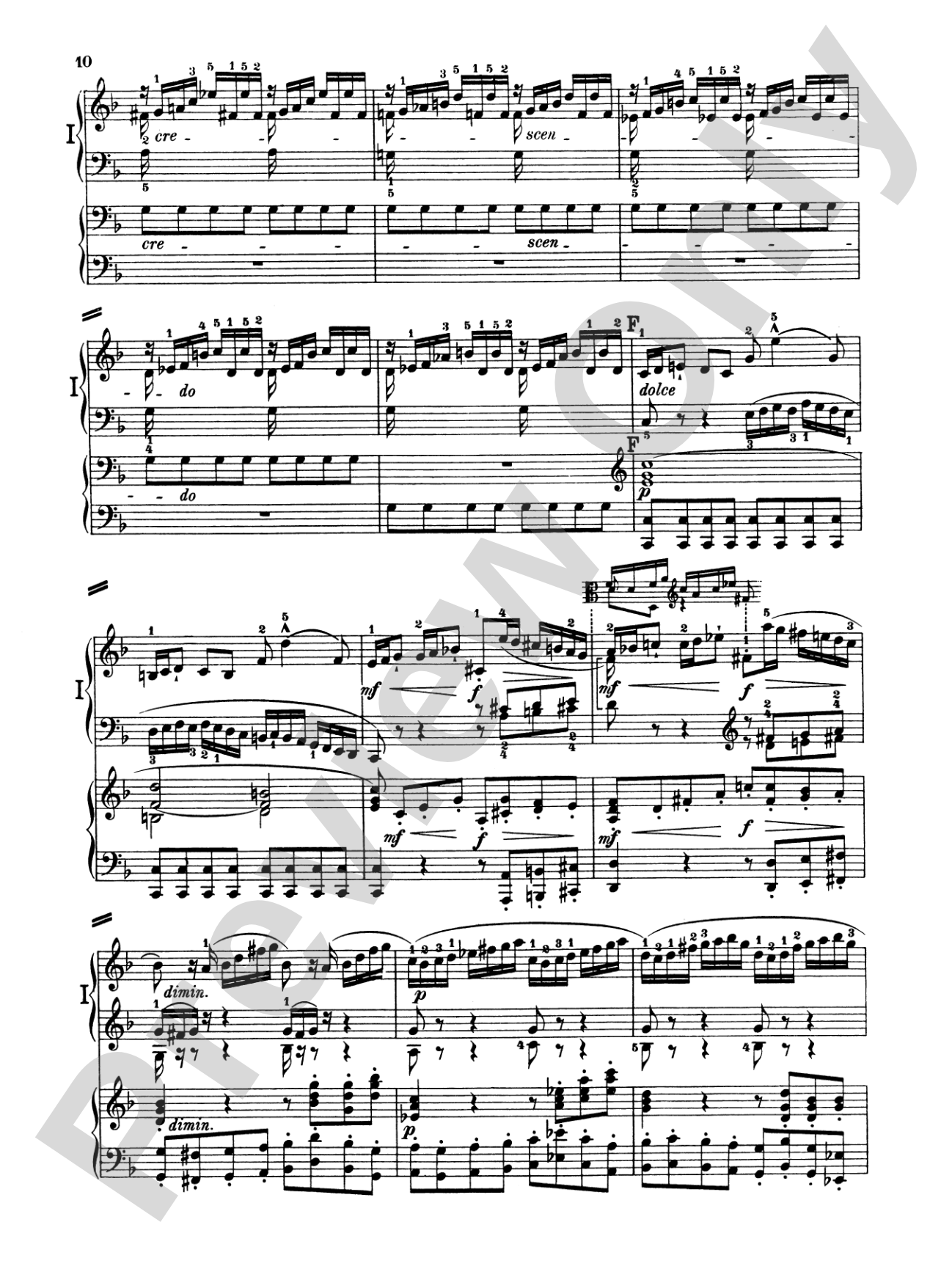
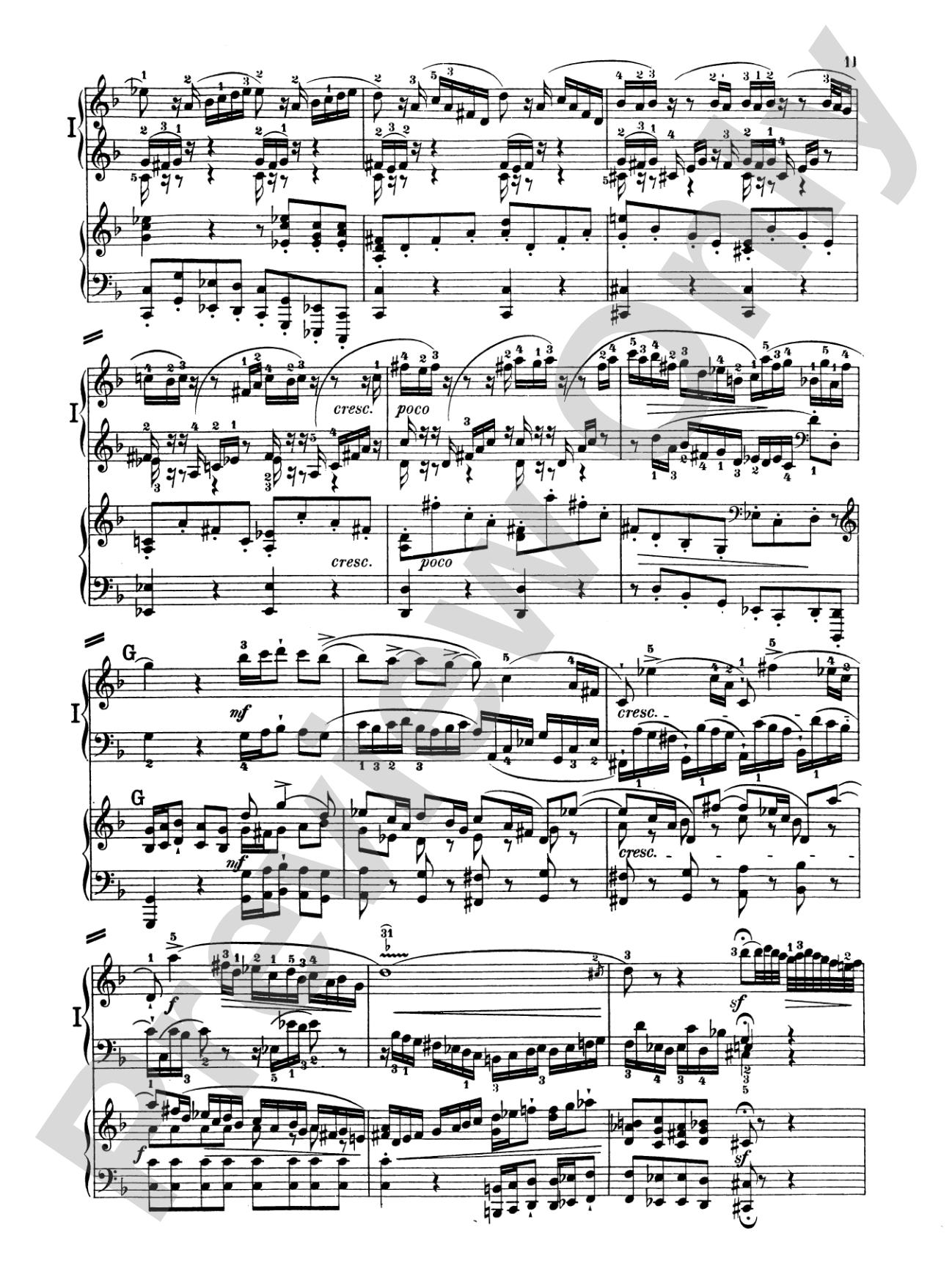
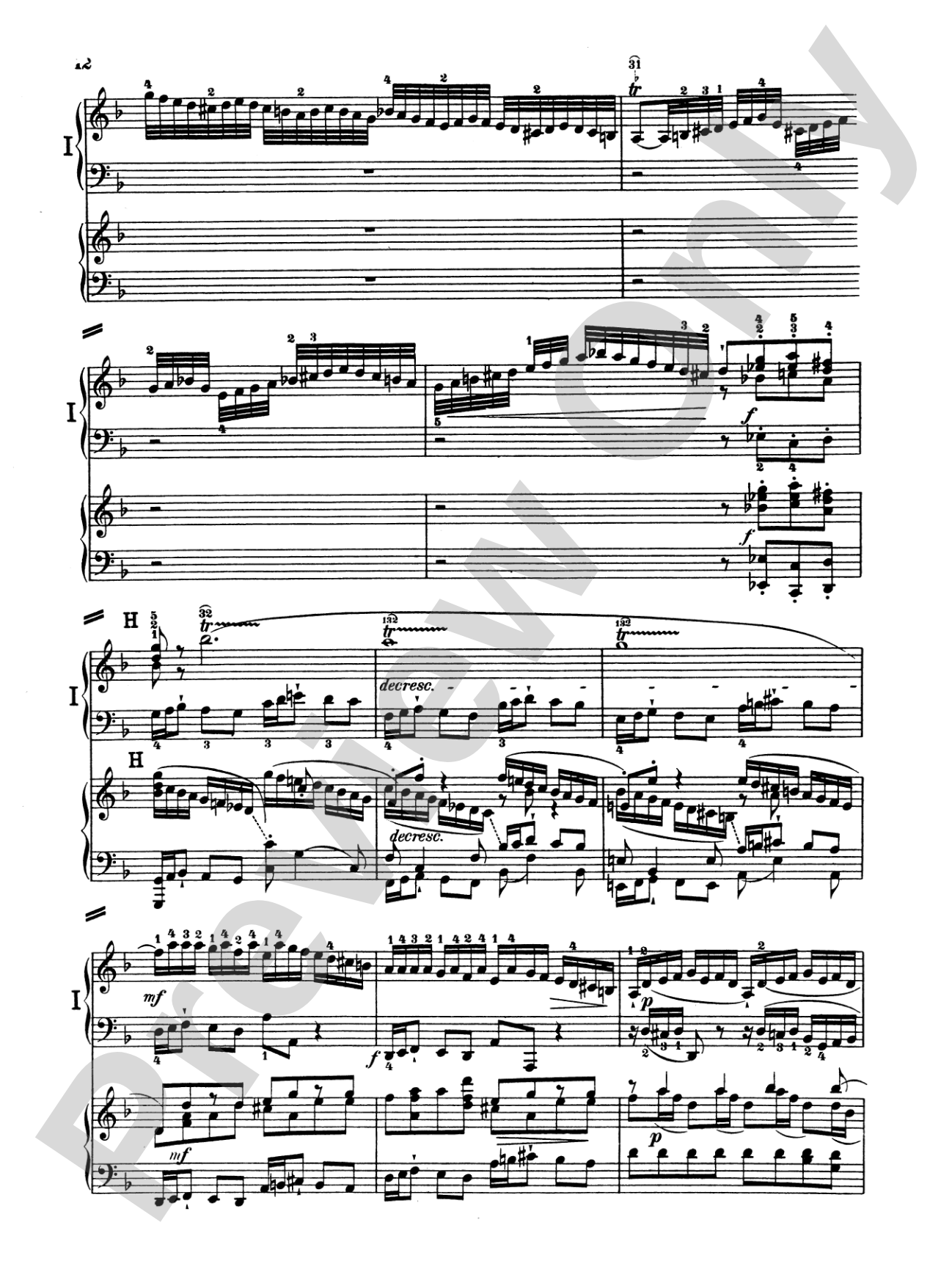
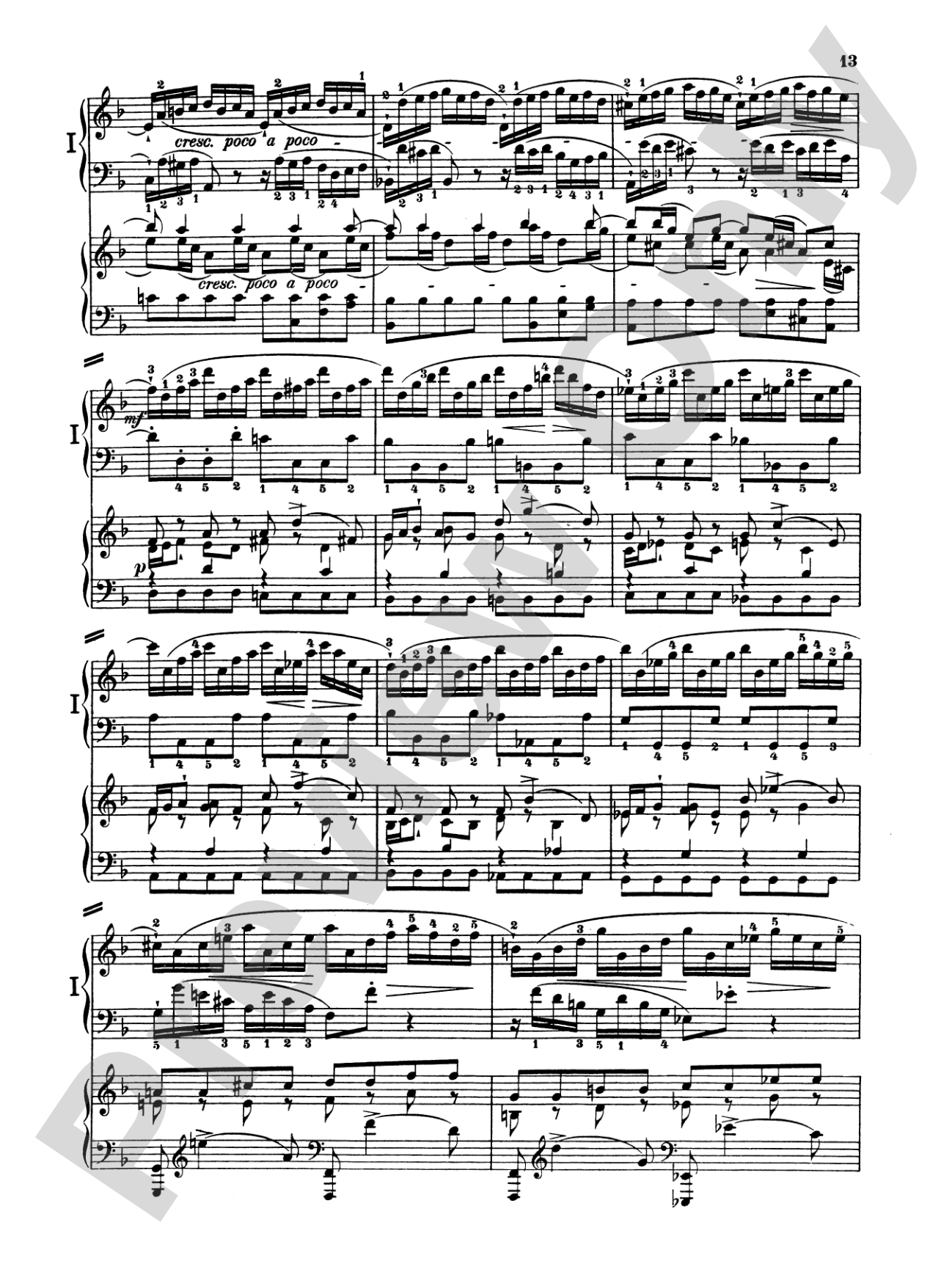
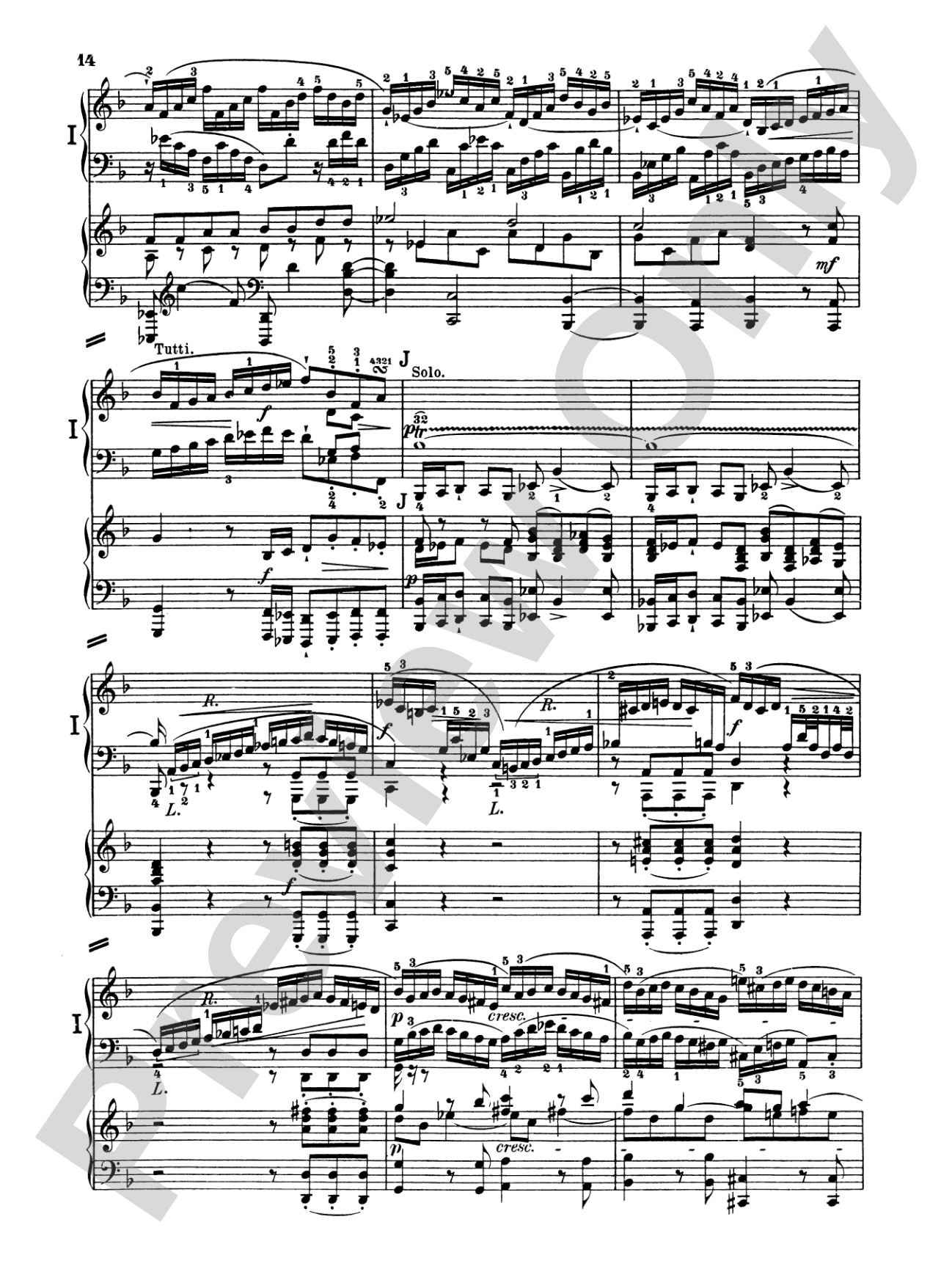
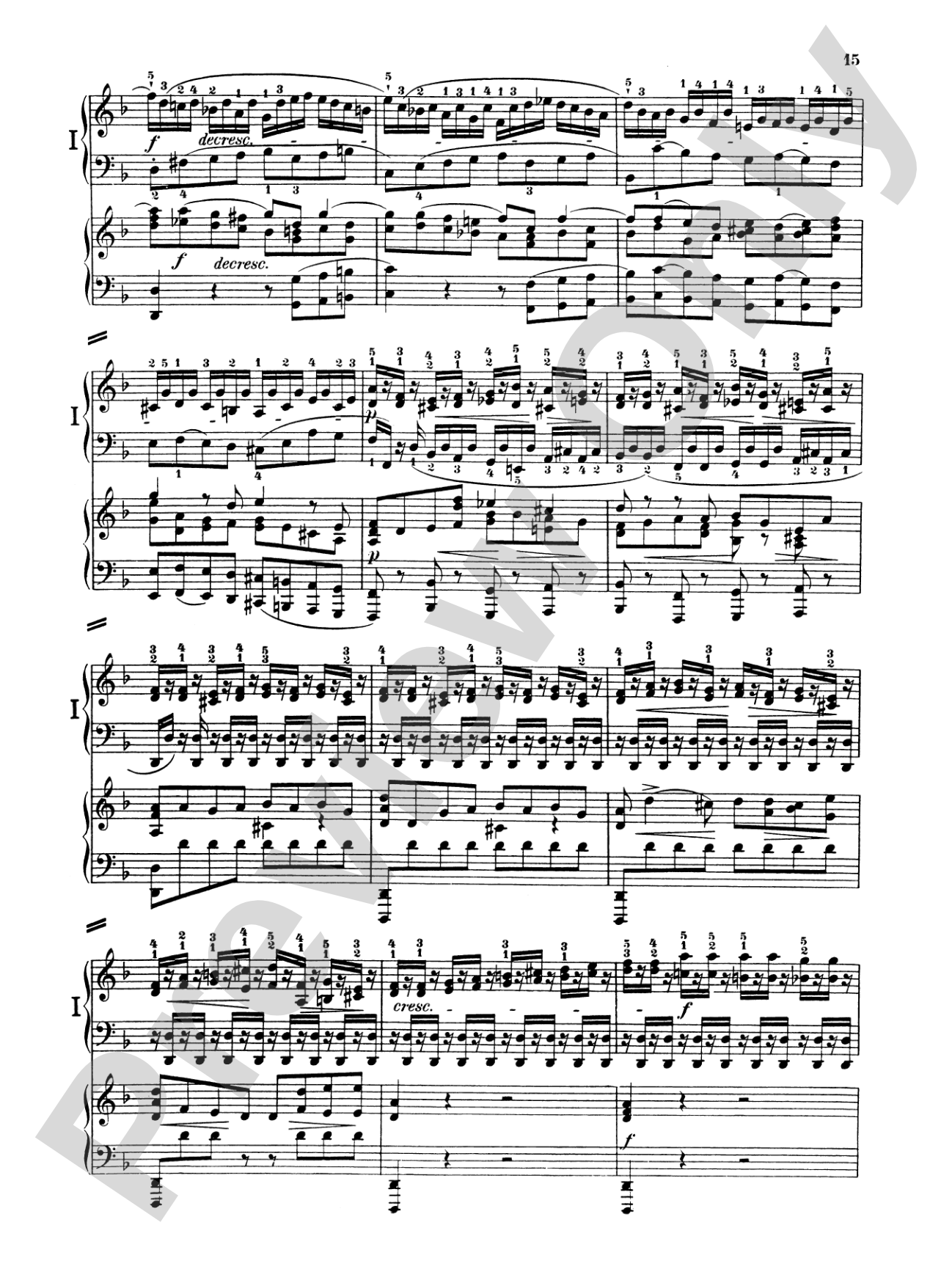
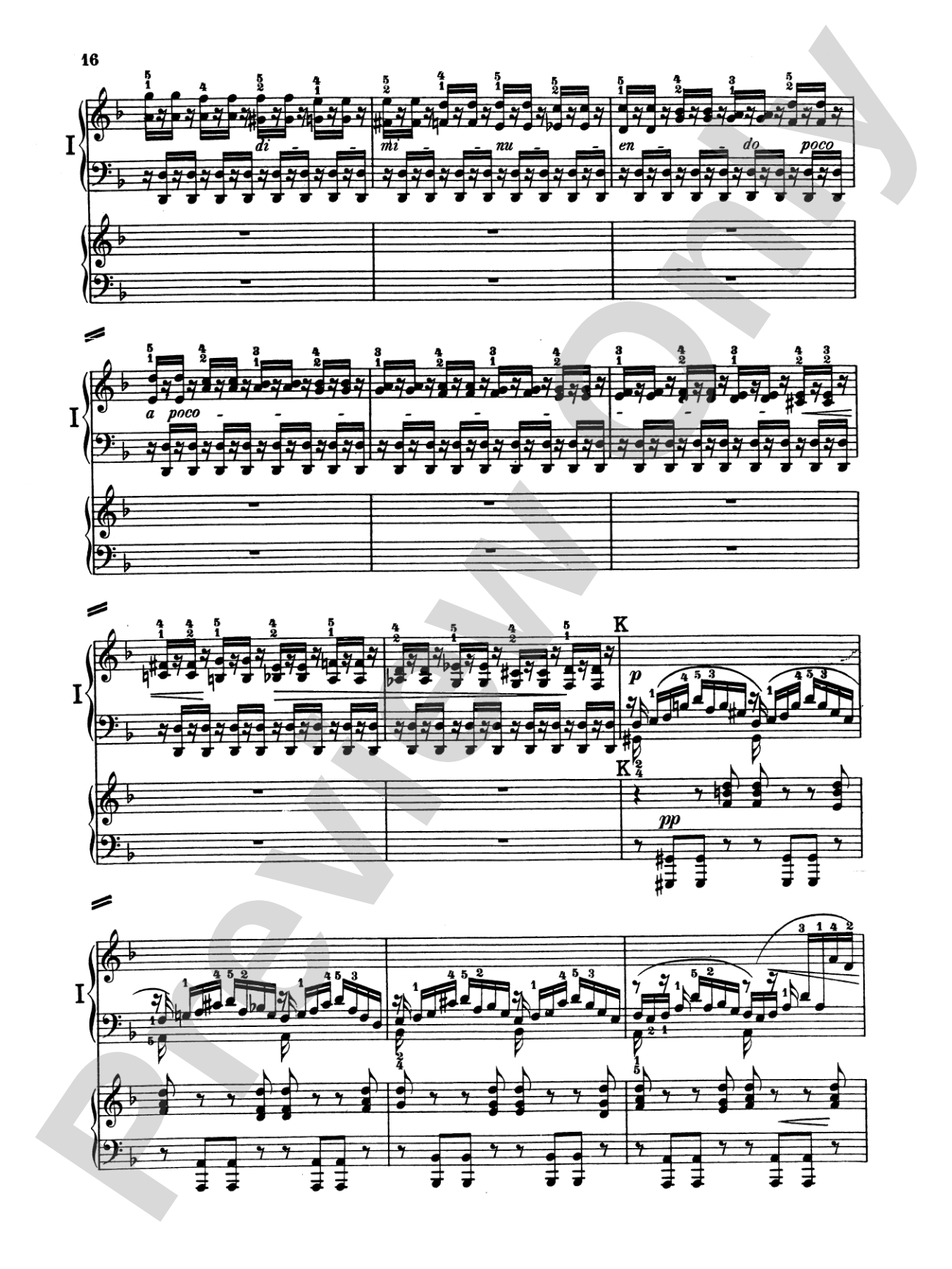
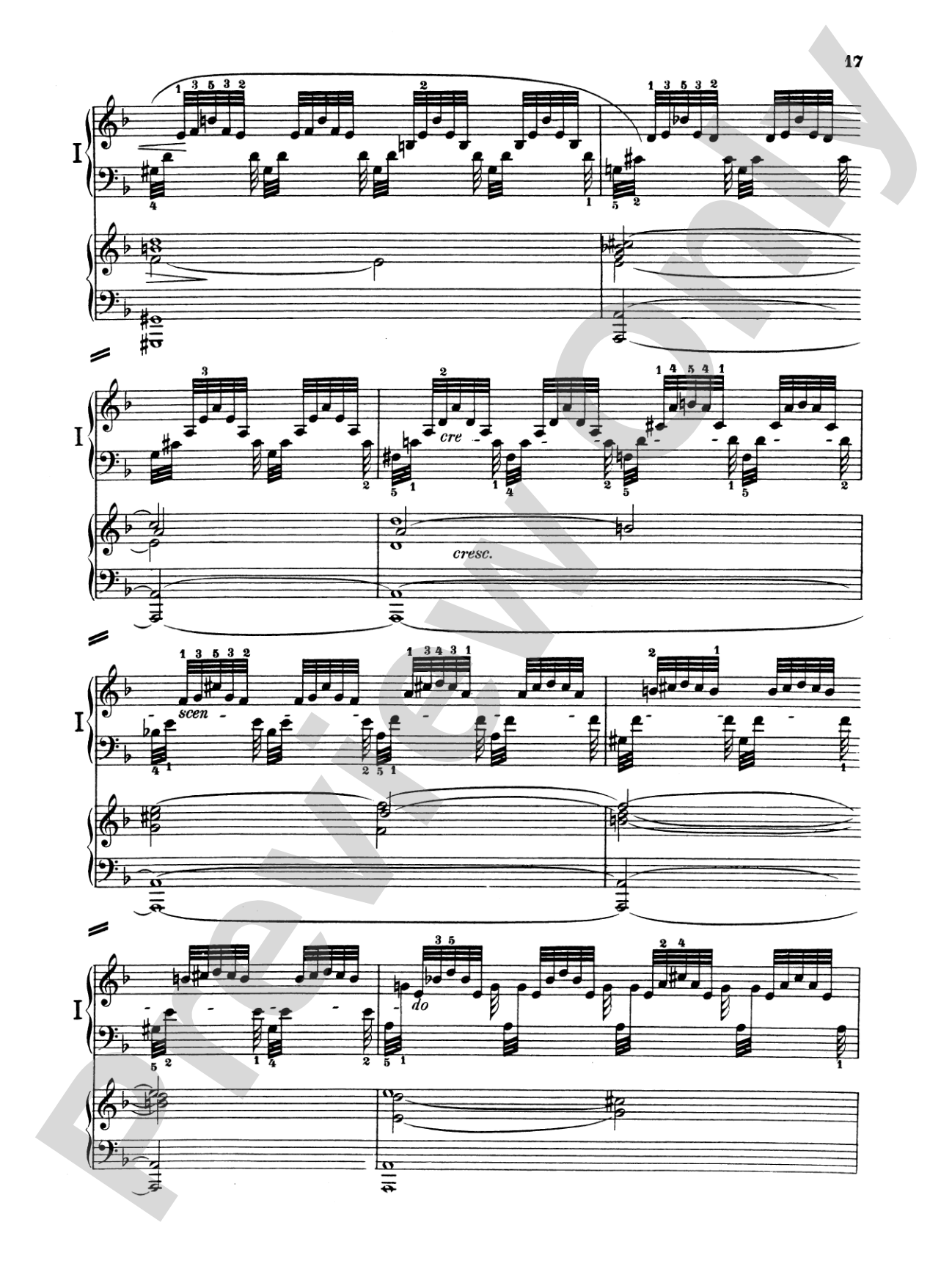
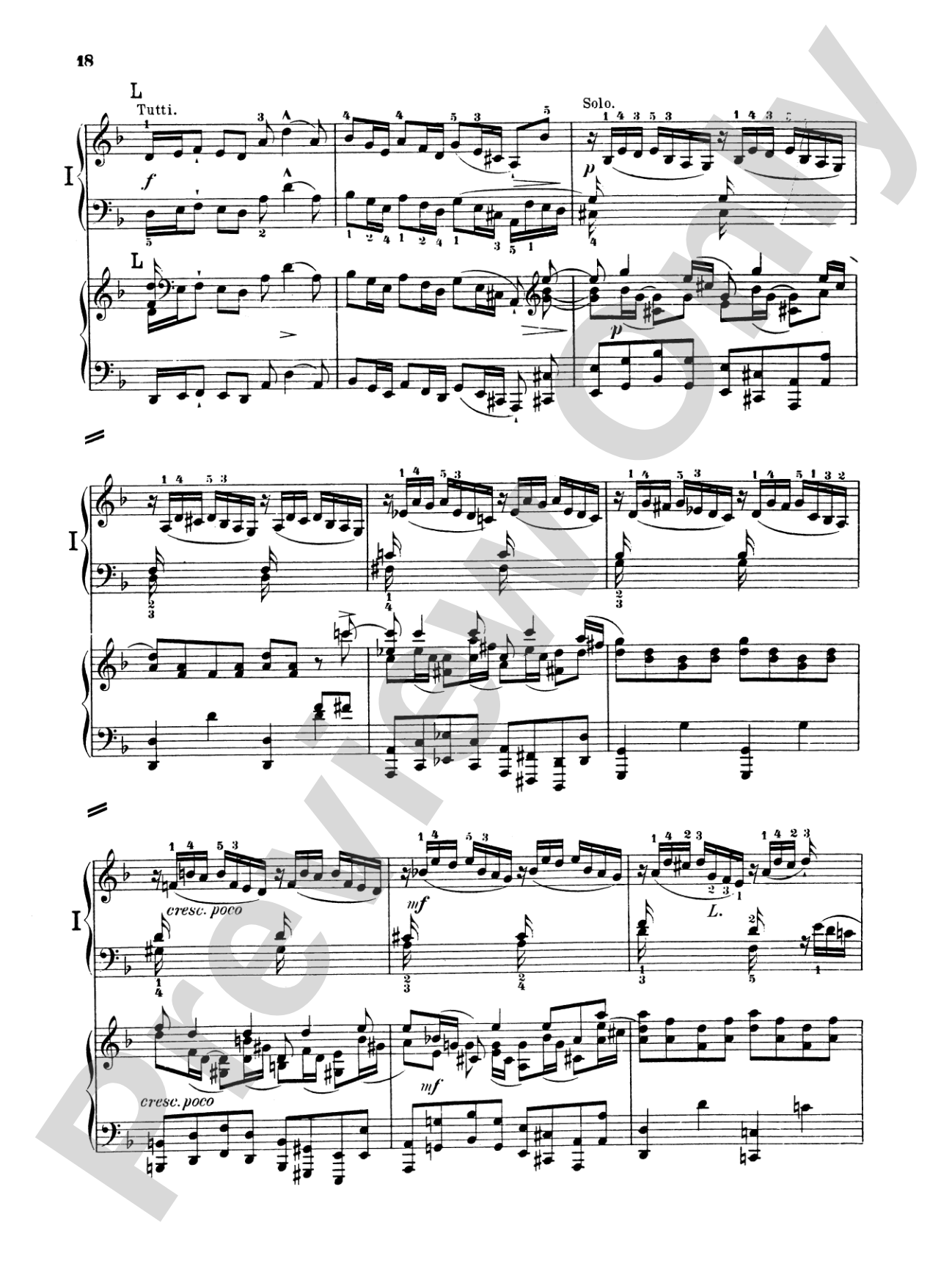
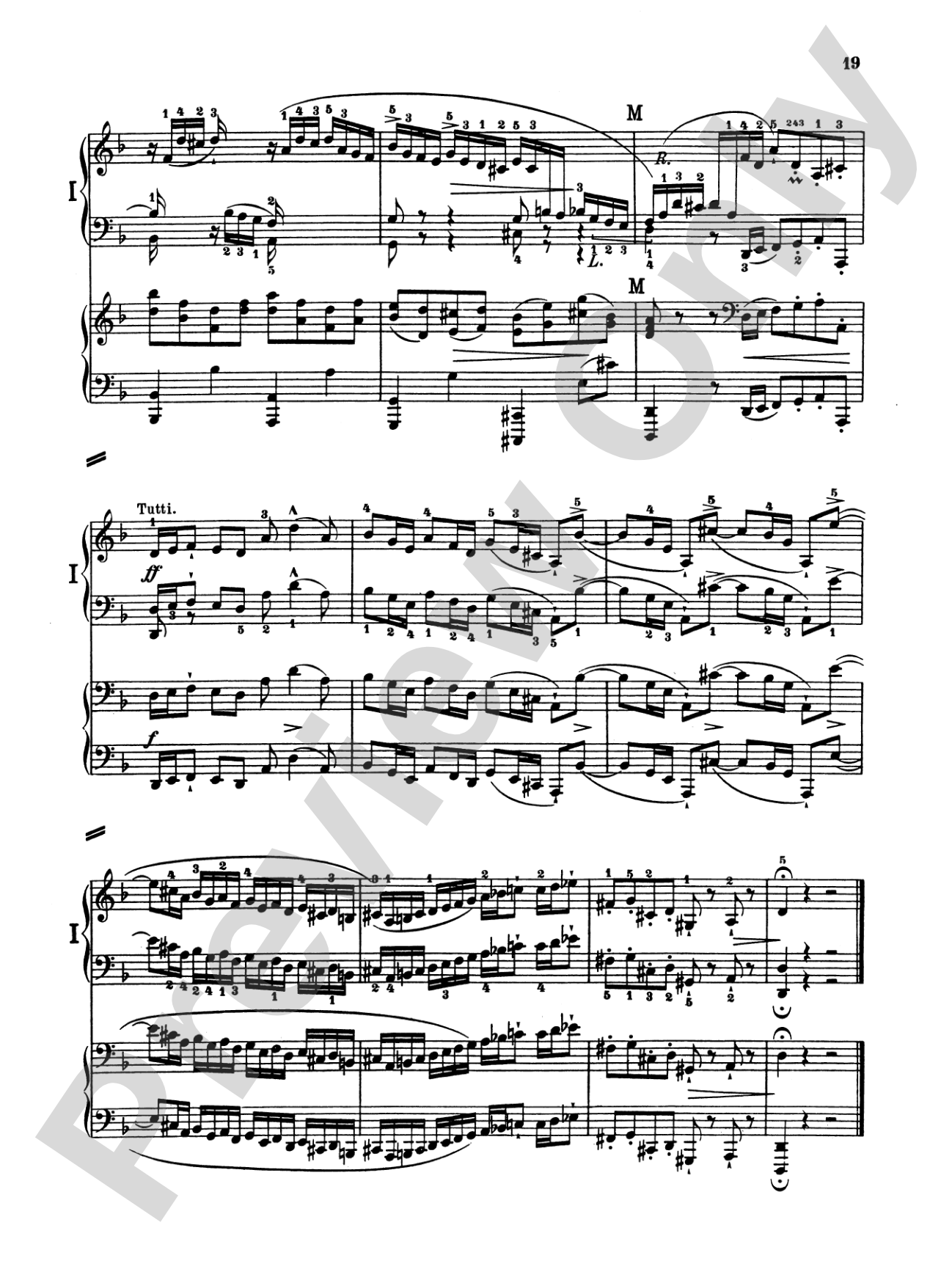
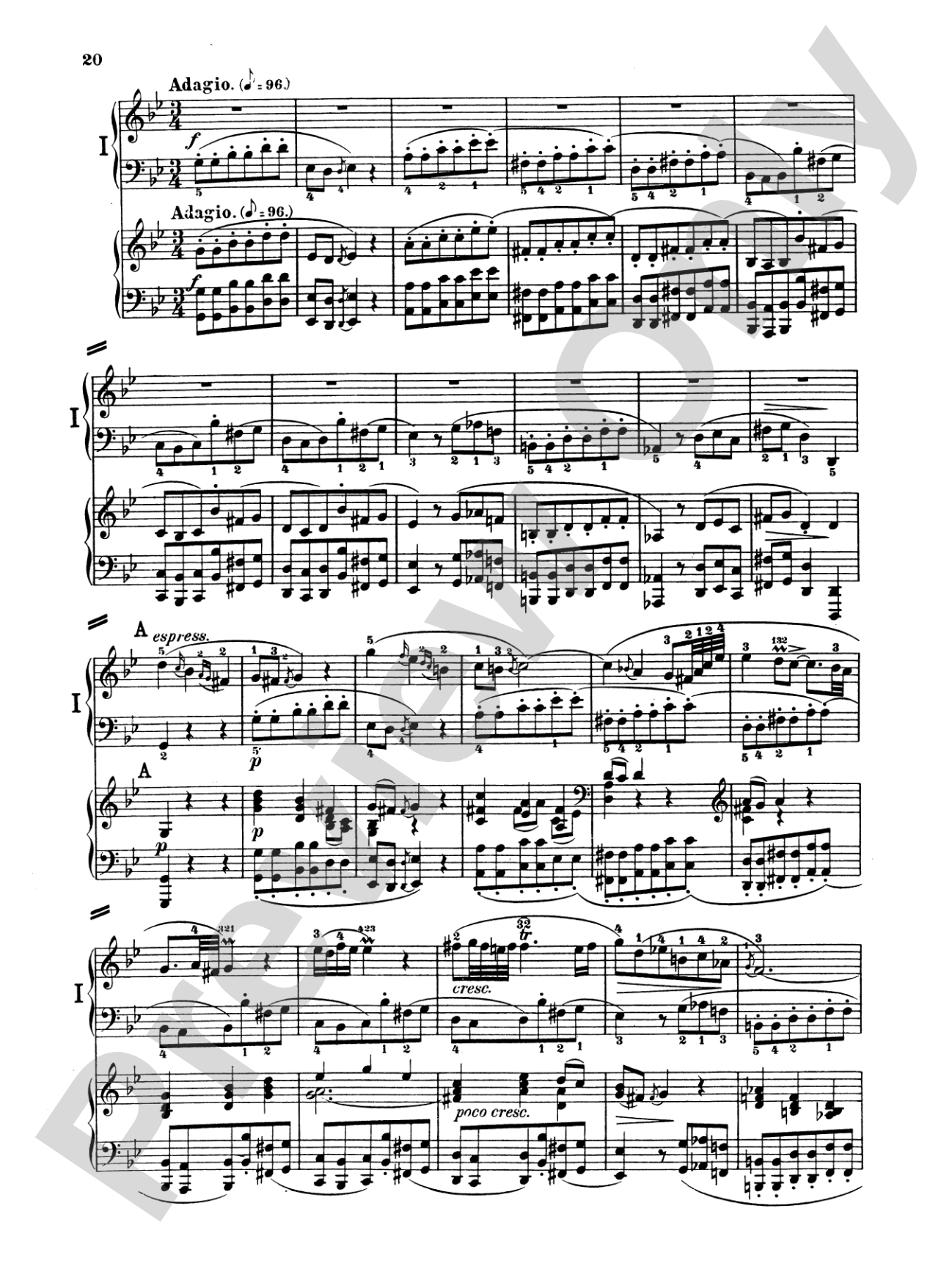
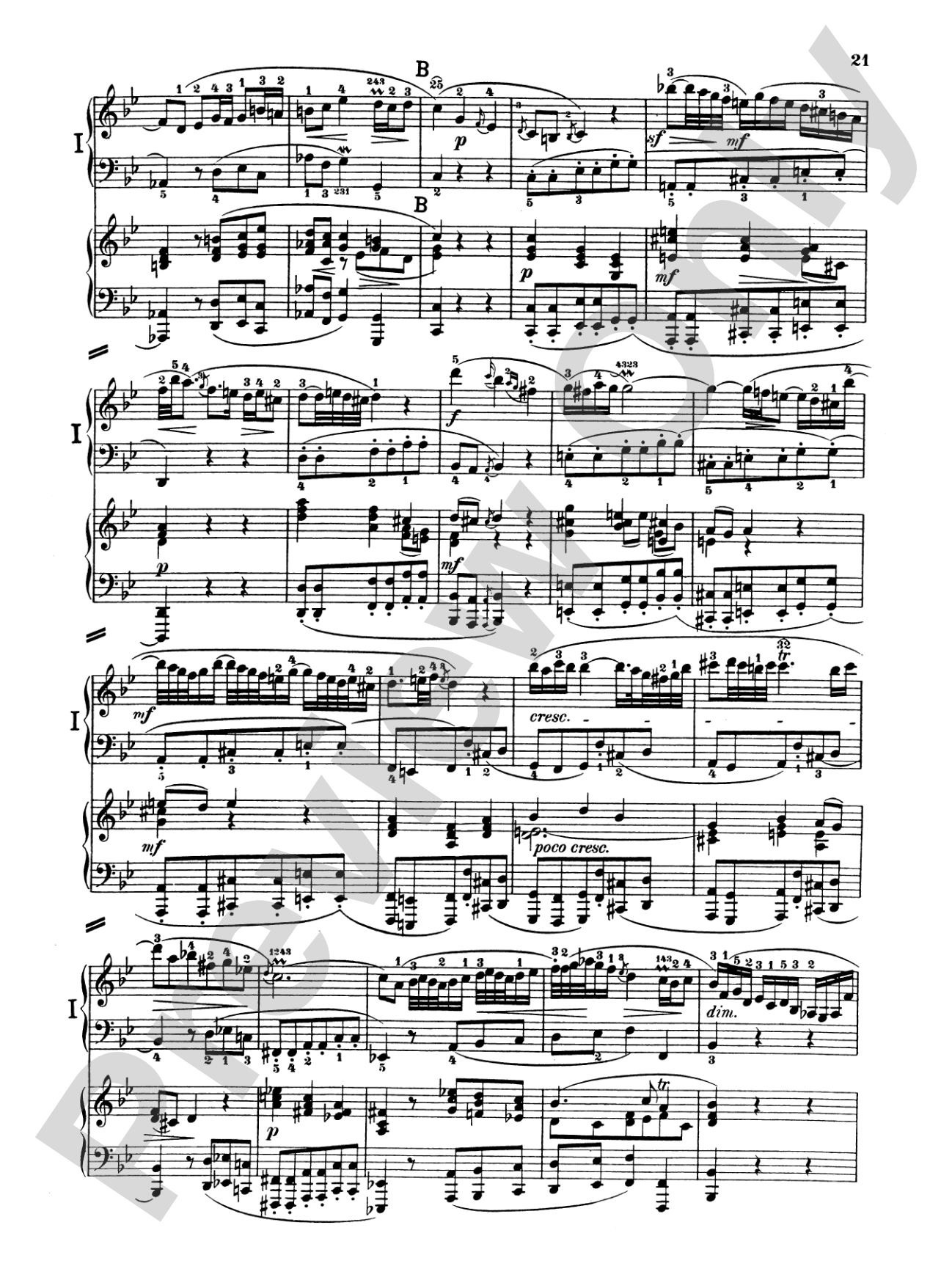
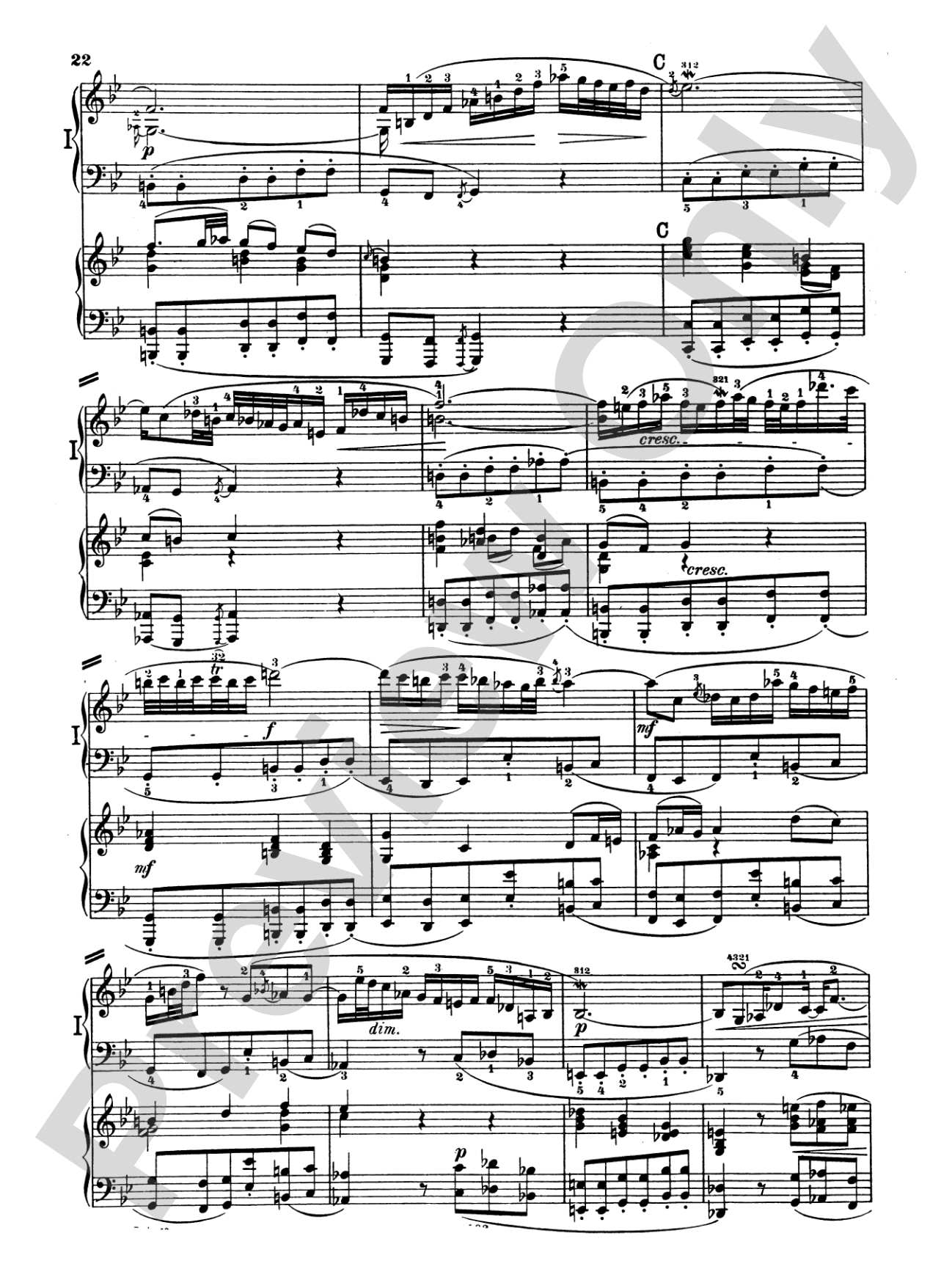
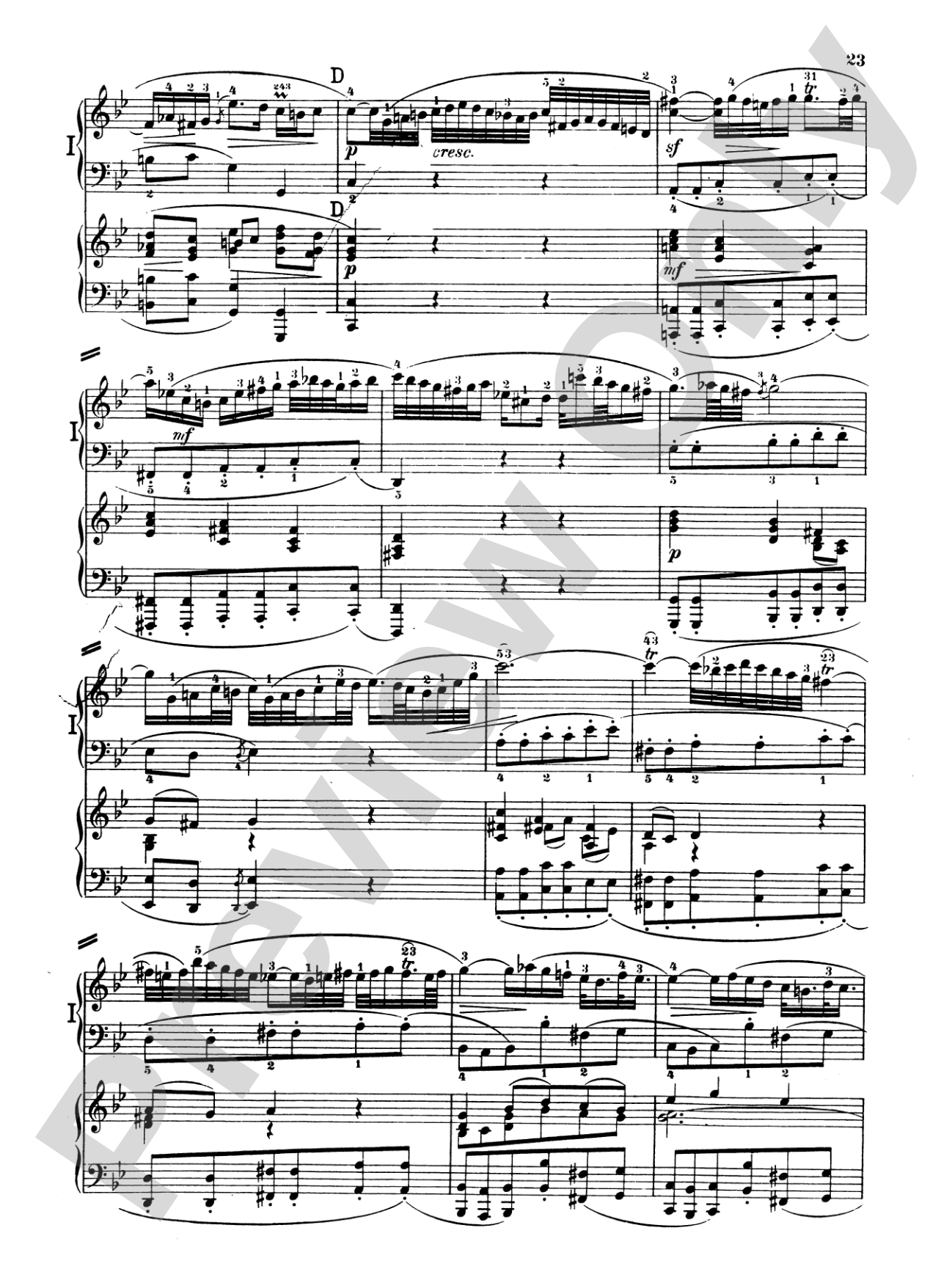
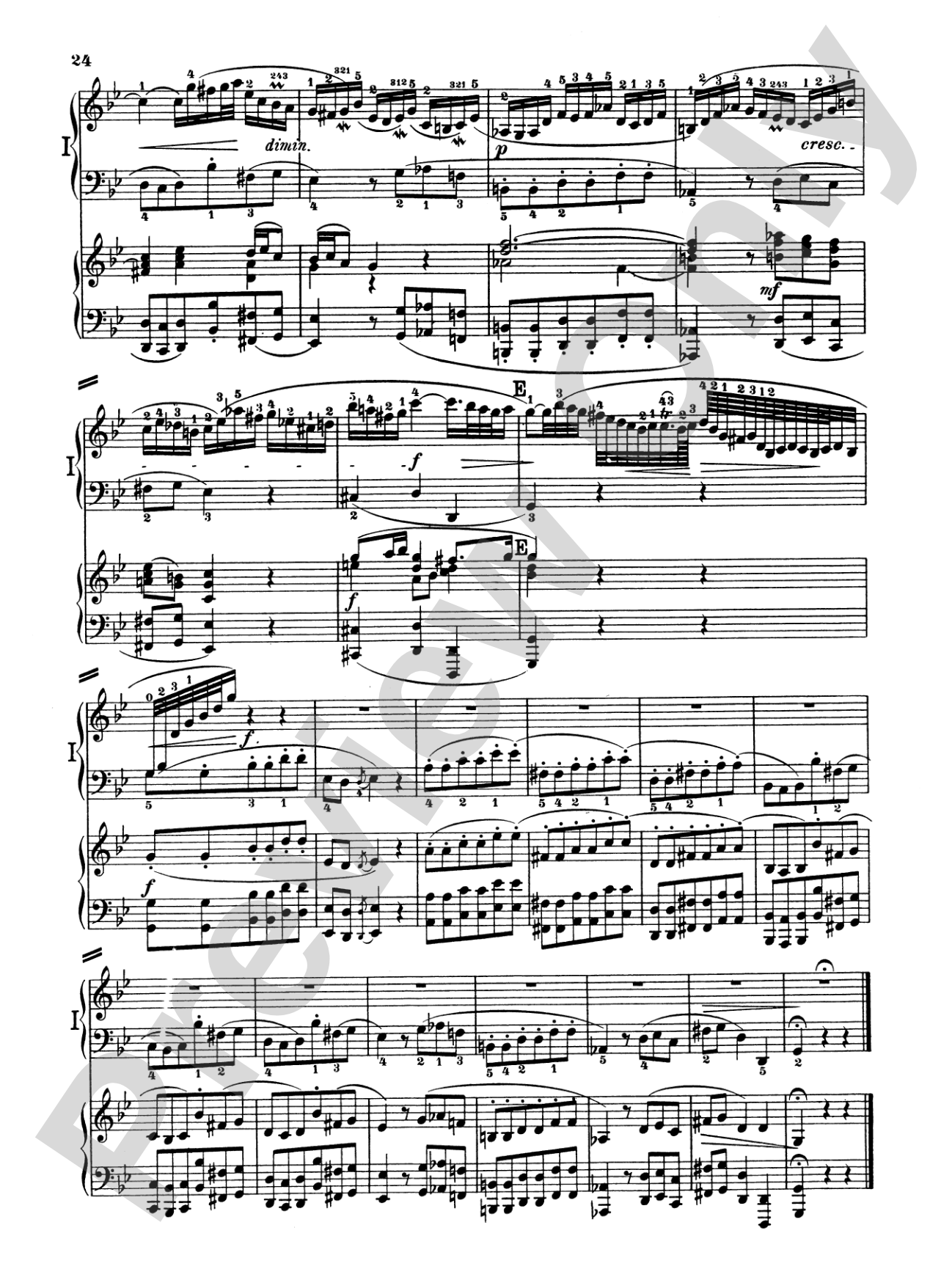
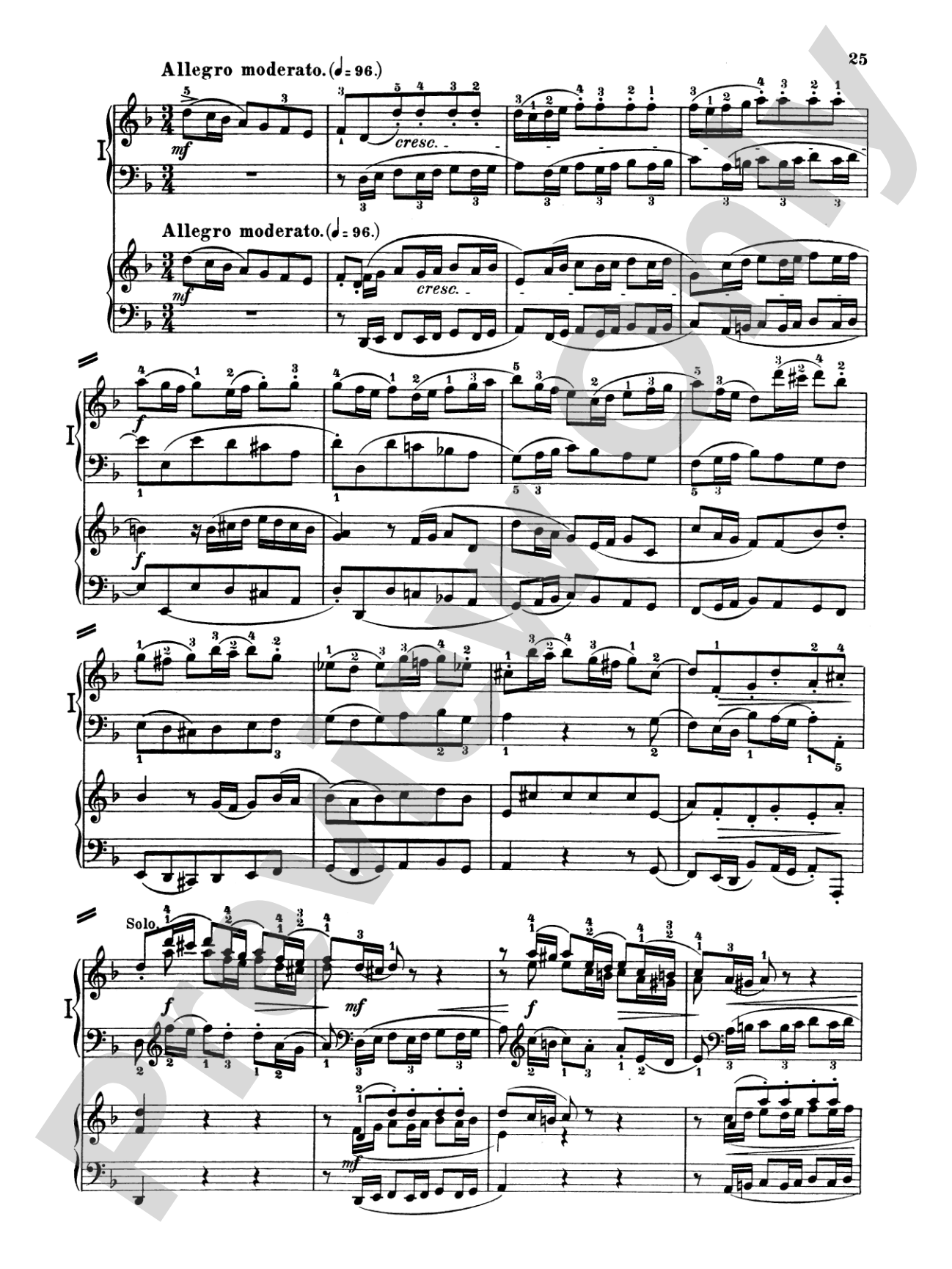
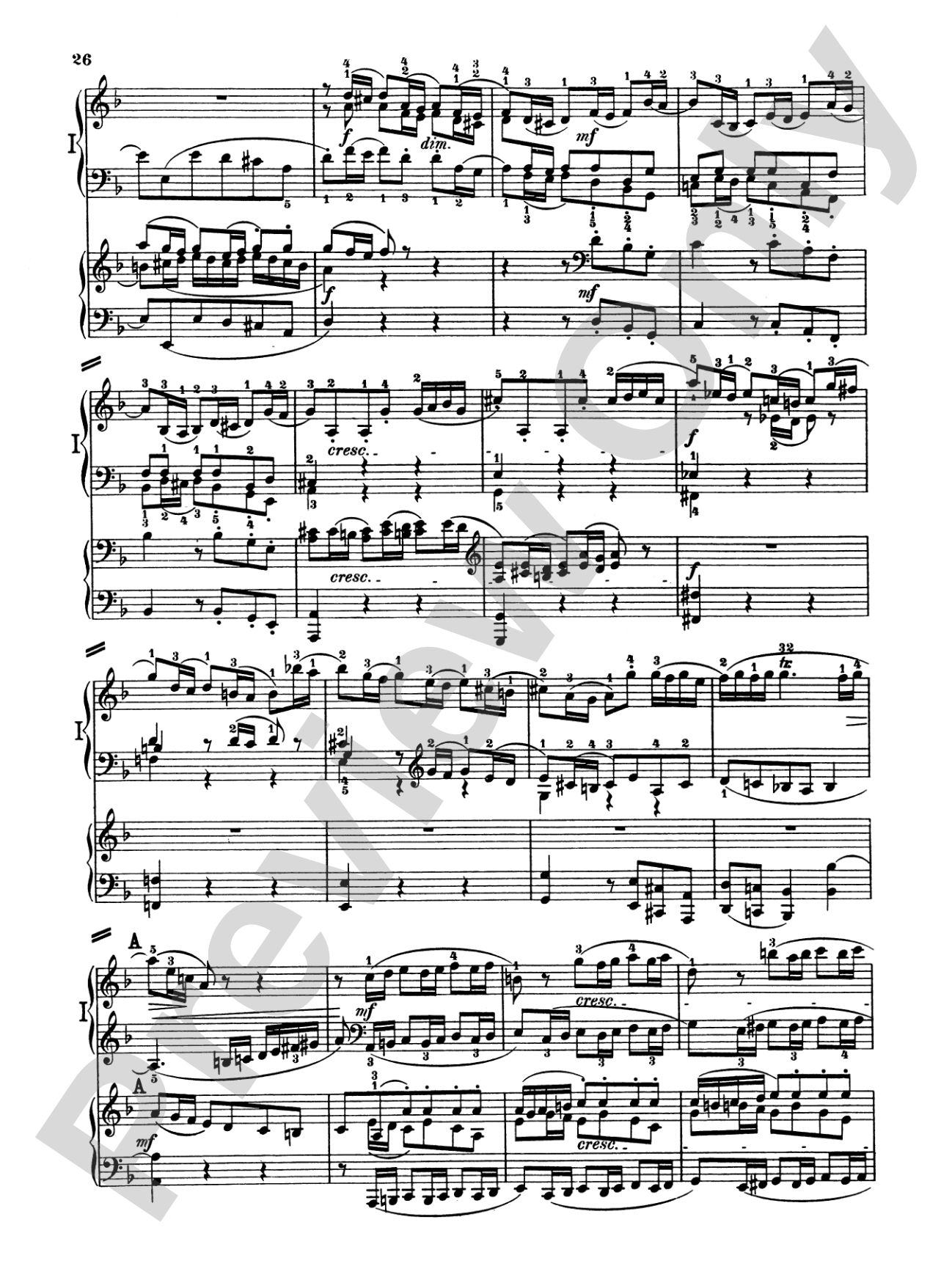
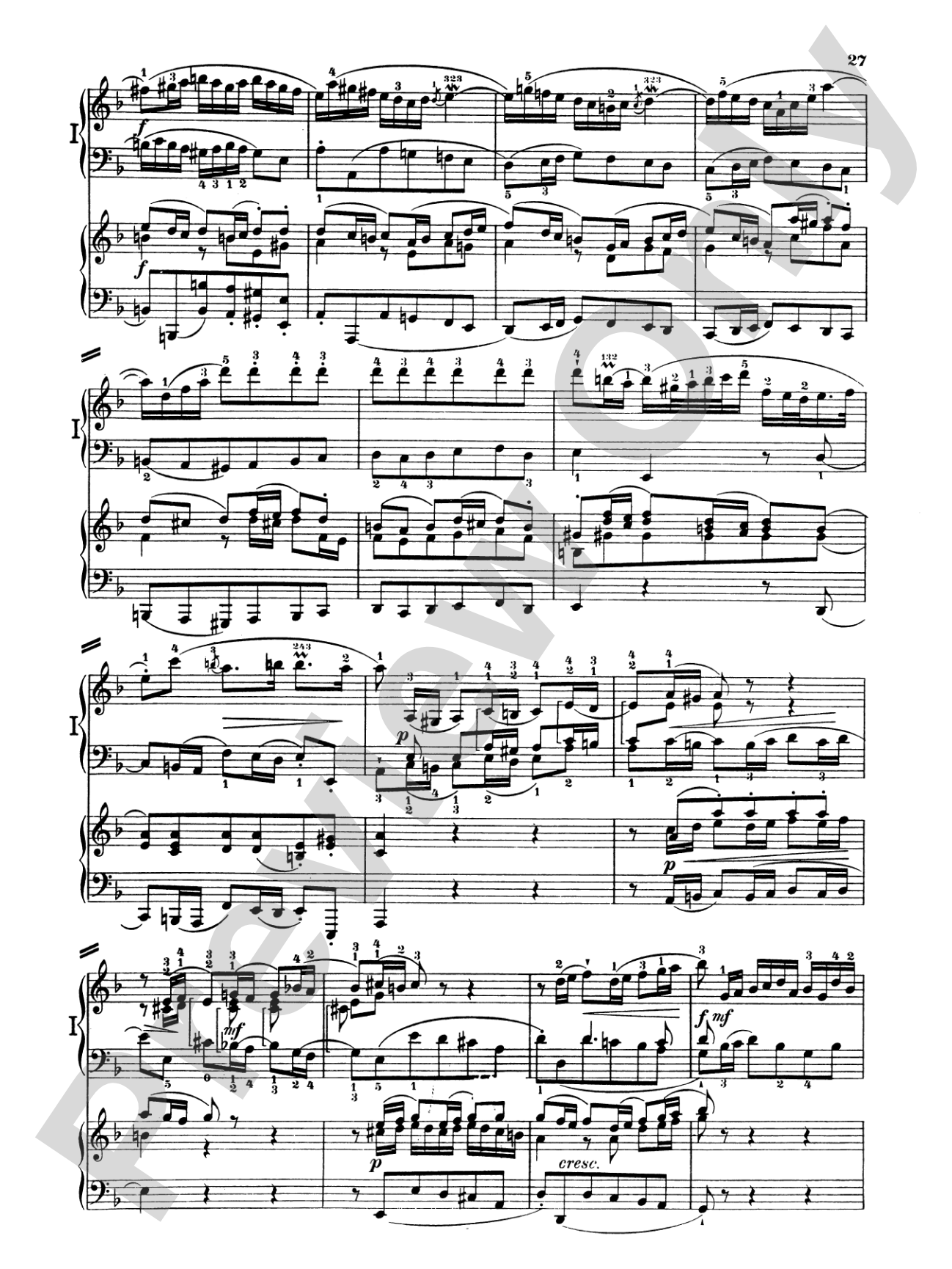
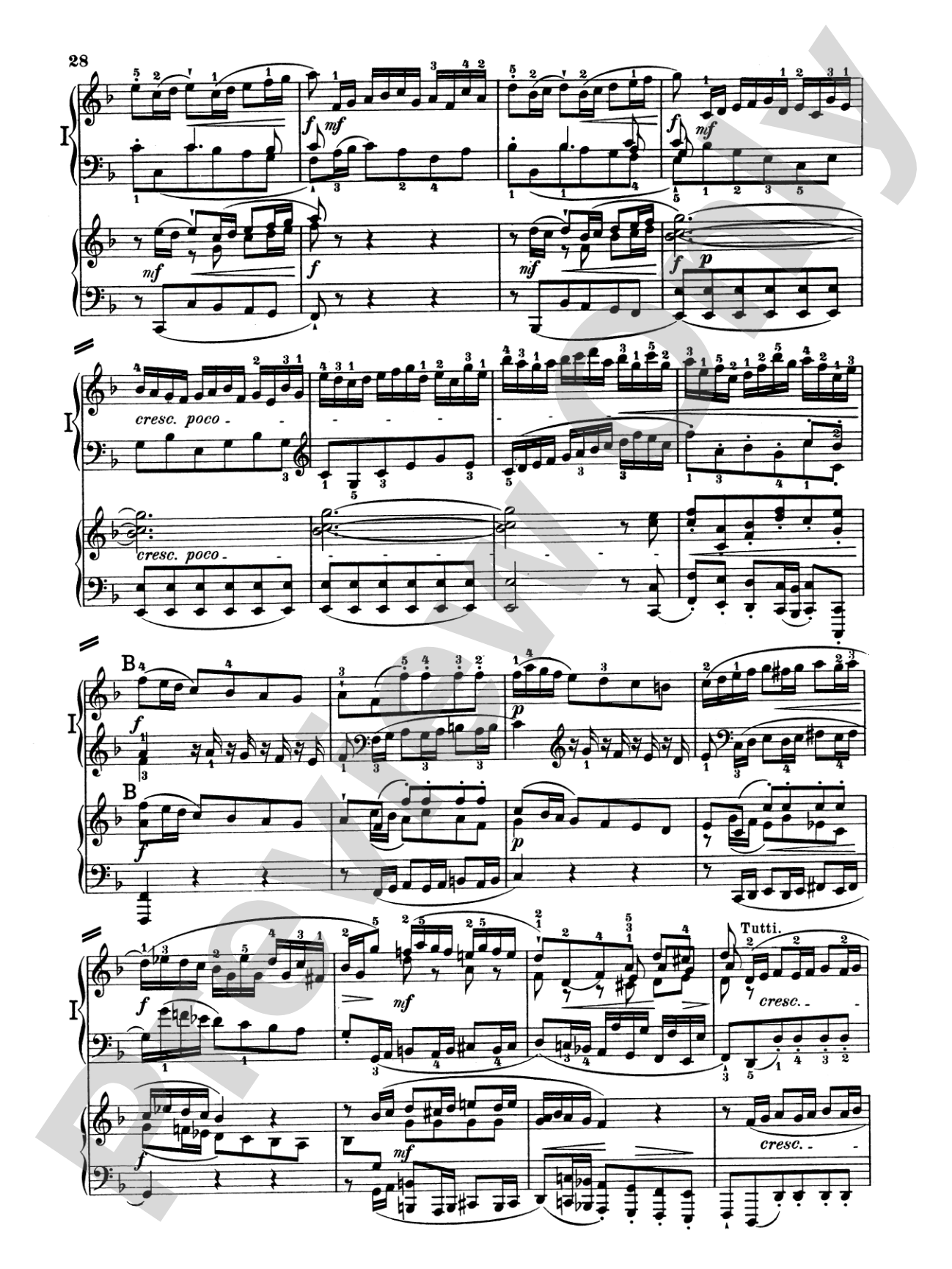
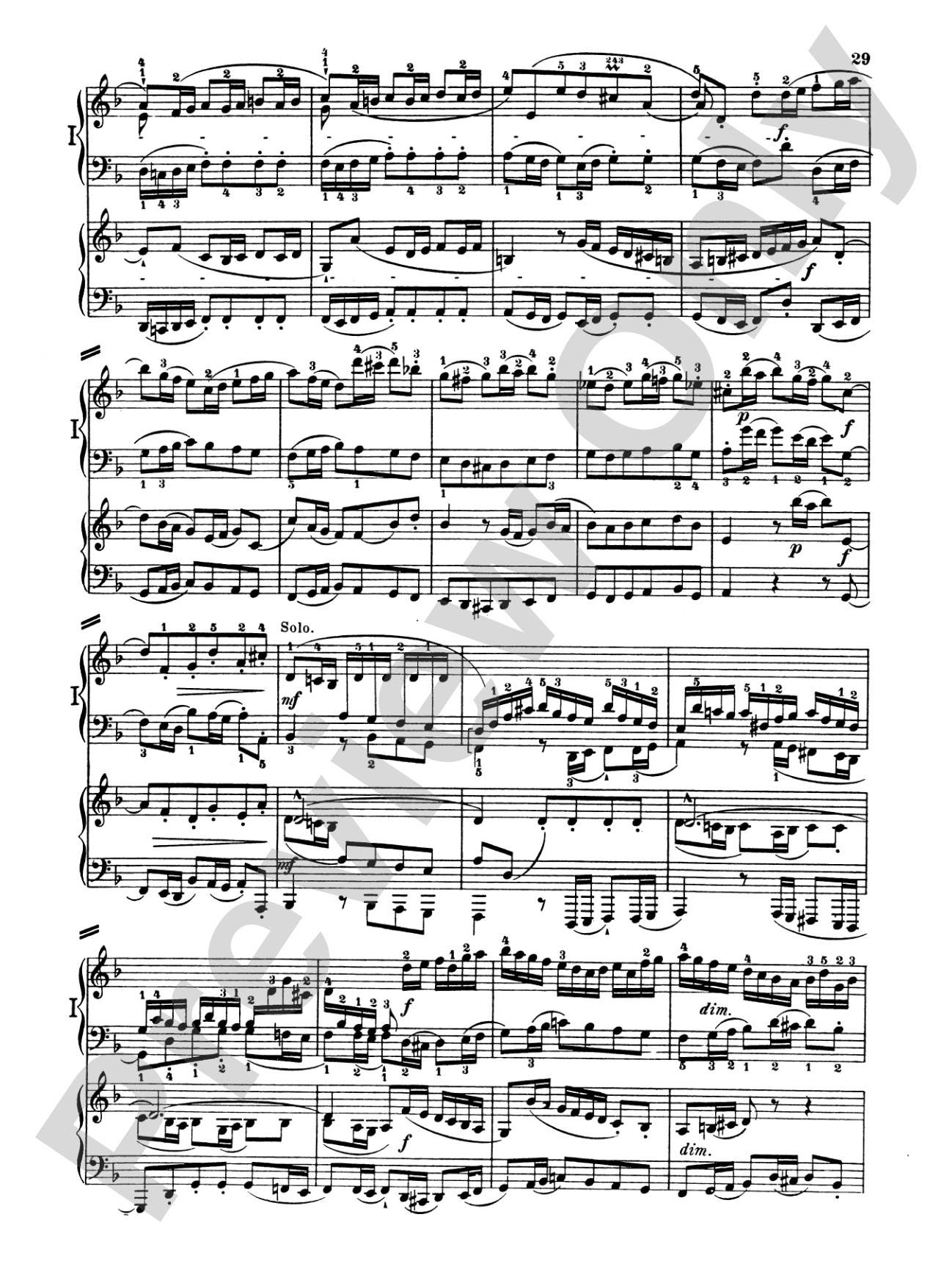
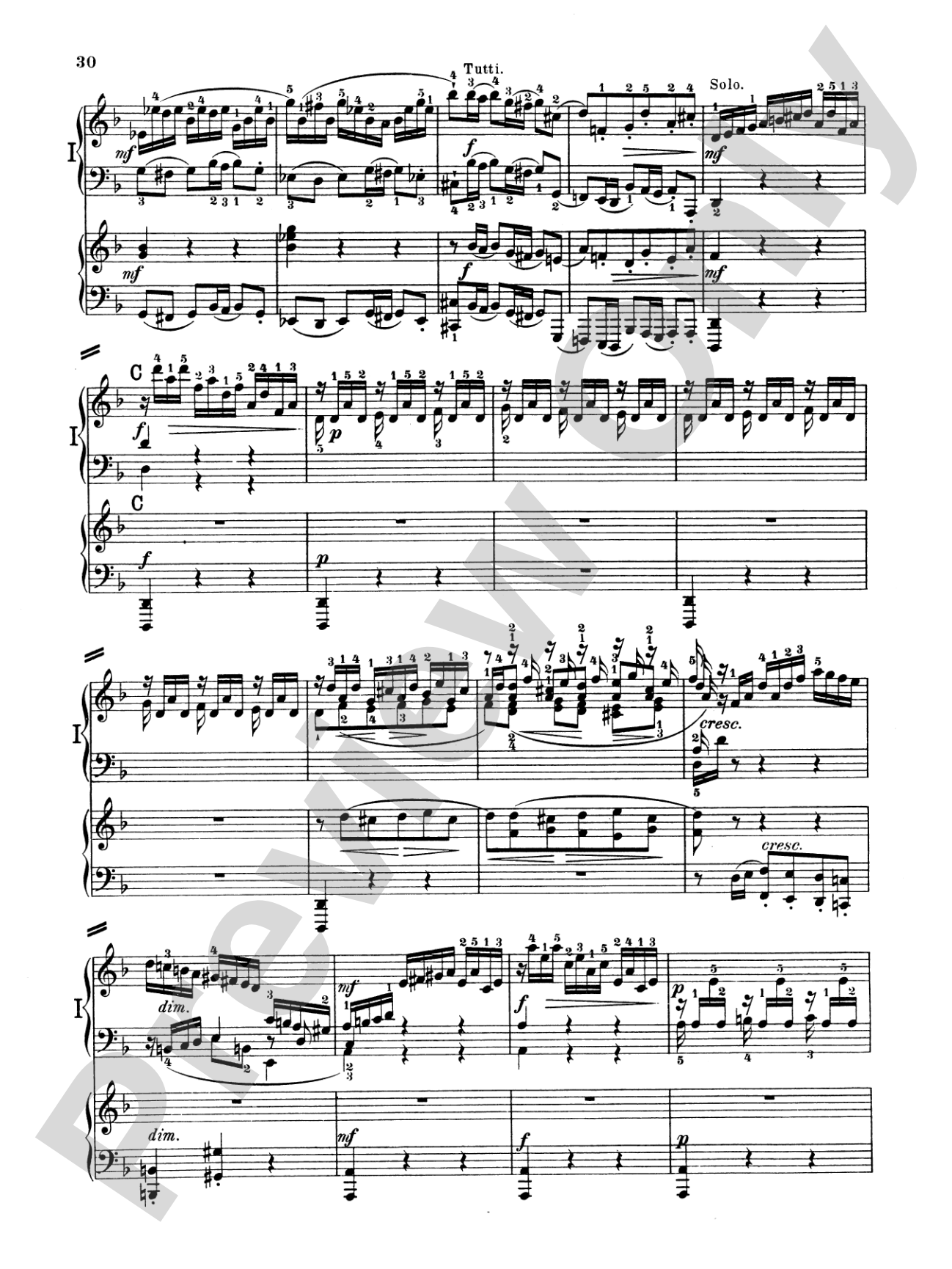
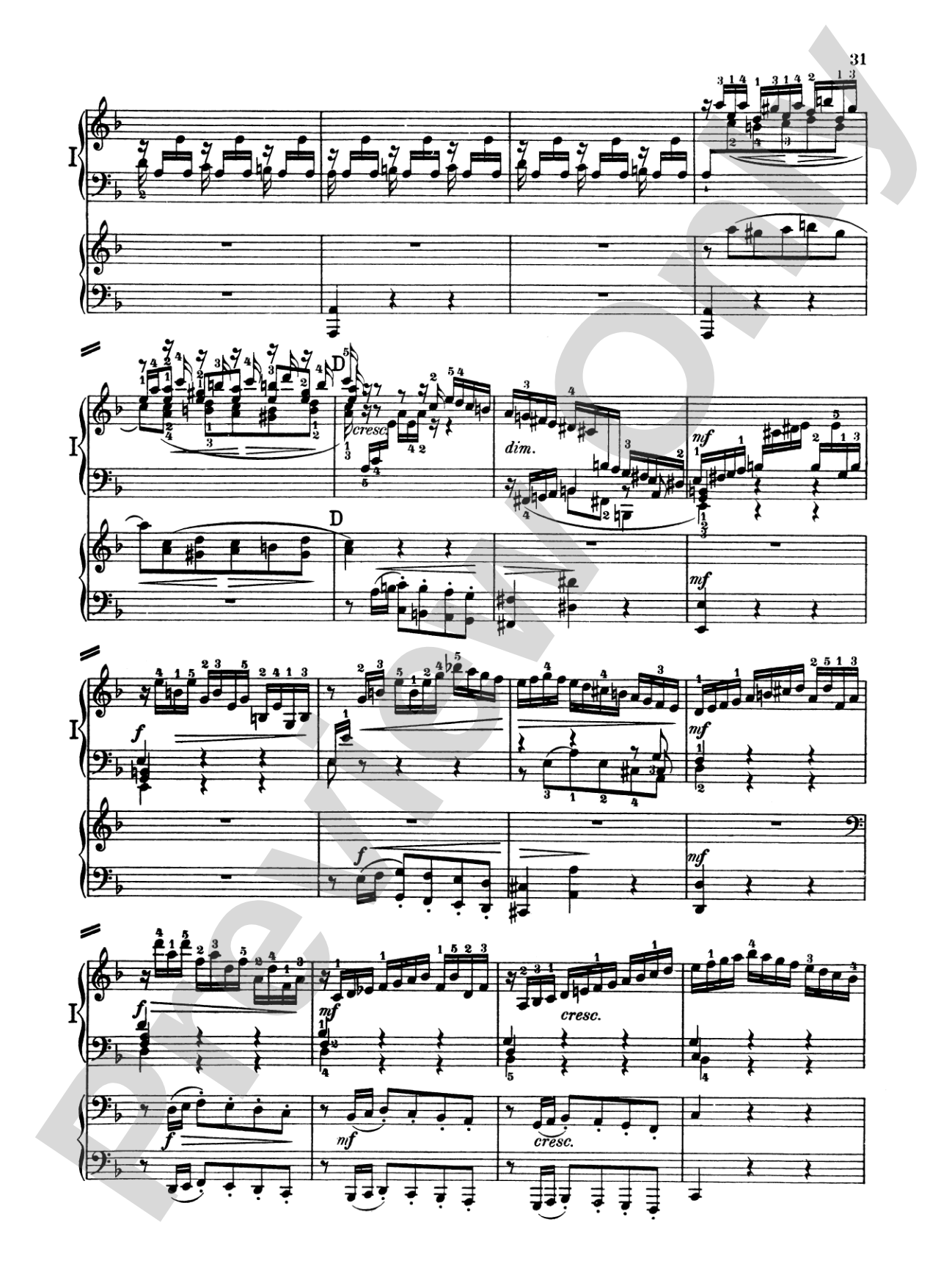
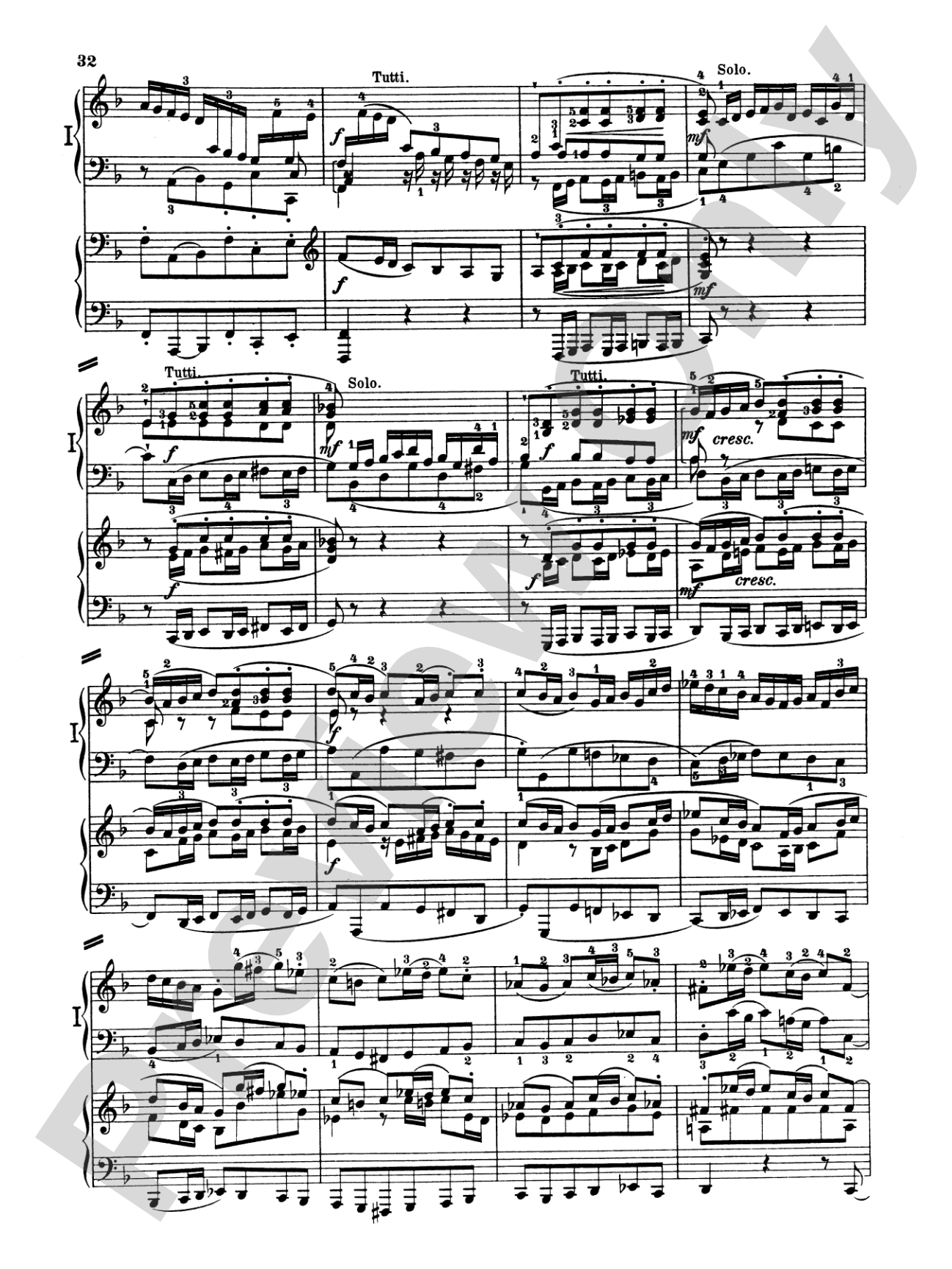
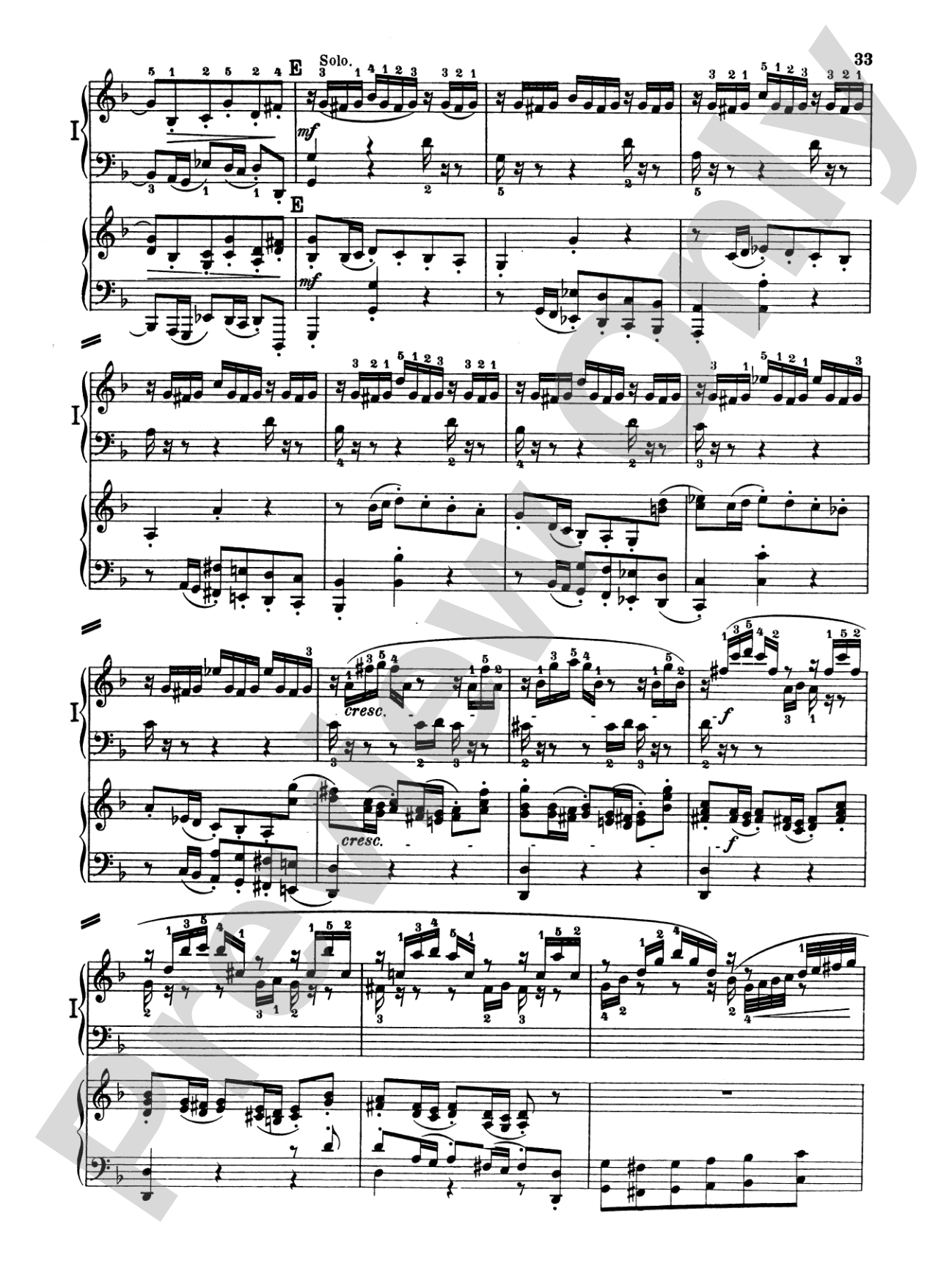
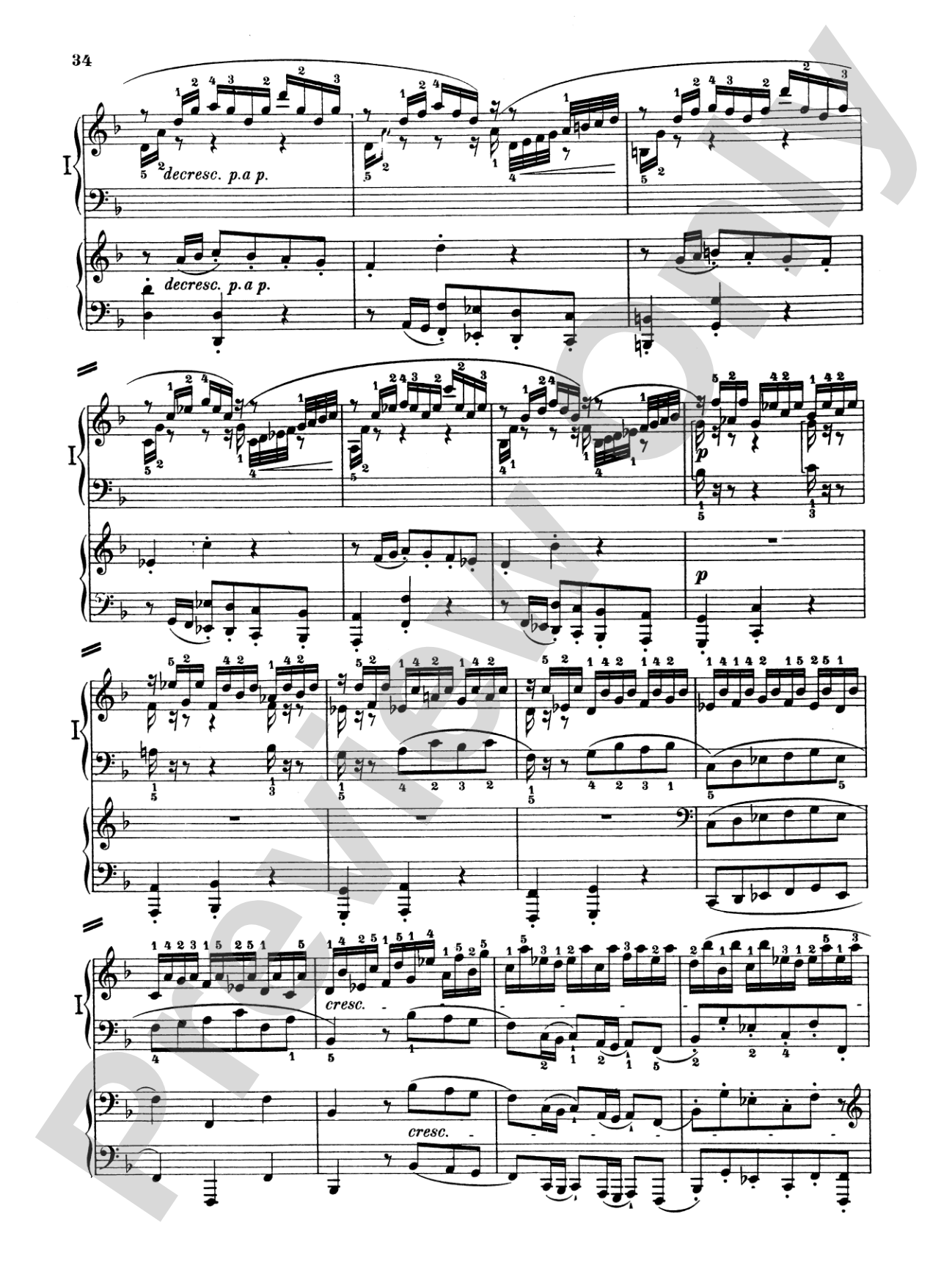
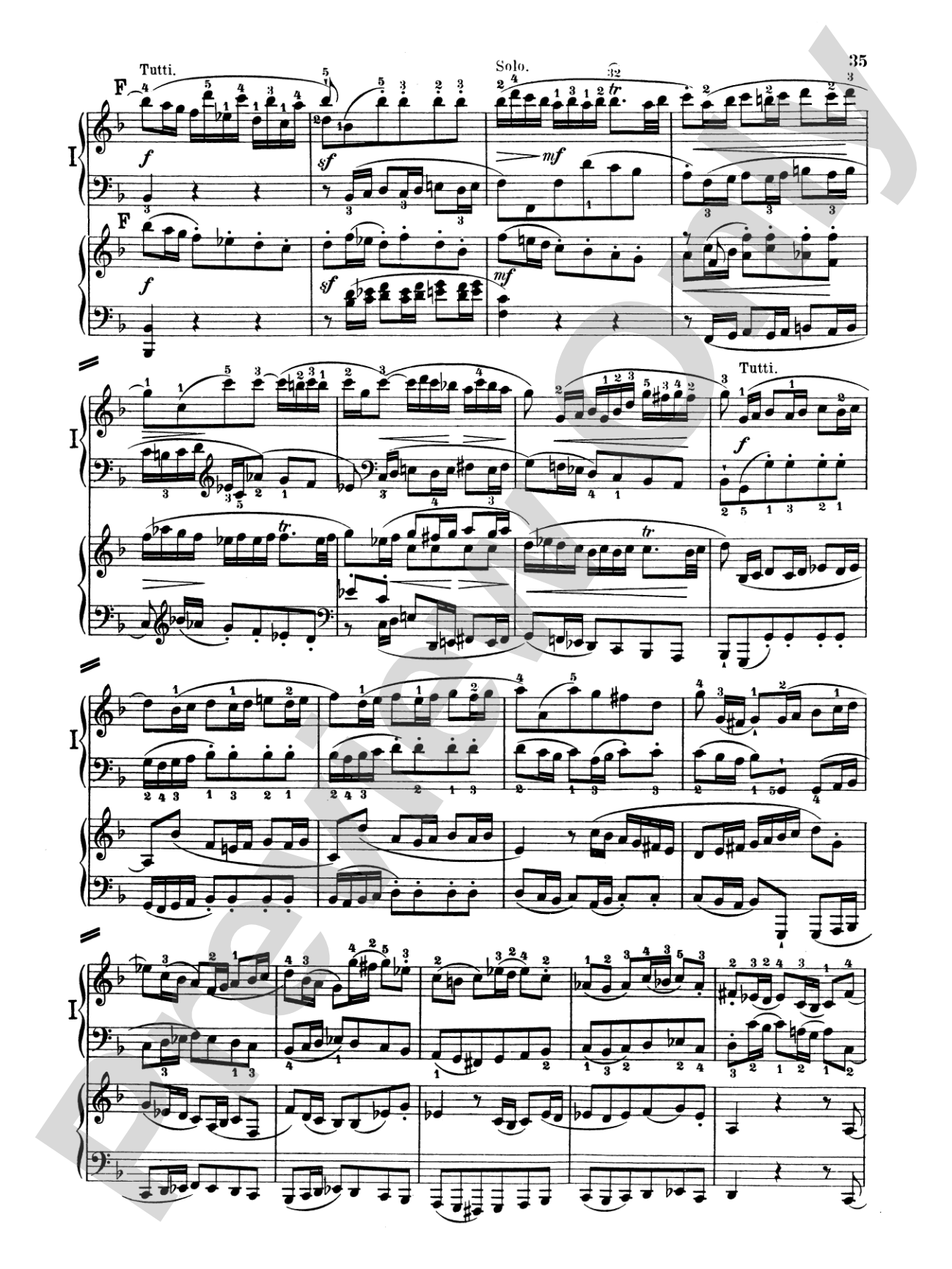
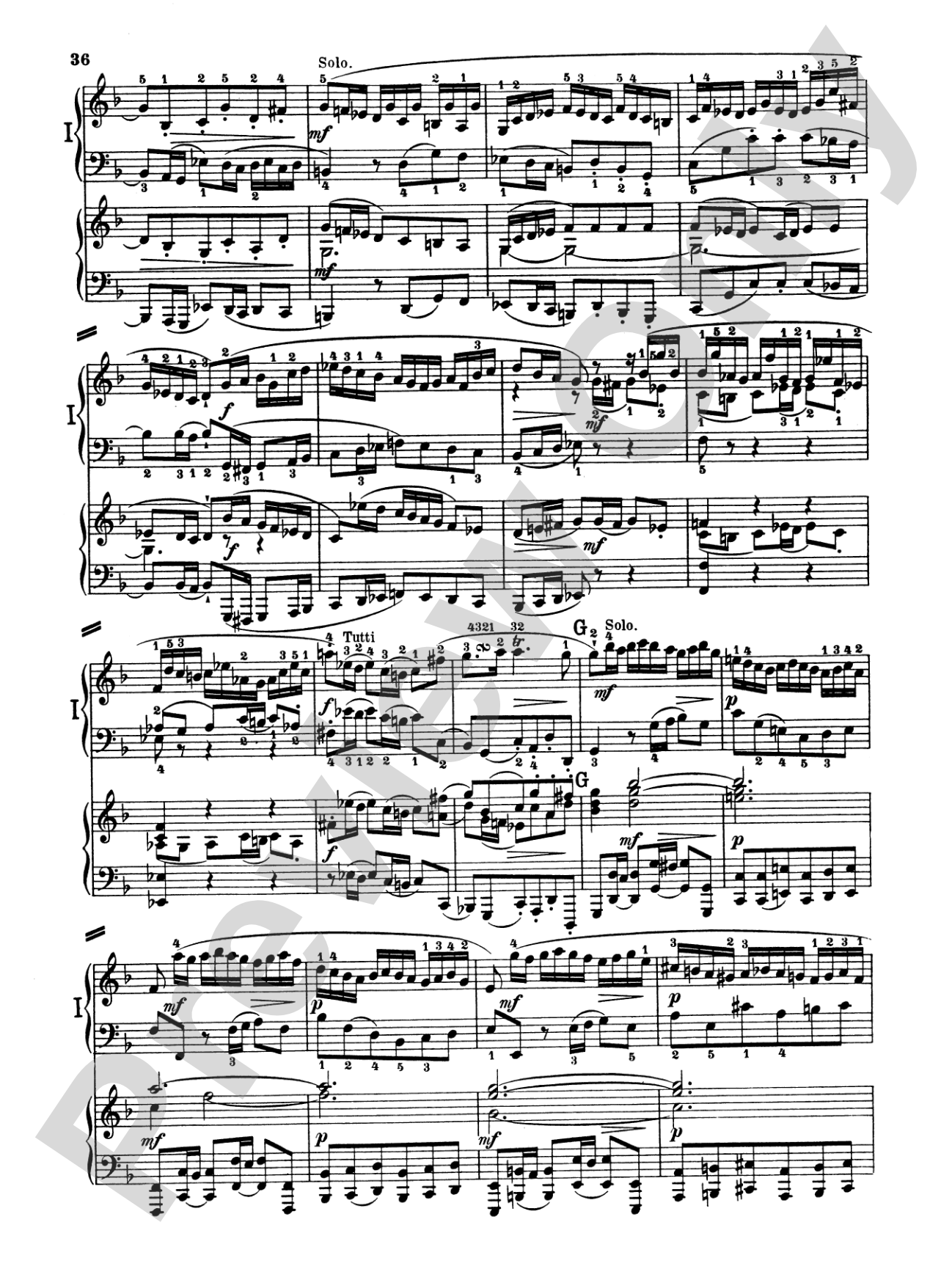
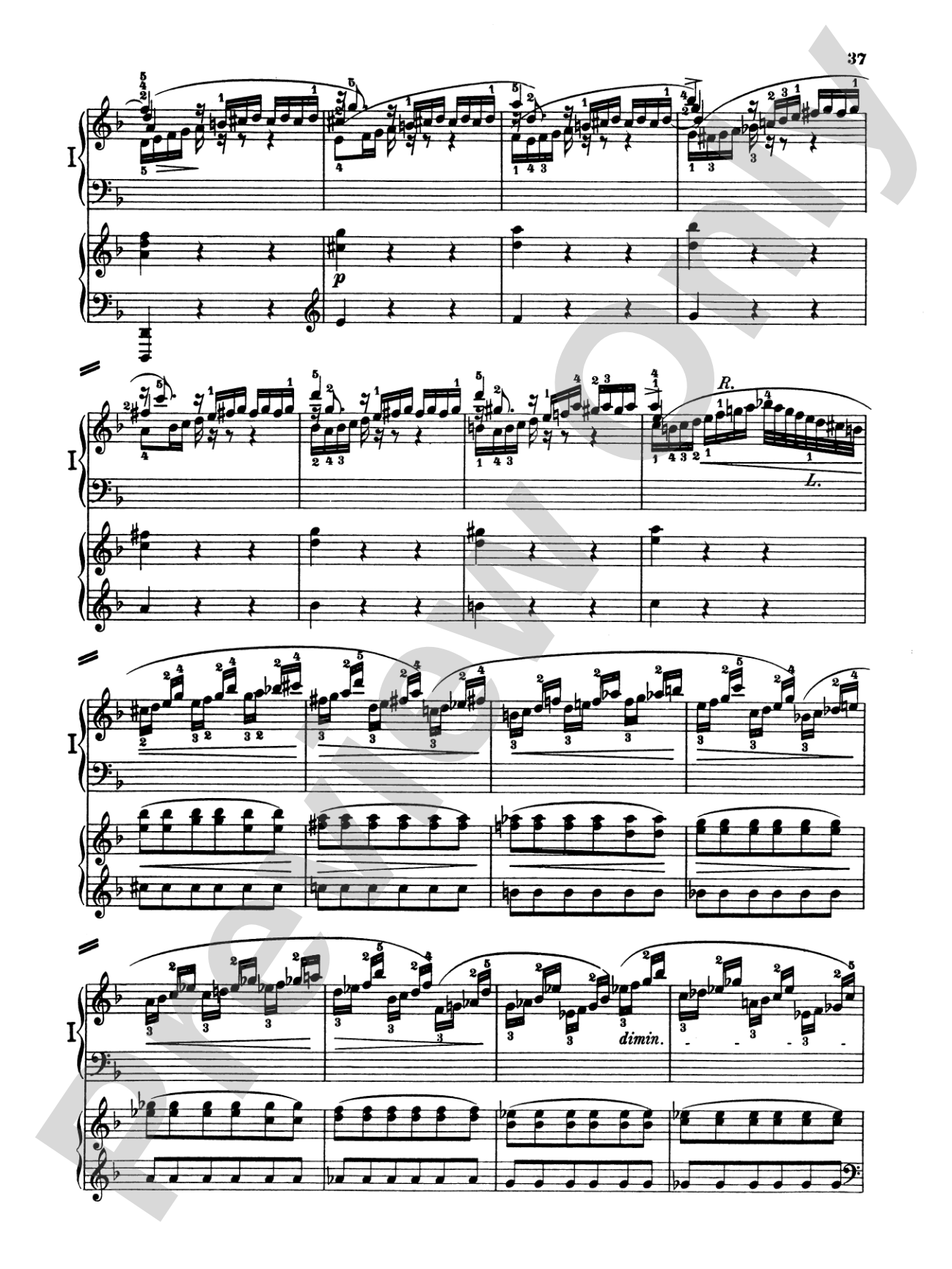
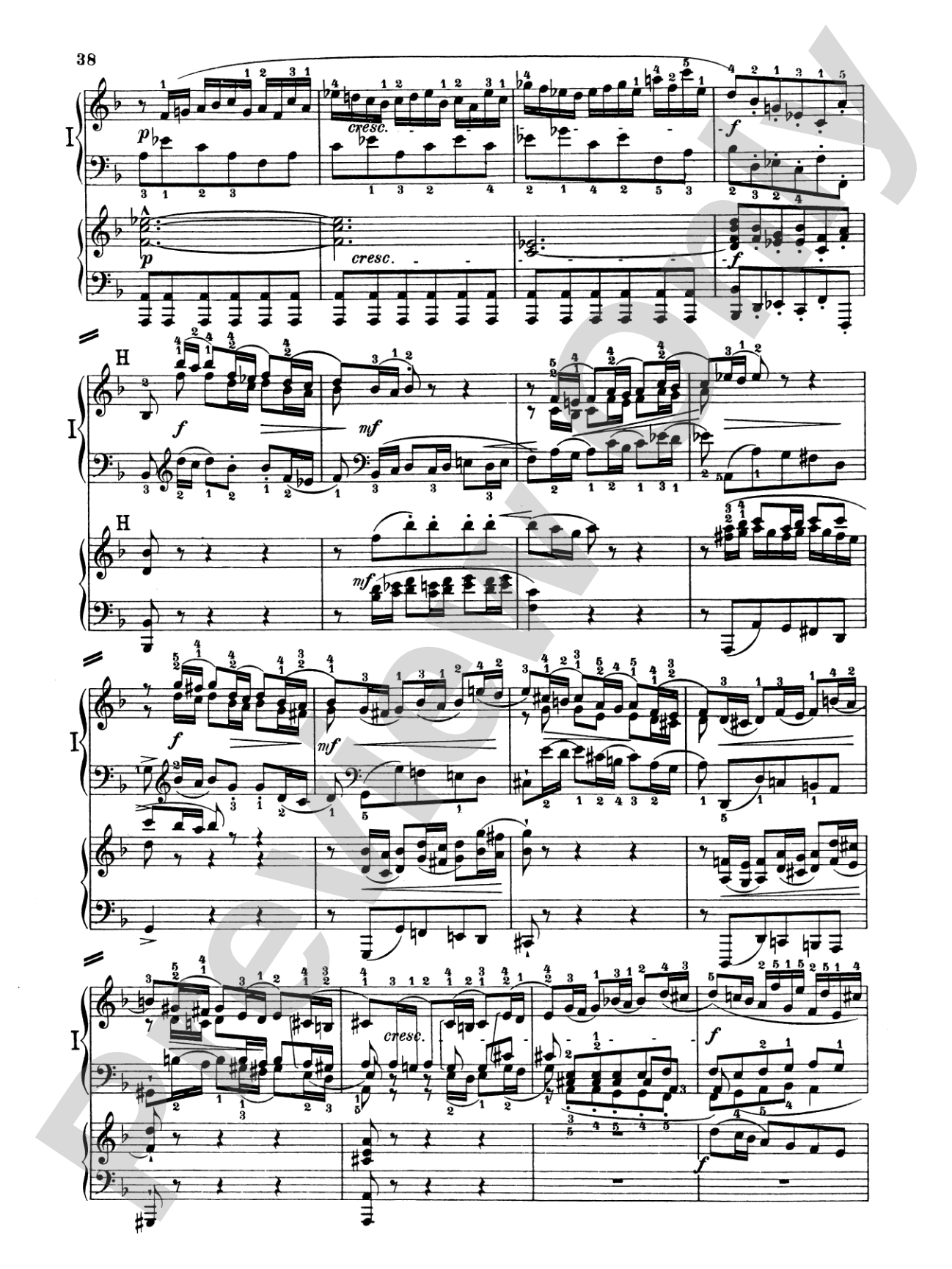
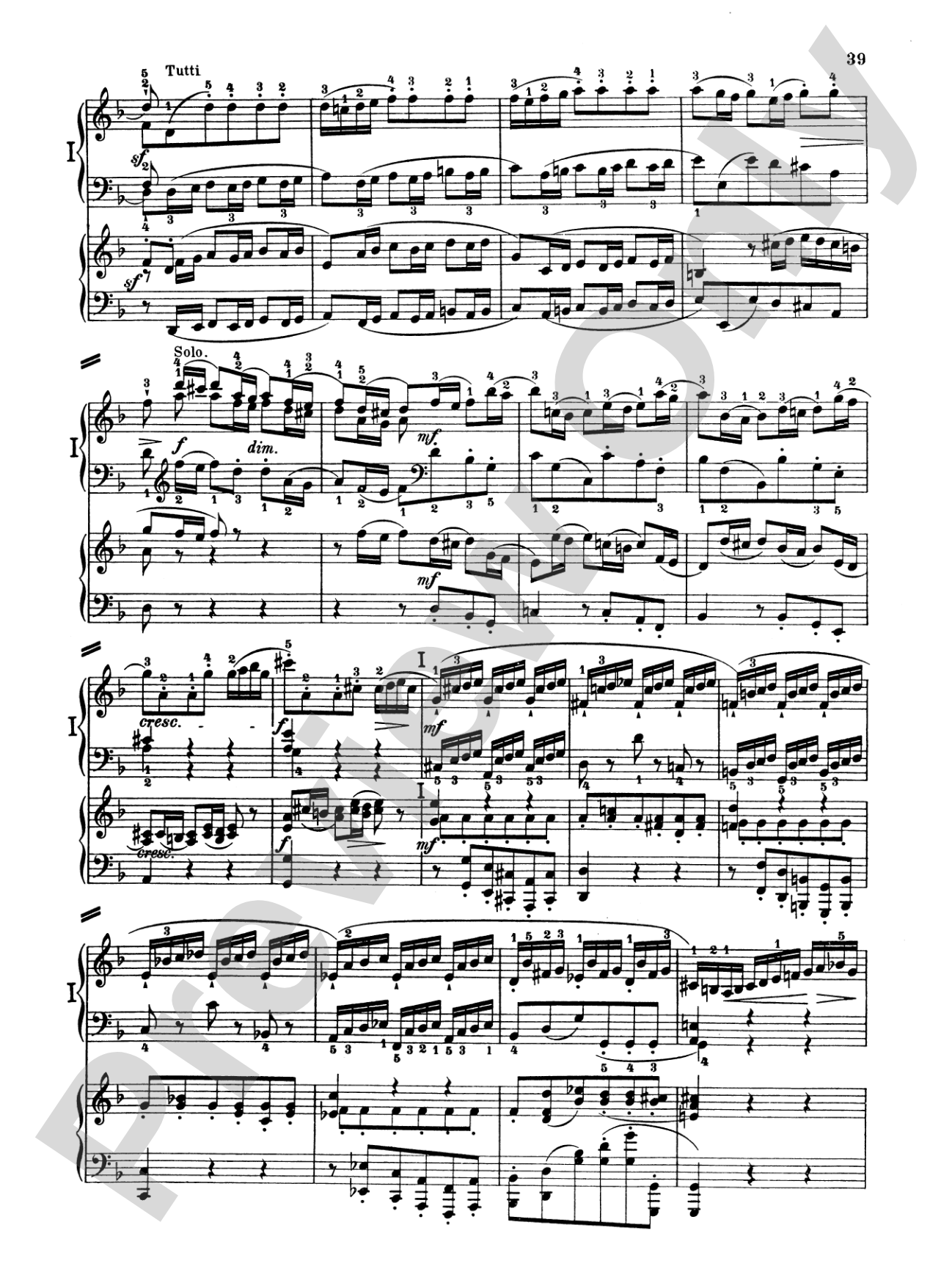
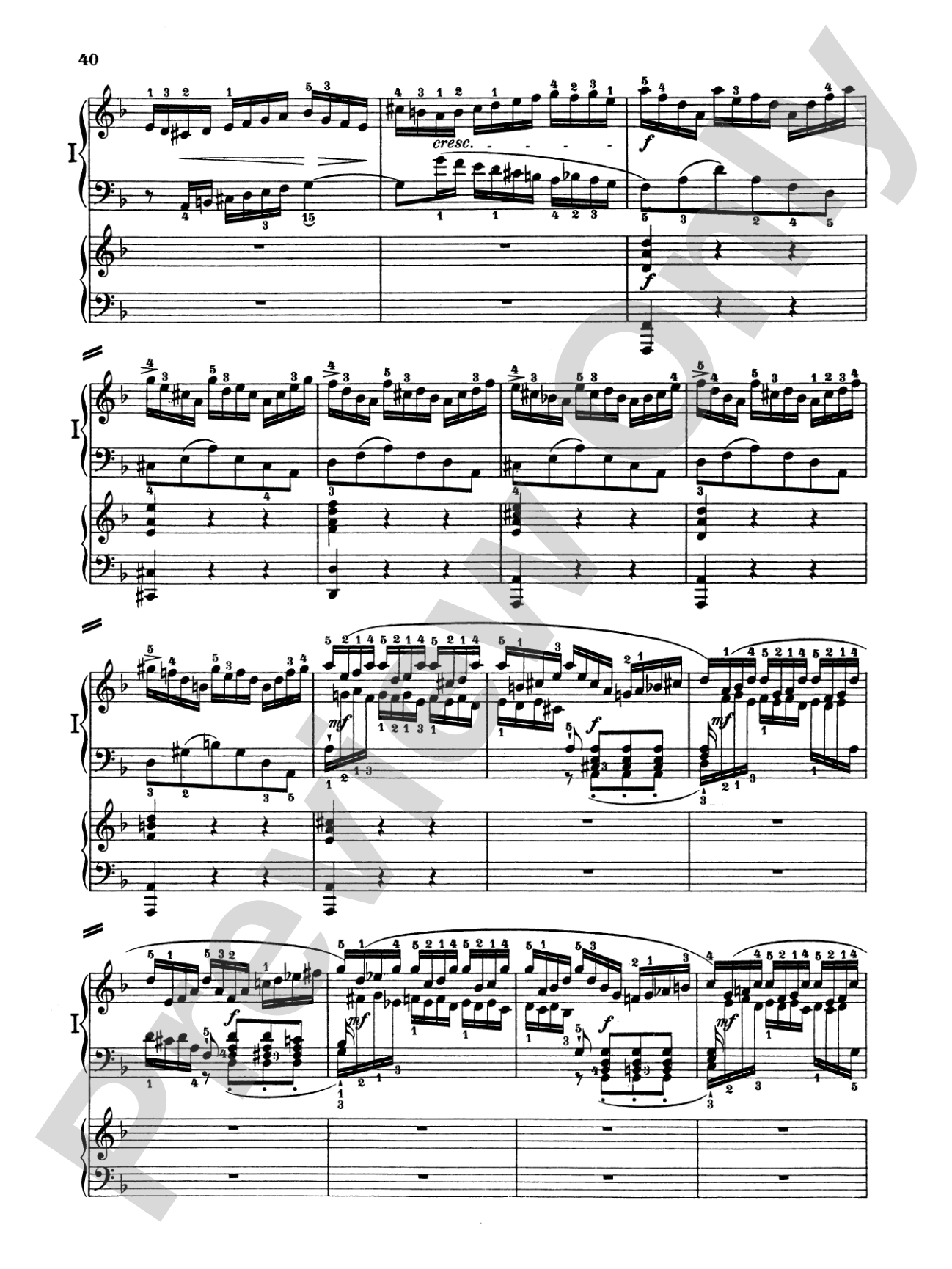
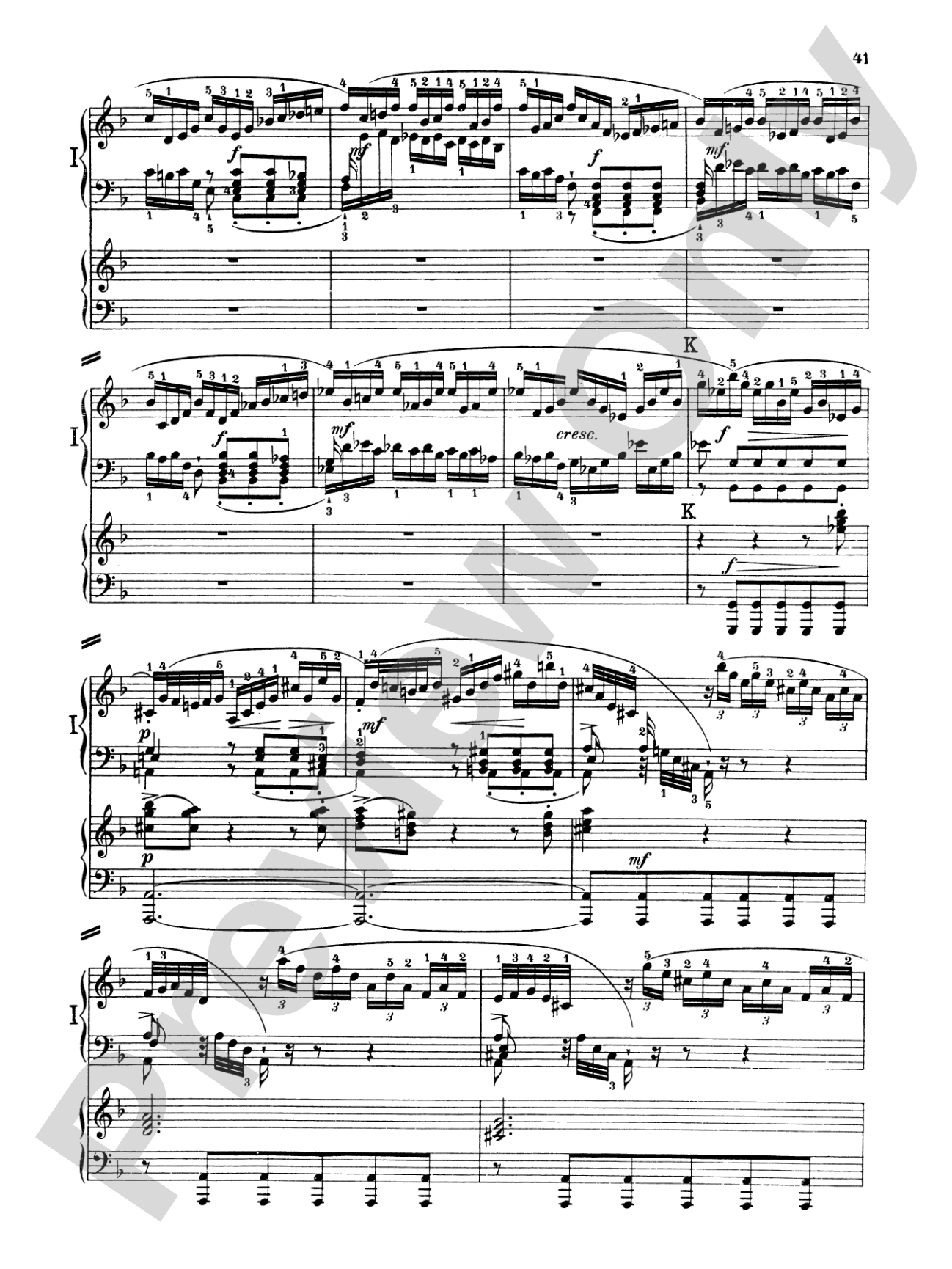
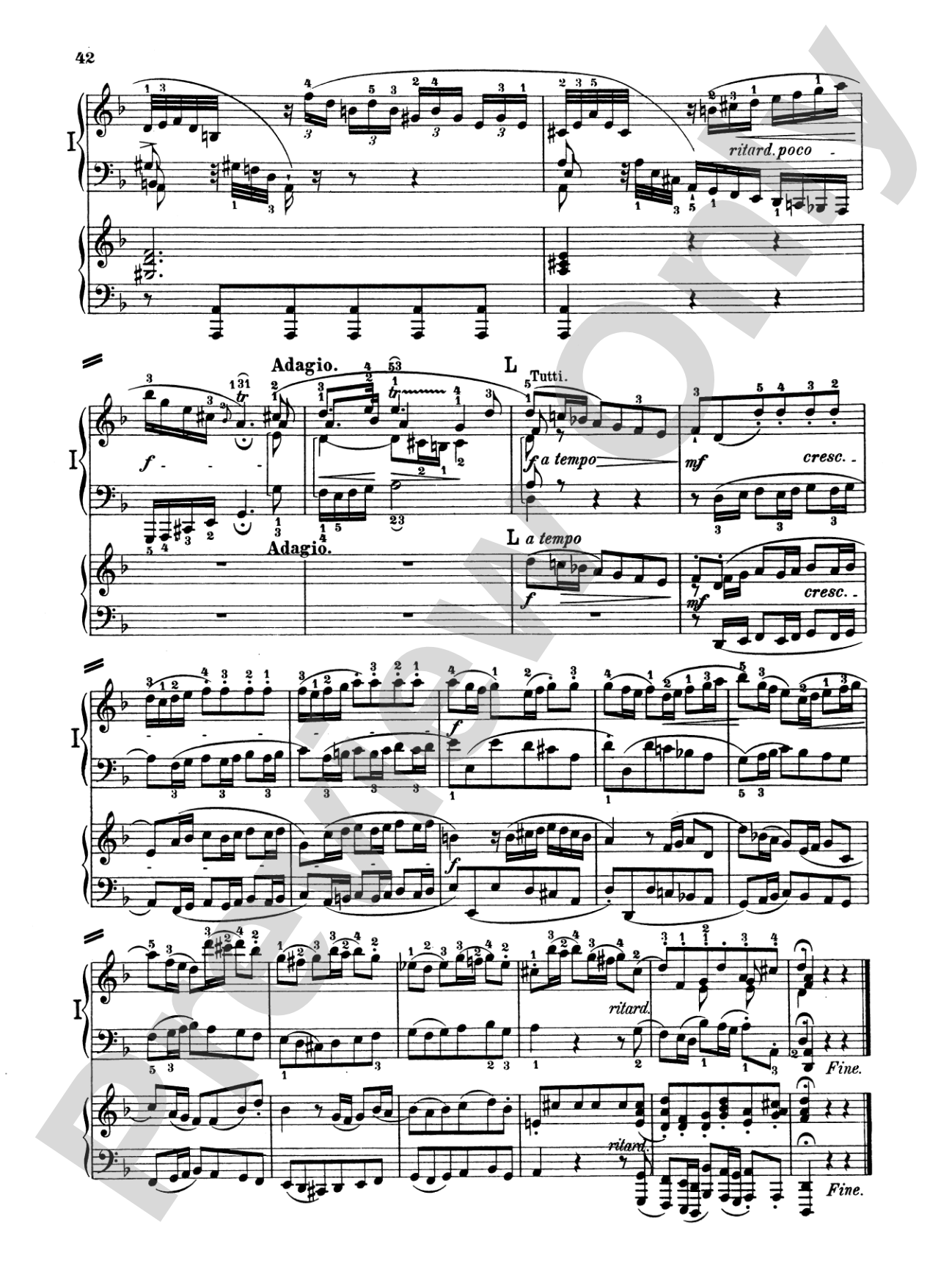



Bach: Piano Concerto in D Minor: Piano Duo (2 Pianos, 4 Hands) Book (2 copies required)
By Johann Sebastian Bach
Level: Advanced
Item: 00-PK-0002842

$12.99
Pickup currently not available
Parts Added to Cart!
Related Items
Piano Concerto in D Minor: Piano Duo (2 Pianos, 4 Hands) Book (2 copies required) |
$12.99
|
View |
Description
Expertly arranged Piano Duet by Johann Sebastian Bach from the Kalmus Edition series. This Advanced Piano Duet (2 Pianos, 4 Hands) is from the Baroque era. 2 copies are required for performance.


Don't just read it, hear it, play along with it, and watch your students grow with it. In MakeMusic Cloud, Bach: Piano Concerto in D Minor: Piano Duo (2 Pianos, 4 Hands) Book (2 copies required) comes alive with professional accompaniment, adjustable tempo, and built-in practice tools that turn solo practice into real progress.
Open in the Player
Jump straight in and assign it today.
Start Your Free Trial
Open this title and explore the full library in minutes.
Sample Audio
No sample audio found.
Sample Video
No sample videos found.
Additional Details
Series:
Kalmus Edition
Publisher:
Alfred Music
Page Count:
44
SKU:
00-PK-0002842
More about this title
About the Composer: Johann Sebastian Bach
Johann Sebastian Bach (1685-1750) stands as one of the most consequential composers in Western music. His mastery of counterpoint, harmonic language, and structural design shaped every musical tradition that followed. Bach worked across nearly every genre of his time, from orchestral works to keyboard music to sacred choral literature, and his output remains a cornerstone of music education and performance.
Bach's keyboard works hold particular significance for pianists. His ability to write idiomatically for the instruments available to him, combined with his architectural approach to form, created pieces that challenge performers intellectually and musically. The Concerto in D Minor exemplifies how Bach adapted Italian instrumental forms for keyboard, merging virtuosic display with rigorous compositional logic.
Why we love this
Two pianists engaging with this Bach concerto discover why his music demands repeated return. The dialogue between the two keyboard parts creates the kind of musical conversation that advances both players technically and musically, requiring careful attention to balance, phrasing, and the counterpoint that defines Bach's voice. This arrangement preserves the architecture of the original while offering pianists at an advanced level the chance to experience how Bach's instrumental writing translates to the modern piano.
What to expect
The D Minor Concerto moves with purpose and architectural grace. The Baroque gestures feel both intimate and grand when voiced across two pianos, with rapid figuration giving way to singing lines and moments of harmonic repose. Bach's language invites both pianists into close musical partnership, where individual virtuosity serves larger structural and expressive goals.
Who it's for
Advanced pianists seeking substantial duet repertoire will find this concerto engaging and rewarding. Ensembles preparing programs that pair technical showpieces with Baroque literature benefit from Bach's clarity and contrapuntal rigor. Studio teachers working with collaborating students at the advanced level have a masterwork that deepens musicianship on both sides of the keyboard.
How to get the most out of it
- Establish clear hierarchies between the two pianos before rehearsing at tempo. One pianist will often carry a primary melodic line while the other provides harmonic or accompanying material; shifting these roles midphrase demands precision and communication.
- Practice the fast passages hands separately first, then hands together, before combining both pianists' parts. Bach's velocity work rewards clean articulation and even rhythmic execution.
- Shape the slower sections through dynamic nuance and voice leading rather than tempo flexibility. Let the harmonic progressions breathe naturally without dragging.
- Record rehearsals frequently. Two pianos in the same acoustic space can mask balance issues that emerge only when reviewed or heard from the audience perspective.
How to use it
This work fits naturally into recitals exploring Baroque keyboard literature alongside other concertos or multi-movement works from the same period. It also stands apart effectively on mixed-era programs, offering an intellectually substantial centerpiece that audiences recognize as canonical. Consider pairing it with a contemporary duet or with solo works by Bach's sons to illustrate the evolution of keyboard style across generations.
Skills your students will build
- Counterpoint reading across two keyboard parts
- Balance and voice clarity in multi-line textures
- Articulation and rhythmic precision in fast Baroque figuration
- Phrasing across longer harmonic progressions
- Ensemble coordination and synchronized pedaling on two instruments
- Understanding continuo-style accompaniment patterns