

Bach: Four Sonatas
By Carl Philipp Emanuel Bach
Item: 00-PC-0003854
$2.99
Pickup currently not available
Description
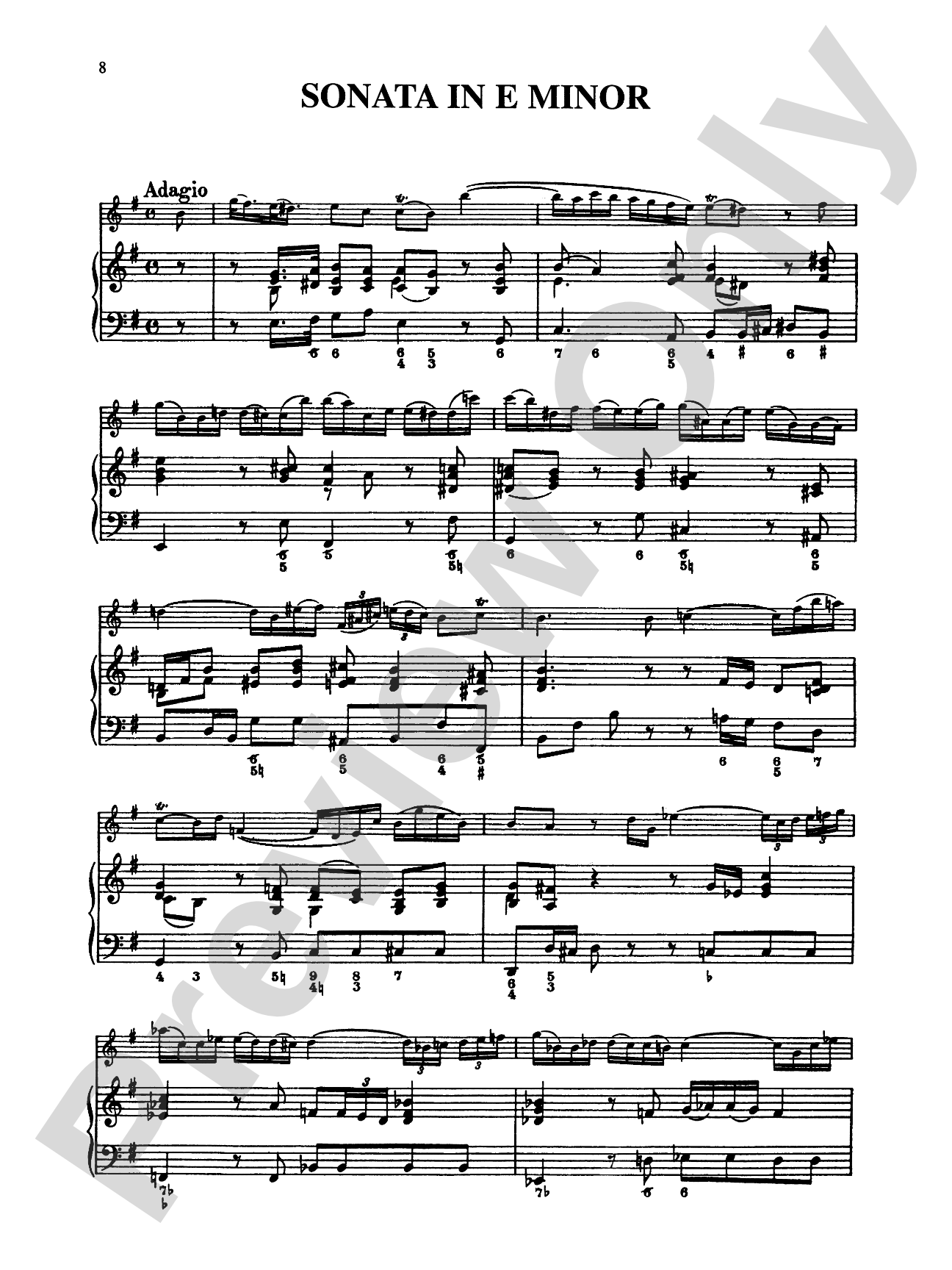
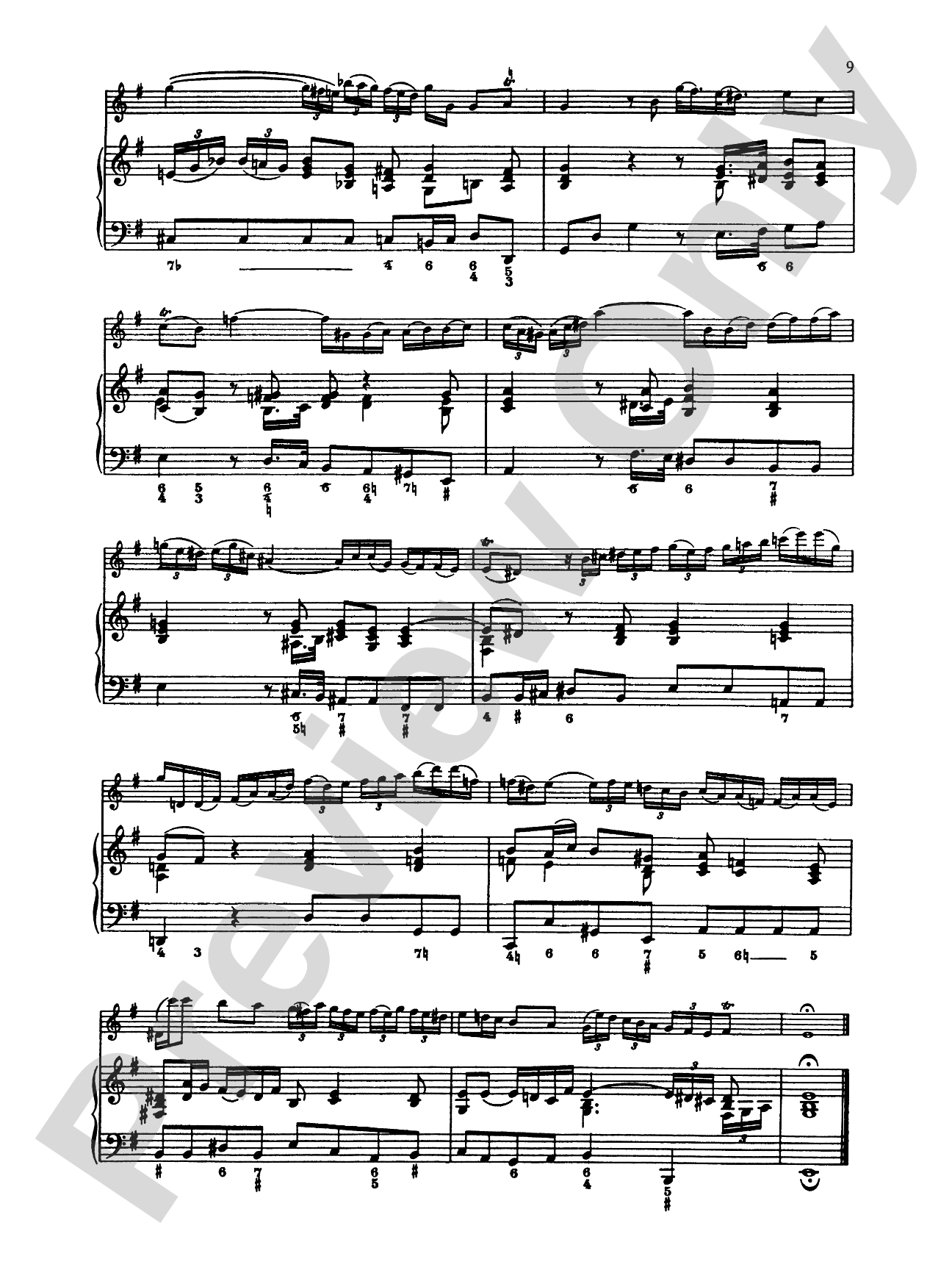
This new Kalmus edition offers C.P.E. Bach's sonatas in G major, E minor, A minor, and A major. It is great repertoire for any flutist and is perfect for recitals. Included are separate piano, flute, and continuo parts.


Don't just read it, hear it, play along with it, and watch your students grow with it. In MakeMusic Cloud, Bach: Four Sonatas comes alive with professional accompaniment, adjustable tempo, and built-in practice tools that turn solo practice into real progress.
Open in the Player
Jump straight in and assign it today.
Start Your Free Trial
Open this title and explore the full library in minutes.
Sample Audio
No sample audio found.
Sample Video
No sample videos found.
Additional Details
Series:
Kalmus Edition
Publisher:
Alfred Music
Page Count:
60
SKU:
00-PC-0003854
More about this title
About the Composer: Carl Philipp Emanuel Bach
Carl Philipp Emanuel Bach (1714-1788) was the most prolific composer among Johann Sebastian Bach's sons and a central figure in the transition from Baroque to Classical style. His keyboard works and chamber music shaped the galant aesthetic that dominated mid-18th-century European courts, and his compositional innovations in harmony, form, and expressive range influenced Haydn, Mozart, and Beethoven. Bach spent much of his career in the service of Frederick the Great at the Prussian court in Potsdam, where he developed a reputation as both a virtuoso performer and a composer of remarkable harmonic boldness.
For flutists and their teachers, C.P.E. Bach represents a crucial bridge between Baroque counterpoint and the emerging Classical sonata. His flute sonatas are less austere than his father's works yet retain the rigor of the earlier era, making them ideal for students ready to engage with serious historical repertoire. These pieces demand both technical facility and interpretive maturity, rewarding performers who invest in understanding the style's particular blend of structure and emotional depth.
Why we love this
These four sonatas occupy a sweet spot in the flute solo repertoire: substantive enough to command respect at competitions and recitals, yet approachable for advanced high school and early collegiate players. Each key presents a distinct character and technical challenge, giving you four distinct concert pieces rather than a single work repeated. The writing showcases C.P.E. Bach's gift for melodic warmth and harmonic sophistication without the ornamental excess that can bog down Baroque performance.
What to expect
These sonatas balance intellectual rigor with genuine lyricism. The melodies sing with the elegance of the galant style, while the harmonic foundation beneath them crackles with the unexpected tensions that made C.P.E. Bach controversial in his own time. You feel both the weight of tradition and the restlessness of a composer breaking free from it.
Who it's for
Advanced flutists preparing for competitions, festivals, and recitals will find these sonatas essential. High school and university students studying Baroque and Classical repertoire can build interpretive maturity by engaging with C.P.E. Bach's harmonic language and stylistic nuance.
How to get the most out of it
- Shape the phrases with the Classical preference for clarity over Baroque sequencing. These sonatas sit between two worlds, so avoid overarticulating while still articulating enough to define the harmonic progressions C.P.E. Bach loved.
- Pay close attention to figured bass symbols in the keyboard part. The continuo voice often carries harmonic surprises that shape how the flute melody should breathe and land.
- Treat ornamentation as structural; trills and turns in C.P.E. Bach are rarely decorative. They mark phrase boundaries and harmonic pivots, so execute them with purpose and clarity rather than as flourish.
- Bring slight rhetorical timing to cadences and internal phrases. This composer's expressive innovations thrive when you acknowledge the emotional weight of his harmonic shifts rather than maintaining metronomic regularity throughout.
How to use it
Program one or more of these sonatas when you want to showcase a flutist's depth and maturity. They work beautifully as centerpieces in a recital that mixes eras, or as part of a concert focused on the Bach family legacy. Their contest-worthy profile makes them strong choices for festival programming and adjudication contexts.
Skills your students will build
- Interpreting figured bass and understanding harmonic function in context
- Balancing Baroque articulation standards with emerging Classical phrase architecture
- Ornamentation as structural device rather than embellishment
- Managing tessitura shifts across four works in different keys
- Stylistic awareness of the galant period and its expressive possibilities