
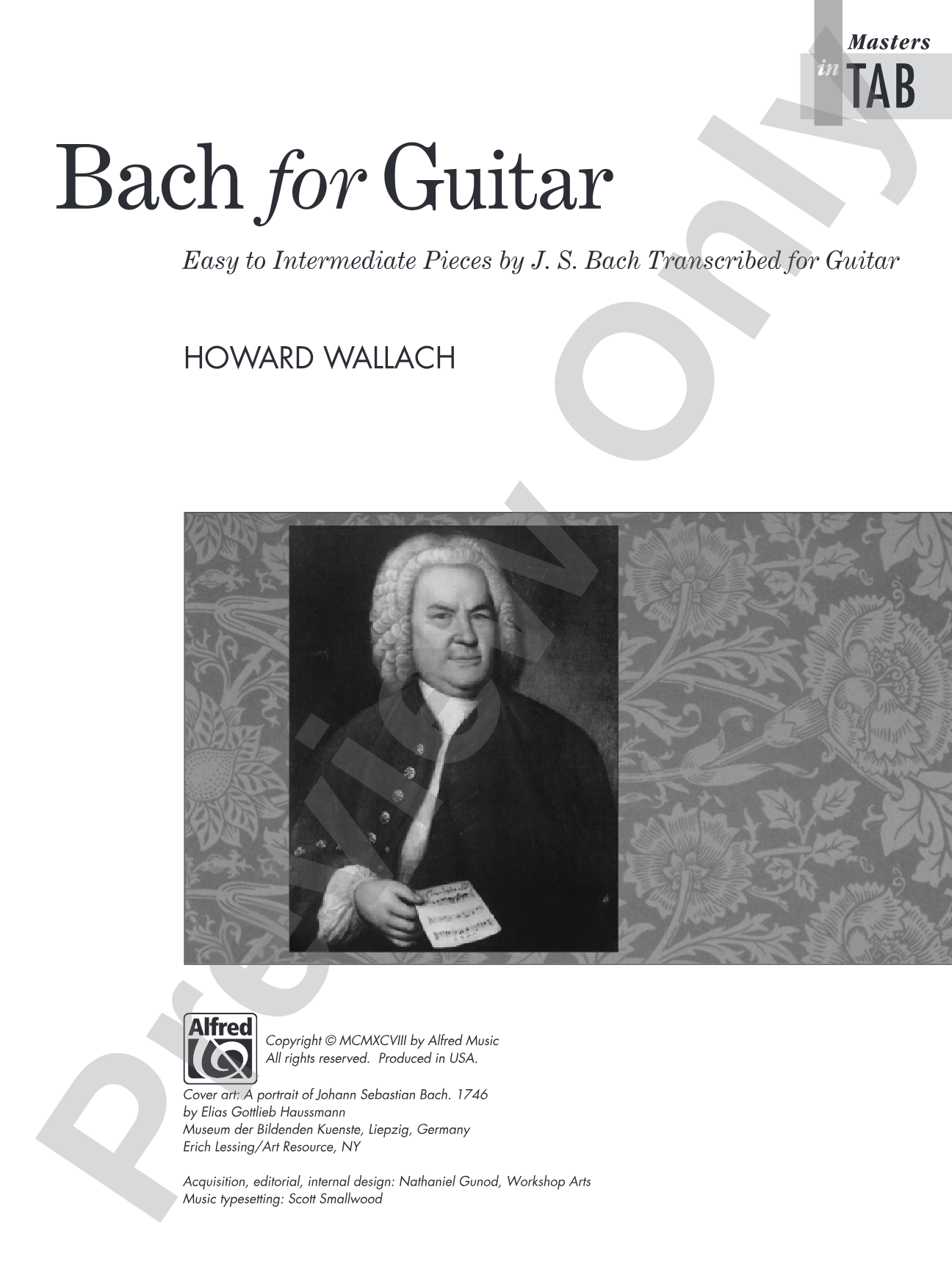
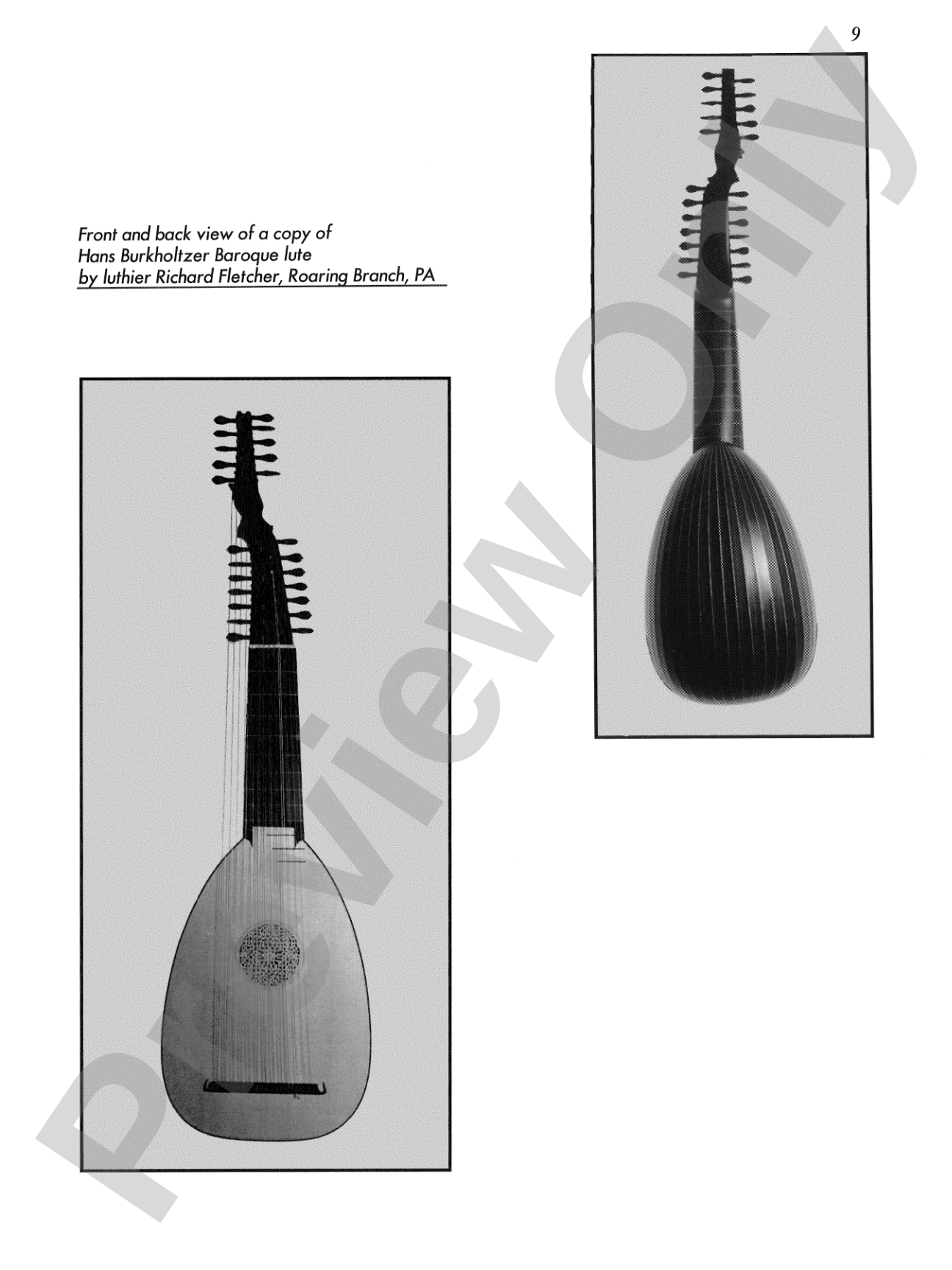
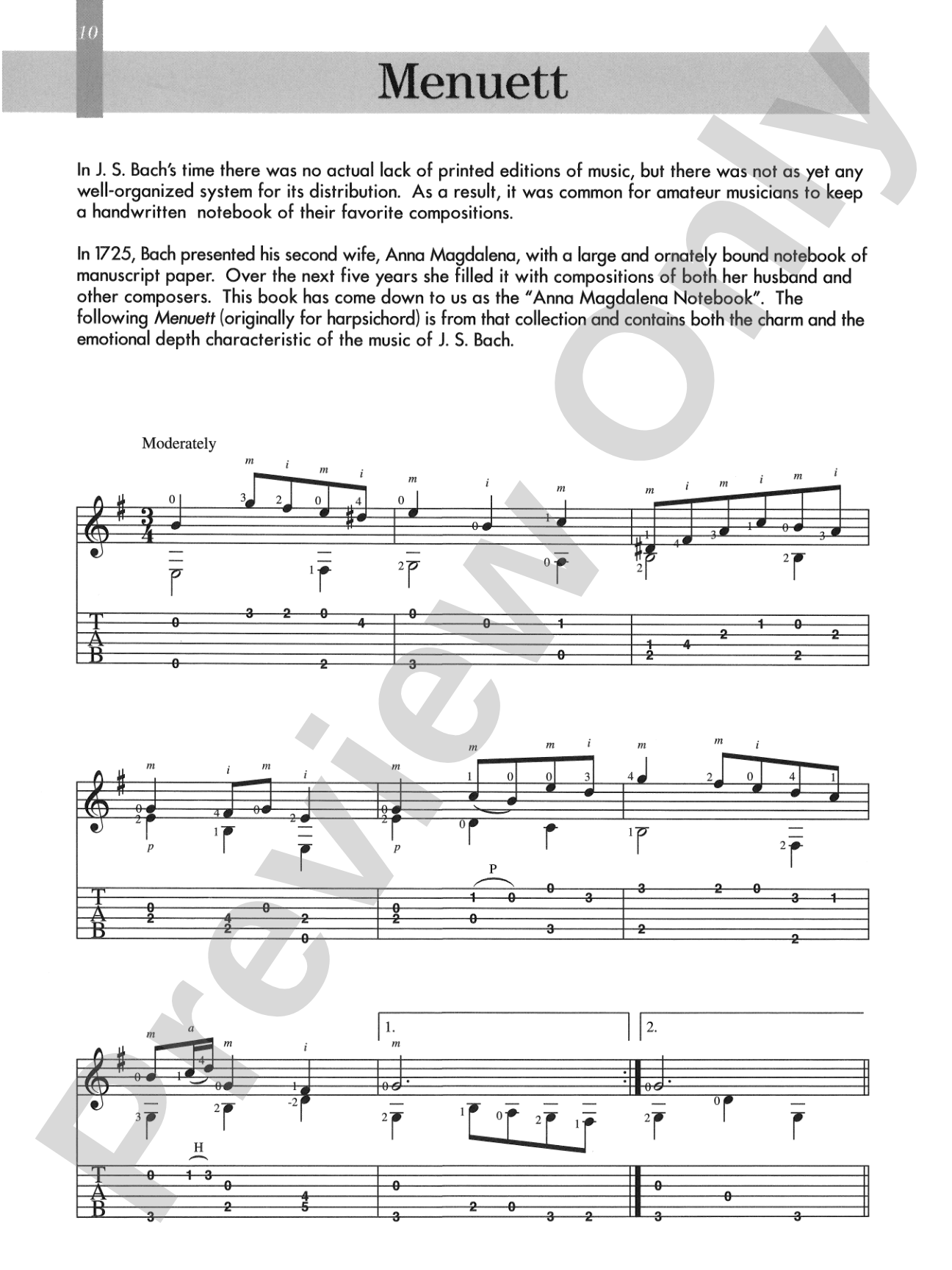

Bach for Guitar: Masters in TAB: Solo Guitar
By Howard Wallach
Item: 00-PB-0002120
$8.99
Pickup currently not available
Related Items
Bach for Guitar: Masters in TAB: Guitar Book |
$8.99
|
View |
Description
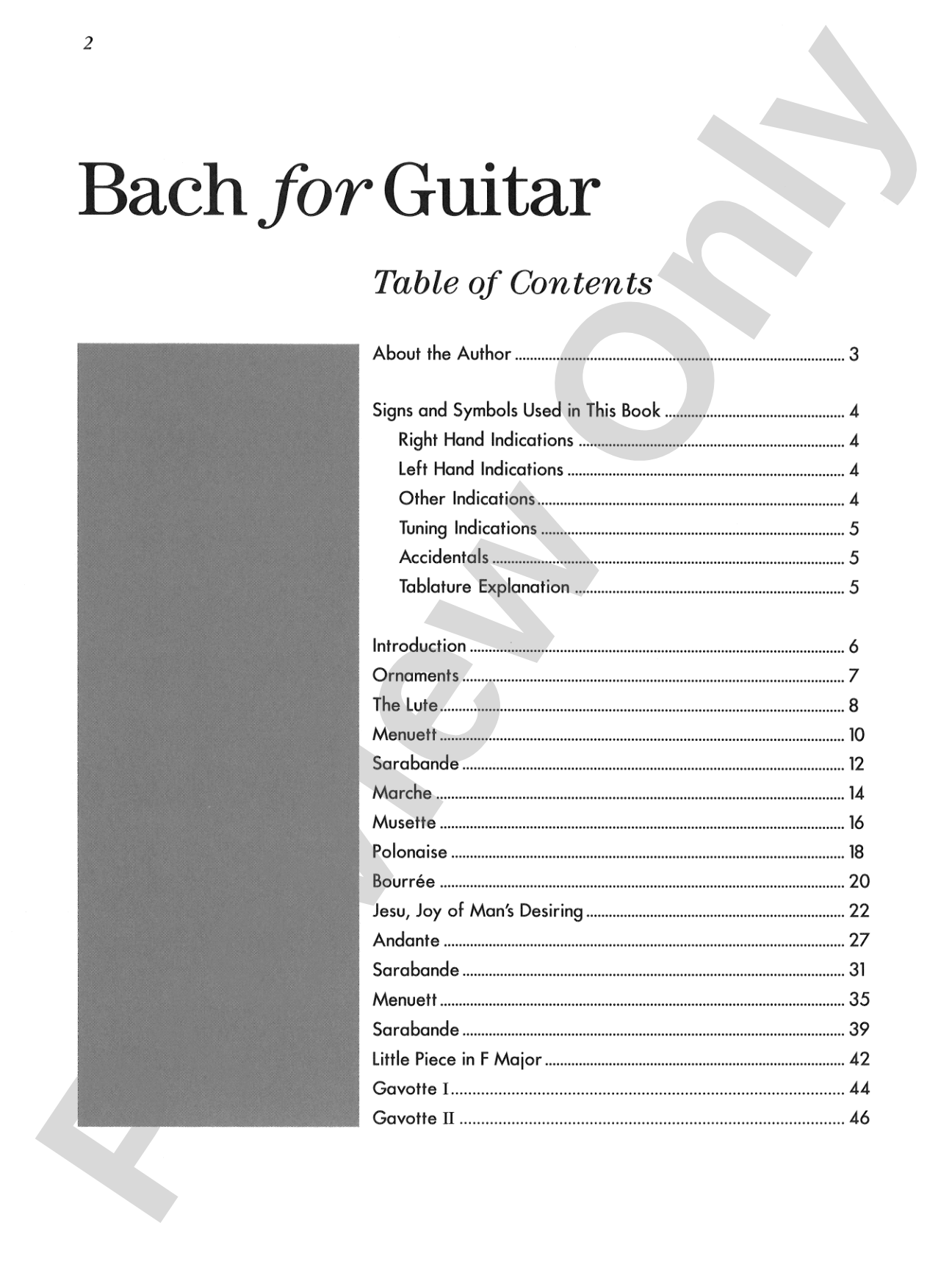
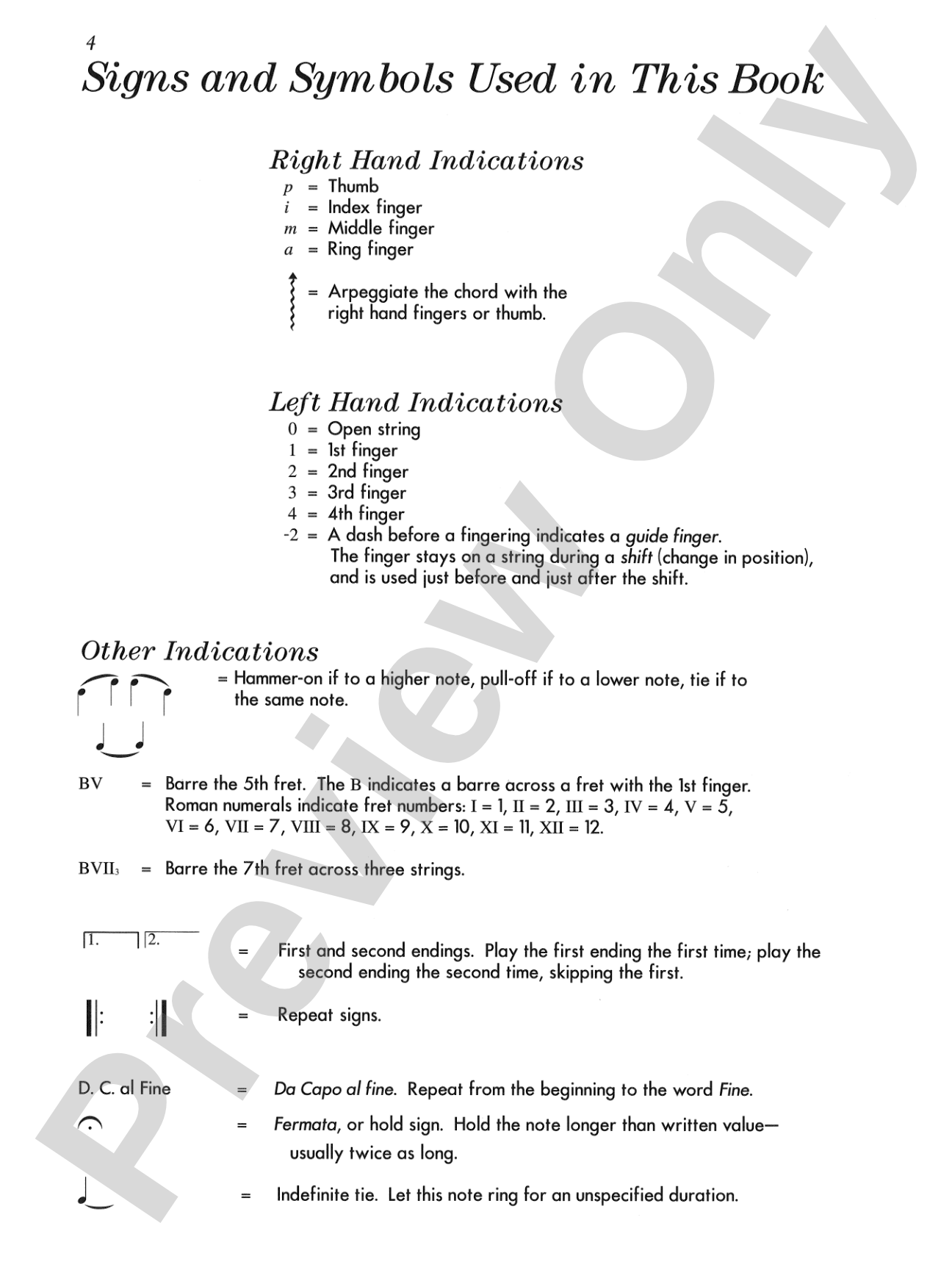
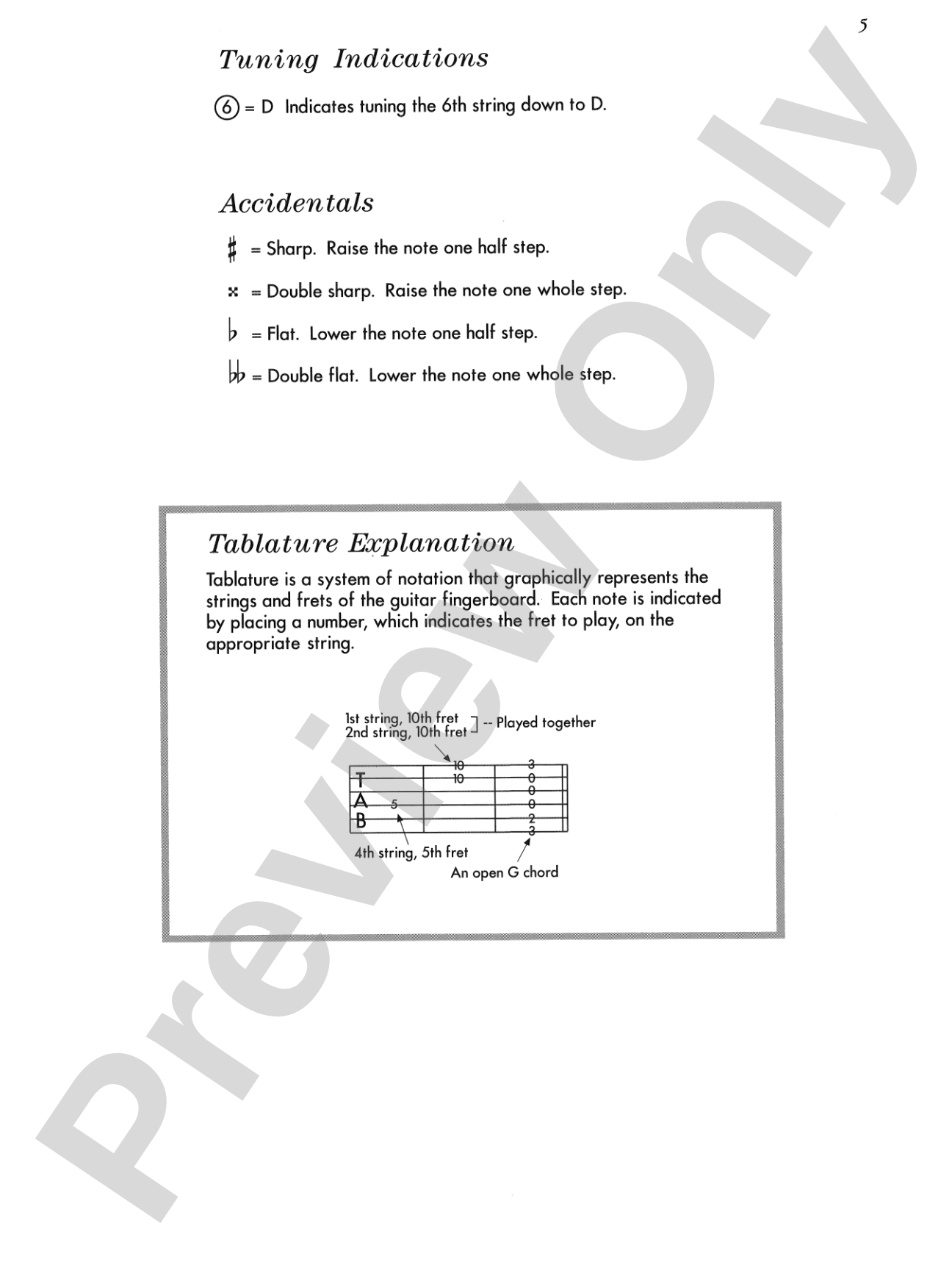
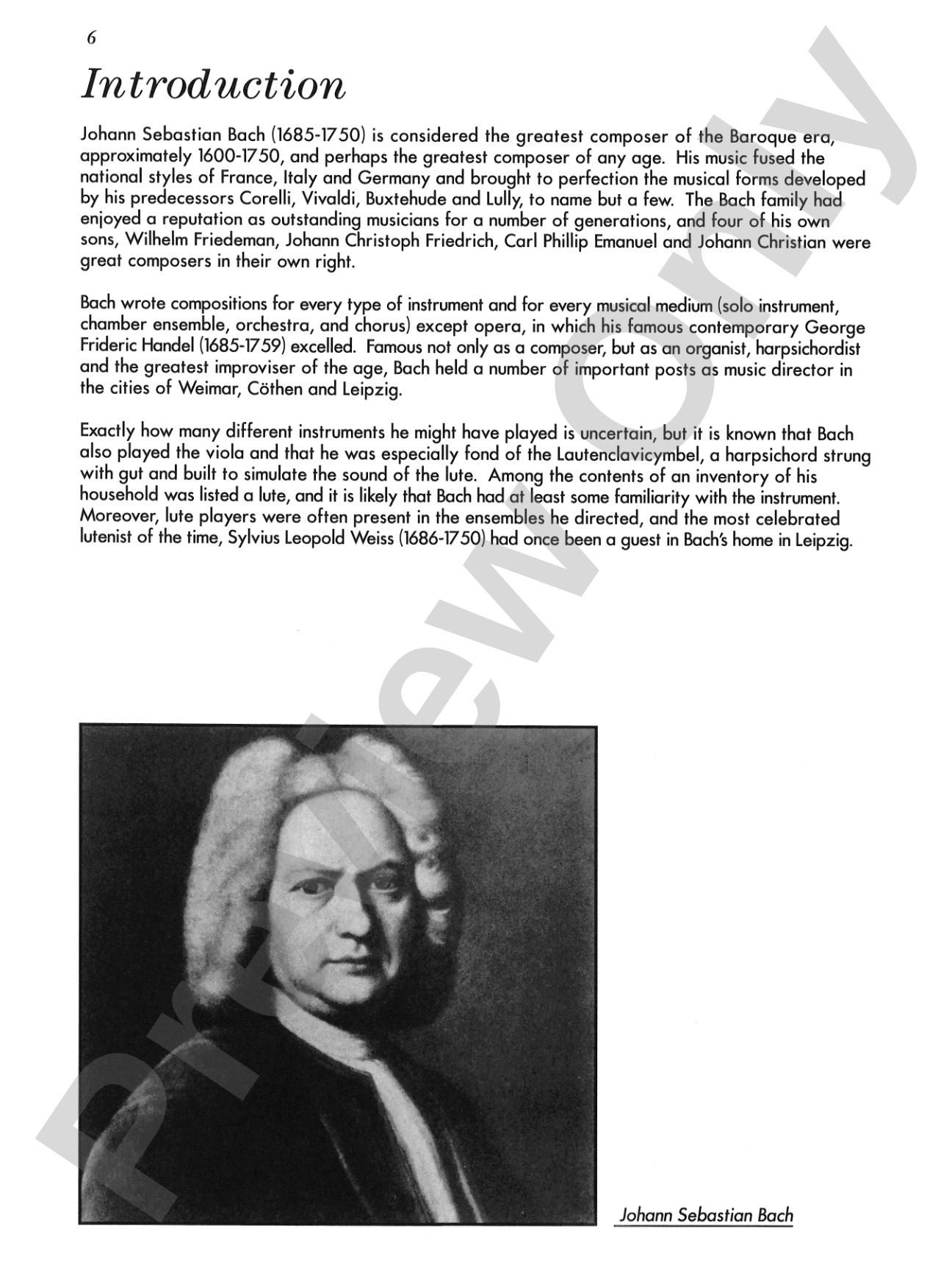
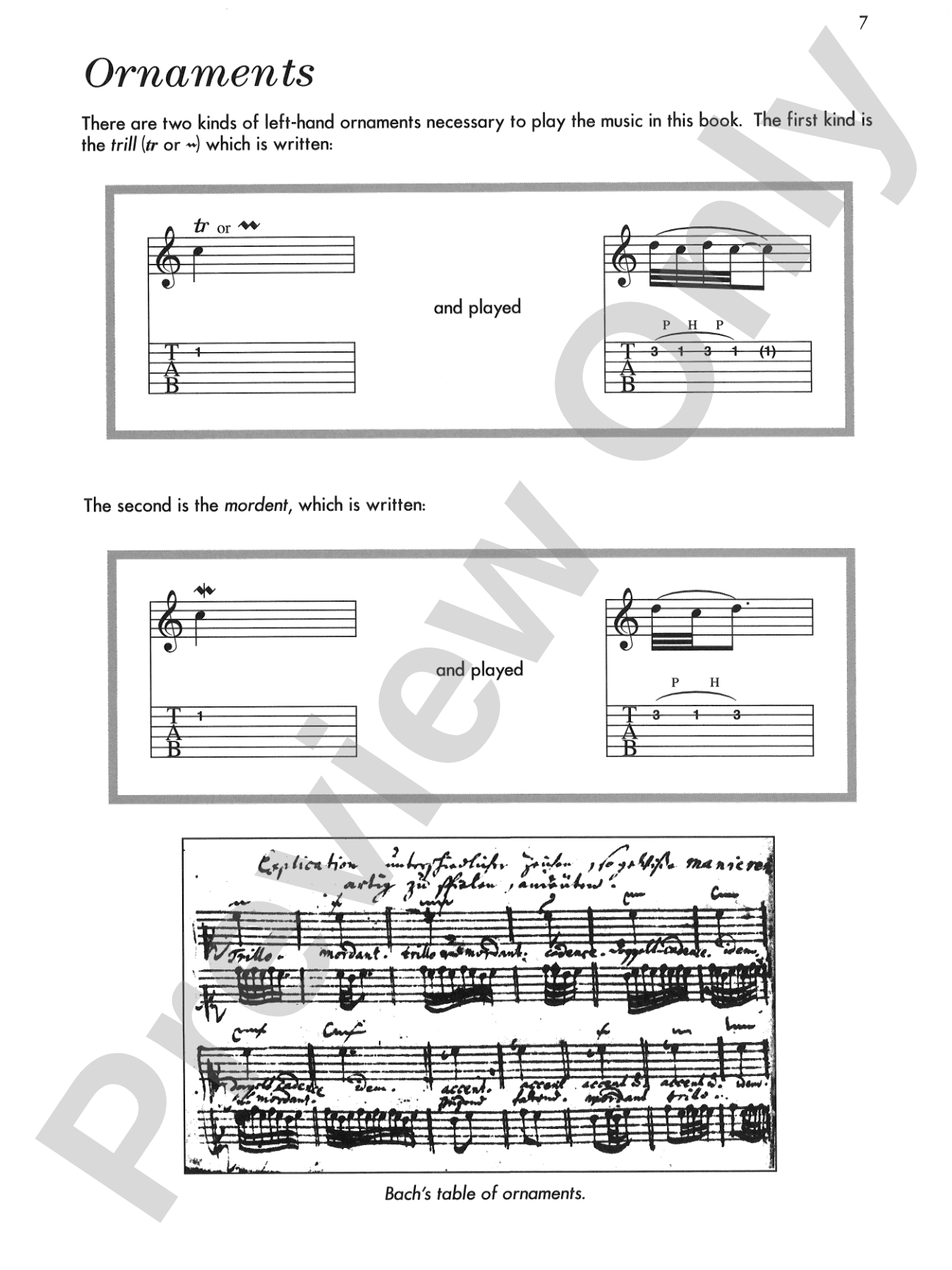
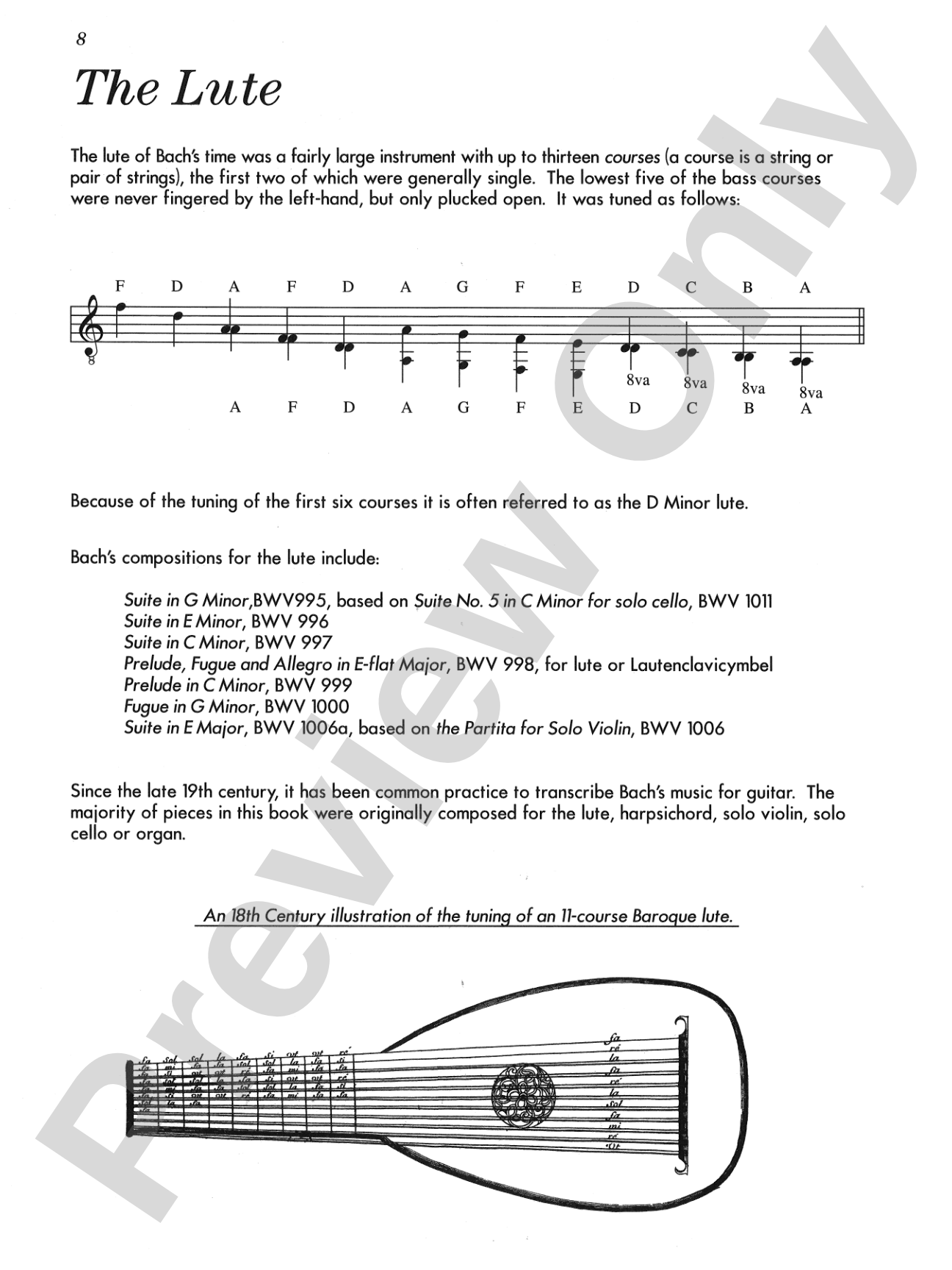
Easy to intermediate pieces by J. S. Bach including Jesu, Joy of Man's Desiring, Bourrée and more. Musical and technical information accompany each piece, and helpful fingering suggestions are also included.


Bach for Guitar: Masters in TAB: Solo Guitar isn't in MakeMusic Cloud just yet...but it could be. Let us know you'd like to see it, and you'll help shape what comes next. In the meantime, start a free trial and dive into thousands of interactive titles your students can play along with today.
Request This Title
Tell us you want it.
Start Your Free Trial
Explore everything that's ready to play right now.
Sample Audio
No sample audio found.
Sample Video
No sample videos found.
Additional Details
Publisher:
Alfred Music
Page Count:
48
SKU:
00-PB-0002120
More about this title
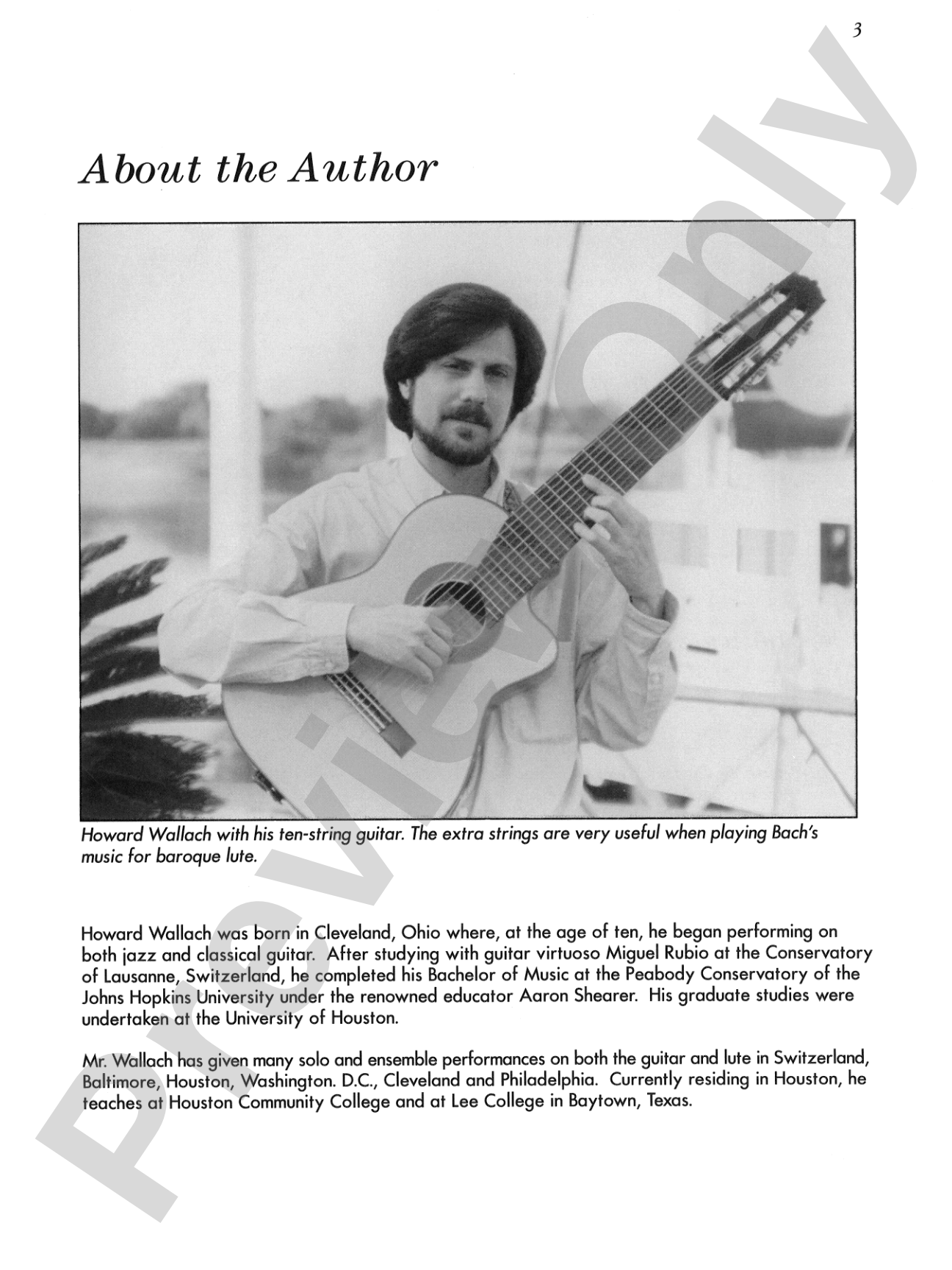
About the Composer: Howard Wallach
Howard Wallach has built a reputation as a thoughtful arranger of classical masterworks for guitar, bringing keyboard and orchestral music within reach of fretted instrument players. His editions prioritize pedagogical clarity without sacrificing musical integrity, making Bach's complex counterpoint and harmonic language accessible to advancing students.
Why we love this
Wallach's arrangements preserve the voice leading and harmonic sophistication of Bach's originals while accounting for the guitar's unique capabilities and limitations. The inclusion of fingering suggestions and technical notes transforms these pieces into teaching opportunities rather than just transcriptions, helping students understand both the music and how to voice it effectively on the instrument.
What to expect
Bach's orderly architecture and mathematical precision become tactile on the guitar. These pieces move with a sense of inevitability yet remain intimate, each voice stepping forward in turn to reveal a conversation that feels both ancient and timeless.
Who it's for
Intermediate guitarists ready to engage with serious repertoire that rewards careful attention to voice leading and harmonic structure. Teachers seeking arrangements that bridge the gap between guitar-specific pedagogical works and the classical canon, opening doors to Bach without oversimplifying the music.
How to get the most out of it
- Pay attention to the voice leading across the staff. Bach's counterpoint often requires you to sustain notes longer than your initial instinct might suggest; check where each melodic line should ring through to understand the harmonic progression.
- Approach the fingerings as suggestions rather than rules. Test Wallach's recommendations first, then adjust for your hand size and comfort; the technical notes will explain the reasoning behind each choice.
- Shape the phrasing around Bach's harmonic rhythm rather than trying to create dramatic tempo changes. The forward motion comes from the clarity of each chord and the weight you give to structural downbeats.
- Balance melody against accompaniment by adjusting your dynamics within a narrower range than you might use in Romantic repertoire. Bach's music thrives on transparency and independence of lines rather than broad dynamic gestures.
How to use it
Feature one or two of these pieces on a mixed repertoire recital to ground a program historically and intellectually, or use them as a capstone assignment in a classical technique unit where students have studied Bach's principles of voice leading. The variety within the collection (from the meditative Jesu, Joy of Man's Desiring to the bright dance rhythms of Bourrée) allows you to select pieces that complement your concert's overall tone.
Skills your students will build
- Sustaining multiple independent melodic lines on a polyphonic instrument
- Executing Baroque articulation and phrasing without modern expressive excess
- Reading and translating complex harmonic structures from keyboard writing to guitar voicing
- Sight-reading intermediate tablature with standard notation
- Developing finger independence and left-hand positioning for sustained notes