
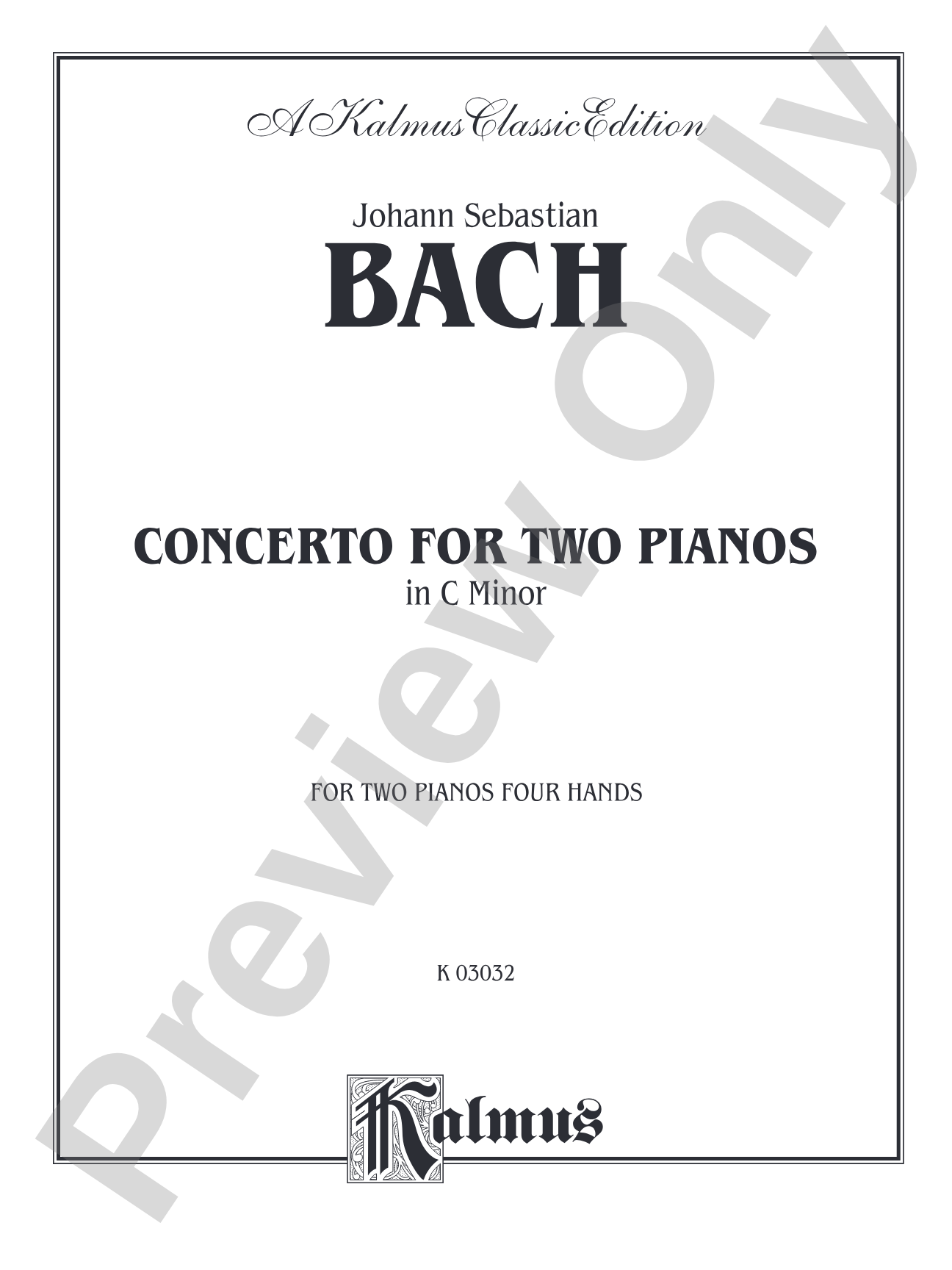

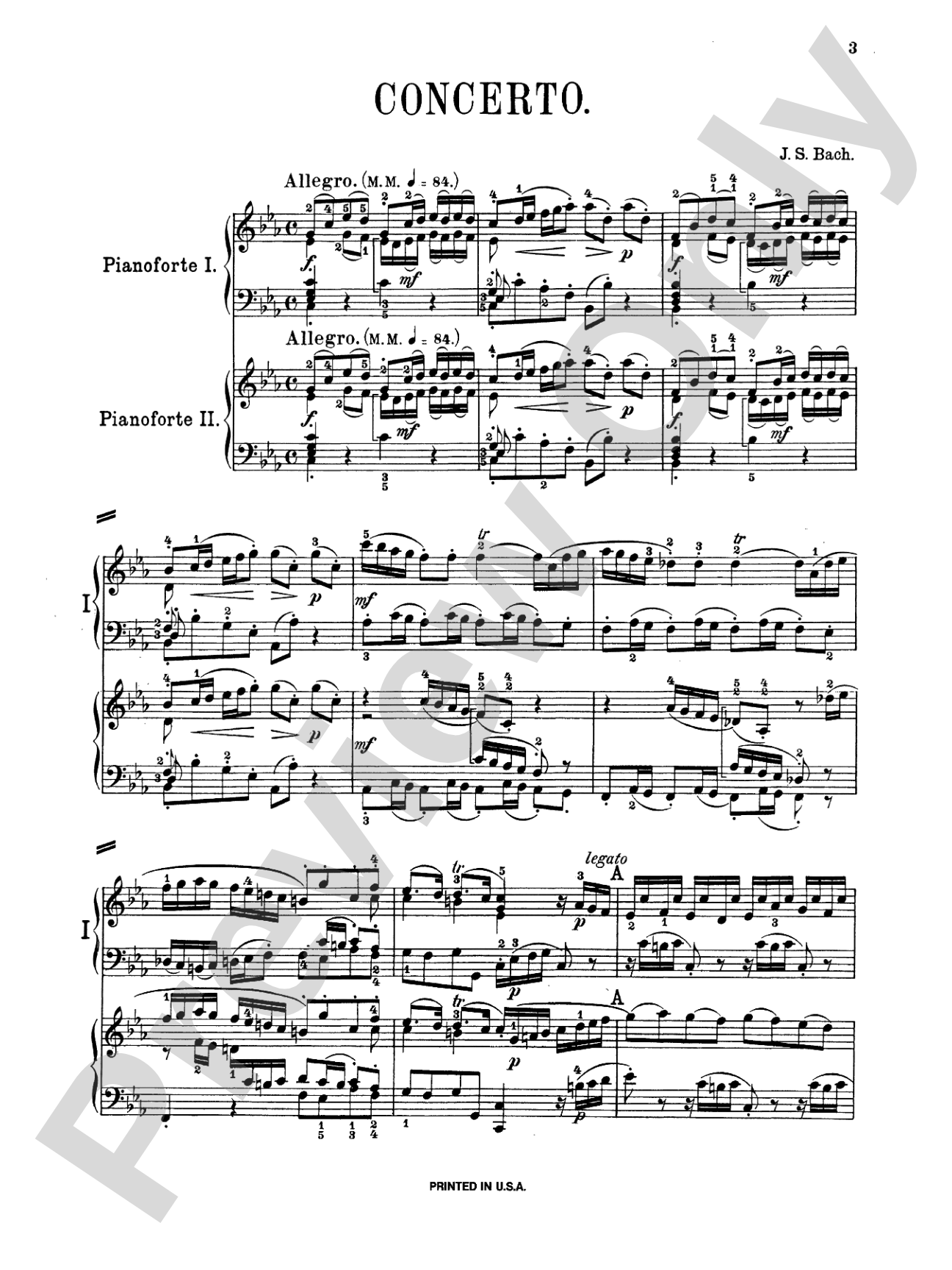
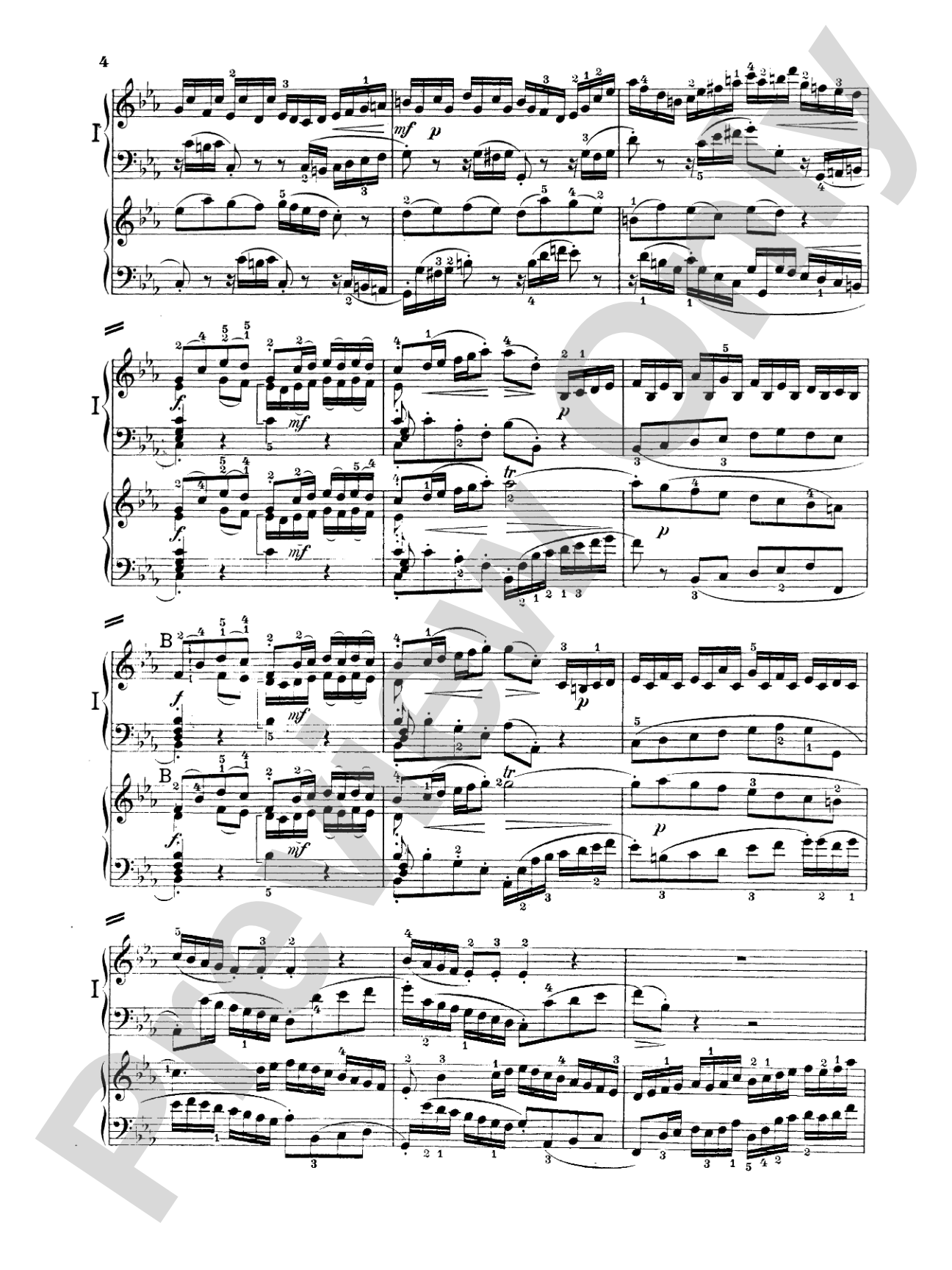
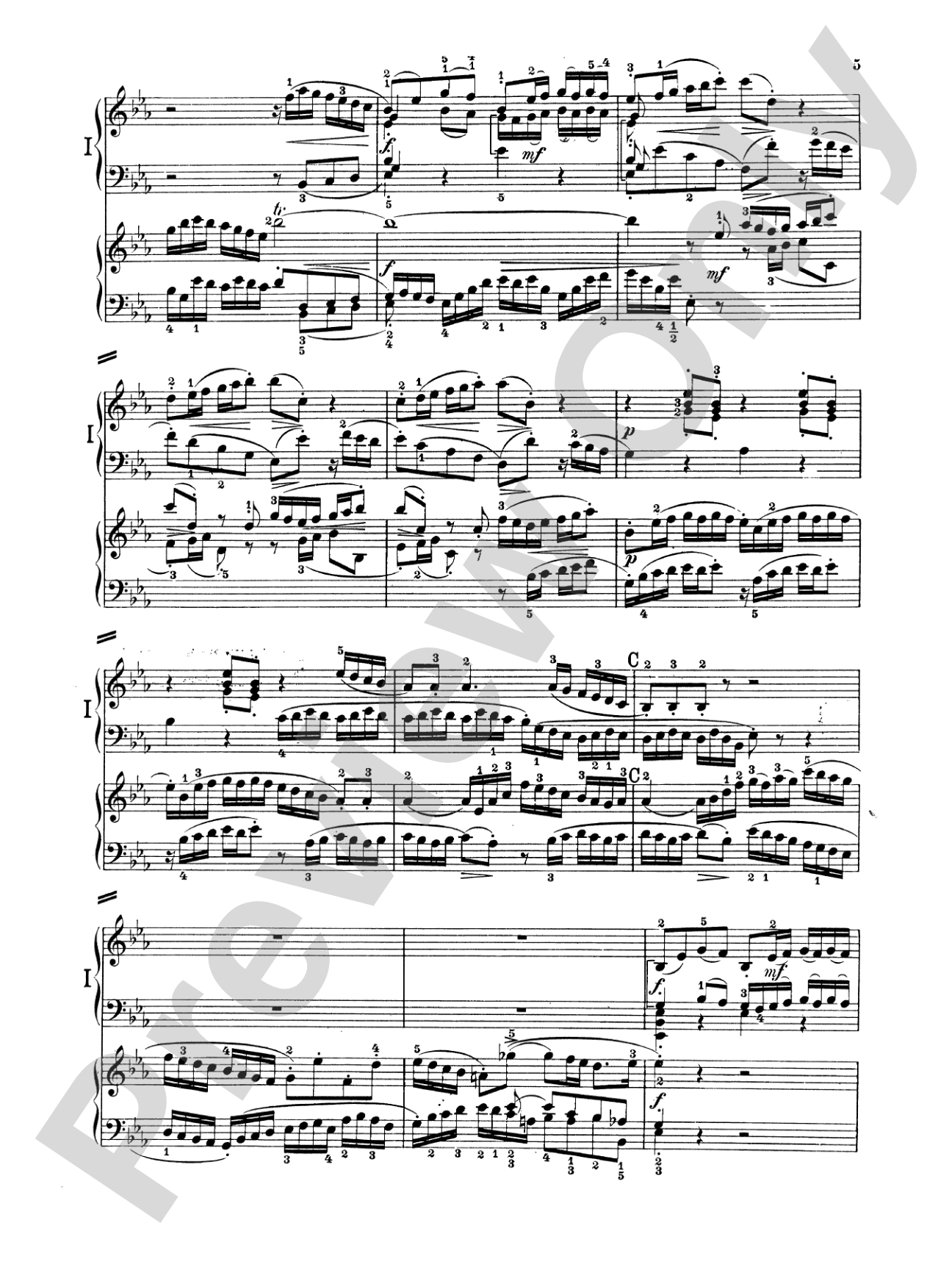
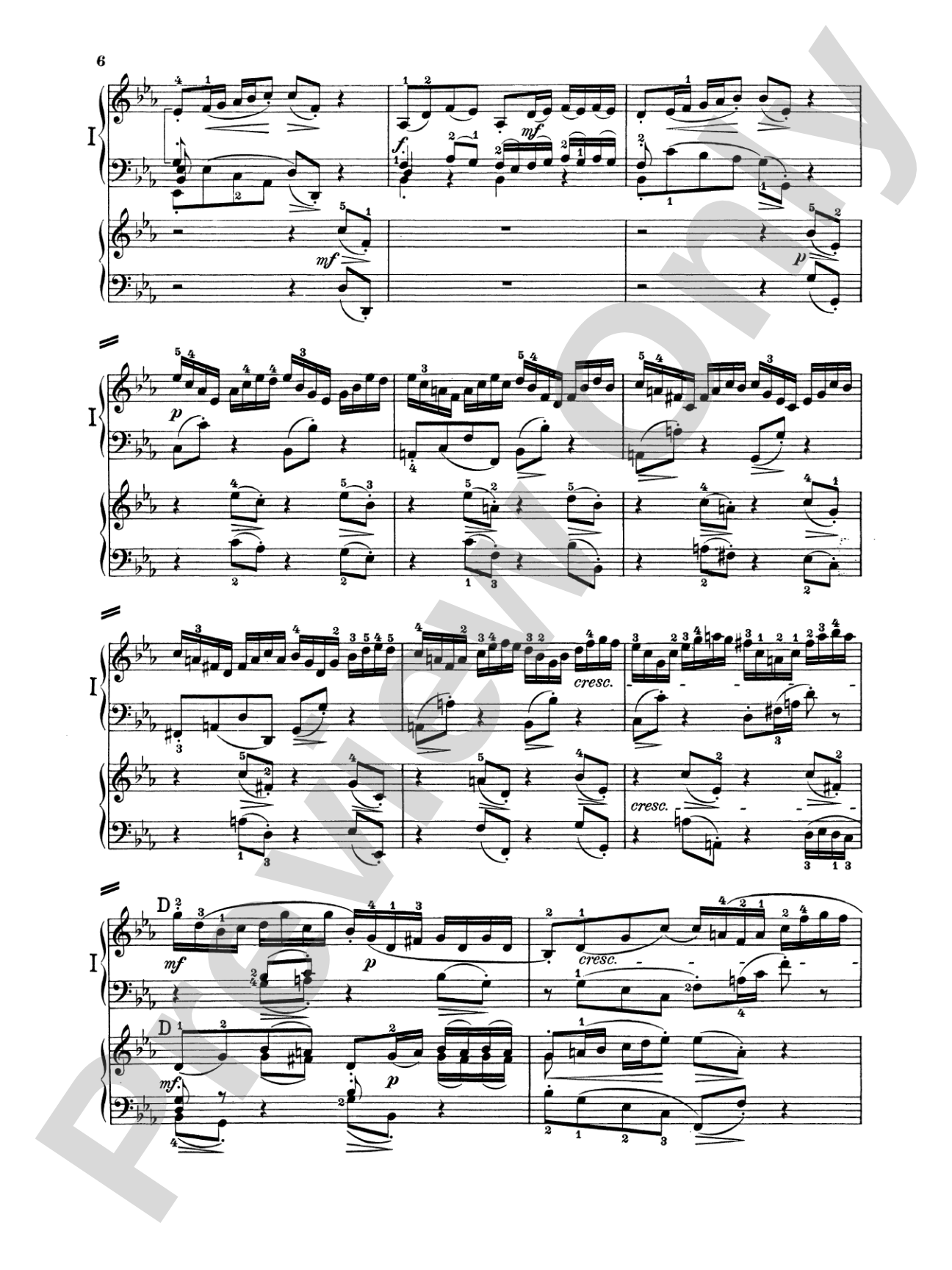
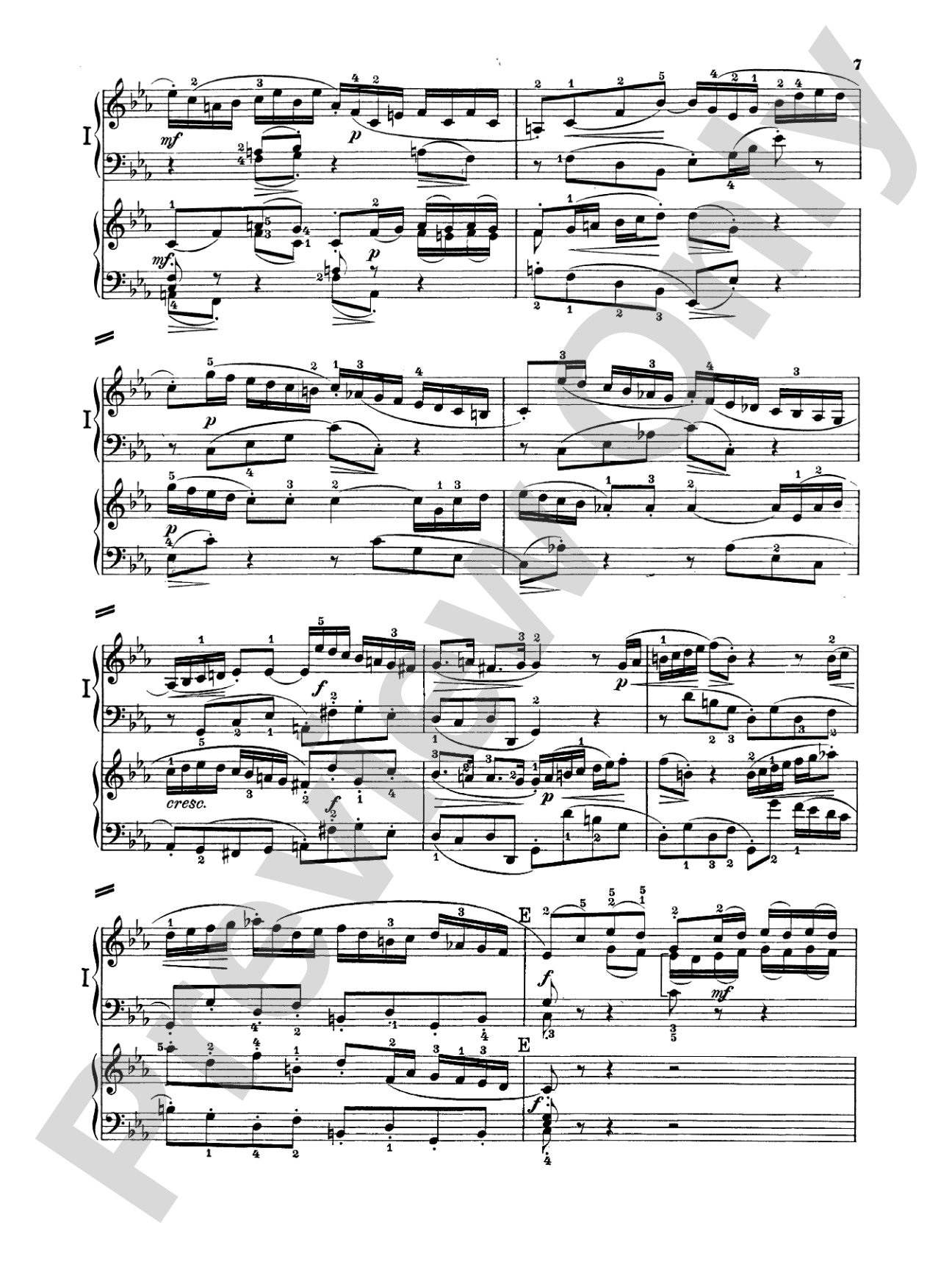
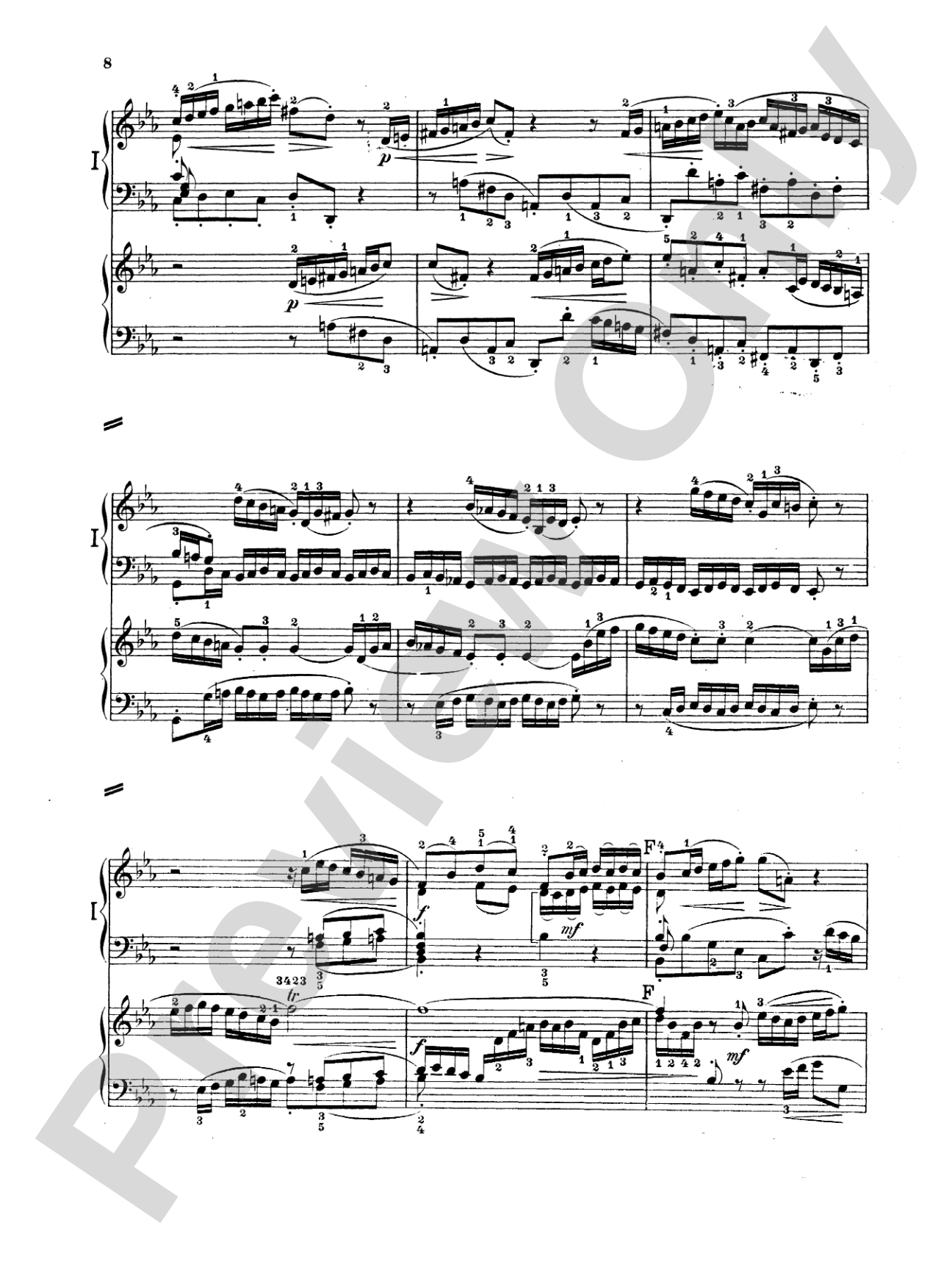
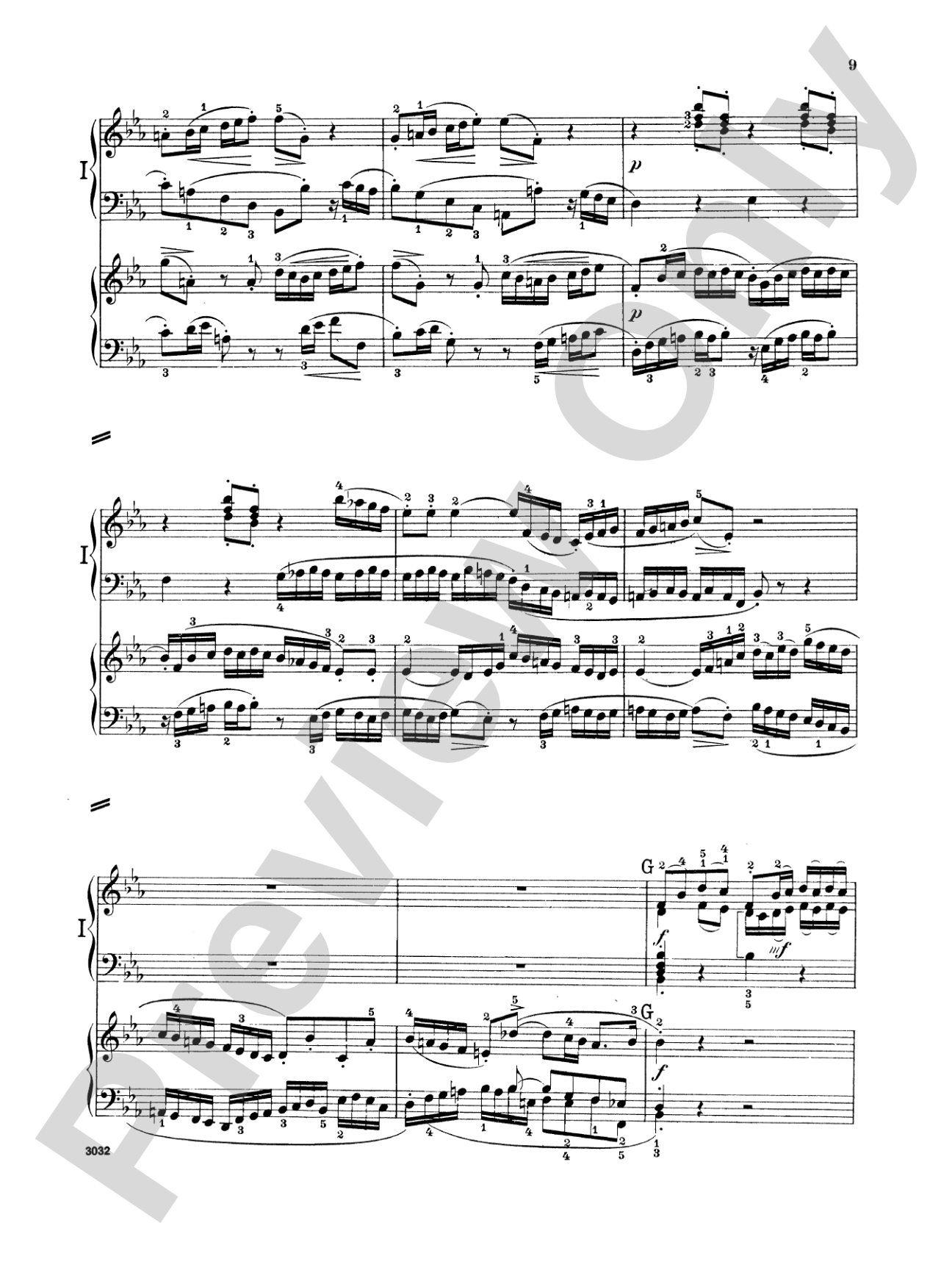
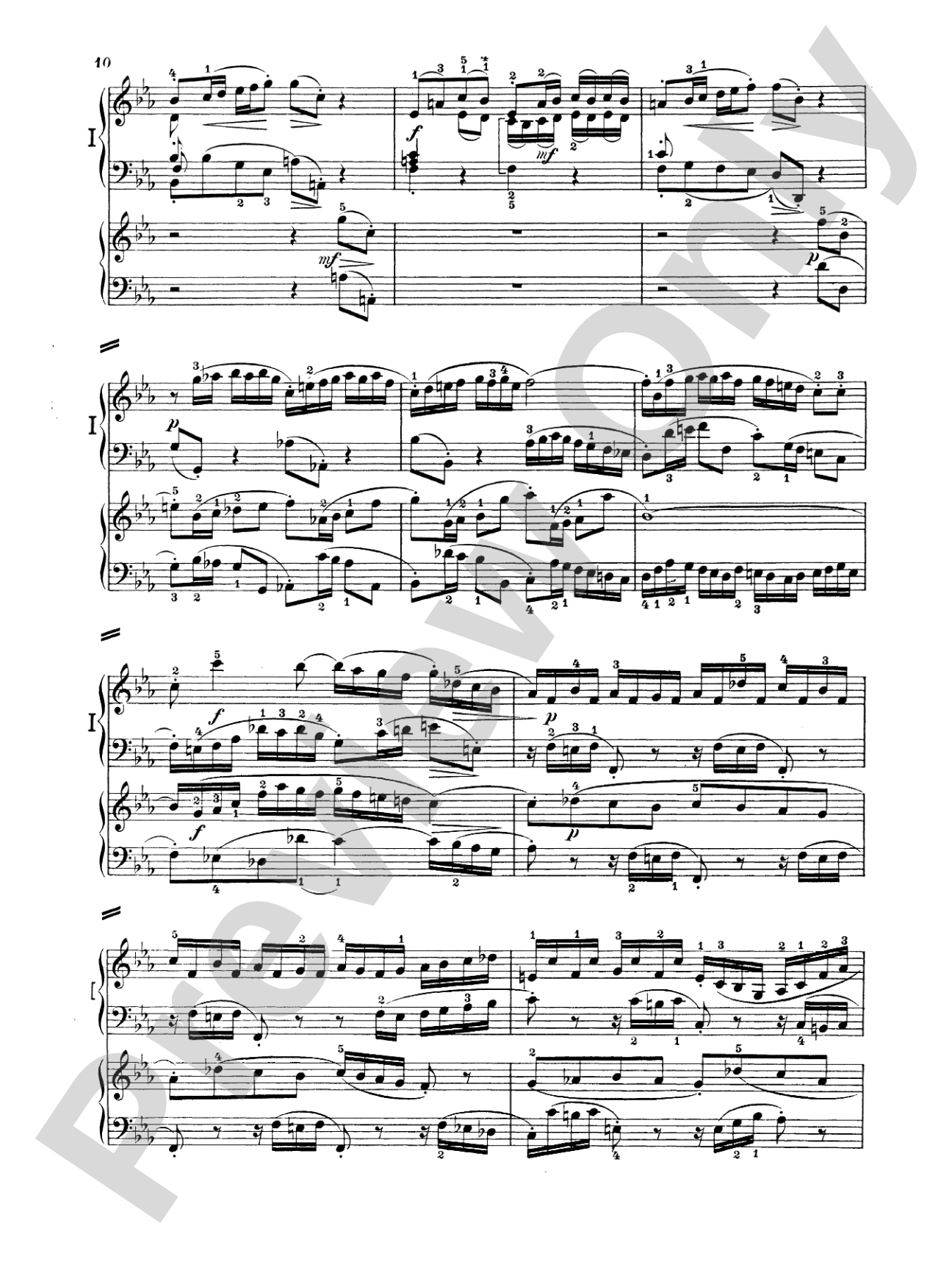
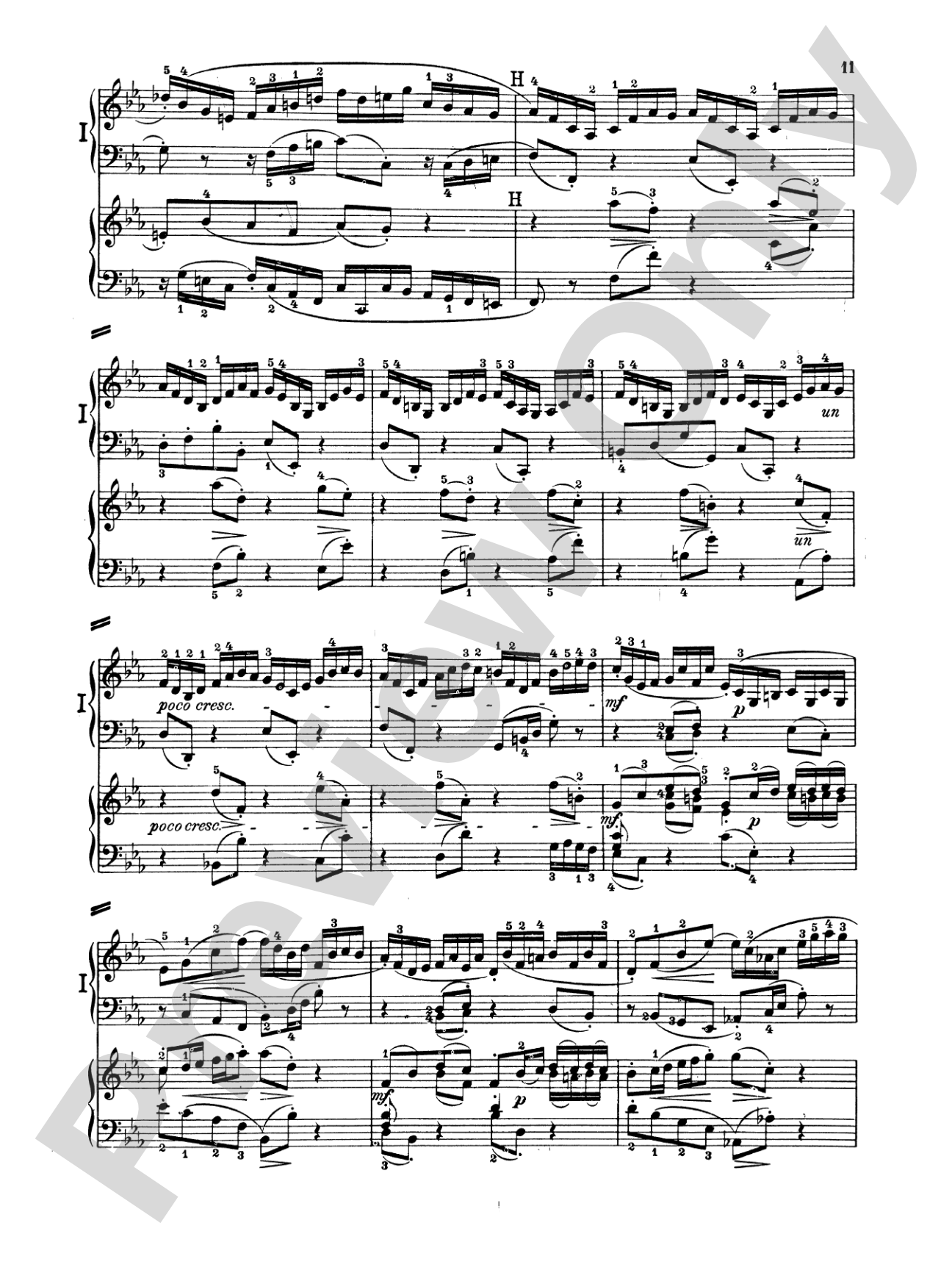
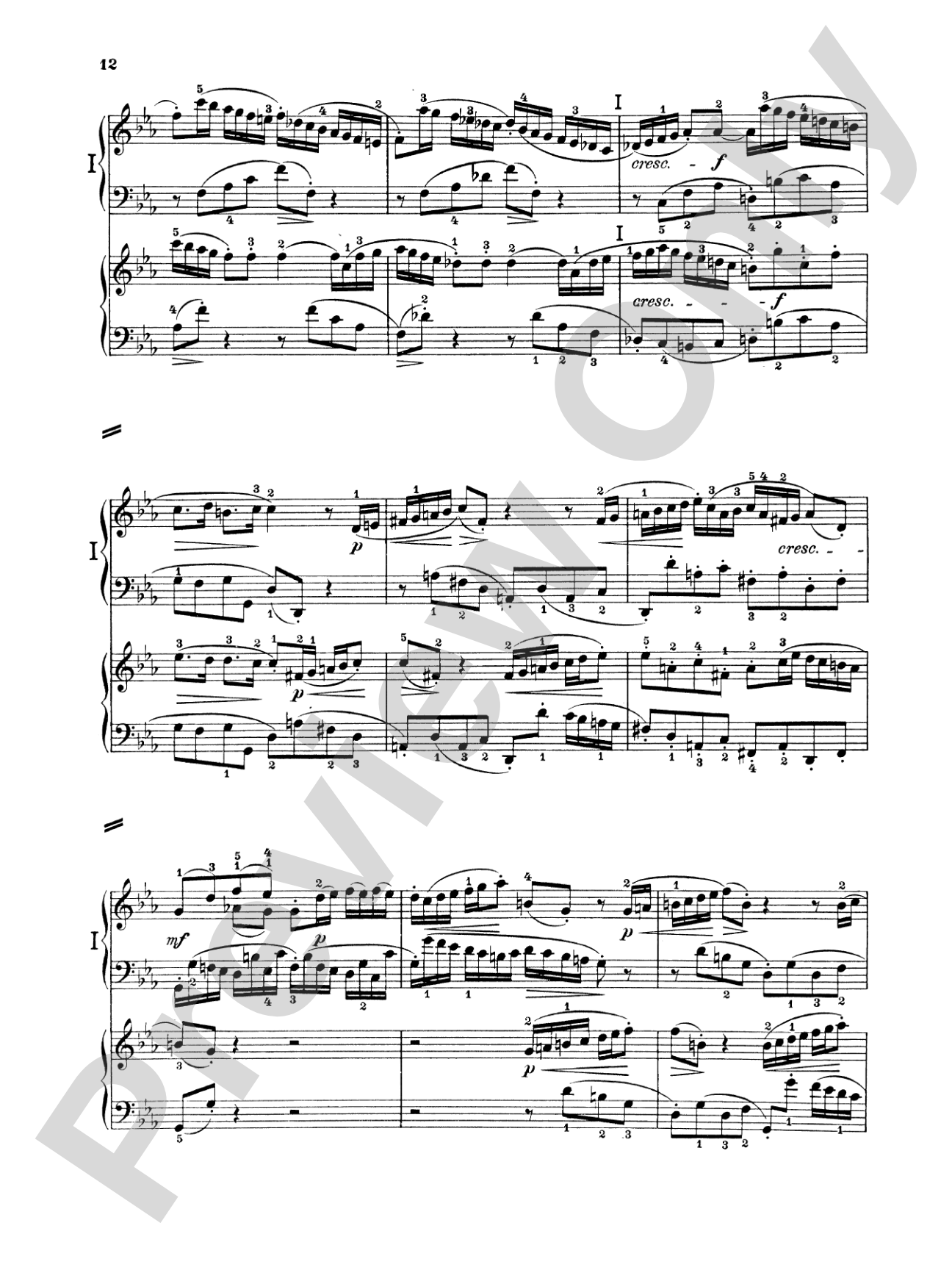
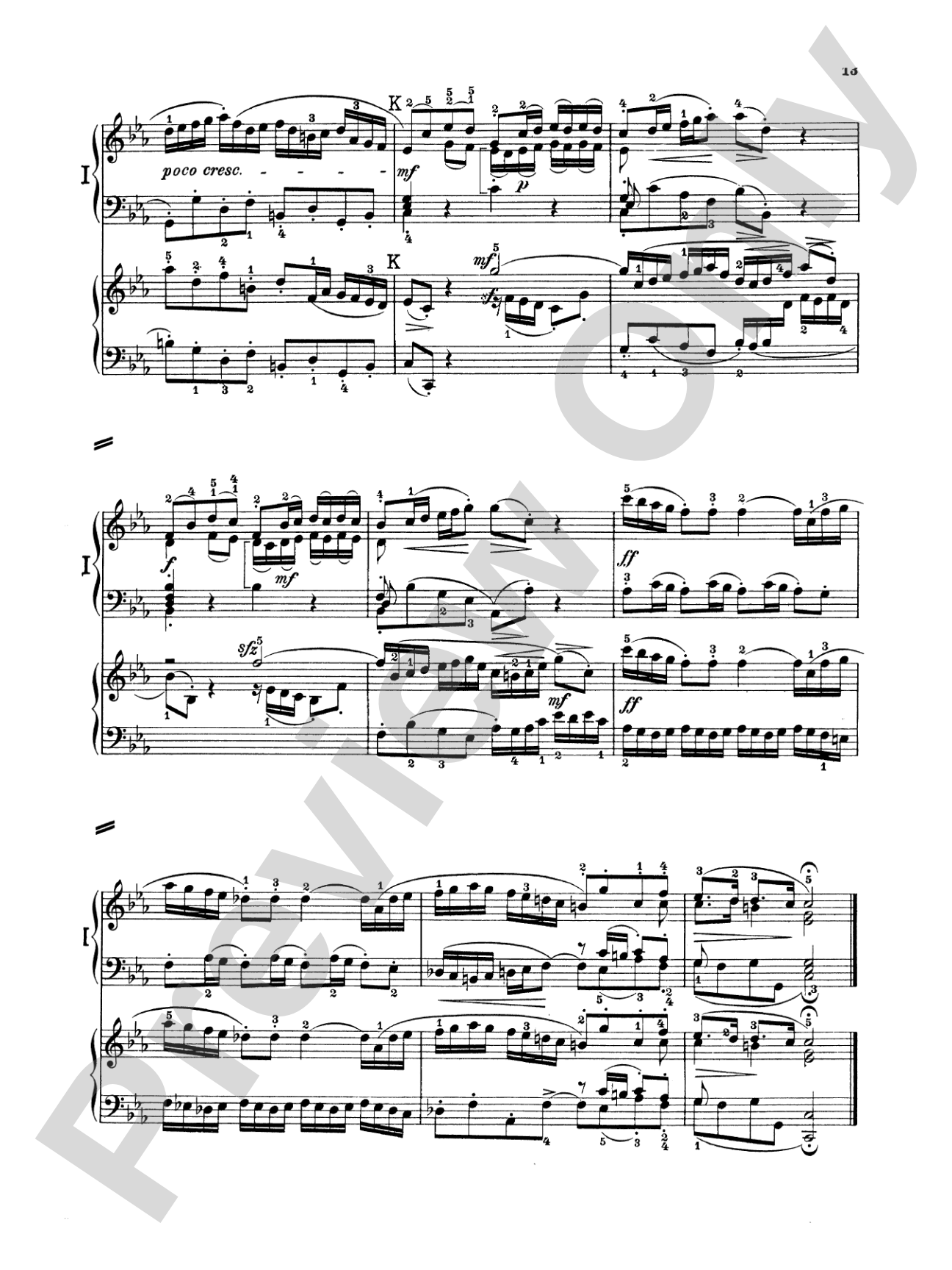
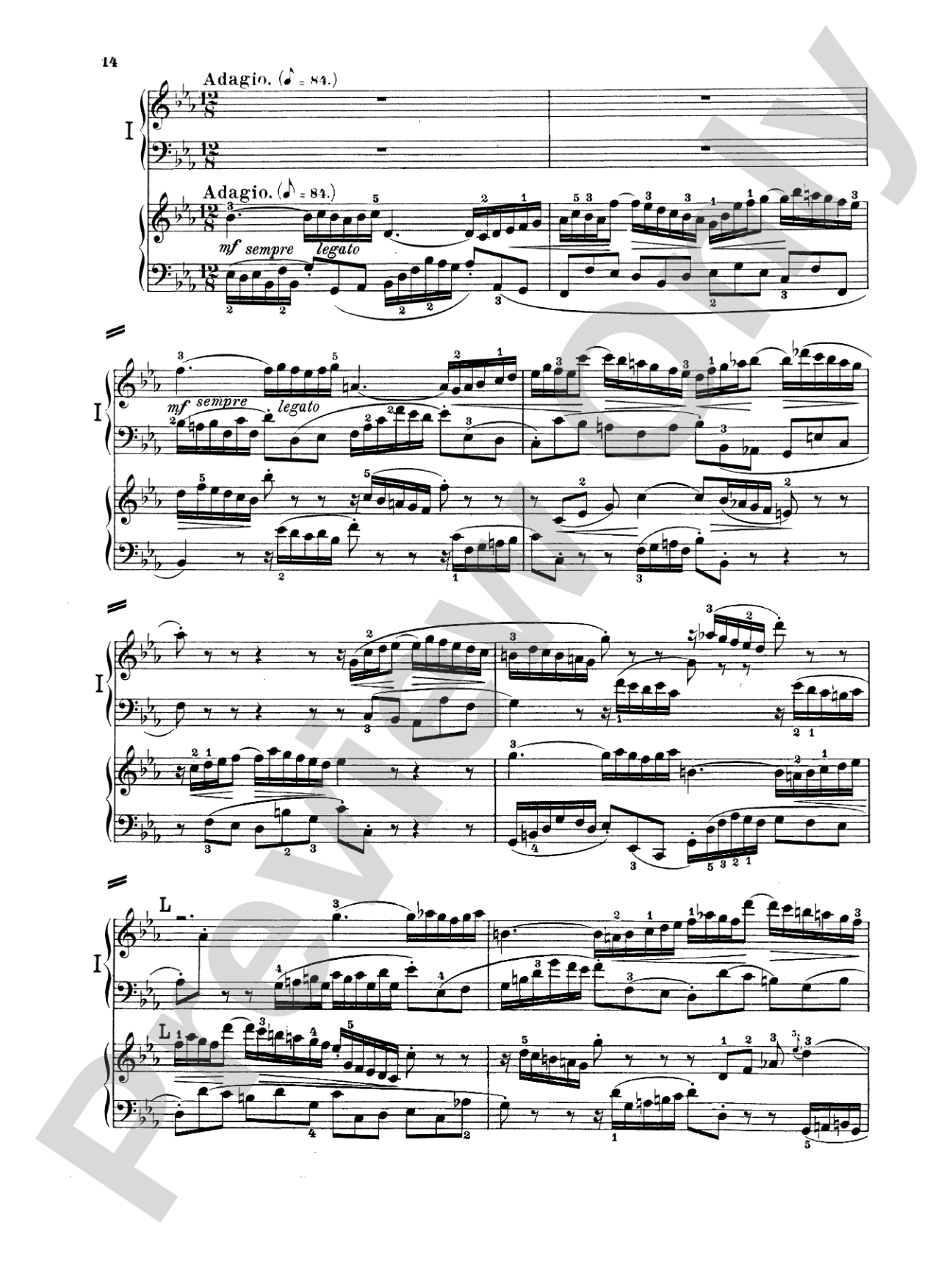
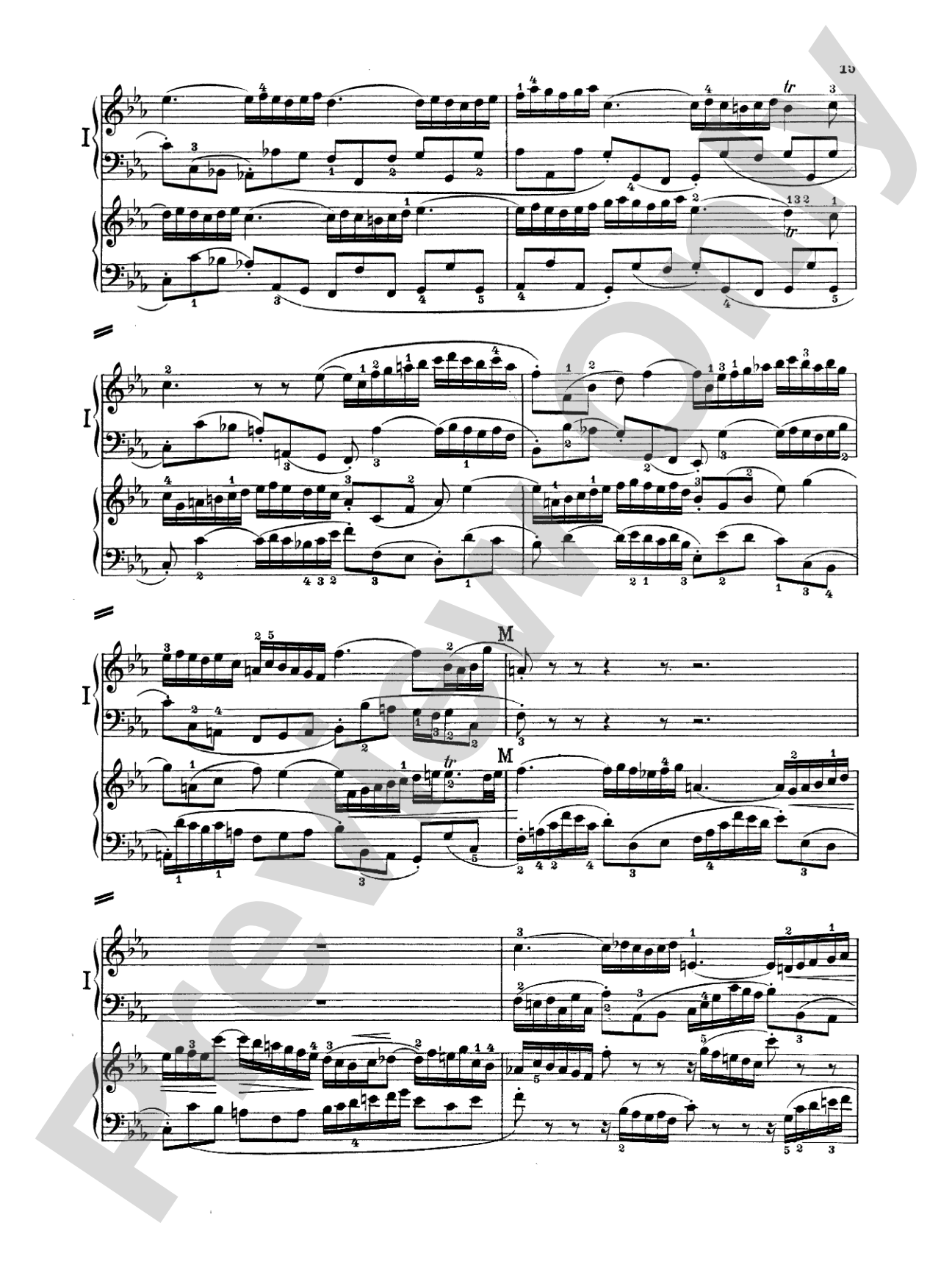
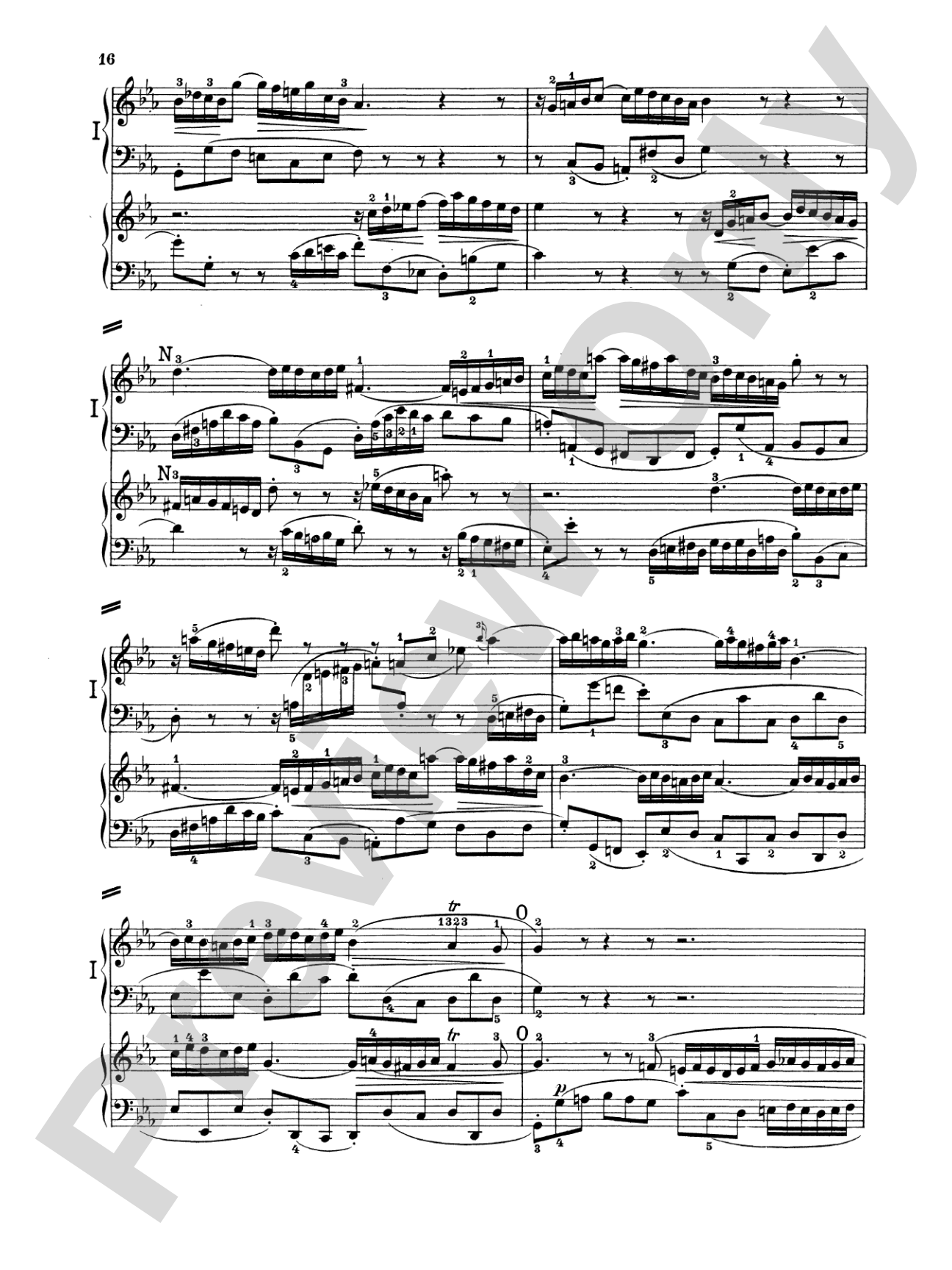
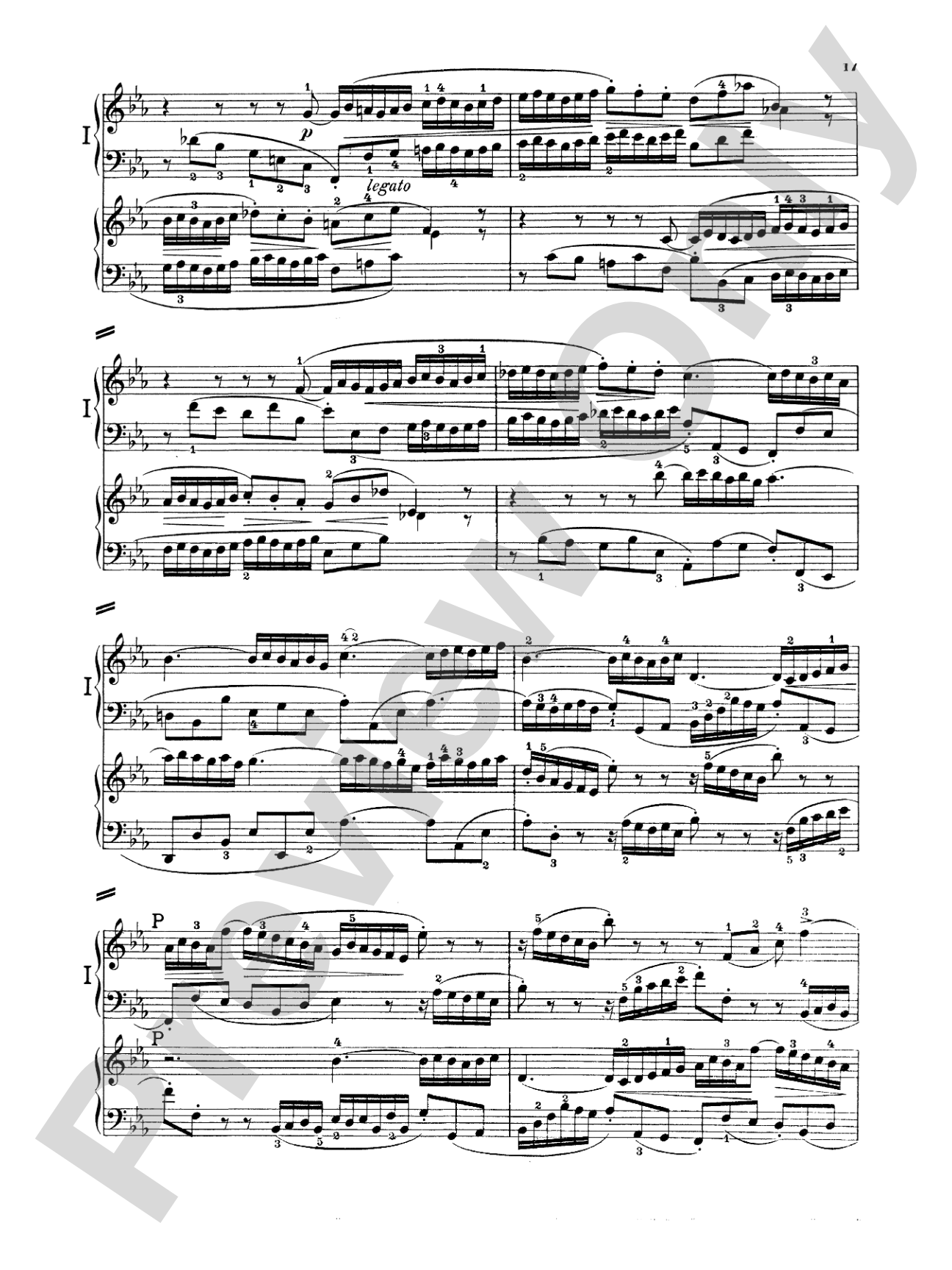
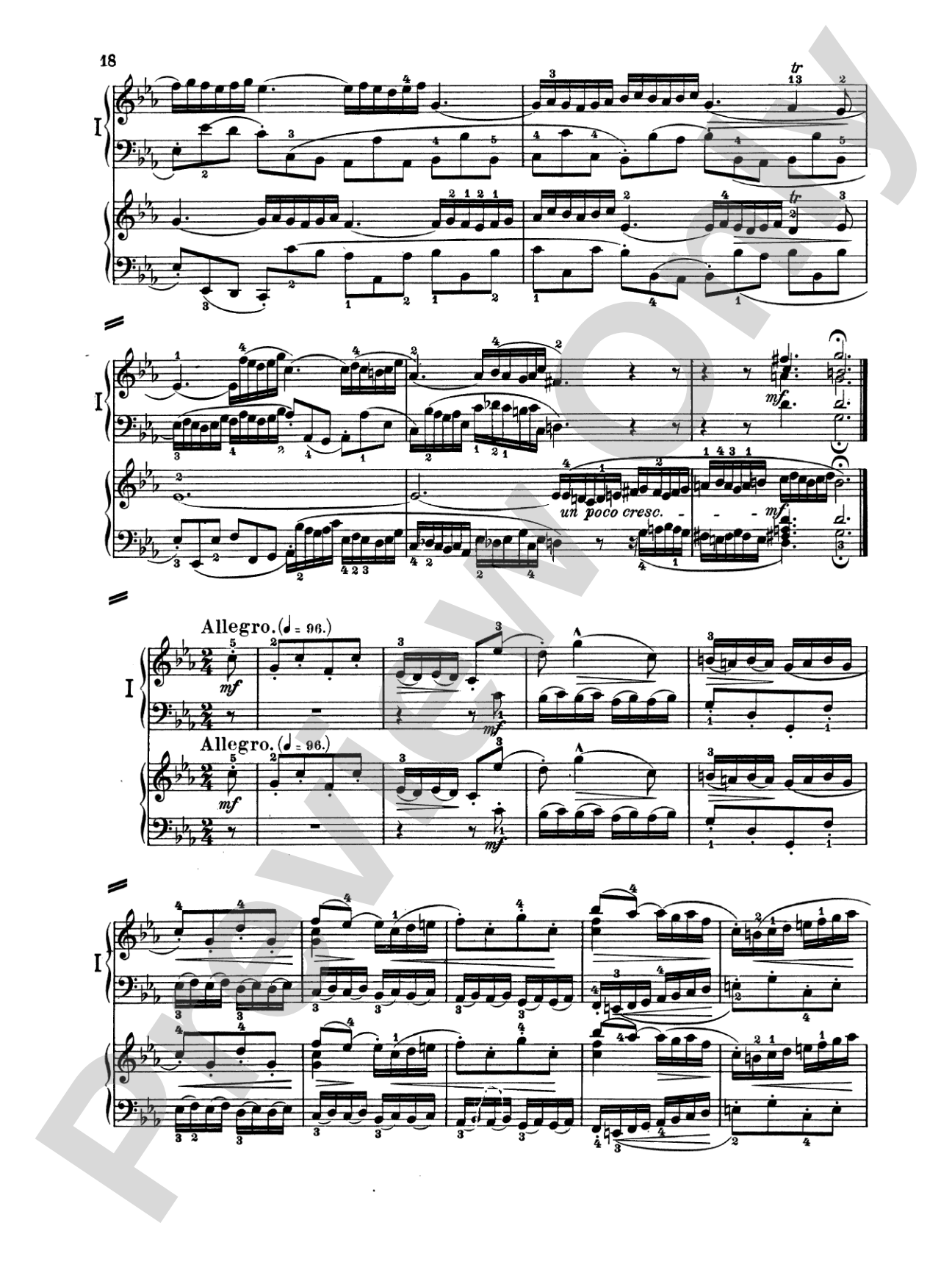
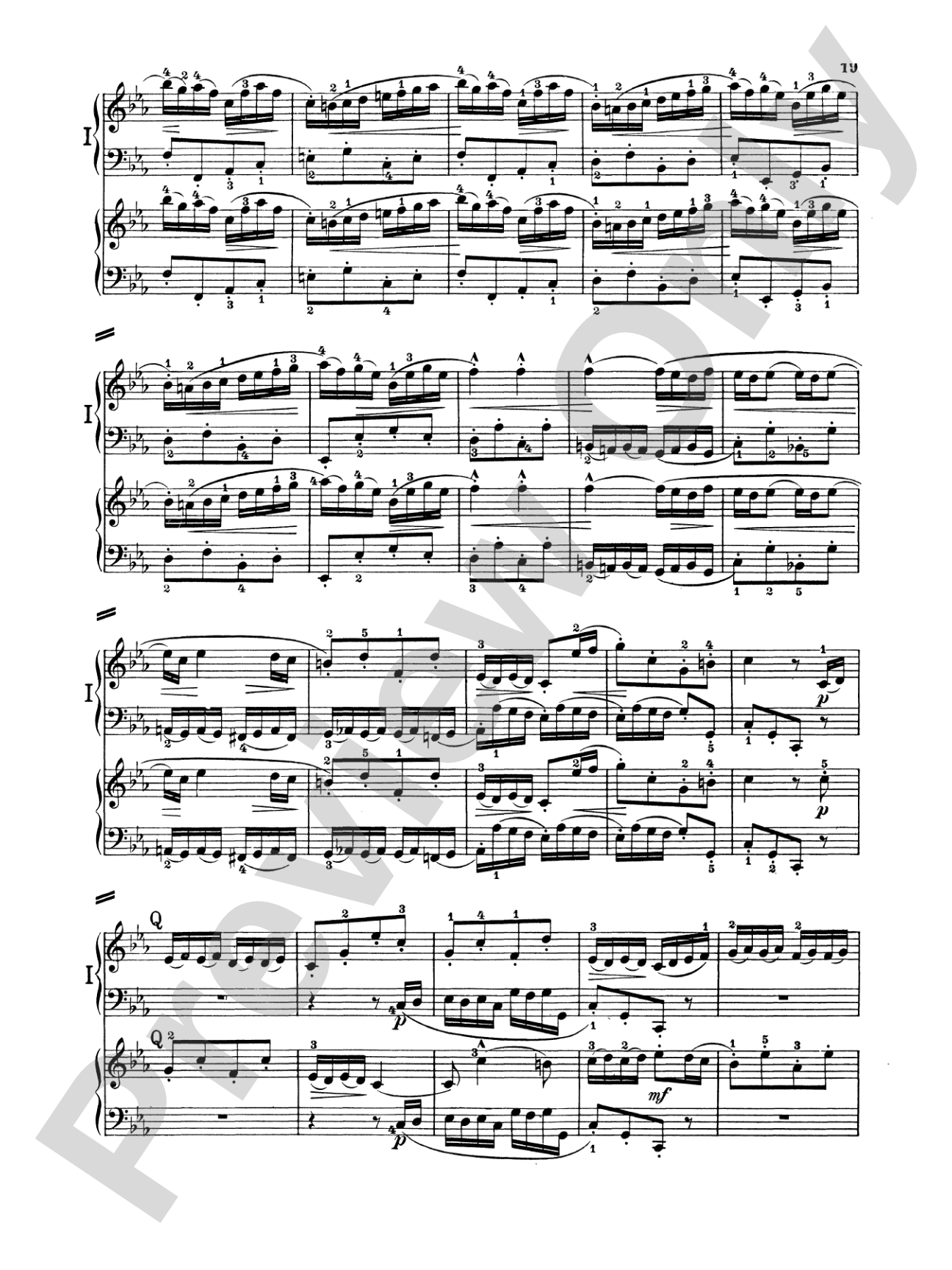
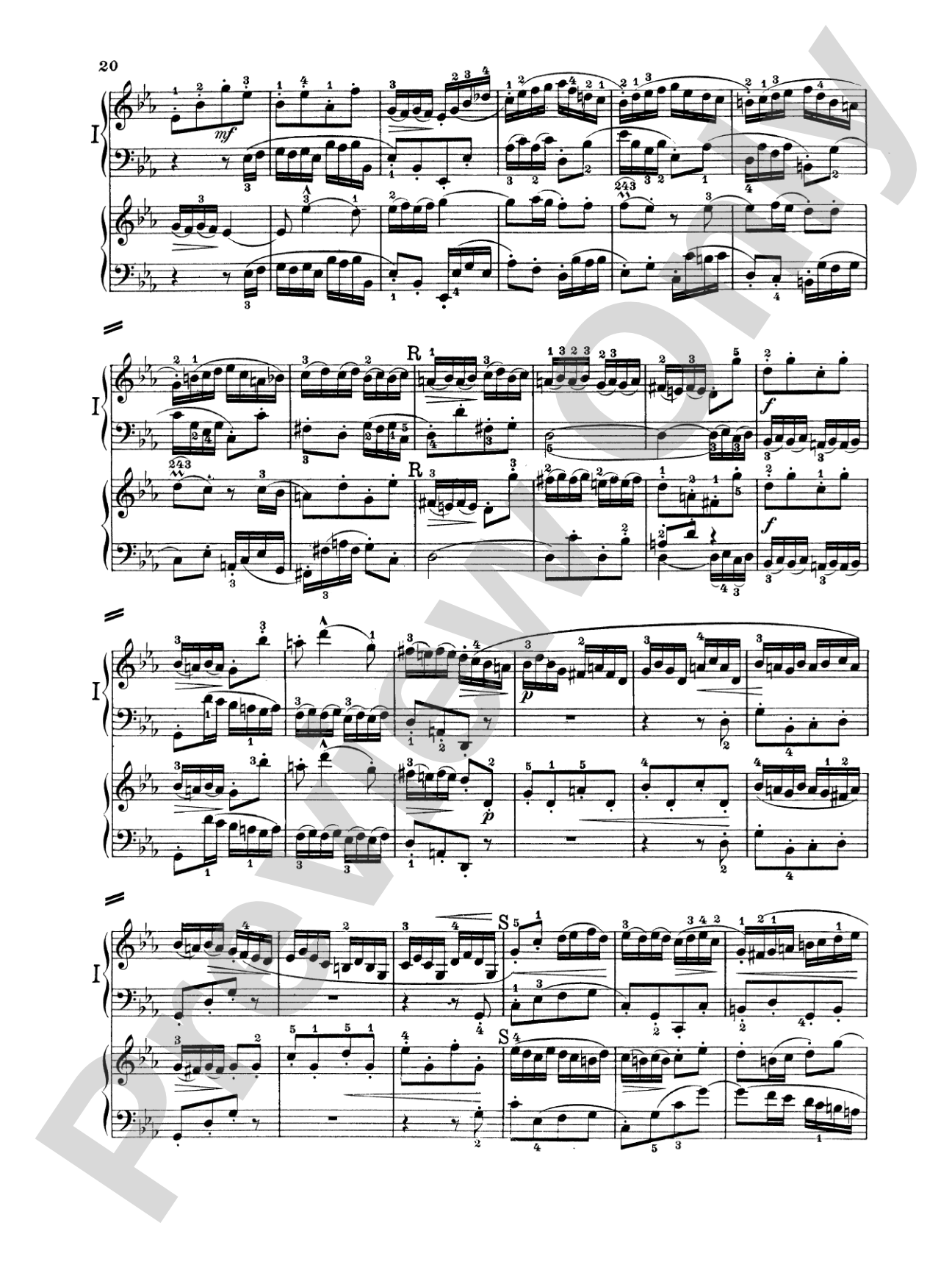
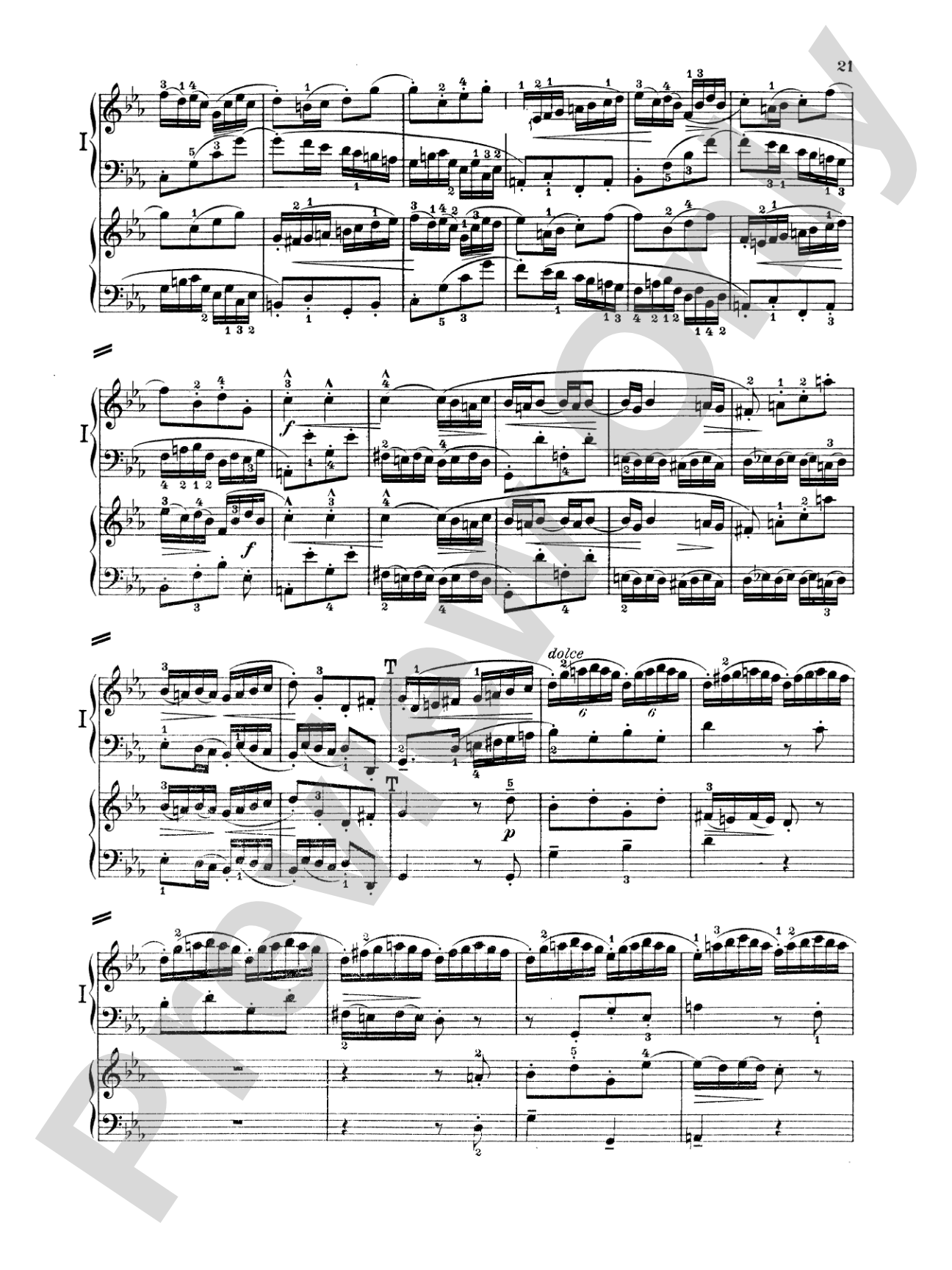
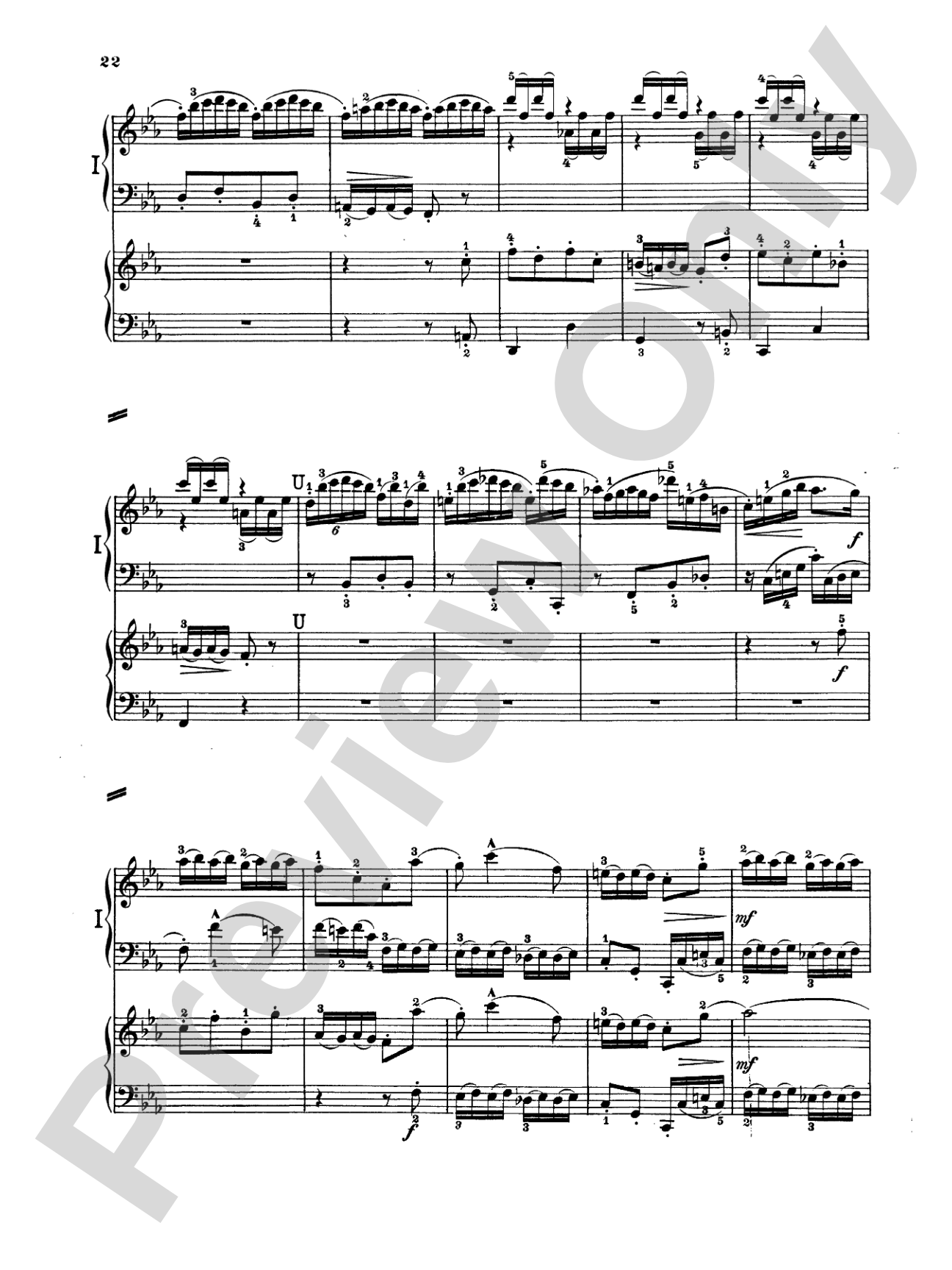
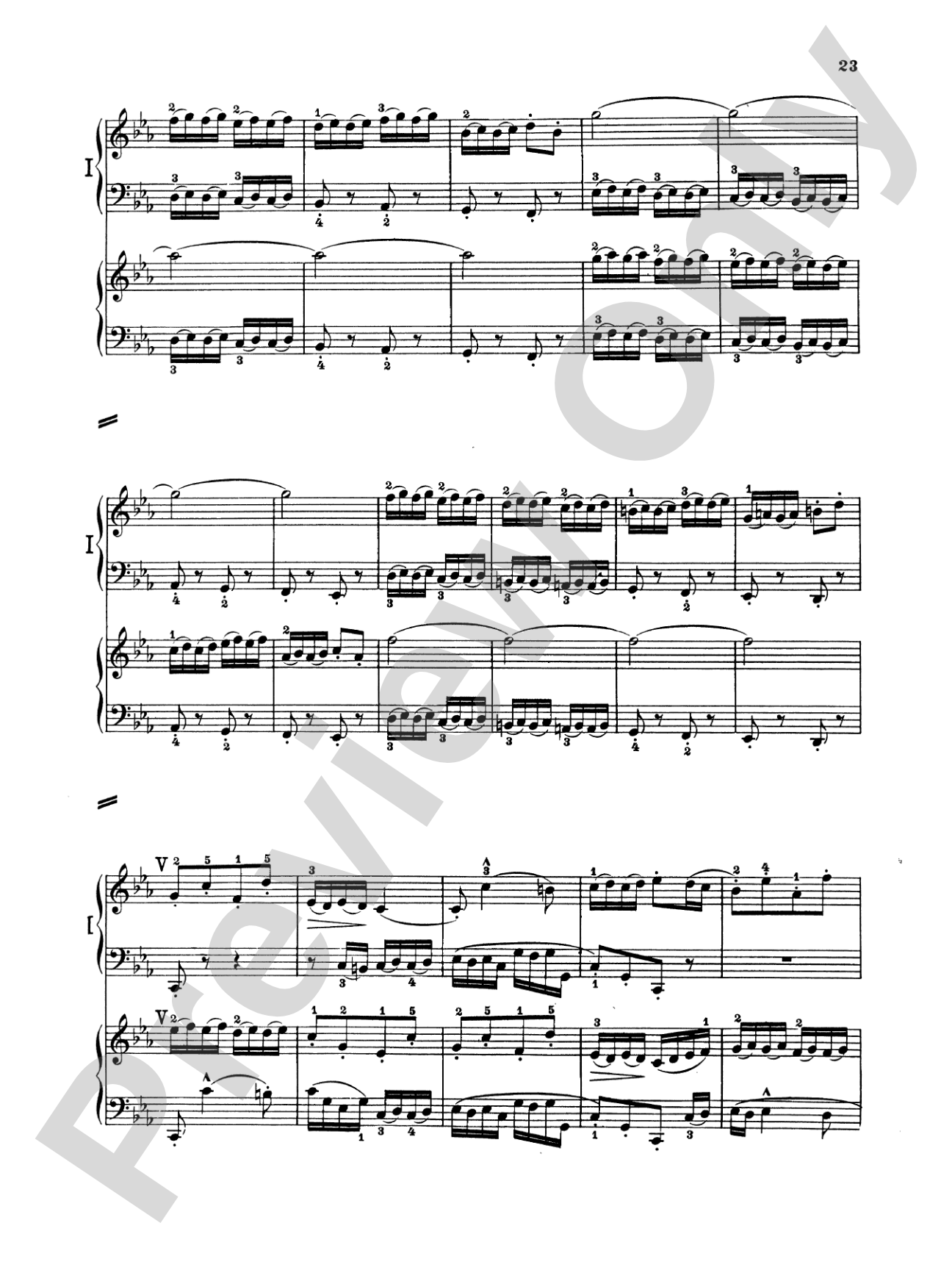
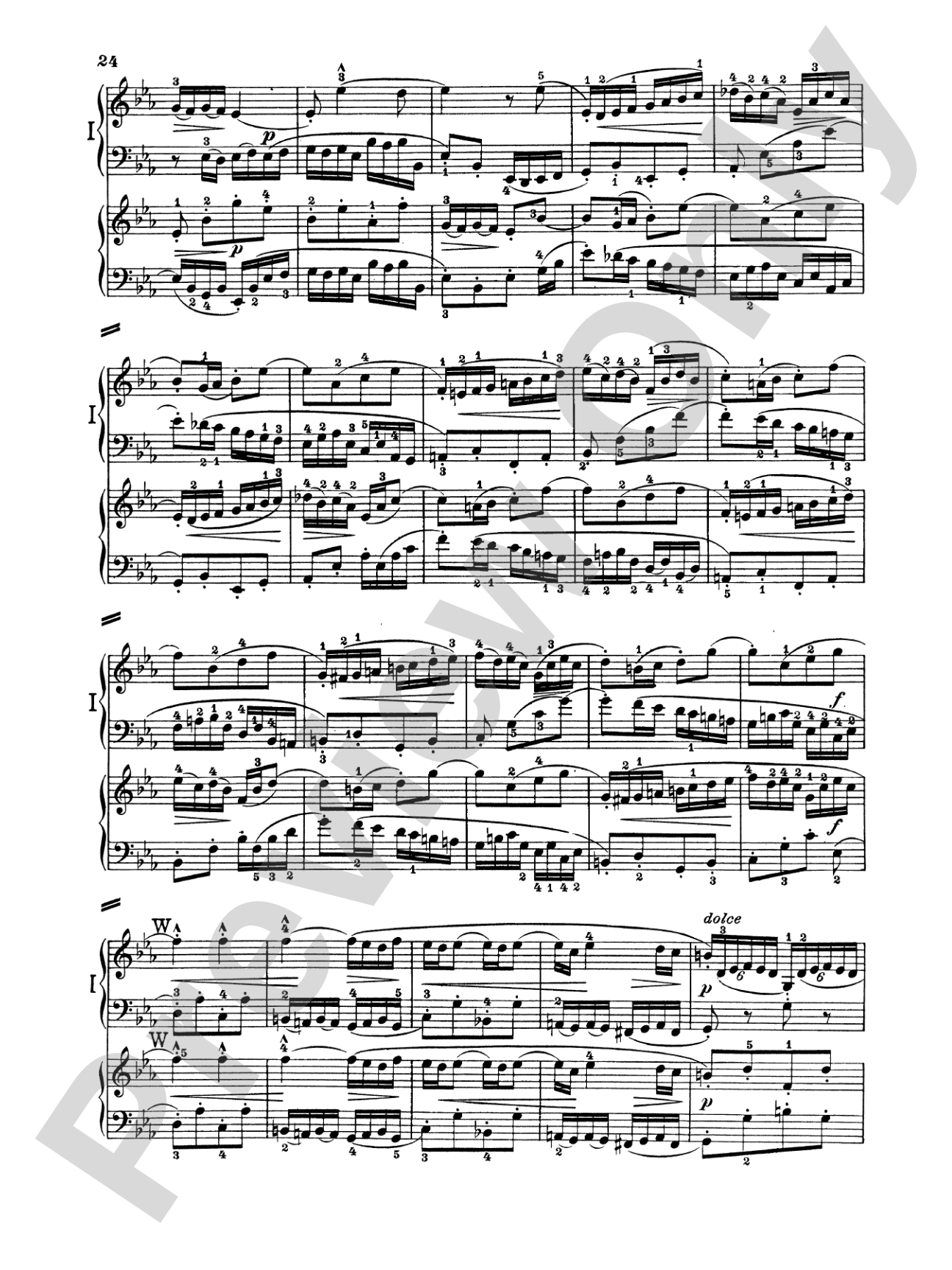
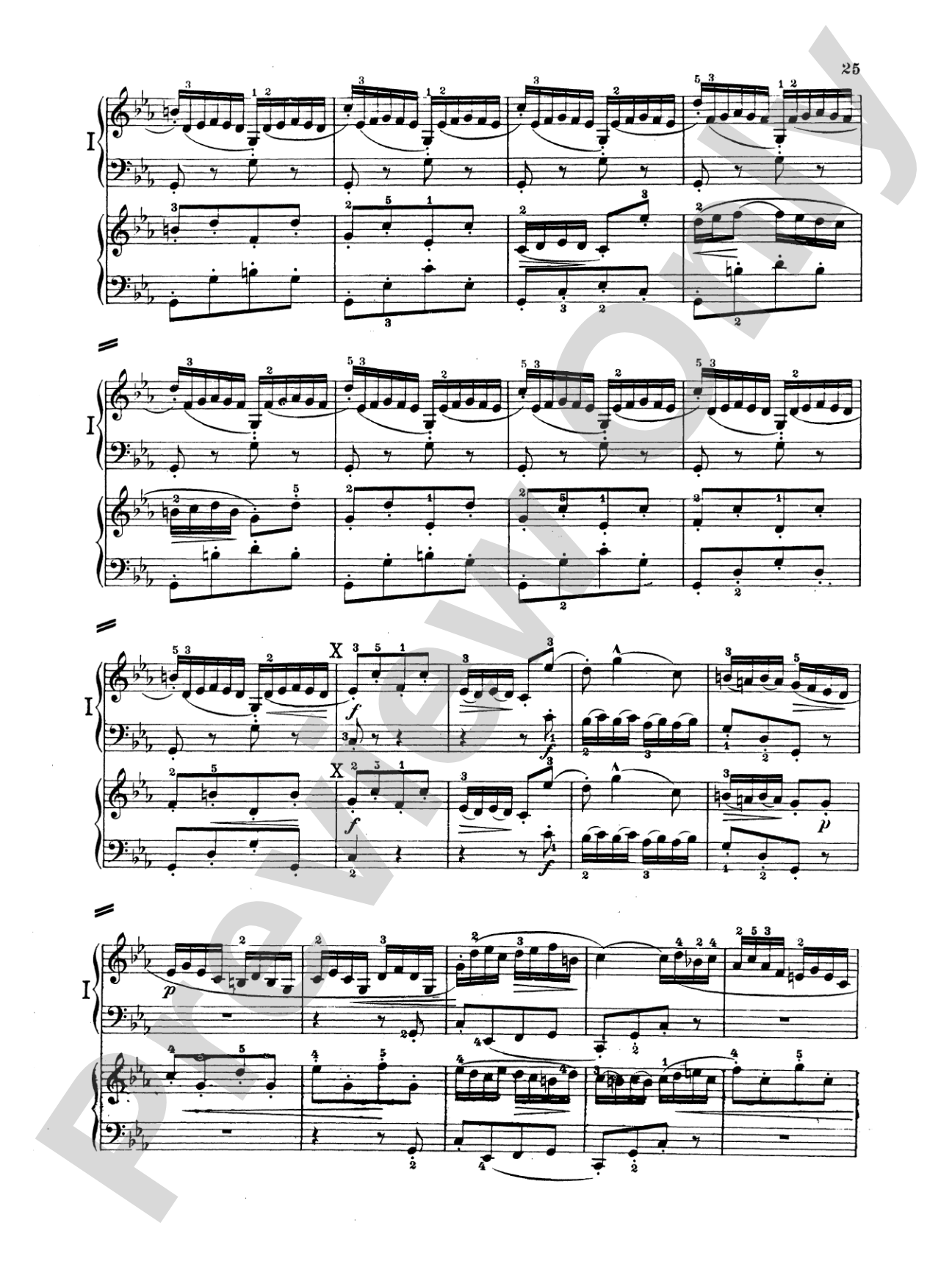
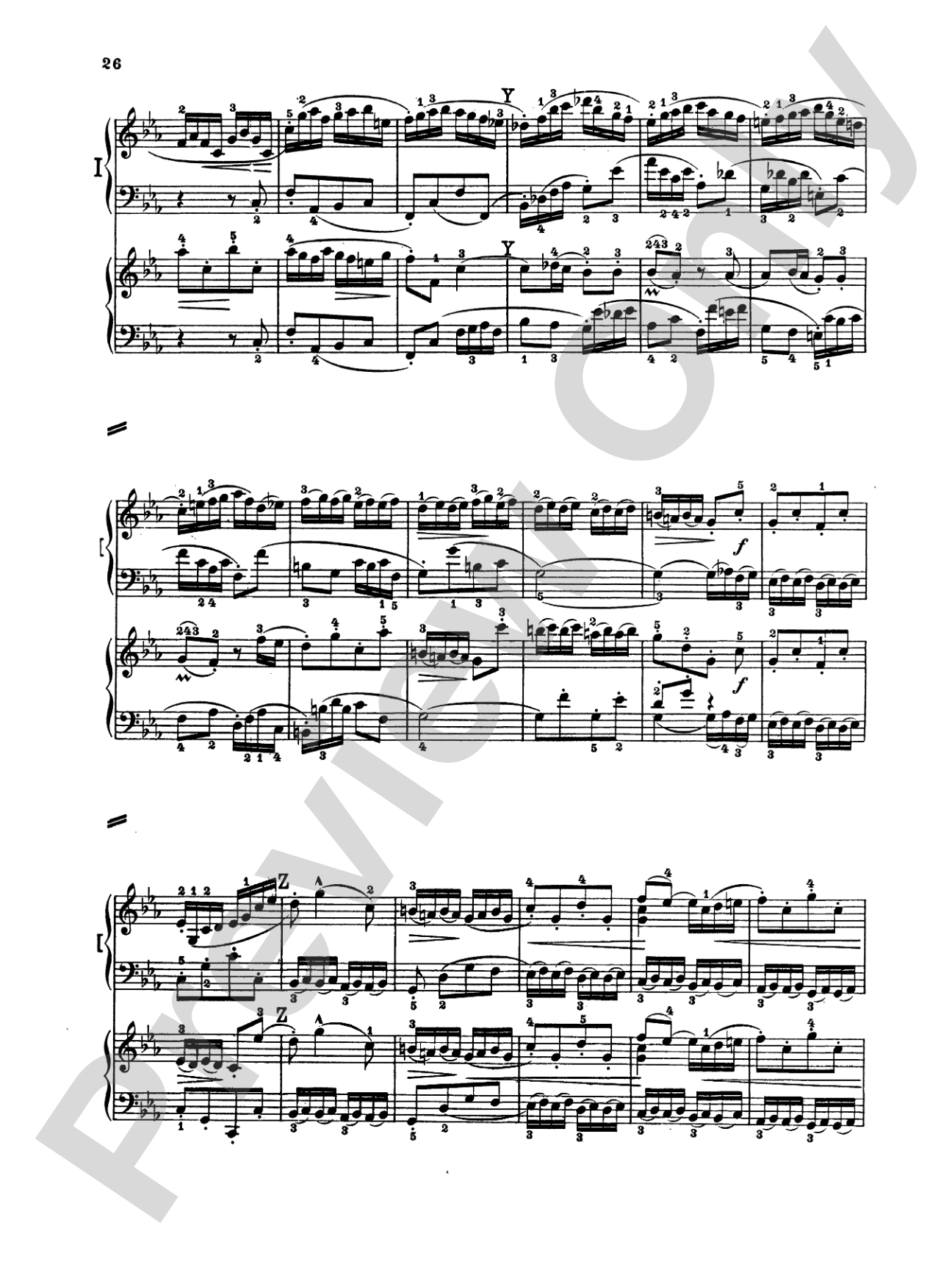
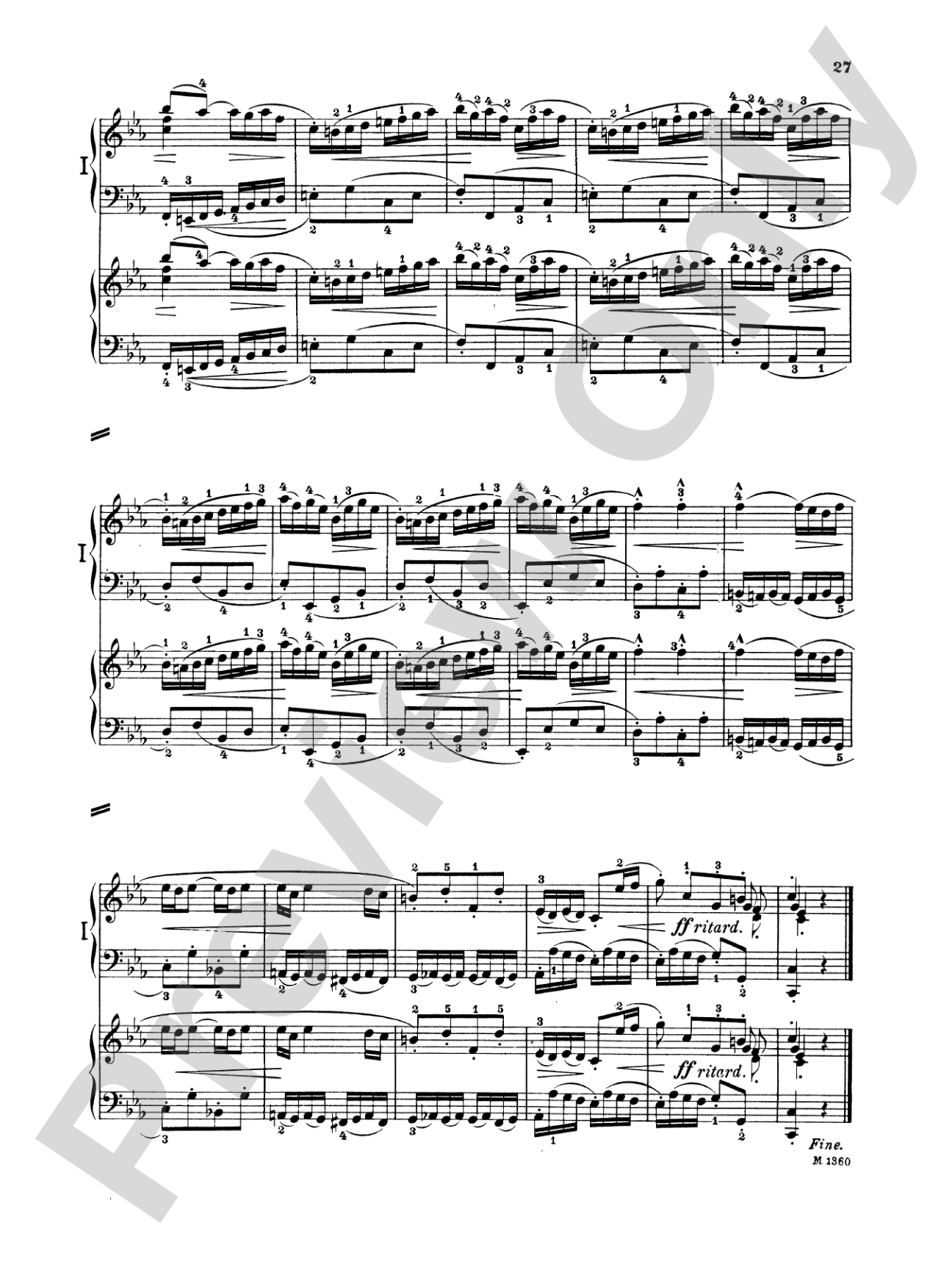


Bach: Concerto for Two Pianos in C Minor: Piano Duo (2 Pianos, 4 Hands) Book (2 copies required)
By Johann Sebastian Bach
Level: Advanced
Item: 00-PK-0002845

$12.95
Pickup currently not available
Buy Extra Parts (Digital PDF Download)
| Product | Price | Quantity |
|---|---|---|
| Bach: Concerto for Two Pianos in C Minor | $11.95 |
Parts Added to Cart!
Related Items
Concerto for Two Pianos in C Minor: Piano Duo (2 Pianos, 4 Hands) Book (2 copies required) |
$12.95
|
View |
Description
A Piano Duet for 2 pianos, 4 hands, composed by Johann Sebastian Bach. A Federation Festivals 2024-2028 selection.


Don't just read it, hear it, play along with it, and watch your students grow with it. In MakeMusic Cloud, Bach: Concerto for Two Pianos in C Minor: Piano Duo (2 Pianos, 4 Hands) Book (2 copies required) comes alive with professional accompaniment, adjustable tempo, and built-in practice tools that turn solo practice into real progress.
Open in the Player
Jump straight in and assign it today.
Start Your Free Trial
Open this title and explore the full library in minutes.
Sample Audio
No sample audio found.
Sample Video
No sample videos found.
Additional Details
Series:
Kalmus Edition
Publisher:
Alfred Music
Page Count:
28
SKU:
00-PK-0002845
More about this title
About the Composer: Johann Sebastian Bach
Johann Sebastian Bach (1685-1750) was a German Baroque composer and keyboard virtuoso whose harmonic language, structural mastery, and contrapuntal complexity established him as one of the most influential composers in Western music history. Working as a church musician, court composer, and teacher across Germany, Bach synthesized Italian and French styles with German tradition to create works of profound intellectual and spiritual depth. His keyboard music in particular has remained central to piano pedagogy and concert repertoire for nearly three centuries.
Why we love this
This Concerto sits at a rare intersection of authentic Baroque keyboard writing and accessible two-piano literature for advanced pianists. The piece demands serious musicianship—independent voices, clarity of line, and secure ensemble awareness—while its architectural design rewards careful study of Bach's developmental techniques. Programming it signals both technical ambition and musical substance to audiences and adjudicators alike.
What to expect
Intellectually bracing and architecturally satisfying, the Concerto unfolds with the precision of a Bach fugue yet maintains the conversational give-and-take of chamber music. The two pianos function as equals in dialogue, creating moments of sparkling technical display alongside passages of pure contrapuntal clarity.
Who it's for
Advanced pianists with strong collaborative experience and confidence in Baroque keyboard idioms. This work suits festival competitions, advanced student recitals, and pianists preparing for college auditions or graduate-level study.
How to get the most out of it
- Establish a clear structural hierarchy between subject material and accompanying figures so the Bach's contrapuntal argument emerges without sounding cluttered; this often means the primo pianist needs lighter touch on figuration when the secondo carries thematic weight.
- Practice the interlocking rhythmic patterns between the two pianos separately, then with one pianist counting aloud while the other plays, to lock ensemble timing before combining full textures.
- Honor Bach's use of ornamentation and articulation as structural markers rather than decorative flourish; discuss with your duo partner which phrases receive slight breathing space and where motives compress for intensity.
- Balance the dynamic range conservatively at first, allowing the harmonic movement to create forward motion rather than relying on broad crescendos; Bach's writing often generates energy through voice leading and rhythmic density instead.
How to use it
This Concerto works powerfully as a centerpiece for an all-Bach program or as the Baroque anchor in a chronological survey of piano duo literature. Its inclusion as a Federation Festivals selection positions it well for competition programming or as the climactic work on a recital featuring earlier Baroque keyboard pieces.
Skills your students will build
- Reading and executing Baroque counterpoint across two instruments simultaneously
- Balancing independent melodic lines while maintaining ensemble cohesion
- Understanding voice leading and harmonic progression in Baroque keyboard writing
- Coordinating rhythmic precision and articulation between two pianos
- Shaping musical phrases without relying on pedal or dynamic extremes
- Collaborating as equals in a duo setting rather than assuming soloist-accompanist roles