

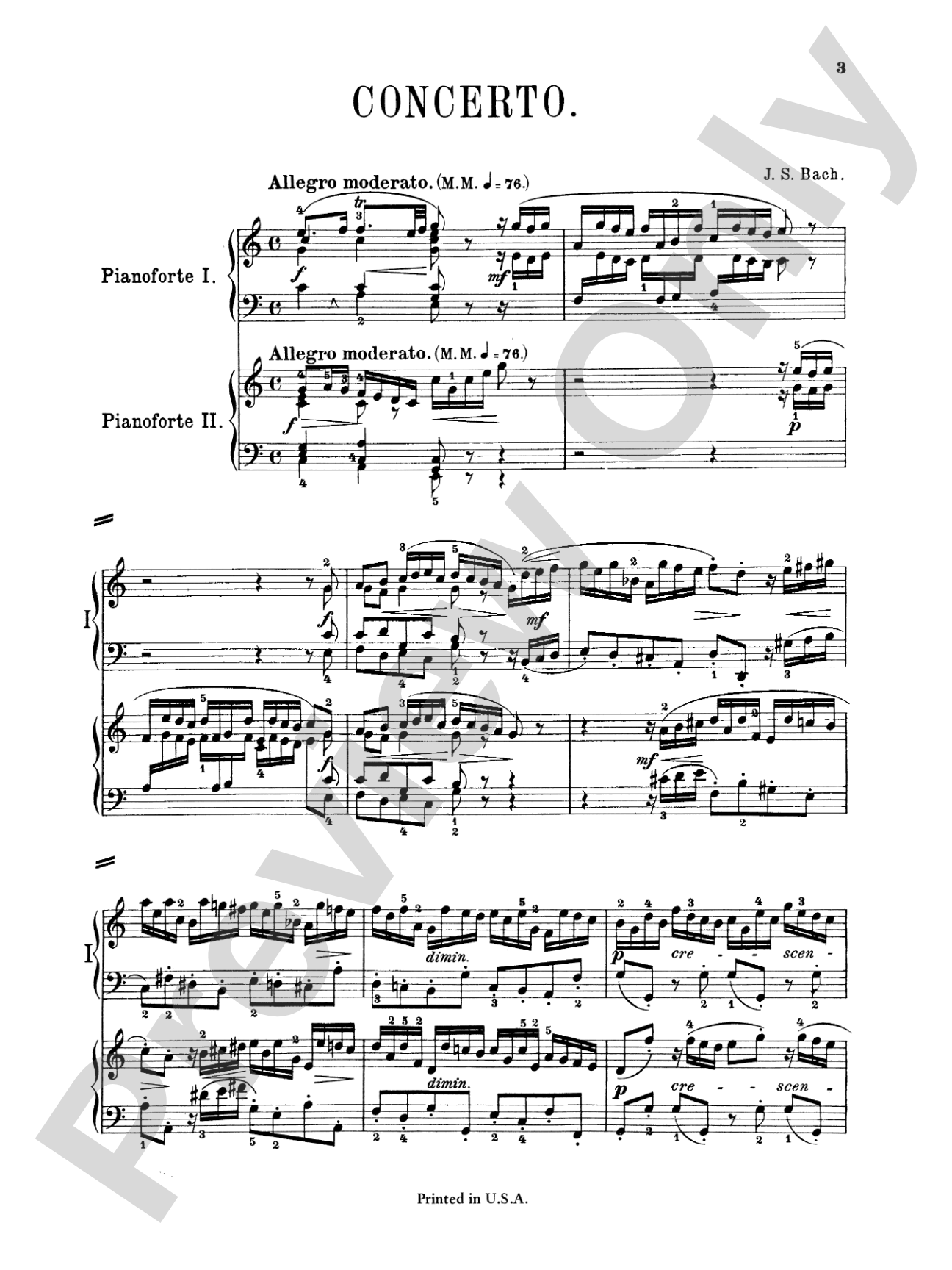
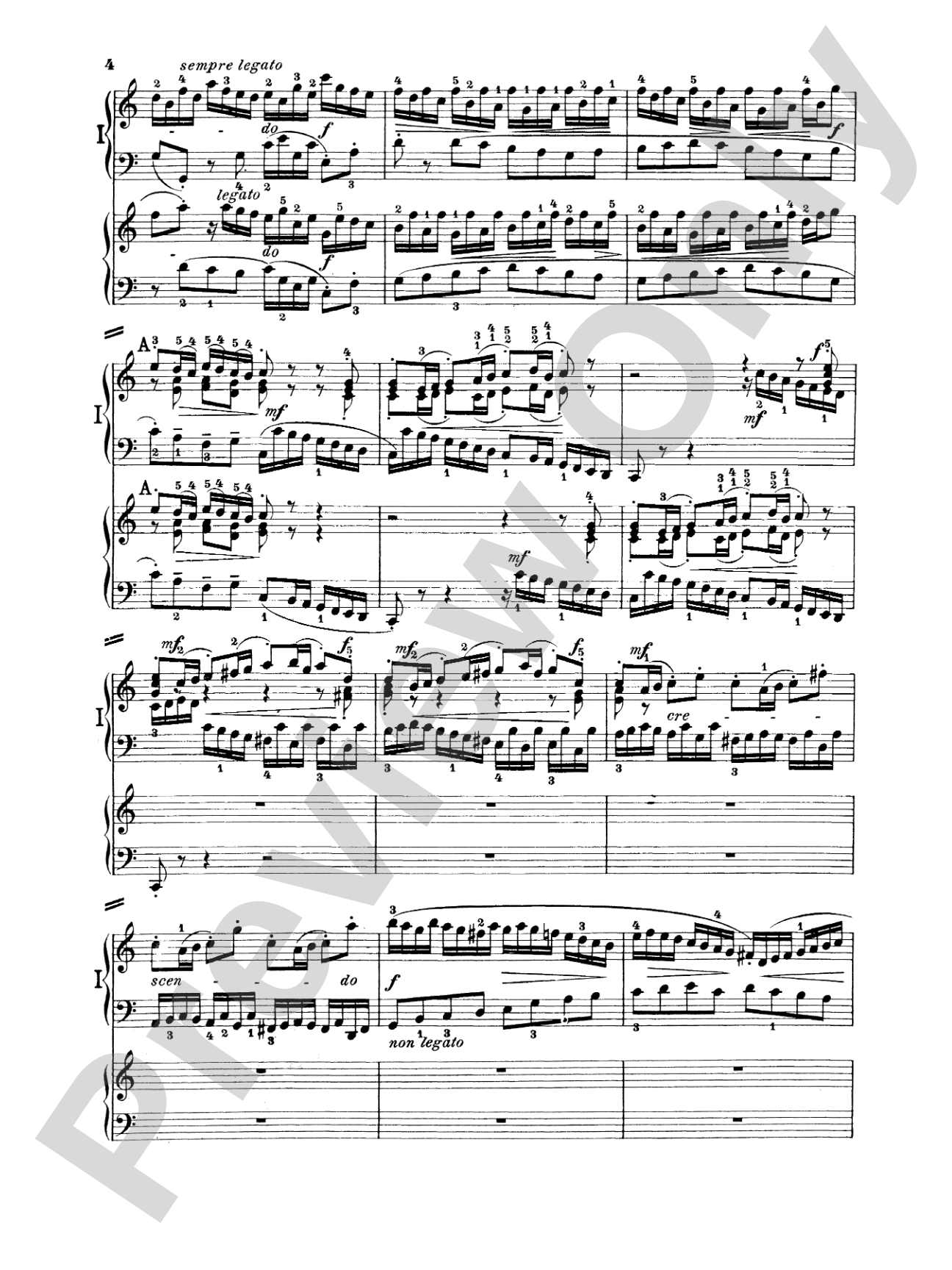
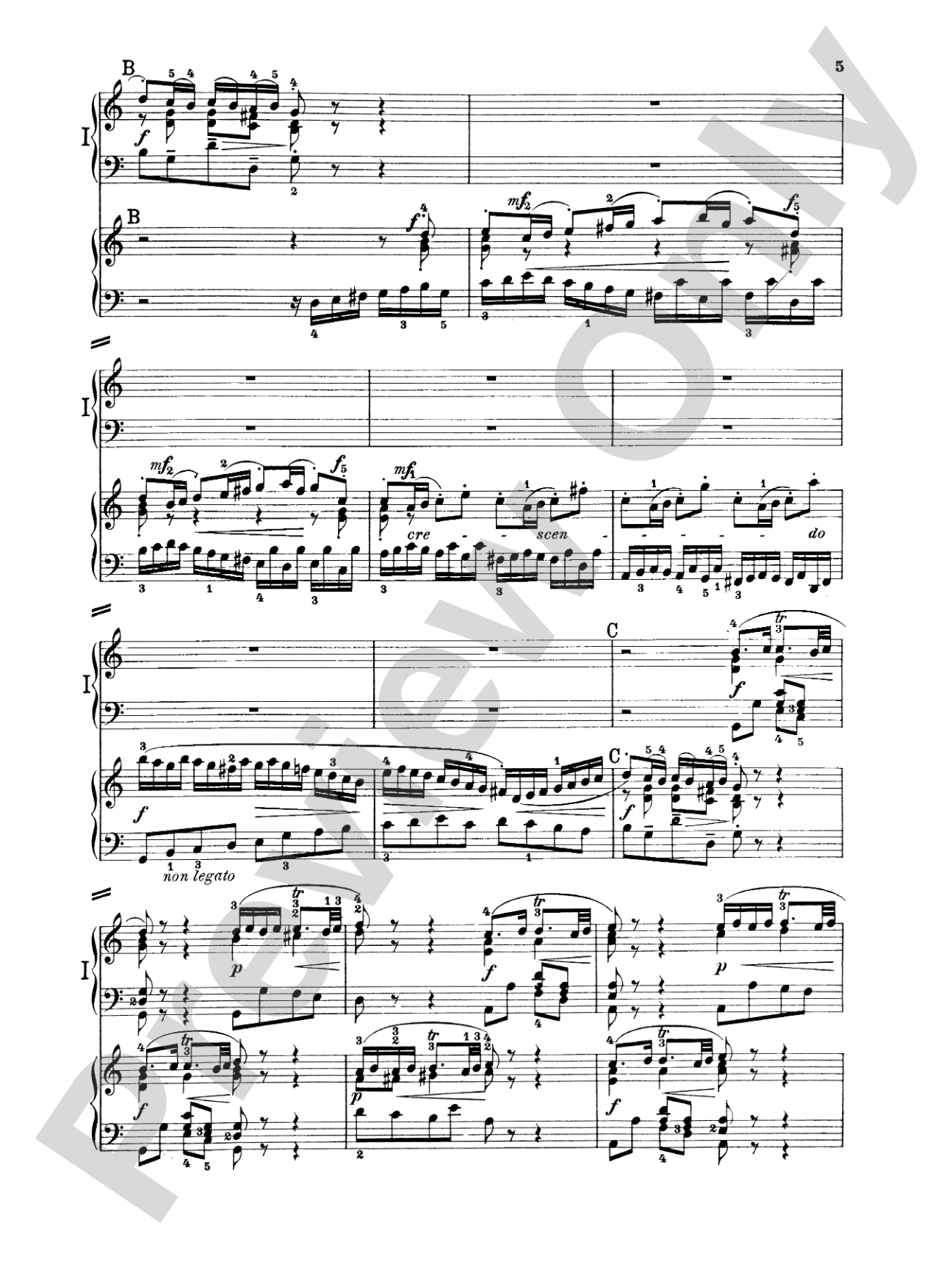
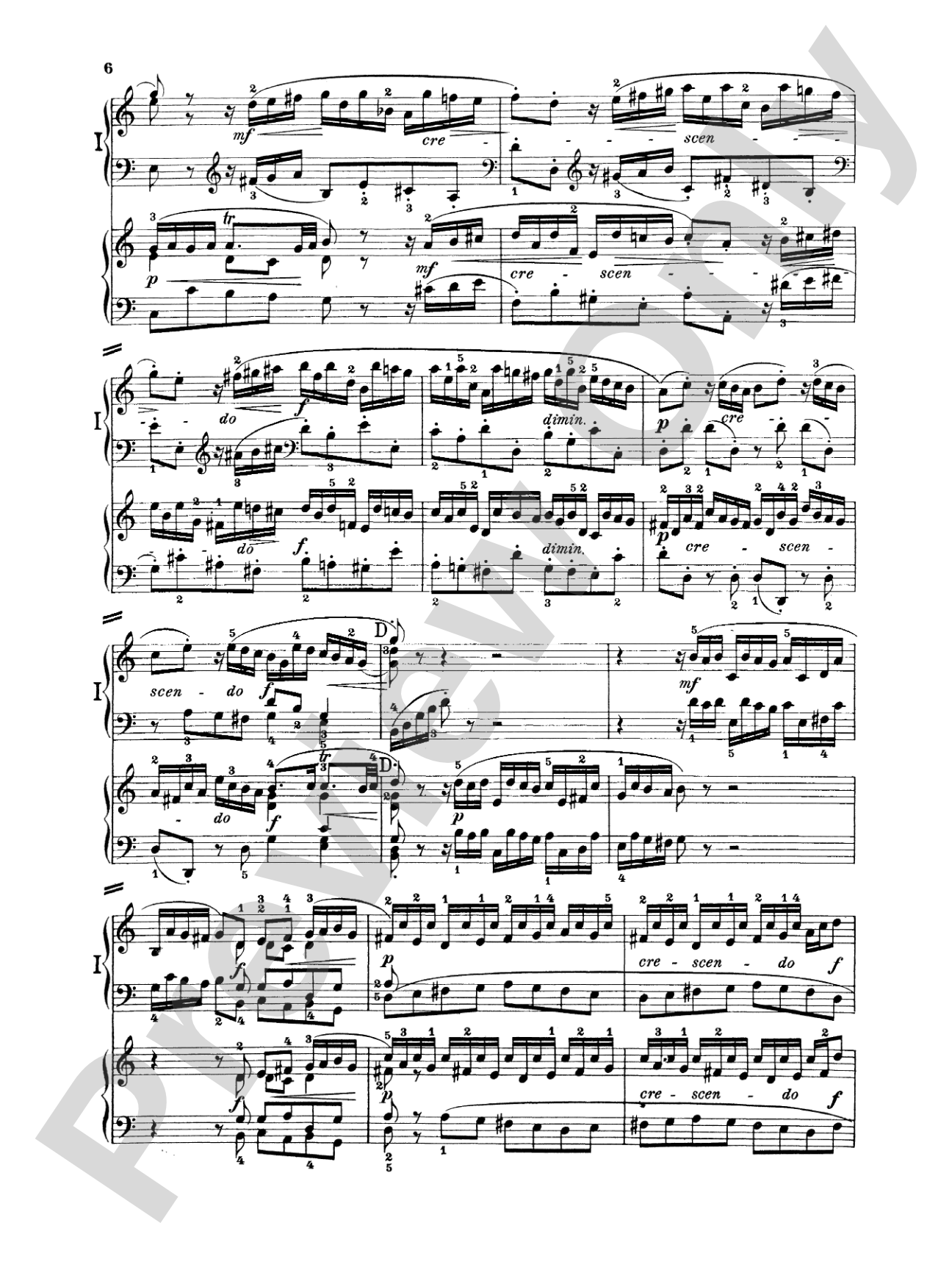
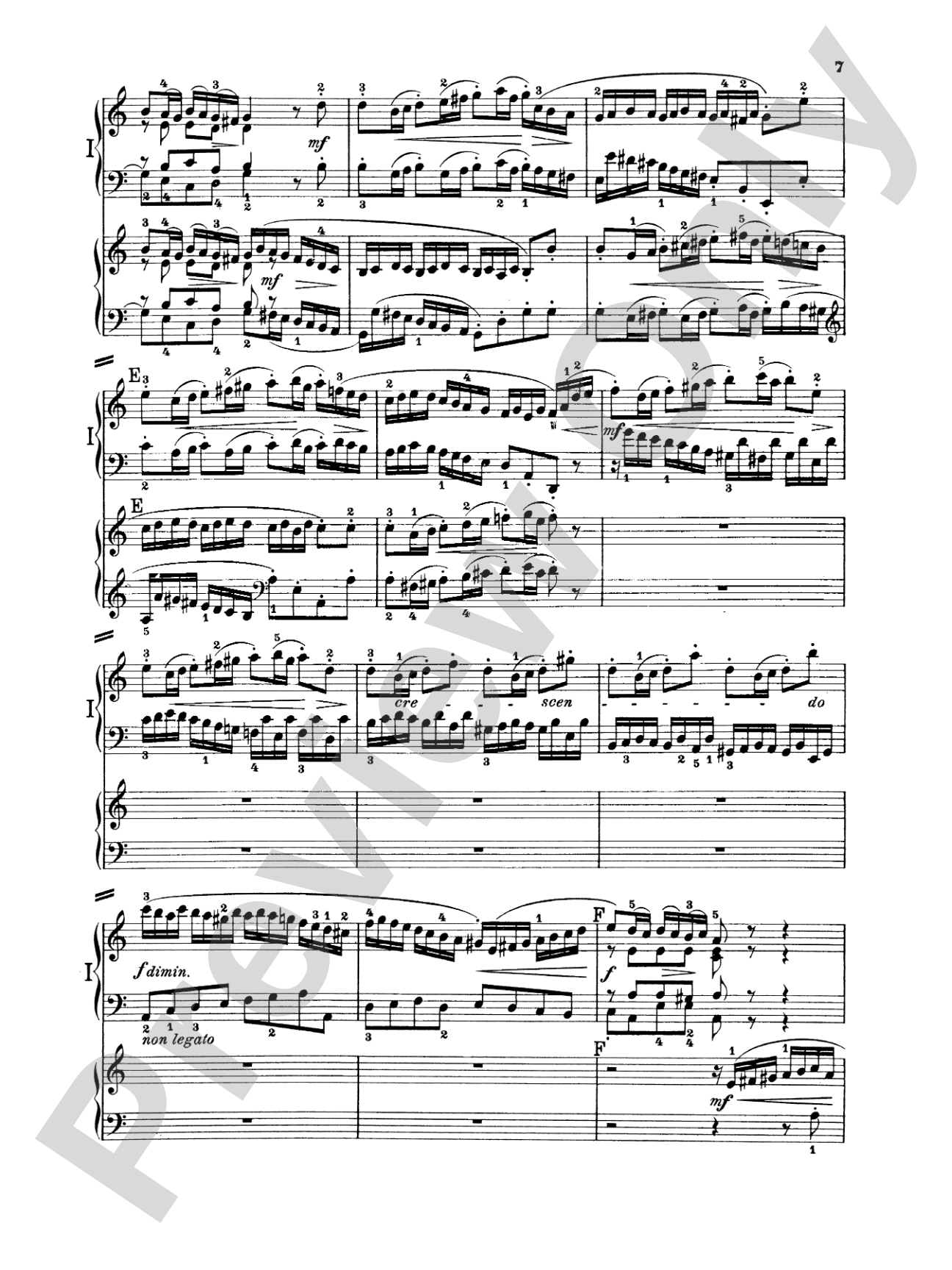
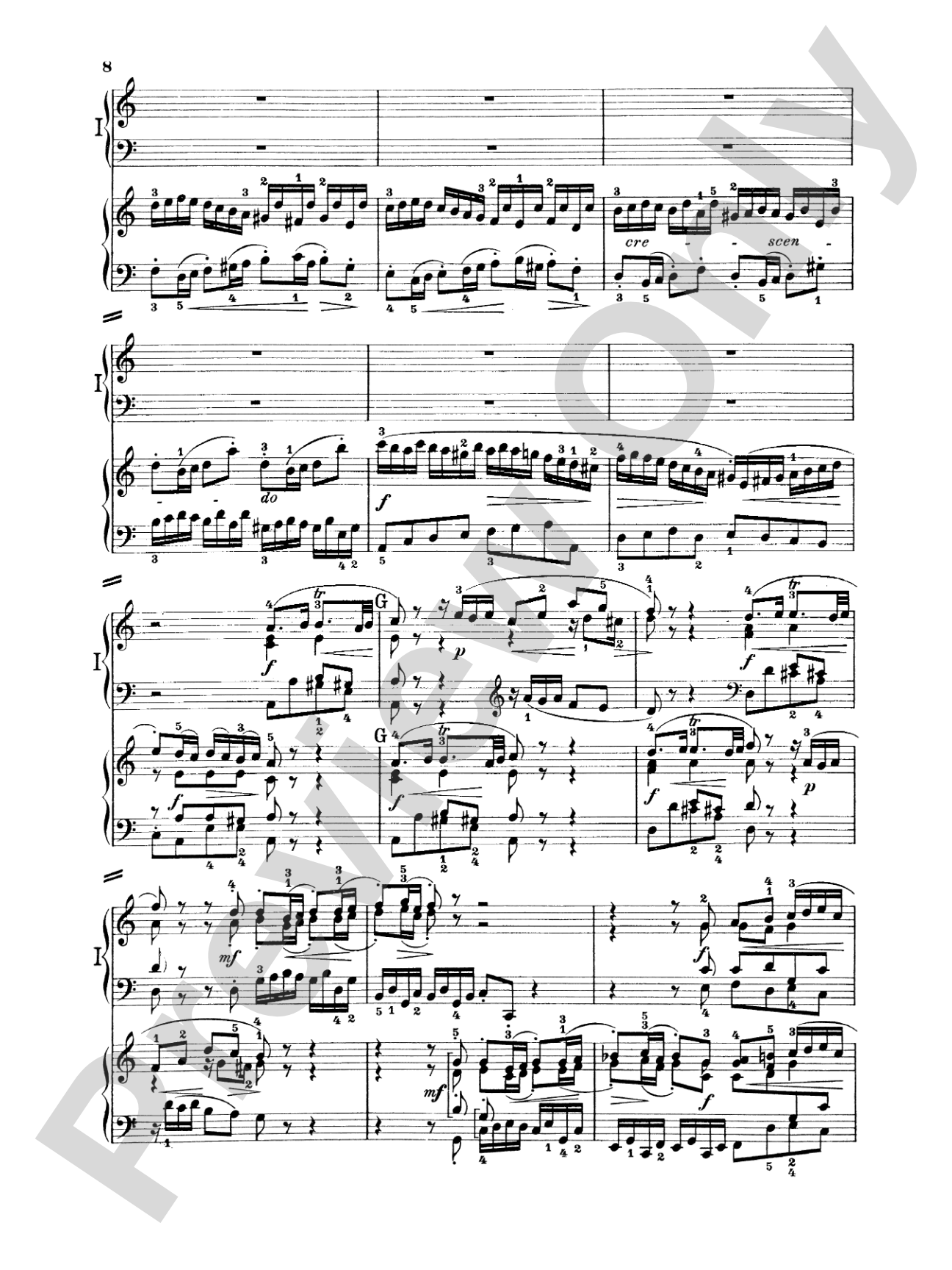
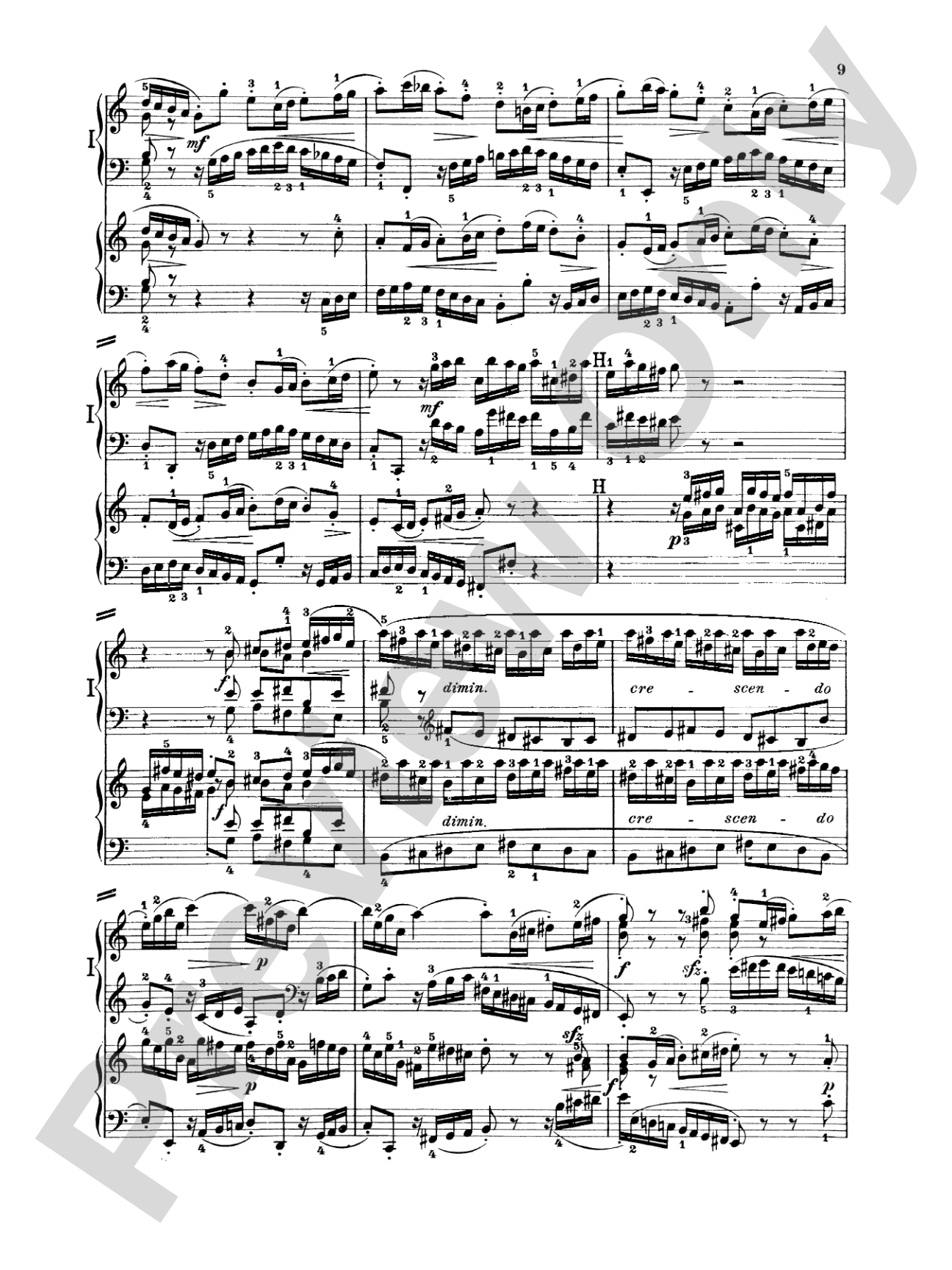
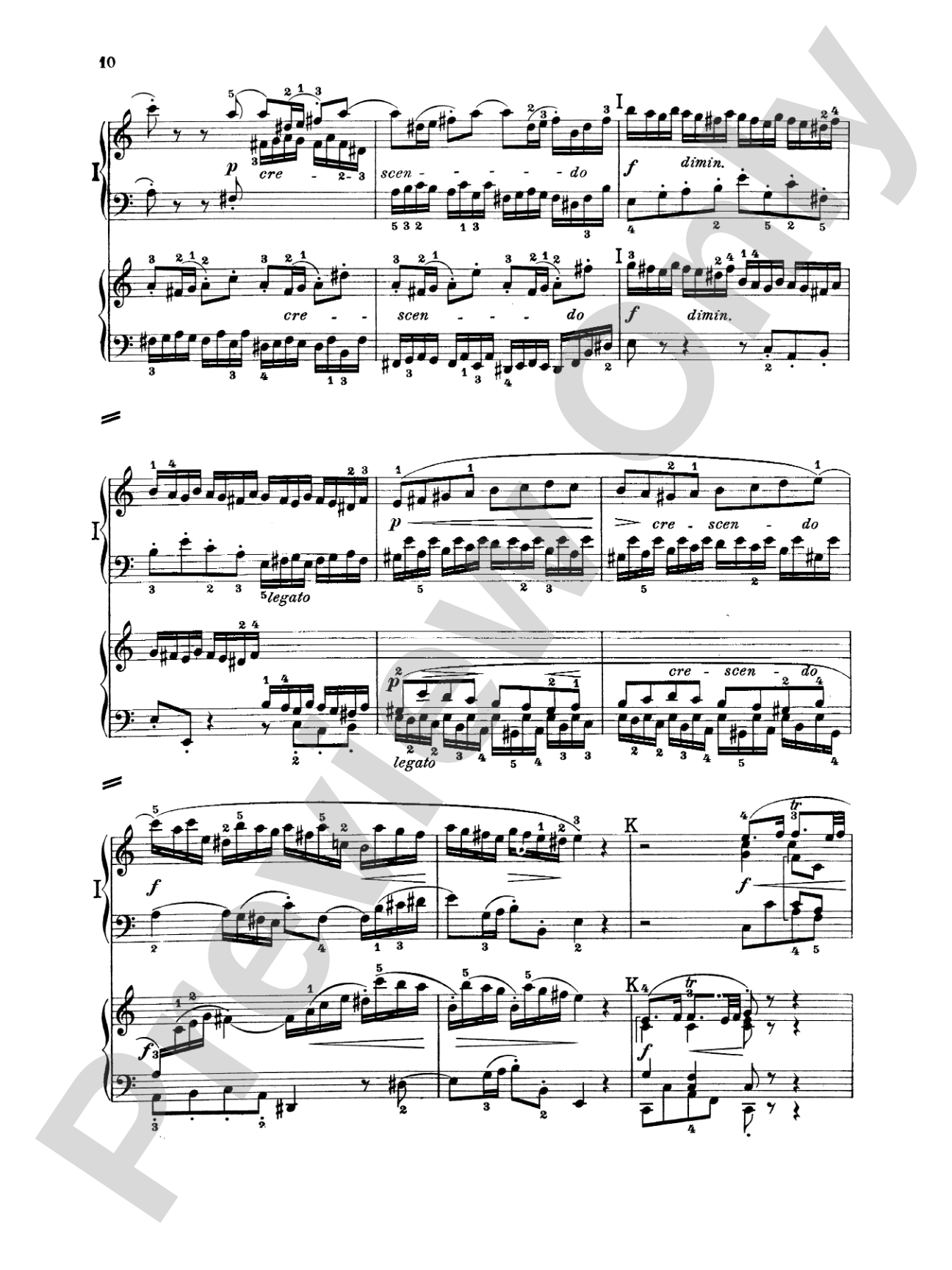
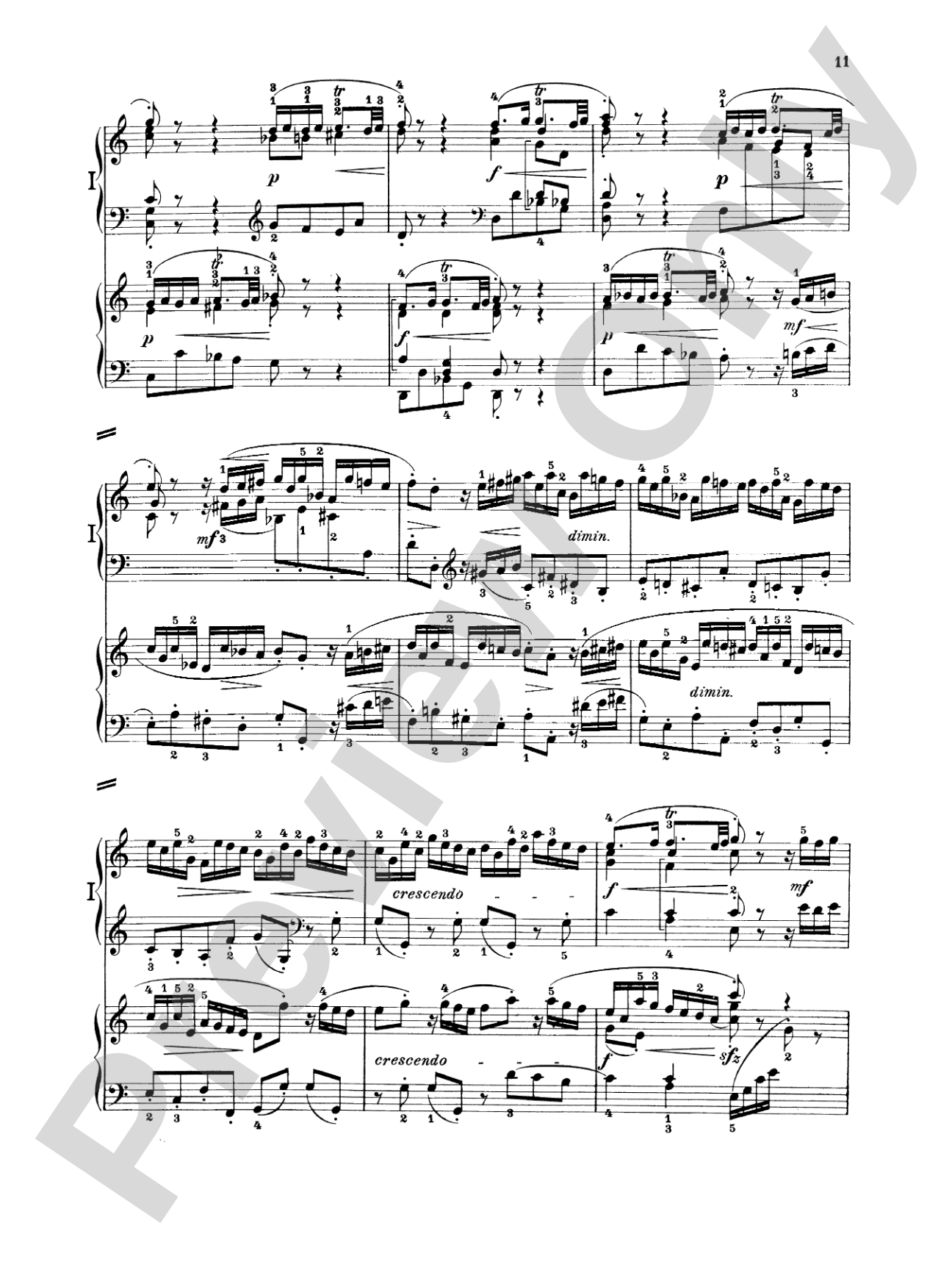
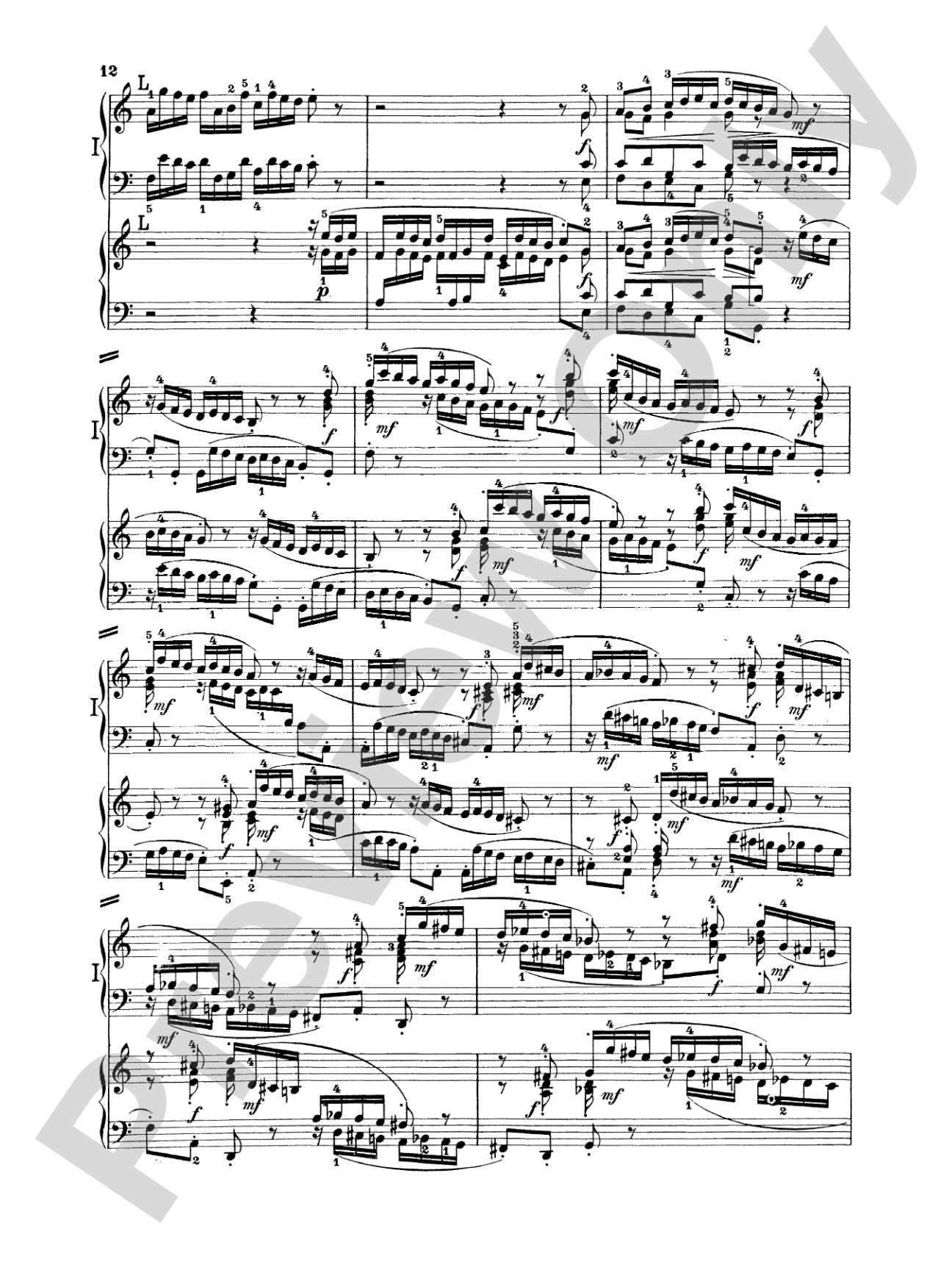
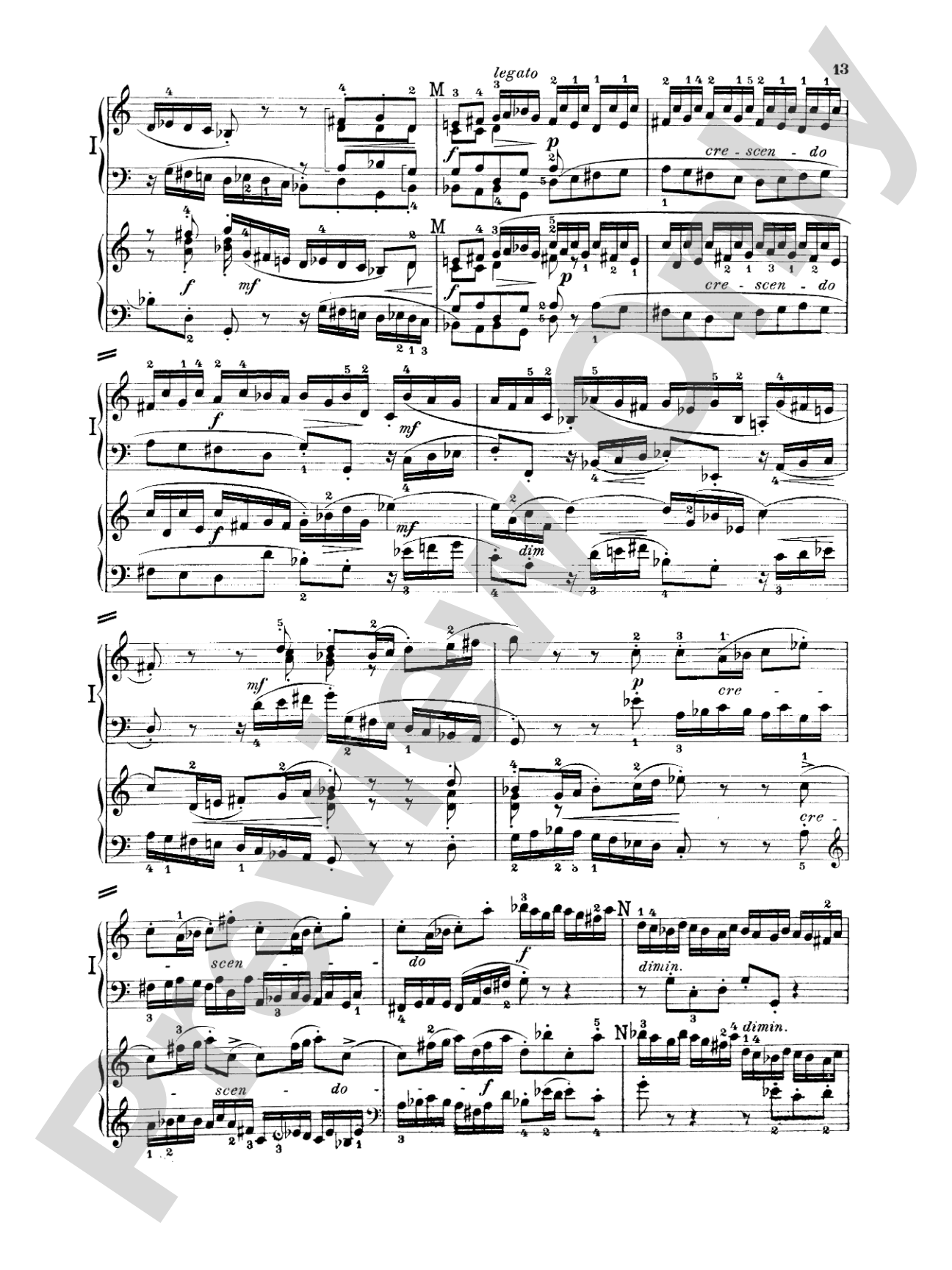
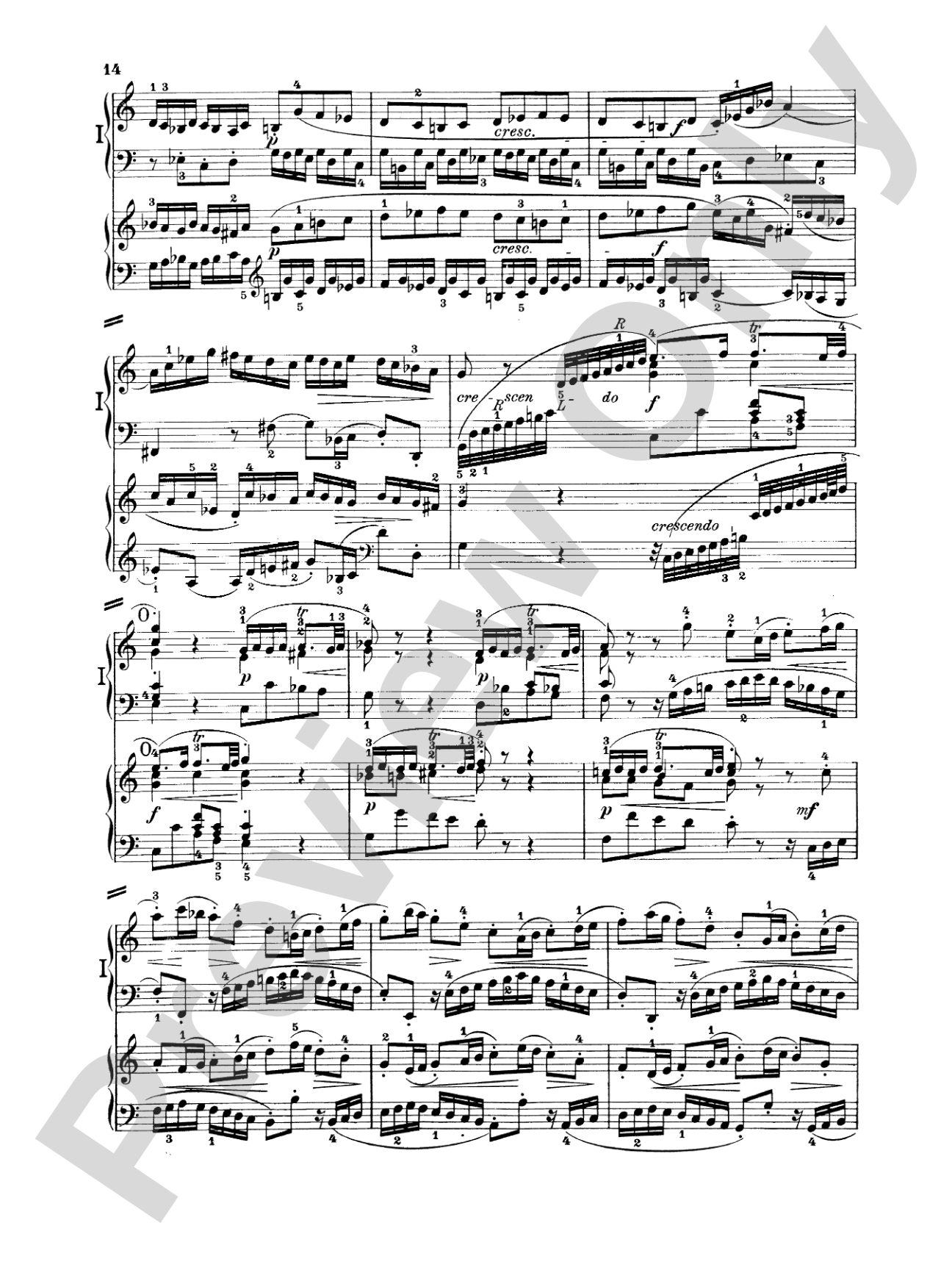
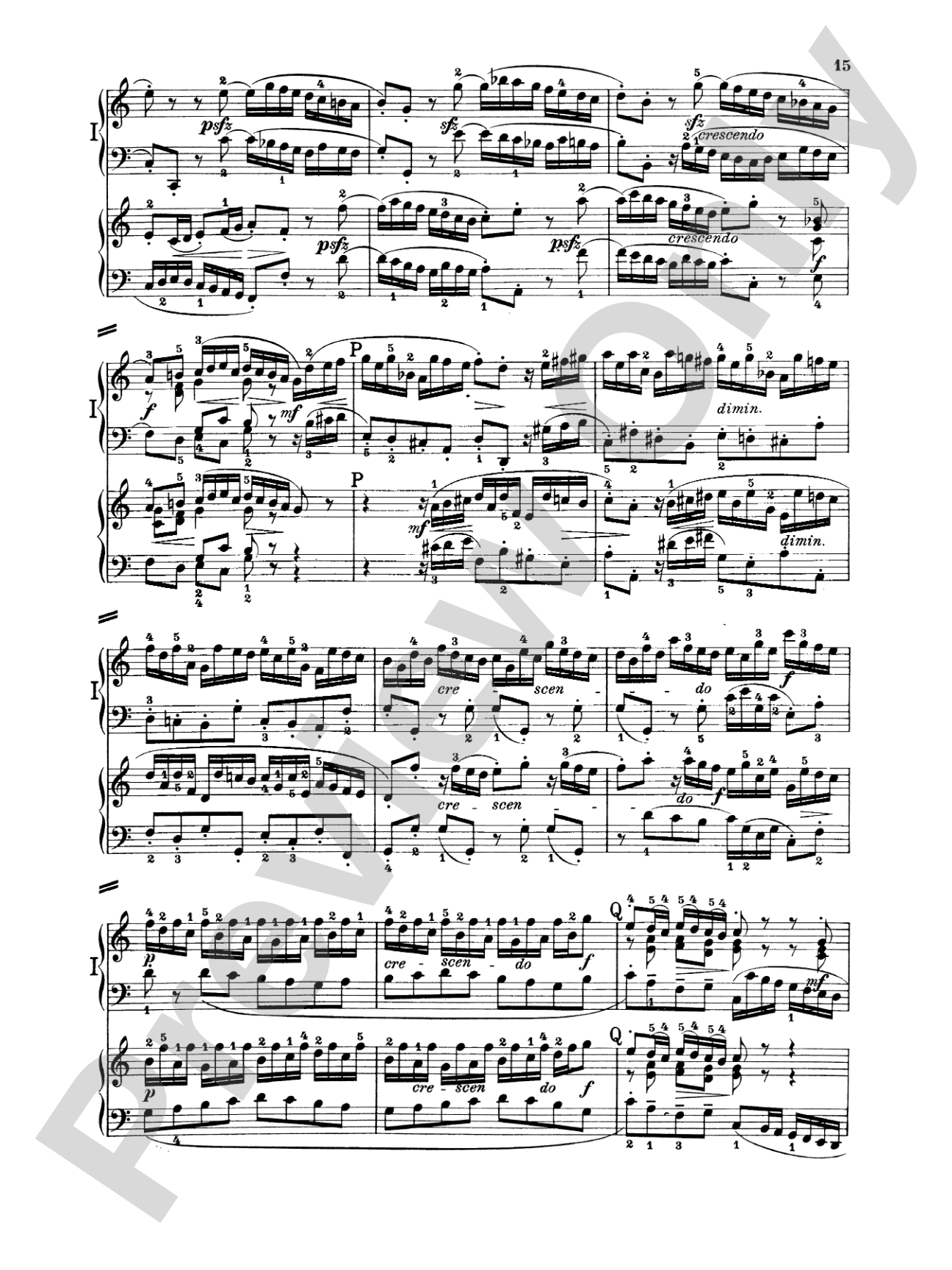
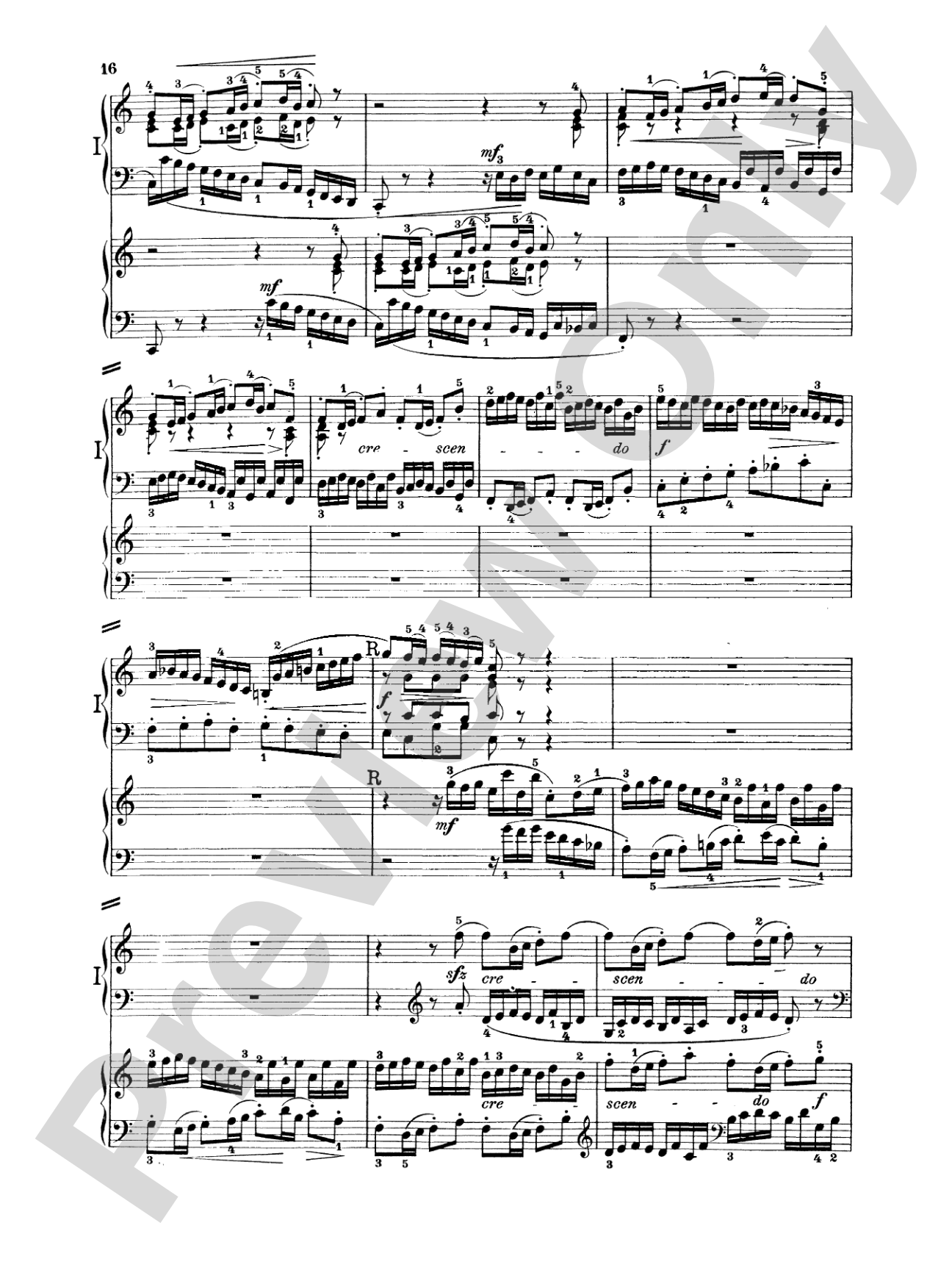
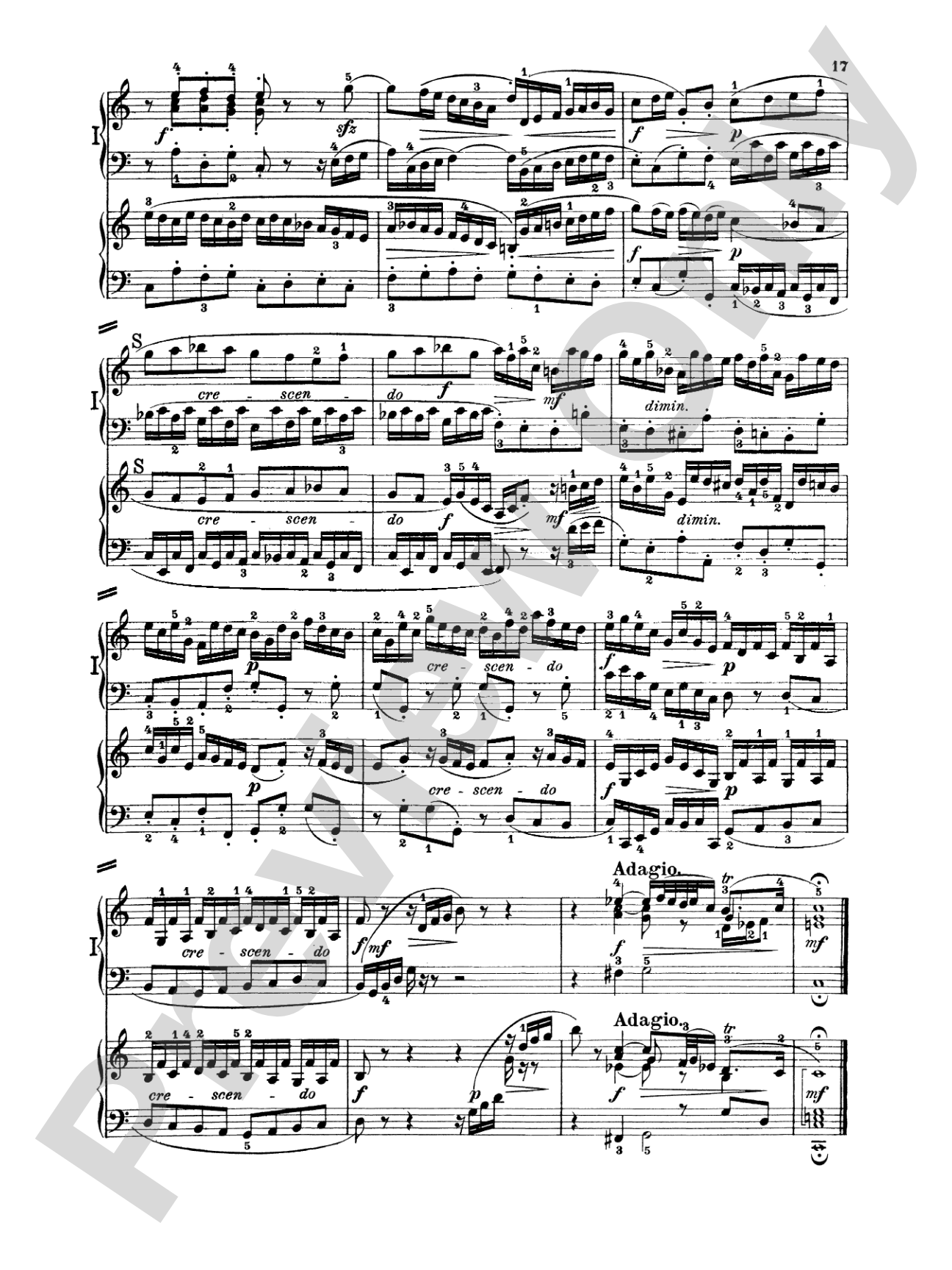
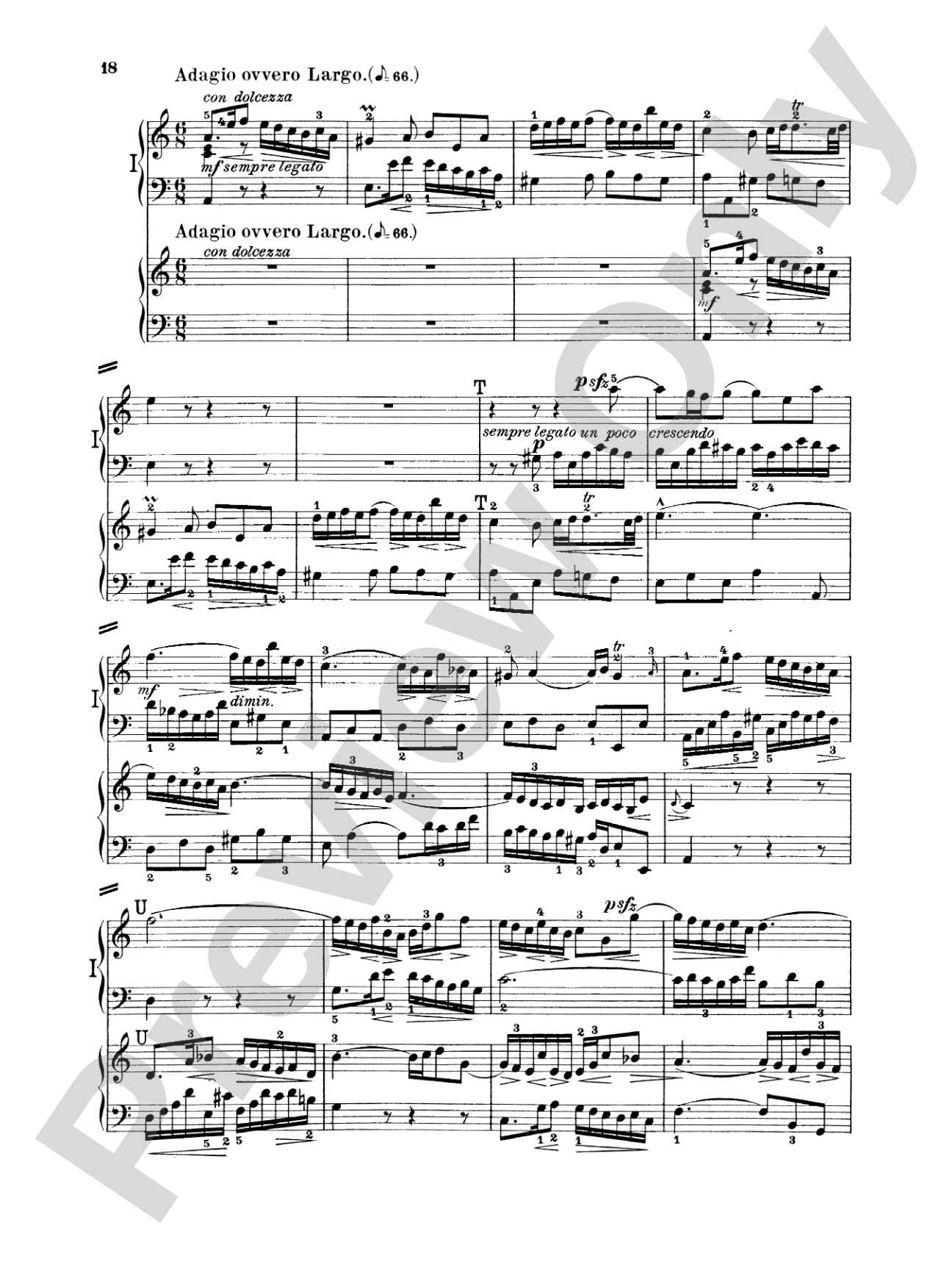
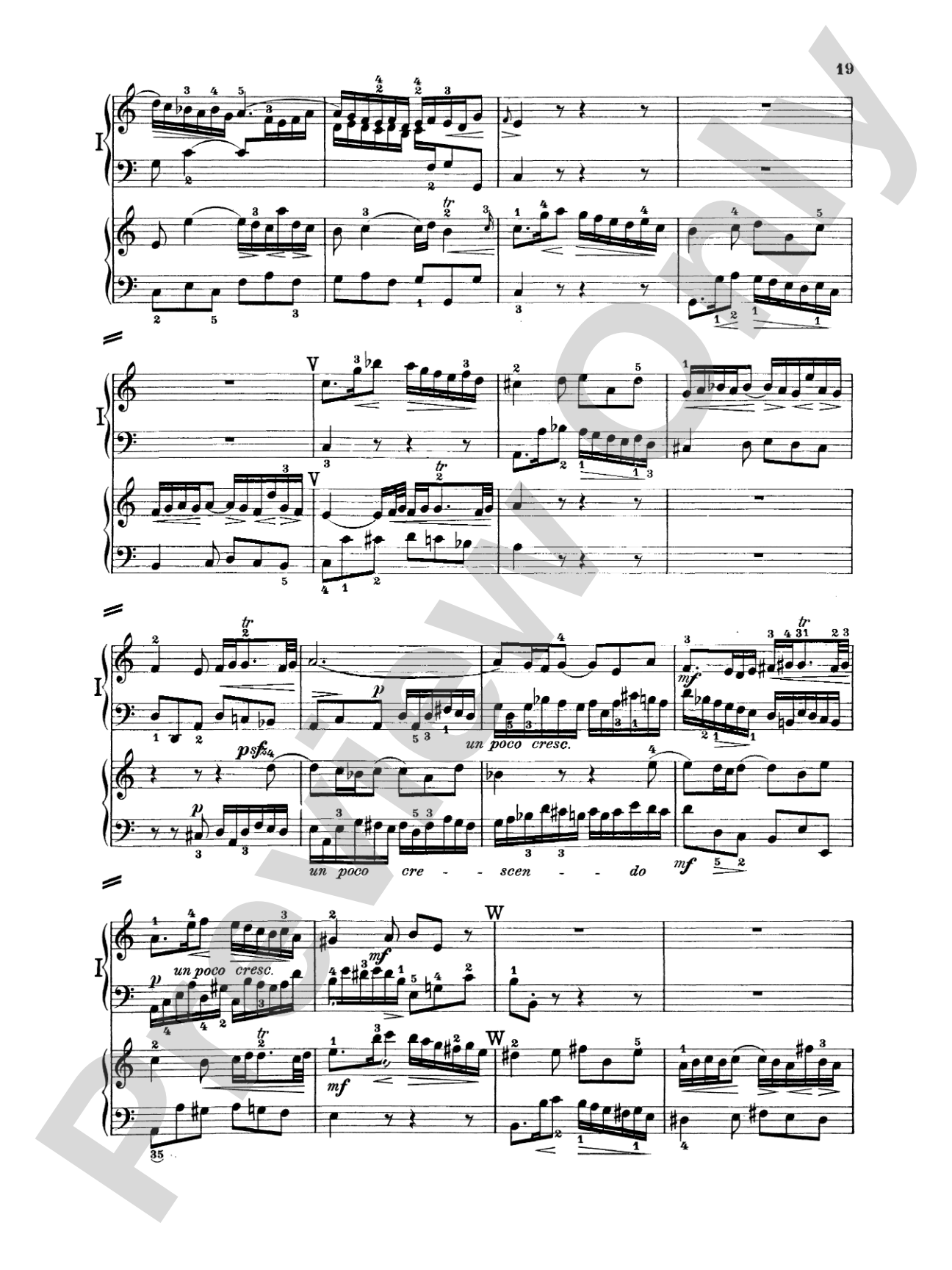
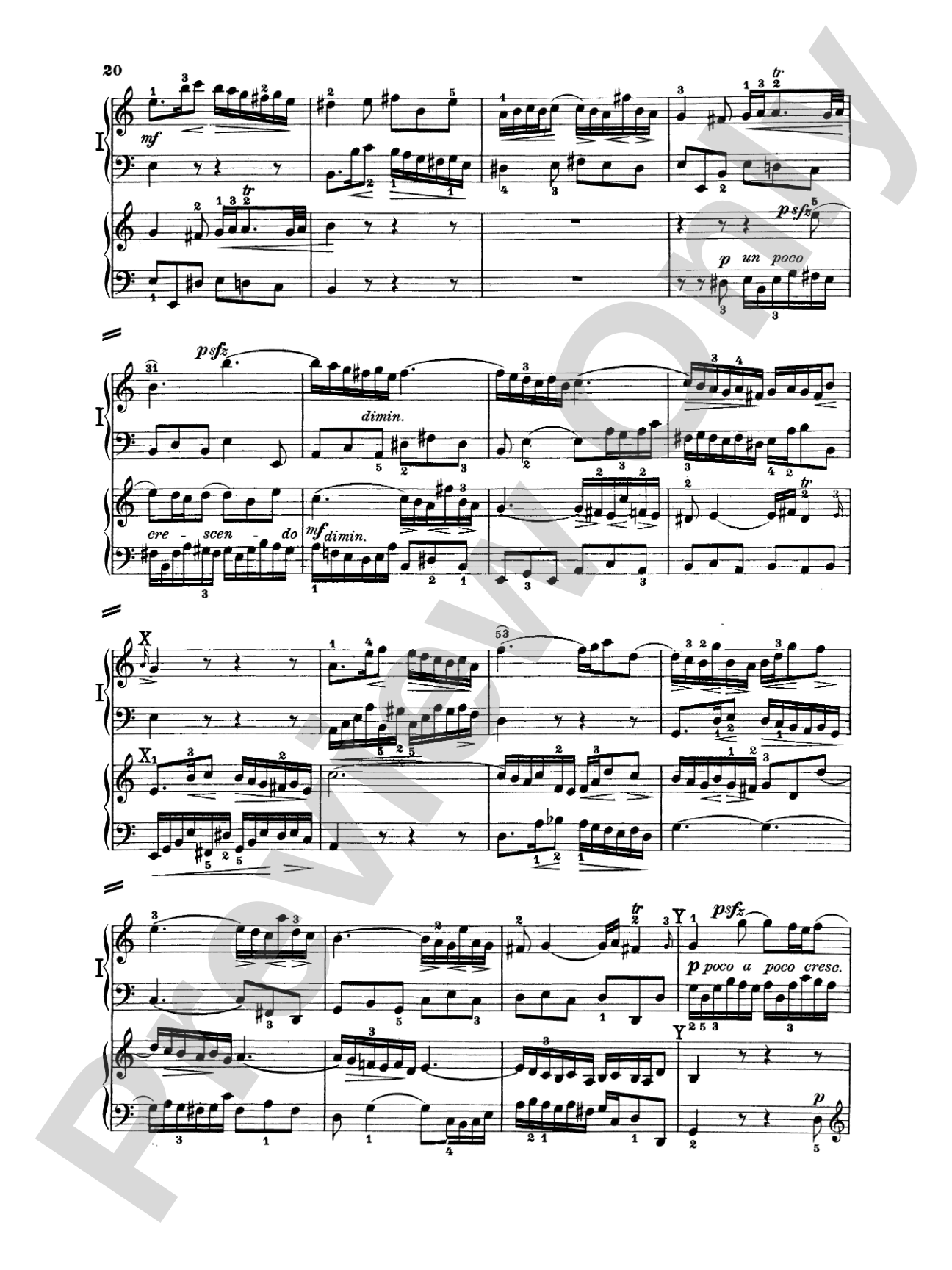
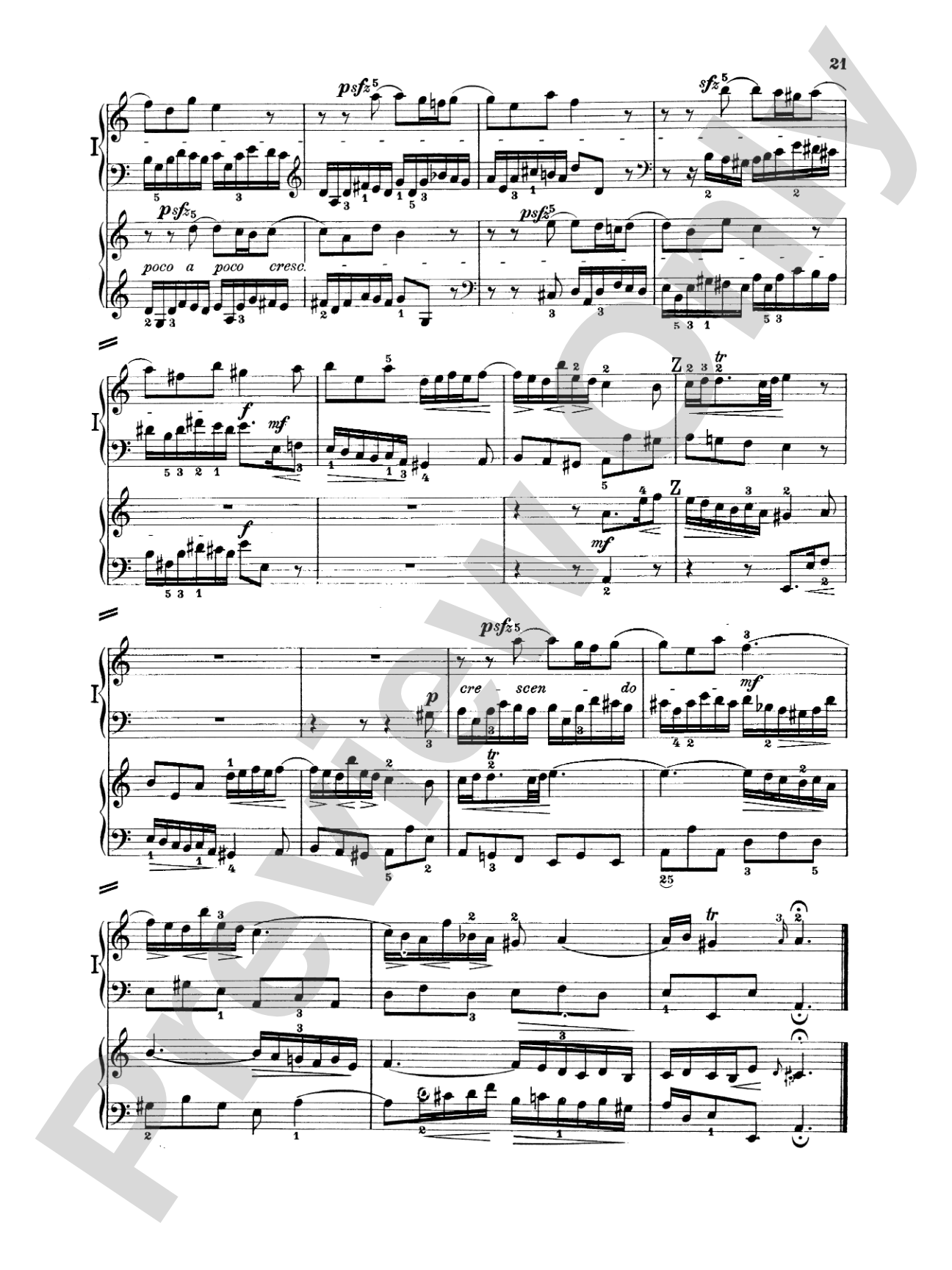
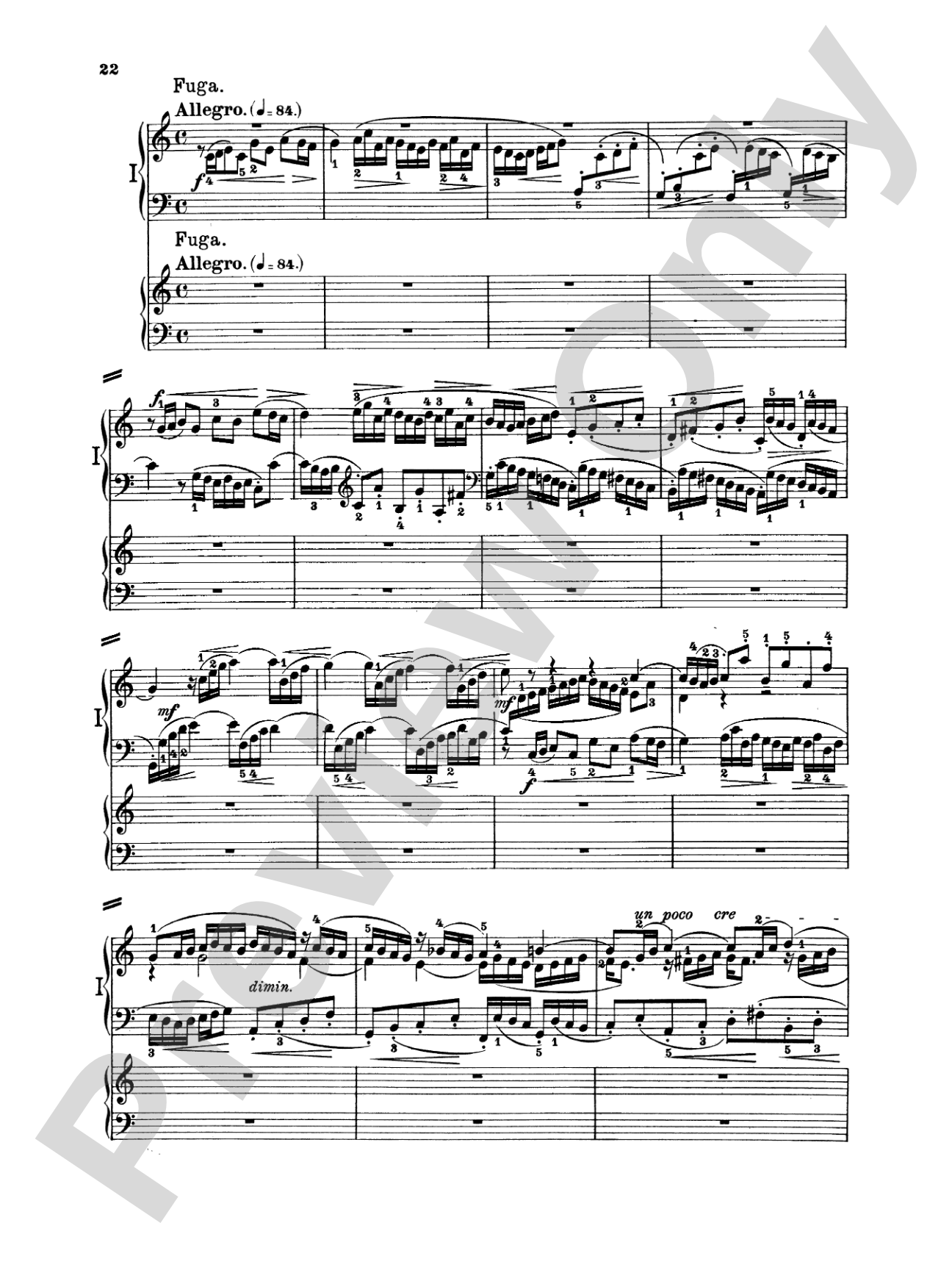
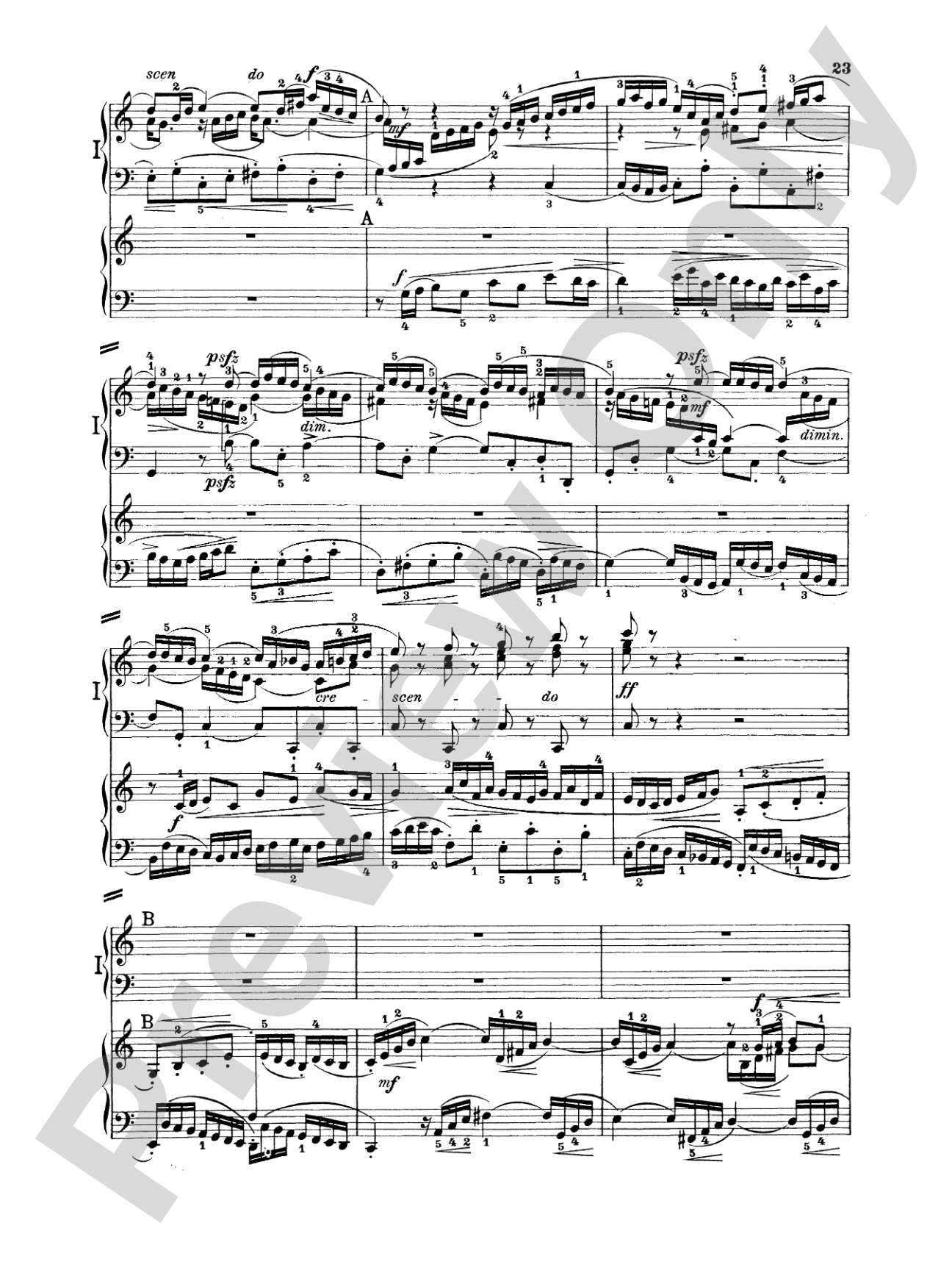
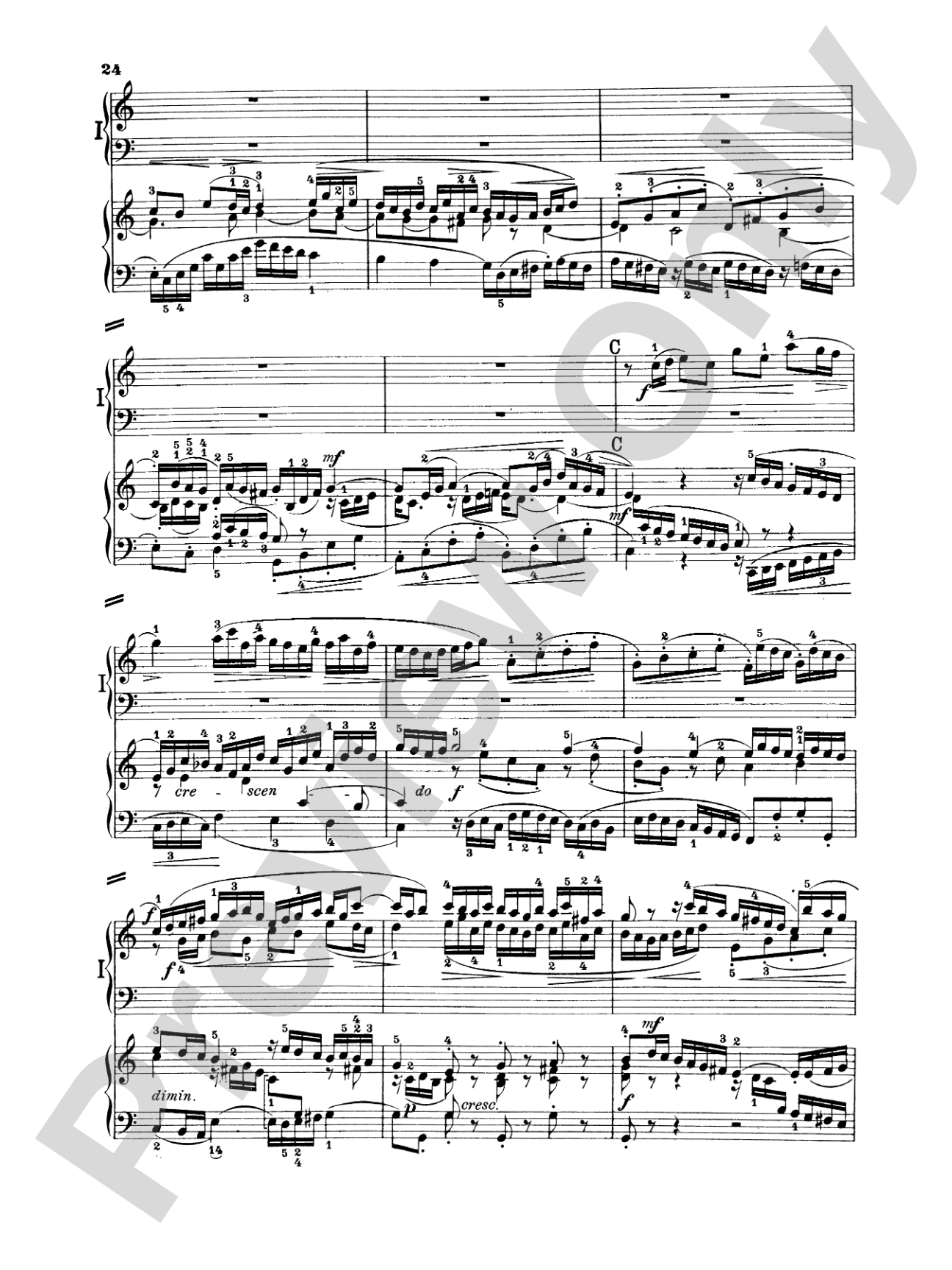
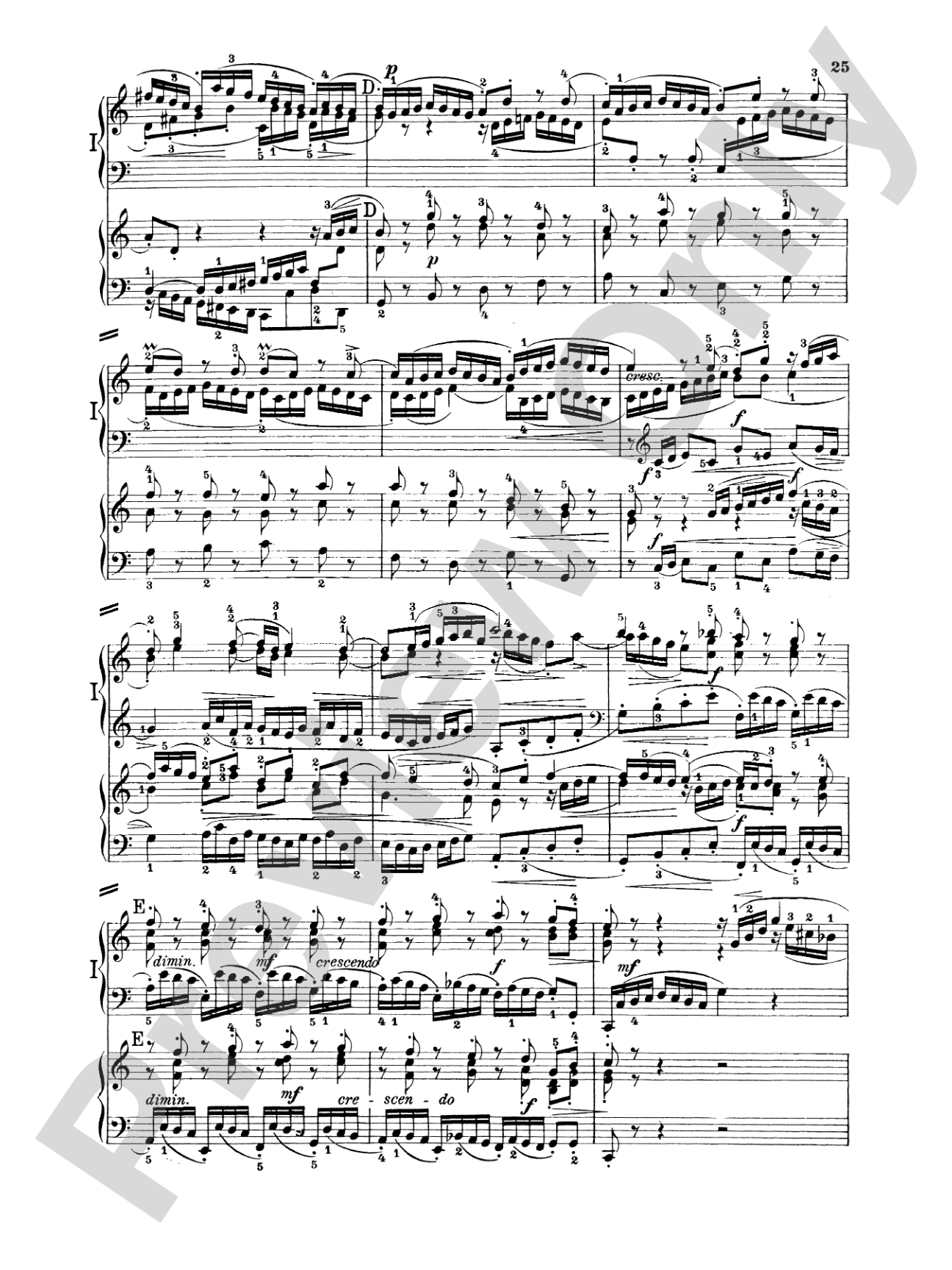
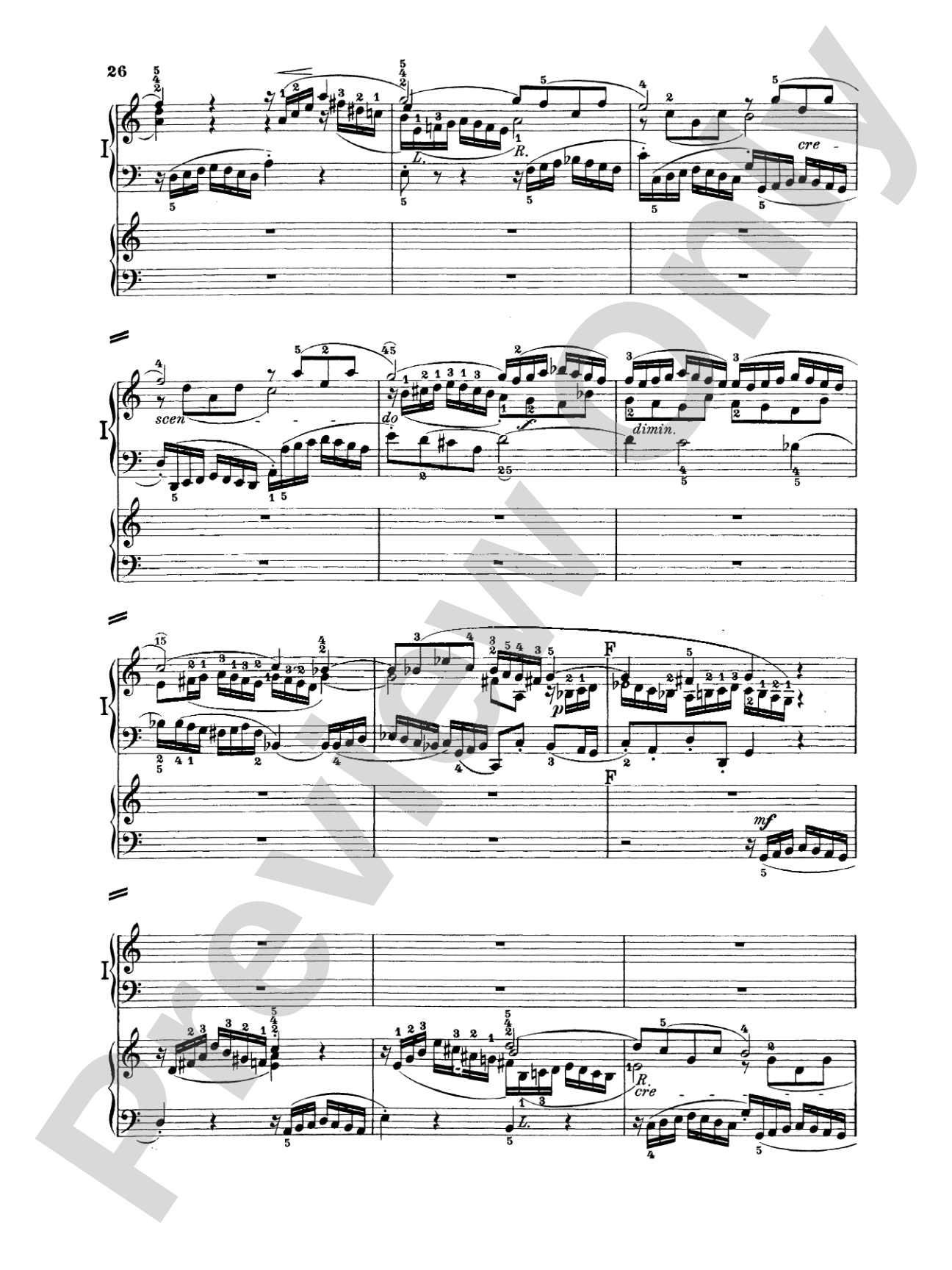
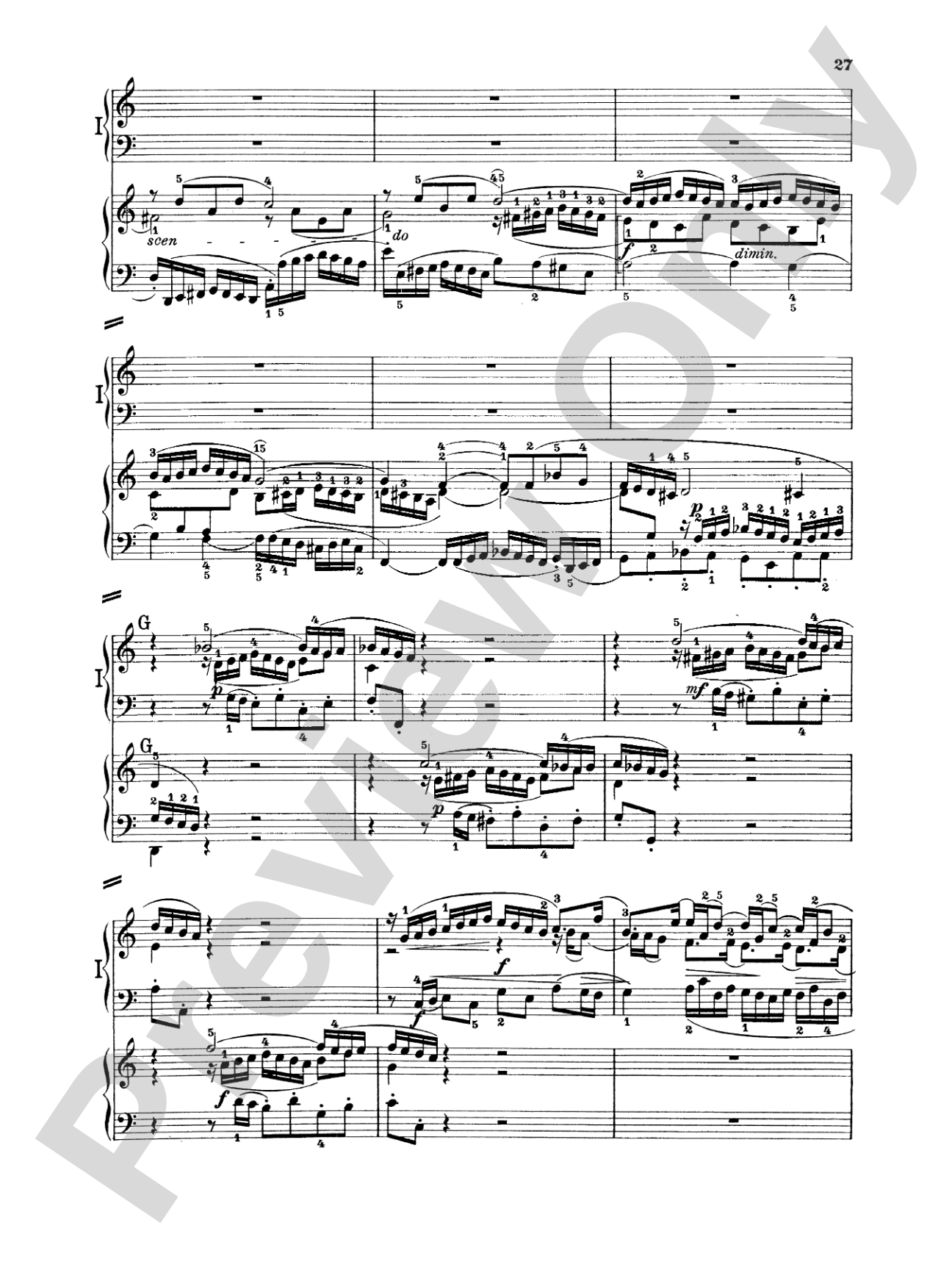
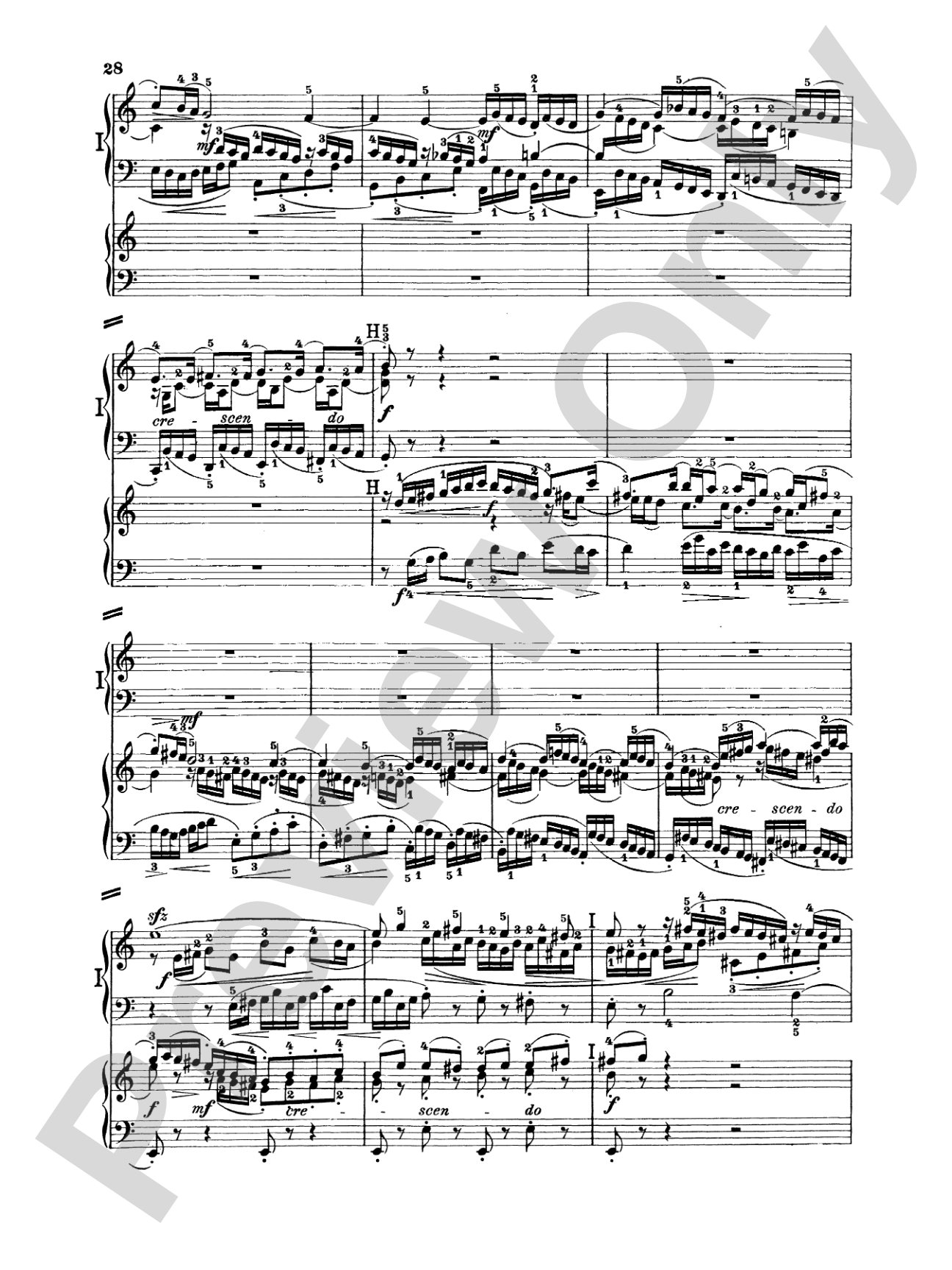
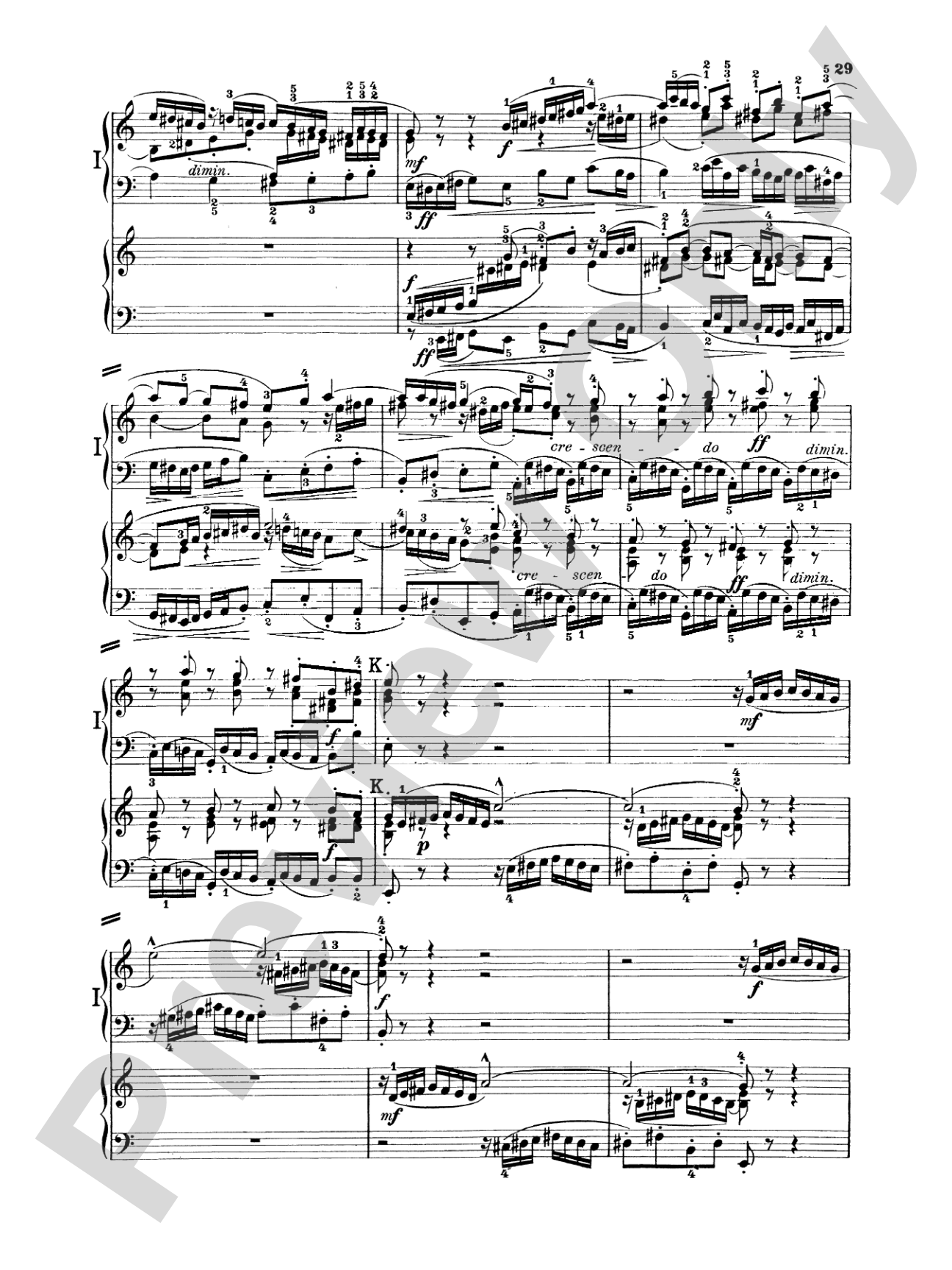
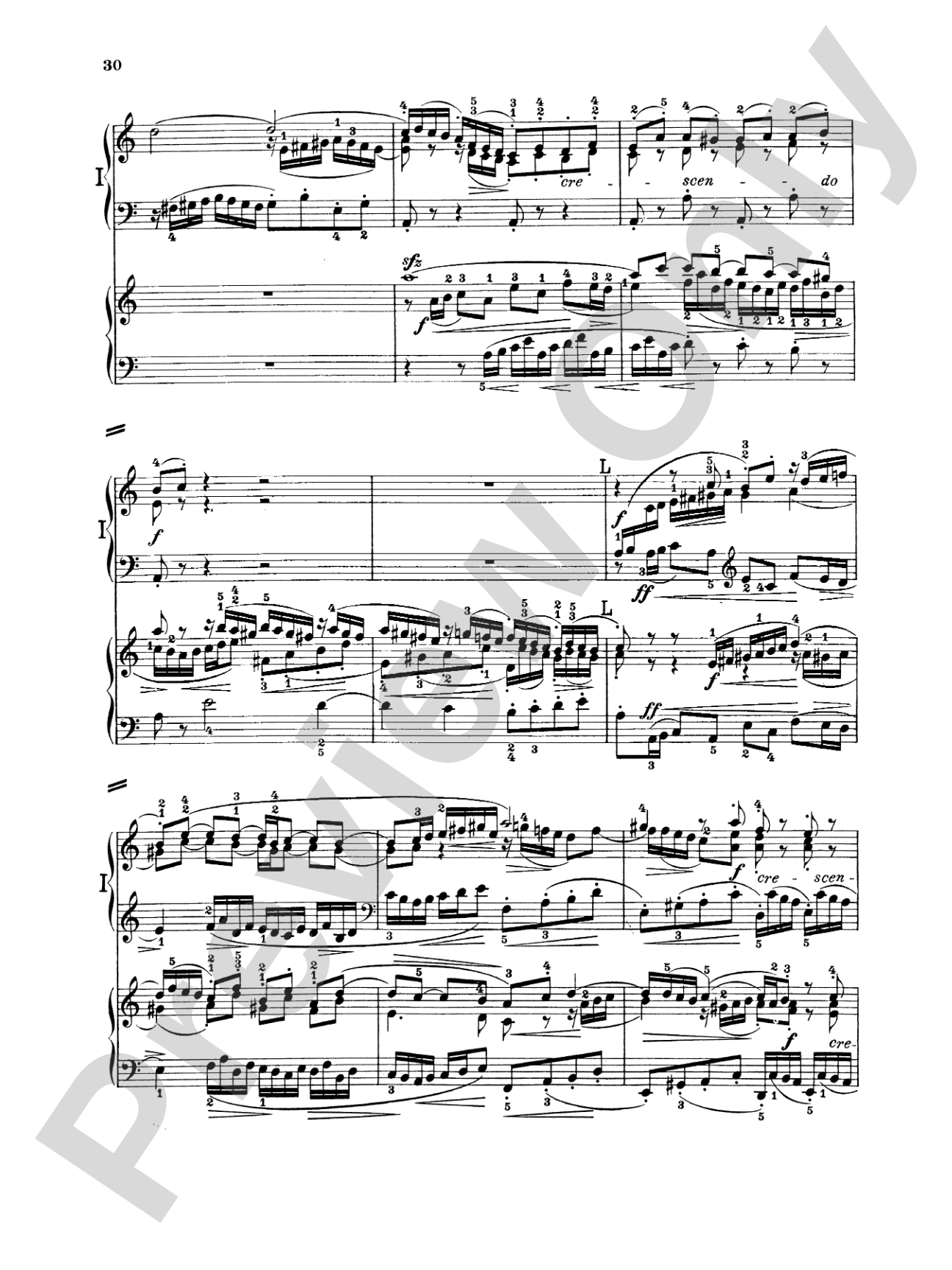
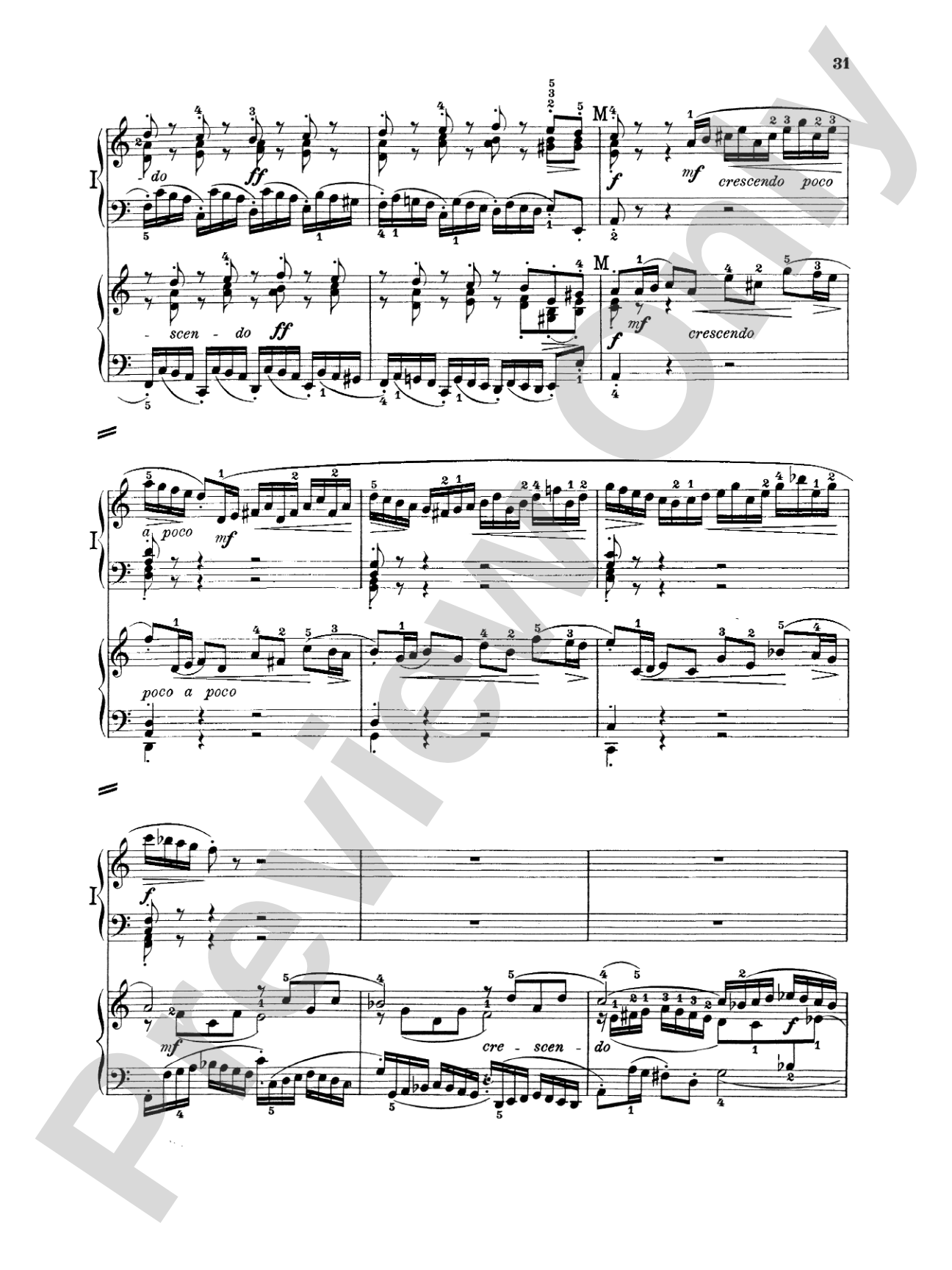
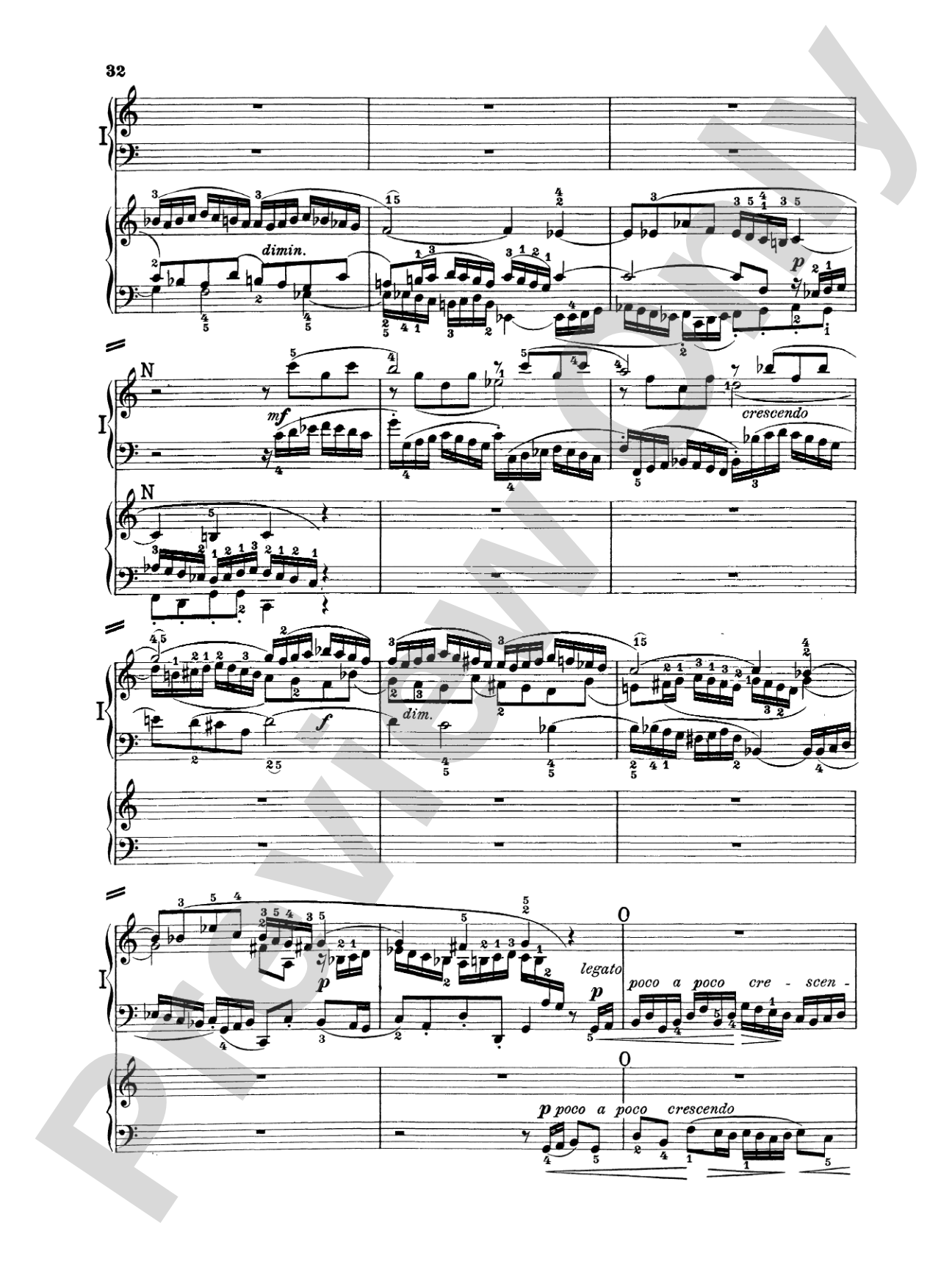
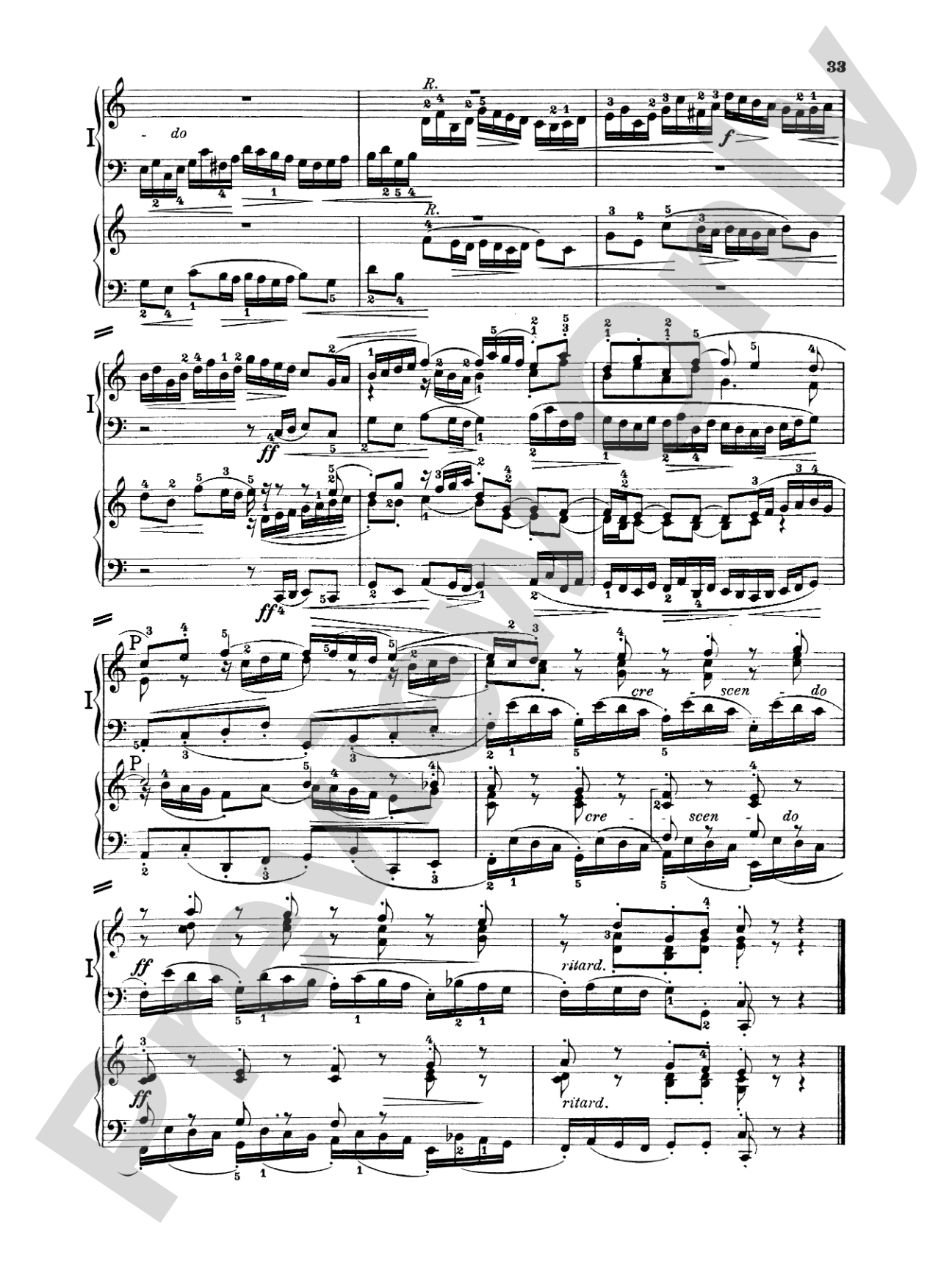




Bach: Concerto for Two Pianos in C Major: Piano Duo (2 Pianos, 4 Hands) Book (2 copies required)
By Johann Sebastian Bach
Level: Advanced
Item: 00-PK-0002844

$12.95
Pickup currently not available
Buy Extra Parts (Digital PDF Download)
| Product | Price | Quantity |
|---|---|---|
| Bach: Concerto for Two Pianos in C Major | $11.95 |
Parts Added to Cart!
Related Items
Concerto for Two Pianos in C Major: Piano Duo (2 Pianos, 4 Hands) Book (2 copies required) |
$12.95
|
View |
Description
A Piano Duet for 2 pianos, 4 hands, composed by Johann Sebastian Bach. A Federation Festivals 2024-2028 selection.


Don't just read it, hear it, play along with it, and watch your students grow with it. In MakeMusic Cloud, Bach: Concerto for Two Pianos in C Major: Piano Duo (2 Pianos, 4 Hands) Book (2 copies required) comes alive with professional accompaniment, adjustable tempo, and built-in practice tools that turn solo practice into real progress.
Open in the Player
Jump straight in and assign it today.
Start Your Free Trial
Open this title and explore the full library in minutes.
Sample Audio
No sample audio found.
Sample Video
No sample videos found.
Additional Details
Series:
Kalmus Edition
Publisher:
Alfred Music
Page Count:
36
SKU:
00-PK-0002844
More about this title
About the Composer: Johann Sebastian Bach
Johann Sebastian Bach (1685, 1750) stands as the bridge between the Renaissance and the modern era, a composer whose mathematical precision and emotional depth remain unmatched. His work across keyboard music, orchestral writing, and sacred genres established the harmonic and contrapuntal foundations that shaped Western music for centuries. For pianists, Bach's keyboard works demand absolute clarity of line, independence of hand, and the ability to hear multiple voices singing simultaneously, skills that transfer to every other repertoire a musician encounters.
Why we love this
This concerto occupies that rare space where technical sophistication and genuine musicality are inseparable. The two-piano medium demands that both players listen actively and shape phrases together, transforming what could be a display piece into a genuine dialogue. At the advanced level, it rewards the kind of precise ensemble work and interpretive maturity that prepares students for serious collaborative music-making.
What to expect
Crystalline and purposeful. The writing unfolds with logical inevitability, voices interweaving without confusion. There is energy and momentum throughout, punctuated by moments of harmonic arrival that feel both inevitable and satisfying. The two pianos rarely sound like soloists trading off; instead, they form a single coherent musical thought.
Who it's for
Advanced pianists preparing for festival performances, collegiate-level piano students, and experienced duet partnerships seeking substantial Baroque repertoire. This work suits musicians ready to balance technical precision with interpretive independence, and who have secure understanding of Baroque musical language and keyboard technique.
How to get the most out of it
- Establish a consistent pulse between the two pianos before tackling articulation and voicing. Use a metronome or play alongside a recording to anchor the tempo, then remove it once the partnership feels secure.
- Balance the keyboard writing by listening for when each piano carries the primary melodic voice. In Bach's concertos, the melody often trades between hands and instruments, requiring constant awareness of which line needs projection.
- Shape longer phrases by thinking in terms of architectural peaks rather than measure-by-measure breathing. This prevents the typical problem of fragmentary phrasing in Baroque keyboard music.
- Work out all fingering and hand position changes before rehearsing at tempo. Bach's keyboard idiom often requires unconventional fingerings that allow smooth voice leading; settling these details early prevents later inconsistencies.
How to use it
Program this as a centerpiece for an all-Bach keyboard concert, where it can be paired with solo keyboard works or a harpsichord continuo group. Its substantial length and serious character make it suitable as a featured work on a recital or festival program rather than as filler. The concerto also works well in educational contexts where advanced students need exposure to large-scale Baroque instrumental forms.
Skills your students will build
- Sustaining independent voice independence between two pianos while maintaining ensemble unity
- Interpreting Baroque phrase structure and harmonic language without bar-by-bar dynamic indication
- Coordinating hand position and fingering across extended keyboard passages with multiple voices
- Balancing simultaneous melodic lines and accompanying figures across two separate instruments
- Listening actively for harmonic support while executing passage work