
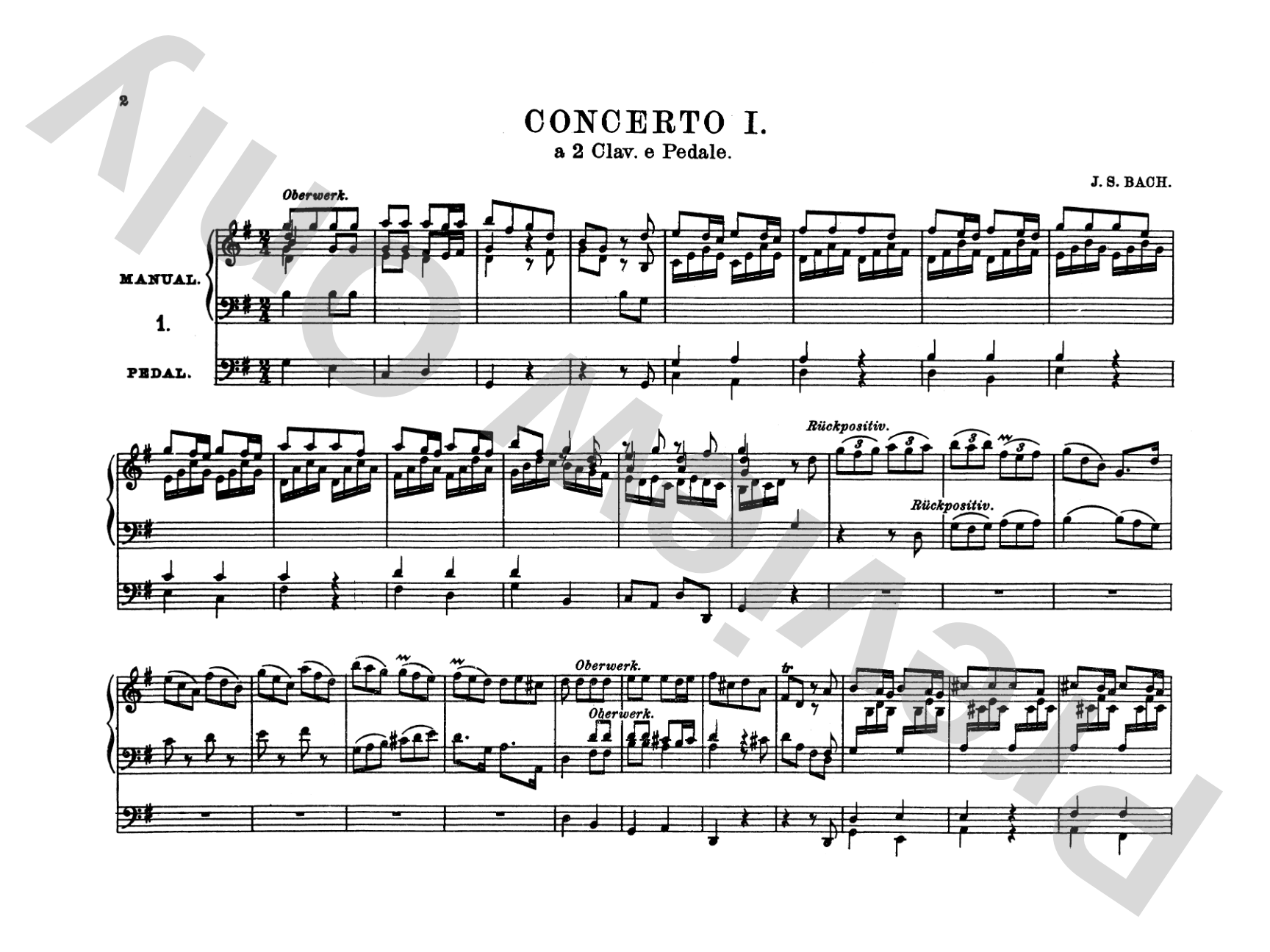
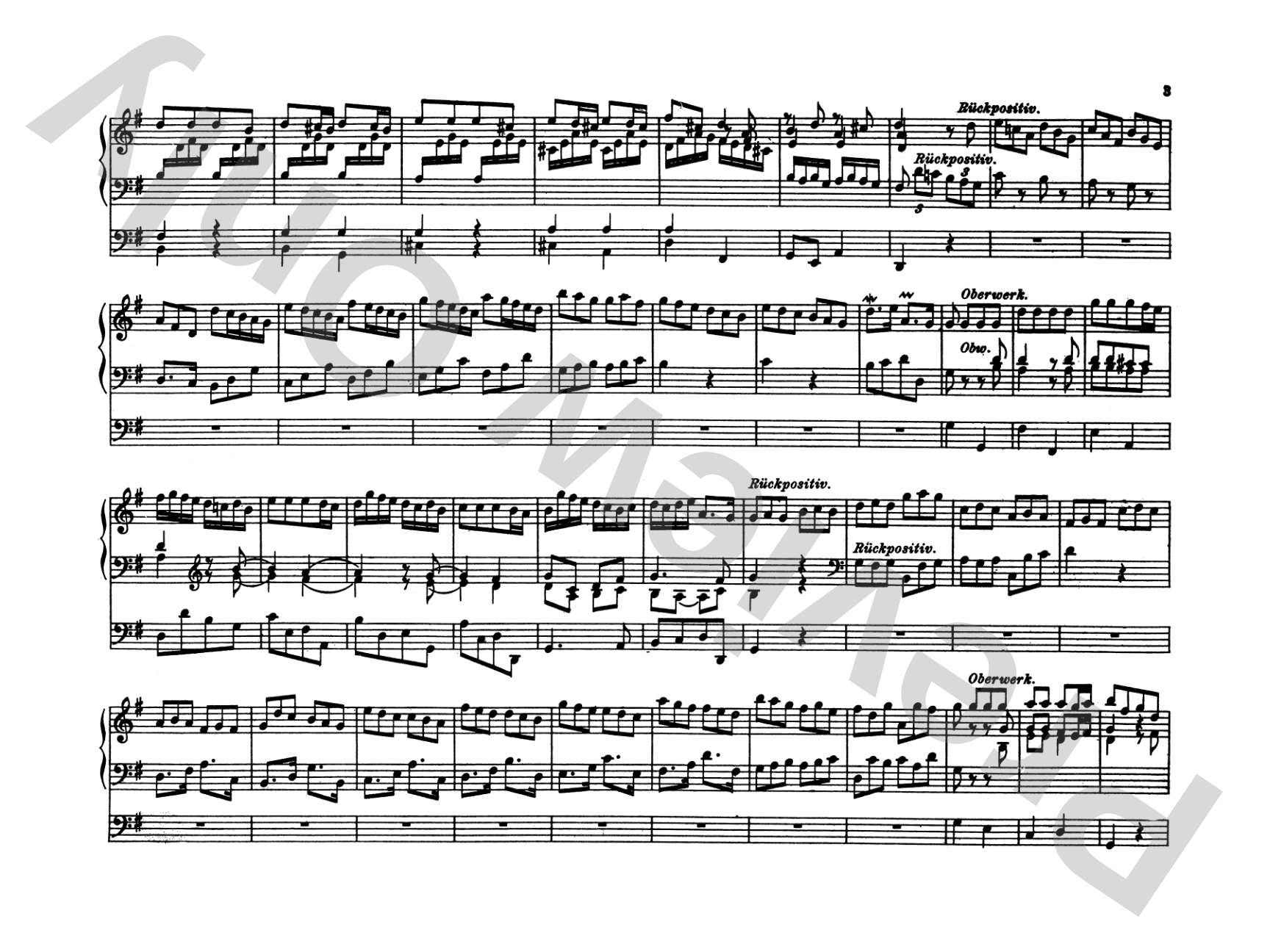
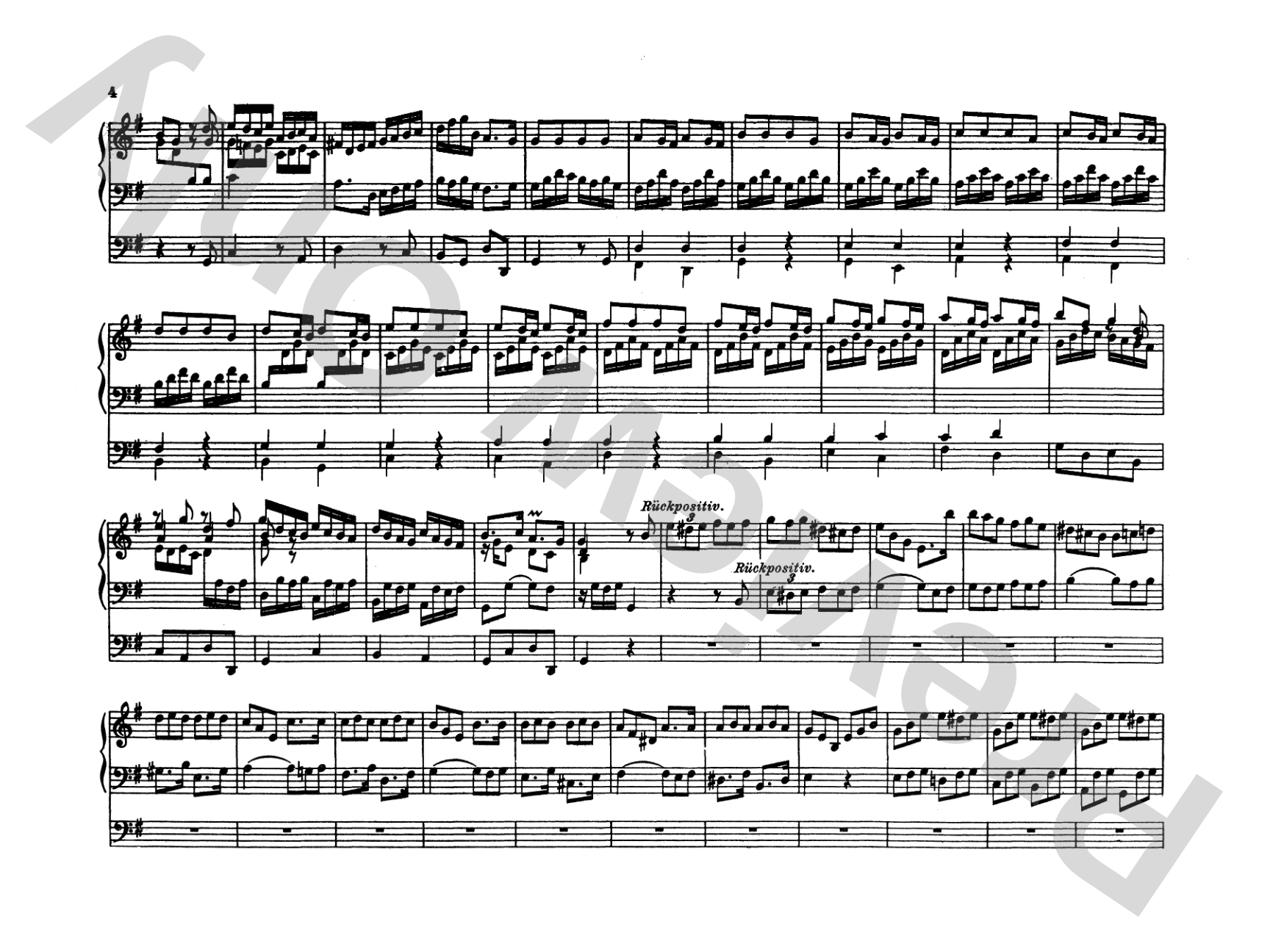
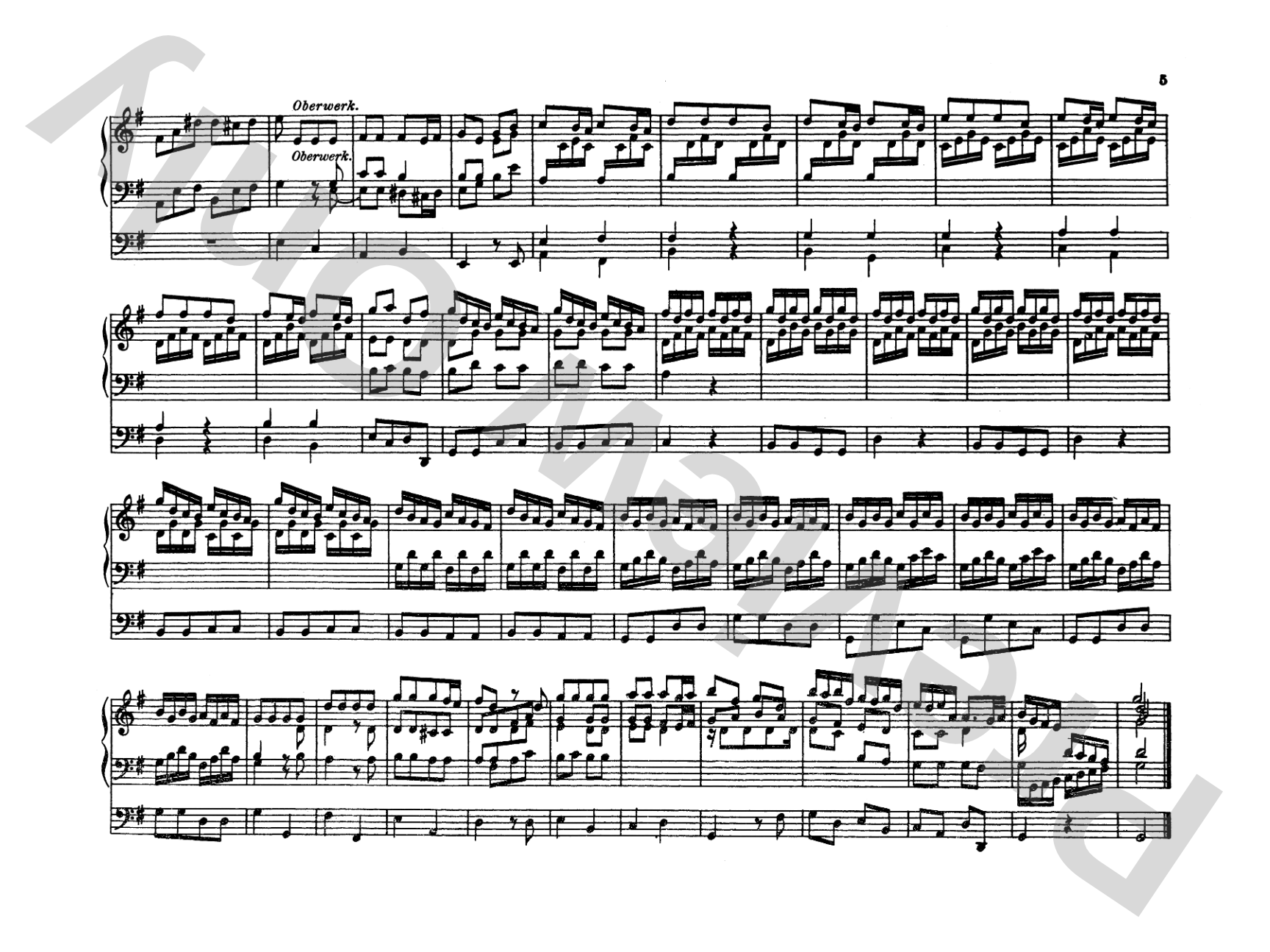
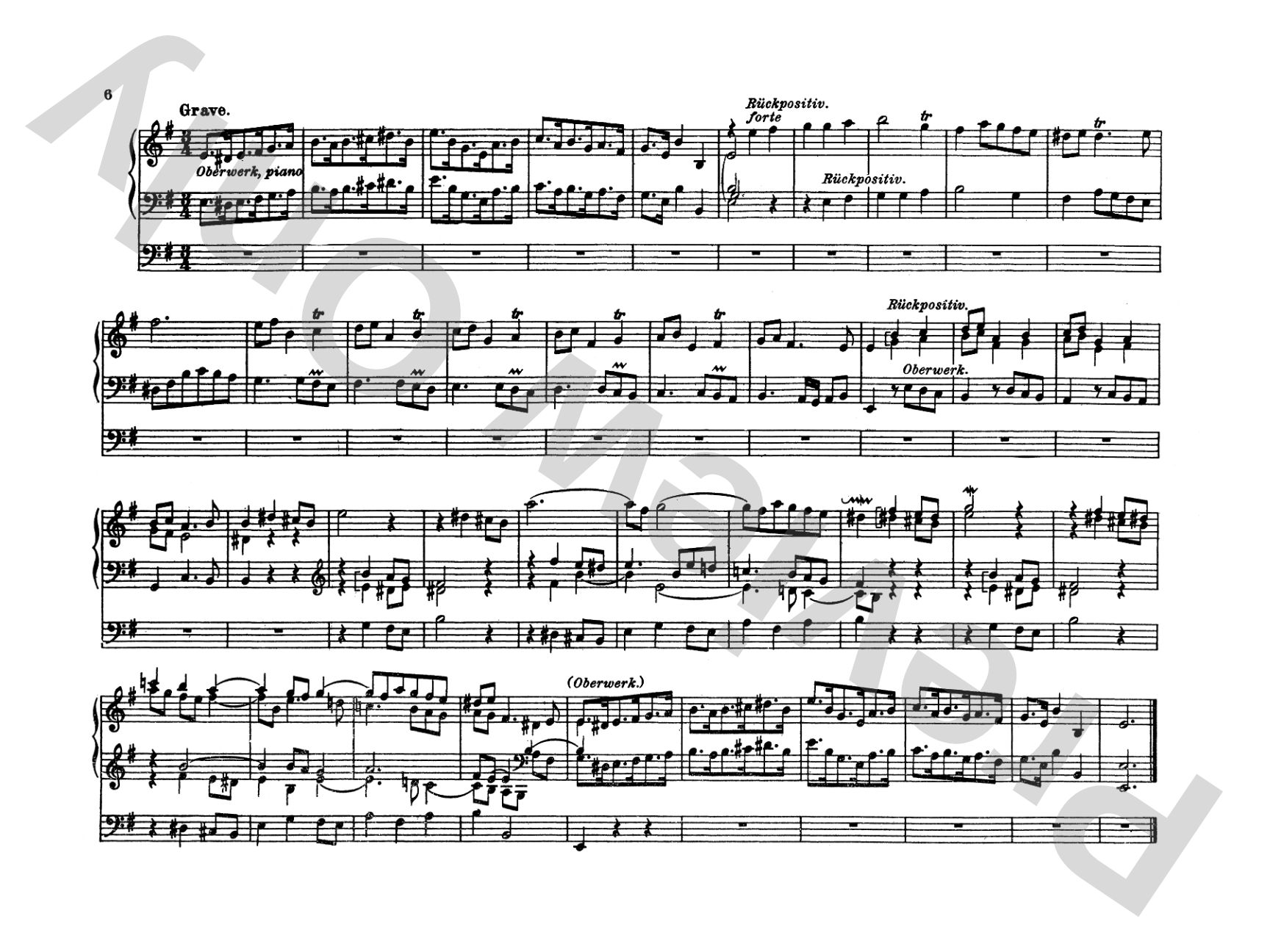
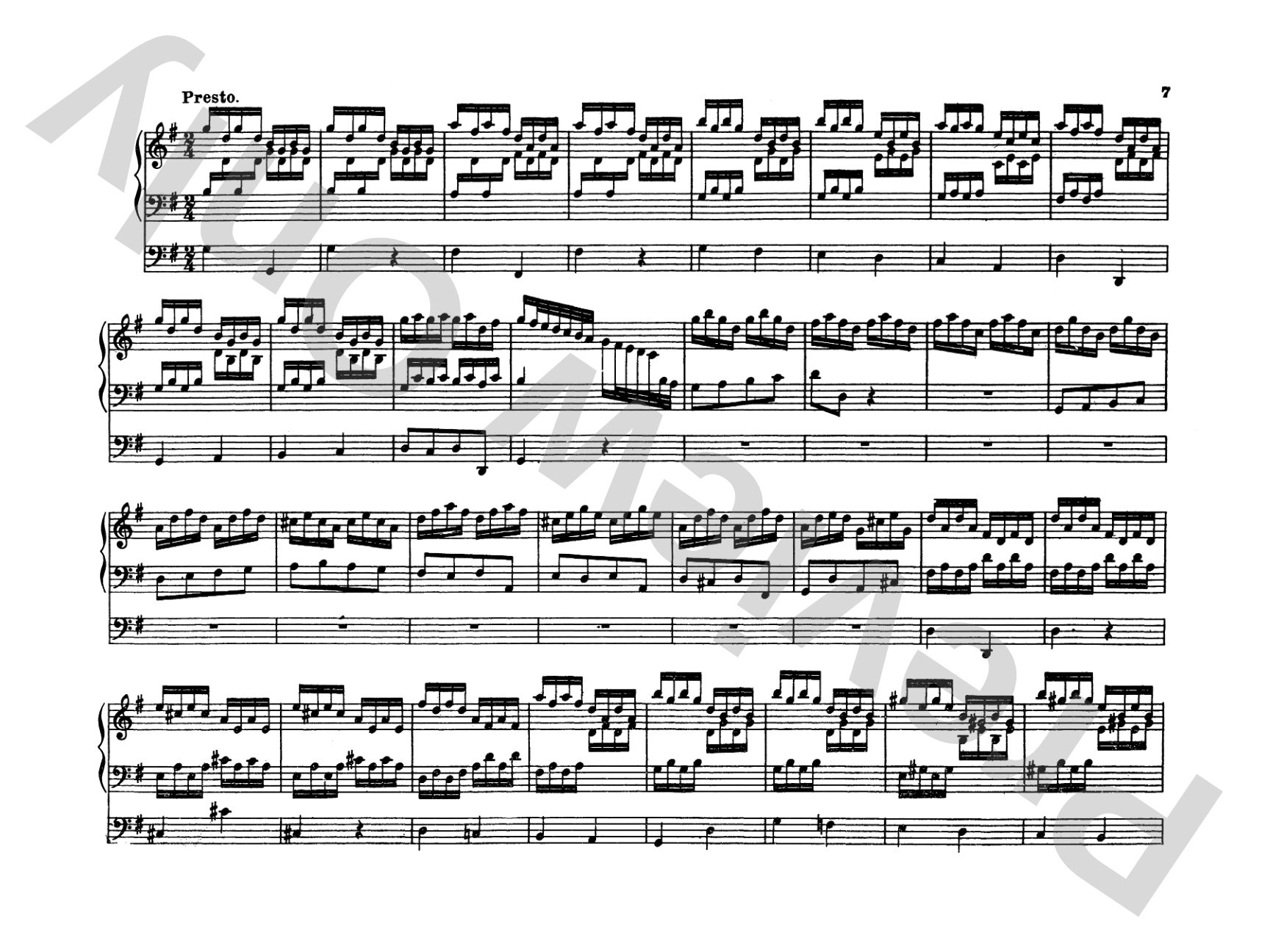
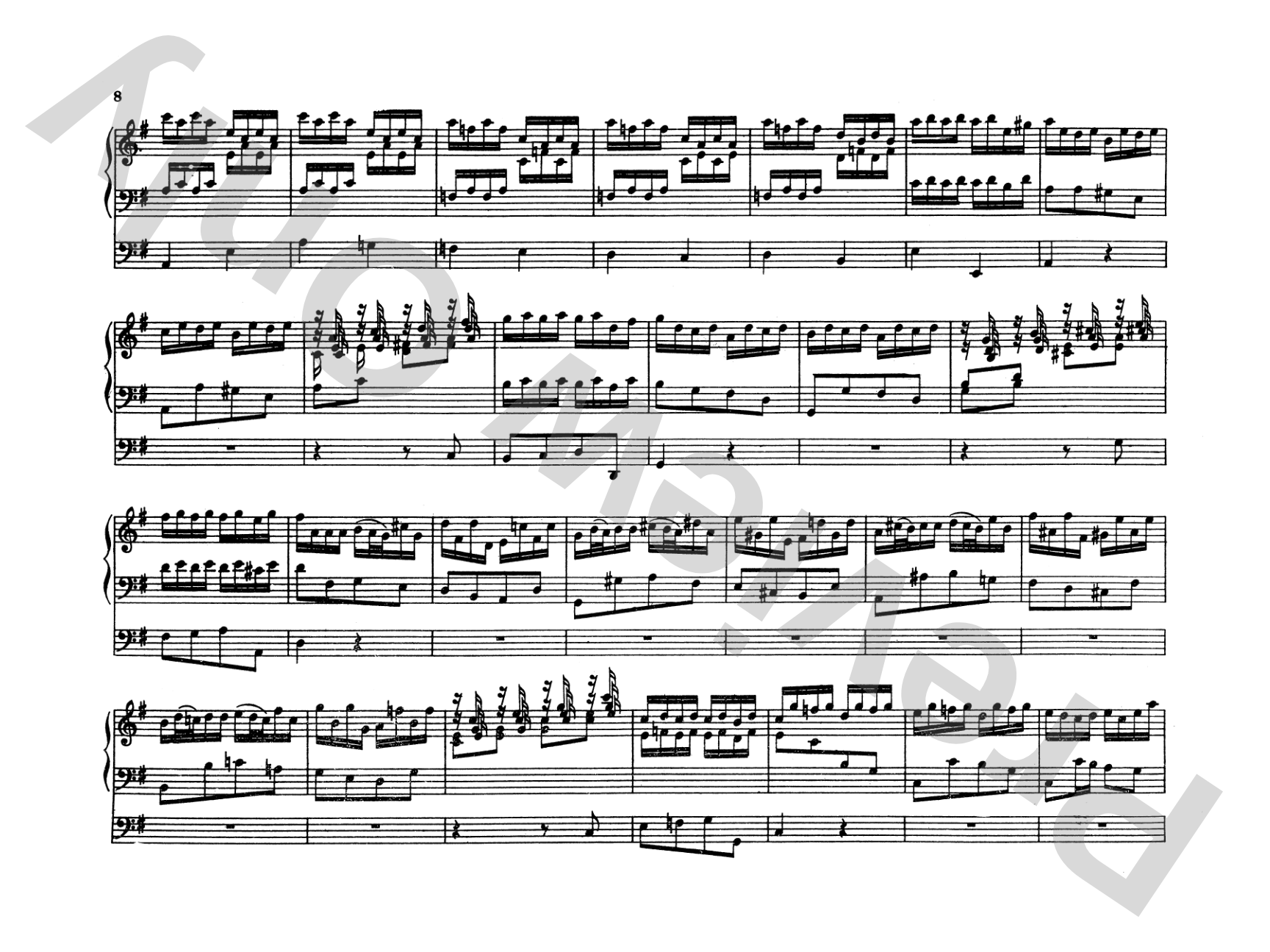
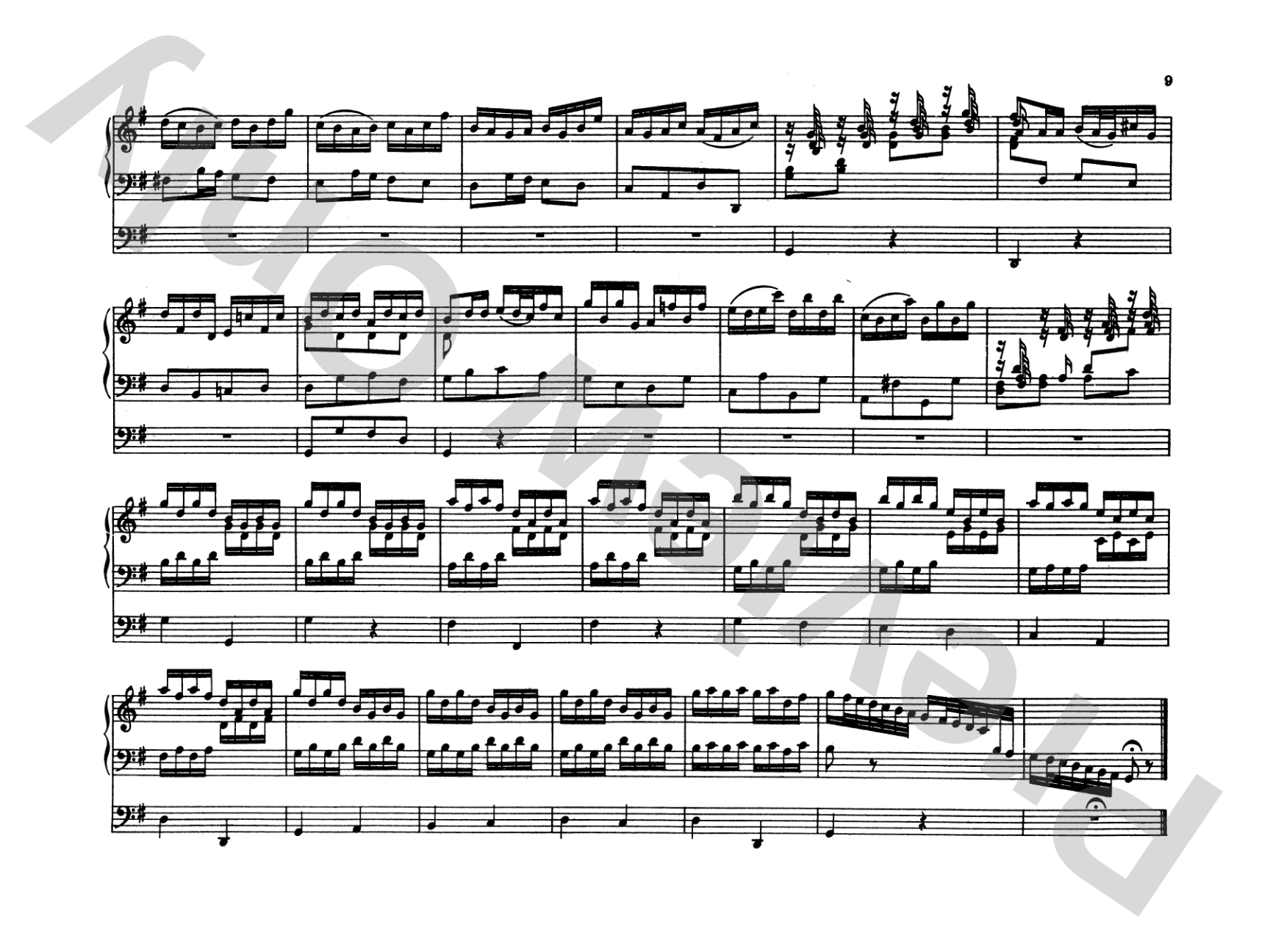

Bach: Complete Organ Works, Volume VIII: Organ Comb Bound Book
By Johann Sebastian Bach
Level: Advanced
Item: 00-PK-0002865

$15.99
Pickup currently not available
Buy Extra Parts (Digital PDF Download)
Parts Added to Cart!
Description
The Four Concertos, Eight Little Preludes and Fugues, Alla Breve and Other Single Pieces. The comb binding creates a lay-flat book that is perfect for study and performance.


Don't just read it, hear it, play along with it, and watch your students grow with it. In MakeMusic Cloud, Bach: Complete Organ Works, Volume VIII: Organ Comb Bound Book comes alive with professional accompaniment, adjustable tempo, and built-in practice tools that turn solo practice into real progress.
Open in the Player
Jump straight in and assign it today.
Start Your Free Trial
Open this title and explore the full library in minutes.
Sample Audio
No sample audio found.
Sample Video
No sample videos found.
Additional Details
Series:
Kalmus Edition
Publisher:
Alfred Music
Page Count:
92
SKU:
00-PK-0002865
More about this title
About the Composer: Johann Sebastian Bach
Johann Sebastian Bach (1685, 1750) stands as the architectural genius of Baroque music. His systematic exploration of harmonic possibility, contrapuntal technique, and keyboard idiom established foundational principles that shaped centuries of musical composition. Bach's organ works represent the pinnacle of his keyboard writing, combining profound spiritual expression with uncompromising technical rigor.
For organists and music students, Bach's complete organ corpus functions as both philosophical statement and practical laboratory. These pieces demand mastery of pedal technique, voice independence, and the ability to shape polyphonic texture with clarity and warmth. They remain the standard against which all subsequent organ music is measured.
Why we love this
This volume delivers the four concertos that Bach adapted from Vivaldi alongside the deceptively sophisticated Little Preludes and Fugues—pieces that sound accessible but reward decades of study. The lay-flat binding means pages stay open during both practice and performance, eliminating the page-turn anxiety that plagues organists working from traditional bound scores. Advanced students find in these works the technical and musical challenges that justify their investment in the instrument.
What to expect
These works inhabit a world of architectural precision balanced with spiritual depth. The Four Concertos crackle with rhythmic vitality and brilliant figuration; the Little Preludes and Fugues move between moments of intimate counterpoint and sudden harmonic brightness. Alla Breve and the single pieces range from intimate meditation to virtuosic display, all marked by Bach's signature clarity and inevitable forward motion.
Who it's for
This collection serves advanced organists preparing recital repertoire, serious students in university organ programs, and music majors fulfilling keyboard requirements. It also serves cathedral musicians and church organists building their performance library with uncompromising classical standards.
How to get the most out of it
- Study the pedal line as an independent melodic voice, not as accompaniment. Bach's feet are doing as much compositional work as the hands.
- Practice each manual part separately before combining them; the independence required between upper and lower manuals is extreme.
- Approach registration as part of the composition itself. Bach's architecture often suggests tonal shifts between sections that modern organs achieve through coupler and stop changes.
- Allow the polyphonic lines to breathe. Resist the urge to blur voices together; each line must remain transparent and audible.
How to use it
Program the Four Concertos on recitals exploring the organ's dance and festive character, or pair them with later Baroque keyboard works for a stylistic study. The Little Preludes and Fugues work beautifully in service music contexts or as anchors for student recitals. This volume is essential preparation for any organist approaching Bach's larger works like the Toccata and Fugue or the Six Trio Sonatas.
Skills your students will build
- Independent pedal technique using complex rhythmic figures
- Simultaneous polyphonic voices across multiple keyboards
- Baroque registration choices and their structural implications
- Harmonic analysis of complex four-voice writing
- Ornamentation and stylistically appropriate articulation in Baroque idiom
- Memory retention of structurally intricate forms