

Bach: Complete Organ Works, Volume V
By Johann Sebastian Bach
Level: Advanced
Item: 00-PC-0004566
$1.99
Pickup currently not available
Description
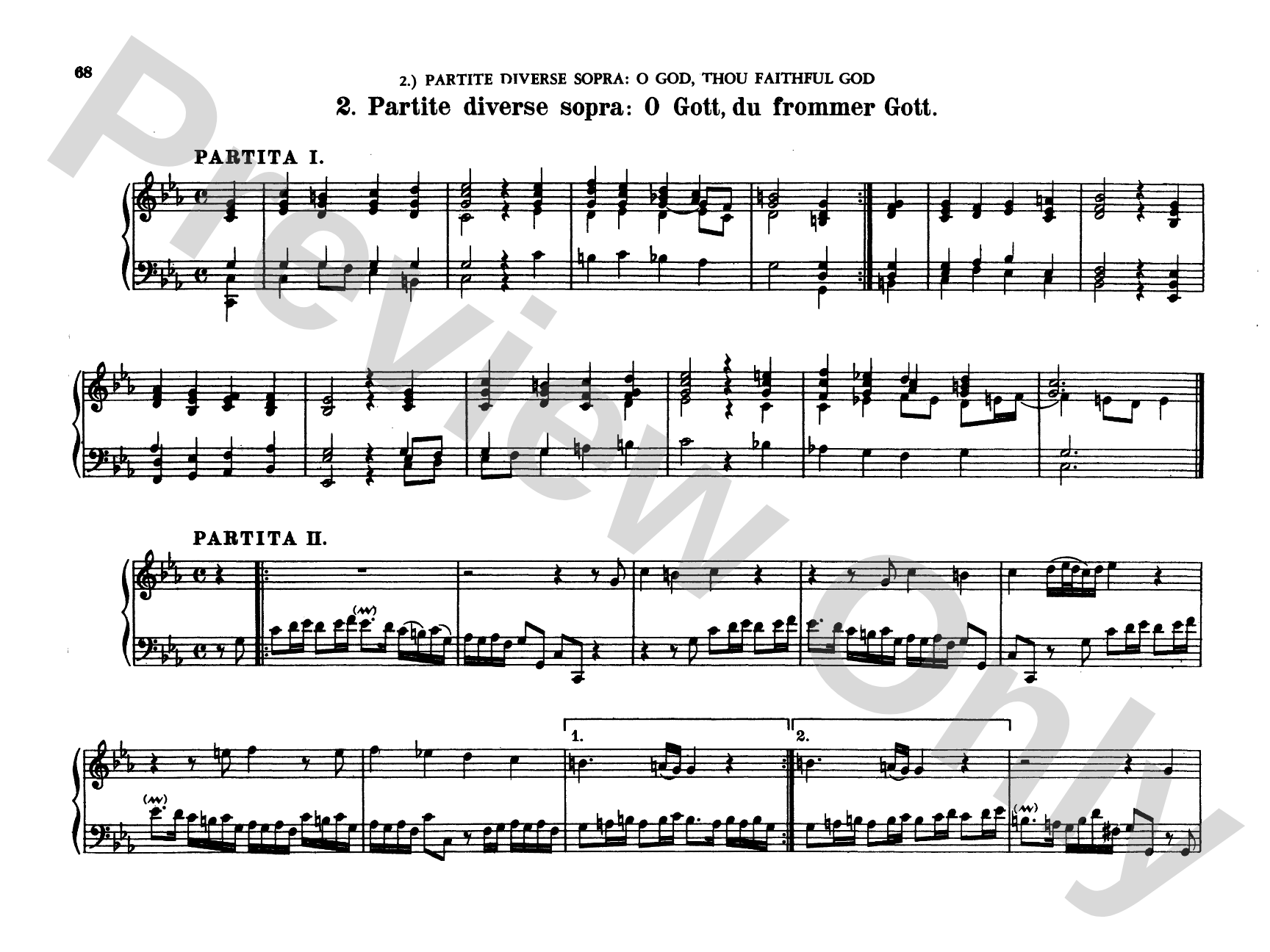
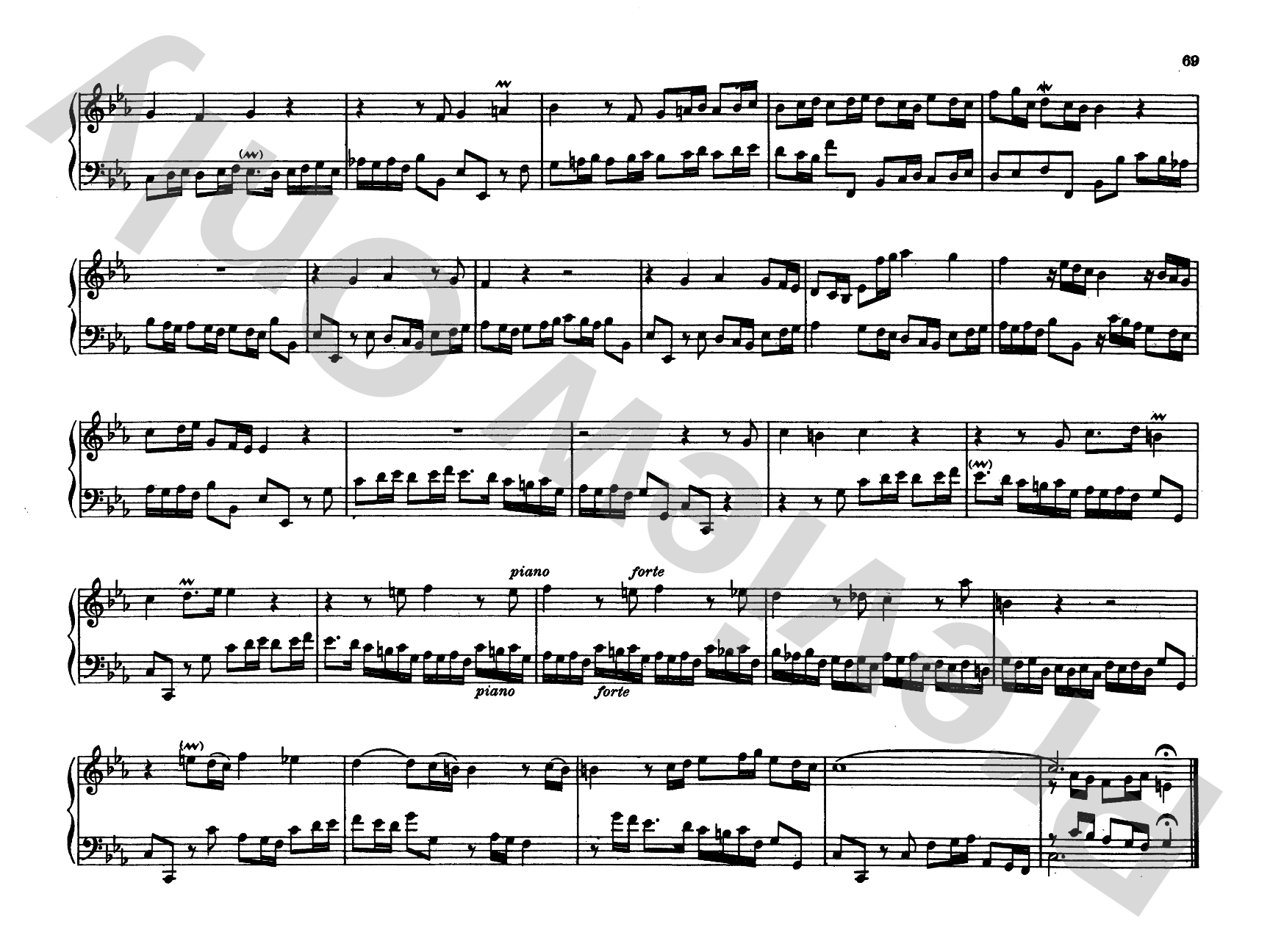
56 Chorale Preludes (The Little Organ Book) and the Chorale Variations. The comb binding creates a lay-flat book that is perfect for study and performance.


Don't just read it, hear it, play along with it, and watch your students grow with it. In MakeMusic Cloud, Bach: Complete Organ Works, Volume V comes alive with professional accompaniment, adjustable tempo, and built-in practice tools that turn solo practice into real progress.
Open in the Player
Jump straight in and assign it today.
Start Your Free Trial
Open this title and explore the full library in minutes.
Sample Audio
No sample audio found.
Sample Video
No sample videos found.
Additional Details
Series:
Kalmus Edition
Publisher:
Alfred Music
Page Count:
120
SKU:
00-PC-0004566
More about this title
About the Composer: Johann Sebastian Bach
Johann Sebastian Bach (1685-1750) stands at the center of Western musical tradition. His mastery of counterpoint, harmonic language, and structural design shaped every compositional genre of his time, and his influence extends through the present day. Bach served as Kapellmeister and court organist in various German cities, positions that demanded both technical virtuosity and compositional innovation.
For organists, Bach's output represents both the highest artistic achievement and an essential pedagogical foundation. His organ works span from intimate chorale preludes to monumental fugues and toccatas. The systematic exploration of musical possibilities across his keyboard works makes them indispensable for any serious student of the instrument.
Why we love this
Bach's chorale preludes form the heart of advanced organ repertoire, and this collection brings 56 of them together in a format designed for actual use. The comb binding means pages stay open during performance and practice, eliminating the page-turning logistics that plague standard bindings. Advanced organists will appreciate having the complete Little Organ Book alongside the chorale variations, creating a unified resource for deepening their command of Bach's harmonic language and counterpoint.
What to expect
These chorale preludes range from intimate meditations to architecturally elaborate miniatures, each one a complete world compressed into a handful of measures. The harmonic language is rich with unexpected turns and chromatic movement, yet the underlying chorale melody anchors each piece with spiritual grounding. Moving through the collection reveals Bach's inexhaustible inventiveness in texture, counterpoint, and harmonic color applied to a single musical idea.
Who it's for
Advanced organists preparing for recitals, church service repertoire, or academic study will find this collection essential. Students pursuing advanced degrees in organ performance and church musicians looking to expand their command of Bach's keyboard idiom are the primary audience. This is not an introductory collection; it assumes solid technical foundation and harmonic literacy.
How to get the most out of it
- Establish a consistent approach to registration across the collection. Bach's original registrations are often unknown, so develop a coherent scheme for each chorale's character and texture that you can apply systematically throughout your practice and performance.
- Shape the inner voices as melodically as the outer ones. The contrapuntal density in these pieces rewards attention to every line; resist the temptation to relegate accompanying voices to background status.
- Use the lay-flat binding to mark fingerings, registration notes, and interpretive reminders directly in the score without strain. This format invites annotation in ways bound books do not.
- Balance structural clarity with harmonic depth. These preludes compress profound harmonic ideas into brief spans; let the architecture guide phrasing while honoring Bach's chromatic and modulatory sophistication.
How to use it
Program individual chorale preludes before or after congregational hymn singing in church services, or pair them thematically in recitals to explore variations on familiar melodies. The collection's systematic organization allows you to design programming around specific musical techniques or harmonic innovations, creating recital arcs that showcase Bach's developmental thinking. Advanced students might perform a subset of preludes based on a particular chorale melody as part of an academic recital.
Skills your students will build
- Reading and executing baroque counterpoint with multiple independent voices
- Interpreting historical harmonic language and managing unexpected chromatic motion
- Planning and executing organ registrations for contrasting textural and emotional contexts
- Performing decorated hymn melodies with appropriate ornamentation and phrasing
- Sight-reading at advanced levels within a coherent stylistic framework
- Managing hand independence and pedal work across varying textural densities