

Bach: Complete Organ Works, Volume IX
By Johann Sebastian Bach
Level: Advanced
Item: 00-PC-0004681
$0.99
Pickup currently not available
Description
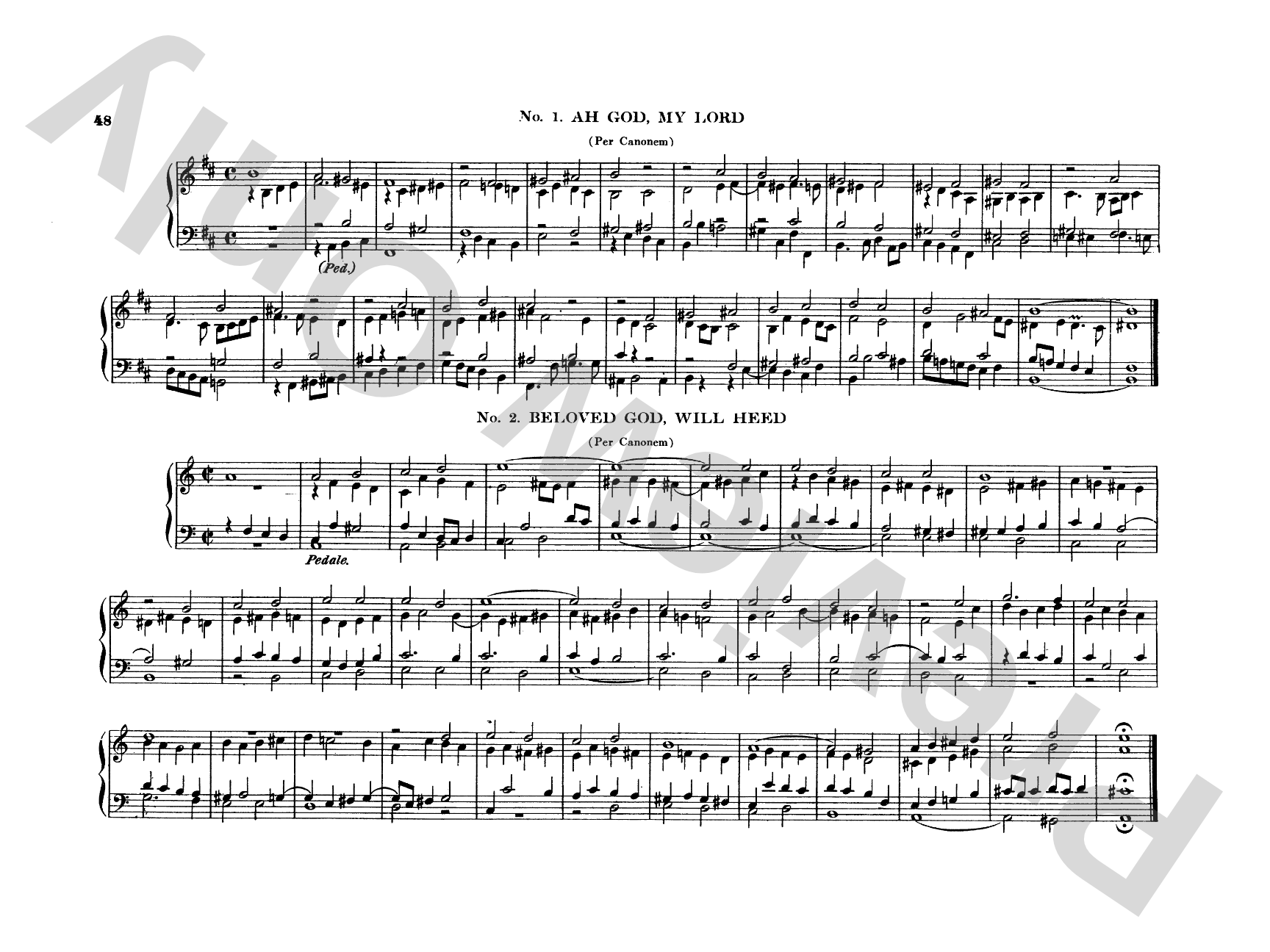
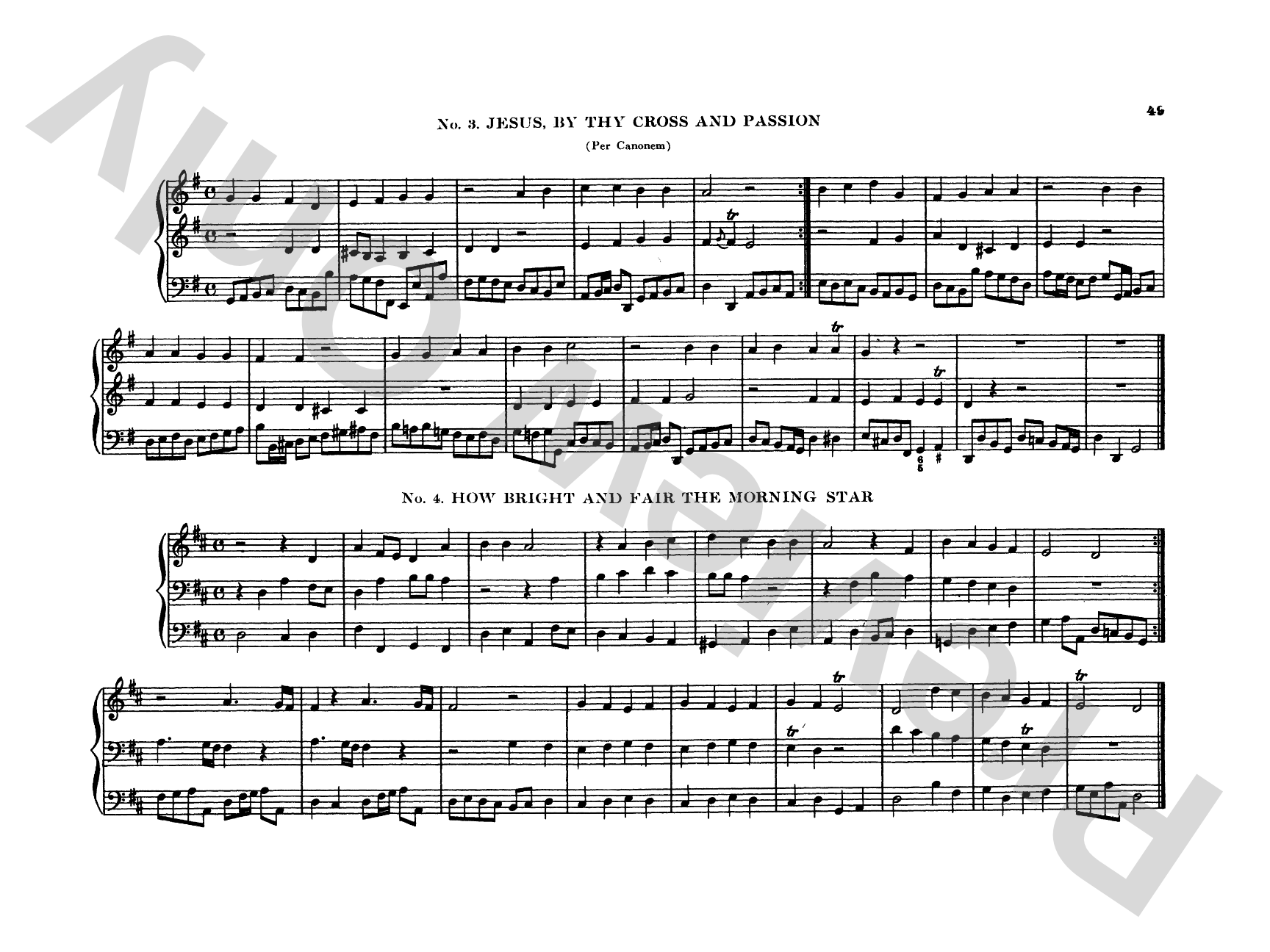
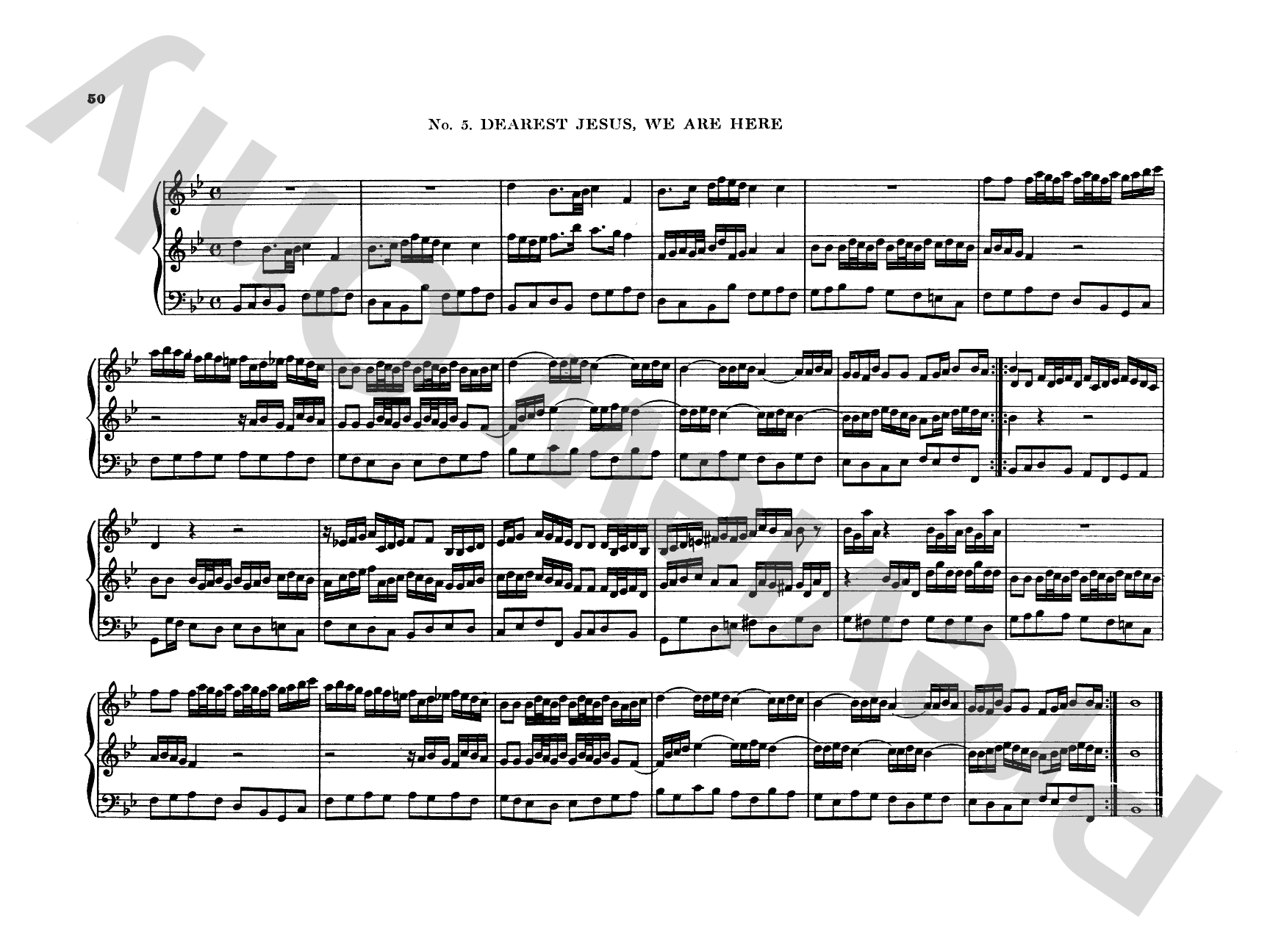
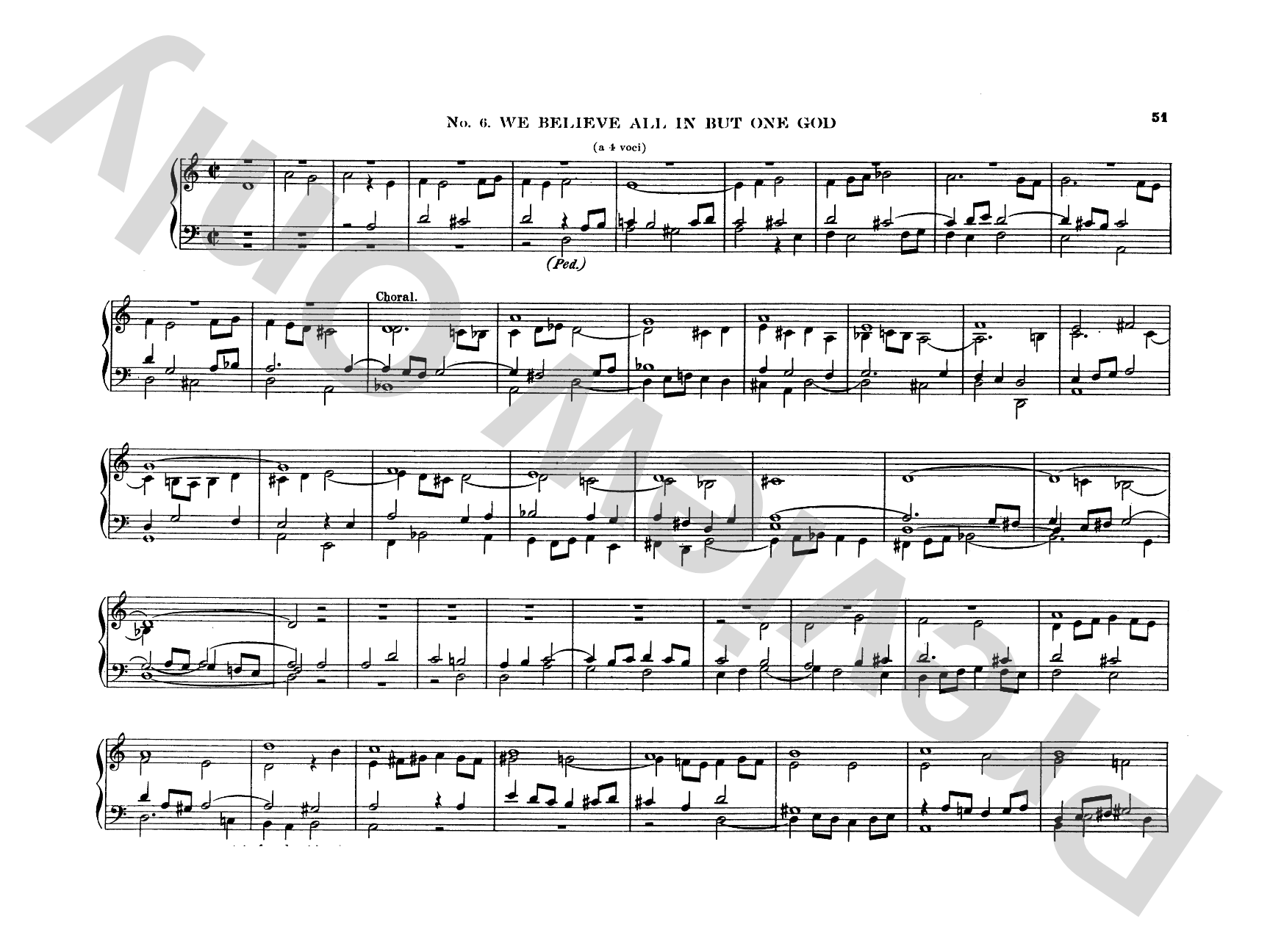
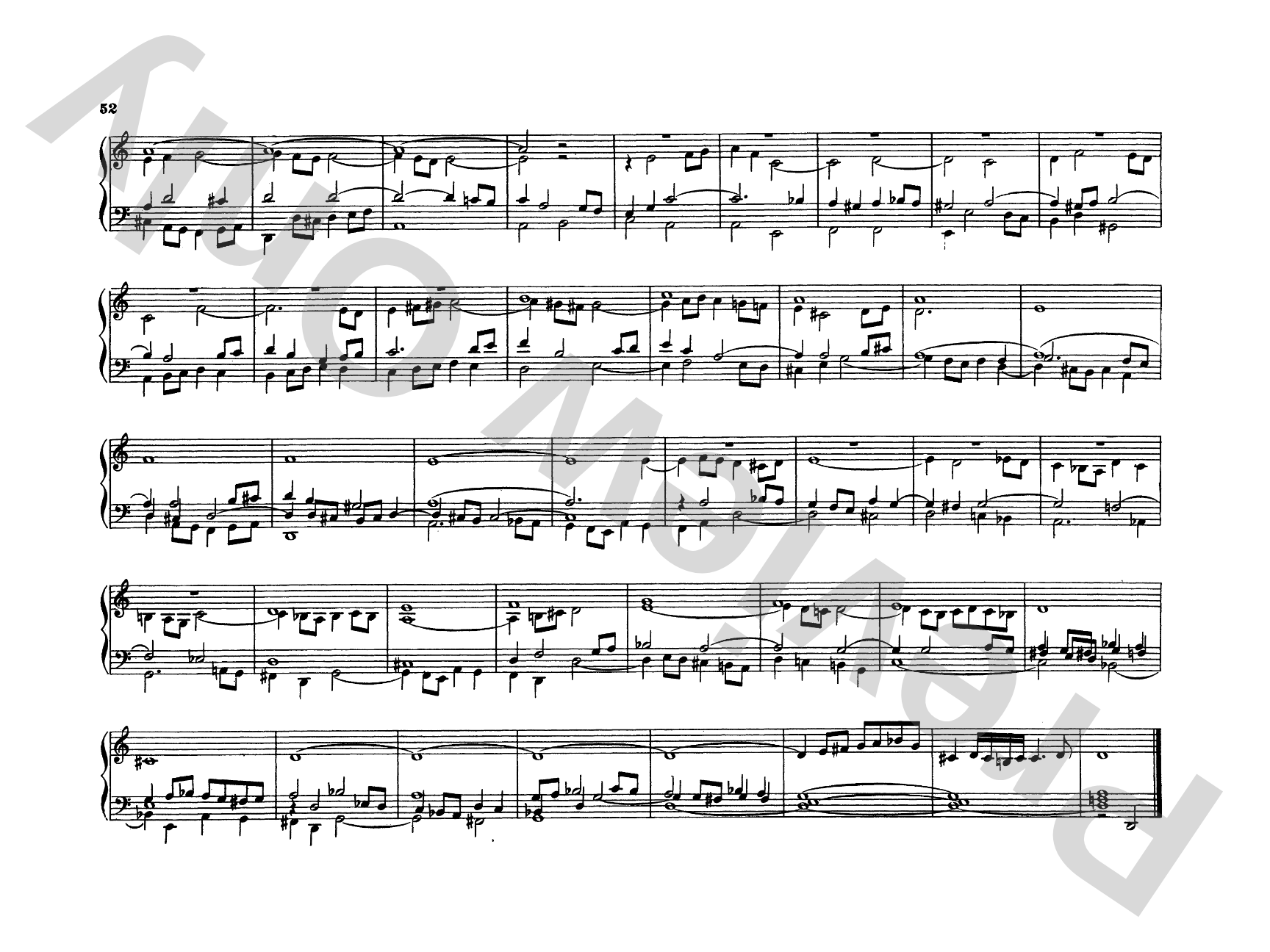
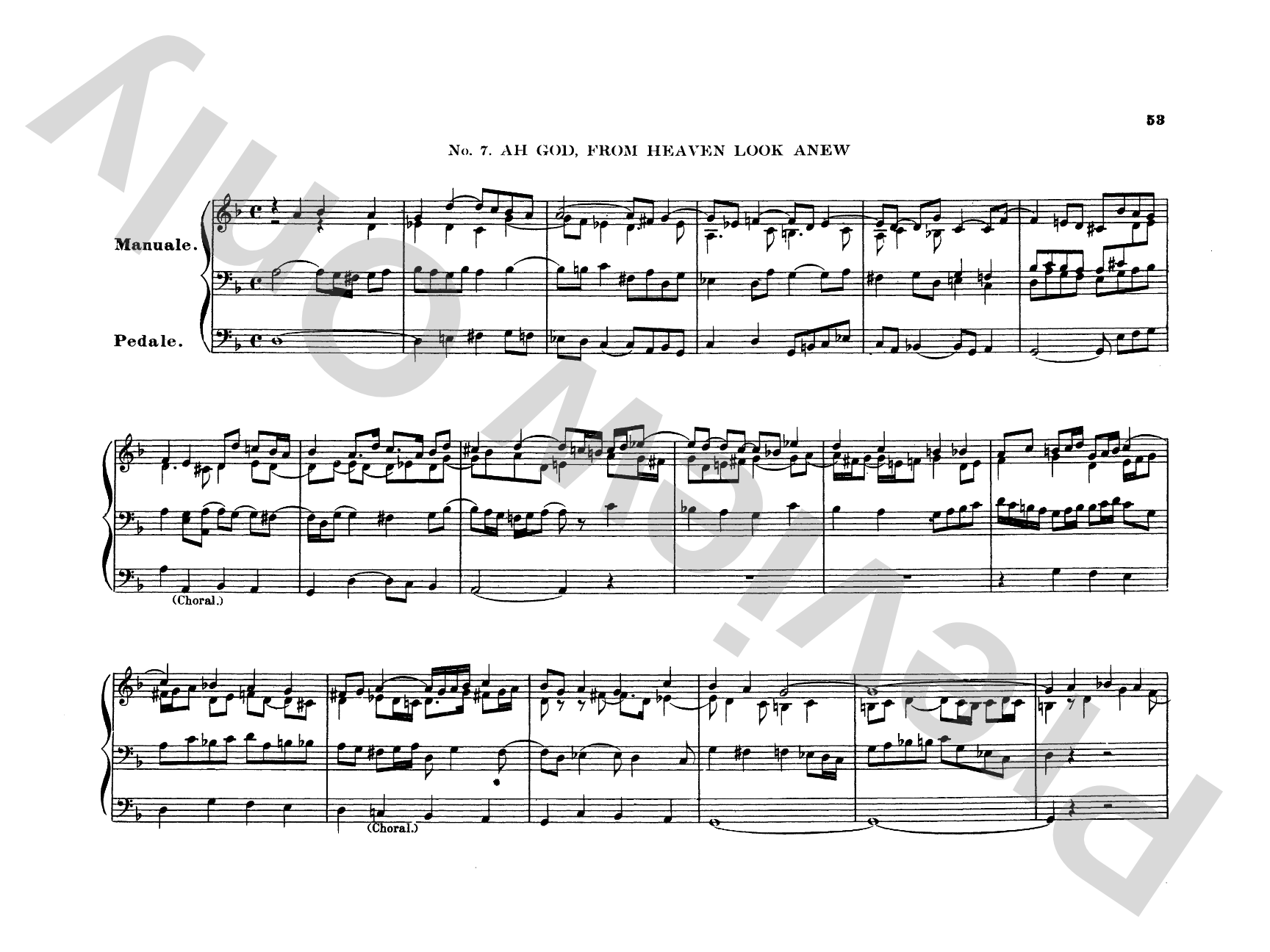
Little Harmonic Labyrinth, 18 Chorale Preludes and Several Fugues and Short Trios. The comb binding creates a lay-flat book that is perfect for study and performance.


Don't just read it, hear it, play along with it, and watch your students grow with it. In MakeMusic Cloud, Bach: Complete Organ Works, Volume IX comes alive with professional accompaniment, adjustable tempo, and built-in practice tools that turn solo practice into real progress.
Open in the Player
Jump straight in and assign it today.
Start Your Free Trial
Open this title and explore the full library in minutes.
Sample Audio
No sample audio found.
Sample Video
No sample videos found.
Additional Details
Series:
Kalmus Edition
Publisher:
Alfred Music
Page Count:
76
SKU:
00-PC-0004681
More about this title
About the Composer: Johann Sebastian Bach
Johann Sebastian Bach (1685-1750) stands as the architect of Western keyboard music. His systematic exploration of harmonic possibility, contrapuntal technique, and structural logic across thousands of works established the technical and aesthetic foundation for everything that followed. For organists, Bach remains the essential reference: his music demands mastery of registration, pedal independence, hand coordination, and the ability to sustain multiple musical lines simultaneously.
Bach's organ works span his entire career, from early toccatas and fugues written in Weimar through the monumental chorale preludes and canonic variations of his maturity. These pieces are not decorative; they are laboratories for understanding how counterpoint, harmony, and form interact. Teaching and learning through Bach's organ music builds not just technical facility but compositional thinking.
Why we love this
This collection packages some of Bach's most essential organ works into one lay-flat study edition. The Little Harmonic Labyrinth is a keyboard gem for intermediate-advanced organists seeking compact but intellectually rich material, while the 18 chorale preludes represent Bach's most concentrated exploration of how to harmonize and elaborate the Lutheran hymn tunes that shaped his world. The fugues and short trios here are performance-ready pieces that reveal Bach's complete command of counterpoint at every scale.
What to expect
Bach's organ works balance intellectual rigor with spiritual depth. These pieces move with architectural clarity yet unfold with warmth; the chorale preludes transform simple hymn melodies into meditations, while the fugues and trios pulse with mathematical inevitability. Playing through this collection feels like tracing the blueprints of music itself.
Who it's for
Advanced organists preparing solo recitals, teaching students through Bach's core repertoire, or exploring the complete organ output as a practice goal. This volume works equally well as a performance source and a study text for understanding how Bach applied fugal and harmonic principles across different forms and scales.
How to get the most out of it
- Treat the chorale melody in the chorale preludes as structural scaffolding, not decoration. The ornamentation and figuration surrounding it should enhance its profile, not obscure it.
- Plan your registration before you begin learning the piece. Identify which manual each hand plays and commit to that choice early so your muscle memory builds correctly.
- In the fugues, trace the subject entries across all voices and mark them lightly in pencil. Knowing exactly where the fugue's argument appears helps you shape phrasing and balance.
- The short trios benefit from rhythmic precision and clear articulation between voices. Practice hands separately first, locking each voice into its own tempo before combining them.
How to use it
Program the Little Harmonic Labyrinth and one or two chorale preludes as contrasting recital pieces alongside larger Bach works, or feature a single fugue or trio as a bridge between Baroque and modern repertoire. These shorter pieces work particularly well in liturgical settings where they can frame hymn singing or provide quiet moments for reflection.
Skills your students will build
- Managing multiple independent voices across both manuals and pedals simultaneously
- Recognizing and tracking fugal subjects through entries, inversions, and transformations
- Balancing chorale melody with surrounding figuration and registration
- Interpreting baroque articulation and phrasing without modern dynamic markings
- Pedal technique and independence from hand passages