

Bach: Complete Organ Works, Volume IV
By Johann Sebastian Bach
Level: Advanced
Item: 00-PC-0004552
$0.99
Pickup currently not available
Description
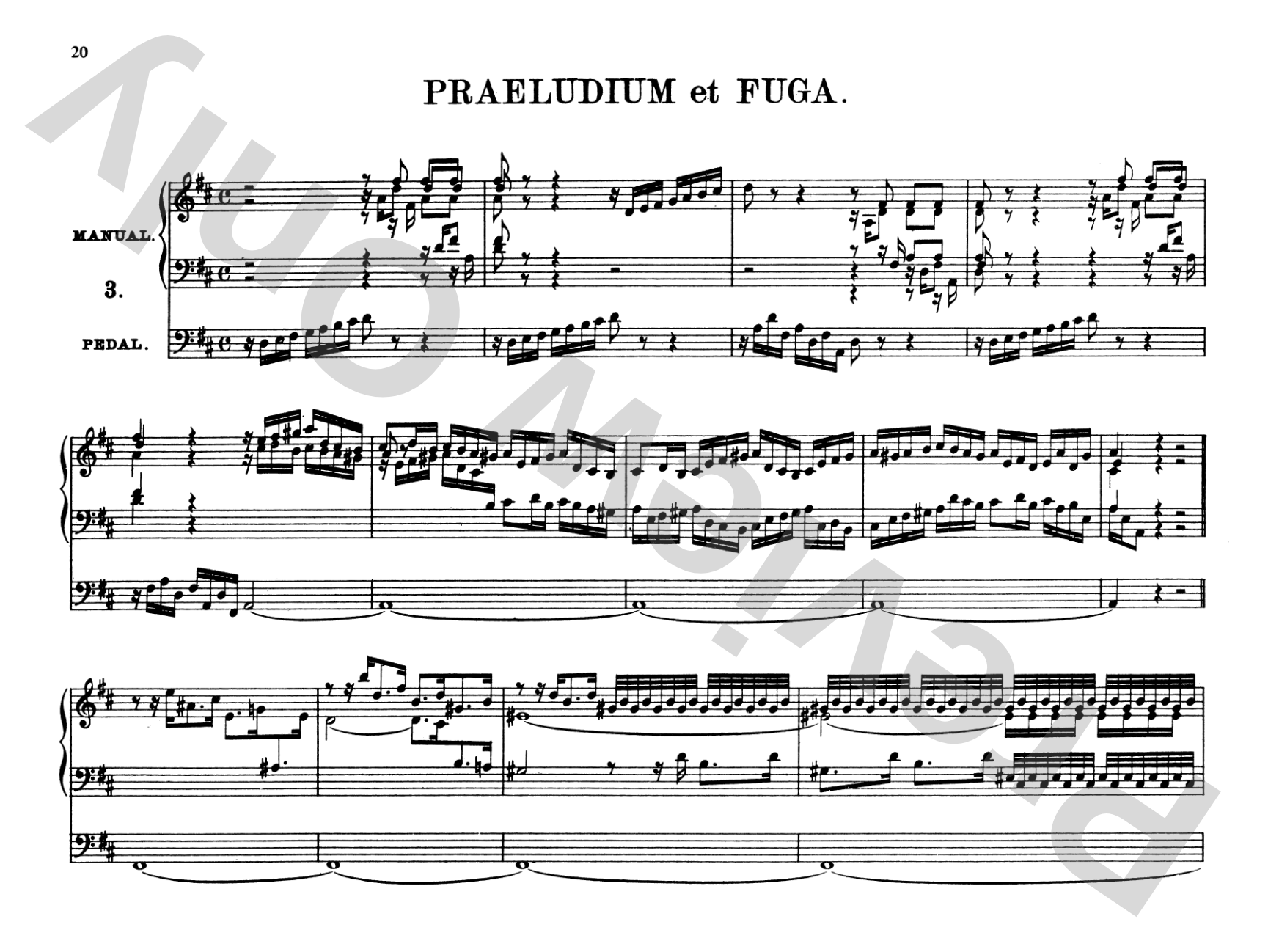
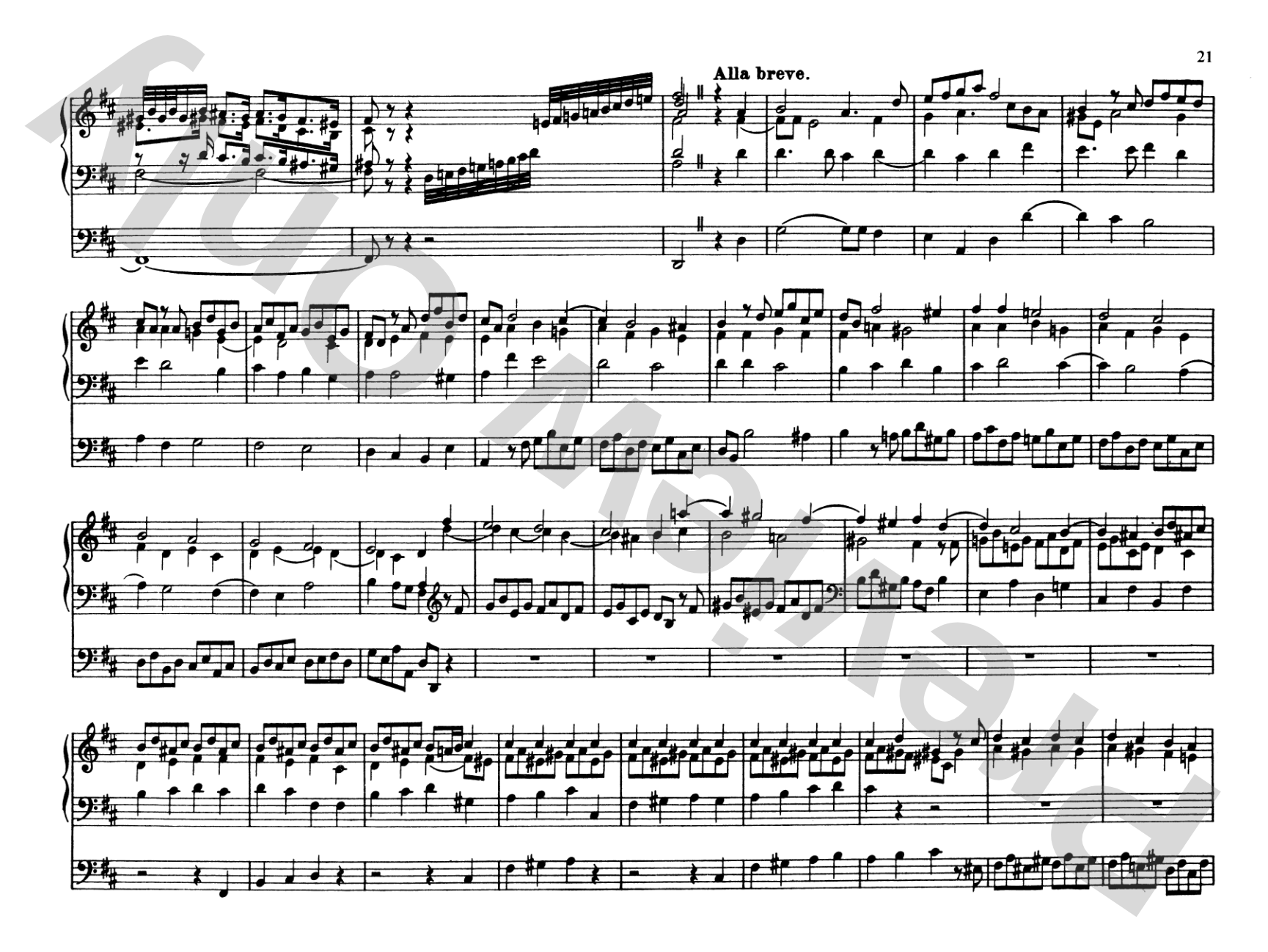
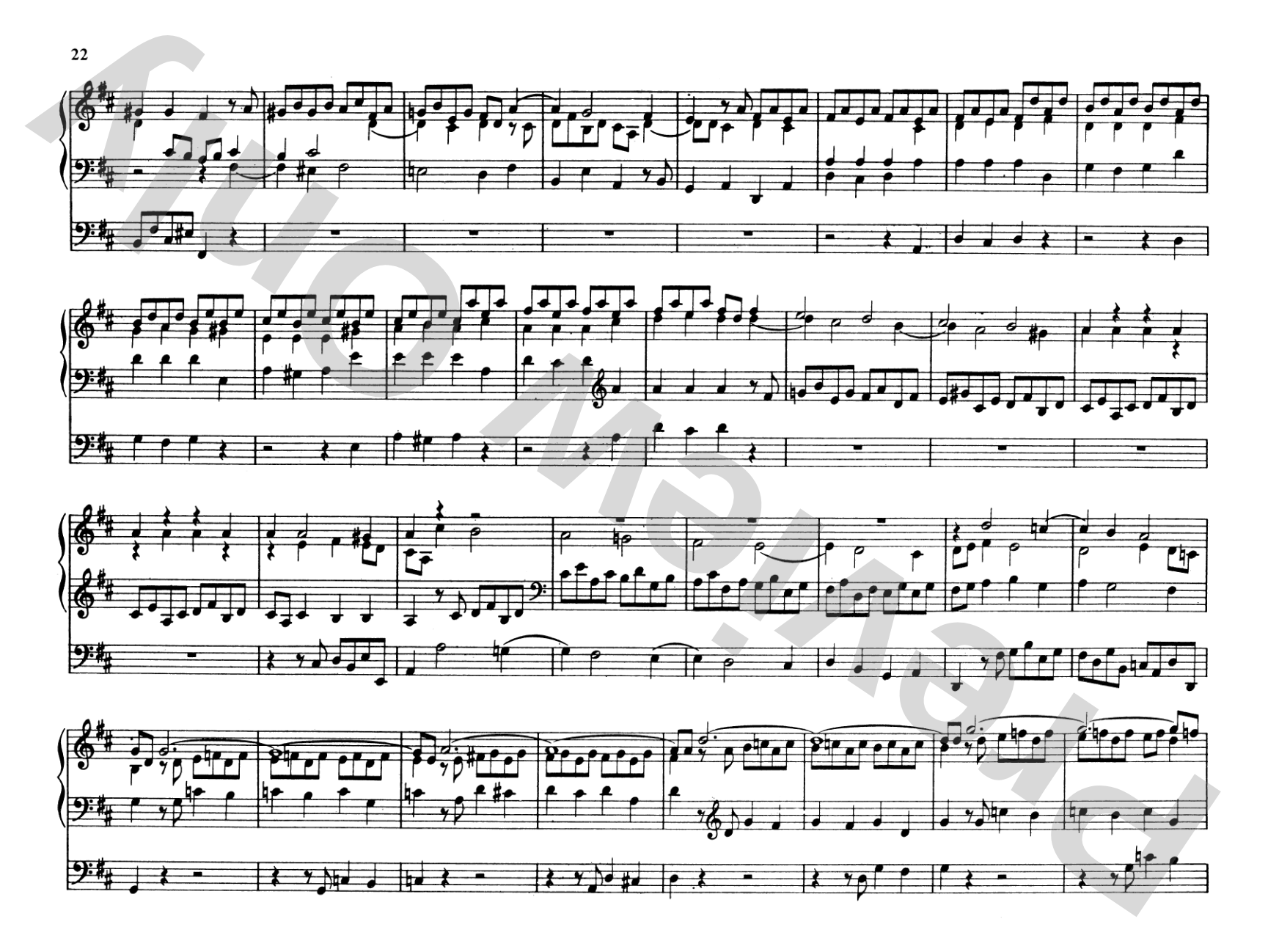
Four Preludes and Fugues, Toccata and Fugue in D Minor, Four Fugues, Canzona in D Minor, Fantasia in G and C, Praeludium, Trio in D Minor. The comb binding creates a lay-flat book that is perfect for study and performance.


Don't just read it, hear it, play along with it, and watch your students grow with it. In MakeMusic Cloud, Bach: Complete Organ Works, Volume IV comes alive with professional accompaniment, adjustable tempo, and built-in practice tools that turn solo practice into real progress.
Open in the Player
Jump straight in and assign it today.
Start Your Free Trial
Open this title and explore the full library in minutes.
Sample Audio
No sample audio found.
Sample Video
No sample videos found.
Additional Details
Series:
Kalmus Edition
Publisher:
Alfred Music
Page Count:
88
SKU:
00-PC-0004552
More about this title
About the Composer: Johann Sebastian Bach
Johann Sebastian Bach (1685-1750) composed during the late Baroque period and remains the era's most systematic explorer of compositional technique. His organ works synthesize German, Italian, and French traditions into structures of mathematical precision and spiritual depth. Bach held positions as court musician, church organist, and cantor throughout his career, creating a vast catalog that established the organ as a vehicle for both technical mastery and profound musical expression.
Bach's organ compositions span his entire professional life and represent the pinnacle of the instrument's polyphonic and improvisatory possibilities. These works demand complete command of the pedal keyboard, multiple manual independence, and the ability to sustain complex contrapuntal lines across several voices simultaneously. His approach to organ music influenced generations of composers and remains central to serious organ study.
Why we love this
This collection gathers some of the most essential organ repertoire in the standard repertoire, from the commanding Toccata and Fugue in D Minor to the intricate counterpoint of the four Preludes and Fugues. The lay-flat comb binding removes the frustration of pages closing during performance or study, allowing you to focus entirely on navigating Bach's architectural complexity. Advanced organists return to these works repeatedly throughout their careers, discovering new interpretive possibilities with each encounter.
What to expect
Bach's organ writing combines architectural rigor with improvisatory freedom. The opening flourishes of the Toccata and Fugue invite expressive interpretation, while the fugues demand absolute clarity of inner voice dialogue. These works move between moments of dramatic gesture and meditative contemplation, requiring the performer to balance technical precision with musical storytelling across multiple lines simultaneously.
Who it's for
This volume serves advanced organists working toward mastery of the standard organ repertoire and students preparing for competitions, recitals, or professional performance. College and university organ professors use these works as core teaching material, and church musicians performing at high liturgical levels will find substantial material here for both recital and service playing.
How to get the most out of it
- Map the manual and pedal divisions before initial practice; Bach's layout demands clear registration planning that accounts for both the historical instrument he envisioned and your particular organ's capabilities.
- Separate the learning of pedal passages from manual work initially, then integrate them gradually to build the independence required for these works.
- Study the original manuscript sources or historical editions alongside this score to understand articulation and phrasing conventions of Bach's era.
- Allow adequate practice time for the fugal sections; Bach's subject entries and stretto passages require rhythmic precision and clarity of voice leading.
How to use it
Program individual Preludes and Fugues or the Toccata and Fugue in D Minor for organ recitals, or use selections as substantial prelude or postlude material in worship contexts where the organ has a prominent role. These works pair well with chorale-based organ music in a recital focusing on Bach's organ output across different forms.
Skills your students will build
- Pedal technique and independence from manual parts
- Management of multiple simultaneous voice lines in fugal writing
- Registration planning and tonal color choices across different movements
- Reading and executing complex polyrhythmic and polymetric structures
- Interpretation of Baroque performance practices in organ music