

Bach: Complete Organ Works, Volume II: Organ Comb Bound Book
By Johann Sebastian Bach
Item: 00-PK-0002859

$16.99
Pickup currently not available
Buy Extra Parts (Digital PDF Download)
Parts Added to Cart!
Related Items
Complete Organ Works, Volume II: Organ Comb Bound Book |
$16.99
|
View |
Description
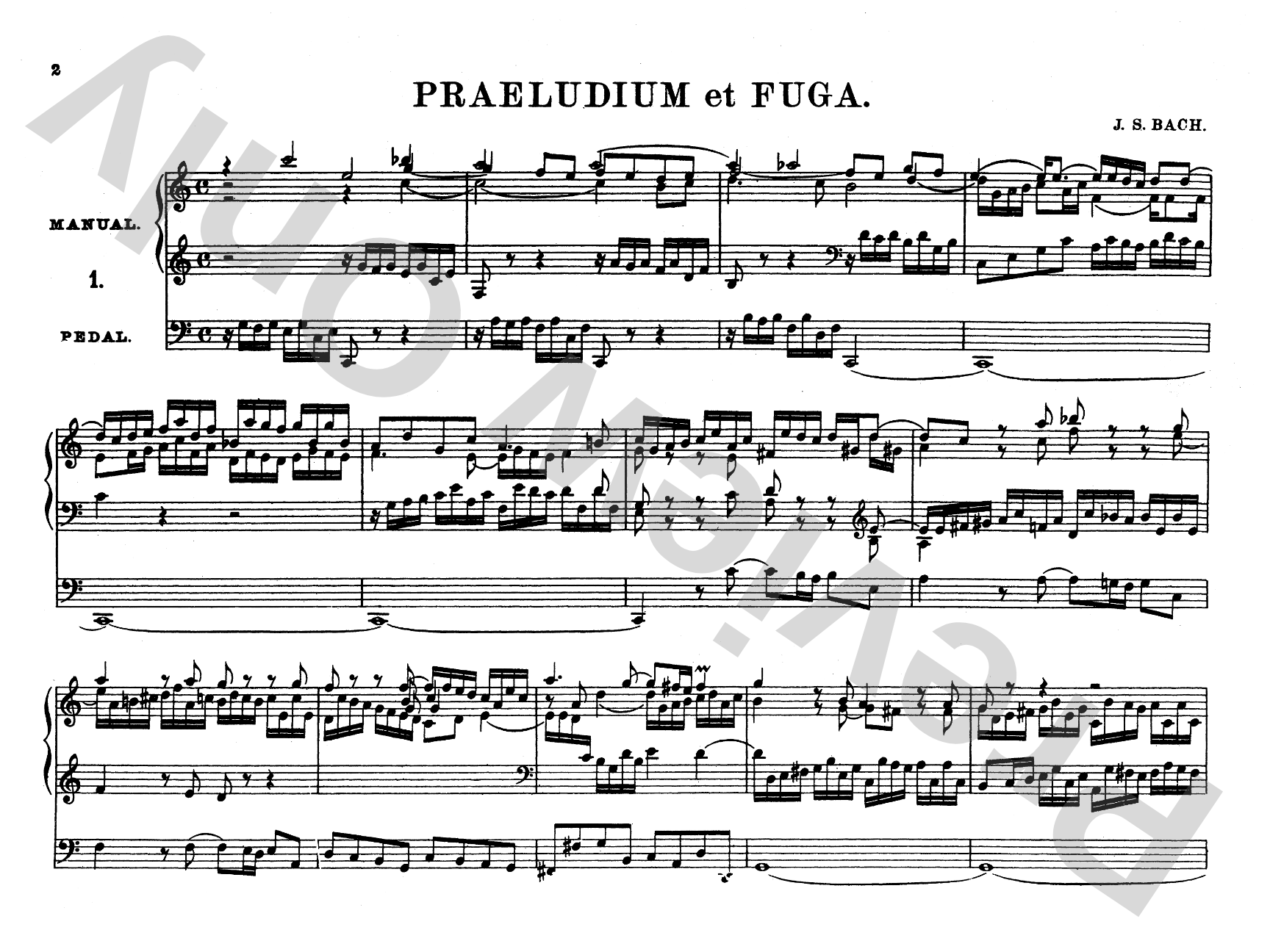
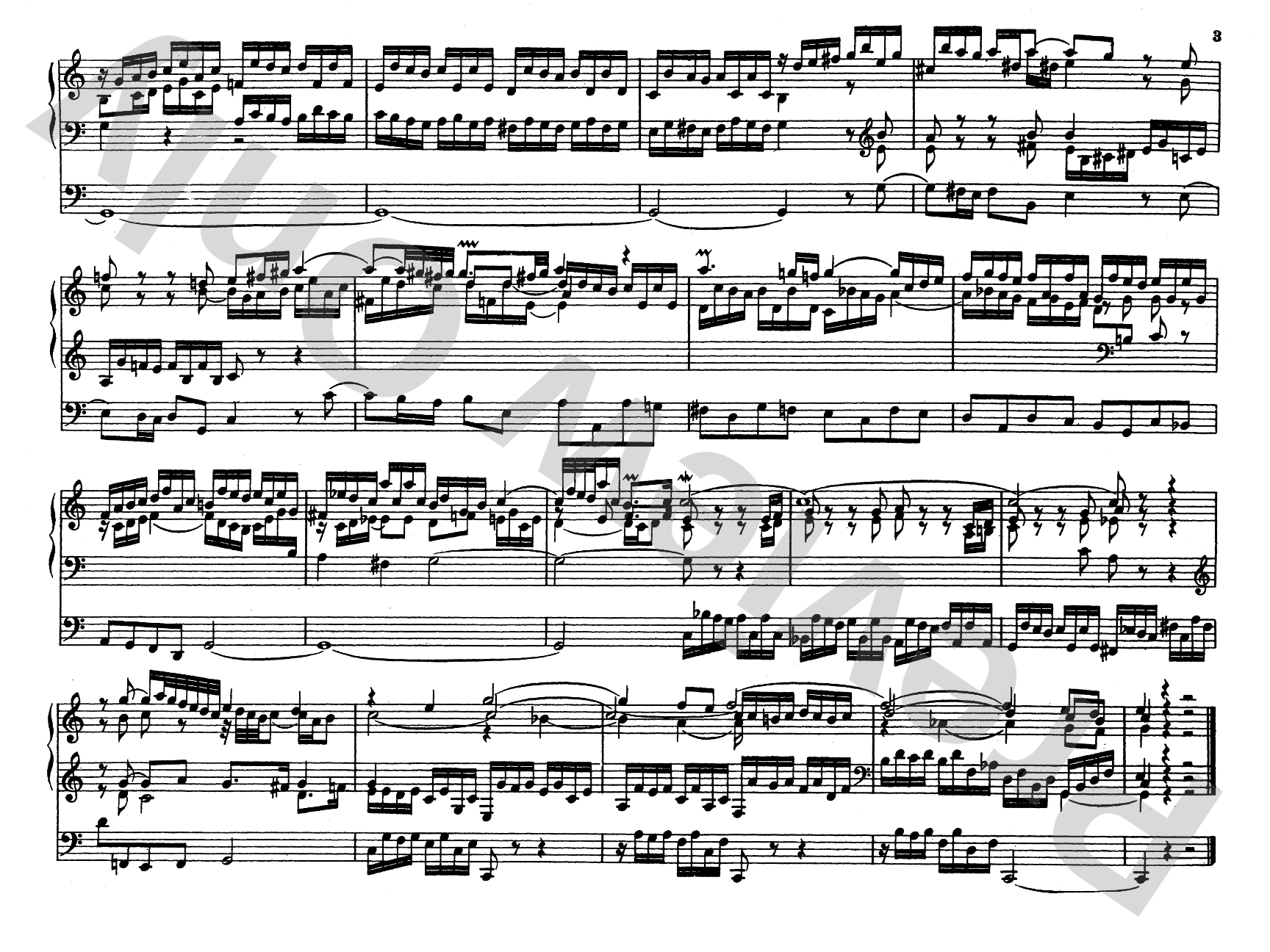
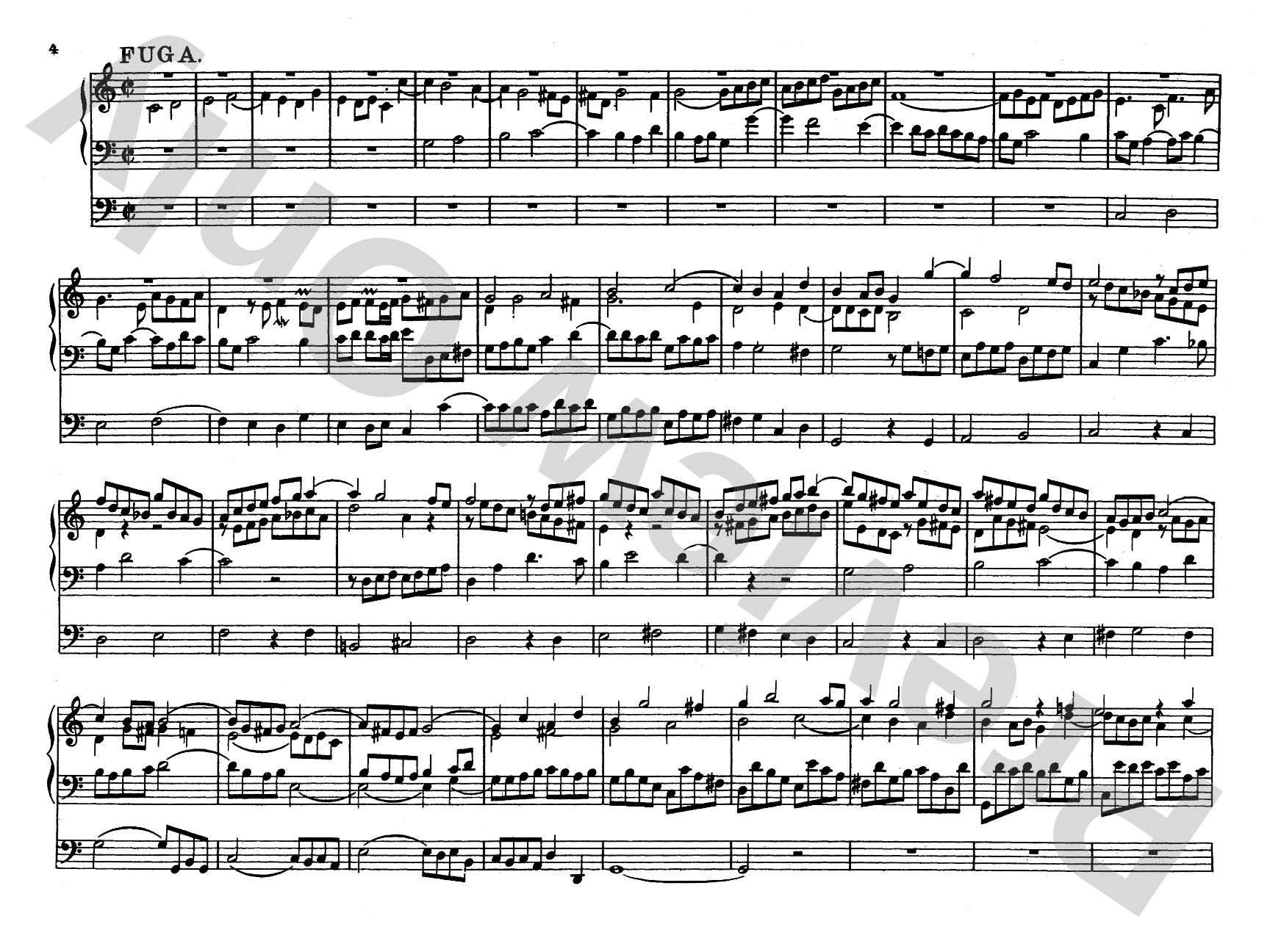
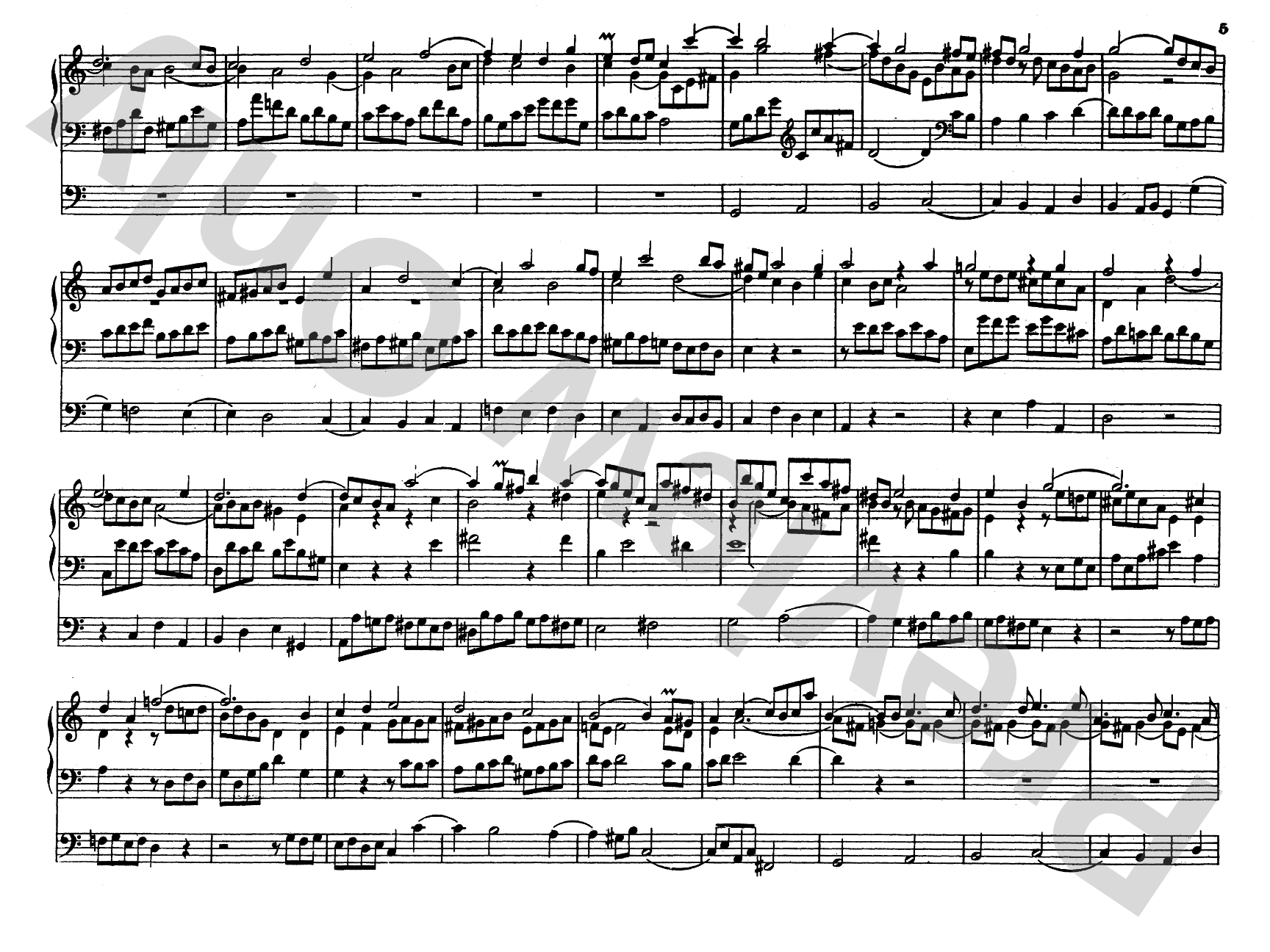
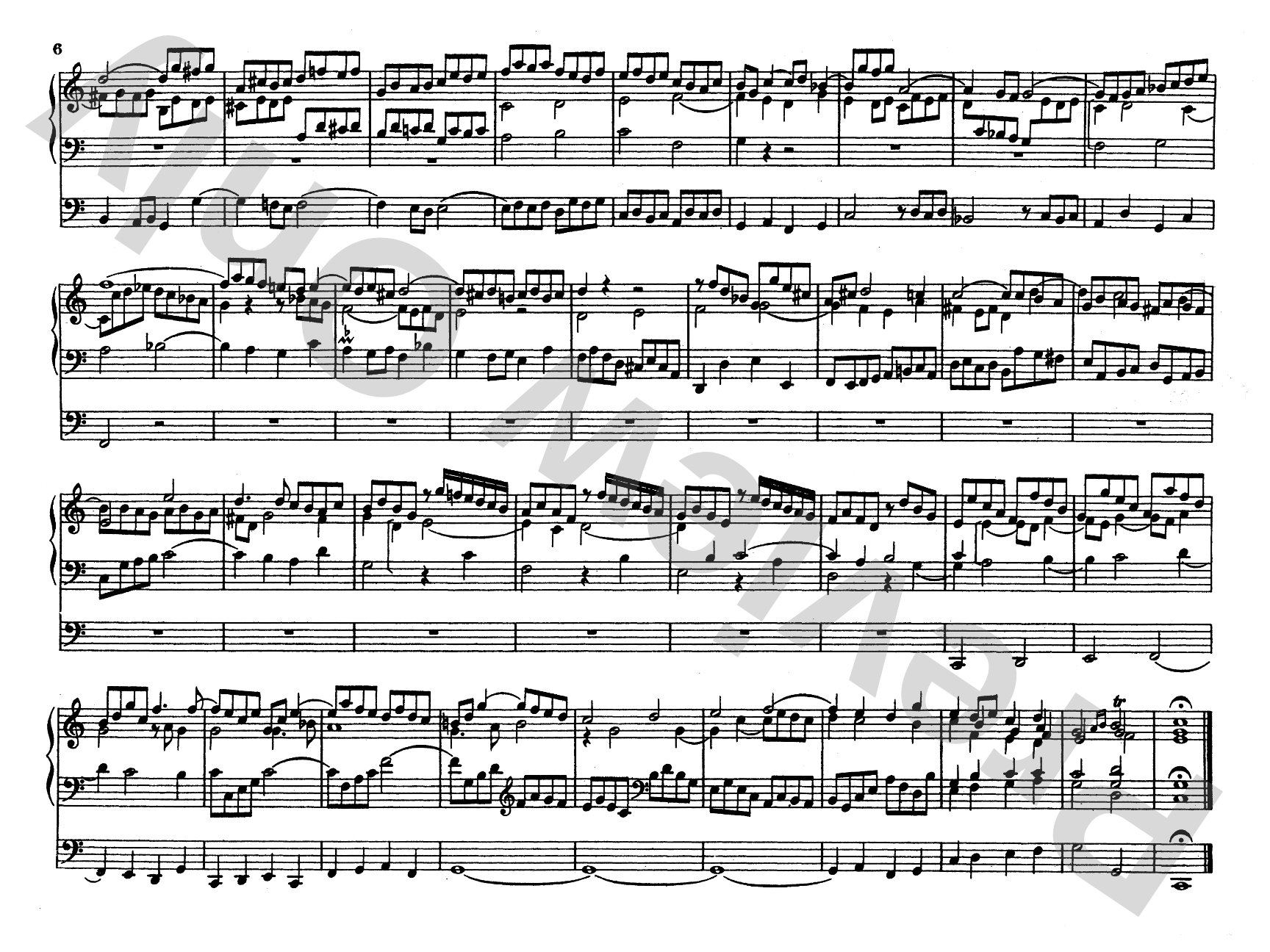
Nine Preludes and Fugues, Fantasia and Fugue in G Minor. The comb binding creates a lay-flat book that is perfect for study and performance.


Don't just read it, hear it, play along with it, and watch your students grow with it. In MakeMusic Cloud, Bach: Complete Organ Works, Volume II: Organ Comb Bound Book comes alive with professional accompaniment, adjustable tempo, and built-in practice tools that turn solo practice into real progress.
Open in the Player
Jump straight in and assign it today.
Start Your Free Trial
Open this title and explore the full library in minutes.
Sample Audio
No sample audio found.
Sample Video
No sample videos found.
Additional Details
Series:
Kalmus Edition
Publisher:
Alfred Music
Page Count:
104
SKU:
00-PK-0002859
More about this title
About the Composer: Johann Sebastian Bach
Johann Sebastian Bach (1685, 1750) stands at the center of Western keyboard literature. His organ works synthesize the German Baroque tradition with an architectural command of counterpoint that remains unmatched; each piece unfolds like a fugal argument where every voice serves the whole. For organists and keyboard musicians, Bach's output defines the standard repertoire, these works demand technical precision, interpretive maturity, and deep understanding of how registration and phrasing bring polyphonic voices to life.
Why we love this
This volume sits at the core of what organists must know. The nine preludes and fugues paired with the monumental Fantasia and Fugue in G Minor create a program that rewards repeated study and reveals new architectural details with each engagement. The comb binding transforms a challenging score into something genuinely playable at the console.
What to expect
Each prelude unfolds with purposeful momentum, building harmonic tension that the following fugue resolves through intricate voice-weaving. The Fantasia and Fugue in G Minor sweeps across the keyboard with Baroque drama and turbulence, demanding both virtuosity and interpretive restraint. These are pieces that feel simultaneously constructed and inevitable, mathematical and profound.
Who it's for
Advanced organists preparing for recital, examination, or liturgical use. This collection also serves organ teachers seeking comprehensive Baroque repertoire that spans technical difficulty and musical substance. Students pursuing serious organ study will find these works essential to their development.
How to get the most out of it
- Map registration choices before learning notes. Bach's texture and harmonic density demand clarity; decide which manuals carry each voice to maintain independence across the full score.
- Separate hand and pedal practice early. The independence required here cannot be rushed, and developing security in each part independently prevents coordination problems later.
- Attend to the breathing of phrases in fugal sections. Bach's counterpoint creates natural points of articulation; honor these moments to shape the linear argument rather than plodding through continuous texture.
- Listen to multiple interpretations before finalizing your approach to tempo and articulation. Different organists and different instruments bring vastly different sonic possibilities to these works.
How to use it
Build a recital around these works as anchors: a prelude and fugue pair as opening statement, the Fantasia and Fugue in G Minor as centerpiece, and a lighter prelude and fugue as closer. These pieces also serve advanced study curricula when organists are deepening their command of Baroque idiom and fugal writing. They work equally well in liturgical contexts where organ music carries theological and architectural weight.
Skills your students will build
- Reading and executing independent pedal lines while maintaining manual counterpoint
- Voice leading across multiple staves and registers
- Fugal structure and thematic development
- Baroque articulation and phrasing conventions
- Registration planning and console technique
- Sustained keyboard independence and coordination