
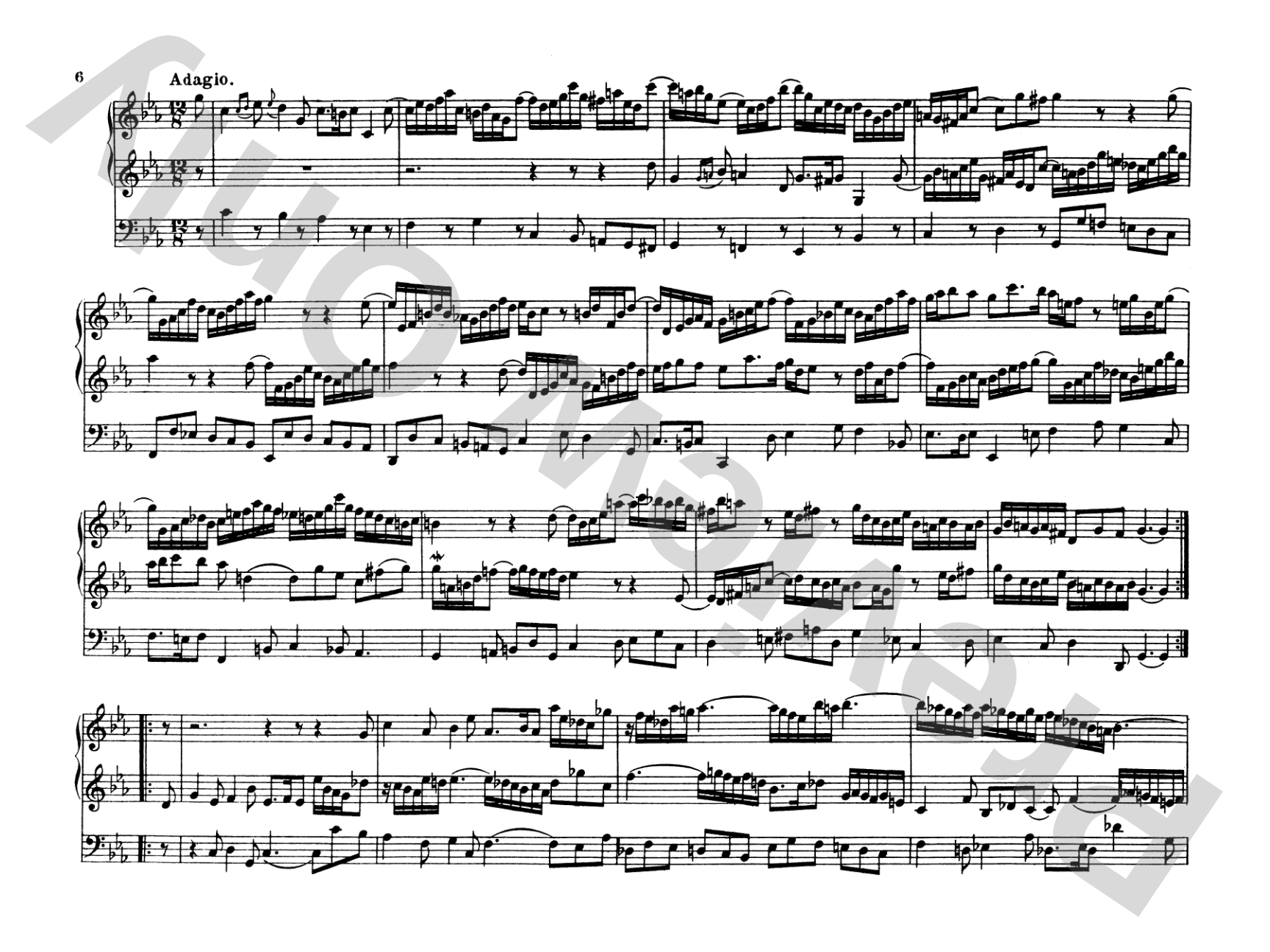
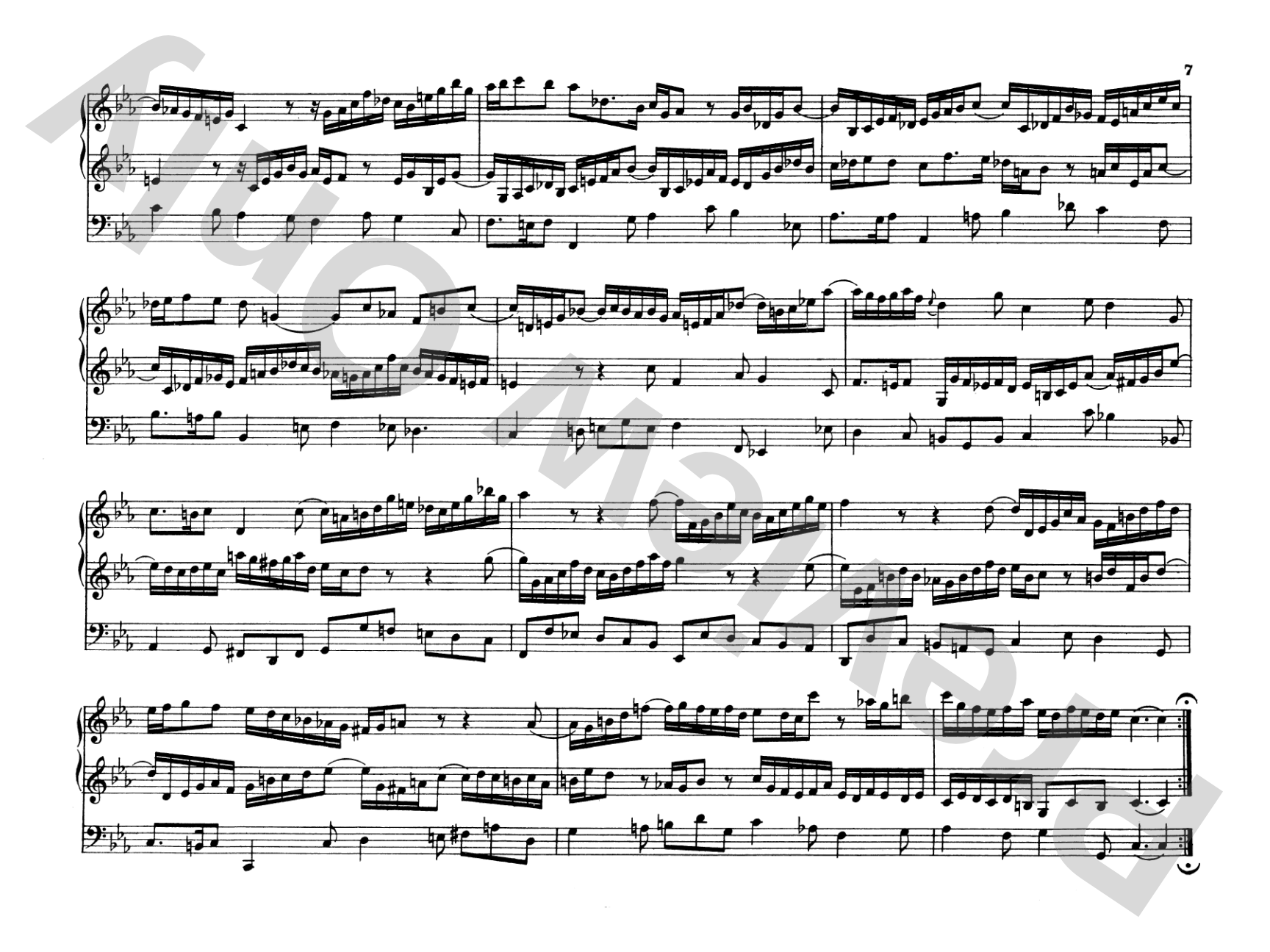
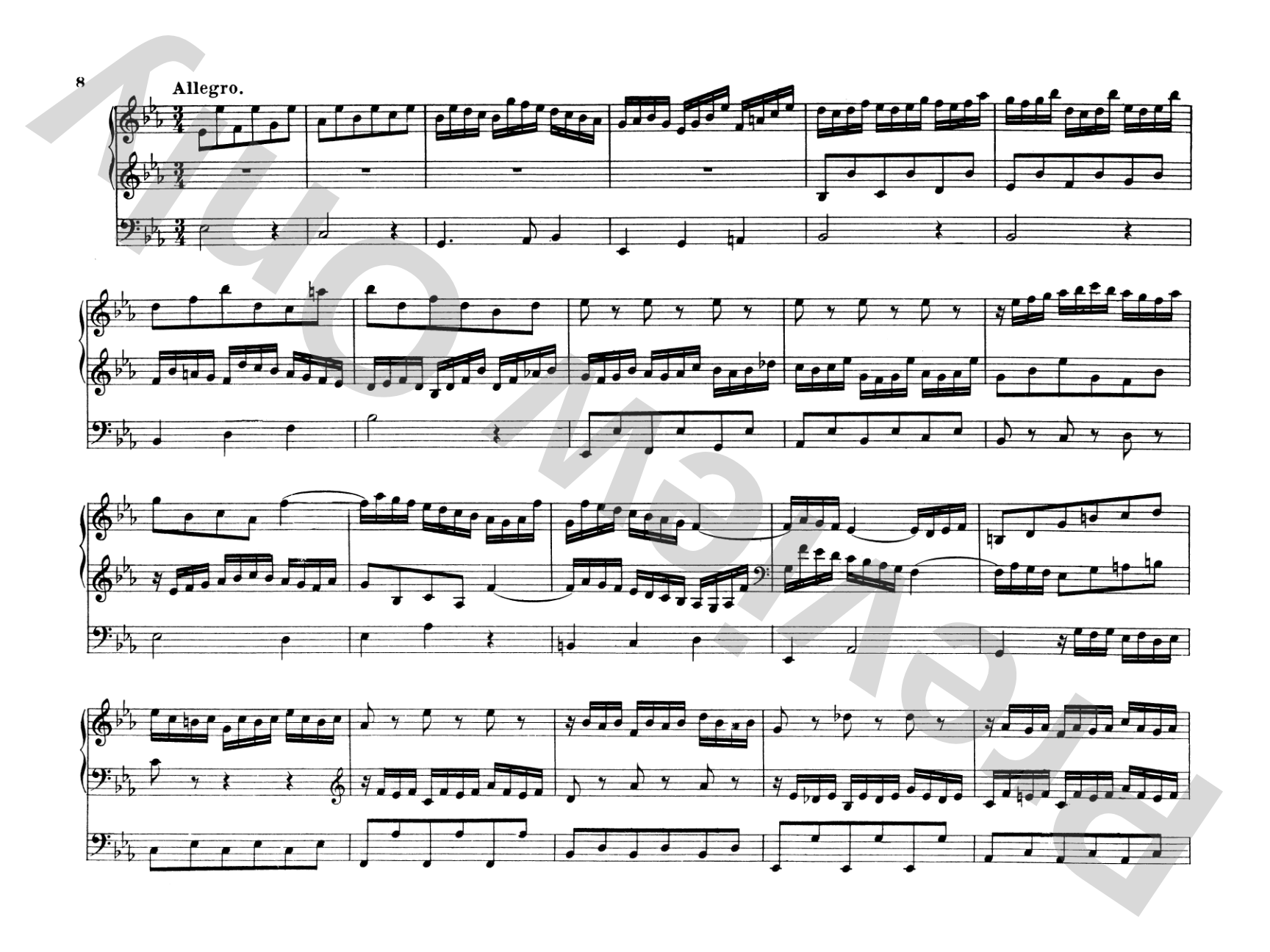
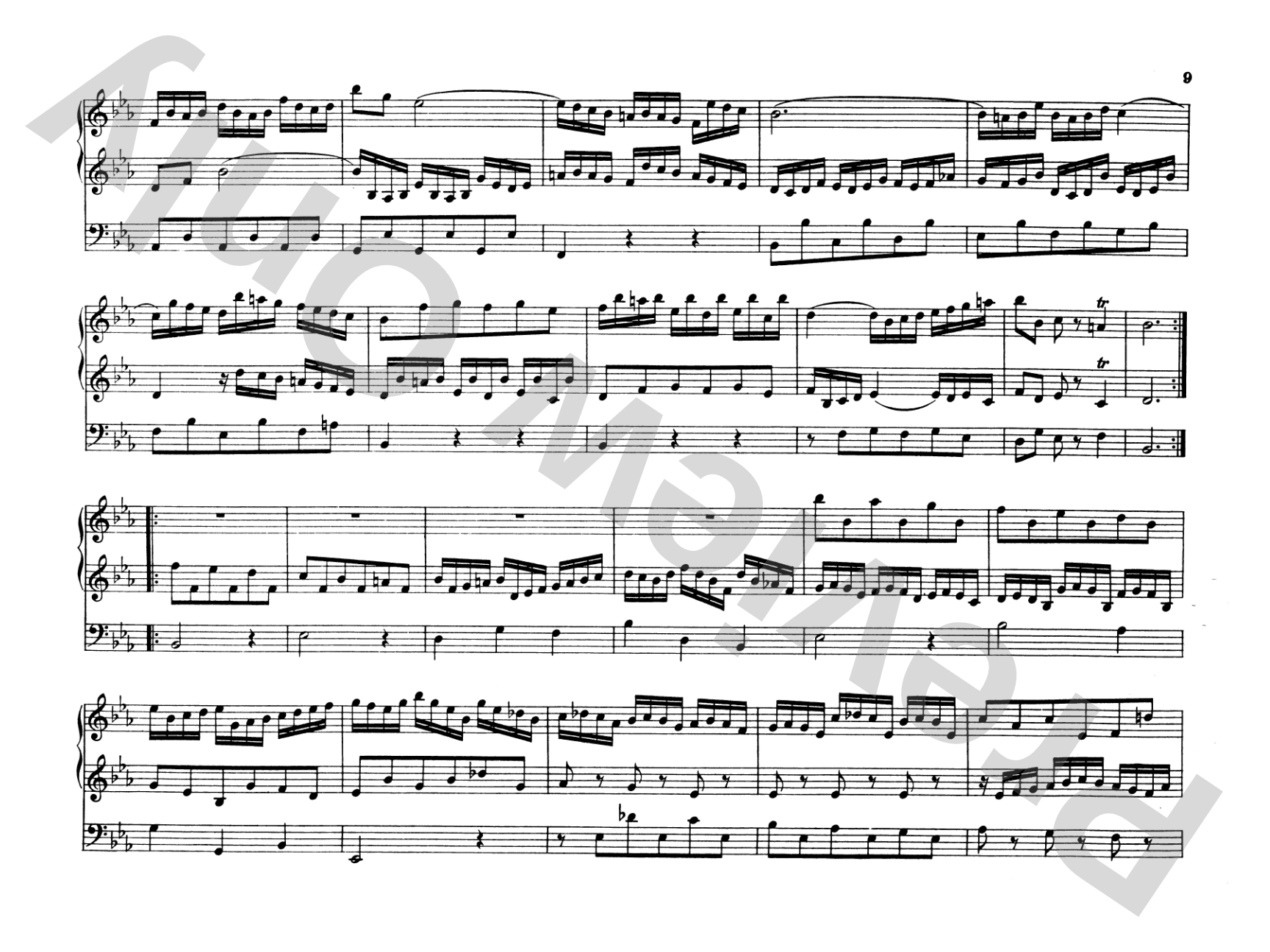
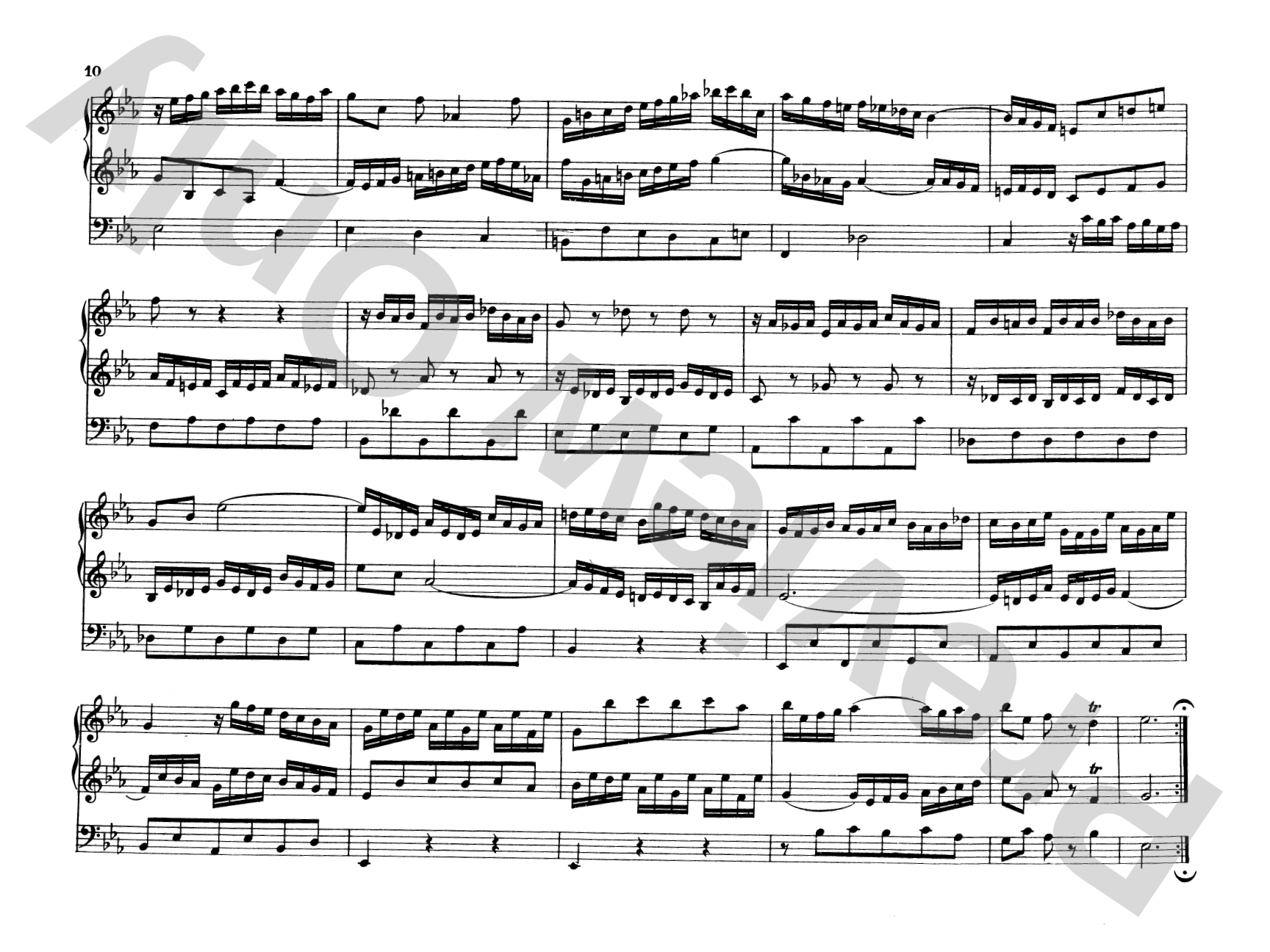

Bach: Complete Organ Works, Volume I: Organ Comb Bound Book
By Johann Sebastian Bach
Item: 00-PK-0002858

$16.99
Pickup currently not available
Buy Extra Parts (Digital PDF Download)
| Product | Price | Quantity |
|---|---|---|
| Bach: Complete Organ Works, Volume I | $0.99 | |
| Bach: Complete Organ Works, Volume I | $0.99 | |
| Bach: Complete Organ Works, Volume I | $0.99 | |
| Bach: Complete Organ Works, Volume I | $0.99 | |
| Bach: Complete Organ Works, Volume I | $0.99 | |
| Bach: Complete Organ Works, Volume I | $0.99 | |
| Bach: Complete Organ Works, Volume I | $0.99 | |
| Bach: Complete Organ Works, Volume I | $0.99 | |
| Bach: Complete Organ Works, Volume I | $0.99 |
Parts Added to Cart!
Related Items
Complete Organ Works, Volume I: Organ Comb Bound Book |
$16.95
|
View |
Description
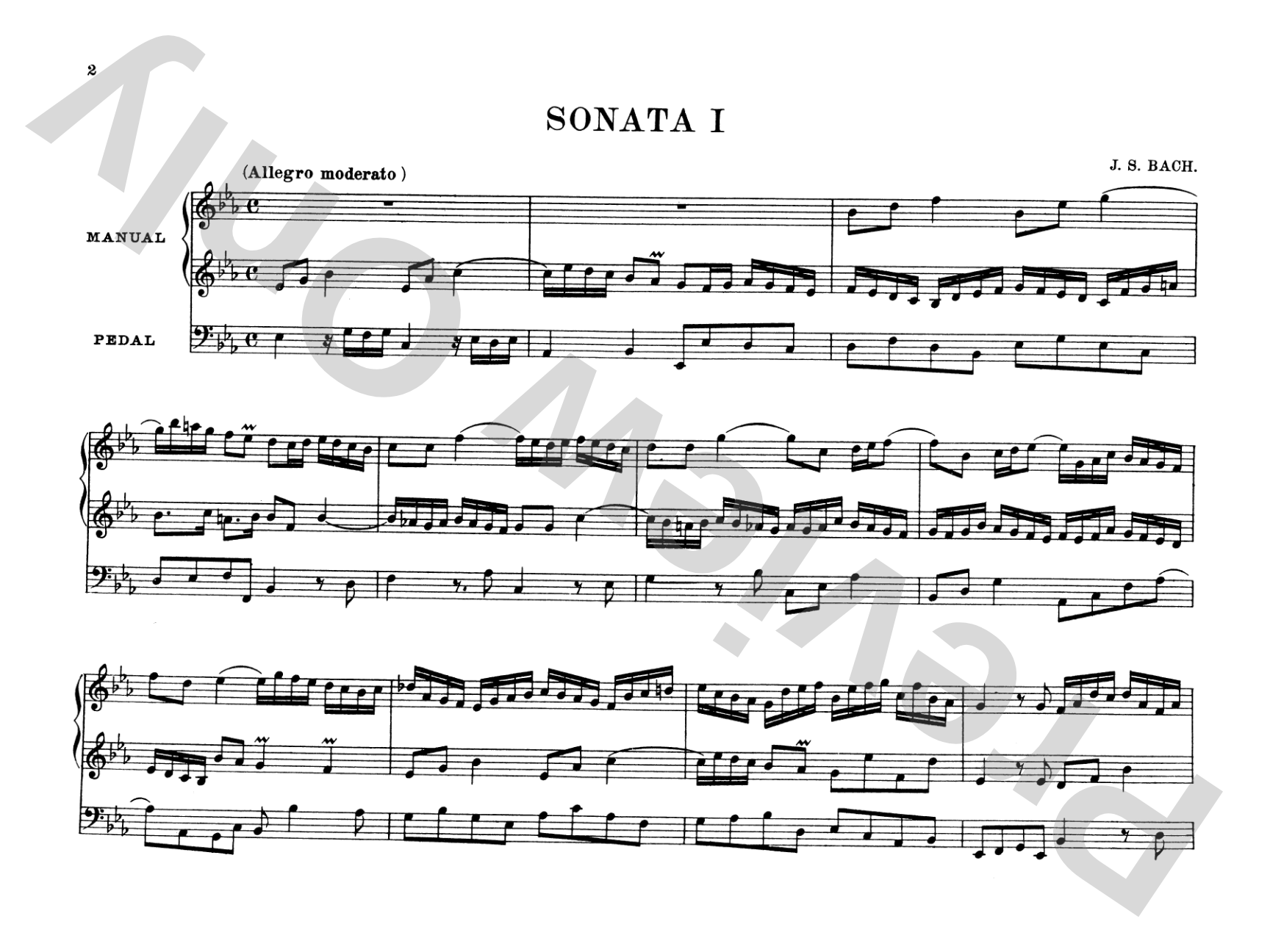
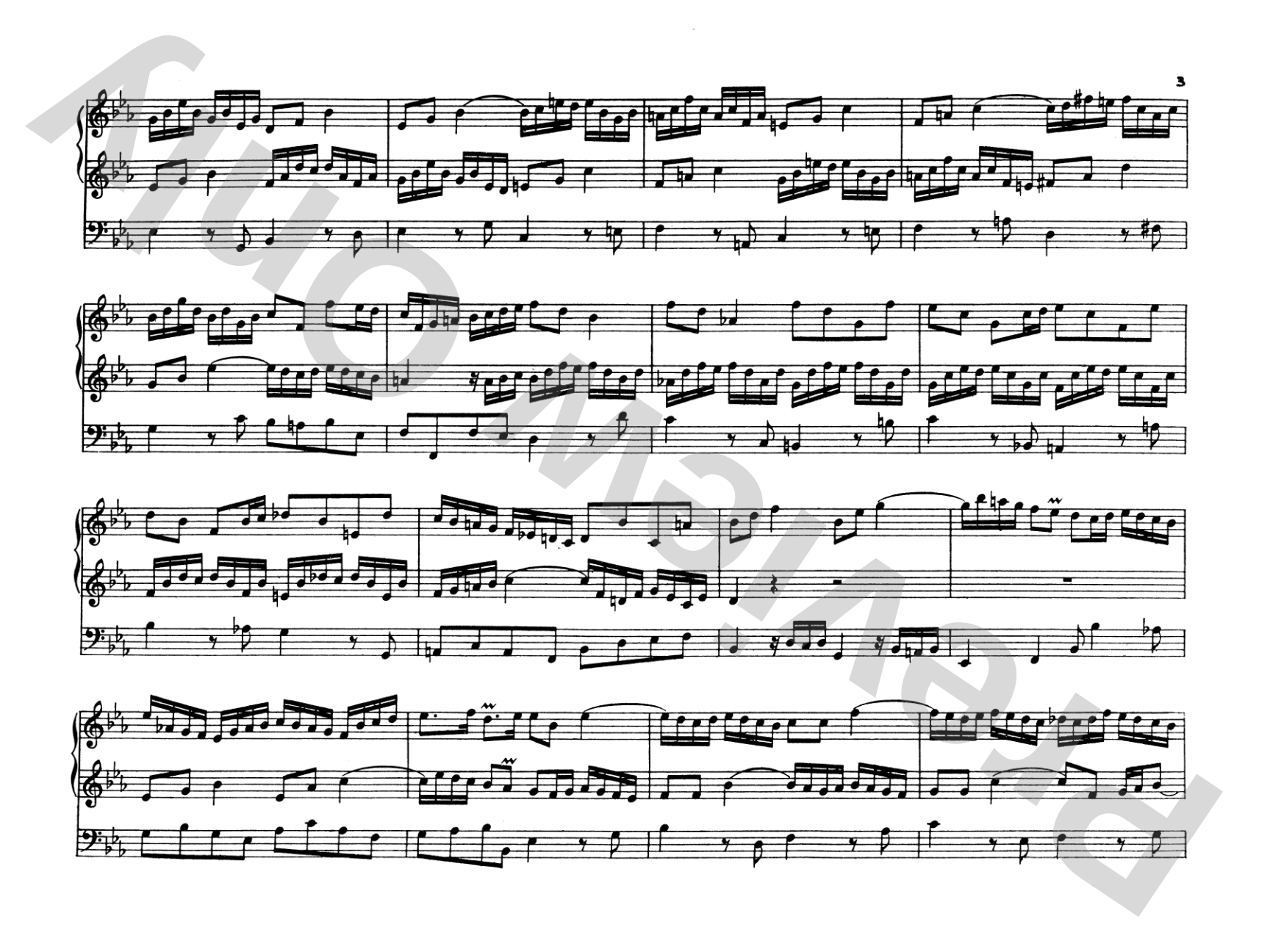
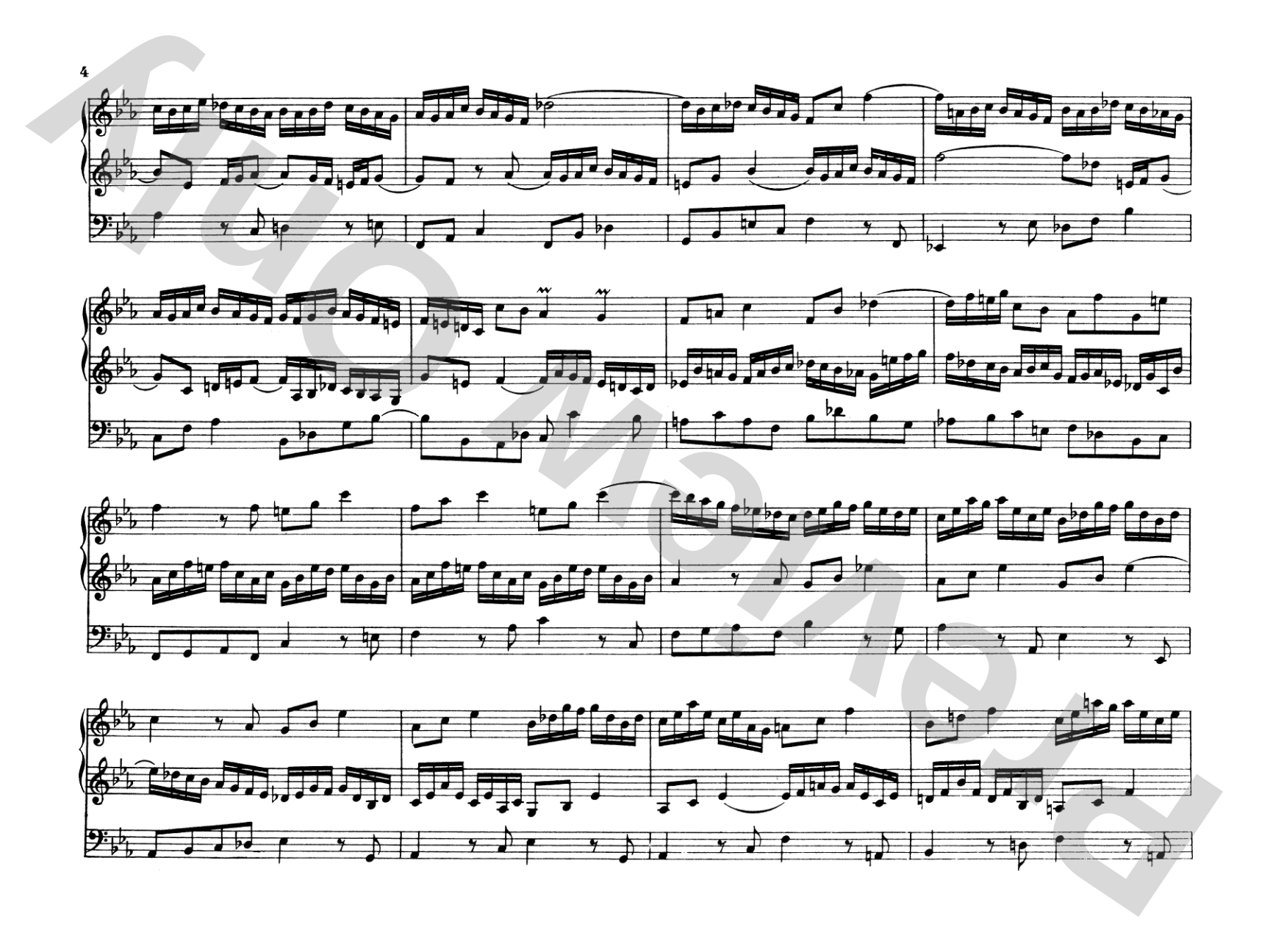
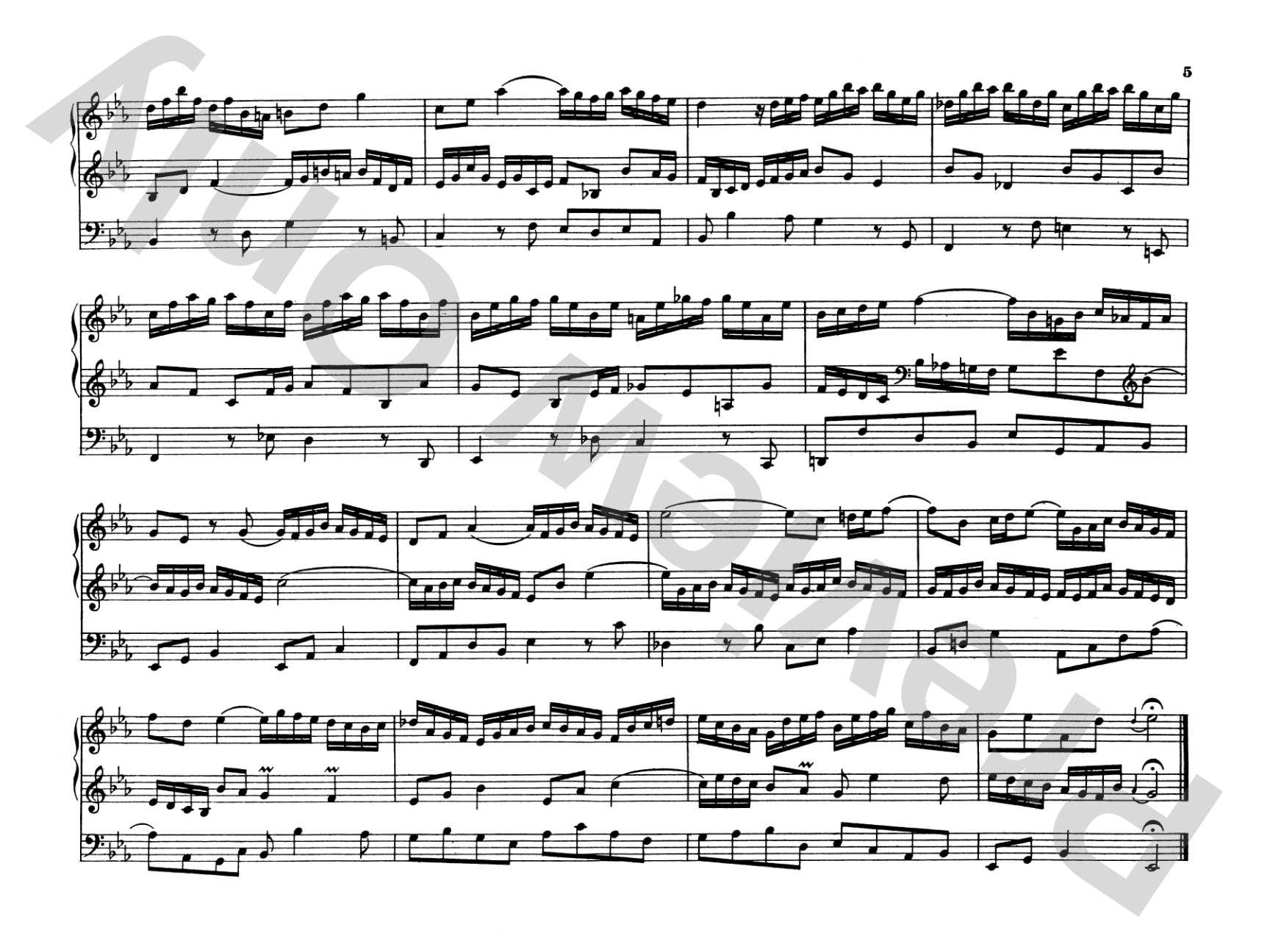
SIX Trio Sonatas, Passacaglia, Pastorale. The comb binding creates a lay-flat book that is perfect for study and performance.


Don't just read it, hear it, play along with it, and watch your students grow with it. In MakeMusic Cloud, Bach: Complete Organ Works, Volume I: Organ Comb Bound Book comes alive with professional accompaniment, adjustable tempo, and built-in practice tools that turn solo practice into real progress.
Open in the Player
Jump straight in and assign it today.
Start Your Free Trial
Open this title and explore the full library in minutes.
Sample Audio
No sample audio found.
Sample Video
No sample videos found.
Additional Details
Series:
Kalmus Edition
Publisher:
Alfred Music
Page Count:
104
SKU:
00-PK-0002858
More about this title
About the Composer: Johann Sebastian Bach
Johann Sebastian Bach (1685-1750) composed over 1,000 works across nearly every musical genre of his era. His organ music represents the culmination of the North German organ tradition, combining intricate counterpoint with harmonic depth that continues to challenge and reward performers today. Bach's mastery of fugue, variation, and structural design fundamentally shaped how composers understood keyboard writing for centuries to come.
Why we love this
This collection pairs Bach's most essential organ works in one lay-flat volume, eliminating page turns during performance and keeping your hands free during study. The Trio Sonatas offer accessible counterpoint and clear three-voice writing that builds fundamental polyphonic skill, while the Passacaglia demands the kind of technical and musical stamina that defines serious organ study.
What to expect
These works embody the intellectual rigor and spiritual depth of the Baroque organ tradition. The Trio Sonatas unfold with elegant simplicity that masks their contrapuntal sophistication, while the Passacaglia builds monumental architecture from a single eight-measure harmonic foundation, and the Pastorale radiates quiet contemplation.
Who it's for
Organ students preparing for advanced repertoire and conservatory auditions will find essential masterworks here. Teachers seeking durable, performance-ready editions of Bach's core organ literature will appreciate the comb-bound format's practicality in both studio and church settings.
How to get the most out of it
- Approach the Trio Sonatas as conversation between three independent melodic lines rather than melody with accompaniment; each voice must sing with equal clarity and voice independence.
- In the Passacaglia, plan your manual changes and pedal entry points well before performance; mark the score clearly to avoid hesitation during the steady harmonic ground.
- Use the lay-flat binding to your advantage during practice by securing the book with minimal page-turning breaks, allowing you to focus on long-line phrasing and registration changes.
- Study the Pastorale's ornaments and articulation markings as guides to style; Bach's keyboard works demand precise rhythmic clarity even in pastoral, gentler passages.
How to use it
Program the Passacaglia as a dramatic recital centerpiece or service prelude that showcases technical command and interpretive maturity. The Trio Sonatas work well paired with later keyboard works on a mixed recital or as teaching demonstrations of three-voice independence and baroque ornamentation.
Skills your students will build
- Three-voice counterpoint and voice independence
- Tracking multiple melodic lines simultaneously across manuals and pedal
- Sustaining long harmonic progressions and variation technique
- Registration planning and manual coupling
- Reading baroque articulation and ornament conventions
- Coordination of independent hand and foot parts